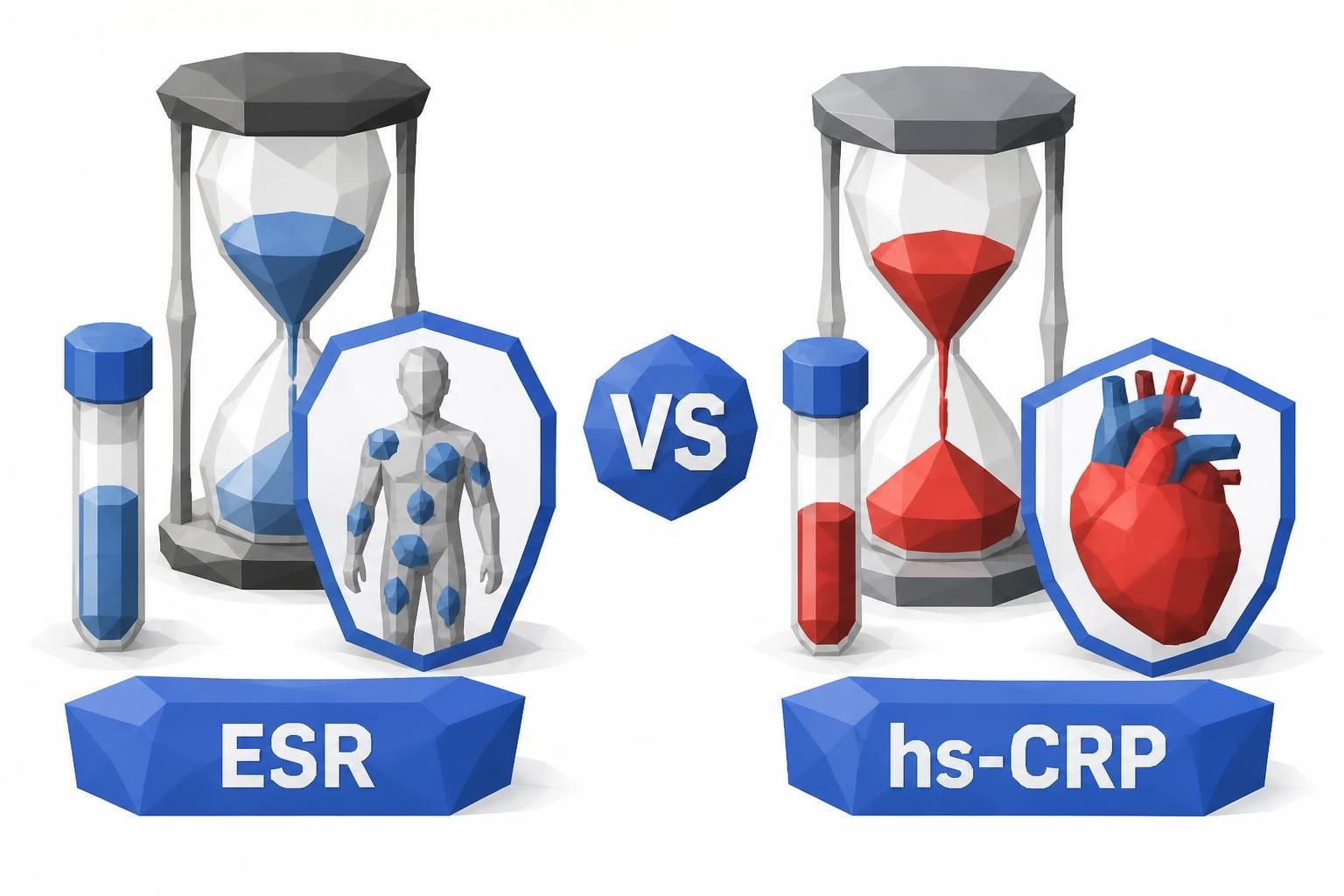
Understanding your body's inflammatory response is essential for managing various health conditions. When healthcare providers need to assess inflammation levels, two tests frequently come into consideration: the erythrocyte sedimentation rate (ESR) and high-sensitivity C-reactive protein (hs-CRP). While both tests detect inflammation, they differ significantly in their mechanisms, response times, clinical applications, and costs. Knowing the distinctions between esr vs hs crp testing helps patients and providers select the most appropriate diagnostic tool for specific health concerns.
What Is ESR Testing?
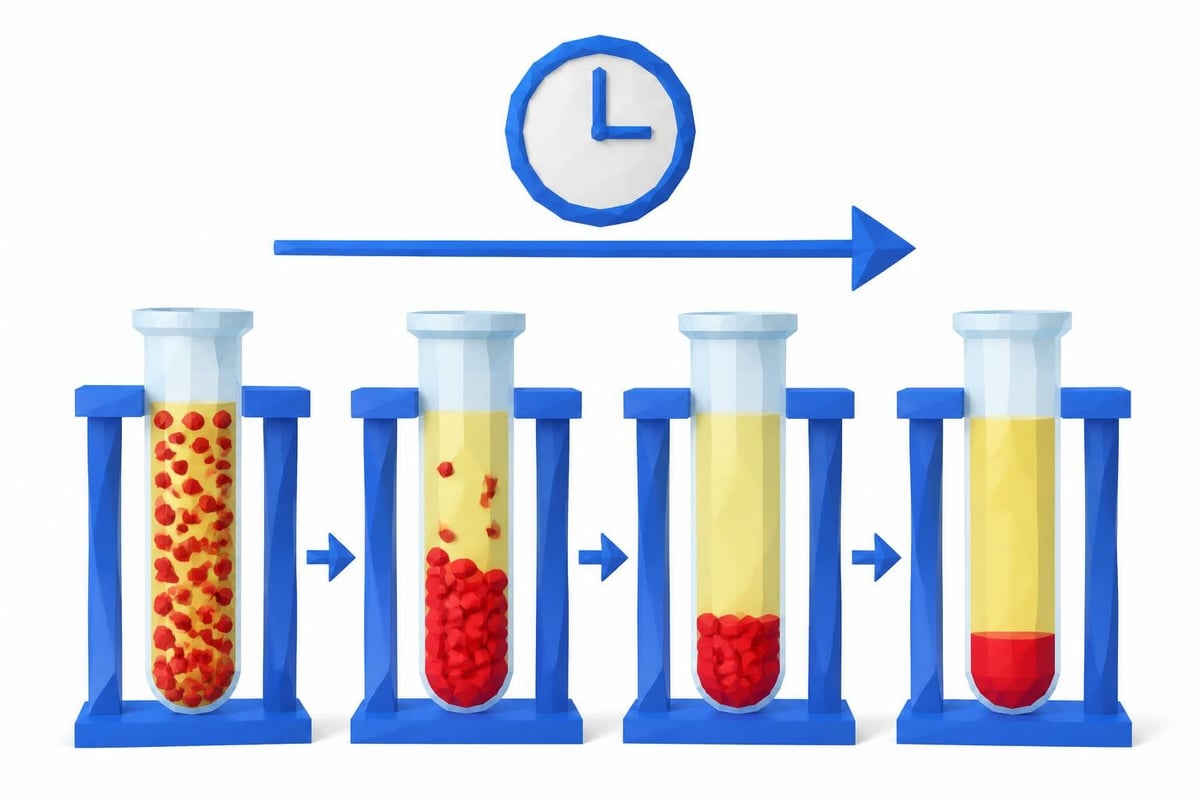
The erythrocyte sedimentation rate test measures how quickly red blood cells settle to the bottom of a test tube over one hour. This seemingly simple test has been used for nearly a century as a general indicator of inflammation in the body.
How ESR Works
When inflammation occurs, the body produces proteins that cause red blood cells to clump together. These clumped cells fall faster than individual cells, resulting in an elevated sedimentation rate.
The test process involves:
- Drawing a blood sample into a specialized tube
- Placing the tube vertically in a rack
- Measuring the distance red blood cells fall after exactly one hour
- Recording the result in millimeters per hour (mm/hr)
Normal ESR ranges vary by age and gender. Men under 50 typically show rates below 15 mm/hr, while women under 50 usually measure below 20 mm/hr. These values increase slightly with age.
Clinical Applications of ESR
ESR testing serves as a nonspecific marker of inflammation. Healthcare providers order this test to monitor chronic inflammatory conditions rather than to identify specific diseases.
Common applications include:
- Monitoring rheumatoid arthritis activity
- Tracking temporal arteritis progression
- Assessing polymyalgia rheumatica response to treatment
- Evaluating systemic lupus erythematosus
- Detecting infection complications
The test's nonspecific nature means elevated results indicate inflammation exists somewhere in the body but don't pinpoint the location or cause. Understanding how lab test pricing works helps patients access these monitoring tests affordably.
What Is hs-CRP Testing?
High-sensitivity C-reactive protein testing measures a specific protein the liver produces in response to inflammation. The "high-sensitivity" designation indicates the test can detect very low levels of CRP, making it particularly valuable for cardiovascular risk assessment.
How hs-CRP Differs From Standard CRP
Standard CRP tests measure higher protein concentrations typically associated with acute infections or significant inflammation. The hs-CRP test detects much smaller amounts, measuring levels between 0.5 and 10 mg/L with precision.
This sensitivity allows healthcare providers to detect subtle, chronic inflammation associated with atherosclerosis and cardiovascular disease. Research comparing CRP and ESR demonstrates that CRP responds more rapidly to inflammatory changes.
hs-CRP and Cardiovascular Risk
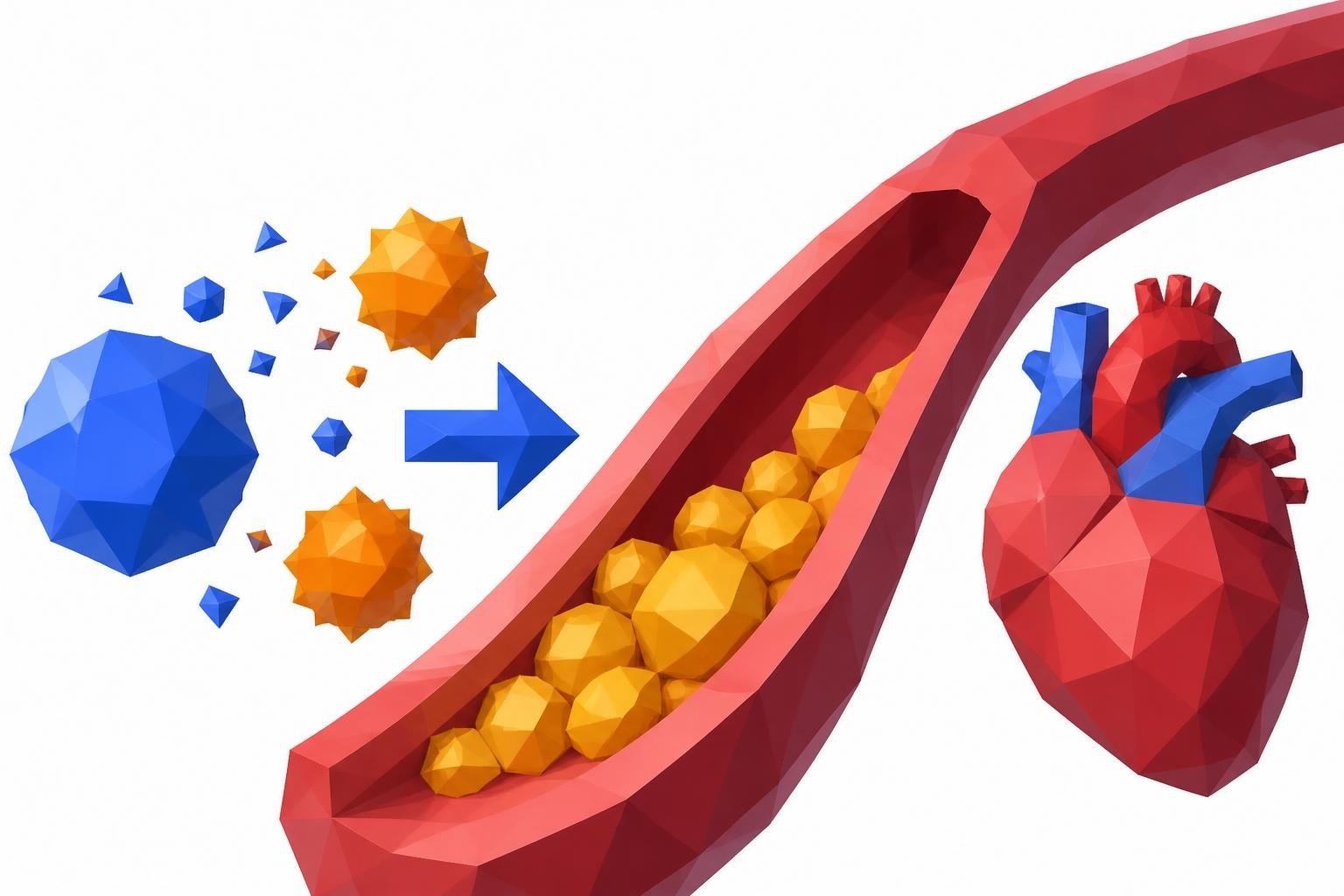
The primary clinical value of hs-CRP testing lies in cardiac risk stratification. Unlike ESR, which serves general inflammatory monitoring, hs-CRP specifically helps predict future cardiovascular events.
Risk categories based on hs-CRP levels:
| hs-CRP Level (mg/L) | Cardiovascular Risk | Clinical Interpretation |
|---|---|---|
| Less than 1.0 | Low risk | Optimal cardiovascular health |
| 1.0 to 3.0 | Average risk | Standard preventive measures |
| Greater than 3.0 | High risk | Aggressive risk factor management |
| Greater than 10.0 | Very high risk | Rule out acute inflammation first |
These thresholds help physicians make informed decisions about preventive treatments, including statins and lifestyle modifications.
Direct Comparison: ESR vs hs-CRP
When evaluating esr vs hs crp testing, several key differences emerge that influence clinical decision-making. Understanding these distinctions helps patients and providers choose the most appropriate test.
Recommended Test
ESR (Sed Rate)
The ESR test, also called sed rate, is a simple blood test that measures how quickly red blood cells settle to the bottom of a test tube, indicating the level of inflammation in your body.
Includes 1 biomarkers
$8
Recommended Test
High-Sensitivity CRP
A sensitive test that measures low levels of C-reactive protein, an inflammation marker associated with cardiovascular disease risk.
Includes 1 biomarkers
$15
Speed and Responsiveness
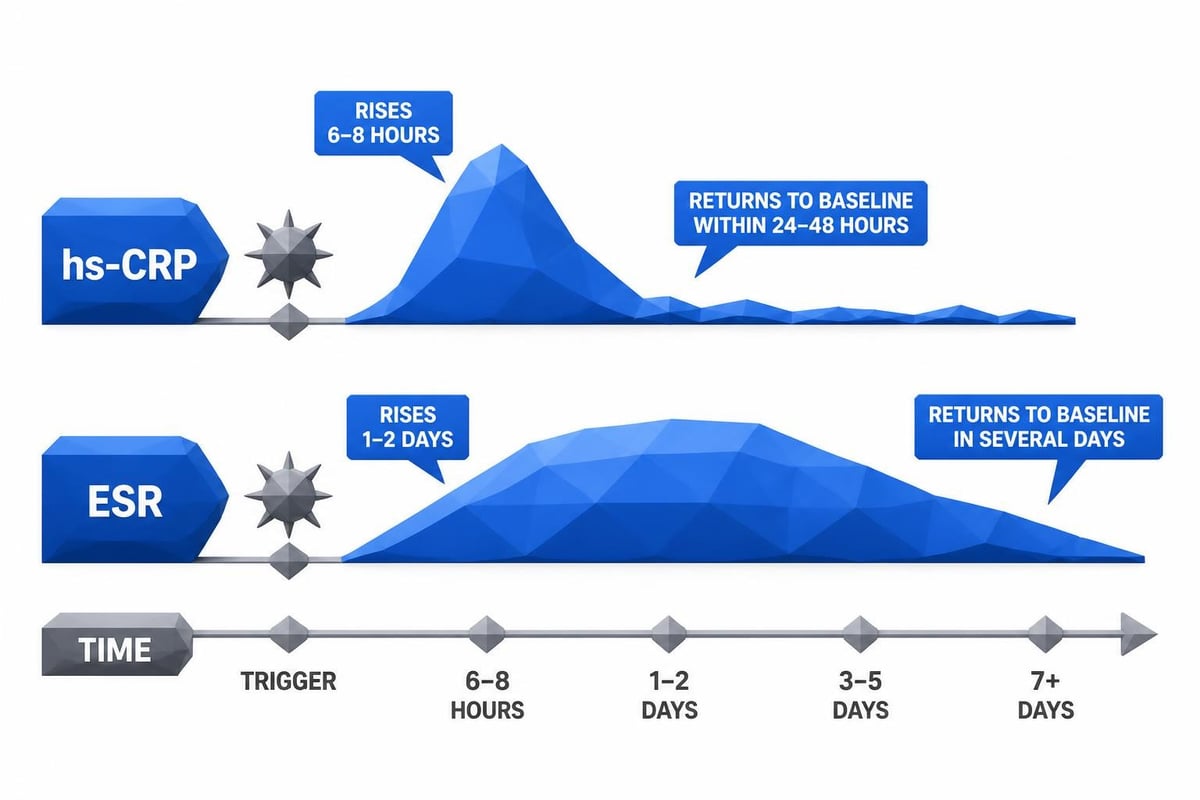
The response time difference between these tests significantly impacts their clinical utility. hs-CRP levels change within 6-8 hours after inflammation begins, reaching peak concentrations within 48 hours. This rapid response makes hs-CRP valuable for detecting acute inflammatory changes.
ESR rates, conversely, change much more slowly. The test may not show elevation until several days after inflammation begins, and values can remain elevated for weeks after the inflammatory stimulus resolves.
This temporal difference means esr vs hs crp selection often depends on whether providers need immediate feedback or long-term monitoring. For detailed comparisons of inflammation markers, CRP versus ESR analysis provides comprehensive clinical perspectives.
Test Methodology and Turnaround
| Factor | ESR | hs-CRP |
|---|---|---|
| Sample type | Whole blood | Serum or plasma |
| Testing time | 60 minutes minimum | 15-30 minutes |
| Result turnaround | Same day to 1 day | Same day |
| Equipment required | Simple rack and timer | Automated analyzer |
| Technical complexity | Low | Moderate |
| Typical cost range | $15-$35 | $25-$50 |
Both tests require standard blood draws, but hs-CRP processing involves automated laboratory equipment that delivers faster, more standardized results. Many patients appreciate knowing how much lab tests really cost before ordering.
Specificity and Clinical Context
The specificity difference between esr vs hs crp testing profoundly affects their clinical applications. ESR represents an extremely nonspecific marker influenced by numerous factors beyond inflammation.
Factors affecting ESR include:
- Anemia (falsely elevated)
- Polycythemia (falsely lowered)
- Abnormal protein levels
- Red blood cell shape abnormalities
- Pregnancy (naturally elevated)
- Age (increases with advancing years)
- Gender (higher baseline in women)
hs-CRP, while more specific than ESR, still responds to various inflammatory triggers. However, its rapid kinetics and quantitative precision make it more useful for tracking treatment response and assessing cardiovascular risk.
Best Use Cases for Each Test
Selecting between these tests depends on the clinical question being addressed. Neither test can diagnose specific conditions independently but rather serves as supporting evidence alongside other diagnostic information.
ESR excels for:
- Monitoring established rheumatologic conditions
- Tracking temporal arteritis treatment response
- Assessing polymyalgia rheumatica activity
- Long-term disease activity surveillance
- Conditions where historical data exists for comparison
hs-CRP proves superior for:
- Cardiovascular risk stratification
- Detecting subtle chronic inflammation
- Rapid assessment of treatment response
- Monitoring conditions requiring frequent testing
- Situations requiring precise quantitative measurements
The mechanisms behind ESR and CRP testing demonstrate why these applications differ so significantly.
Understanding Your Test Results
Interpreting esr vs hs crp results requires understanding what elevated values actually mean. Both tests indicate inflammation exists but cannot specify the source or cause without additional clinical context.
When ESR Results Are Elevated
Moderately elevated ESR (20-50 mm/hr) suggests mild to moderate inflammation. This level might indicate:
- Active rheumatologic disease
- Chronic infections
- Mild kidney disease
- Certain cancers in early stages
Markedly elevated ESR (above 100 mm/hr) signals severe inflammation requiring prompt investigation. Such extreme elevations often accompany temporal arteritis, serious infections, or active malignancies.
Interpreting hs-CRP Levels
For cardiovascular risk assessment, consistent hs-CRP measurements matter more than single values. Providers typically order tests on two separate occasions to establish a baseline pattern.
Important considerations:
- Acute illness can temporarily spike hs-CRP above 10 mg/L
- Recent injuries or infections invalidate cardiovascular interpretation
- Chronic conditions like rheumatoid arthritis elevate baseline levels
- Obesity correlates with higher hs-CRP independent of cardiac risk
Values persistently above 3.0 mg/L warrant evaluation for both cardiovascular risks and other inflammatory conditions. Accessing convenient lab testing services makes serial testing practical and affordable.

Cost Considerations and Accessibility
Understanding the financial aspects of esr vs hs crp testing helps patients make informed decisions. Traditional healthcare pricing often obscures actual test costs, but self-pay options provide transparency.
Traditional Healthcare Costs
Insurance-based testing introduces variable pricing depending on:
- Deductible status and remaining balance
- Copayment requirements
- Network participation of the laboratory
- Additional facility fees at hospital-based labs
These variables create unpredictability. Patients frequently receive bills weeks after testing, discovering costs far exceeding expectations.
Self-Pay Advantages
Direct-pay laboratory services eliminate insurance complexity. Transparent pricing allows patients to know exact costs before ordering tests.
Benefits of self-pay testing include:
- No surprise bills or hidden fees
- Faster results without insurance processing delays
- Privacy from insurance medical record reporting
- Ability to order appropriate tests without requiring physician appointments
Many patients discover that understanding lab test pricing reveals self-pay options cost less than insurance copays or deductible expenses.
Combining Tests for Comprehensive Assessment
Some clinical situations benefit from ordering both ESR and hs-CRP simultaneously. This combined approach provides complementary information about inflammatory status.
When Dual Testing Makes Sense
Concordant results (both elevated or both normal) increase diagnostic confidence. Discordant results provide valuable clues about inflammation timing and type.
Scenarios warranting both tests:
- Initial evaluation of unexplained symptoms suggesting inflammation
- Establishing baseline values before starting immunosuppressive therapy
- Distinguishing acute flare-ups from chronic disease activity
- Monitoring complex conditions affecting multiple organ systems
Recommended Panel
Inflammation Panel
Save $2Chronic inflammation is the hidden driver of heart disease, cancer, and accelerated aging. This panel measures the key markers that reveal whether silent inflammation is damaging your body.
Includes 17 biomarkers
$52
Fasting required
Comprehensive inflammation panels that include both markers alongside other tests provide the most complete assessment. These panels help physicians develop more accurate treatment plans while potentially reducing the need for repeat testing.
Frequency of Testing
How often to repeat esr vs hs crp testing depends entirely on the clinical situation. Chronic disease monitoring might require monthly or quarterly testing, while cardiovascular risk assessment typically needs annual or biannual measurements.
Testing frequency guidelines:
| Clinical Scenario | ESR Frequency | hs-CRP Frequency |
|---|---|---|
| Stable rheumatoid arthritis | Every 3-6 months | Not routine |
| Active temporal arteritis | Weekly to monthly | Not routine |
| Cardiovascular risk screening | Not routine | Every 1-2 years |
| Treatment response monitoring | Monthly during adjustment | Monthly during adjustment |
Regular monitoring helps detect disease progression early, allowing timely treatment adjustments. Accessible testing through platforms that offer quick results turnaround supports effective disease management.
Limitations and False Results
Both ESR and hs-CRP have limitations that affect interpretation. Recognizing these constraints prevents overreliance on single test results.
ESR Limitations
The extreme nonspecificity of ESR means many non-inflammatory conditions affect results. Technical factors also influence accuracy:
- Sample must be tested within 2 hours of collection
- Tilted tubes produce falsely elevated results
- Vibration during testing affects sedimentation
- Temperature variations change settling rates
Additionally, some inflammatory conditions paradoxically show normal ESR despite active disease. Certain blood disorders interfere with red blood cell clumping, preventing the expected elevation.
hs-CRP Limitations
While more specific than ESR, hs-CRP cannot distinguish between cardiovascular inflammation and other inflammatory sources. A patient with rheumatoid arthritis will show elevated hs-CRP regardless of cardiovascular status.
Common causes of elevated hs-CRP unrelated to heart disease:
- Chronic infections (periodontal disease, bronchitis)
- Autoimmune conditions (lupus, inflammatory bowel disease)
- Obesity and metabolic syndrome
- Sleep apnea
- Chronic stress
Testing during acute illness invalidates hs-CRP for cardiovascular assessment. Providers should wait 2-3 weeks after infections or injuries resolve before using hs-CRP for cardiac risk evaluation.
Making Informed Testing Decisions
Choosing between esr vs hs crp testing requires understanding your specific health concerns and goals. Patients should discuss several key questions with healthcare providers before ordering tests.
Questions to Consider
What symptom or condition needs evaluation? General inflammatory symptoms might warrant ESR, while cardiovascular concerns suggest hs-CRP.
How quickly are results needed? Acute situations benefit from hs-CRP's rapid responsiveness, while monitoring established conditions suits ESR's stability.
What baseline information exists? Comparing new results to previous values requires using the same test type for consistency.
What financial resources are available? Understanding transparent lab test costs helps patients budget appropriately.
Ordering Tests Independently
Modern healthcare increasingly supports patient-directed testing. Self-pay laboratory services allow individuals to order appropriate tests without requiring physician appointments for routine monitoring.
This approach works well for:
- Following established conditions with known test requirements
- Tracking treatment effectiveness between scheduled appointments
- Preventive screening based on personal risk factors
- Second opinions when symptoms suggest possible inflammatory conditions
Access to comprehensive test menus empowers patients to take active roles in health management while maintaining medical oversight for result interpretation and treatment decisions.
Related reading
Understanding the distinctions between esr vs hs crp testing enables better healthcare decisions tailored to individual needs. ESR serves chronic inflammatory monitoring with its stability and low cost, while hs-CRP excels at cardiovascular risk assessment and rapid inflammation detection. When you need inflammation testing with transparent pricing and quick results, Justlabs provides convenient access to both ESR and hs-CRP tests without requiring insurance or doctor visits, delivering results in 1-3 days so you can move forward with appropriate care decisions.
References
Bray C, Bell LN, Liang H, Haykal R, Kaiksow F, Mazza JJ, Yale SH. Erythrocyte Sedimentation Rate and C-reactive Protein Measurements and Their Relevance in Clinical Medicine. WMJ. 2016 Dec;115(6):317-21. PMID: 29094869. https://pubmed.ncbi.nlm.nih.gov/29094869/
Ridker PM. A Test in Context: High-Sensitivity C-Reactive Protein. J Am Coll Cardiol. 2016 Feb 16;67(6):712-723. doi: 10.1016/j.jacc.2015.11.037. PMID: 26868696. https://pubmed.ncbi.nlm.nih.gov/26868696/
van der Geest KSM, Sandovici M, Brouwer E, Mackie SL. Diagnostic Accuracy of Symptoms, Physical Signs, and Laboratory Tests for Giant Cell Arteritis: A Systematic Review and Meta-analysis. JAMA Intern Med. 2020 Oct 1;180(10):1295-1304. doi: 10.1001/jamainternmed.2020.3050. PMID: 32804186. https://pubmed.ncbi.nlm.nih.gov/32804186/
Mensah GA, Arnold N, Prabhu SD, Ridker PM, Welty FK. Inflammation and Cardiovascular Disease: 2025 ACC Scientific Statement: A Report of the American College of Cardiology. J Am Coll Cardiol. 2026 Mar 24;87(11):1381-1404. doi: 10.1016/j.jacc.2025.08.047. PMID: 41020749. https://pubmed.ncbi.nlm.nih.gov/41020749/