Understanding the timing of HIV testing after potential exposure is crucial for obtaining accurate screening results. The hiv 4th generation test window period represents the time between exposure to the virus and when the test can reliably detect infection. This window period directly affects when you should seek testing and how to interpret your results. Fourth-generation tests represent a significant advancement in HIV screening technology, combining both antibody and antigen detection to identify infection earlier than previous testing methods.
What Makes Fourth-Generation HIV Tests Different
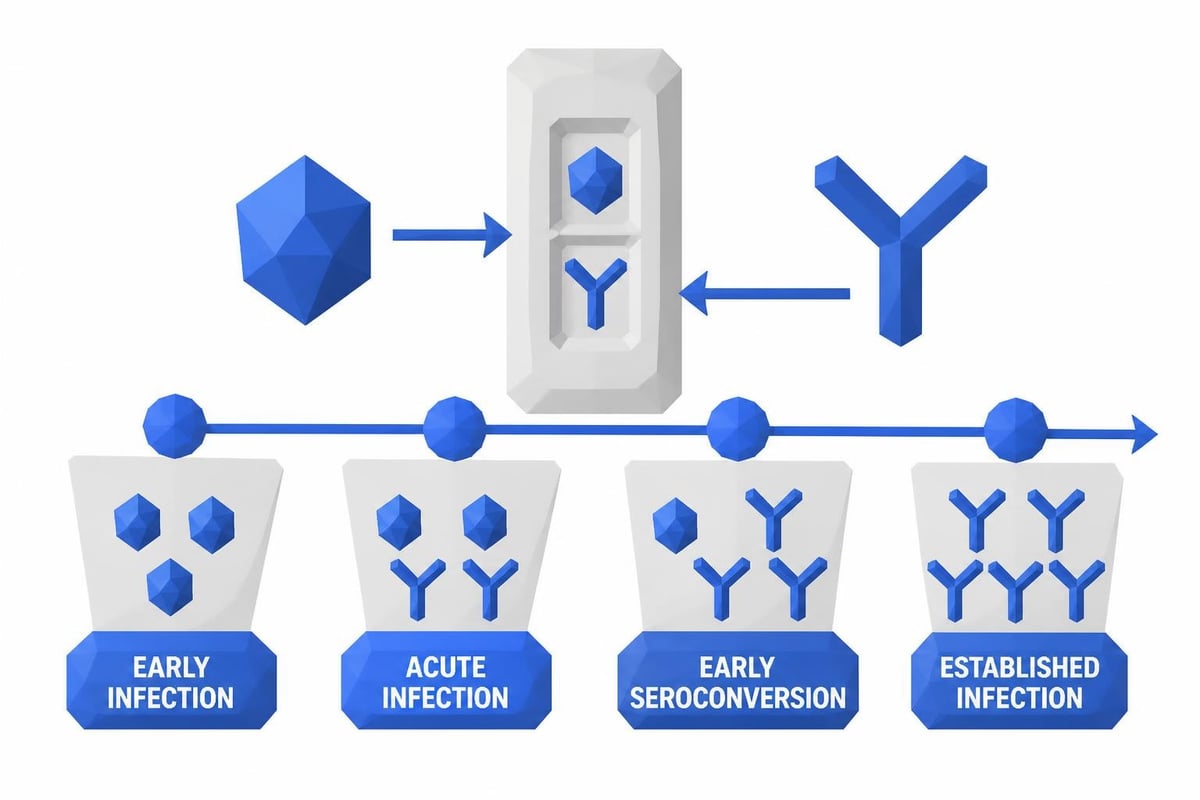
Fourth-generation HIV tests stand apart from earlier testing methods because they detect two distinct markers of HIV infection simultaneously. These tests identify both HIV antibodies, which your immune system produces in response to the virus, and the p24 antigen, a protein that forms part of the virus itself.
The dual-detection capability provides a critical advantage during early infection. The p24 antigen appears in blood before antibodies develop, allowing fourth-generation tests to identify HIV infection earlier than tests that only detect antibodies. This earlier detection window reduces the period of uncertainty following potential exposure.
How Fourth-Generation Tests Work
The testing process involves analyzing a blood sample for specific markers:
- P24 antigen detection: Identifies viral proteins present during acute infection
- HIV antibody detection: Recognizes immune system response to the virus
- Combined analysis: Increases sensitivity during the window period
- Laboratory processing: Ensures accurate measurement of both markers
According to HIV.gov's testing overview, fourth-generation tests can detect HIV infection in most people within one month after exposure, making them more reliable for early screening than previous test generations.
Understanding the HIV 4th Generation Test Window Period
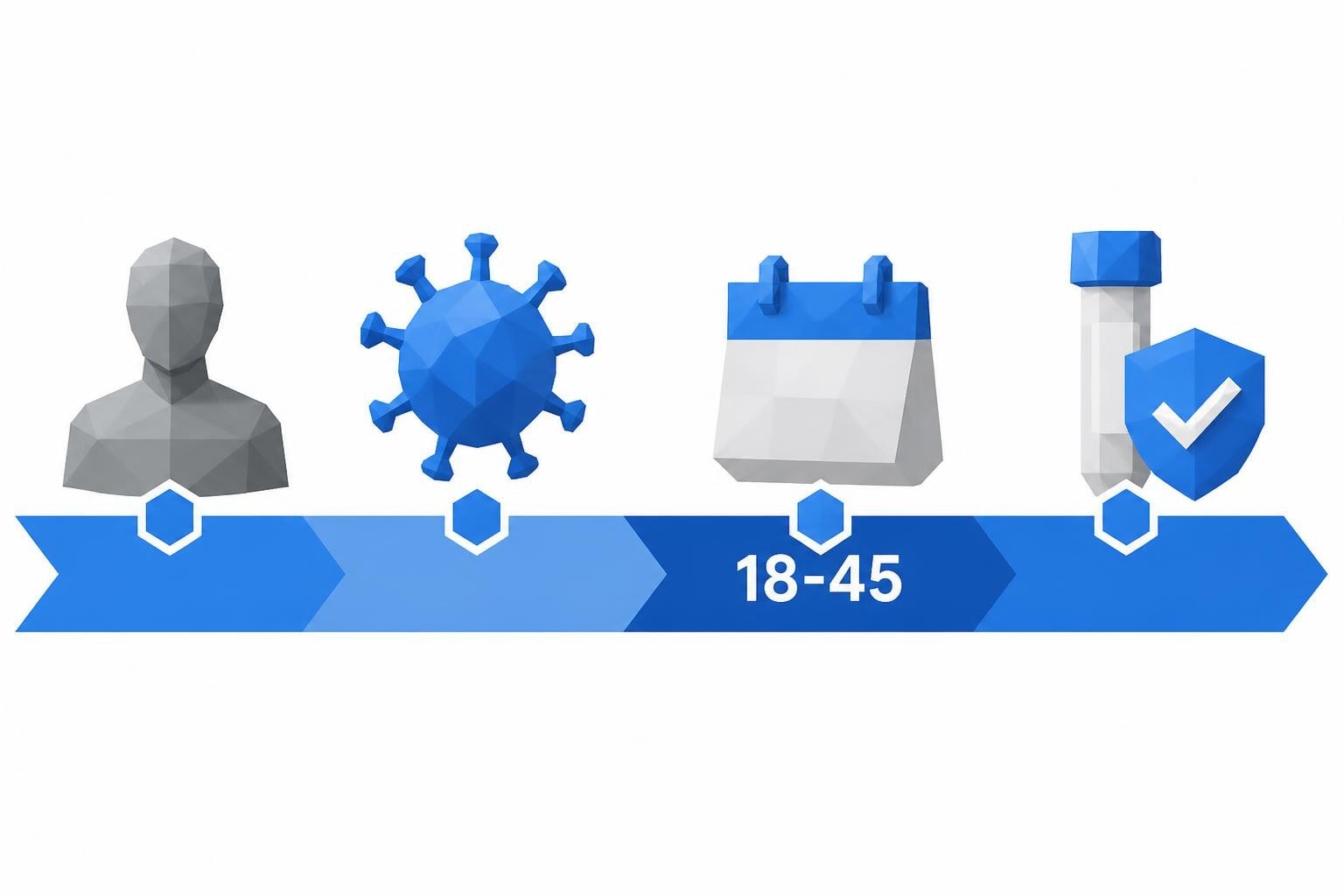
The hiv 4th generation test window period typically ranges from 18 to 45 days after exposure. This timeframe represents when the test can reliably detect infection in most individuals. However, this period varies based on individual immune response and the specific circumstances of exposure.
During the first 18 days following exposure, the test may not detect infection even if transmission occurred. The p24 antigen typically becomes detectable around 18 days post-exposure, while antibodies generally appear between 23 and 90 days after infection.
Window Period Timeline
| Days After Exposure | Detection Capability | Recommendation |
|---|---|---|
| 0-17 days | Low detection rate | Too early for reliable results |
| 18-44 days | P24 antigen may be detectable | Testing possible but may need repeat |
| 45+ days | High detection rate for both markers | Optimal testing window |
| 90+ days | Maximum reliability | Conclusive negative result |
The Medical News Today guide on fourth-generation testing emphasizes that while these tests can detect infection earlier than previous generations, timing remains essential for accurate screening.
When to Test After Potential Exposure
Determining the optimal time to test requires understanding both the window period and your specific situation. Testing too early may produce a false negative result, while appropriate timing provides reliable screening information.
Immediate testing after exposure establishes a baseline but cannot rule out infection. This initial test confirms you were not previously infected but does not detect newly acquired HIV during the window period.
Recommended Testing Schedule
For individuals concerned about recent exposure:
- Baseline test: As soon as possible after exposure for documentation
- First screening: At 18-45 days post-exposure using fourth-generation testing
- Confirmatory test: At 90 days if initial test is negative
- Additional testing: Based on ongoing risk factors or symptoms
A negative result obtained inside the window period requires a repeat test after the window has passed. This follow-up testing ensures that infection present during the window period is not missed.
The UK Department of Health position statement provides clinical guidance supporting these testing intervals for accurate HIV screening.
Accuracy and Reliability of Fourth-Generation Tests
Fourth-generation HIV tests demonstrate high sensitivity and specificity when performed after the window period. These tests correctly identify HIV infection in approximately 99% of cases when conducted at least 45 days post-exposure.
Test Performance Metrics
- Sensitivity: Ability to correctly identify positive cases
- Specificity: Ability to correctly identify negative cases
- False negative rate: Decreases significantly after day 45
- False positive rate: Rare but possible, requiring confirmatory testing
Testing accuracy improves progressively as time passes from the exposure date. At 18 days, detection rates hover around 50-70%, while testing at 45 days approaches maximum reliability. By 90 days, a negative fourth-generation test result provides conclusive evidence that HIV transmission did not occur.
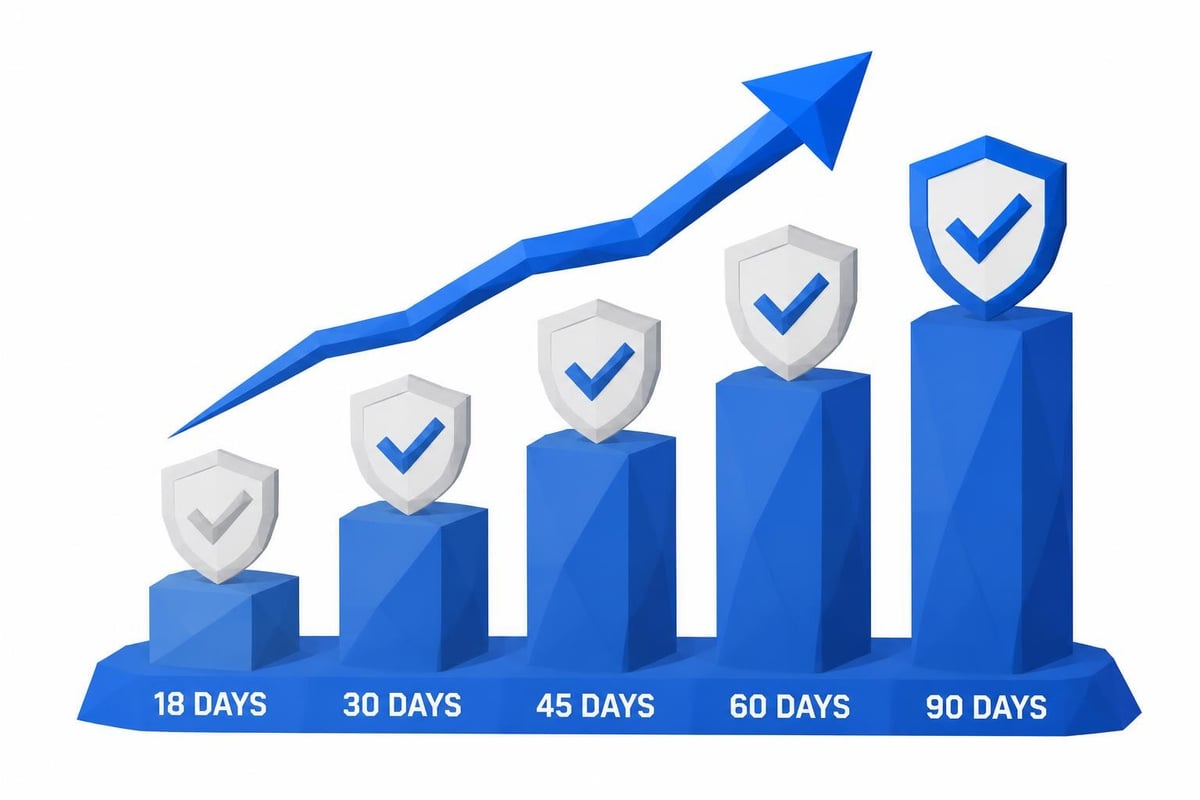
Healthline's explanation of fourth-generation testing details how test accuracy correlates with the time elapsed since potential exposure, reinforcing the importance of appropriate timing.
Testing Options and Accessibility
Access to HIV screening has expanded significantly, with multiple pathways available for obtaining fourth-generation tests. Understanding your options helps you make informed decisions about when and where to test.
Laboratory-based fourth-generation tests require a blood draw performed at a testing facility. These tests offer the earliest detection window and highest accuracy for screening purposes. Justlabs offers accessible testing options that allow you to order lab work directly without insurance requirements or physician appointments.
Testing Accessibility Features
| Testing Method | Window Period | Result Timeline | Accessibility |
|---|---|---|---|
| Laboratory 4th generation | 18-45 days | 1-3 business days | Requires blood draw |
| Rapid antibody tests | 23-90 days | 20-40 minutes | Widely available |
| Home collection kits | Varies by type | 5-10 days | Mail-in samples |
For those seeking lab tests without insurance, self-pay services provide transparent pricing and eliminate barriers to testing. This accessibility proves particularly valuable during the time-sensitive window period when prompt testing is essential.
Interpreting Your Test Results
Understanding what your test results mean requires context about the hiv 4th generation test window period and your testing timeline. Results interpretation differs based on when you tested relative to potential exposure.
Negative Results
A negative result indicates that the test did not detect HIV antibodies or p24 antigen in your blood sample. However, if you tested during the window period, this result is not conclusive. You must retest after the window has passed to confirm you were not infected.
If you test negative at 45 days or later, the result provides strong evidence that HIV transmission did not occur. A negative result at 90 days is considered conclusive for that exposure event.
Positive or Reactive Results
A positive or reactive result on a fourth-generation screening test requires confirmatory testing. This is screening, not diagnosis. Confirmatory tests verify the initial result and provide definitive diagnostic information.
Follow-up testing typically includes:
- Differentiation assays to distinguish HIV-1 from HIV-2
- Western blot or immunofluorescence assays
- Nucleic acid tests (NAT) to detect viral genetic material
- Quantitative viral load measurements
The detailed window period information at STDTest.com explains how different test types contribute to the confirmation process and what results mean at various stages.
Factors Affecting the Window Period
Individual variation affects how quickly HIV becomes detectable after exposure. While the 18-45 day range applies to most people, several factors can influence your personal window period.
Immune system function plays a significant role in antibody production timing. People with compromised immune systems may develop detectable antibodies on a different timeline than those with robust immune function.
Variables That Impact Detection
- Route of exposure (blood exposure, sexual contact, needle sharing)
- Viral load of the source individual
- Individual immune response variations
- Presence of other infections or health conditions
- Antiretroviral medication use (PEP or PrEP)
Post-exposure prophylaxis (PEP) can affect test results and window periods. If you're taking PEP medication after potential exposure, discuss testing timing with healthcare providers, as the medication may delay antibody development.
Repeat Testing and Follow-Up
Repeat testing serves as a critical component of HIV screening strategy, particularly when initial testing occurs during the window period. A single negative test during the window period cannot rule out infection.
Healthcare guidelines recommend follow-up testing at 90 days for definitive results. This timeframe ensures that even individuals with delayed antibody response receive accurate screening outcomes.
When to Seek Repeat Testing
Testing frequency depends on your risk level and exposure circumstances:
- Single potential exposure: Test at 18-45 days, then at 90 days
- Ongoing risk factors: Regular screening every 3-6 months
- Symptoms suggesting acute HIV: Immediate testing regardless of window period
- After PEP completion: Follow medical guidance for timing
- Peace of mind: 90-day test provides conclusive results
Understanding how lab testing works helps you plan an appropriate testing schedule without requiring multiple physician visits. Self-directed testing allows you to maintain your screening timeline efficiently.
Symptoms and Acute HIV Infection
Some individuals experience symptoms during acute HIV infection, which occurs during the window period. These symptoms appear 2-4 weeks after exposure and may resemble flu-like illness.
Common symptoms include:
- Fever and night sweats
- Swollen lymph nodes
- Sore throat and mouth sores
- Muscle aches and joint pain
- Skin rash
- Fatigue and headaches
If you experience these symptoms after potential exposure, seek testing immediately even if you're still within the early window period. Acute HIV infection can sometimes be detected through viral load testing (NAT) even when antibody and antigen tests remain negative.
Cost Considerations and Financial Accessibility
The cost of HIV testing varies significantly based on testing location and payment method. Understanding your options helps ensure financial considerations don't prevent appropriate screening.
Laboratory-based fourth-generation tests typically cost between $50 and $200 when paid out-of-pocket. Many testing sites offer free or low-cost screening, while transparent lab test pricing through self-pay services provides predictable costs without insurance billing.
Financial Access Options
| Payment Method | Typical Cost Range | Advantages |
|---|---|---|
| Insurance billing | $0-$50 copay | Low out-of-pocket cost |
| Self-pay services | $50-$100 | Transparent pricing, no insurance needed |
| Community health centers | Free-$30 | Affordable access |
| Public health departments | Often free | No cost barrier |
FSA and HSA eligible testing allows you to use pre-tax dollars for HIV screening, reducing effective costs while maintaining privacy through self-directed testing.
Privacy and Confidential Testing
Privacy concerns sometimes prevent individuals from seeking necessary HIV screening. Understanding confidential testing options helps address these barriers while ensuring appropriate care.
Confidential testing means your results are shared with you and potentially with healthcare providers or insurance companies. Anonymous testing provides results without linking them to your personal identifying information.
Self-pay testing services offer a middle ground, providing medical-grade laboratory testing with results delivered directly to you. This approach maintains privacy while ensuring you receive accurate fourth-generation testing during the appropriate window period.
Making Informed Testing Decisions
Armed with knowledge about the hiv 4th generation test window period, you can make informed decisions about when to seek screening. The key takeaway is that timing matters significantly for accurate results.
Testing too early wastes resources and provides unreliable information. Testing at the appropriate intervals ensures you receive meaningful screening results that accurately reflect your HIV status.
Remember that HIV screening is exactly that: screening, not diagnosis. Positive results require confirmation, and negative results during the window period require follow-up testing. This non-judgmental approach to testing recognizes that anyone can benefit from knowing their status regardless of perceived risk level.
Access to testing should never be complicated by insurance requirements or physician availability. Modern testing services streamline the process while maintaining accuracy and reliability.
Related reading
Understanding the hiv 4th generation test window period empowers you to take control of your health through appropriately timed screening. Testing at 18-45 days post-exposure provides early detection capability, while follow-up at 90 days ensures conclusive results. Justlabs makes this process straightforward by offering direct access to laboratory-based HIV testing without insurance complications or physician appointments, with transparent pricing and results delivered in 1-3 days so you can get the answers you need when timing matters most.
References
Alexander TS. Human Immunodeficiency Virus Diagnostic Testing: 30 Years of Evolution. Clin Vaccine Immunol. 2016 Apr;23(4):249-53. doi: 10.1128/CVI.00053-16. PMID: 26936099. https://pubmed.ncbi.nlm.nih.gov/26936099/
Branson BM. HIV Diagnostics: Current Recommendations and Opportunities for Improvement. Infect Dis Clin North Am. 2019 Sep;33(3):611-628. doi: 10.1016/j.idc.2019.04.001. PMID: 31239094. https://pubmed.ncbi.nlm.nih.gov/31239094/
Chéret A. Acute HIV-1 Infection: Paradigm and Singularity. Viruses. 2025 Mar 3;17(3). doi: 10.3390/v17030366. PMID: 40143294. https://pubmed.ncbi.nlm.nih.gov/40143294/
Seed CR, Styles CE, Hoad VC, Yang H, Thomas MJ, Gosbell IB. Effect of HIV pre-exposure prophylaxis (PrEP) on detection of early infection and its impact on the appropriate post-PrEP deferral period. Vox Sang. 2021 Apr;116(4):379-387. doi: 10.1111/vox.13011. PMID: 32965051. https://pubmed.ncbi.nlm.nih.gov/32965051/