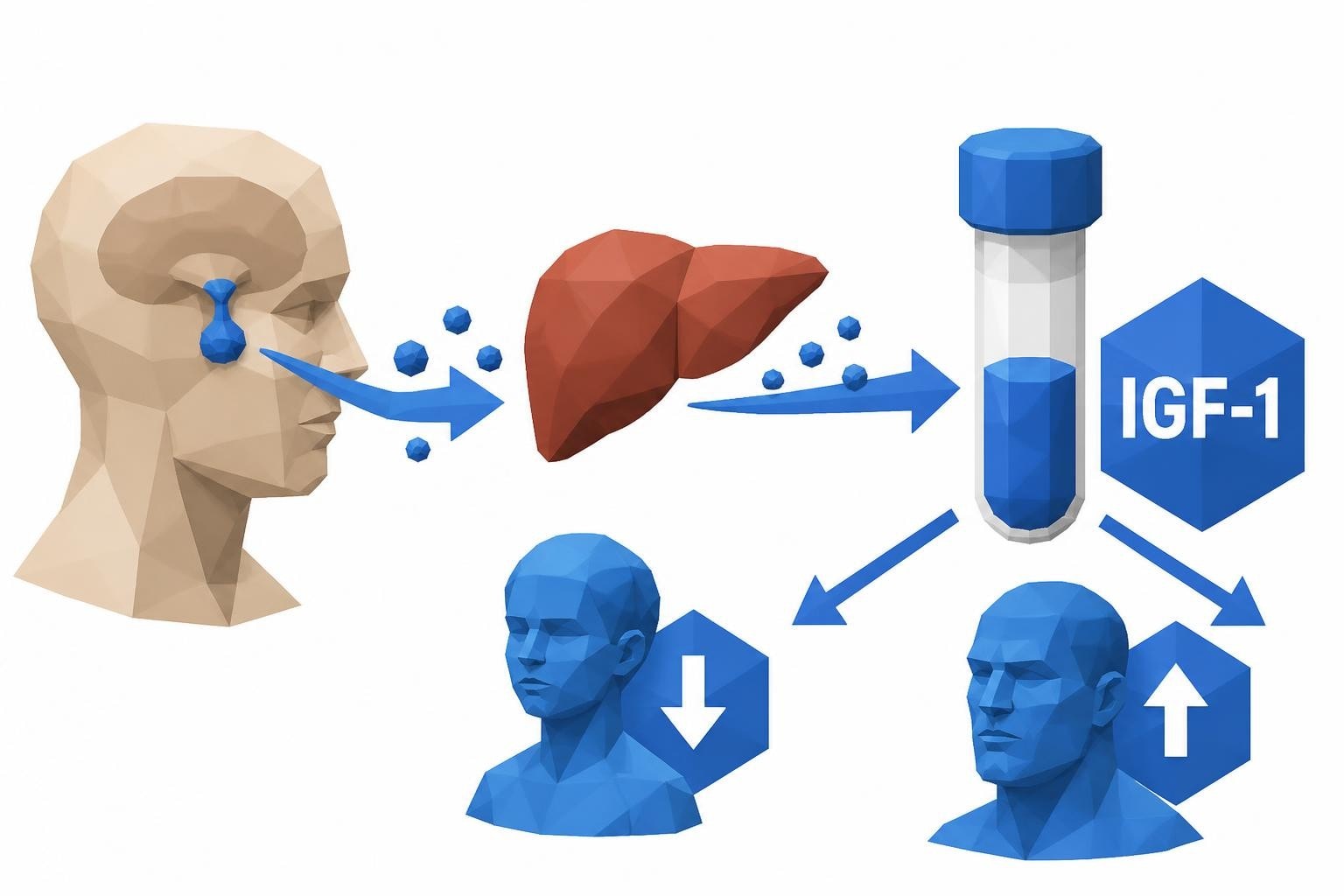
Understanding your growth hormone status can be essential for diagnosing various health conditions, from childhood growth disorders to adult metabolic issues. The IGF-1 test serves as a reliable marker for assessing how well your body produces and utilizes growth hormone, offering insights that direct growth hormone measurements often cannot provide.
Big picture
- IGF-1 (Insulin-like Growth Factor 1) is a protein produced primarily by the liver in response to growth hormone, making it an indirect but stable measure of growth hormone activity in your body
- This test helps diagnose growth hormone disorders including growth hormone deficiency in children and adults, as well as excess production conditions like acromegaly
- IGF-1 levels remain relatively stable throughout the day, unlike growth hormone which fluctuates significantly, making the igf-1 test growth hormone status assessment more reliable for clinical evaluation
- Age, sex, and nutritional status significantly affect IGF-1 levels, requiring careful interpretation using age-specific reference ranges
- Getting tested has become more accessible through services that allow you to order lab tests without a doctor, making it easier to monitor your hormone health proactively
Understanding the IGF-1 and Growth Hormone Connection
Growth hormone (GH) plays a vital role in human development and metabolism, but measuring it directly presents challenges. GH is released from the pituitary gland in pulses throughout the day, with levels varying dramatically based on sleep, exercise, stress, and food intake. This variability makes single measurements unreliable.
IGF-1 provides a solution to this problem. When your pituitary gland releases growth hormone, your liver responds by producing IGF-1. Unlike GH, IGF-1 levels remain relatively constant throughout the day, providing a stable reflection of your average growth hormone secretion over time.
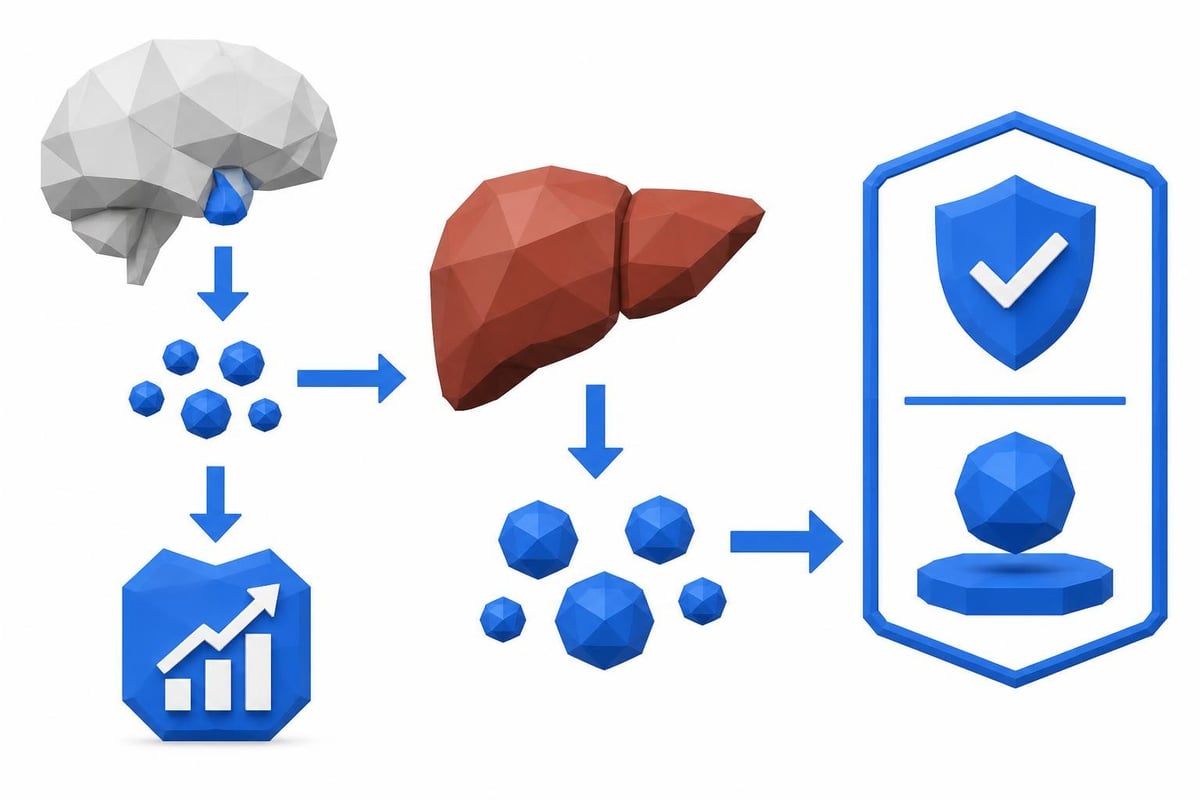
The IGF-1 test measures these circulating levels in your bloodstream, offering clinicians a practical window into your growth hormone status. This relationship makes the igf-1 test growth hormone status evaluation the preferred initial screening tool for suspected GH disorders.
Why IGF-1 Testing Matters
Several clinical situations warrant IGF-1 testing:
- Unexplained growth abnormalities in children and adolescents
- Suspected acromegaly in adults presenting with characteristic physical changes
- Evaluation of pituitary tumors that may affect hormone production
- Monitoring treatment for growth hormone disorders
- Assessment of nutritional status in certain medical conditions
Clinical Applications of IGF-1 Testing
Diagnosing Growth Hormone Deficiency
In children with short stature or delayed growth, the igf-1 test growth hormone status assessment provides crucial diagnostic information. Low IGF-1 levels suggest inadequate growth hormone production, though the effectiveness of IGF-1 measurements varies depending on age and other factors.
For adults, growth hormone deficiency presents differently, often causing:
- Decreased muscle mass and increased body fat
- Reduced bone density
- Fatigue and decreased exercise capacity
- Changes in cholesterol levels
- Reduced quality of life
Adult GH deficiency diagnosis requires careful interpretation, as IGF-1 levels naturally decline with age. Reference ranges must be age-adjusted to avoid misdiagnosis.
Detecting Growth Hormone Excess
Acromegaly results from excessive growth hormone production, typically from a pituitary tumor. This condition develops slowly, and patients may not recognize gradual changes in appearance and health. The IGF-1 test plays a central role in diagnosing acromegaly, as elevated levels strongly suggest excess GH production.
| Condition | IGF-1 Level | Additional Testing | Clinical Features |
|---|---|---|---|
| Growth Hormone Deficiency (Children) | Low | GH stimulation tests | Short stature, delayed puberty |
| Growth Hormone Deficiency (Adults) | Low to normal | GH stimulation tests | Decreased muscle, increased fat |
| Acromegaly | Elevated | GH suppression test, pituitary imaging | Enlarged hands/feet, facial changes |
| Normal Aging | Decreasing | Usually none needed | Age-appropriate decline |
Factors Affecting IGF-1 Levels
Age and Developmental Stage
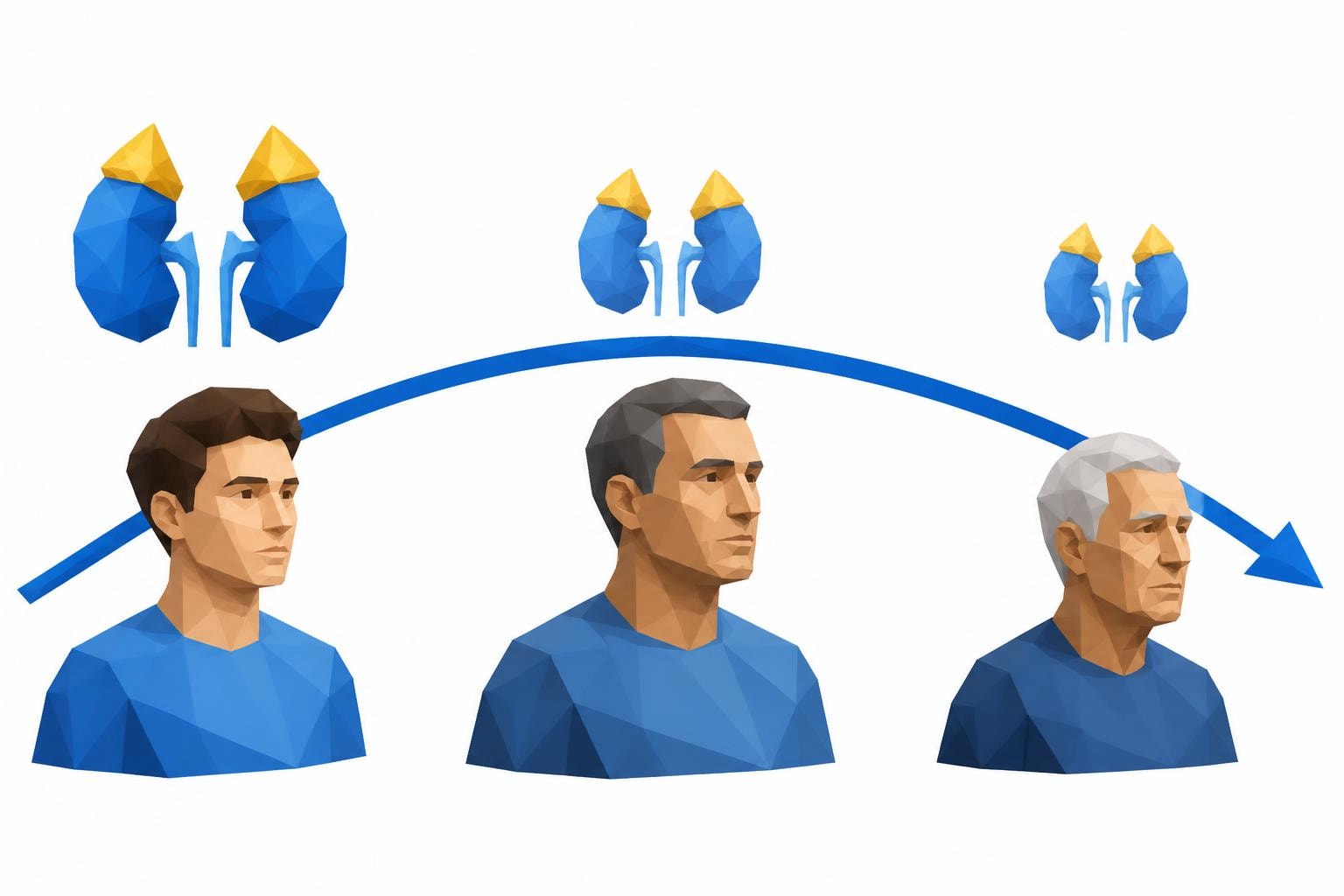
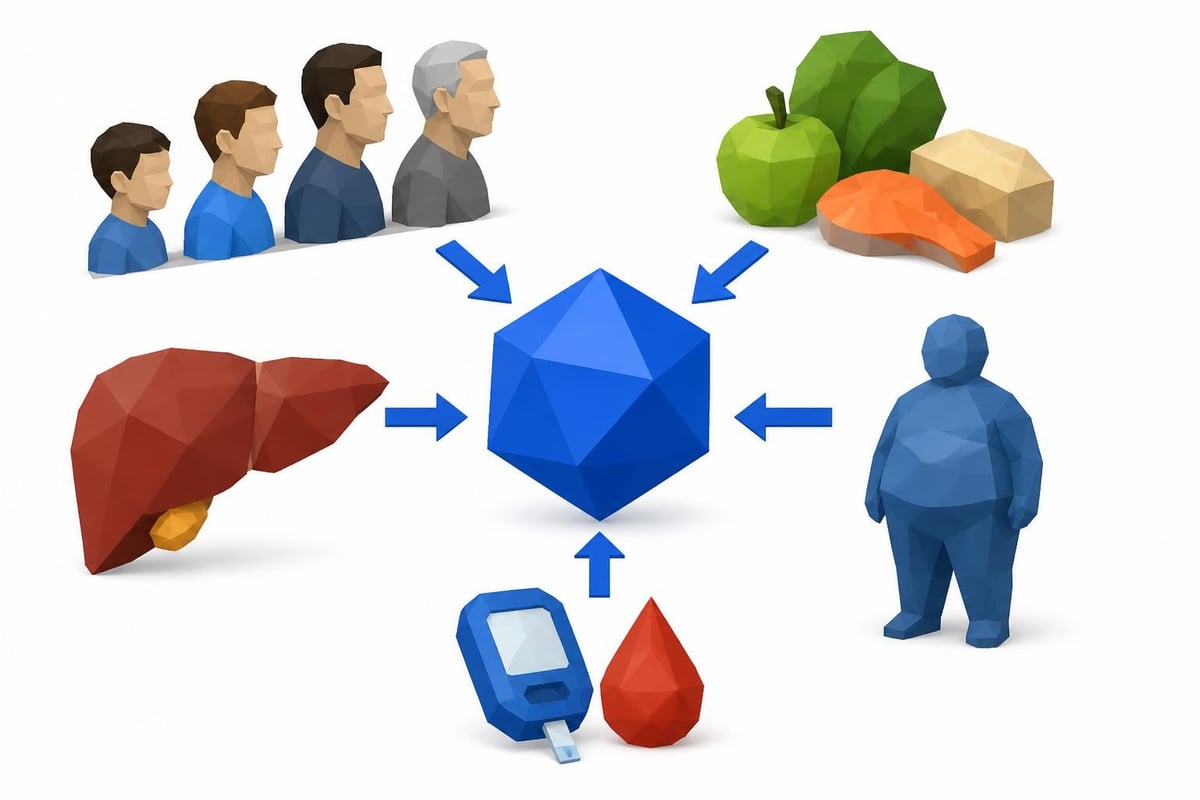
IGF-1 levels vary dramatically across the lifespan. Levels are relatively low in early childhood, rise significantly during puberty, peak in adolescence, then gradually decline throughout adulthood. By age 60, IGF-1 levels typically measure 50-60% of peak adolescent values.
This age-dependency means that interpreting your igf-1 test growth hormone status requires comparison to age-matched reference ranges. A level considered normal for a 15-year-old would be extremely elevated for a 50-year-old.
Nutritional Status and Liver Function
Because the liver produces IGF-1, liver disease can suppress levels regardless of growth hormone status. A hepatic function panel helps establish whether liver health is confounding the result. Similarly, malnutrition, severe calorie restriction, and protein deficiency all reduce IGF-1 production.
Factors that lower IGF-1 independent of GH status:
- Chronic liver disease
- Malnutrition or eating disorders
- Uncontrolled diabetes (assessed with hemoglobin A1c)
- Hypothyroidism
- Chronic kidney disease
Factors that may elevate IGF-1:
- Pregnancy
- Obesity (modest elevation)
- Puberty (physiological increase)
Medications and Hormones
Certain medications and hormonal conditions influence IGF-1 levels. Estrogen therapy typically raises levels, while medications like glucocorticoids may suppress them. Thyroid hormone is necessary for normal IGF-1 production, so hypothyroidism can reduce levels — a TSH measurement is the standard first check.
The Testing Process and Interpretation
How the Test Works
The igf-1 test growth hormone status evaluation requires a simple blood draw. Unlike growth hormone tests that may require fasting or stimulation protocols, IGF-1 testing typically doesn't require special preparation. The sample is sent to a laboratory where technicians measure IGF-1 concentration using immunoassay techniques.
Results usually become available within a few days. Services offering labs without insurance have made this testing more accessible, with transparent pricing and quick turnaround times.
Understanding Your Results
IGF-1 results are reported in nanograms per milliliter (ng/mL) or micrograms per liter (μg/L). The laboratory provides age-specific reference ranges for comparison. Results falling outside these ranges may indicate a growth hormone disorder, though interpretation requires clinical context.
Result categories typically include:
- Below reference range: May suggest growth hormone deficiency, though other causes must be excluded
- Within reference range: Generally indicates normal growth hormone status for your age
- Above reference range: Raises suspicion for growth hormone excess, particularly acromegaly
A single abnormal result doesn't confirm a diagnosis. Clinical interpretation requires considering symptoms, physical examination findings, and often additional testing.
Advanced Diagnostic Considerations
When Additional Testing Is Needed
The igf-1 test growth hormone status assessment serves as an excellent screening tool, but definitive diagnosis often requires additional studies. For suspected growth hormone deficiency, stimulation tests measure GH response to provocative agents. For suspected acromegaly, an oral glucose tolerance test with GH measurements confirms the diagnosis.
Assay Standardization and Reliability
IGF-1 measurement has evolved significantly over the past decades. Standardization efforts have improved consistency between different laboratory methods, though some variability remains. When monitoring treatment or comparing results over time, using the same laboratory ensures consistency.
Different assay methods may yield slightly different results, and reference ranges vary between laboratories. Always interpret results using the specific reference range provided by the testing laboratory.
Monitoring Treatment with IGF-1
Growth Hormone Replacement Therapy
For patients receiving growth hormone replacement, serial IGF-1 measurements guide dosing adjustments. The goal is maintaining levels in the mid-normal range for age. Too-high levels risk side effects, while too-low levels suggest inadequate replacement.
Testing frequency depends on treatment phase:
- Initial titration phase: Every 1-2 months
- Stable maintenance: Every 3-6 months
- Dose changes: 4-6 weeks after adjustment
Acromegaly Treatment
After surgery or medical therapy for acromegaly, IGF-1 monitoring assesses treatment effectiveness. Normal age-adjusted IGF-1 levels indicate disease control, while persistently elevated levels suggest ongoing excess GH production requiring additional intervention.
Accessing IGF-1 Testing
Traditional Testing Pathways
Historically, obtaining an igf-1 test growth hormone status evaluation required a physician's order, often following specialist referral. This process could involve multiple appointments, insurance authorizations, and significant delays.
Modern Self-Pay Options
The landscape has changed significantly. Direct-to-consumer lab testing services now offer IGF-1 testing without requiring a doctor's visit. These services provide transparent lab test pricing and allow you to order tests online, visit a nearby collection facility, and receive results quickly.

This approach offers several advantages:
- Cost transparency: Know the price upfront without insurance complexity
- Convenience: Order online and choose a convenient testing location
- Speed: Results typically available in 1-3 days
- Accessibility: No need to schedule multiple doctor appointments
Recommended Test
IGF-1 (Insulin-like Growth Factor)
IGF-1 is the primary mediator of growth hormone effects in the body, reflecting overall growth hormone status and important for metabolism, muscle, and bone health.
Includes 1 biomarkers
$24
For those wondering where to get lab tests, modern platforms partner with national laboratory networks, providing collection sites in most communities.
Who Should Consider IGF-1 Testing
Children and Adolescents
Parents concerned about their child's growth pattern should consult a pediatrician, who may recommend IGF-1 testing if growth velocity falls below normal ranges or if the child's height significantly deviates from expected percentiles.
Adults with Concerning Symptoms
Adults experiencing unexplained symptoms potentially related to growth hormone disorders should discuss testing with their healthcare provider. Symptoms warranting consideration include:
- Unexplained weight gain, particularly increased abdominal fat
- Progressive weakness or decreased exercise tolerance
- Gradual changes in facial appearance or hand/foot size
- Severe fatigue not explained by other conditions
- Unexplained changes in cholesterol or bone density
Because IGF-1 declines steadily with age alongside other markers of metabolic and hormonal aging, some adults prefer to read it in context rather than in isolation:
Recommended Panel
Longevity & Aging Panel
Save $10.50This advanced panel targets the biomarkers that matter most for healthy aging: hormones that decline with age, metabolic health, inflammation, and cardiovascular risk factors.
Includes 46 biomarkers
$155
Fasting required
Pituitary Disorder Patients
Anyone with known pituitary disease, history of pituitary surgery, or radiation therapy to the head should undergo periodic igf-1 test growth hormone status monitoring as part of long-term follow-up care.
Key Takeaways
Essential points about IGF-1 testing for growth hormone status:
- IGF-1 serves as the most practical initial test for evaluating growth hormone disorders because it remains stable throughout the day
- The test helps diagnose both growth hormone deficiency and excess conditions like acromegaly
- Age-specific reference ranges are critical for accurate interpretation
- Nutritional status, liver function, and other medical conditions can affect results independent of growth hormone status
- Modern testing options make the igf-1 test growth hormone status assessment more accessible through self-pay services
- Abnormal results typically require additional testing and clinical correlation for definitive diagnosis
FAQ
What is an IGF-1 test used for?
The IGF-1 test evaluates growth hormone status by measuring insulin-like growth factor 1, a protein produced by the liver in response to growth hormone. It screens for growth hormone deficiency in children and adults, helps diagnose acromegaly (excess growth hormone), and monitors treatment effectiveness for growth hormone disorders. The test provides a stable measure of average growth hormone activity, unlike direct GH measurements which fluctuate significantly throughout the day.
Do I need to fast before an IGF-1 test?
Most IGF-1 testing does not require fasting, though individual laboratories or healthcare providers may have specific instructions. Unlike glucose tolerance tests or some lipid panels, IGF-1 levels remain relatively stable regardless of recent food intake. However, severe malnutrition or eating disorders can lower IGF-1 levels independent of growth hormone status. Always follow any preparation instructions provided by your testing facility or healthcare provider.
How long does it take to get IGF-1 test results?
Standard IGF-1 test results typically become available within 1-3 business days after sample collection. Processing time depends on the laboratory performing the analysis and whether the sample requires shipping to a reference laboratory. Services specializing in quick turnaround can often provide results within 24-48 hours. If you're using a self-pay testing service, you can check how it works to understand their specific timeline for result delivery.
What does a low IGF-1 level mean?
Low IGF-1 levels may indicate growth hormone deficiency, though other causes must be considered. Malnutrition, liver disease, uncontrolled diabetes, hypothyroidism, chronic kidney disease, and certain medications can all reduce IGF-1 independent of growth hormone status. In children, persistently low levels combined with poor growth velocity suggest GH deficiency requiring further evaluation. In adults, low levels with appropriate symptoms may warrant GH stimulation testing to confirm deficiency. Age-adjusted reference ranges are essential for accurate interpretation.
Can I get an IGF-1 test without seeing a doctor?
Yes, modern lab testing services allow you to order IGF-1 testing without a doctor's visit. Self-pay platforms enable you to select and purchase the test online, visit a partnering collection facility for blood draw, and receive results digitally. This approach offers convenience and transparency, though results should be reviewed by a healthcare provider for proper interpretation and clinical decision-making. For those interested in understanding their test results better, resources for understanding lab results can provide helpful guidance.
How much does an IGF-1 test cost?
IGF-1 test costs vary depending on the testing facility and whether you use insurance or self-pay options. Hospital-based laboratories typically charge higher prices, often ranging from $100 to $300 or more. Self-pay testing services generally offer more affordable and transparent pricing, frequently in the $50-$150 range. Insurance coverage varies, and many patients find that self-pay options cost less than their insurance copay or deductible. Checking specific pricing beforehand eliminates surprise bills.
How often should IGF-1 be tested?
Testing frequency depends on your clinical situation. For initial diagnosis of suspected growth hormone disorders, a single baseline test is typically sufficient. Patients receiving growth hormone replacement therapy require more frequent monitoring-every 1-2 months during dose adjustments and every 3-6 months once stable. Those treated for acromegaly need periodic testing to ensure disease control. Healthy individuals without symptoms or risk factors generally don't need routine IGF-1 screening. Your healthcare provider can recommend an appropriate testing schedule based on your specific circumstances.
Understanding your igf-1 test growth hormone status provides valuable insights into hormone health and can identify conditions requiring treatment. Whether you're concerned about growth patterns, experiencing unexplained symptoms, or monitoring existing hormone therapy, IGF-1 testing offers an accessible and reliable assessment tool. JustLabs makes this testing straightforward by offering transparent pricing, convenient online ordering, and quick results delivery without requiring insurance or doctor visits-putting essential health information directly in your hands when you need it.