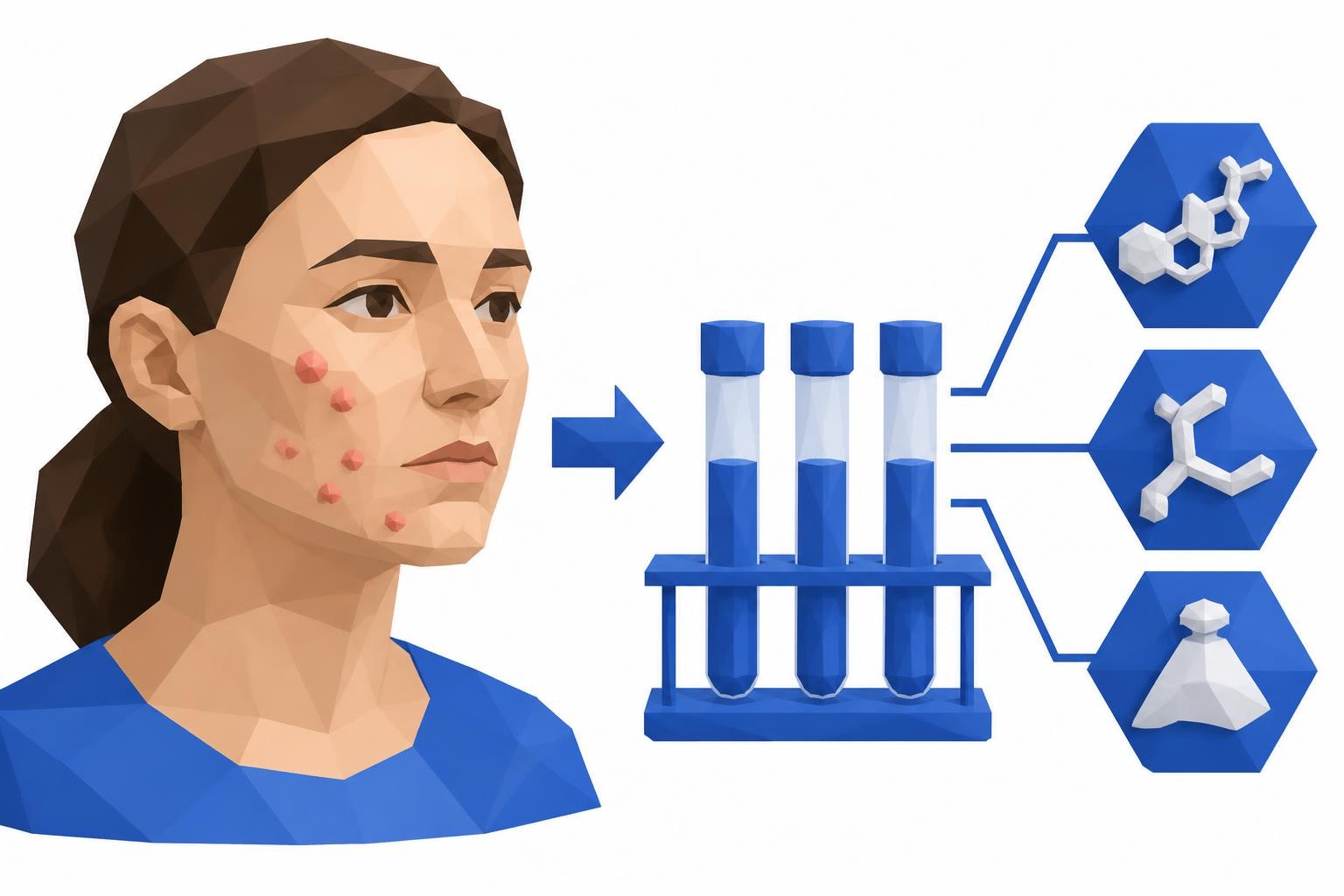
When acne persists well beyond your teenage years, hormones are often the hidden culprit. An adult acne hormone workup provides the data-driven approach needed to identify specific hormonal imbalances triggering persistent breakouts, enabling targeted treatment instead of guesswork.
Big picture
- Adult acne affects approximately 50% of women and 25% of men in their 20s and 30s, with hormonal imbalances being one of the primary causes that standard topical treatments cannot address
- A hormone workup involves specific blood tests that measure testosterone, DHEA-S, cortisol, and other hormones to identify the root cause of persistent breakouts
- Understanding your hormone levels empowers you to work with healthcare providers on targeted treatments rather than trying endless creams and cleansers
- Self-pay lab testing makes hormone evaluation accessible without insurance hurdles, allowing you to get answers within days instead of waiting months for appointments
- Identifying hormonal acne early prevents scarring and helps address underlying conditions like PCOS or thyroid dysfunction that may require medical attention
Understanding Adult Hormonal Acne
Adult acne differs significantly from teenage breakouts. While adolescent acne typically spreads across the forehead and entire face, hormonal acne in adults concentrates along the jawline, chin, and lower cheeks. This distinct pattern signals that hormones, rather than simple clogged pores, drive the inflammation.
Hormonal fluctuations trigger excess sebum production in oil glands. When androgens (male hormones present in both sexes) become elevated or when estrogen levels drop relative to testosterone, sebaceous glands go into overdrive. This excess oil combines with dead skin cells, creating the perfect environment for acne-causing bacteria to thrive.
Who Needs a Hormone Workup
Several scenarios indicate that an adult acne hormone workup should be your next step:
- Breakouts that persist despite multiple treatment attempts with topical medications
- Acne that worsens before menstrual periods or during specific cycle phases
- Sudden onset of acne after years of clear skin
- Acne accompanied by other symptoms like irregular periods, unexplained weight gain, or excess facial hair
- Cystic acne that causes painful, deep nodules
Men experiencing persistent adult acne should also consider hormonal evaluation. Elevated testosterone or DHEA-S levels can trigger breakouts regardless of gender.
Essential Tests in an Adult Acne Hormone Workup
A comprehensive adult acne hormone workup includes several specific blood tests that reveal different aspects of hormonal function. Understanding which tests matter helps you avoid unnecessary expenses while ensuring complete evaluation.
Androgens and Sex Hormones
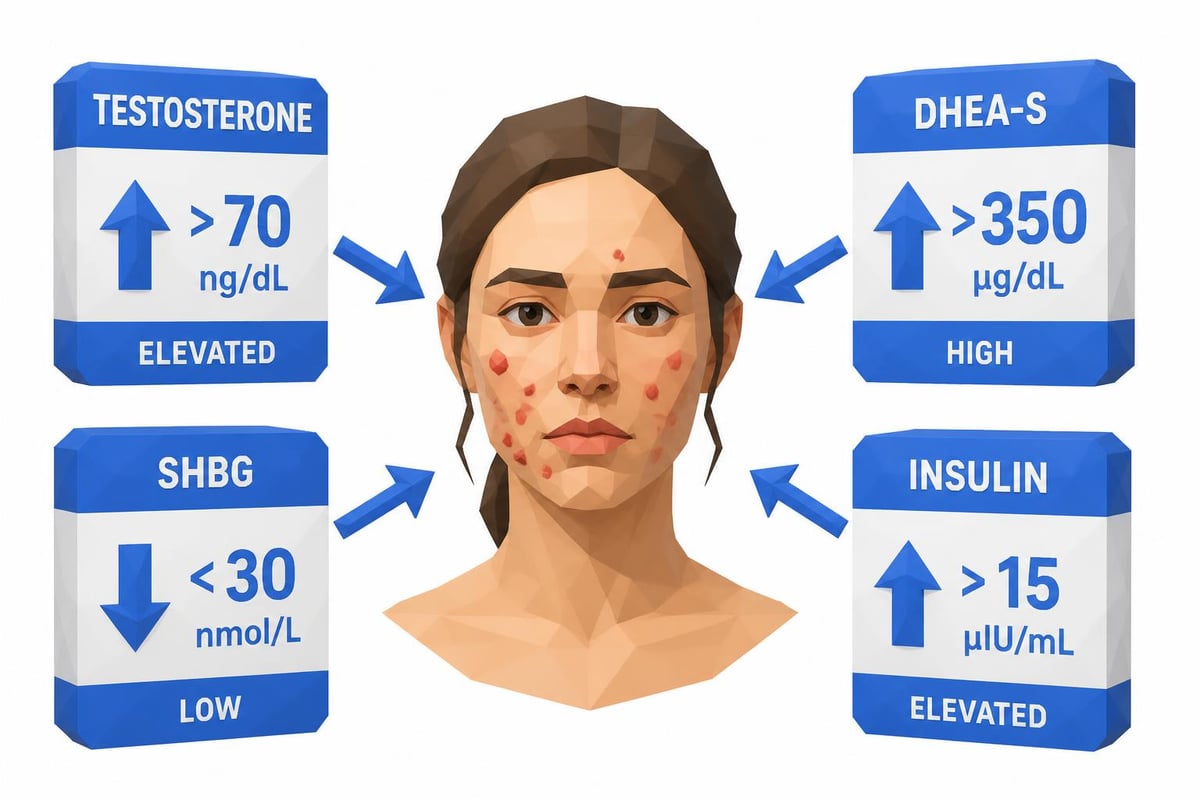
Total and Free Testosterone measurements distinguish between bound and biologically active hormone levels. Free testosterone represents the hormone available to interact with sebaceous glands. Women with elevated free testosterone often experience not only acne but also hirsutism and irregular menstrual cycles.
DHEA-S (Dehydroepiandrosterone Sulfate) is an androgen produced by the adrenal glands. Elevated DHEA-S points specifically to adrenal involvement rather than ovarian hormone production. This distinction matters because treatment approaches differ based on the hormone source.
| Test | What It Measures | Normal Range (Women) | Acne Threshold |
|---|---|---|---|
| Total Testosterone | Overall testosterone | 15-70 ng/dL | >70 ng/dL |
| Free Testosterone | Active testosterone | 0.3-1.9 ng/dL | >2.0 ng/dL |
| DHEA-S | Adrenal androgens | 65-380 μg/dL | >380 μg/dL |
Sex Hormone Binding Globulin (SHBG) binds to sex hormones in the bloodstream, making them inactive. Low SHBG levels mean more free testosterone circulates, potentially triggering acne even when total testosterone appears normal. Understanding how to order lab tests without a doctor empowers you to access these measurements directly.
Metabolic and Stress Hormones
Insulin and Glucose testing reveals metabolic dysfunction that impacts skin health. Insulin resistance increases androgen production while simultaneously lowering SHBG. This double effect significantly amplifies hormonal acne. According to research on hormonal acne, women with insulin resistance face substantially higher acne rates.
Cortisol evaluation examines stress hormone patterns. Chronic stress elevates cortisol, which can trigger both acne and increased androgen production. Some providers recommend testing cortisol at multiple time points throughout the day to identify abnormal patterns.
Thyroid Function
Thyroid hormones regulate metabolism throughout the body, including skin cell turnover and oil production. Both hypothyroidism and hyperthyroidism can contribute to skin problems, though they manifest differently.
Recommended Panel
Complete Thyroid Panel
Save $3Our most comprehensive thyroid panel includes all 5 essential markers: TSH, Free T4, Free T3, Reverse T3, and both thyroid antibodies. Get the complete picture of your thyroid health.
Includes 6 biomarkers
$84
Testing TSH, free T4, and free T3 provides a complete thyroid picture. Many people discover thyroid dysfunction only after investigating persistent acne through a comprehensive hormone workup.
Timing Your Adult Acne Hormone Workup
Timing significantly impacts test accuracy, particularly for women of reproductive age. Hormone levels fluctuate throughout the menstrual cycle, so testing at the wrong time can produce misleading results.
Optimal Testing Windows
For menstruating women, most providers recommend hormone testing during the follicular phase (days 3-5 of the menstrual cycle, with day 1 being the first day of bleeding). This timing captures baseline hormone levels before ovulation triggers natural fluctuations.
Exception: If you suspect luteal phase defects or progesterone issues contributing to premenstrual acne flares, additional testing during days 19-21 of your cycle provides valuable information about progesterone production.
Men can test at any time since daily hormone fluctuations remain relatively minor. However, testosterone levels peak in the morning, so early blood draws provide the most accurate assessment of maximum levels.
Fasting Requirements
Most hormone tests do not require fasting. However, if your adult acne hormone workup includes insulin and glucose testing, you'll need to fast for 8-12 hours before the blood draw. Check specific requirements when you order your lab tests to ensure accurate results.
Interpreting Your Results
Understanding your adult acne hormone workup results requires looking at patterns rather than isolated numbers. A single mildly elevated value rarely tells the complete story.
Common Patterns in Hormonal Acne
Polycystic Ovary Syndrome (PCOS) presents with elevated total and free testosterone, often accompanied by high LH:FSH ratio, insulin resistance, and low SHBG. Cleveland Clinic research indicates that up to 70% of women with PCOS experience acne as a primary symptom.
Adrenal Hyperandrogenism shows isolated DHEA-S elevation while ovarian androgens remain normal. This pattern suggests the adrenal glands overproduce hormones, requiring different treatment approaches than PCOS.
Insulin Resistance appears as elevated fasting insulin (>10 μIU/mL) or fasting glucose in the pre-diabetic range (100-125 mg/dL). Even with normal sex hormone levels, insulin resistance drives acne through increased androgen production and reduced SHBG.
| Pattern | Primary Indicators | Secondary Findings | Treatment Focus |
|---|---|---|---|
| PCOS | High testosterone, high LH:FSH | Low SHBG, irregular cycles | Insulin sensitivity, anti-androgens |
| Adrenal Excess | Elevated DHEA-S | Normal ovarian hormones | Adrenal support, stress management |
| Insulin Resistance | High insulin, elevated glucose | Low SHBG, weight changes | Metabolic correction, dietary modification |
| Hypothyroidism | High TSH, low T4/T3 | Fatigue, weight gain | Thyroid hormone replacement |
When Results Appear Normal
Sometimes an adult acne hormone workup returns values within normal ranges despite obvious hormonal acne. This doesn't invalidate your experience. Several possibilities explain this scenario:
- Timing issues: Testing outside the optimal window may miss hormone spikes
- Reference range limitations: "Normal" ranges are broad; you may be at the high end while still technically normal
- Receptor sensitivity: Your androgen receptors may be hypersensitive, meaning normal hormone levels trigger excessive response
- Local hormone conversion: Skin enzymes can convert hormones locally, creating acne without elevated blood levels
In these cases, clinical presentation matters as much as lab values. WebMD's guide to hormonal acne emphasizes that treatment based on symptom patterns often succeeds even with normal lab work.
Beyond the Basic Workup
Depending on initial results, your healthcare provider may recommend additional testing to complete the picture. Advanced hormone testing can identify subtle imbalances missed by standard panels.
Expanded Hormone Assessment
17-Hydroxyprogesterone screening identifies non-classic congenital adrenal hyperplasia (NCAH), a genetic condition affecting 1-2% of women with hyperandrogenism. This test becomes particularly relevant when DHEA-S is markedly elevated.
Prolactin measurement rules out hyperprolactinemia, which can disrupt normal menstrual cycles and hormone production. Elevated prolactin sometimes indicates a pituitary microadenoma requiring medical management.
Recommended Panel
Female Hormone Panel
Save $7This comprehensive panel measures all major female hormones: estrogen, progesterone, reproductive hormones (FSH/LH), and androgens (testosterone/DHEA-S) - essential for understanding hormonal balance.
Includes 7 biomarkers
$105
Anti-Müllerian Hormone (AMH) provides additional PCOS diagnostic information, though it's not universally required. High AMH levels support a PCOS diagnosis when combined with other clinical features.
Inflammatory Markers
Some providers include inflammatory markers in an adult acne hormone workup because chronic inflammation both results from and contributes to hormonal imbalance.
- High-sensitivity C-Reactive Protein (hs-CRP) measures systemic inflammation
- Erythrocyte Sedimentation Rate (ESR) indicates inflammatory activity
- Complete Blood Count identifies immune system activation
These tests help distinguish hormonal acne from inflammatory skin conditions and guide treatment decisions toward addressing underlying inflammation.
Accessing Hormone Testing Efficiently
Traditional routes to hormone testing involve multiple doctor appointments, insurance pre-authorization, and weeks of waiting. Modern options streamline this process significantly.
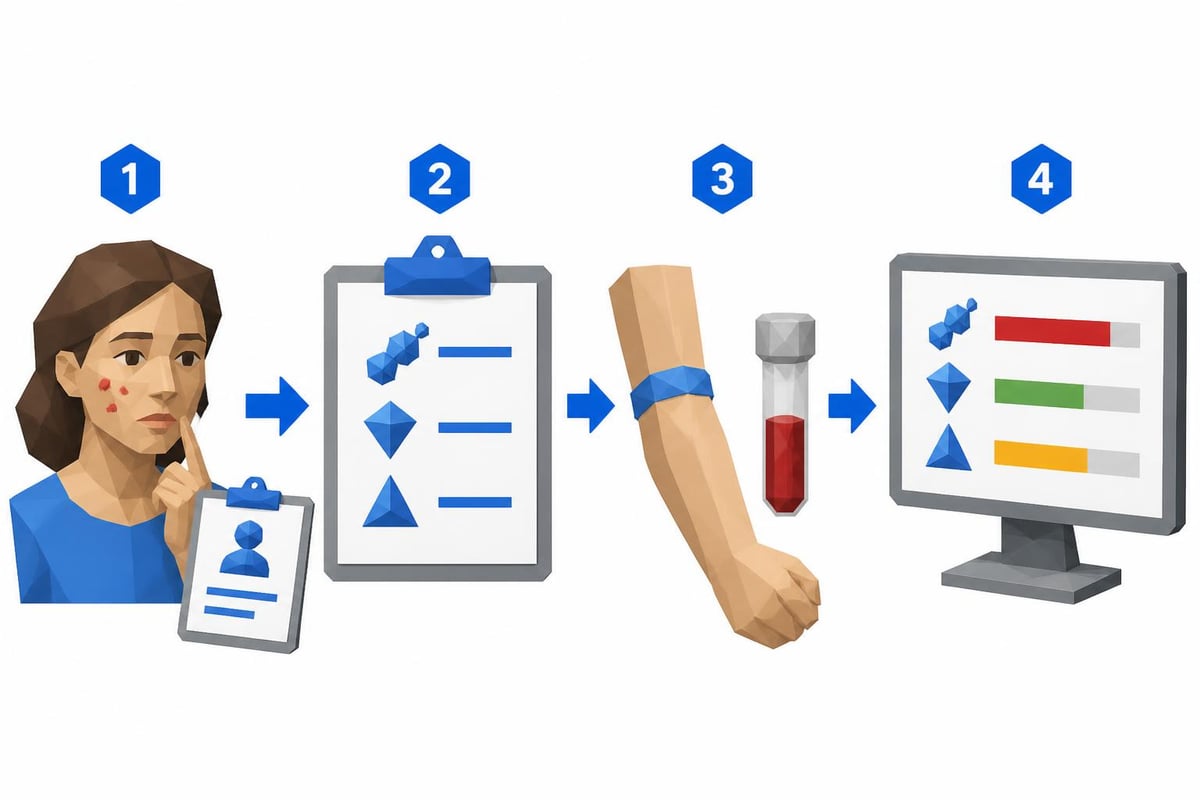
Direct-access lab testing eliminates the appointment bottleneck. Through platforms offering labs without insurance, you can order your adult acne hormone workup online, visit a nearby collection center, and receive results within 1-3 days. This approach works particularly well when you want answers quickly or when your insurance creates barriers to testing.
Cost Considerations
Pricing transparency represents a major advantage of self-pay testing. Instead of uncertain insurance co-pays and deductibles, you know exact costs upfront. Individual hormone tests typically range from $25-$75, while comprehensive panels may cost $150-$300.
Compare this to traditional testing where insurance may deny coverage if they don't deem it "medically necessary," potentially leaving you with bills exceeding $500 for the same tests. Learning about lab test pricing helps you budget appropriately for your hormone evaluation.
Many people use FSA or HSA funds to cover testing costs, making hormone workups more affordable. These tax-advantaged accounts typically cover diagnostic lab work without requiring insurance involvement.
Acting on Your Results
Test results provide the roadmap, but action creates change. Once your adult acne hormone workup identifies specific imbalances, several treatment paths become available.
Medical Interventions
Oral Contraceptives containing both estrogen and progestin effectively treat hormonal acne by suppressing ovarian androgen production and increasing SHBG. The FDA has approved certain formulations specifically for acne treatment.
Anti-androgens like spironolactone block androgen receptors in the skin, preventing testosterone from triggering oil production. According to research on identifying hormonal acne, spironolactone improves acne in 70-80% of women with hormonal patterns.
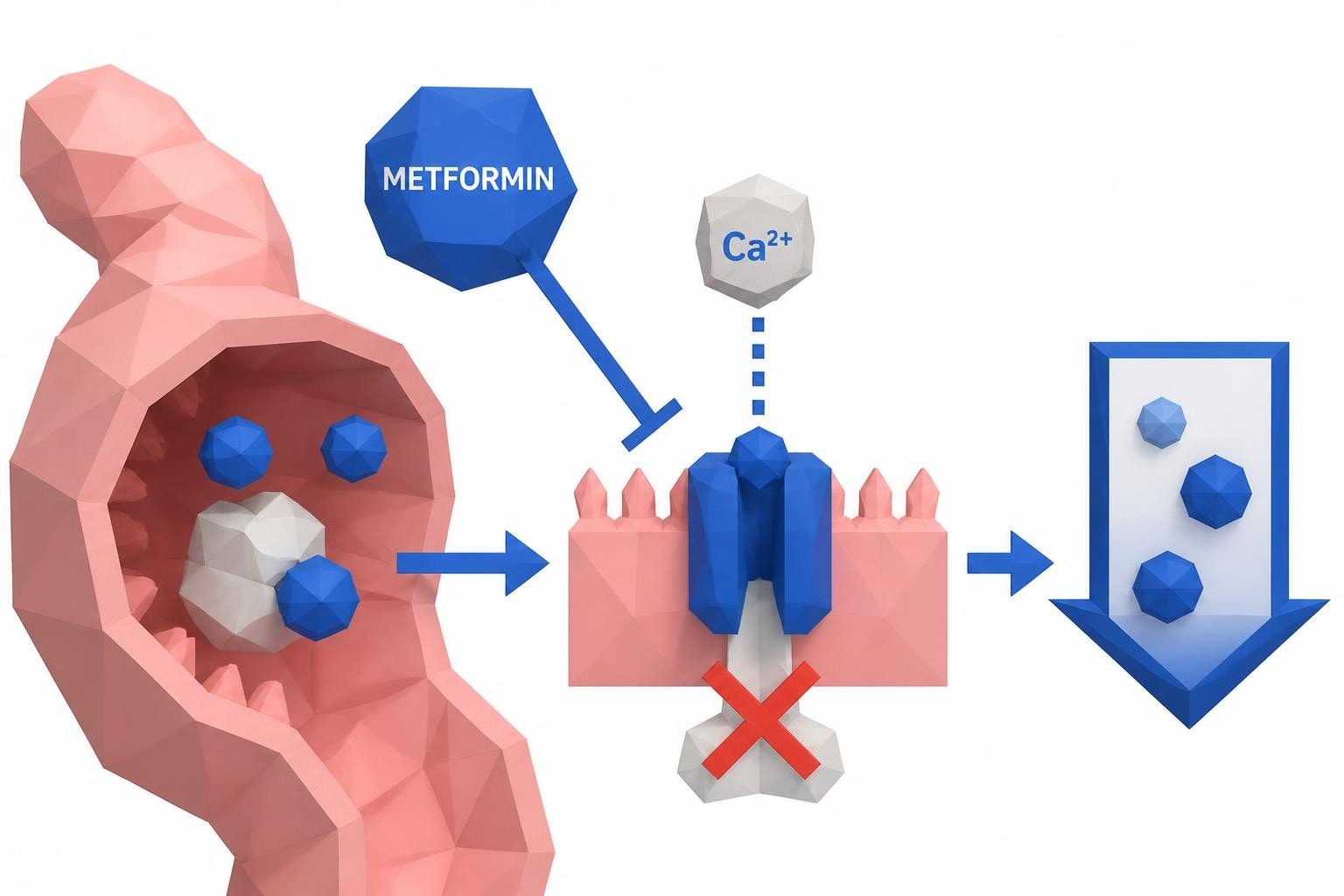
Metformin addresses insulin resistance, reducing androgen production and improving SHBG levels. This medication proves particularly effective when your adult acne hormone workup reveals metabolic dysfunction.
Thyroid medication corrects hypothyroidism when present, often improving skin health as metabolic function normalizes. Understanding how to interpret lab results helps you grasp thyroid values and treatment targets.
Lifestyle Modifications
Certain dietary and lifestyle changes can significantly impact hormone levels without medication:
- Reduce refined carbohydrates and sugar to improve insulin sensitivity
- Increase protein and healthy fats to support stable blood sugar
- Manage stress through meditation, exercise, or therapy to lower cortisol
- Ensure adequate sleep (7-9 hours nightly) for optimal hormone regulation
- Consider supplements like inositol, spearmint tea, or zinc after discussing with a provider
These modifications work synergistically with medical treatments, often allowing lower medication doses while achieving better results.
Key Takeaways
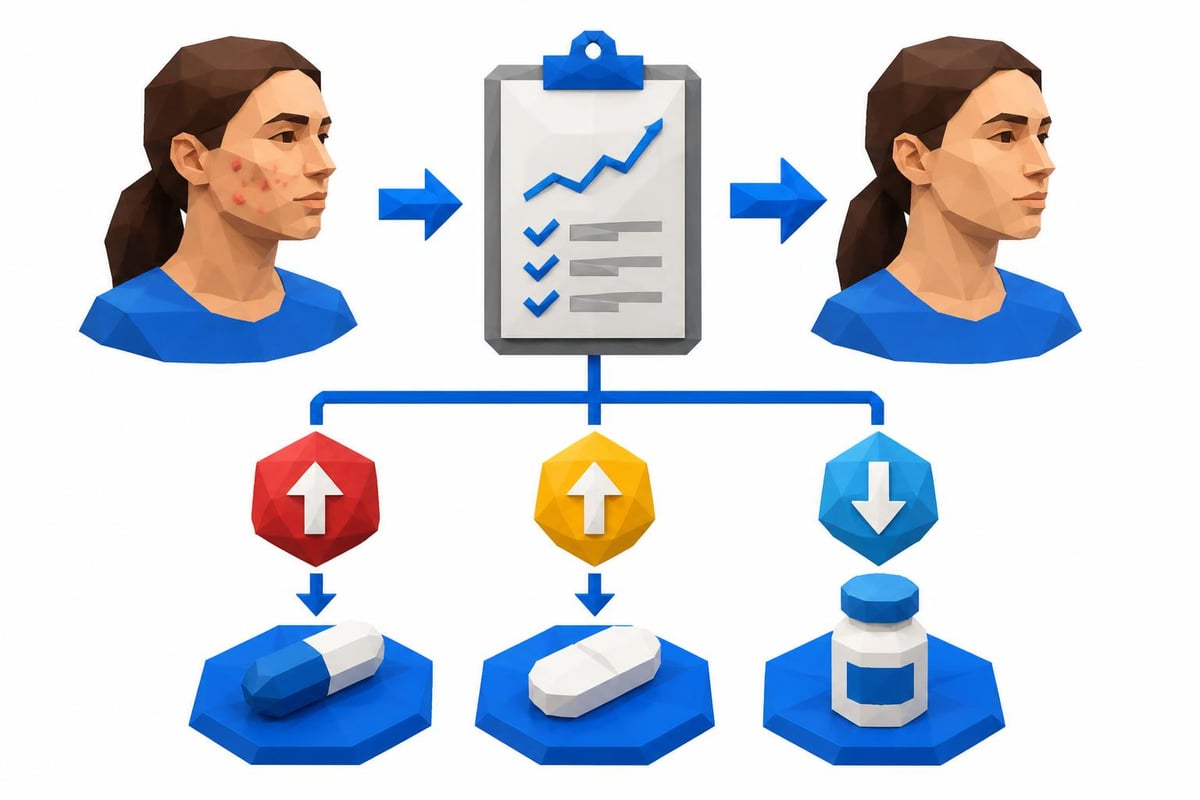
An adult acne hormone workup transforms the frustrating trial-and-error approach to acne treatment into a targeted, data-driven strategy. By measuring testosterone, DHEA-S, insulin, thyroid hormones, and other key markers, you gain precise insight into what's driving persistent breakouts.
Testing should occur during optimal cycle timing for women (days 3-5) and requires careful interpretation of patterns rather than isolated values. Common findings include PCOS, adrenal hyperandrogenism, insulin resistance, and thyroid dysfunction. Each pattern points toward specific treatments that address root causes rather than just managing symptoms.
Direct-access lab testing removes traditional barriers, providing quick, affordable hormone evaluation without insurance complications. Results empower you to have informed conversations with healthcare providers about targeted treatments including medications, supplements, and lifestyle modifications.
The connection between hormones and adult acne is well-established, and expert resources on hormonal acne treatment continue to emphasize the importance of identifying underlying imbalances before beginning treatment.
FAQ
How much does an adult acne hormone workup cost?
Comprehensive hormone testing typically costs $150-$300 through self-pay lab services, depending on which specific tests your situation requires. Individual hormone tests range from $25-$75 each. This compares favorably to insurance-based testing, which often involves higher out-of-pocket costs after co-pays, deductibles, and potential denials. FSA and HSA funds can cover these diagnostic expenses.
Can I get hormone testing without visiting a doctor first?
Yes, direct-access lab testing allows you to order hormone panels online without a doctor's visit or prescription. After selecting your tests, you visit a nearby collection center for blood draw, then receive results within 1-3 days. This approach saves time and provides transparent pricing, though you should still consult a healthcare provider to interpret results and discuss treatment options.
How long does it take to see acne improvement after treating hormonal imbalances?
Most people notice initial improvement within 6-8 weeks of starting treatment, with optimal results appearing after 3-6 months. Hormonal treatments work slowly because they must suppress excess androgens and allow current acne lesions to heal while preventing new ones. Patience is essential, though many people see gradual progress throughout treatment rather than sudden transformation.
Will my hormone levels return to normal after treatment?
This depends on the underlying cause. Lifestyle-related imbalances (stress, insulin resistance from diet) often normalize with sustained changes. Genetic conditions like PCOS require ongoing management, though symptoms improve significantly with treatment. Thyroid conditions may need lifelong medication. Regular follow-up testing monitors progress and guides treatment adjustments.
Should men get hormone testing for acne?
Absolutely. While less common than in women, hormonal imbalances affect men too. Elevated testosterone, DHEA-S, or thyroid dysfunction can trigger persistent acne in men. The diagnostic approach differs slightly, but hormone evaluation remains valuable when topical treatments fail or when acne appears alongside other symptoms like mood changes, fatigue, or body composition changes.
What if my adult acne hormone workup shows normal results?
Normal results don't rule out hormonal acne. Consider testing timing, reference range positioning (high-normal vs. low-normal), and local hormone conversion in skin. Many people respond well to hormonal acne treatments despite normal blood work because their androgen receptors are hypersensitive or their skin has increased enzyme activity converting hormones locally. Treatment based on clinical presentation often succeeds regardless of lab values.
How often should I retest hormone levels?
Initial follow-up testing typically occurs 3 months after starting treatment to assess response. Once stable, annual testing monitors long-term hormone balance. However, retest sooner if symptoms change significantly, new medications are started, or major life changes (pregnancy, menopause transition, significant weight changes) occur that might affect hormone levels.
Understanding the hormonal factors behind persistent adult acne empowers you to pursue effective, targeted solutions instead of endless trial and error with topical products. By identifying specific imbalances through comprehensive testing, you create a clear path toward clearer skin and better overall health. Justlabs makes hormone evaluation accessible with transparent pricing, convenient online ordering, and rapid results delivery-helping you get the answers you need to address stubborn acne at its source.