Taking control of your health starts with understanding what's happening inside your body. An annual blood work checklist provides a structured approach to monitoring your health status, detecting potential issues early, and establishing baseline measurements that track changes over time. Whether you're managing a chronic condition, addressing specific symptoms, or simply maintaining optimal wellness, knowing which tests to order each year empowers you to make informed decisions about your healthcare.
Why Annual Blood Work Matters
Regular blood testing serves as your body's report card, revealing information that symptoms alone cannot provide. Many serious conditions develop silently, showing no obvious signs until they've progressed significantly. By the time symptoms appear, treatment options may be more limited and less effective.
Annual blood work offers several critical advantages:
- Early detection of diseases like diabetes, kidney disease, and thyroid disorders
- Baseline establishment for future comparison
- Medication monitoring and dosage optimization
- Risk assessment for cardiovascular disease and other conditions
- Nutritional deficiency identification
According to CLS Health's recommendations on annual lab testing, consistent yearly testing helps identify trends that single tests might miss. A cholesterol level that creeps upward over three years tells a different story than a single measurement, allowing for proactive intervention before problems develop.
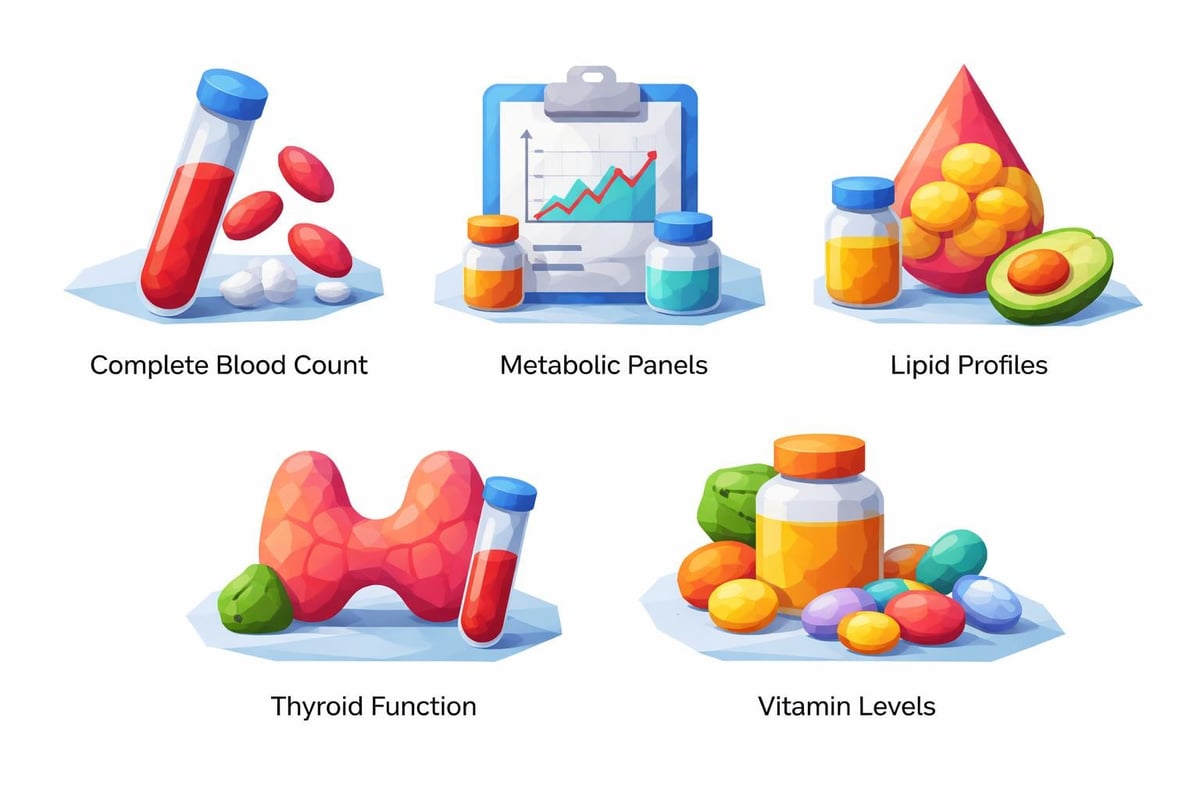
Core Tests for Your Annual Blood Work Checklist
Complete Blood Count (CBC)
The Complete Blood Count represents one of the most fundamental tests in any annual blood work checklist. This comprehensive panel evaluates your blood cells, providing insights into overall health, immune function, and potential disorders.
A CBC measures:
- Red blood cells: Oxygen-carrying capacity and anemia detection
- White blood cells: Immune system function and infection indicators
- Hemoglobin: Oxygen transport protein levels
- Hematocrit: Percentage of blood volume composed of red blood cells
- Platelets: Blood clotting ability
Heritage Urgent & Primary Care emphasizes the CBC's importance as a screening tool that can detect conditions ranging from anemia and infections to blood cancers and immune system disorders. For most adults, an annual CBC provides valuable baseline data.
Comprehensive Metabolic Panel (CMP)
The Comprehensive Metabolic Panel examines how well your kidneys and liver are functioning while also measuring blood sugar and electrolyte levels. This 14-component test delivers extensive information about your body's chemical balance and metabolism.
| Test Component | What It Measures | Why It Matters |
|---|---|---|
| Glucose | Blood sugar levels | Diabetes screening and management |
| Calcium | Bone health and muscle function | Detects bone disorders and parathyroid issues |
| Sodium, Potassium, Chloride | Electrolyte balance | Identifies dehydration and kidney problems |
| BUN and Creatinine | Kidney function | Early kidney disease detection |
| ALT, AST, ALP | Liver enzymes | Liver health and disease screening |
| Albumin and Total Protein | Nutritional status | Identifies liver disease and malnutrition |
| Bilirubin | Liver function | Detects liver problems and bile duct issues |
The CMP serves as a cornerstone of preventive health monitoring. When ordered through labs without insurance, you can access this comprehensive panel at transparent prices without requiring a doctor's visit.
Lipid Panel
Cardiovascular disease remains the leading cause of death in the United States, making lipid monitoring essential. A lipid panel measures different types of cholesterol and triglycerides, providing critical information about heart disease risk.
Your lipid panel includes:
- Total Cholesterol: Overall cholesterol level in your blood
- LDL Cholesterol: "Bad" cholesterol that builds up in arteries
- HDL Cholesterol: "Good" cholesterol that removes LDL from arteries
- Triglycerides: Fat molecules that affect heart disease risk
Most adults should have lipid testing annually, especially those with risk factors like family history, obesity, diabetes, or high blood pressure. According to Aurora Health Care's physical exam checklist, lipid panels help guide lifestyle modifications and medication decisions.
Recommended Panel
Comprehensive Wellness Panel
Save $4.50Our most thorough health screening covers blood cells, organ function, cholesterol, thyroid, blood sugar, vitamin D, inflammation, and iron - everything you need for a complete health picture.
Includes 44 biomarkers
$94
Fasting required
Hormone and Thyroid Testing
Thyroid Function Tests
Thyroid disorders affect millions of Americans, yet many cases go undiagnosed because symptoms develop gradually. Your annual blood work checklist should include thyroid function testing, particularly if you experience unexplained weight changes, fatigue, or mood alterations.
Standard thyroid tests include:
- TSH (Thyroid Stimulating Hormone): Primary screening test
- Free T4: Measures actual thyroid hormone levels
- Free T3: Assesses active thyroid hormone
- Thyroid antibodies: Detects autoimmune thyroid conditions
Women over 35, individuals with family history of thyroid disease, and anyone experiencing symptoms should prioritize thyroid testing. The thyroid gland regulates metabolism, energy levels, body temperature, and numerous other bodily functions, making its assessment crucial for overall health.
Hemoglobin A1C
Hemoglobin A1C measures average blood sugar levels over the previous three months, providing a more comprehensive picture than a single glucose measurement. This test has become essential for diabetes screening and management.
For adults without diabetes risk factors, testing every three years may suffice. However, those with prediabetes, obesity, family history, or other risk factors should include A1C in their annual blood work checklist. Early detection of elevated A1C allows for lifestyle interventions that can prevent or delay type 2 diabetes development.
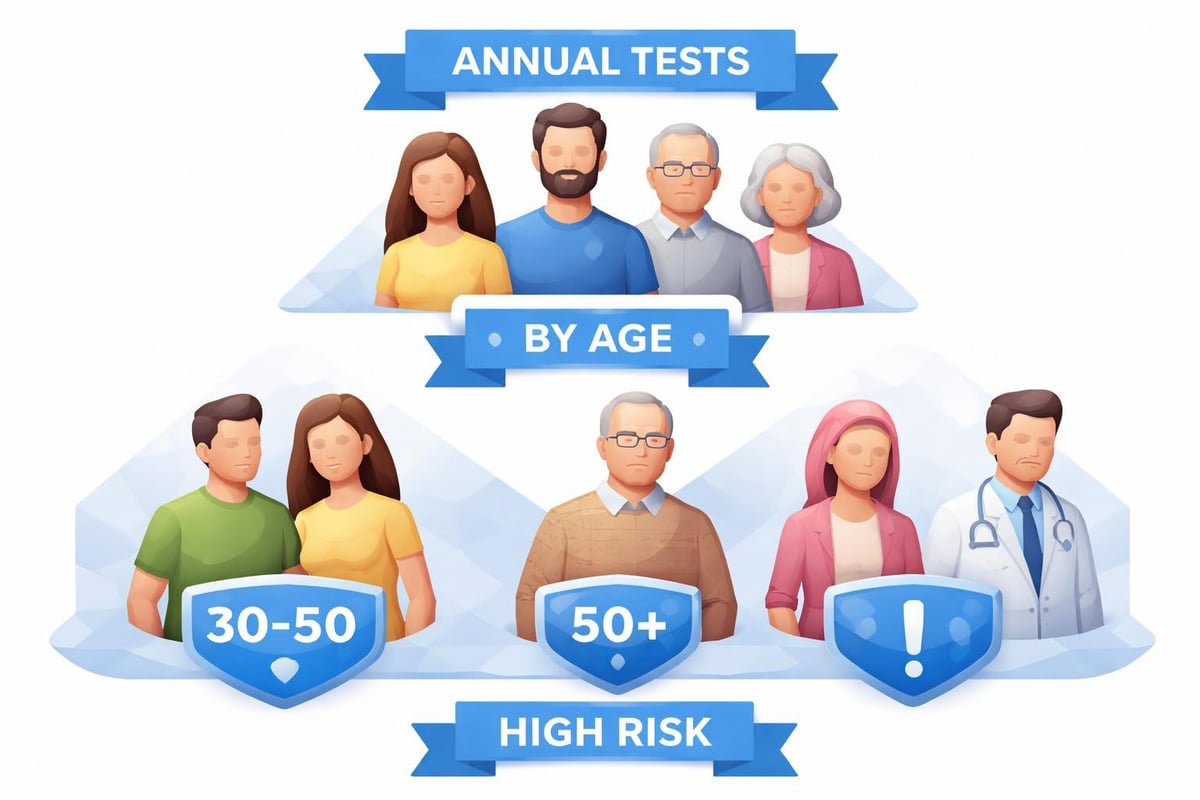
Age-Specific and Gender-Specific Additions
Which additions matter most changes as you get older — see how blood work priorities shift across your 30s, 40s, and 50s for a decade-by-decade breakdown, or the baseline tests worth doing in your 20s if you're just starting out.
Tests for Women
Women have unique health considerations that require specific blood tests beyond the core annual blood work checklist. Hormonal fluctuations throughout life stages necessitate targeted monitoring — see the annual labs women should prioritize after 40 for how these fit into a full yearly panel.
Essential tests for women include:
- Vitamin D: Bone health and immune function, especially important for osteoporosis prevention
- Iron and Ferritin: Screening for anemia, particularly in menstruating women
- Estrogen and Progesterone: Hormone balance monitoring during perimenopause and menopause
- FSH and LH: Fertility assessment and menopause confirmation
Women planning pregnancy should add additional tests like rubella immunity, blood type and Rh factor, and screening for genetic conditions. Oak Street Health's annual exam preparation guide emphasizes the importance of comprehensive screening tailored to individual risk factors.
Tests for Men
Men face different health risks that warrant specific attention in annual blood work. Cardiovascular disease and prostate health become increasingly important with age.
| Age Group | Recommended Additional Tests | Frequency |
|---|---|---|
| Under 40 | Testosterone (if symptomatic) | As needed |
| 40-50 | PSA (prostate-specific antigen) | Discuss with provider |
| Over 50 | PSA, Testosterone | Annually |
| Any age with risk factors | Advanced lipid panel, CRP | Annually |
Testosterone levels naturally decline with age, but significant drops can affect energy, muscle mass, mood, and sexual function. Including testosterone in your annual blood work checklist helps identify deficiencies that may benefit from treatment — see which labs matter most for men after 40 for how it fits alongside the rest of the panel.
Vitamin and Nutritional Testing
Vitamin D
Vitamin D deficiency has reached epidemic proportions, affecting an estimated 40% of Americans. This vitamin plays crucial roles in bone health, immune function, mood regulation, and disease prevention. Despite its importance, vitamin D deficiency often produces subtle symptoms that people attribute to other causes.
Annual vitamin D testing helps optimize levels through supplementation or increased sun exposure. Levels below 30 ng/mL indicate deficiency, while optimal levels typically range between 40-60 ng/mL.
Vitamin B12 and Folate
Vitamin B12 and folate deficiencies can cause fatigue, neurological symptoms, and anemia. Vegetarians, vegans, older adults, and individuals with digestive disorders face higher risk and should include these tests in their annual blood work checklist.
B12 deficiency develops slowly, sometimes taking years before symptoms appear. By that time, neurological damage may have occurred. Annual monitoring allows for early detection and simple supplementation to prevent complications.
Iron Studies
Beyond basic iron levels, comprehensive iron studies provide detailed information about iron storage, transport, and utilization. This testing proves especially valuable for individuals with chronic fatigue, heavy menstrual periods, or vegetarian diets.
Complete iron studies include:
- Serum iron
- Total iron-binding capacity (TIBC)
- Ferritin (iron stores)
- Transferrin saturation
Inflammatory Markers and Advanced Testing
C-Reactive Protein (CRP)
High-sensitivity C-reactive protein (hs-CRP) measures inflammation levels in your body. Chronic inflammation contributes to heart disease, diabetes, cancer, and numerous other conditions. Including CRP in your annual blood work checklist provides insights into overall inflammatory status and cardiovascular risk.
CRP levels correlate with heart attack and stroke risk even in people with normal cholesterol levels. This test helps identify individuals who might benefit from anti-inflammatory interventions despite appearing healthy by traditional measures. It is one of several tests most annual physicals commonly miss, alongside ApoB, Lp(a), and fasting insulin.
Homocysteine
Elevated homocysteine levels increase cardiovascular disease risk and may indicate vitamin B deficiency. While not routinely recommended for everyone, individuals with family history of heart disease, stroke, or blood clots should consider adding homocysteine to their annual testing.
Fortunately, elevated homocysteine often responds to B vitamin supplementation, making it a modifiable risk factor when detected early.
Disease-Specific Screening
Liver Function Tests
Beyond the basic liver enzymes included in a CMP, additional liver function tests may be warranted for individuals with risk factors like alcohol consumption, obesity, medication use, or family history of liver disease.
Comprehensive liver testing includes:
- ALT and AST enzymes
- Alkaline phosphatase
- Bilirubin (direct and indirect)
- Albumin
- Prothrombin time
Non-alcoholic fatty liver disease (NAFLD) affects up to 25% of Americans, often developing without symptoms. Regular liver function monitoring helps detect problems before they progress to cirrhosis or liver failure.
Kidney Function Tests
Your kidneys filter waste products from blood, regulate electrolytes, and control blood pressure. Kidney disease often remains silent until significant damage has occurred, making annual monitoring essential.
Standard kidney function tests include creatinine, blood urea nitrogen (BUN), and estimated glomerular filtration rate (eGFR). Individuals with diabetes, high blood pressure, or family history of kidney disease should also include urine albumin testing in their annual blood work checklist.

How to Prepare for Annual Blood Work
Proper preparation ensures accurate results and maximizes the value of your testing investment. Most blood tests require fasting, though specific requirements vary by test type.
General preparation guidelines:
- Fast for 8-12 hours before testing (water is permitted)
- Avoid alcohol for 24 hours before testing
- Take regular medications unless instructed otherwise
- Stay hydrated to make blood draw easier
- Wear comfortable clothing with easily accessible sleeves
- Schedule morning appointments to minimize fasting discomfort
The Lanby's annual health checklist recommends maintaining consistent timing for annual tests. Testing at the same time each year, under similar conditions, provides the most accurate trend data for comparison.
Accessing Affordable Annual Blood Work
Cost represents a significant barrier to regular health monitoring for many Americans. Traditional healthcare systems often involve expensive doctor visits, insurance hurdles, and opaque pricing that makes planning difficult.
The ability to order labs without a doctor has revolutionized access to preventive care. Self-pay options eliminate insurance complications while providing transparent, affordable pricing that makes annual blood work accessible to everyone.
When selecting tests for your annual blood work checklist, consider using services that offer:
- Direct test ordering without physician visits
- Clear, upfront pricing without hidden fees
- Convenient local lab locations
- Fast result turnaround times
- Easy-to-understand result reports
Understanding lab test pricing before ordering allows you to budget appropriately and select the most relevant tests for your health needs and financial situation.
Creating Your Personalized Checklist
No single annual blood work checklist fits everyone. Your ideal testing panel depends on age, gender, family history, existing health conditions, medications, and lifestyle factors.
Start with these categories:
- Universal tests: CBC, CMP, Lipid Panel (everyone needs these)
- Age-appropriate additions: Thyroid, A1C, PSA, hormone testing
- Risk-based tests: Advanced lipids, inflammatory markers, vitamin levels
- Symptom-driven tests: Based on current health concerns
- Monitoring tests: For existing conditions or medication management
HealthLinks SC's insider guide to annual blood work suggests working backwards from health goals. If preventing heart disease ranks as your top priority, emphasize cardiovascular markers. For energy optimization, focus on thyroid, vitamin D, B12, and iron studies.
Interpreting and Acting on Results
Receiving test results represents only the first step. Understanding lab results and translating them into actionable health strategies delivers the real value of annual testing.
Most lab reports include reference ranges indicating normal values. However, "normal" doesn't always equal "optimal." A result within the reference range might still warrant attention if it's changed significantly from your baseline or sits at the edge of normal.
Key principles for result interpretation:
- Compare current results to previous years' tests
- Look for trends, not just individual values
- Consider results in context of symptoms and lifestyle
- Research abnormal findings before panicking
- Discuss concerning results with a healthcare provider
- Implement lifestyle changes based on findings
Some results demand immediate attention, while others simply inform long-term health optimization strategies. Critical abnormalities should prompt medical consultation, while minor variations might guide dietary adjustments, supplement additions, or exercise modifications.
Frequency Considerations Beyond Annual Testing
While this article focuses on annual blood work, some situations warrant more frequent testing. The annual blood work checklist serves as a baseline, but individual circumstances may require quarterly or semi-annual monitoring — see the marker-by-marker guide to how often you should retest lab work.
Test more frequently if you:
- Manage chronic conditions like diabetes or thyroid disease
- Take medications requiring monitoring
- Experience new or worsening symptoms
- Undergo significant lifestyle changes
- Follow treatment plans requiring progress tracking
Conversely, healthy individuals with consistently normal results might extend some tests to every two or three years. The key lies in establishing a rhythm that balances thorough monitoring with practical considerations like cost and convenience.
Seasonal Timing Strategies
Strategic timing of your annual blood work can provide additional insights. Vitamin D levels naturally fluctuate with sun exposure, making late winter testing ideal for identifying deficiencies before spring. Post-holiday testing might reveal the impact of seasonal eating patterns on glucose and lipid levels.
Many people schedule annual blood work around their birthday, creating an easy-to-remember routine that ensures consistent yearly testing. Others align testing with other annual health activities like flu shots or dental cleanings, building comprehensive wellness habits.
Building and maintaining an annual blood work checklist empowers you to take charge of your health through data-driven insights and early problem detection. By selecting appropriate tests, preparing properly, and understanding your results, you transform abstract medical concepts into concrete health improvements. Whether you're preventing disease, optimizing wellness, or monitoring existing conditions, consistent annual testing provides the foundation for informed health decisions. JustLabs makes comprehensive annual blood work accessible and affordable by offering transparent pricing, convenient ordering without doctor visits, and results delivered in 1-3 days, so you can prioritize your health without the traditional barriers of cost and complexity.