Understanding the difference between kidney function tests can feel overwhelming when you're trying to take charge of your health. When searching for "renal function panel or cmp which test" is right for your needs, you're not alone in wondering whether a targeted kidney panel or a broader metabolic screen makes more sense. Both tests evaluate kidney health, but they serve different purposes and include different components.
Big picture
- Renal function panels focus specifically on kidney health markers including creatinine, blood urea nitrogen (BUN), and estimated glomerular filtration rate (eGFR), while comprehensive metabolic panels (CMP) include these kidney markers plus liver function tests, proteins, and additional measurements for a broader health overview.
- Choosing between these tests depends on whether you need targeted kidney monitoring (renal panel) or a comprehensive snapshot of multiple organ systems (CMP), with cost and specific health concerns guiding your decision.
- Both tests use the same blood sample and provide results within 1-3 days through services like JustLabs, making them accessible options for routine health monitoring without insurance complications.
- Your eGFR result is the single most important kidney function indicator, calculated from your creatinine level, age, and sex, with values below 60 mL/min/1.73m² for three months indicating chronic kidney disease according to the National Kidney Foundation's eGFR guidelines.
- Most healthy adults benefit from baseline kidney testing every 1-2 years, while those with diabetes, hypertension, or family history of kidney disease should test more frequently to catch problems early.
- You can order either test directly through transparent lab testing services, bypassing the need for a doctor's visit while still receiving clinically accurate results that you can share with your healthcare provider.
Understanding Renal Function Panels
A renal function panel, sometimes called a kidney function panel or basic metabolic panel with kidney markers, specifically targets the biochemical indicators that reveal how well your kidneys filter waste and maintain electrolyte balance. This focused approach makes it the go-to choice when kidney health is your primary concern.
What a Renal Function Panel Measures
The core components of a renal function panel provide direct insight into kidney performance:
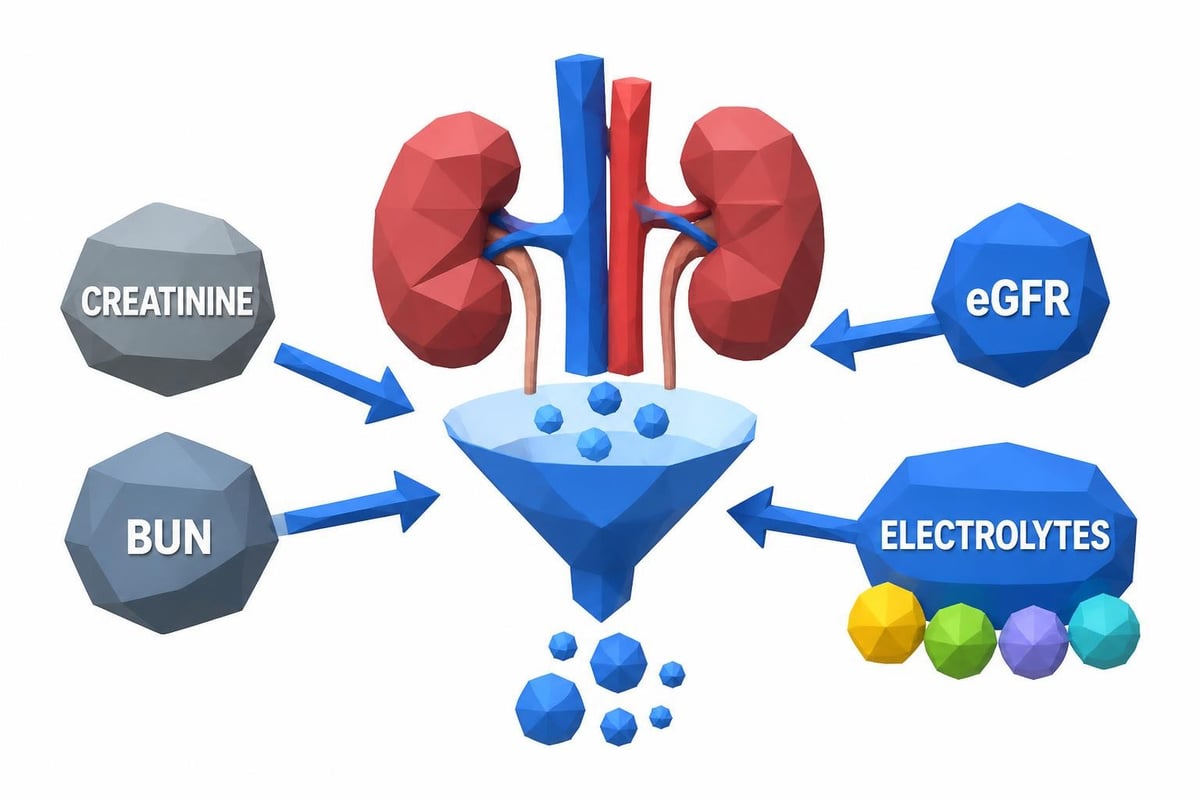
- Creatinine: A waste product from muscle metabolism that kidneys should filter efficiently
- Blood Urea Nitrogen (BUN): Another waste product indicating how well kidneys remove urea
- Estimated Glomerular Filtration Rate (eGFR): A calculated value showing how much blood your kidneys filter per minute
- BUN/Creatinine Ratio: The relationship between these two markers helps identify specific kidney issues
According to the comprehensive NCBI review on renal function tests, these measurements work together to paint a complete picture of kidney filtration capacity. Many labs also include basic electrolytes (sodium, potassium, chloride, and carbon dioxide) as part of their standard renal panel.
When to Choose a Renal Function Panel
This test makes the most sense in several specific scenarios. If you're monitoring known kidney disease, tracking the effectiveness of kidney-protective medications, or following up on previous abnormal kidney results, a renal panel gives you the targeted information you need without extra measurements.
People with risk factors for kidney disease particularly benefit from regular renal function monitoring:
| Risk Factor | Testing Frequency | Why It Matters |
|---|---|---|
| Diabetes | Every 3-6 months | High blood sugar damages kidney filters over time |
| Hypertension | Every 6-12 months | High pressure strains delicate kidney blood vessels |
| Family history of kidney disease | Annually | Genetic factors increase kidney disease risk |
| Age over 60 | Annually | Kidney function naturally declines with age |
| Taking nephrotoxic medications | As prescribed | Some drugs can harm kidneys and require monitoring |
The University of Washington's renal function panel guide notes that targeted kidney panels are particularly valuable for patients who need frequent monitoring, as they're typically more affordable than comprehensive panels when you only need kidney-specific information.
Comprehensive Metabolic Panel Explained
The comprehensive metabolic panel (CMP) takes a broader approach to health assessment, incorporating kidney function tests alongside liver enzymes, proteins, and glucose measurements. When considering "renal function panel or cmp which test" fits your situation, the CMP offers the advantage of screening multiple organ systems simultaneously.
Complete CMP Components
A standard CMP includes 14 different measurements organized into functional groups:
Kidney Function Markers:
- Creatinine
- Blood Urea Nitrogen (BUN)
- Estimated GFR (calculated)
Electrolytes:
- Sodium
- Potassium
- Chloride
- Carbon dioxide (bicarbonate)
Liver Function:
- Albumin
- Total protein
- Alkaline phosphatase (ALP)
- Alanine aminotransferase (ALT)
- Aspartate aminotransferase (AST)
- Bilirubin
Metabolic Health:
- Glucose
This comprehensive approach means you're getting kidney function assessment plus insights into liver health, protein metabolism, blood sugar regulation, and electrolyte balance from a single blood draw.
Advantages of the Comprehensive Approach
The CMP's breadth provides context that a renal panel alone cannot offer. For example, low albumin levels might explain why someone has swelling (edema) even with normal kidney function, or elevated liver enzymes might reveal that fatigue isn't kidney-related but stems from liver issues instead.
For people managing multiple health conditions or taking medications that affect various organs, the CMP delivers exceptional value. You receive a baseline assessment of kidney, liver, and metabolic function that helps identify unexpected problems before they become symptomatic.
Comparing Test Accuracy and Limitations
Both tests share the same kidney function measurements, so their accuracy for assessing renal health is identical. However, understanding the limitations of these standard markers helps you interpret results more effectively and know when additional testing might be necessary.
The Creatinine and eGFR Limitation
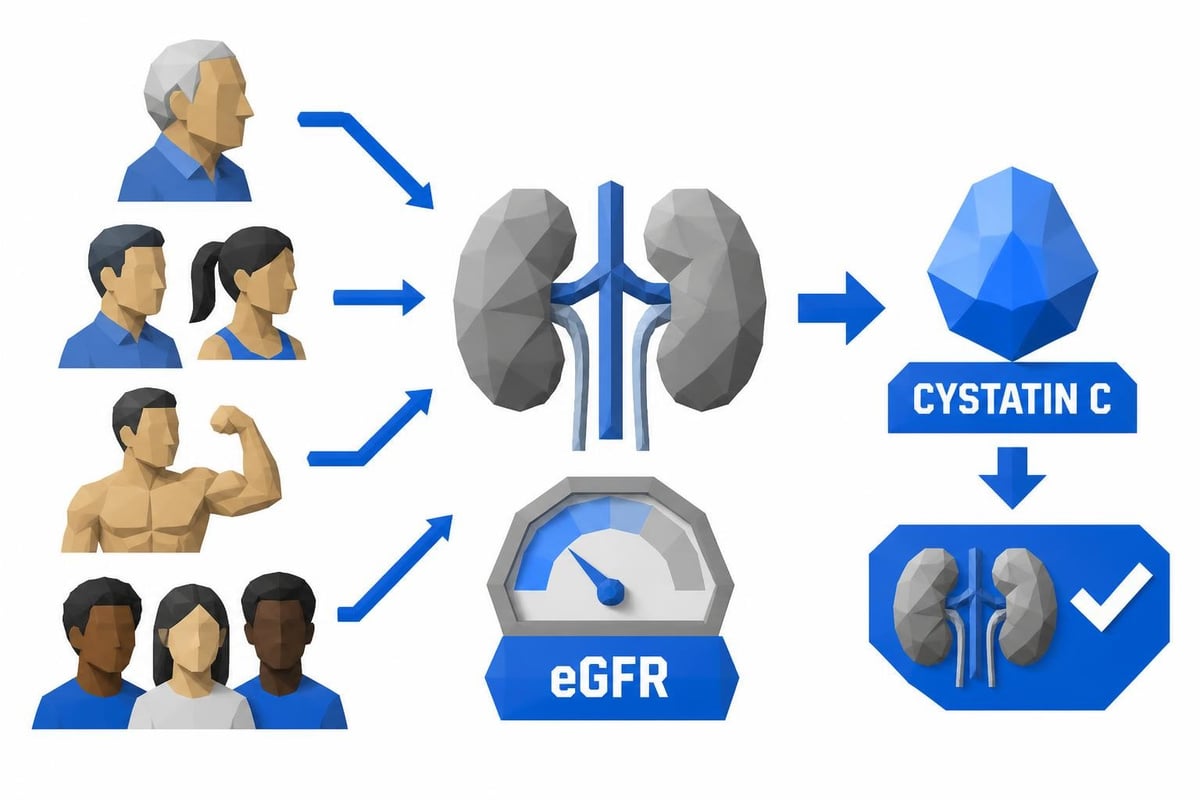
Standard kidney panels rely heavily on creatinine-based eGFR calculations, which work well for most people but have known limitations. Muscle mass significantly affects creatinine levels, meaning bodybuilders might show falsely elevated creatinine while elderly individuals with reduced muscle mass might appear to have better kidney function than they actually do.
The recent review on eGFR estimation myths and promises highlights these challenges and discusses how newer markers like cystatin C provide more accurate assessment in certain populations. Cystatin C isn't affected by muscle mass and can reveal kidney problems that creatinine-based tests might miss.
When Standard Panels Aren't Enough
Certain situations call for tests beyond the standard renal function panel or CMP:
- Early kidney disease detection: Microalbumin testing detects kidney damage before eGFR declines
- Muscle mass extremes: Cystatin C provides more accurate eGFR in bodybuilders or frail elderly patients
- Specific kidney conditions: Urine protein-to-creatinine ratio helps diagnose and monitor proteinuria
- Acute kidney injury: Serial creatinine measurements over hours rather than single measurements
The KDIGO 2024 Clinical Practice Guideline recommends combining creatinine-based eGFR with cystatin C measurements in adults at risk for chronic kidney disease to improve diagnostic accuracy.
Cost and Accessibility Considerations
When deciding between "renal function panel or cmp which test" to order, practical factors like cost and convenience matter just as much as clinical considerations. Traditional healthcare routes often involve paying for doctor visits, dealing with insurance prior authorizations, and waiting days or weeks for appointments before you can even order testing.
Direct-to-Consumer Testing Economics
Self-pay lab testing fundamentally changes this equation. A renal function panel typically costs between $15-40 when ordered directly, while a comprehensive metabolic panel ranges from $20-50 depending on the lab and location. These transparent lab test prices eliminate surprise bills and insurance complications.
For comparison, going through traditional healthcare channels might involve:
- Primary care visit copay: $25-75
- Lab test copay: $10-50
- Potential insurance deductible: Hundreds to thousands of dollars
- Time investment: 1-2 weeks from appointment scheduling to results
Direct ordering through services that provide lab testing without insurance streamlines this process into a simple online order, quick lab visit, and results within 1-3 days.
HSA and FSA Eligibility
Both renal function panels and comprehensive metabolic panels qualify as HSA and FSA eligible lab tests, allowing you to use pre-tax dollars for these screenings. This effectively reduces the cost by your tax rate, making proactive health monitoring even more affordable.
Making Your Testing Decision
Choosing between a renal function panel or CMP depends on your specific health situation, monitoring needs, and budget considerations. This decision framework helps you select the most appropriate test for your circumstances.
Choose a Renal Function Panel When:
- You're specifically monitoring kidney health due to known kidney disease or risk factors
- Your doctor has requested follow-up kidney function testing
- You're tracking how medications affect your kidney function
- You want the most affordable option for kidney-specific monitoring
- You recently had comprehensive testing and only need kidney updates
Choose a Comprehensive Metabolic Panel When:
- You want a broad health screening covering multiple organ systems
- You're establishing baseline health metrics for the first time
- You take medications that affect liver, kidney, or metabolic function
- You have symptoms like fatigue that could stem from various causes
- The small price difference between tests isn't a concern for you
Many people find that alternating between tests makes sense: comprehensive panels for annual baseline screenings and targeted renal panels for interim monitoring if they have kidney concerns.
Understanding Your Results
Getting test results is just the first step; understanding what the numbers mean empowers you to take appropriate action. Both renal function panels and CMPs report kidney markers using the same reference ranges, though individual labs may have slight variations.
Key Kidney Function Markers Explained
| Marker | Normal Range | What Low Values Mean | What High Values Mean |
|---|---|---|---|
| Creatinine | 0.6-1.2 mg/dL | Low muscle mass, pregnancy | Kidney dysfunction, dehydration |
| BUN | 7-20 mg/dL | Liver disease, malnutrition | Kidney problems, high protein diet, dehydration |
| eGFR | >60 mL/min/1.73m² | Kidney disease (if <60 for 3+ months) | Normal kidney function |
| BUN/Creatinine Ratio | 10:1 to 20:1 | Liver disease | Dehydration, GI bleeding, high protein intake |
The NIDDK's estimated GFR calculator resources provide validated tools for understanding how your specific results translate into kidney function staging.
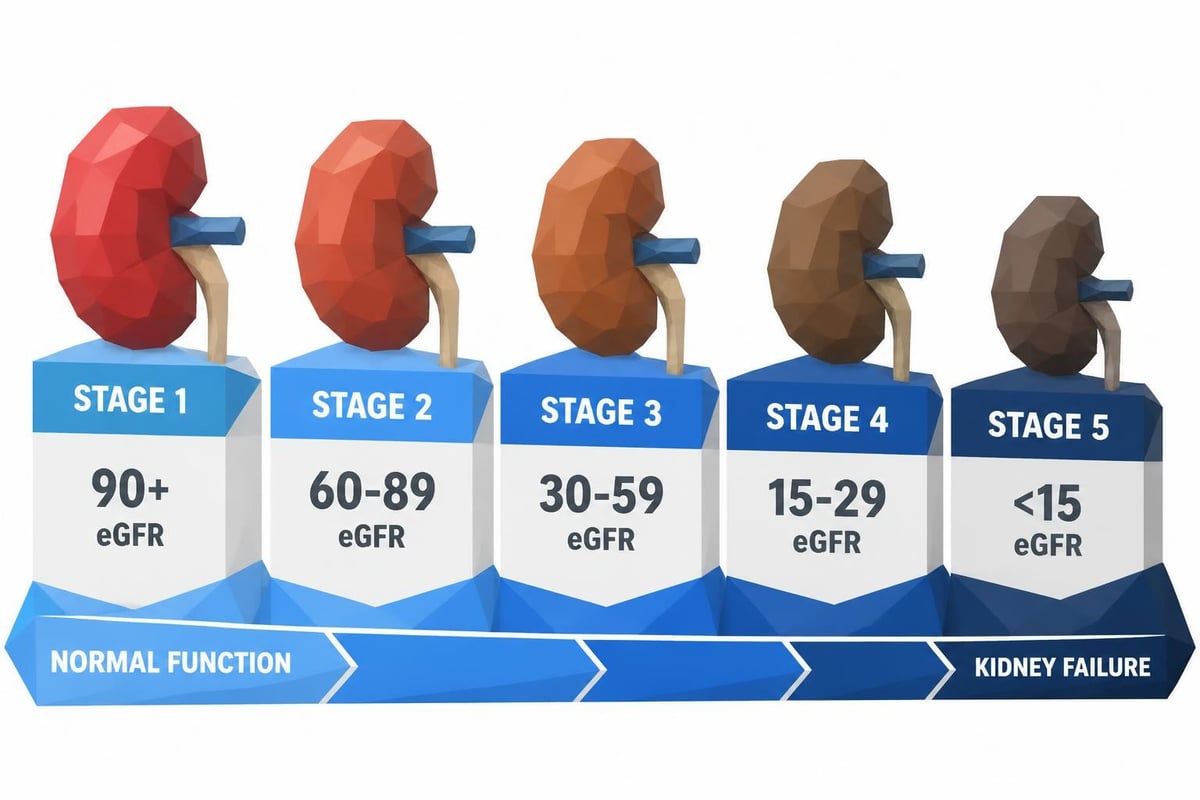
Chronic Kidney Disease Staging
When evaluating "renal function panel or cmp which test" results, eGFR determines chronic kidney disease stage:
- Stage 1 (eGFR ≥90): Normal or high function with other signs of kidney damage
- Stage 2 (eGFR 60-89): Mildly decreased function with other signs of kidney damage
- Stage 3a (eGFR 45-59): Mild to moderate decrease
- Stage 3b (eGFR 30-44): Moderate to severe decrease
- Stage 4 (eGFR 15-29): Severe decrease
- Stage 5 (eGFR <15): Kidney failure
A single abnormal result doesn't necessarily indicate chronic kidney disease. The diagnosis requires sustained dysfunction for at least three months, which is why repeat testing is crucial when initial results are abnormal.
Testing Frequency and Follow-Up
How often you need kidney function testing depends on your baseline health status and risk factors. Establishing an appropriate testing schedule helps catch problems early while avoiding unnecessary expense.
Recommended Testing Schedules
Healthy adults with no risk factors:
- Initial baseline test in your 20s or 30s
- Repeat every 2-3 years until age 50
- Annual testing after age 50
Adults with one risk factor (diabetes OR hypertension):
- Every 6-12 months
- More frequently if results are borderline or changing
Adults with multiple risk factors or known kidney disease:
- Every 3-6 months
- As directed by healthcare provider based on disease stage
After starting nephrotoxic medications:
- Baseline before starting medication
- Follow-up as prescribed (often at 1 month, 3 months, then quarterly)
The Frontiers in Medicine review on kidney disease biomarkers discusses how emerging markers may eventually allow for even more personalized testing schedules based on individual risk profiles.
Key Takeaways
When weighing "renal function panel or cmp which test" best serves your needs, consider that renal panels offer focused kidney assessment at lower cost, while CMPs provide comprehensive organ system screening in a single test. Both use identical kidney function markers, so accuracy for assessing renal health is equivalent.
Your choice should align with your health monitoring goals. Targeted kidney panels work well for routine monitoring of known kidney conditions or specific risk factors. Comprehensive metabolic panels make sense for baseline health assessments or when you want visibility into liver, kidney, and metabolic function simultaneously.
Testing frequency matters as much as test selection. People with diabetes, hypertension, or family history of kidney disease benefit from testing every 3-12 months depending on their risk level, while healthy adults generally need baseline screening every 1-2 years after age 50.
Understanding eGFR is crucial. This calculated value represents your most important kidney function indicator, with sustained values below 60 mL/min/1.73m² defining chronic kidney disease. Remember that single abnormal results require confirmation with repeat testing before diagnosing chronic conditions.
Cost transparency and convenience have transformed access. Direct-to-consumer lab testing eliminates insurance complications and reduces costs dramatically compared to traditional healthcare channels, making proactive kidney health monitoring accessible to everyone who wants to track their wellness metrics.
Recommended Panel
Complete Metabolic Health Panel
Save $3.50This comprehensive panel evaluates all aspects of metabolic health: organ function, cholesterol, blood sugar, insulin resistance, and inflammation - the key drivers of chronic disease.
Includes 26 biomarkers
$50
Fasting required
FAQ
What's the difference between a renal function panel and a basic metabolic panel?
A renal function panel focuses specifically on kidney health markers including creatinine, BUN, and eGFR, typically with electrolytes. A basic metabolic panel (BMP) includes these same kidney markers plus glucose, making it slightly broader but still more focused than a comprehensive metabolic panel. The differences are subtle, and many labs use these terms interchangeably.
Can I order these tests without a doctor?
Yes, you can order lab tests without a doctor through direct-to-consumer lab testing services. This approach allows you to take charge of your health monitoring, get results quickly, and avoid the time and expense of scheduling doctor appointments solely for routine testing orders.
How long does it take to get results?
Most labs process renal function panels and comprehensive metabolic panels within 1-3 days. You'll typically receive results electronically, often with helpful reference ranges and flagged abnormal values. Some services provide additional context to help you understand what your numbers mean before discussing them with a healthcare provider.
Will insurance cover these tests?
Insurance coverage varies widely depending on your plan, deductible status, and whether a doctor orders the test with appropriate diagnostic codes. Many people find that paying out-of-pocket through transparent pricing services costs less than their insurance copay or deductible, especially for routine screening when they haven't met their annual deductible.
What should I do if my kidney function tests are abnormal?
First, don't panic. Single abnormal results require confirmation through repeat testing before diagnosing chronic kidney disease. Schedule follow-up testing in 2-3 months to see if values remain abnormal. If results are consistently abnormal or severely abnormal on initial testing, consult with a healthcare provider who can evaluate your complete medical history, medications, and symptoms to determine appropriate next steps.
Do I need to fast before a renal function panel or CMP?
Fasting isn't required for the kidney function components of these tests. However, if you're getting a CMP, some providers recommend fasting for 8-12 hours to ensure accurate glucose measurements. Check with your testing service for their specific requirements, as protocols may vary by lab.
Which test is better for monitoring diabetes-related kidney disease?
For diabetes-related kidney monitoring, a comprehensive metabolic panel provides the most value because it includes both kidney function markers and glucose in a single test. Additionally, people with diabetes should consider adding a urine microalbumin test, which detects early kidney damage before eGFR declines, providing the earliest possible warning of diabetic kidney disease.
Understanding the similarities and differences between renal function panels and comprehensive metabolic panels empowers you to choose the right test for your kidney health monitoring needs. Whether you need focused kidney assessment or broader metabolic screening, both options provide valuable insights into your health status. JustLabs makes accessing these essential tests simple and affordable, offering transparent pricing and convenient online ordering that puts you in control of your health monitoring without insurance hassles or unnecessary doctor visits.