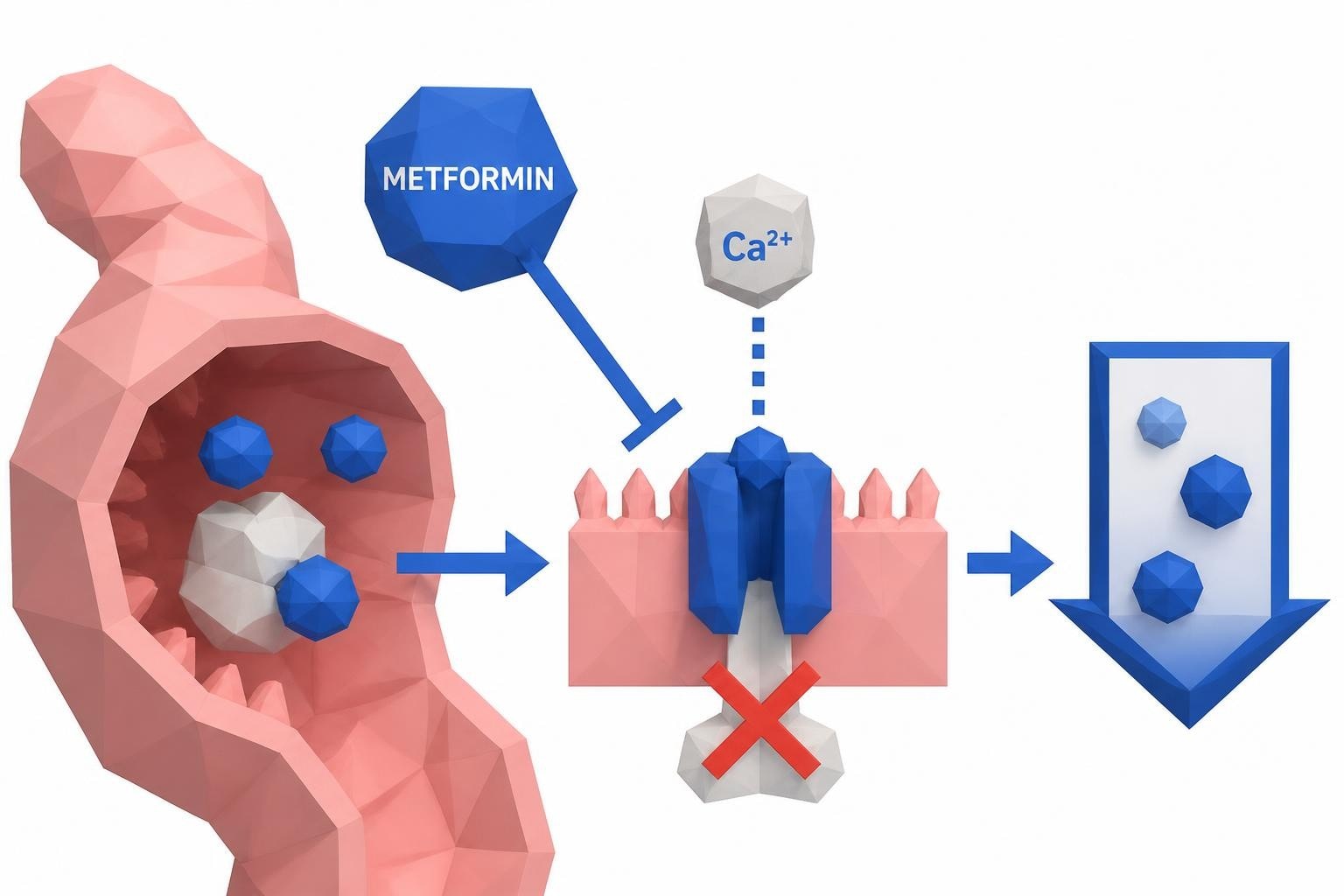
The growing use of peptides for performance enhancement, anti-aging, and metabolic optimization has created an urgent need for proper health monitoring. While peptides offer promising benefits, their impact on hormonal systems, organ function, and metabolic processes requires careful surveillance through regular laboratory testing. Understanding which biomarkers to track and how frequently to test them ensures that peptide users can maximize benefits while minimizing potential health risks.
Big picture
- Peptide therapy affects multiple body systems including growth hormone pathways, insulin sensitivity, liver metabolism, kidney filtration, and cardiovascular function, making comprehensive bloodwork essential for safe use.
- Regular monitoring catches problems early by identifying elevated liver enzymes, impaired kidney function, unfavorable lipid changes, or hormonal imbalances before they cause symptoms or permanent damage.
- Individual response varies significantly because genetics, dosing protocols, existing health conditions, and peptide combinations create unique risk profiles that require personalized testing strategies.
- Baseline testing establishes your normal values so you can accurately detect changes caused by peptide use rather than misinterpreting pre-existing conditions as peptide-related effects.
- Testing frequency depends on the specific peptides you're using, with growth hormone secretagogues requiring different monitoring than BPC-157, thymosin beta-4, or metabolic peptides.
- Start by ordering comprehensive lab work through services offering direct access lab testing to establish baseline values before beginning any peptide protocol.
Essential Pre-Peptide Baseline Testing
Before starting any peptide regimen, establishing baseline values provides the reference points needed to detect future changes. This initial testing phase should occur within two to four weeks before beginning peptides, giving you clean data unaffected by exogenous compounds.
Complete Metabolic Panel Foundation
A comprehensive metabolic panel forms the cornerstone of baseline bloodwork for peptide users to monitor health. This panel evaluates kidney function through creatinine and blood urea nitrogen, liver health via ALT and AST enzymes, and electrolyte balance including sodium, potassium, and chloride.
Key baseline metabolic markers include:
- Fasting glucose and insulin levels
- Electrolyte panel (sodium, potassium, chloride, bicarbonate)
- Kidney function markers (creatinine, BUN, eGFR)
- Liver enzymes (ALT, AST, alkaline phosphatase)
- Albumin and total protein
The KDIGO 2024 CKD guideline emphasizes accurate kidney function assessment, particularly relevant when using peptides that may affect renal filtration or require dose adjustments based on kidney capacity.
Hormone Panel Essentials
Growth hormone-related peptides significantly impact the endocrine system, making comprehensive hormone testing critical. IGF-1 (insulin-like growth factor 1) serves as the primary biomarker for growth hormone activity, though assay variability and bias among commonly used clinical IGF-1 assays means using the same laboratory and testing method consistently throughout your monitoring.
| Hormone | Why It Matters | Baseline Importance |
|---|---|---|
| IGF-1 | Reflects GH activity and peptide effectiveness | Critical for tracking response |
| Testosterone (total/free) | Can be suppressed by certain peptides | Detects hormonal disruption |
| Thyroid panel (TSH, T3, T4) | Metabolic rate and hormone balance | Identifies pre-existing issues |
| Cortisol | Stress response and HPA axis function | Baseline stress levels |
| SHBG | Affects free hormone availability | Context for testosterone readings |

Monitoring Growth Hormone Pathway Peptides
Growth hormone secretagogues and GHRH analogs require specific monitoring protocols focused on IGF-1 levels, glucose metabolism, and potential side effects related to excessive GH activity.
IGF-1 Tracking Strategy
Testing IGF-1 levels every 4-6 weeks during the initial titration phase helps identify the optimal dose while avoiding excessive elevation. Once stable, quarterly testing typically suffices for bloodwork for peptide users to monitor health effectively.
IGF-1 monitoring guidelines:
- Test 4-6 hours after your last peptide dose for acute protocols
- For daily peptide use, test at consistent times (morning fasted preferred)
- Maintain IGF-1 in the upper-normal range (200-300 ng/mL for most adults)
- Values consistently above 400 ng/mL warrant dose reduction
- Track IGF-1/IGFBP-3 ratio for more complete assessment
Metabolic Impact Assessment
Growth hormone elevation influences glucose metabolism and insulin sensitivity, necessitating regular metabolic monitoring. The diabetes risk in GH excess and acromegaly demonstrates clear mechanisms linking excessive GH activity to impaired glucose tolerance and increased diabetes risk.
Testing fasting glucose, HbA1c, and fasting insulin every 8-12 weeks identifies metabolic changes before they progress to insulin resistance or diabetes. The HOMA-IR calculation (fasting insulin × fasting glucose ÷ 405) provides an accessible insulin resistance marker without specialized testing.
Liver and Kidney Function Monitoring
Peptides undergo hepatic metabolism and renal clearance, making organ function monitoring essential for long-term safety. Some peptides show minimal hepatotoxic potential, while others or their metabolites may stress liver or kidney systems, particularly at higher doses or with extended use.
Liver Enzyme Surveillance
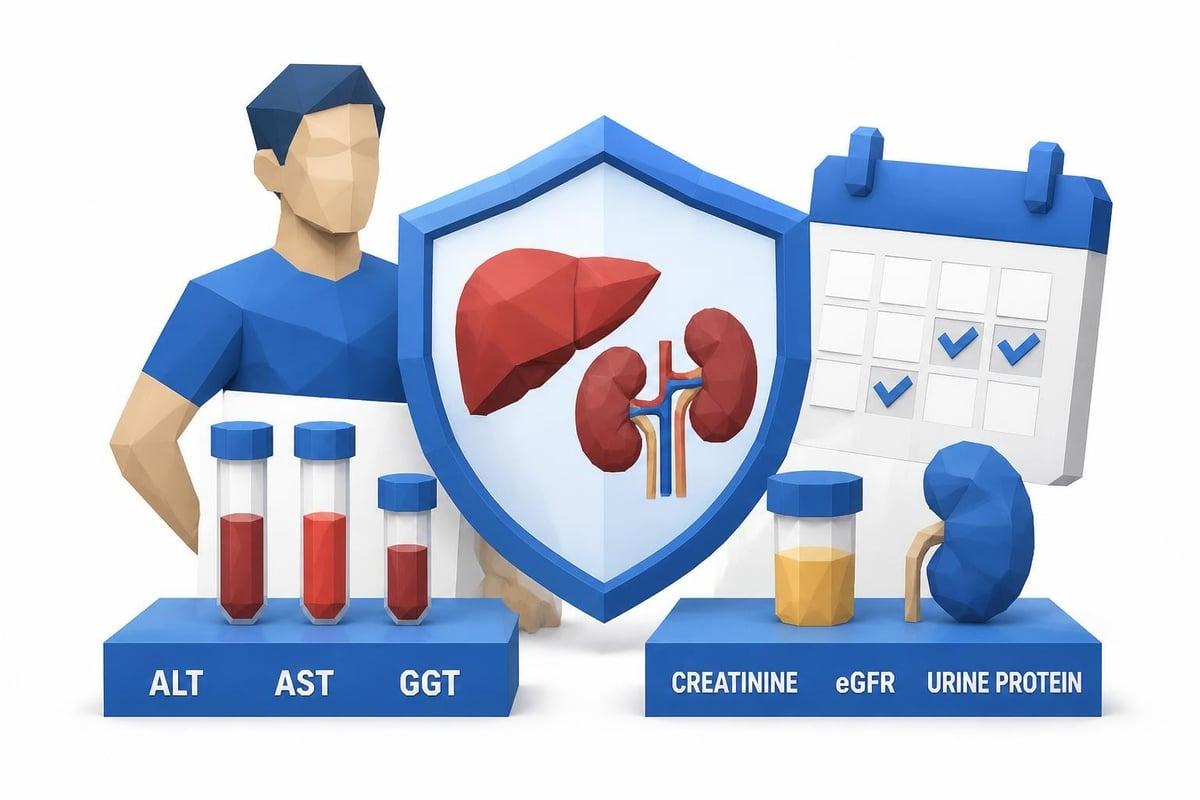
The comprehensive review of hepatotoxicity biomarkers outlines both traditional markers (ALT, AST, alkaline phosphatase, bilirubin) and emerging indicators that provide early warning of liver stress.
Liver monitoring schedule:
- Monthly testing during the first three months
- Quarterly testing once stable if values remain normal
- Immediate testing if symptoms develop (fatigue, nausea, right upper quadrant discomfort)
- AST/ALT ratio helps distinguish liver injury patterns
- GGT and direct bilirubin add specificity when enzymes elevate
Minor elevations (1.5-2× upper normal) often normalize with dose reduction or temporary discontinuation. Elevations exceeding 3× upper normal limit require immediate peptide cessation and medical evaluation.
Renal Function Assessment
Kidney monitoring through creatinine, estimated glomerular filtration rate (eGFR), and urine protein detection protects against peptide-associated renal effects. Some users, particularly those combining multiple compounds or using higher doses, may experience changes in kidney filtration capacity.
Testing every 8-12 weeks provides adequate surveillance for most peptide protocols. Users with pre-existing kidney disease, diabetes, or hypertension should test monthly initially and consider cystatin C-based eGFR for more accurate assessment, as recommended in current kidney disease evaluation guidelines.
Cardiovascular and Lipid Panel Testing
Peptide use can influence cardiovascular risk markers through multiple mechanisms including changes in body composition, insulin sensitivity, lipid metabolism, and direct vascular effects. Regular cardiovascular monitoring identifies both beneficial changes and potential concerns.
Lipid Profile Evolution
A complete lipid panel including total cholesterol, LDL-C, HDL-C, triglycerides, and advanced markers like ApoB and Lp(a) tracks cardiovascular risk evolution. Many peptide users experience favorable lipid changes with improved body composition and metabolic health, though individual responses vary.
The
Recommended Panel
Advanced Heart Health Panel
Save $4Go beyond basic cholesterol testing. This advanced panel includes the markers cardiologists use to assess true cardiovascular risk: ApoB, Lp(a), homocysteine, and inflammation.
Includes 10 biomarkers
$81
Fasting required
provides comprehensive cardiovascular assessment suitable for peptide users monitoring long-term health impacts.
| Cardiovascular Marker | Testing Frequency | Target Range |
|---|---|---|
| Total cholesterol | Every 12 weeks | <200 mg/dL |
| LDL cholesterol | Every 12 weeks | <100 mg/dL |
| HDL cholesterol | Every 12 weeks | >40 mg/dL (men), >50 mg/dL (women) |
| Triglycerides | Every 12 weeks | <150 mg/dL |
| ApoB | Every 24 weeks | <90 mg/dL |
| hs-CRP | Every 24 weeks | <1.0 mg/L |
Blood Pressure and Heart Rate
While not traditional bloodwork for peptide users to monitor health, cardiovascular vital signs complement laboratory testing. Some peptides affect fluid retention, vascular tone, or cardiac output, making regular blood pressure and resting heart rate monitoring essential.
Home monitoring twice weekly provides adequate data for most users. Values consistently exceeding 130/80 mmHg or resting heart rate increases of more than 10 beats per minute above baseline warrant investigation and possible protocol adjustment.
Complete Blood Count and Inflammation Markers
Hematologic monitoring through complete blood count (CBC) and inflammatory markers detects systemic effects of peptide use that might not appear in metabolic or hormone panels.
CBC Surveillance
Testing CBC every 12-16 weeks identifies changes in red blood cells, white blood cells, and platelets. Some peptides theoretically could affect hematopoiesis, immune cell populations, or platelet function, though significant abnormalities remain uncommon in typical therapeutic use.
Key CBC components:
- Hemoglobin and hematocrit for oxygen-carrying capacity
- White blood cell count and differential for immune function
- Platelet count for clotting capacity
- Red cell indices (MCV, MCH, MCHC) for anemia classification
Inflammatory Biomarkers
High-sensitivity C-reactive protein (hs-CRP), erythrocyte sedimentation rate (ESR), and interleukin-6 when indicated provide insight into systemic inflammation. Many peptides demonstrate anti-inflammatory properties, potentially reducing these markers over time.
Quarterly hs-CRP testing tracks inflammatory status, with values below 1.0 mg/L indicating low cardiovascular risk and general inflammatory burden. Unexpected elevations warrant investigation for infection, injury, or inflammatory conditions unrelated to peptide use.
Specialized Testing for Specific Peptide Categories
Different peptide classes require tailored monitoring approaches beyond the universal panels discussed above. Matching your testing strategy to the specific peptides you're using optimizes safety surveillance.
Thyroid-Affecting Peptides
Peptides influencing thyroid function or metabolism require comprehensive thyroid monitoring including TSH, free T4, free T3, and reverse T3. Testing every 6-8 weeks during initial use identifies thyroid axis changes early.
The
Recommended Panel
Complete Thyroid Panel
Save $3Our most comprehensive thyroid panel includes all 5 essential markers: TSH, Free T4, Free T3, Reverse T3, and both thyroid antibodies. Get the complete picture of your thyroid health.
Includes 6 biomarkers
$84
provides thorough thyroid assessment when using peptides that may affect thyroid hormone production, conversion, or receptor sensitivity.
Metabolic and Weight Loss Peptides
Compounds targeting metabolic function or body composition benefit from enhanced metabolic monitoring including fasting insulin, leptin, adiponectin, and comprehensive body composition assessment alongside standard bloodwork.
Additional metabolic markers:
- Fasting insulin and HOMA-IR calculation
- HbA1c for average glucose control
- Leptin levels for satiety hormone status
- Adiponectin for insulin sensitivity
- Uric acid for metabolic syndrome component

Testing Frequency and Protocol Optimization
Establishing an effective testing schedule balances thorough monitoring with practical considerations including cost, convenience, and information value. The ideal frequency depends on peptide selection, dosing, duration of use, and individual risk factors.
Standard Testing Schedule
Most peptide users benefit from this general testing framework, adjusting based on specific compounds and individual response:
Baseline: Comprehensive panel 2-4 weeks before starting peptides
Month 1: Metabolic panel, liver enzymes, kidney function
Month 2: IGF-1, hormones, metabolic markers
Month 3: Comprehensive retest of all baseline markers
Ongoing: Quarterly comprehensive testing plus monthly targeted panels based on specific peptides
Cost-Effective Monitoring Strategies
Regular testing creates ongoing costs that can be substantial with traditional healthcare channels. Services offering transparent lab test pricing enable sustainable long-term monitoring without insurance complications or inflated fees.
Strategic approaches to cost management include:
- Ordering comprehensive panels during key timepoints rather than testing everything monthly
- Focusing monthly testing on the most relevant markers for your specific peptides
- Using targeted panels between comprehensive assessments
- Maintaining consistent laboratory and testing methods for accurate comparisons
- Tracking results systematically to identify trends requiring attention
Understanding your FSA/HSA eligible tests options further reduces effective costs when applicable health savings accounts are available.
Interpreting Results and Taking Action
Collecting bloodwork for peptide users to monitor health provides value only when results guide decision-making. Developing interpretation skills and establishing action thresholds ensures testing translates into optimized protocols and protected health.
Reference Range Considerations
Laboratory reference ranges represent population norms rather than individual optimization targets. A value within the reference range may still represent significant change from your baseline or suboptimal status for your goals.
Interpretation principles:
- Compare results to your baseline, not just population reference ranges
- Trend analysis over time matters more than single data points
- Values in the upper or lower 25% of reference ranges may indicate early changes
- Context matters including time of day, fasting status, and recent activities
- Consistent methodology and laboratory use enables accurate comparisons
Resources for understanding lab results help interpret findings within the context of peptide use and individual health optimization.
Decision Thresholds
Establishing clear action points based on test results creates objective criteria for protocol adjustments rather than relying on subjective assessment or symptom development alone.
| Finding | Action Threshold | Response |
|---|---|---|
| Elevated liver enzymes | >2× baseline or upper normal | Reduce dose 50% and retest in 2 weeks |
| High IGF-1 | >400 ng/mL consistently | Reduce peptide dose or frequency |
| Impaired glucose | Fasting glucose >110 mg/dL or HbA1c >5.7% | Add glucose monitoring, consider metformin |
| Kidney function decline | eGFR decrease >10% from baseline | Review dosing, hydration, other nephrotoxic factors |
| Lipid deterioration | LDL increase >30 mg/dL | Optimize diet, consider dose adjustment |
Early intervention based on laboratory findings prevents progression to clinical problems requiring medical treatment or peptide discontinuation.
Key takeaways
Regular, comprehensive bloodwork for peptide users to monitor health represents the cornerstone of safe and effective peptide protocols. Baseline testing establishes individual reference values, while ongoing monitoring at appropriate intervals tracks response, identifies concerns early, and guides protocol optimization. Essential testing includes metabolic panels, liver and kidney function, IGF-1 and hormone assessment, lipid profiles, and complete blood counts, with specific additions based on the peptides being used. Testing frequency should start more intensive during initial months, then transition to quarterly comprehensive assessment with monthly targeted panels for the most relevant biomarkers. Interpreting results requires comparing values to personal baselines rather than only population reference ranges, with clear action thresholds prompting protocol adjustments before problems become significant. Cost-effective monitoring strategies including direct-access laboratory services enable sustainable long-term surveillance without insurance complications or excessive expense.
FAQ
How often should I get bloodwork while using peptides?
Comprehensive testing should occur at baseline, month three, then quarterly during ongoing use. Monthly targeted testing of the most relevant markers for your specific peptides (typically liver enzymes, kidney function, and IGF-1) provides adequate surveillance between comprehensive panels. Users with pre-existing health conditions, higher doses, or multiple peptide combinations may benefit from more frequent monitoring initially.
What are the most important tests for peptide users?
The essential core includes complete metabolic panel for liver and kidney function, IGF-1 to monitor growth hormone pathway activity, fasting glucose and HbA1c for metabolic health, complete blood count, lipid panel for cardiovascular risk, and baseline hormone assessment including testosterone and thyroid function. Additional tests depend on specific peptides being used and individual risk factors.
Can I get peptide monitoring bloodwork without a doctor?
Yes, direct access lab testing services allow you to order appropriate monitoring panels without requiring a physician order. This approach provides convenient access to necessary testing while maintaining control over your health monitoring strategy and avoiding the delays and costs associated with traditional medical appointments.
How much does regular peptide monitoring cost?
Costs vary significantly based on testing frequency and panel comprehensiveness. Through transparent pricing services, a comprehensive monitoring panel typically costs between $150-300, while targeted monthly panels often range from $50-100. Traditional healthcare channels with insurance billing frequently cost substantially more due to markup and administrative fees. Most serious peptide users should budget $100-200 monthly for appropriate monitoring.
What blood test results indicate I should stop using peptides?
Immediate discontinuation indicators include liver enzymes exceeding three times the upper normal limit, kidney function decline greater than 25% from baseline, development of severely impaired glucose tolerance or diabetes, significant blood pressure elevation unresponsive to management, or unexpected hematologic abnormalities. Moderate elevations often respond to dose reduction rather than complete cessation, making regular monitoring valuable for catching changes early enough to adjust rather than abandon protocols.
Do I need to test more frequently when starting a new peptide?
Yes, initial monitoring should be more intensive when beginning any new peptide compound. Testing at baseline, week 4, week 8, and week 12 provides adequate surveillance during the adjustment phase when effects are developing and individual response patterns emerge. Once stable with normal results, you can transition to standard quarterly comprehensive testing with monthly targeted panels.
Which peptides require the most intensive monitoring?
Growth hormone secretagogues and GHRH analogs require thorough monitoring due to their effects on IGF-1, glucose metabolism, and potential impact on multiple organ systems. Metabolic peptides affecting insulin sensitivity or thyroid function similarly demand careful surveillance. Regenerative peptides like BPC-157 or TB-500 generally require less intensive monitoring, though baseline and periodic comprehensive testing remains advisable for all peptide use.
Regular bloodwork for peptide users to monitor health protects against potential risks while optimizing therapeutic benefits through data-driven protocol adjustments. Establishing baseline values, tracking key biomarkers at appropriate intervals, and responding to changes before they become problematic enables safe, effective long-term peptide use. JustLabs makes comprehensive monitoring accessible and affordable through direct-access testing at transparent prices, with results available in 1-3 days so you can make timely decisions about your peptide protocols without the delays and costs of traditional healthcare channels.