Testosterone testin has become increasingly accessible to those seeking to understand their hormone levels without navigating the traditional healthcare system. Whether you're experiencing symptoms of low testosterone or simply want to monitor your health proactively, understanding the specific rules and requirements for accurate testing is essential. Unlike many standard blood tests, testosterone testin requires careful attention to timing, preparation, and collection protocols to ensure your results reflect your true hormone status. Missing these critical steps can lead to inaccurate readings that may cause unnecessary concern or miss underlying health issues entirely.
Why Testosterone Testing Requires Special Protocols
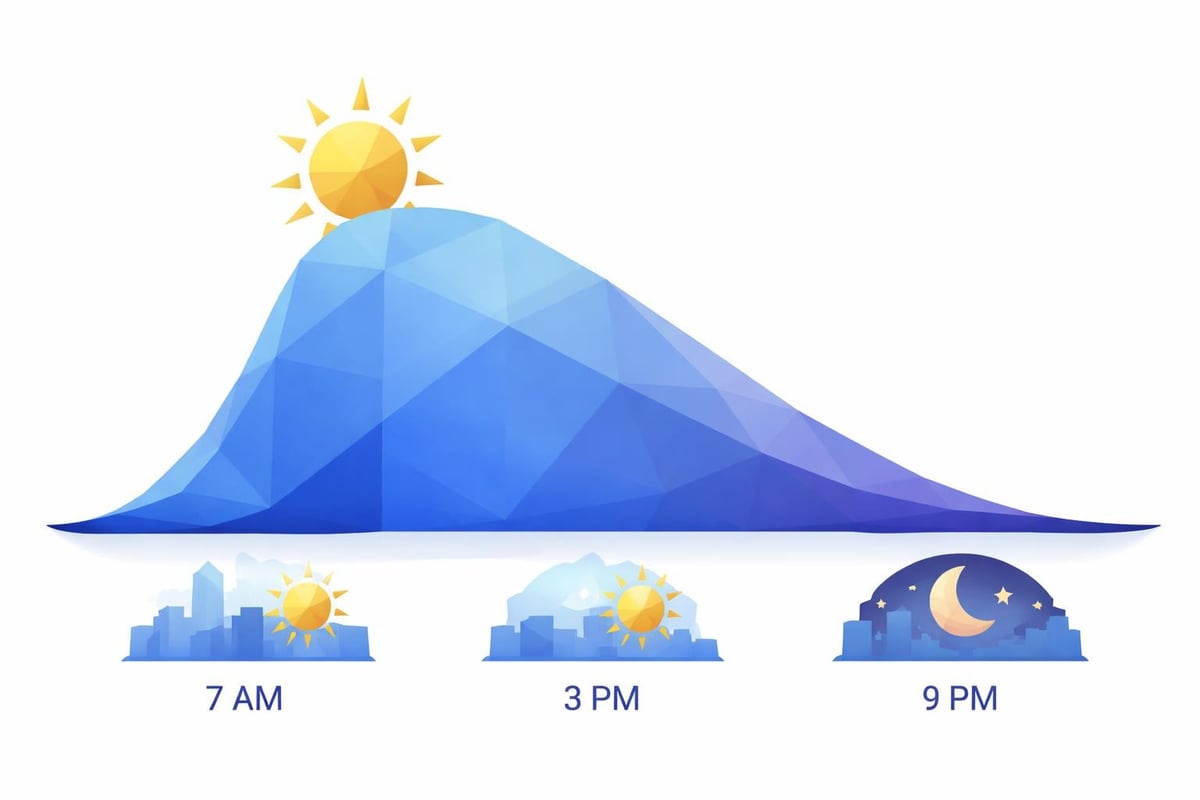
Testosterone levels fluctuate significantly throughout a 24-hour period, with concentrations varying by as much as 30-40% from morning to afternoon. This natural variation isn't a flaw in how our bodies work-it's a fundamental aspect of hormone regulation driven by circadian rhythms. The hypothalamic-pituitary-gonadal axis operates on a predictable cycle, with testosterone production peaking in the early morning hours and gradually declining as the day progresses.
Understanding testosterone tests reveals why standardized collection protocols matter so much. When healthcare providers establish reference ranges for normal testosterone levels, they base these ranges on morning samples collected under specific conditions. If you deviate from these protocols, you're essentially comparing your results to an incompatible standard.
The Morning Draw Requirement
The single most important rule for testosterone testin is scheduling your blood draw between 7:00 AM and 10:00 AM. This narrow window captures testosterone at its peak, providing the most reliable baseline measurement.
Here's what happens to testosterone levels throughout the day:
- 6:00 AM - 8:00 AM: Peak testosterone production, highest concentrations
- 10:00 AM - 12:00 PM: Levels begin declining, 10-20% reduction from peak
- 2:00 PM - 4:00 PM: Further decline, 20-30% below morning levels
- 6:00 PM - 10:00 PM: Lowest daily concentrations, potentially 40% below peak
Testing outside the morning window doesn't just risk lower readings-it makes your results nearly impossible to interpret accurately. A 400 ng/dL reading at 8:00 AM means something entirely different than the same number at 4:00 PM.
Fasting Requirements and Dietary Considerations
While testosterone testin doesn't require fasting as strictly as glucose or lipid testing, specific dietary guidelines can impact your results. Most laboratories and clinical testing guidelines recommend a fasting period of 8-12 hours before your blood draw.
What Fasting Achieves
Fasting eliminates variables that could interfere with hormone measurement. Although testosterone itself isn't directly affected by food intake, other factors measured alongside testosterone-particularly sex hormone-binding globulin (SHBG)-can be influenced by recent meals. SHBG binds to testosterone in the bloodstream, affecting the amount of free (biologically active) testosterone available.
Foods and substances to avoid 24 hours before testosterone testin:
- Alcohol (can suppress testosterone production)
- High-fat meals (may affect SHBG levels)
- Licorice products (contain compounds that impact hormone metabolism)
- Excessive caffeine (may influence cortisol and indirectly affect results)
Water consumption is encouraged and won't invalidate your test. Staying hydrated actually makes the blood draw easier and more comfortable.
Physical Activity and Exercise Restrictions
Exercise presents a complex variable in testosterone testin. While regular physical activity generally supports healthy testosterone levels long-term, acute exercise immediately before testing can skew your results significantly.
| Exercise Type | Impact on Testosterone | Recommended Waiting Period |
|---|---|---|
| Heavy weightlifting | Temporary increase (15-30%) | 48 hours before test |
| High-intensity interval training | Moderate increase (10-20%) | 36 hours before test |
| Endurance exercise (>60 minutes) | Potential decrease | 24 hours before test |
| Light walking or yoga | Minimal impact | No restriction |
The American Urological Association guidelines recommend avoiding strenuous physical activity for at least 24 hours before testosterone testin. This allows your hormone levels to return to their true baseline rather than capturing the temporary elevation or suppression caused by exercise.
Sexual Activity Considerations
Sexual activity can temporarily elevate testosterone levels for several hours afterward. While this effect is generally modest (5-10%), it's wise to abstain for 24 hours before your test to eliminate this variable. The goal is to measure your typical, resting testosterone status-not a temporarily elevated state.
Medication and Supplement Disclosure
Numerous medications and supplements can directly or indirectly affect testosterone levels. When scheduling your testosterone testin, particularly through convenient self-pay lab testing services, you must provide accurate information about everything you're taking.
Common Medications That Affect Testosterone
Medications that may decrease testosterone:
- Opioid pain medications
- Corticosteroids (prednisone, dexamethasone)
- Some antifungal medications
- Chemotherapy agents
- Certain antidepressants
Medications that may increase testosterone:
- DHEA supplements
- Clomiphene citrate
- Human chorionic gonadotropin (hCG)
- Testosterone replacement therapy (obviously)
Don't discontinue prescribed medications without consulting your healthcare provider. Instead, note them when reviewing your results. Understanding lab results becomes easier when you can account for known influencing factors.

Multiple Testing for Confirmation
A single testosterone test should never be the final word on your hormone status. The Province of British Columbia testosterone testing protocol explicitly recommends confirming any abnormal result with at least one additional test performed on a separate day.
This repeat testing requirement exists for several important reasons:
Laboratory variability: Different testing methodologies can produce results that vary by 10-15% even when analyzing the same sample. Modern immunoassays and mass spectrometry techniques each have their strengths and limitations.
Biological variability: Your testosterone levels can fluctuate day-to-day based on sleep quality, stress levels, recent illness, and other factors. A single low reading might reflect a temporary dip rather than chronic deficiency.
Sample handling: Occasionally, issues with blood collection, transportation, or processing can affect results. A second test rules out technical problems.
What Comprehensive Testosterone Testing Includes
| Test Component | What It Measures | Why It Matters |
|---|---|---|
| Total testosterone | All testosterone in blood | Overall hormone production |
| Free testosterone | Unbound, biologically active testosterone | Amount actually available to tissues |
| SHBG | Protein that binds sex hormones | Affects free testosterone availability |
| LH (Luteinizing hormone) | Pituitary signal to produce testosterone | Helps identify cause of abnormalities |
| Albumin | Protein affecting testosterone binding | Needed to calculate bioavailable testosterone |
When using transparent lab test pricing services, consider ordering a comprehensive male hormone panel rather than testosterone alone. The additional markers provide context that makes your testosterone number meaningful.
Recommended Panel
Male Hormone Panel
Save $9This comprehensive panel measures testosterone (free and total), plus the supporting hormones that affect how testosterone works in your body: SHBG, estradiol sensitive, DHEA-S, and cortisol.
Includes 6 biomarkers
$101
Age and Reference Range Considerations
Reference ranges for testosterone testin aren't one-size-fits-all. Laboratories typically provide age-adjusted ranges because testosterone naturally declines with aging at a rate of approximately 1-2% per year after age 30.
Typical Reference Ranges by Age
Men 20-29 years:
- Normal range: 400-900 ng/dL
- Average: 650 ng/dL
Men 30-39 years:
- Normal range: 350-850 ng/dL
- Average: 600 ng/dL
Men 40-49 years:
- Normal range: 300-800 ng/dL
- Average: 550 ng/dL
Men 50+ years:
- Normal range: 250-750 ng/dL
- Average: 500 ng/dL
These ranges serve as general guidelines, but individual optimal levels vary. Some men function perfectly well at 350 ng/dL, while others experience symptoms at 500 ng/dL. This is why repeat testing and symptom correlation matter more than a single number.
Detailed information on testosterone level testing emphasizes that clinical symptoms should guide interpretation as much as numerical values. Low testosterone symptoms include fatigue, reduced muscle mass, increased body fat, decreased libido, and mood changes.
Timing Around Illness and Stress
Acute illness, significant stress, and sleep deprivation can all temporarily suppress testosterone production. The body redirects resources during times of crisis, often reducing reproductive hormone production as a protective mechanism.
Wait to schedule testosterone testin if you:
- Currently have a fever or infection
- Recently recovered from illness (wait 2 weeks)
- Are experiencing unusual acute stress
- Had significantly disrupted sleep (less than 4 hours) the night before
- Are jet-lagged from recent travel across time zones
These temporary suppressions don't reflect your true baseline testosterone status. Testing during these periods may lead to falsely low results and unnecessary concern or treatment.

Seasonal Variations and Testing Consistency
Emerging research suggests testosterone levels may vary by season, with some studies showing 10-20% higher levels in autumn compared to spring. While this variation is less dramatic than the daily circadian rhythm, it's worth considering when scheduling follow-up tests.
For the most consistent comparison between tests, schedule them during the same season and under similar life circumstances. This consistency helps you identify true trends in your hormone levels rather than normal seasonal fluctuations.
Direct Access Testing Advantages
Traditional testosterone testin often requires multiple doctor visits, insurance authorization, and weeks of waiting. How modern lab testing works demonstrates an alternative approach where you can order tests directly, visit a nearby collection facility, and receive results within 1-3 days.
This direct access offers several advantages for testosterone testin specifically:
Better timing compliance: You can schedule your blood draw for exactly the right time window (7-10 AM) without waiting for available appointments weeks away.
Cost transparency: Knowing the exact cost upfront allows you to budget for proper testing, including follow-up confirmations when needed.
Faster results: Quick turnaround means you can move forward with healthcare decisions or lifestyle modifications promptly.
Recommended Test
Testosterone, Free & Total
This comprehensive testosterone panel measures both total testosterone and free testosterone—the biologically active form. Essential for evaluating hormone status in both men and women.
Includes 2 biomarkers
$34
Privacy: Some individuals prefer to investigate their hormone levels privately before involving healthcare providers.
Special Considerations for Testosterone Replacement Therapy
If you're already taking testosterone replacement therapy, the rules for testosterone testin change significantly. Ongoing therapy also adds its own surveillance panel — see our guide to TRT monitoring labs: hematocrit, PSA, and estradiol. Your healthcare provider will specify whether to test at trough (lowest levels, just before your next dose) or peak (highest levels, shortly after dosing).
Testing Protocols by TRT Administration Method
Injections: Test either just before your next injection (trough) or 24-48 hours after injection (peak), depending on what your provider wants to evaluate.
Topical gels/creams: Apply as normal on the morning of testing, then test 2-4 hours after application to measure peak absorption.
Pellets: Can test at any time since pellets provide steady release, but morning collection still preferred for consistency.
Oral/buccal: Typically test before taking your daily dose to establish trough levels.
Don't attempt to interpret testosterone testin results while on replacement therapy using standard reference ranges. Your provider will have specific target ranges based on your treatment protocol and symptom management.
When Results Arrive: Next Steps
Once you receive your testosterone testin results, resist the urge to make immediate decisions based on a single test. Review your results in context with the preparation protocols you followed. Did you test in the morning? Were you fasting? Had you avoided exercise for 48 hours?
If your results show low testosterone (typically defined as below 300 ng/dL on two separate morning tests), consider:
- Scheduling confirmatory testing under identical conditions
- Reviewing potential medication interactions
- Evaluating lifestyle factors (sleep, stress, diet, exercise)
- Consulting with a healthcare provider about symptoms and treatment options
- Investigating underlying causes (pituitary function, testicular health, chronic illness)
Remember that laboratory test accuracy depends heavily on following standardized protocols. If you didn't follow the morning draw rule or fasted improperly, your results may not accurately reflect your true testosterone status.
Accurate testosterone testin requires attention to specific protocols including morning collection, proper fasting, and avoiding strenuous exercise before your blood draw. Following these guidelines ensures your results meaningfully reflect your hormone status rather than temporary fluctuations or testing artifacts. Justlabs provides convenient access to testosterone testing with transparent pricing and rapid results, allowing you to monitor your hormone health on your schedule without navigating insurance requirements or waiting for doctor referrals.
Related Reading


References
Bhasin S, Brito JP, Cunningham GR, Hayes FJ, Hodis HN, Matsumoto AM, Snyder PJ, Swerdloff RS, Wu FC, Yialamas MA. Testosterone Therapy in Men With Hypogonadism: An Endocrine Society Clinical Practice Guideline. J Clin Endocrinol Metab. 2018 May 1;103(5):1715-1744. doi: 10.1210/jc.2018-00229. PMID: 29562364. https://pubmed.ncbi.nlm.nih.gov/29562364/
Mulhall JP, Trost LW, Brannigan RE, Kurtz EG, Redmon JB, Chiles KA, Lightner DJ, Miner MM, Murad MH, Nelson CJ, Platz EA, Ramanathan LV, Lewis RW. Evaluation and Management of Testosterone Deficiency: AUA Guideline. J Urol. 2018 Aug;200(2):423-432. doi: 10.1016/j.juro.2018.03.115. PMID: 29601923. https://pubmed.ncbi.nlm.nih.gov/29601923/
Kanakis GA, Tsametis CP, Goulis DG. Measuring testosterone in women and men. Maturitas. 2019 Jul;125:41-44. doi: 10.1016/j.maturitas.2019.04.203. PMID: 31133215. https://pubmed.ncbi.nlm.nih.gov/31133215/