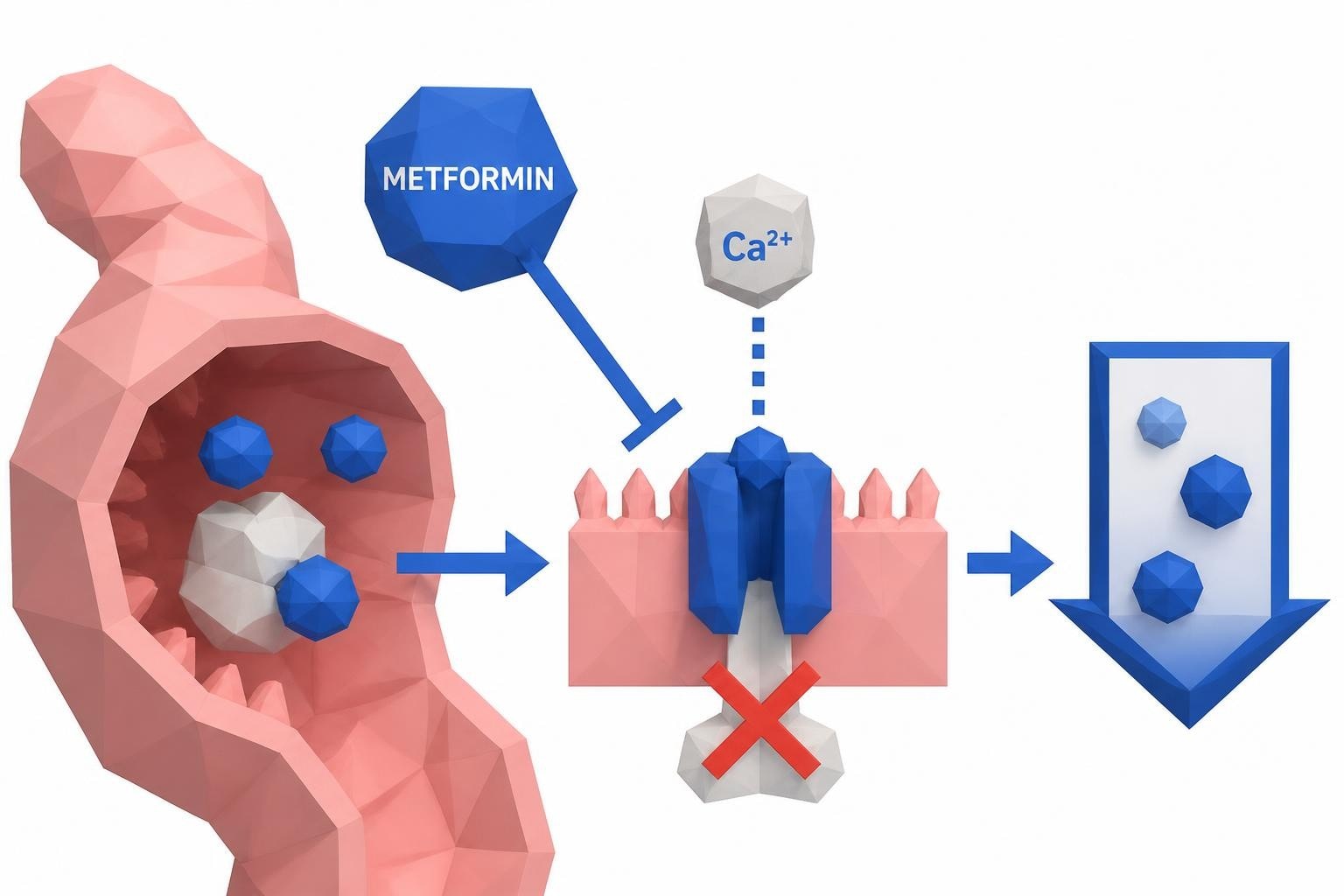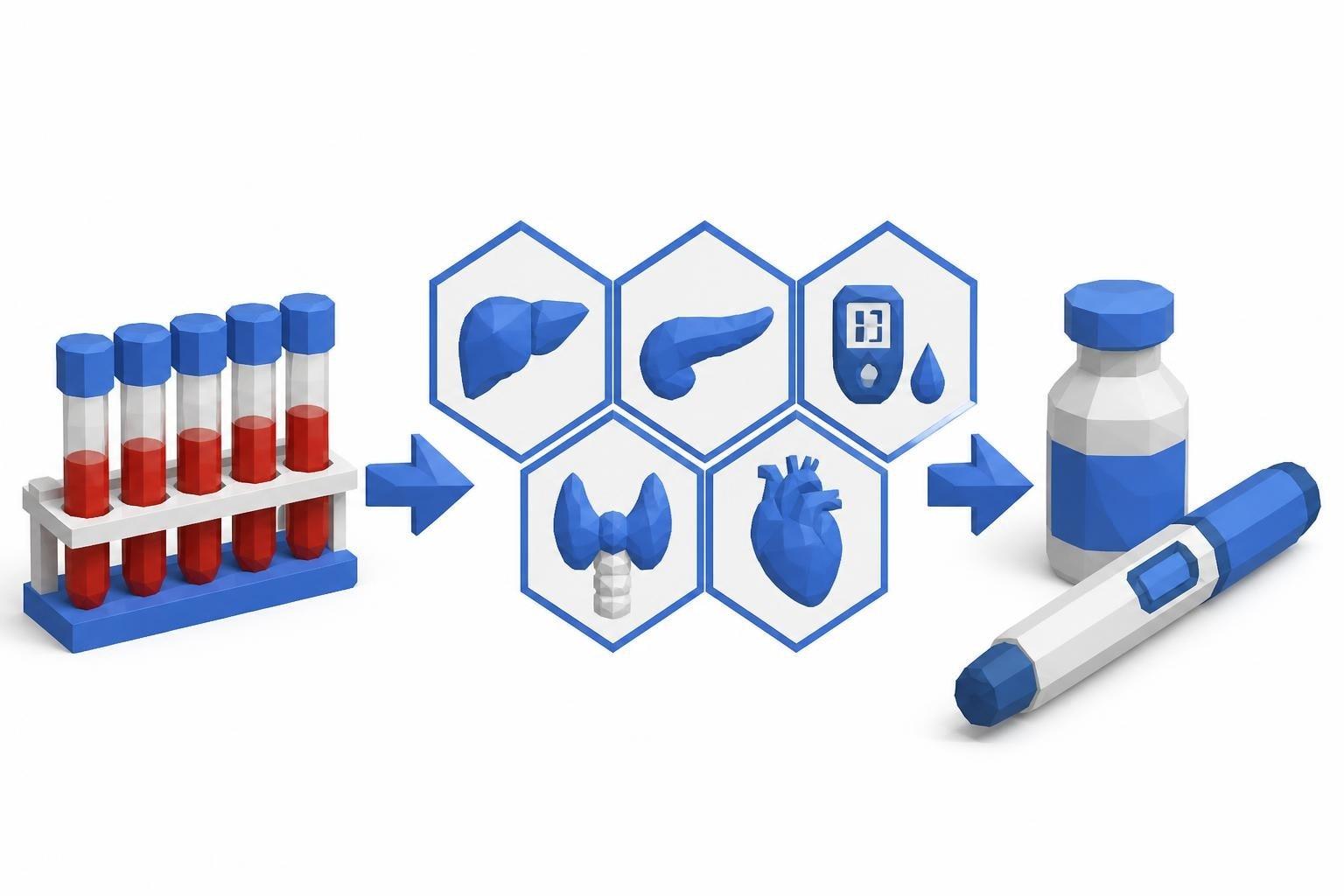
Baseline Labs Before Starting a GLP-1: Complete Guide
GLP-1 receptor agonists like semaglutide and tirzepatide have transformed weight management and diabetes care, but starting these medications without proper baseline testing can put your health at risk. Understanding which baseline labs before starting a GLP-1 you need protects you from potential complications and ensures your provider can monitor changes throughout treatment. This guide explains exactly what tests matter, why they're essential, and how you can access affordable testing without navigating insurance hurdles.
Big picture
- GLP-1 medications (Ozempic, Wegovy, Mounjaro, Zepbound) are powerful therapies for type 2 diabetes and weight loss that require baseline laboratory testing before you start treatment
- Baseline labs establish your starting health status, screen for contraindications like medullary thyroid cancer risk or severe kidney disease, and create reference points for monitoring treatment effects
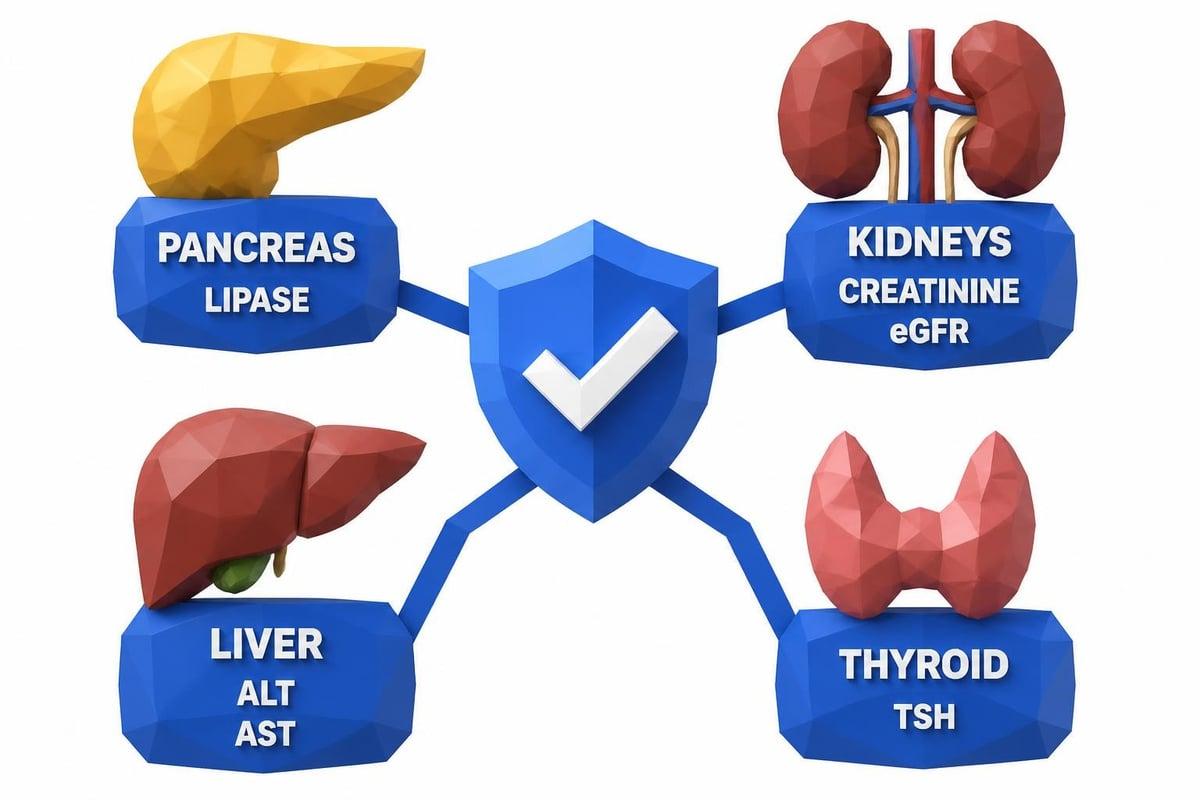
- Key tests typically include comprehensive metabolic panel, HbA1c, lipase, lipid panel, thyroid function, and sometimes additional tests based on your medical history
- Without baseline testing, you and your provider won't know if the medication is safe for you or be able to track important changes in liver function, kidney health, or pancreatic enzymes
- Self-pay lab services allow you to complete baseline labs before starting a GLP-1 quickly and affordably, with transparent pricing and no insurance authorization delays
- Take action by reviewing the recommended tests, ordering your baseline panel, and sharing results with your prescribing provider before your first dose
Why Baseline Testing Matters Before GLP-1 Therapy
Starting any weight-loss medication requires careful medical assessment. GLP-1 receptor agonists work by mimicking a natural hormone that regulates blood sugar and appetite, but these powerful effects mean they interact with multiple organ systems.
The FDA prescribing information for semaglutide identifies several serious safety concerns that baseline testing can help identify. These include contraindications for people with a personal or family history of medullary thyroid carcinoma or patients with multiple endocrine neoplasia syndrome type 2.
Medical History Isn't Enough
Your symptoms and medical history provide important context, but laboratory values reveal what's happening at a biochemical level. You might feel perfectly healthy while having elevated pancreatic enzymes, impaired kidney function, or thyroid dysfunction that would make GLP-1 therapy riskier.
Baseline labs before starting a GLP-1 serve three critical functions:
- Screen for contraindications that make the medication unsafe
- Establish reference values so changes can be detected during treatment
- Identify comorbidities that need concurrent management
Clinical guidelines emphasize this comprehensive approach. The Endocrine Society's recommendations on pharmacological management of obesity stress the importance of baseline evaluation for metabolic parameters, kidney function, and liver health before initiating anti-obesity medications.

Comprehensive Metabolic Panel: Foundation of GLP-1 Safety
The comprehensive metabolic panel (CMP) provides a snapshot of your metabolic and organ function across fourteen different measurements. This single panel evaluates electrolyte balance, kidney function, liver enzymes, and blood glucose.
Kidney function markers within the CMP are particularly important. GLP-1 medications can affect fluid balance and have been associated with acute kidney injury in patients who become dehydrated from side effects like nausea and vomiting. Baseline creatinine and estimated glomerular filtration rate (eGFR) tell your provider whether your kidneys can safely handle the medication.
What the CMP Reveals
| Test Component | What It Measures | Why It Matters for GLP-1 |
|---|---|---|
| Glucose | Blood sugar level | Establishes baseline for diabetes monitoring |
| Creatinine/eGFR | Kidney filtration | Identifies kidney disease requiring dose adjustment |
| ALT/AST | Liver enzymes | Screens for liver disease; monitors for changes |
| Electrolytes | Sodium, potassium, chloride, CO2 | Detects imbalances that GI side effects might worsen |
| Albumin | Protein level | Assesses nutritional status and liver function |
Your provider needs these baseline values documented. If you develop significant nausea, vomiting, or diarrhea on GLP-1 therapy, repeat CMP testing can quickly identify electrolyte disturbances or worsening kidney function before they become dangerous.
For patients with pre-existing kidney disease, baseline labs before starting a GLP-1 are even more critical. Some studies suggest GLP-1 medications may offer kidney protection in diabetes, but starting therapy requires knowing your baseline function and adjusting doses appropriately.
HbA1c and Glucose Monitoring
Hemoglobin A1c (HbA1c) measures your average blood glucose over the past three months. This test is essential whether you're starting a GLP-1 for diabetes management or weight loss.
For diabetes patients, baseline HbA1c documents disease severity and helps set treatment goals. According to evidence-based guidelines for obesity medication management, HbA1c testing should be part of the standard baseline assessment before initiating GLP-1 therapy.
For weight-loss patients without diabetes, HbA1c can uncover prediabetes or undiagnosed diabetes. About one in three American adults has prediabetes, and many don't know it. Starting a potent glucose-lowering medication without knowing your baseline glucose status creates unnecessary risk and prevents proper monitoring.
Understanding Your Results
- Normal: HbA1c below 5.7%
- Prediabetes: HbA1c between 5.7% and 6.4%
- Diabetes: HbA1c 6.5% or higher
These categories determine whether your provider needs to monitor for hypoglycemia risk, especially if you're taking other diabetes medications. Baseline HbA1c also provides a comparison point to demonstrate how effectively the GLP-1 therapy is improving your glucose control.
Recommended Panel
Comprehensive Diabetes Panel
This panel detects diabetes and prediabetes at every stage. Includes lipids because diabetes dramatically increases heart disease risk.
Includes 10 biomarkers
$35
Fasting required
Pancreatic Enzyme Testing: Lipase and Amylase
GLP-1 medications have been associated with pancreatitis, though the relationship remains debated in medical literature. Regardless of the ongoing research, checking baseline pancreatic enzymes provides a crucial safety margin.
Lipase is the preferred test for screening pancreatic function. Elevated lipase can indicate pancreatitis, pancreatic duct obstruction, or other pancreatic disease. Having a baseline value helps distinguish whether elevations during treatment represent pre-existing conditions or new developments.
Some providers also order amylase, though lipase is generally more specific for pancreatic issues. Both enzymes are often included in comprehensive GLP-1 baseline testing protocols.
The European Medicines Agency's assessment of tirzepatide reviews pancreatic safety data extensively, noting that baseline and on-treatment monitoring of pancreatic enzymes helps identify patients at risk.
When Pancreatic Testing Is Critical
- History of pancreatitis
- Gallbladder disease
- Heavy alcohol use
- Hypertriglyceridemia (high triglycerides)
- Previous pancreatic surgery or trauma
If you have any of these risk factors, baseline labs before starting a GLP-1 should definitely include lipase testing. Even without risk factors, many providers include it as standard practice given the serious nature of pancreatitis.
Thyroid Function and Screening
Thyroid testing before GLP-1 initiation addresses two separate concerns: detecting underlying thyroid disease and screening for contraindications related to medullary thyroid carcinoma (MTC).
Thyroid-stimulating hormone (TSH) is the standard screening test for thyroid function. Hypothyroidism can slow metabolism and contribute to weight gain, while hyperthyroidism accelerates metabolism. Many people starting weight-loss medications have undiagnosed thyroid conditions that affect treatment outcomes.
The Medullary Thyroid Carcinoma Question
The FDA prescribing information carries a boxed warning about thyroid C-cell tumors based on animal studies. While human risk remains uncertain, the medication is contraindicated in patients with personal or family history of MTC or multiple endocrine neoplasia syndrome type 2 (MEN 2).
Personal and family history takes priority over laboratory testing for MTC screening. However, some providers order calcitonin levels in patients with thyroid nodules or other risk factors. This remains controversial, as calcitonin screening in the general population has high false-positive rates.
For routine thyroid screening in baseline labs before starting a GLP-1, TSH alone is usually sufficient unless you have symptoms of thyroid disease. Adding Free T4 provides additional information if TSH is abnormal.
Recommended Panel
Basic Thyroid Panel
Save $2This panel includes the 3 essential thyroid markers: TSH, Free T4, and Free T3. The perfect starting point for evaluating thyroid function without unnecessary tests.
Includes 3 biomarkers
$30
Lipid Panel and Cardiovascular Risk Assessment
A complete lipid panel measures total cholesterol, LDL cholesterol, HDL cholesterol, and triglycerides. This testing serves multiple purposes in the GLP-1 baseline evaluation.
Weight loss and improved glucose control both affect lipid profiles. Your baseline lipid panel establishes starting values so you and your provider can document improvements as treatment progresses. Many patients see significant improvements in triglycerides and LDL cholesterol with GLP-1 therapy and weight loss.
High triglycerides specifically warrant attention because they're a risk factor for pancreatitis. Triglyceride levels above 500 mg/dL significantly increase pancreatitis risk, and starting a GLP-1 in this context requires careful consideration and often concurrent triglyceride-lowering therapy.
- Optimal LDL: Below 100 mg/dL
- Optimal HDL: Above 60 mg/dL
- Optimal Triglycerides: Below 150 mg/dL
- Optimal Total Cholesterol: Below 200 mg/dL
Beyond baseline testing, lipid panels also contribute to overall cardiovascular risk stratification. Many patients starting GLP-1 medications for weight loss have obesity-related cardiovascular risks that benefit from comprehensive assessment and management.
Complete Blood Count and Additional Markers
A complete blood count (CBC) provides information about your red blood cells, white blood cells, and platelets. While not always included in minimal baseline protocols, CBC testing offers valuable context.
Anemia assessment through hemoglobin and hematocrit helps identify nutritional deficiencies that might worsen with GLP-1 therapy. These medications reduce appetite and food intake, potentially exacerbating existing deficiencies in iron, B12, or folate.
The joint advisory on nutritional support during GLP-1 therapy emphasizes baseline nutritional screening, particularly for patients with history of bariatric surgery, malabsorption disorders, or restrictive eating patterns.
When to Add Nutritional Testing
Patients with the following should consider expanded baseline testing:
- Previous bariatric surgery
- Inflammatory bowel disease
- Chronic malabsorption
- Restrictive diets or eating disorders
- Symptoms of vitamin deficiency
Additional tests might include vitamin B12, folate, iron studies, vitamin D, and other micronutrients based on individual risk factors.
Liver Function Beyond Basic Metabolic Testing
While the CMP includes basic liver enzymes (ALT and AST), some patients benefit from more comprehensive liver assessment. This is particularly true for individuals with known or suspected fatty liver disease.
Non-alcoholic fatty liver disease (NAFLD) is extremely common in people with obesity and metabolic syndrome. GLP-1 medications may improve liver health through weight loss and metabolic improvements, but baseline documentation is important.
Beyond ALT and AST, additional liver tests might include:
- Alkaline phosphatase (ALP): Screens for bile duct issues
- Bilirubin: Measures liver's ability to process waste
- Albumin: Assesses liver synthetic function (also in CMP)
- GGT: Additional enzyme that can indicate liver or bile duct disease
Most patients don't need extensive liver testing beyond the CMP, but those with known liver disease, heavy alcohol use, or symptoms of liver dysfunction benefit from more thorough baseline evaluation.
Accessing Baseline Testing Without Insurance Delays
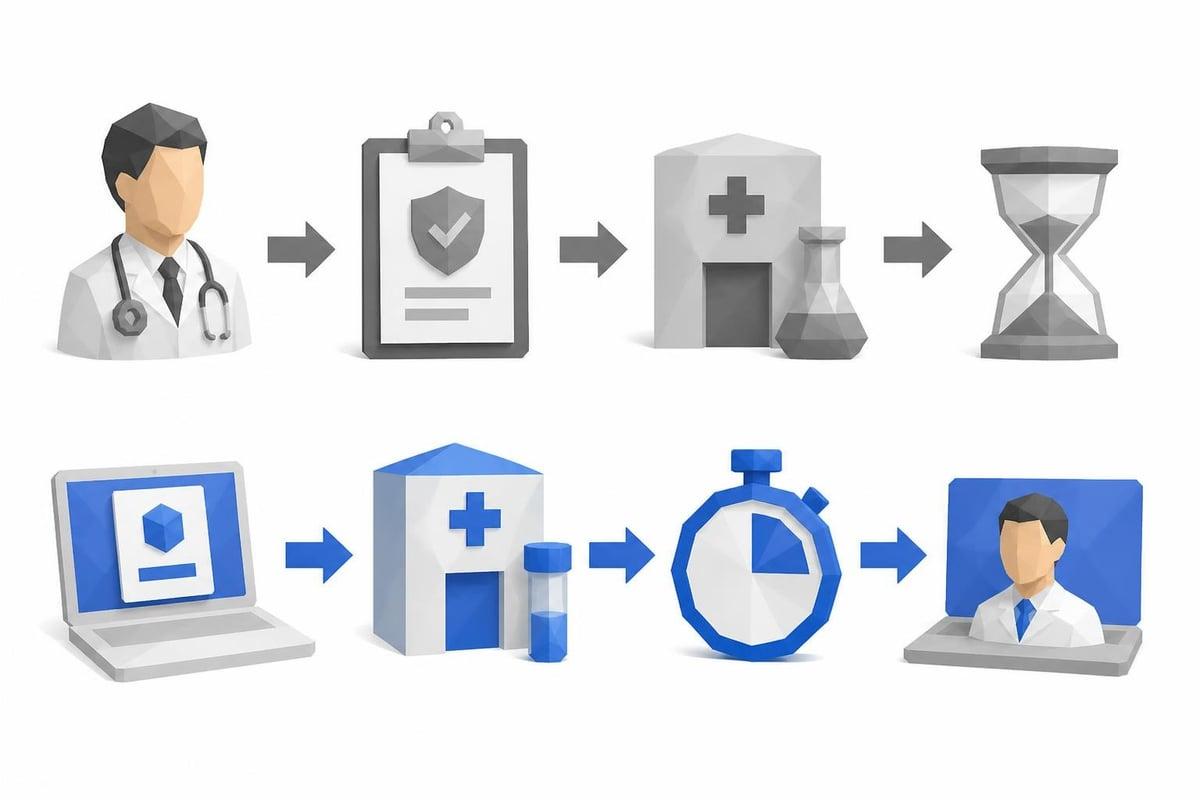
Traditional pathways for baseline labs before starting a GLP-1 often involve insurance authorization, referrals, and scheduling delays. These barriers can postpone treatment for weeks or months.
Self-pay lab testing services eliminate these obstacles. You can order comprehensive baseline panels online, visit a convenient testing location, and receive results within 1-3 days-all without insurance involvement.
Transparent pricing means you know exactly what you'll pay upfront. There are no surprise bills, no insurance denials, and no need to wait for authorization. Many patients find self-pay testing is actually less expensive than their insurance copays and deductibles.
The Self-Pay Advantage
| Traditional Lab Testing | Self-Pay Lab Services |
|---|---|
| Requires doctor's order | Order online yourself |
| Insurance authorization delays | No authorization needed |
| Unknown costs until billing | Transparent upfront pricing |
| Limited to insurance network | Choose convenient locations |
| Results to doctor first | Direct access to results |
| Days to weeks for results | 1-3 days for most tests |
For patients whose providers are willing to prescribe GLP-1 medications based on self-obtained labs, this approach dramatically accelerates the treatment timeline. Even if your provider wants to order labs themselves, understanding transparent lab test pricing helps you make informed decisions about where to have testing done.
Monitoring Labs After Starting Treatment
While this guide focuses on baseline labs before starting a GLP-1, understanding the monitoring schedule helps you plan ahead. Most providers recommend repeat testing at specific intervals.
First follow-up typically occurs 4-8 weeks after starting therapy. This early check assesses how you're tolerating the medication and identifies any concerning trends in kidney function, liver enzymes, or other parameters.
Ongoing monitoring schedules vary based on individual factors:
- Patients with diabetes: HbA1c every 3 months until stable, then every 6 months
- Patients with kidney disease: More frequent creatinine and electrolyte monitoring
- Patients with significant GI symptoms: Electrolytes and kidney function as needed
- All patients: Periodic lipid panels to track cardiovascular improvements
Your baseline values provide the reference points for interpreting these monitoring tests. Knowing whether changes represent new developments or continuation of existing trends guides clinical decision-making.
Special Populations and Additional Considerations
Certain patient groups require expanded baseline testing or special considerations before starting GLP-1 therapy.
Patients over 65 may need more careful kidney function assessment and closer attention to medication side effects that could lead to dehydration. Age-related decline in kidney function affects medication clearance and side effect risk.
Patients with cardiovascular disease benefit from comprehensive baseline cardiovascular risk assessment, though GLP-1 medications have shown cardiovascular benefits in major trials.
Pregnant or planning pregnancy should not start GLP-1 medications. These medications are contraindicated in pregnancy, and women of childbearing age should use effective contraception. Baseline pregnancy testing may be appropriate before initiation.
When to Seek Specialist Consultation
The UK government guidance on GLP-1 medicines outlines situations where specialist input improves safety. Consider endocrinology or specialized obesity medicine referral if you have:
- Complex diabetes requiring multiple medications
- History of pancreatitis
- Severe kidney disease (eGFR below 30)
- Active gallbladder disease
- Personal or family history of MTC or MEN 2
- Eating disorders or severe psychiatric conditions
Primary care providers can safely prescribe GLP-1 medications for most patients, but complex cases benefit from specialist expertise.
Understanding and Acting on Your Results
Once you receive your baseline lab results, understanding what they mean is crucial. Most lab reports include reference ranges showing normal values, but interpreting results in context requires clinical judgment.
Borderline abnormalities don't necessarily prevent GLP-1 therapy but may require closer monitoring or concurrent treatment. For example, mildly elevated liver enzymes in the context of fatty liver disease might improve with weight loss, while severely elevated enzymes warrant investigation before starting medication.
If you're obtaining labs without a doctor's involvement initially, you'll need to share results with a provider who can prescribe GLP-1 medications. Many telehealth services and weight-loss clinics accept patient-obtained lab results, though they may require confirmation through their own testing systems.
Understanding your lab results helps you have informed conversations with providers about treatment safety and monitoring plans.
Key Takeaways
Before starting GLP-1 therapy, comprehensive baseline laboratory testing protects your health and establishes reference points for monitoring treatment effects. The core tests include a comprehensive metabolic panel for kidney and liver function, HbA1c for glucose status, lipase for pancreatic health, TSH for thyroid screening, and a lipid panel for cardiovascular assessment. Additional testing depends on individual medical history and risk factors.
Self-pay lab testing removes common barriers to obtaining baseline labs before starting a GLP-1, offering transparent pricing, convenient access, and rapid results without insurance authorization delays. Starting treatment with proper baseline documentation ensures you and your provider can make informed decisions throughout your GLP-1 journey, monitoring for both beneficial effects and potential complications.
Understanding which tests you need, why they matter, and how to access them efficiently empowers you to take control of your health while pursuing the significant benefits that GLP-1 medications offer for weight management and metabolic health.
FAQ
What labs should I get before starting a GLP-1 medication?
Standard baseline labs before starting a GLP-1 include a comprehensive metabolic panel, HbA1c, lipase, TSH, and lipid panel. Some providers add a complete blood count and additional tests based on your medical history. These tests screen for contraindications, establish your baseline health status, and create reference values for monitoring during treatment.
Can I order GLP-1 baseline labs without seeing a doctor first?
Yes, self-pay lab services allow you to order baseline testing directly without a doctor's visit. You'll still need a provider to prescribe GLP-1 medications and interpret your results in clinical context, but you can complete the testing independently and share results with your prescribing provider.
How much do baseline labs cost without insurance?
Costs vary by location and which tests are included, but comprehensive GLP-1 baseline panels through self-pay services typically range from $150 to $300. This is often less expensive than insurance copays and deductibles, with the advantage of transparent upfront pricing and no surprise bills.
How long are baseline lab results valid before starting a GLP-1?
Most providers prefer baseline labs completed within 3 months of starting treatment. Labs older than 3-6 months may not accurately reflect your current health status. If you experience significant health changes or delays in starting medication, your provider may request updated testing.
Do I need to fast before baseline GLP-1 labs?
Fasting is typically required for accurate lipid panel and glucose measurements. Most providers recommend an 8-12 hour fast before baseline testing, though you can drink water. Check specific requirements when ordering your tests, as some panels have different fasting requirements.
What if my baseline labs show abnormal results?
Abnormal baseline results don't necessarily prevent GLP-1 therapy, but they require clinical interpretation. Mild abnormalities may simply need closer monitoring, while significant findings might require treatment of underlying conditions before starting GLP-1 medications. Your provider will review results and determine the safest approach for your situation.
Comprehensive baseline testing before starting GLP-1 therapy ensures you begin treatment safely with proper monitoring in place. Whether you need a complete metabolic panel, pancreatic enzyme screening, or thyroid assessment, accessing these tests shouldn't require navigating insurance bureaucracy or waiting weeks for appointments. JustLabs provides direct access to affordable baseline testing with transparent pricing, convenient locations, and results in 1-3 days, helping you move forward with GLP-1 therapy confidently and safely.