Understanding how alcohol consumption impacts liver function test results is essential for anyone preparing for hepatic panel screening. Whether you're monitoring your liver health, following up on abnormal results, or simply getting a routine checkup, knowing the relationship between alcohol before liver function test timing can make the difference between accurate results and misleading data. Recent alcohol intake can significantly alter specific liver enzymes, creating confusion about your actual liver health status and potentially delaying proper diagnosis or treatment.
How Alcohol Affects Liver Enzyme Markers
When you consume alcohol, your liver metabolizes it through a series of enzymatic processes that temporarily stress liver cells. This metabolic work causes enzymes normally contained within liver cells to leak into your bloodstream, where they become detectable in laboratory testing.
The most commonly measured liver enzymes include alanine aminotransferase (ALT), aspartate aminotransferase (AST), alkaline phosphatase (ALP), and gamma-glutamyl transferase (GGT). Each responds differently to alcohol consumption, with varying timelines for elevation and normalization.
Gamma-Glutamyl Transferase (GGT) Response
GGT is particularly sensitive to alcohol consumption and serves as one of the most reliable markers for recent drinking. Even moderate alcohol intake can cause GGT levels to rise within hours of consumption.
Key characteristics of GGT elevation:
- Begins rising within 12-24 hours after drinking
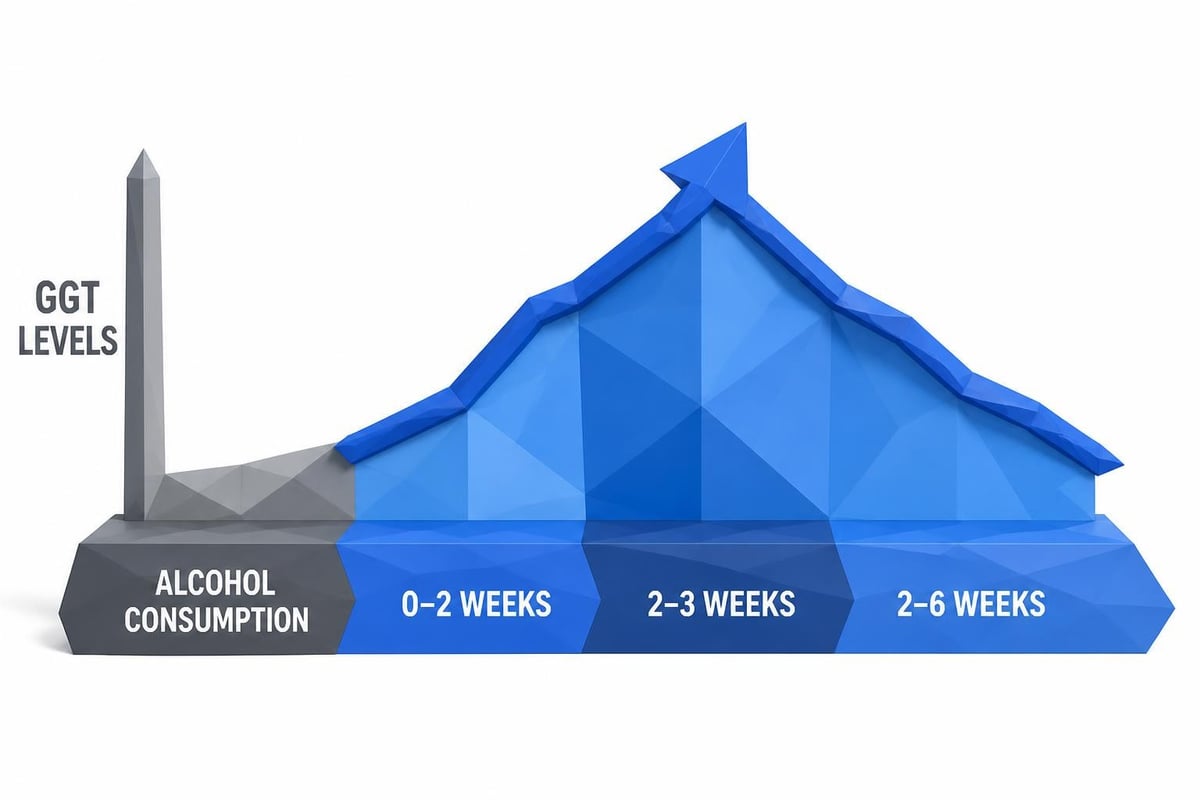
- Peaks approximately 2-3 weeks after regular consumption
- Remains elevated for 2-6 weeks after complete abstinence
- Shows dose-dependent increase (more alcohol = higher GGT)
- Most sensitive marker for chronic alcohol use
This extended elevation period makes GGT an excellent biomarker for monitoring abstinence, but it also means that consuming alcohol before liver function test can create falsely elevated results that persist for weeks. The American College of Gastroenterology's clinical guideline on alcohol-associated liver disease emphasizes the importance of understanding these temporal patterns when interpreting results.
AST and ALT Patterns
The aminotransferases AST and ALT respond more rapidly to acute alcohol consumption but show distinct patterns that help clinicians differentiate alcohol-related elevation from other liver conditions.
| Enzyme | Time to Elevation | Peak Level | Return to Normal | Alcohol Pattern |
|---|---|---|---|---|
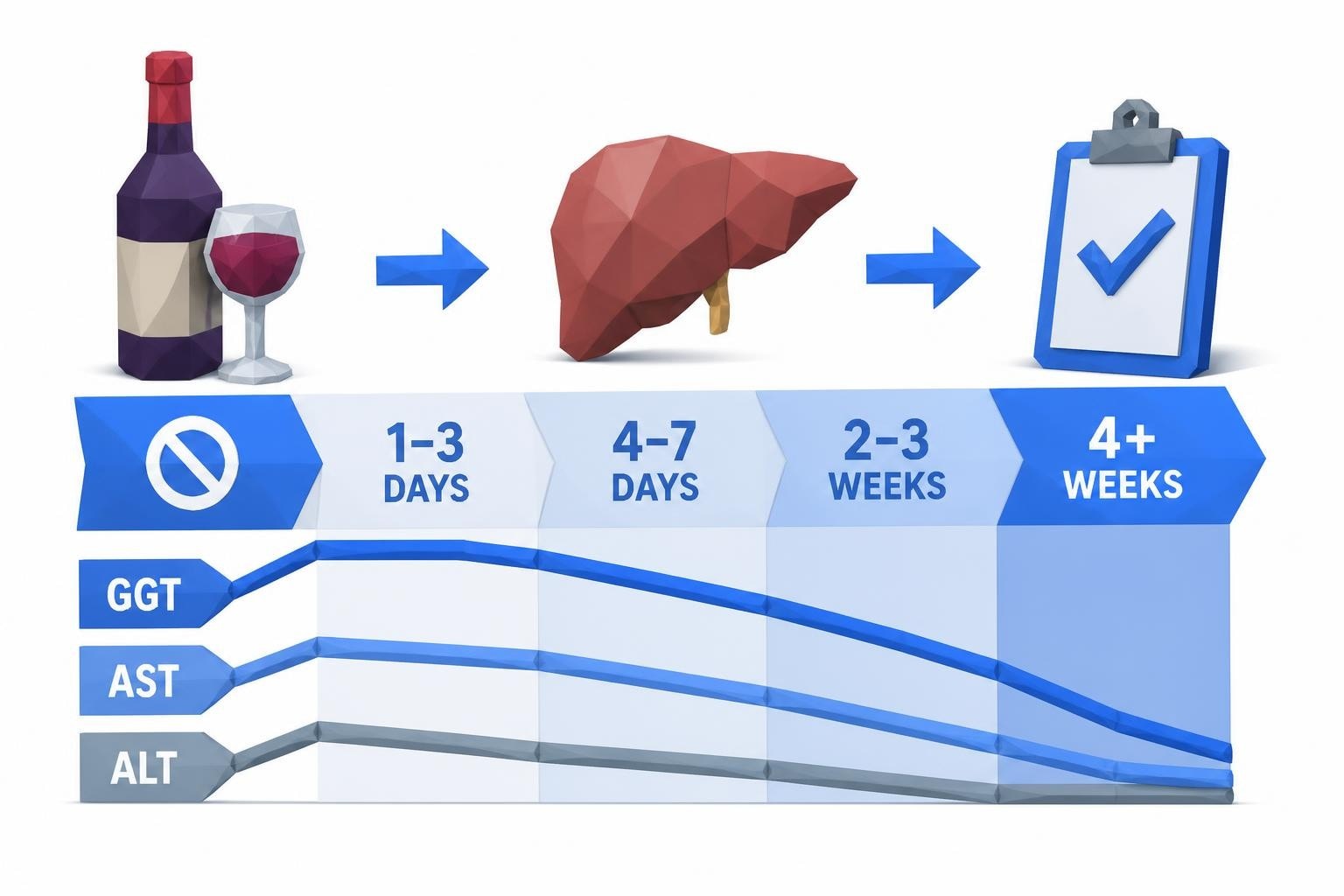
| AST | 6-12 hours | 24-48 hours | 3-7 days | Often > ALT |
| ALT | 12-24 hours | 48-72 hours | 5-10 days | Usually < AST |
| GGT | 12-24 hours | 2-3 weeks | 2-6 weeks | Highly sensitive |
| ALP | Days to weeks | Variable | 2-4 weeks | Minimal change |
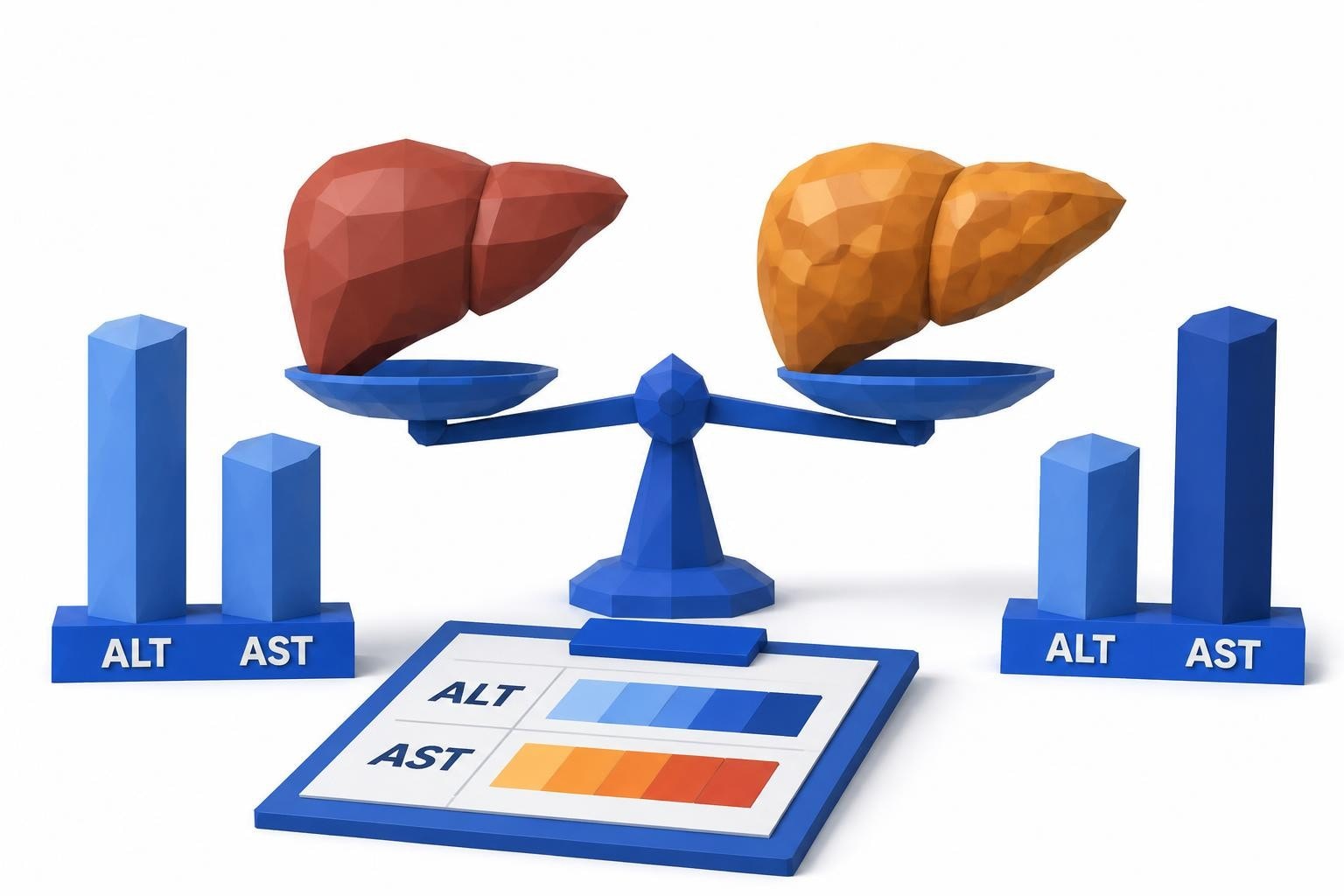
According to the American Association for the Study of Liver Diseases expert overview on elevated liver enzymes, the AST:ALT ratio provides diagnostic clues. In alcohol-related liver injury, AST is typically higher than ALT, often creating a ratio greater than 2:1. This pattern differs from non-alcoholic liver conditions, where ALT usually exceeds AST.
Important considerations for AST and ALT:
- Both return to baseline faster than GGT after stopping alcohol
- Levels correlate with recent drinking quantity
- Can normalize within one week of abstinence in otherwise healthy livers
- Chronic heavy drinking may cause persistently elevated levels even with abstinence
Recommended Abstinence Periods Before Testing
The optimal abstinence period before liver function testing depends on your drinking patterns, the specific enzymes being measured, and the purpose of your test.
For Routine Health Screening
If you're getting a standard hepatic function panel for routine health monitoring and you consume alcohol occasionally or moderately, abstaining for 72 hours (3 days) before testing typically allows AST and ALT levels to normalize. However, GGT may still show mild elevation if you've been drinking regularly in the weeks prior.
Abstinence recommendations by drinking pattern:
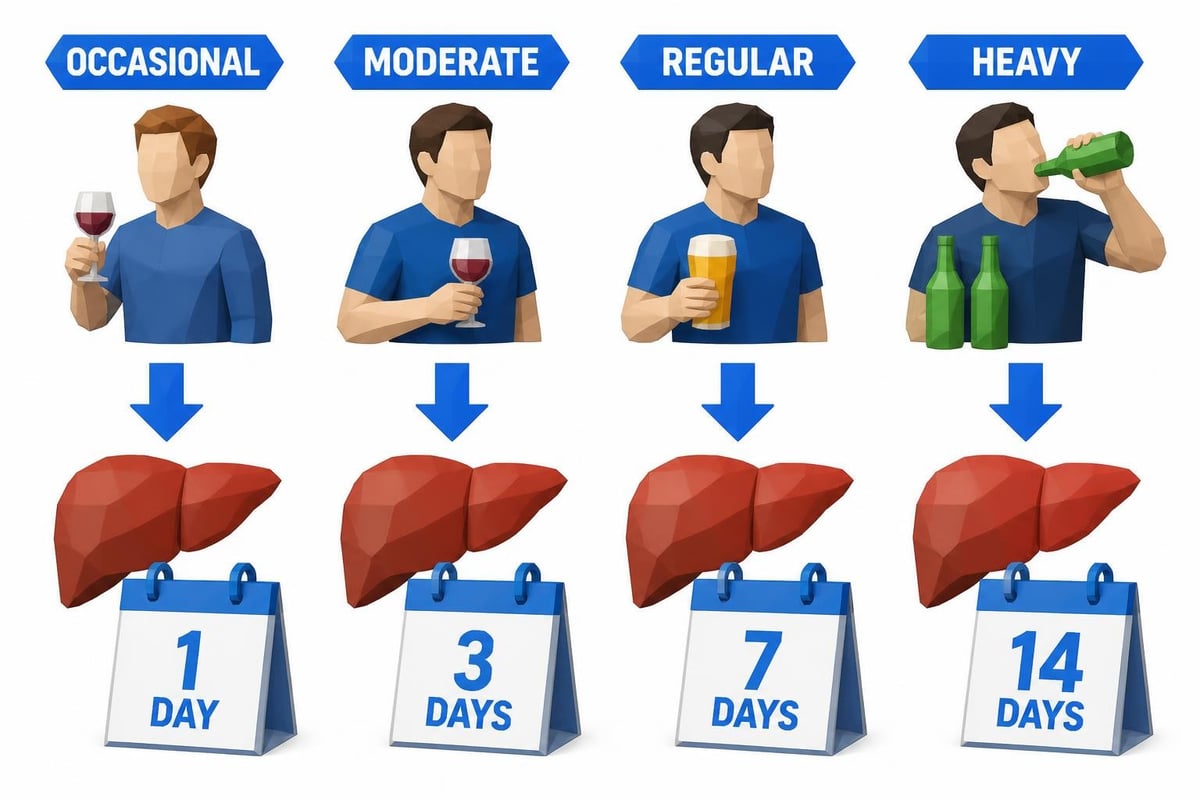
- Occasional drinkers (1-2 drinks per week): 48-72 hours abstinence
- Moderate drinkers (3-7 drinks per week): 5-7 days abstinence
- Regular drinkers (8-14 drinks per week): 7-14 days abstinence
- Heavy or daily drinkers: 4-6 weeks for complete normalization
When you order labs without a doctor through services like Justlabs, you have the flexibility to schedule your test after an appropriate abstinence period, ensuring your results accurately reflect your liver health rather than temporary alcohol effects.
For Follow-Up or Diagnostic Testing
If you're undergoing liver function testing to investigate previously abnormal results or suspected liver disease, your healthcare provider may recommend a longer abstinence period to establish a true baseline.
The Cleveland Clinic's professional overview on liver test interpretation notes that clinicians frequently request complete abstinence for at least two weeks before follow-up testing. This timeframe allows AST and ALT to normalize while GGT begins declining, providing a clearer picture of underlying liver health.
Understanding Which Tests Are Most Affected
Not all components of a comprehensive hepatic panel respond equally to alcohol consumption. Understanding which markers are most sensitive helps you interpret your results and plan appropriate pre-test preparation.
Highly Sensitive to Recent Alcohol
These markers show significant elevation even with moderate recent drinking:
- GGT: Most sensitive; elevated by any regular drinking
- AST: Moderately sensitive; responds to binge or regular drinking
- Mean Corpuscular Volume (MCV): Increases with chronic use; slow to normalize
Moderately Sensitive to Alcohol
- ALT: Less sensitive than AST; requires heavier intake for significant elevation
- Bilirubin: Can increase with acute heavy drinking or chronic liver damage
- Albumin: Decreases only with chronic heavy use and advanced liver disease
Minimally Affected by Recent Alcohol
- Alkaline Phosphatase (ALP): Typically unchanged unless cholestatic liver disease present
- Total Protein: Generally stable unless severe liver dysfunction exists
- Prothrombin Time/INR: Only affected in advanced liver disease
Knowing these sensitivity patterns helps you understand what your results mean in the context of recent alcohol consumption, particularly for the two tests most affected by drinking.
Recommended Test
Hepatic Function Panel
A comprehensive 7-biomarker panel that evaluates liver health by measuring enzymes, proteins, and bilirubin levels.
Includes 7 biomarkers
$8
Recommended Test
GGT (Gamma-Glutamyl Transferase)
GGT is a liver enzyme that's particularly sensitive to alcohol use and bile duct problems. It's often elevated before other liver enzymes and can help determine the cause of elevated ALP (alkaline phosphatase).
Includes 1 biomarkers
$5
Practical Steps for Accurate Testing
Taking a methodical approach to your liver function testing ensures you get the most accurate and useful information about your liver health.
Before You Schedule Your Test
Plan your testing timeline:
- Count backward from your desired test date
- Mark your last drink based on recommended abstinence period
- Avoid scheduling tests immediately after holidays or social events
- Consider your typical drinking patterns when planning
Be honest about your alcohol use:
Your testing facility doesn't need to know your drinking history, but you should be honest with yourself about how long you need to abstain. Underestimating your recent alcohol consumption leads to results that don't accurately reflect your liver health.
Day of Testing Preparation
Beyond alcohol abstinence, several other factors can affect liver function test accuracy:
- Fast for 8-12 hours if instructed (water is typically allowed)
- Avoid strenuous exercise for 24 hours before testing
- Take regular medications unless instructed otherwise
- Stay well-hydrated with water
- Get adequate sleep the night before
When you're ready to get tested, understanding lab results becomes easier when you know you've properly prepared. Access to transparent lab test pricing allows you to plan your testing without unexpected costs.
Common Scenarios and Specific Guidance
Real-world situations often involve nuanced decisions about alcohol before liver function test timing. These scenarios provide practical guidance for common situations.
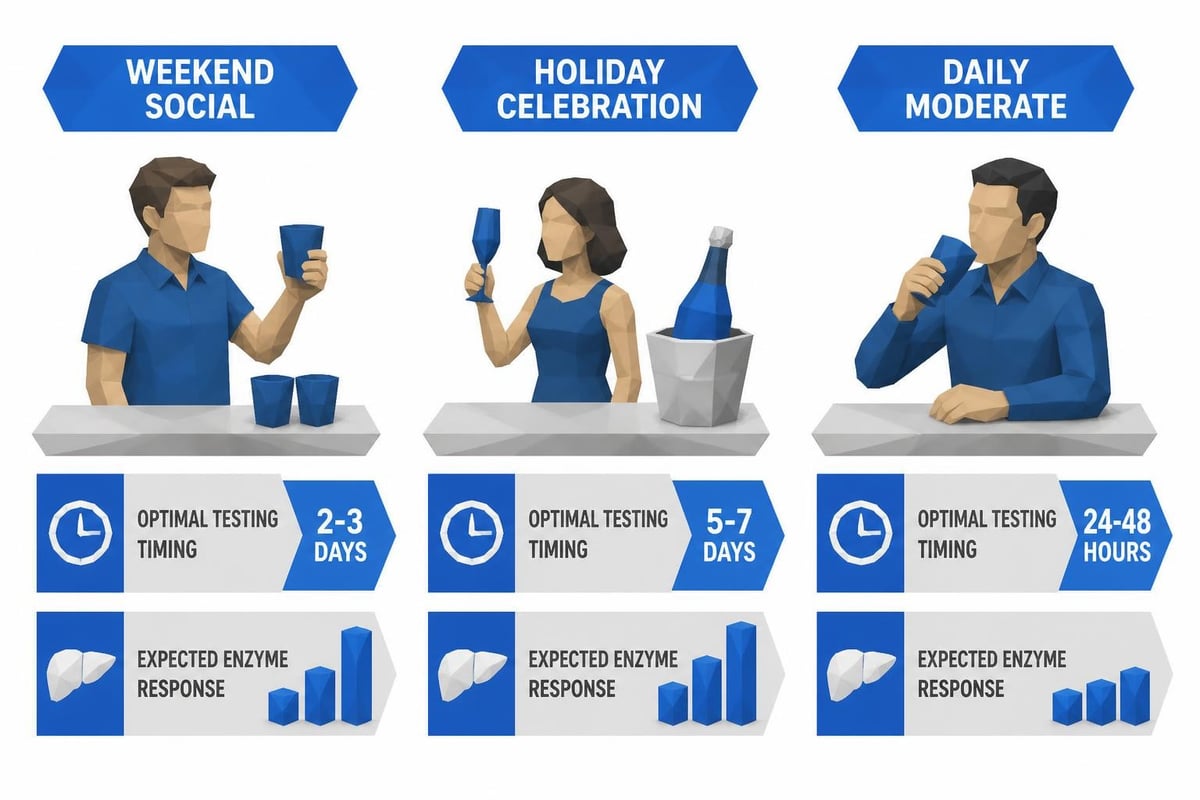
Scenario 1: Weekend Social Drinking
You typically have 3-4 drinks on weekend nights but rarely drink during the week. You want to schedule a routine health panel.
Recommendation: Schedule your test for Thursday or Friday (4-5 days after your last drink). This allows AST and ALT to normalize while providing a reasonable representation of your liver function. If GGT is elevated, it may reflect your regular weekend pattern rather than liver disease.
Scenario 2: Recent Holiday or Celebration
You consumed more alcohol than usual over a 2-3 day period (wedding, holiday, vacation) and have a test scheduled in one week.
Recommendation: Reschedule your test for at least 10-14 days after your last drink. The higher alcohol volume may cause more pronounced enzyme elevation that takes longer to resolve. A recent narrative review on novel biomarkers for alcohol-associated liver disease confirms that binge drinking episodes can cause enzyme spikes that persist beyond typical timelines.
Scenario 3: Daily Moderate Drinking
You have one glass of wine with dinner most nights and need baseline liver testing before starting a new medication.
Recommendation: Abstain for a minimum of 7-14 days before testing. Daily consumption, even at moderate levels, maintains chronically elevated GGT and may affect AST. Your physician needs accurate baseline values to monitor medication effects safely, and the FDA guidance on evaluating drug-induced liver injury emphasizes the importance of establishing true baselines before hepatotoxic drug initiation.
Scenario 4: Monitoring Known Liver Condition
You have diagnosed fatty liver disease or previous abnormal liver enzymes and need regular monitoring.
Recommendation: Maintain consistent abstinence patterns before each test. If you abstain for two weeks before your first test, use that same two-week period before subsequent tests. Consistency allows accurate trend monitoring rather than fluctuations caused by varying alcohol intake.
What Abnormal Results Mean After Recent Drinking
If you consumed alcohol before liver function test and receive abnormal results, interpretation requires careful consideration of timing and patterns.
Isolated GGT Elevation
When GGT is elevated but AST, ALT, and ALP are normal, recent or regular alcohol consumption is the most likely explanation. Other causes include certain medications, obesity, and diabetes, but the temporal relationship with drinking is highly suggestive.
Next steps:
- Abstain completely for 6 weeks
- Retest to see if GGT normalizes
- If GGT remains elevated, investigate other causes
- Consider whether you disclosed recent drinking to your provider
Elevated AST and ALT with High AST:ALT Ratio
When AST is significantly higher than ALT (ratio > 2:1) and both are elevated, recent alcohol consumption is likely contributing. However, this pattern can also indicate alcohol-related liver damage beyond temporary elevation.
| Finding | Likely Cause | Action |
|---|---|---|
| AST > ALT, both < 300 U/L | Recent drinking or mild alcohol-related injury | Abstain 2-4 weeks, retest |
| AST > ALT, both > 300 U/L | Recent heavy drinking or acute injury | Medical evaluation, abstain, retest |
| ALT > AST, both elevated | Non-alcoholic cause more likely | Medical evaluation regardless of alcohol |
Multiple Marker Abnormalities
When several liver markers are abnormal (AST, ALT, GGT, bilirubin, albumin), this suggests either very recent heavy drinking or actual liver disease. Medical evaluation is essential regardless of recent alcohol intake.
Managing Test Results in a Clinical Context
Healthcare providers interpret liver function tests within the broader context of your medical history, symptoms, and risk factors. Your honesty about alcohol consumption before testing helps them provide better care.
Disclosure Considerations
Some people worry about disclosing alcohol consumption to healthcare providers or testing facilities. However, accurate interpretation depends on this information.
What to disclose:
- Typical weekly alcohol consumption
- Any recent heavy drinking episodes
- When you had your last drink before testing
- Changes in drinking patterns over recent months
When using labs without insurance, you have more control over your testing timeline and can prepare appropriately without the constraints of insurance-mandated testing schedules.
When to Seek Medical Advice
Certain situations warrant medical consultation even if you suspect alcohol is affecting your results:
- Persistently elevated enzymes despite 6+ weeks of abstinence
- ALT or AST levels exceeding 300 U/L
- Jaundice (yellowing of skin or eyes)
- Abdominal pain or swelling
- Unexplained fatigue or weight loss
- Dark urine or pale stools
These symptoms may indicate liver disease requiring evaluation beyond simple enzyme monitoring.
Alternative and Emerging Biomarkers
Traditional liver function tests aren't the only way to assess alcohol's effects on the liver. Newer biomarkers offer additional information about recent drinking and liver health.
Phosphatidylethanol (PEth)
PEth testing directly measures alcohol consumption rather than liver injury. It remains detectable for 2-4 weeks after drinking stops, making it useful for verifying abstinence independent of liver enzyme levels.
Ethyl Glucuronide (EtG)
EtG appears in blood and urine for 3-5 days after alcohol consumption, providing a narrower window for detecting recent intake. It's particularly useful when you need to verify complete abstinence before testing.
Carbohydrate-Deficient Transferrin (CDT)
CDT increases with chronic heavy drinking (more than 50-80g alcohol daily for at least two weeks) and normalizes slowly after abstinence, taking 2-4 weeks to decline significantly.
These specialized tests aren't typically included in standard hepatic panels but may be ordered when there's uncertainty about the contribution of alcohol to abnormal liver results. Services like Justlabs offer a wide array of tests that can be customized to your specific needs.
Planning Your Testing Strategy
A strategic approach to liver function testing yields the most useful information while minimizing confusion from temporary alcohol effects.
First-Time Testing
If you've never had liver function tests or it's been several years:
- Abstain for 7-14 days before your initial test
- Order a comprehensive hepatic panel including GGT
- Note your exact abstinence period when you receive results
- Use these results as your personal baseline
Follow-Up Testing
When monitoring previously abnormal results or tracking liver health over time:
- Maintain the same abstinence period used for your baseline test
- Test at consistent intervals (every 3-6 months for monitoring)
- Keep a log of your alcohol consumption patterns between tests
- Track trends rather than focusing on single data points
Pre-Medication Baseline
Before starting medications that require liver monitoring:
- Abstain for at least 14 days to establish accurate baseline
- Document your abstinence for medical records
- Plan follow-up testing intervals with your prescriber
- Maintain consistent drinking patterns (ideally abstinence) during medication use
The convenience of being able to get lab tests without a doctor's order gives you the flexibility to time your testing optimally rather than working around appointment availability.
Making Informed Decisions About Your Liver Health
Understanding the relationship between alcohol before liver function test consumption and result accuracy empowers you to take control of your health monitoring. Whether you're concerned about past abnormal results, planning preventive screening, or monitoring a known condition, proper preparation ensures your investment in testing yields meaningful information.
The key principles remain consistent: abstain long enough for temporary alcohol effects to resolve, be honest about your consumption patterns, and work with healthcare providers who can interpret results in full context. Your liver performs hundreds of critical functions daily, and accurate testing is your window into its health status.
Related reading
Knowing how alcohol affects liver function tests and planning appropriate abstinence periods ensures your results accurately reflect your liver health rather than temporary enzyme fluctuations. When you're ready to get tested with proper preparation, Justlabs offers convenient, affordable liver function testing with transparent pricing and results in 1-3 days, giving you the flexibility to schedule testing after an appropriate abstinence period without insurance requirements or doctor visits.
References
Kwo PY, Cohen SM, Lim JK. ACG Clinical Guideline: Evaluation of Abnormal Liver Chemistries. Am J Gastroenterol. 2017 Jan;112(1):18-35. doi: 10.1038/ajg.2016.517. PMID: 27995906. https://pubmed.ncbi.nlm.nih.gov/27995906/
Andresen-Streichert H, Müller A, Glahn A, Skopp G, Sterneck M. Alcohol Biomarkers in Clinical and Forensic Contexts. Dtsch Arztebl Int. 2018 May 4;115(18):309-315. doi: 10.3238/arztebl.2018.0309. PMID: 29807559. https://pubmed.ncbi.nlm.nih.gov/29807559/
Caputo F, Casabianca A, Lungaro L, Costanzini A, Testino G, Guarino M, Caio G, DE Giorgio R. Available markers of excessive alcohol use. Minerva Gastroenterol (Torino). 2025 Sep;71(3):282-288. doi: 10.23736/S2724-5985.25.03884-7. PMID: 40711388. https://pubmed.ncbi.nlm.nih.gov/40711388/
Hernandez-Tejero M, Clemente-Sanchez A, Bataller R. Spectrum, Screening, and Diagnosis of Alcohol-related Liver Disease. J Clin Exp Hepatol. 2023 Jan-Feb;13(1):75-87. doi: 10.1016/j.jceh.2022.10.002. PMID: 36647416. https://pubmed.ncbi.nlm.nih.gov/36647416/
Torp N, Israelsen M, Thiele M, Rinella ME, Krag A. Phosphatidylethanol in steatotic liver disease. J Hepatol. 2025 Nov;83(5):1189-1203. doi: 10.1016/j.jhep.2025.07.019. PMID: 40759197. https://pubmed.ncbi.nlm.nih.gov/40759197/