Understanding whether you're still protected against hepatitis B years after vaccination is a common concern. While antibody levels may decline over time, the question of hepatitis B surface antibody still immune after vaccination involves understanding how your immune system maintains long-term protection. This article explores the science behind lasting immunity, when antibody levels matter, and what testing can reveal about your protection status.
Big picture
- Hepatitis B surface antibody (anti-HBs) develops after successful vaccination or infection recovery, marking your body's ability to recognize and fight the hepatitis B virus
- Antibody levels naturally decline over time, but this doesn't necessarily mean you've lost immunity because your immune system retains memory cells that can rapidly produce antibodies when needed
- Most people remain protected for decades after vaccination, even when antibody levels drop below detectable ranges on standard tests
- Testing can confirm your immunity status if you work in healthcare, travel internationally, or have specific risk factors requiring documentation
- Booster doses are rarely needed for healthy individuals who completed the primary vaccination series, though certain high-risk groups may benefit from periodic monitoring
Understanding Hepatitis B Surface Antibody Formation
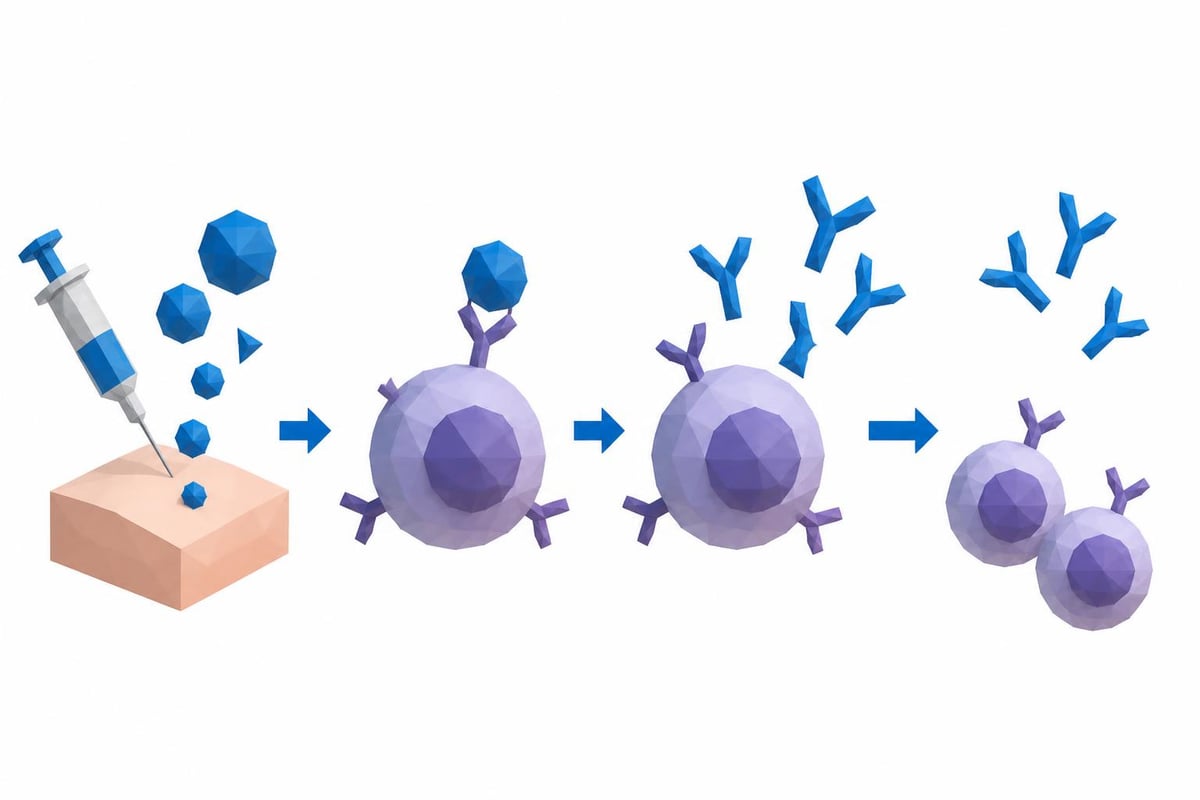
When you receive the hepatitis B vaccine or recover from a natural infection, your immune system produces hepatitis B surface antibodies. These proteins specifically target the surface antigen of the hepatitis B virus, preventing it from infecting your liver cells. The development of these antibodies typically occurs within 1-2 months after completing the vaccination series.
The Role of Memory B Cells
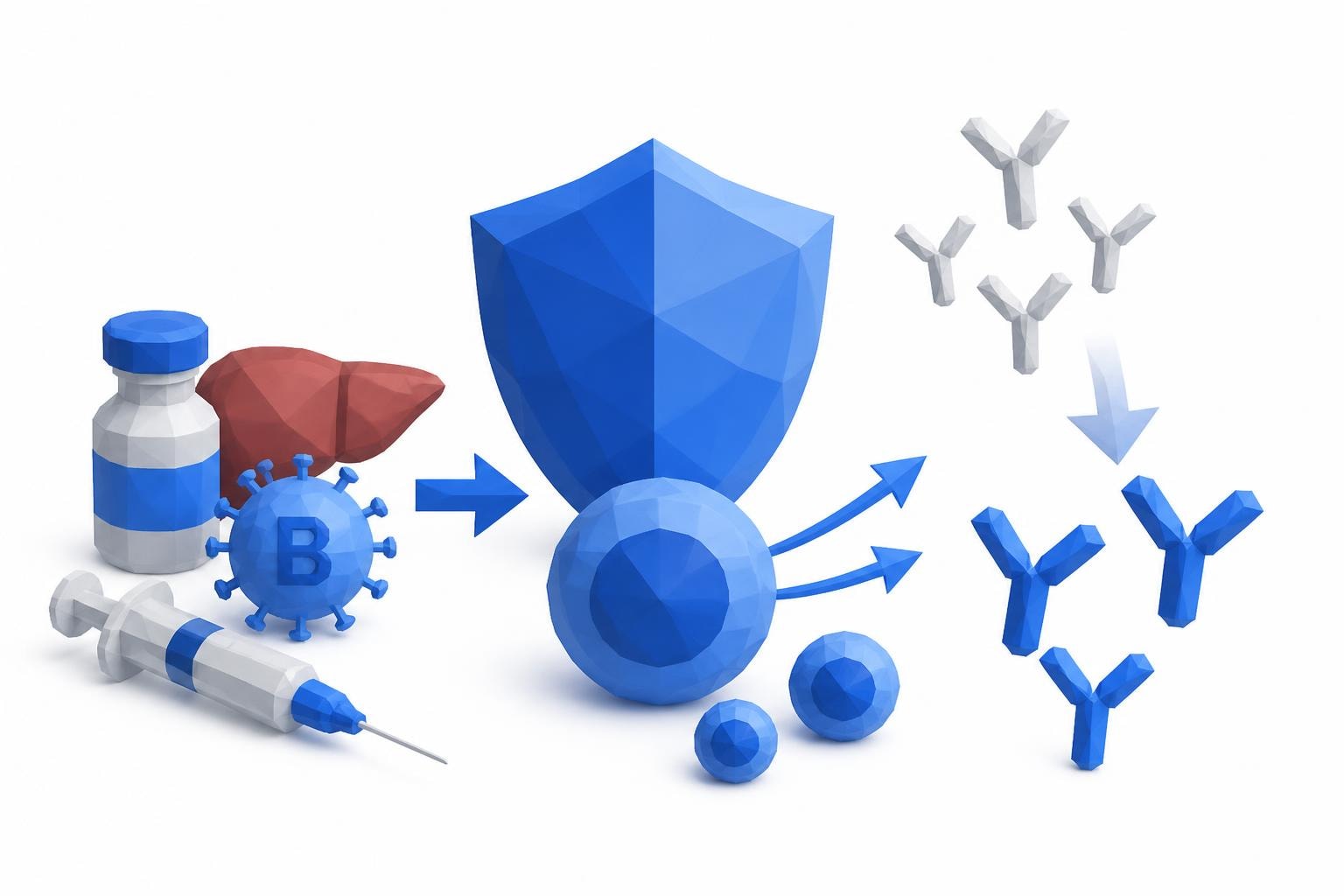
Your immune protection involves more than just circulating antibodies. Memory B cells remain in your system for years, sometimes decades, after vaccination. These specialized cells "remember" the hepatitis B surface antigen and can quickly produce antibodies if you're exposed to the virus. This is why hepatitis B surface antibody still immune after many years remains true even when blood tests show declining antibody levels.
According to research from the Hepatitis B Foundation, the immune system's memory response provides robust protection even when antibody levels drop below the threshold of 10 mIU/mL.
How Long Antibody Levels Remain Detectable
The duration of detectable hepatitis B surface antibody levels varies significantly among individuals. Several factors influence how long antibody levels remain measurable in your blood.
Factors Affecting Antibody Persistence
Age at vaccination plays a crucial role. Studies show that individuals vaccinated during infancy may experience faster antibody decline compared to those vaccinated as adults. However, protection typically remains intact regardless of when you received the vaccine.
Initial antibody response matters considerably. People who develop higher peak antibody levels after vaccination tend to maintain detectable antibodies for longer periods. Your genetics, overall health status, and immune system function all contribute to this initial response.
Time since vaccination naturally correlates with antibody levels. Research published in BMC Pediatrics demonstrates that antibody titers gradually decrease over 10-15 years following vaccination, with some individuals showing undetectable levels after this period.
| Time Frame | Expected Antibody Levels | Protection Status |
|---|---|---|
| 1-5 years post-vaccination | >100 mIU/mL | Excellent protection |
| 5-10 years post-vaccination | 10-100 mIU/mL | Strong protection |
| 10-20 years post-vaccination | <10 mIU/mL (may be undetectable) | Usually still protected |
| 20+ years post-vaccination | Often undetectable | Protection generally maintained |
Testing Your Immunity Status
Determining whether hepatitis B surface antibody still immune after vaccination requires specific laboratory testing. Understanding the normal range for hepatitis B surface antibody helps interpret your results correctly.
Quantitative vs. Qualitative Testing
Two types of tests measure hepatitis B surface antibodies. Qualitative tests simply indicate whether antibodies are present or absent, using a positive/negative result. These tests are less precise but can confirm basic immunity status.
Quantitative tests measure the exact concentration of antibodies in your blood, typically reported in milli-international units per milliliter (mIU/mL). This numerical value provides more detailed information about your immune response strength. When you order lab tests online, you can choose between these options based on your needs.
Recommended Test
Hepatitis B Surface Antibody
A blood test that detects protective antibodies against Hepatitis B, confirming immunity from vaccination or past infection.
Includes 1 biomarkers
$16
Interpreting Your Results
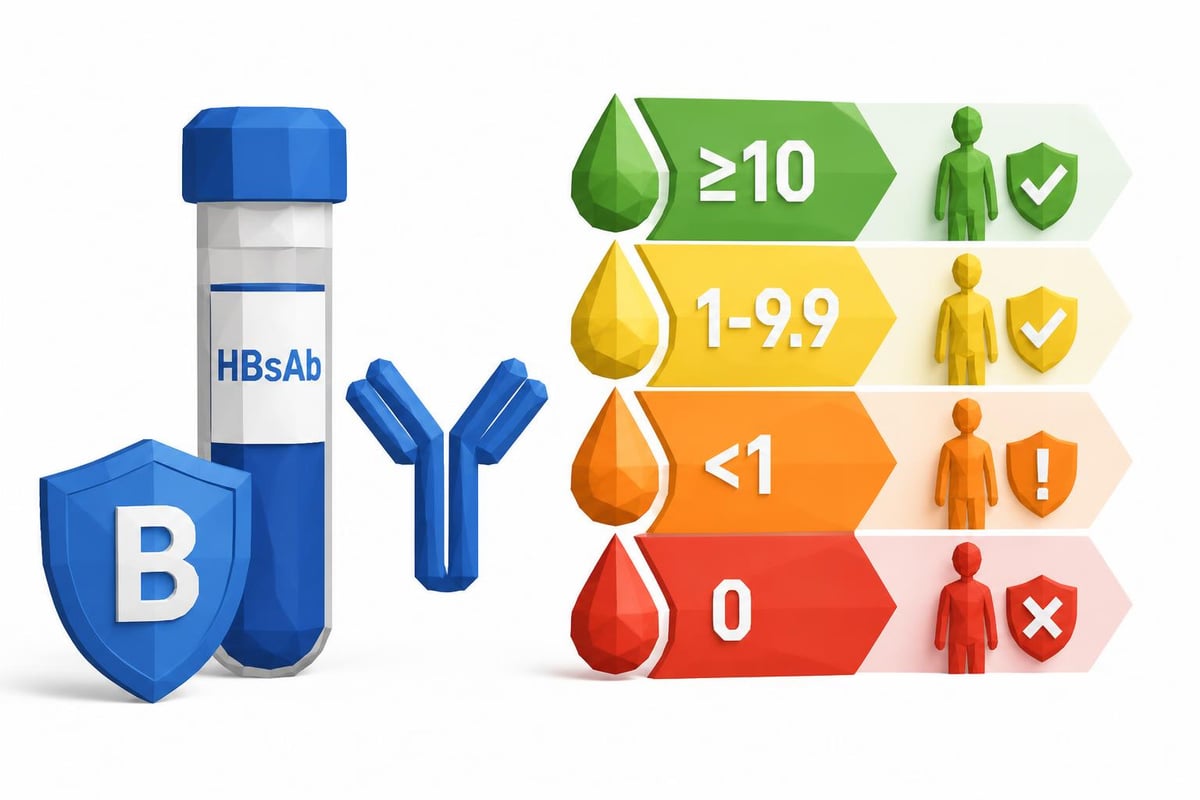
Understanding your test results requires knowing the standard thresholds:
- Greater than 10 mIU/mL: Indicates positive immunity and adequate protection
- Between 1-10 mIU/mL: Suggests declining but potentially still present immunity
- Less than 1 mIU/mL: Considered non-immune on standard tests, though memory cell protection may exist
The Cleveland Clinic notes that healthcare workers and others at high risk may need to maintain levels above 10 mIU/mL for documented immunity.
When Antibody Levels Decline: Are You Still Protected?
The critical question many people have is whether hepatitis B surface antibody still immune after their levels drop below detectable ranges. Extensive research provides reassuring answers.
The Anamnestic Response
Your immune system possesses a remarkable ability called the anamnestic response. When vaccinated individuals with low or undetectable antibody levels are exposed to hepatitis B, their memory B cells rapidly activate and produce protective antibodies within days. This response typically occurs before the virus can establish infection.
Studies examining breakthrough infections in vaccinated individuals show extremely low rates of chronic hepatitis B development, even among those with undetectable antibodies. Research in PMC tracking antibody levels 7-9 years after booster vaccination demonstrates that immune memory persists despite declining antibody titers.
Long-Term Protection Data
Population-level studies from countries with universal hepatitis B vaccination programs provide compelling evidence. Alaska Native populations, among the first groups to receive widespread hepatitis B vaccination in the 1980s, show sustained protection rates exceeding 90% after 30 years, despite many individuals having undetectable antibody levels.
Key findings from long-term studies:
- Vaccinated individuals maintain protection against chronic infection even with waning antibodies
- Acute hepatitis B infections in vaccinated people are typically mild and self-limited
- The rate of vaccine failure (chronic infection in vaccinated individuals) remains below 1%
- Memory immune response activates within 5-7 days of exposure in most cases
Who Should Consider Antibody Testing?
Not everyone needs to verify their hepatitis B surface antibody levels. However, certain groups benefit from knowing whether hepatitis B surface antibody still immune after vaccination remains true for their specific situation.
High-Priority Groups for Testing
Healthcare workers frequently require documented immunity due to occupational exposure risks. Hospitals and medical facilities often mandate antibody testing as part of employment requirements. If your levels are inadequate, you may need additional vaccine doses or regular monitoring.
Immunocompromised individuals should verify their protection status. Conditions like HIV/AIDS, diabetes, kidney disease requiring dialysis, or immunosuppressive medications can affect vaccine response and antibody persistence.
International travelers visiting regions with high hepatitis B prevalence may want confirmation of immunity, particularly if planning extended stays or activities involving potential exposure risks.
Pregnant women and new parents often undergo hepatitis B screening to ensure they won't transmit infection to their children and to plan appropriate vaccination schedules for newborns.
When Testing May Not Be Necessary
Healthy individuals who completed their vaccination series and have no specific exposure risks generally don't need routine antibody testing. The Centers for Disease Control and Prevention doesn't recommend testing for most vaccinated adults unless specific circumstances warrant it.
Recommended Panel
Comprehensive Wellness Panel
Save $4.5Our most thorough health screening covers blood cells, organ function, cholesterol, thyroid, blood sugar, vitamin D, inflammation, and iron - everything you need for a complete health picture.
Includes 44 biomarkers
$94
Fasting required
Booster Doses: Who Needs Them?
The question of whether booster vaccinations are necessary ties directly to understanding hepatitis B surface antibody still immune after years of declining antibody levels.
Current Recommendations
For most healthy individuals who responded adequately to the primary vaccine series, booster doses aren't recommended. The immune memory established during initial vaccination provides sufficient long-term protection for the majority of people.
Exceptions requiring boosters or ongoing monitoring:
- Healthcare workers with documented loss of antibodies who face regular exposure
- Hemodialysis patients who should maintain antibody levels above 10 mIU/mL
- Immunocompromised individuals with specific risk factors
- People who initially failed to respond to the primary vaccination series
Revaccination Strategies
If you're a non-responder to the initial vaccine series (failed to develop adequate antibodies after three doses), your healthcare provider may recommend a second complete series. Approximately 30-50% of initial non-responders will develop adequate antibodies after revaccination. Information from Medical News Today explains how antibody testing guides revaccination decisions.
<image_prompt alt="Hepatitis B booster recommendations">Decision tree for hepatitis B booster vaccinations: initial response assessment, risk factor evaluation, antibody level monitoring, and when additional doses are recommended</image_post>
Managing Your Hepatitis B Immunity Information
Keeping track of your vaccination history and antibody test results helps you make informed healthcare decisions throughout your life.
Documentation Best Practices
Maintain a personal health record that includes:
- Dates of all hepatitis B vaccinations (ideally all three doses in the primary series)
- Vaccine manufacturer and lot numbers if available
- Any antibody test results with dates and actual numerical values
- Healthcare provider notes about your immune response
Many people find digital health apps useful for storing this information securely and accessing it when needed for employment, travel, or medical appointments.
When to Seek Additional Testing
Consider getting your antibody levels checked if you experience certain life changes or health events. Starting a new healthcare job, planning pregnancy, being diagnosed with an immunocompromising condition, or preparing for international travel all represent appropriate times to verify your immunity status.
The convenience of self-pay lab testing services makes it easier to check your hepatitis B surface antibody levels without requiring a doctor's visit or insurance authorization. Results typically become available within 1-3 days, allowing you to quickly assess your protection status.
Special Populations and Considerations
Different groups face unique situations regarding hepatitis B surface antibody still immune after vaccination.
Healthcare and Laboratory Workers
Medical professionals face elevated exposure risks throughout their careers. Many facilities require initial antibody testing after vaccination completion, with some implementing periodic retesting every 5-10 years for certain positions.
| Occupation | Testing Frequency | Minimum Antibody Level | Action if Below Threshold |
|---|---|---|---|
| Emergency Department Staff | Every 5 years | 10 mIU/mL | Booster + retest in 1-2 months |
| Laboratory Technicians | Every 5 years | 10 mIU/mL | Booster + retest in 1-2 months |
| Dialysis Workers | Annually | 10 mIU/mL | Booster immediately |
| General Medical Staff | Initial only | 10 mIU/mL | Booster if initially non-immune |
Infants and Children
Children who receive hepatitis B vaccination in infancy develop strong initial responses. However, antibody levels may decline faster than in adults vaccinated later in life. Despite this decline, studies consistently show that childhood vaccination provides lasting protection through adulthood, with breakthrough chronic infections remaining extremely rare.
Transplant Recipients and Immunosuppressed Patients
People taking immunosuppressive medications or who have received organ transplants may lose antibody-mediated protection over time. These individuals often require more frequent monitoring and may benefit from booster doses or higher antibody level maintenance.
Understanding Test Access and Pricing
When you need to verify whether hepatitis B surface antibody still immune after vaccination applies to your situation, understanding testing options helps you make cost-effective choices.
Traditional vs. Self-Pay Testing
Traditional testing routes involve scheduling a doctor's appointment, obtaining a prescription for laboratory work, and navigating insurance coverage questions. This process can take days or weeks and may involve unexpected costs if insurance doesn't cover screening tests.
Self-pay options provide transparent pricing and faster access. Comparing Quest Diagnostics vs LabCorp prices helps you understand the testing landscape and make informed decisions about where to get tested.
What Affects Testing Costs
Several factors influence what hepatitis B antibody testing costs:
- Test type (qualitative vs. quantitative)
- Laboratory facility used
- Geographic location
- Insurance involvement or self-pay arrangements
- Additional tests ordered simultaneously
Self-pay testing often costs less than anticipated insurance copays for many people, particularly those with high-deductible health plans.
Key Takeaways
Understanding hepatitis B surface antibody immunity provides peace of mind about your long-term protection. Antibody levels naturally decline over time, but immune memory typically maintains protection for decades. Most people don't need routine testing or booster doses unless they have specific risk factors or occupational requirements.
Memory B cells continue protecting you even when circulating antibodies drop below detectable levels. Healthcare workers, immunocompromised individuals, and others at high risk should consider periodic testing to verify their immunity status. The vast majority of people who completed their initial vaccination series remain protected throughout their lives.
Testing remains accessible through various channels, with self-pay options offering convenient, affordable access to verification. Knowing your immunity status helps you make informed decisions about your health and may be required for certain occupations or international travel.
FAQ
How long does hepatitis B immunity last after vaccination?
For most people, immunity lasts for decades and potentially a lifetime after completing the primary vaccination series. While antibody levels decline over time, immune memory cells typically maintain protection indefinitely. Studies tracking vaccinated populations for 30+ years show sustained protection rates above 90%, even when antibody tests become negative.
Can I lose immunity to hepatitis B if my antibody levels are undetectable?
Having undetectable antibody levels doesn't necessarily mean you've lost immunity. Your immune system maintains memory B cells that can rapidly produce antibodies when exposed to the hepatitis B virus. This anamnestic response usually provides protection even when routine blood tests show no circulating antibodies. However, certain high-risk groups may need documented antibody levels above specific thresholds.
Do I need a hepatitis B booster shot?
Most healthy adults who responded to the initial vaccine series don't need booster shots. Current medical guidelines don't recommend routine boosters for the general population. Exceptions include healthcare workers with documented antibody loss, dialysis patients, immunocompromised individuals, and people who didn't respond to the initial vaccination series.
What antibody level indicates hepatitis B immunity?
An antibody level of 10 mIU/mL or higher indicates protective immunity on standard tests. Levels between 1-10 mIU/mL suggest declining immunity but may still provide protection through immune memory. Levels below 1 mIU/mL are considered non-immune on lab reports, though actual protection may exist through memory cell responses.
Should healthcare workers get regular hepatitis B antibody testing?
Healthcare workers face occupational exposure risks and often require documented immunity. Many facilities recommend testing antibody levels every 5-10 years for workers with regular exposure risks. Dialysis workers and others with high-risk exposures may need annual testing. Individual facility policies vary, so check your specific workplace requirements.
Can pregnancy affect hepatitis B antibody levels?
Pregnancy itself doesn't significantly reduce hepatitis B antibody levels or immunity. However, pregnant women routinely undergo hepatitis B screening to identify active infections and plan appropriate care for newborns. If you're planning pregnancy and haven't verified your immunity status recently, discussing testing with your healthcare provider is reasonable.
What should I do if my antibody test comes back negative?
A negative antibody test doesn't automatically mean you need revaccination. First, consider your risk level and whether documented immunity is necessary for your situation. Healthcare workers and high-risk individuals may need a booster dose followed by retesting. For others, immune memory likely still provides protection even with undetectable antibodies. Consult with a healthcare provider about your specific circumstances.
How accurate are hepatitis B antibody tests?
Modern hepatitis B surface antibody tests are highly accurate, with sensitivity and specificity rates typically exceeding 95%. Quantitative tests from certified laboratories provide reliable measurements of circulating antibody levels. However, these tests only measure circulating antibodies, not the immune memory cells that provide long-term protection.
Understanding your hepatitis B immunity status helps you make informed decisions about your health and meet employment or travel requirements. Whether you received your vaccination decades ago or recently, immune memory typically provides lasting protection even as antibody levels decline. If you need to verify your hepatitis B surface antibody levels for work, travel, or peace of mind, Justlabs offers convenient, affordable testing with transparent pricing and results delivered in 1-3 days, allowing you to check your immunity status without the hassle of insurance or doctor visits.