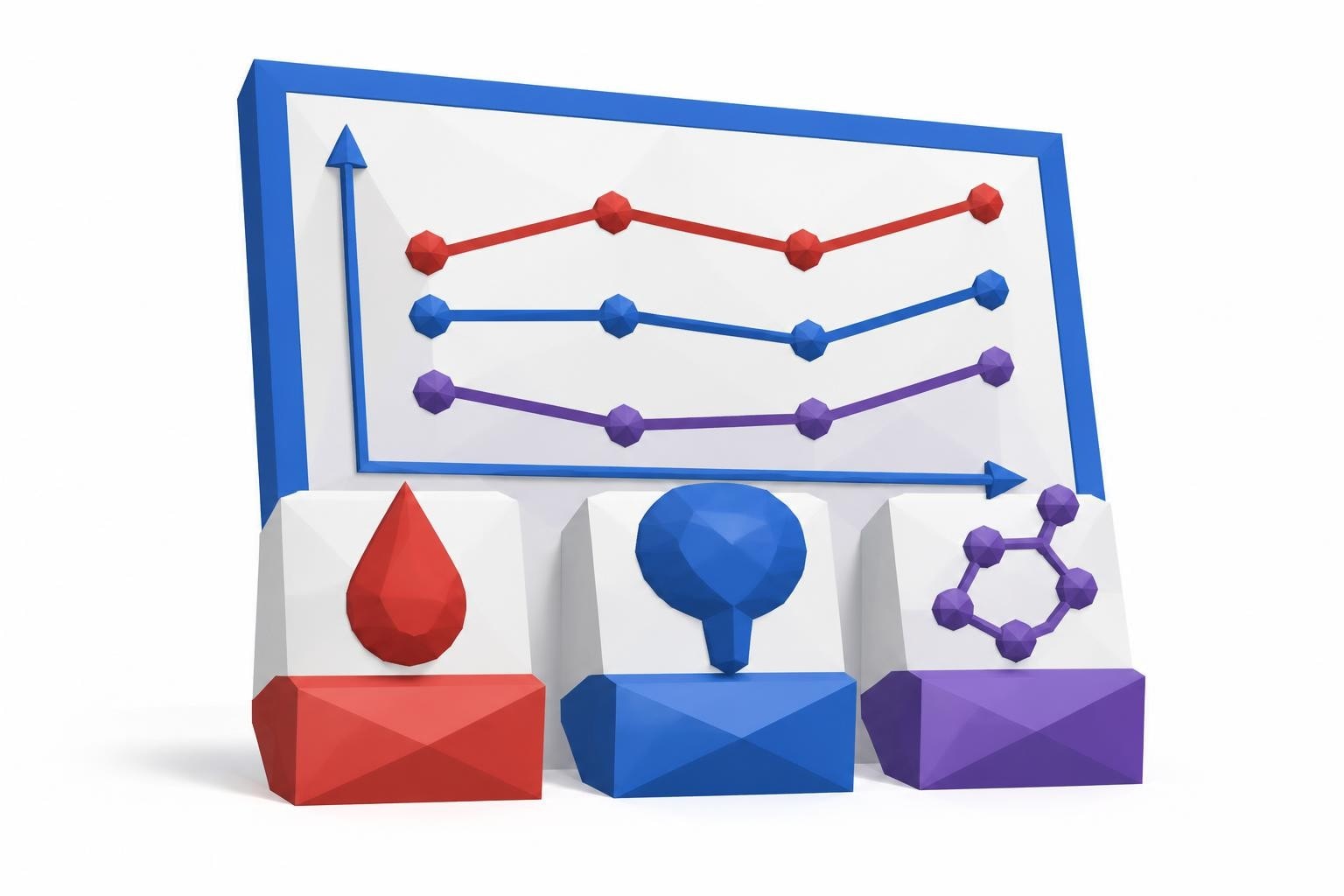
Preparing for pregnancy involves more than just deciding you're ready to become parents. A comprehensive pre-conception lab checklist for both partners helps identify potential health concerns, optimize fertility, and ensure the healthiest possible start for your future baby. Getting the right lab work completed before conception allows couples to address nutritional deficiencies, hormonal imbalances, and other medical conditions that could affect fertility or pregnancy outcomes. Both partners play equally important roles in conception, making it essential that each person undergoes appropriate testing.
Big picture
- Pre-conception testing examines both partners' health through blood work, hormone panels, and infectious disease screenings to identify factors that could impact fertility or pregnancy
- These tests matter because they uncover underlying conditions like thyroid dysfunction, vitamin deficiencies, or hormonal imbalances that are easier to correct before pregnancy than during
- Both partners need testing since male fertility factors contribute to approximately 40-50% of conception difficulties, making his health just as important as hers
- Early detection saves time and stress by addressing potential obstacles before months of unsuccessful attempts, potentially avoiding more invasive fertility treatments later
- Your next step is to review which tests apply to your situation and schedule comprehensive lab work at least three months before actively trying to conceive
Essential Lab Tests for Female Partners
Women planning for pregnancy should begin with foundational health assessments that evaluate reproductive function, hormonal balance, and overall wellness. These screenings create a baseline understanding of fertility potential and identify areas requiring intervention.
Hormone Panel and Thyroid Function
Reproductive hormones directly influence ovulation, cycle regularity, and the ability to sustain a pregnancy. A complete hormone evaluation should include:
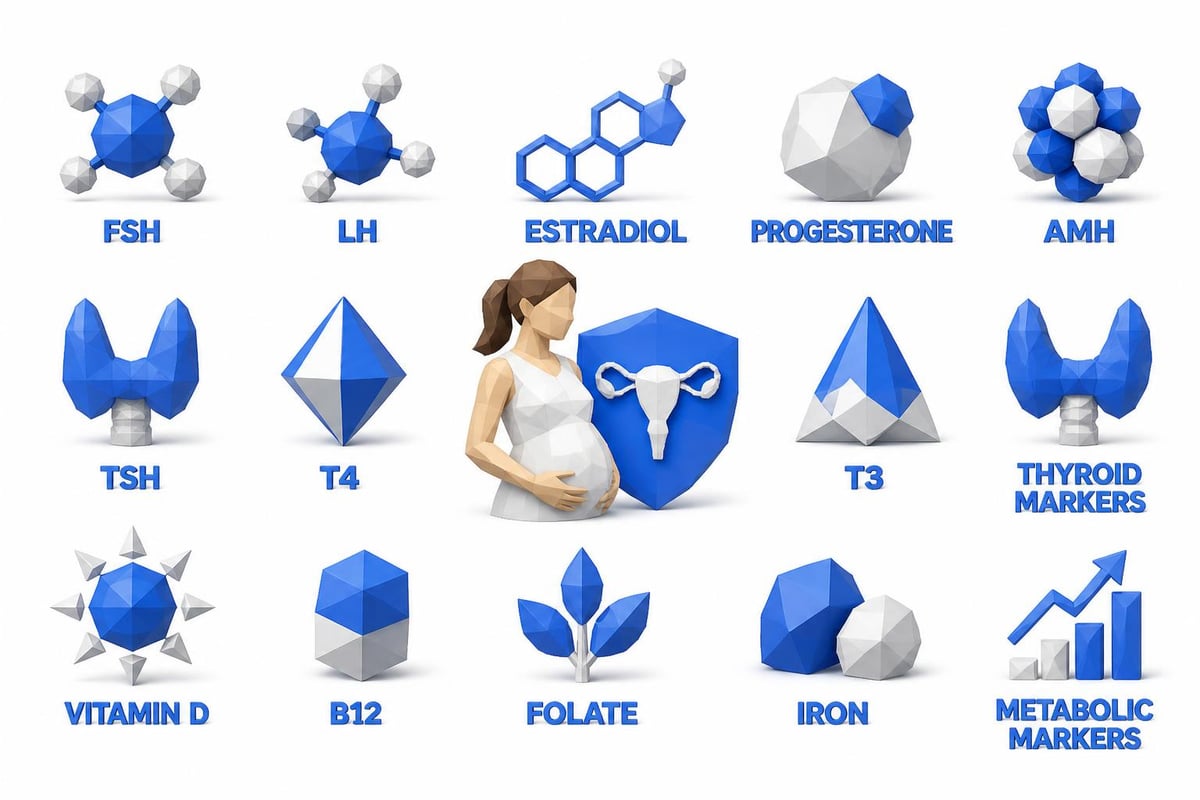
- Follicle-stimulating hormone (FSH) to assess ovarian reserve
- Luteinizing hormone (LH) to evaluate ovulation patterns
- Estradiol to measure estrogen levels
- Progesterone to confirm ovulation and assess luteal phase adequacy
- Anti-Müllerian hormone (AMH) to gauge ovarian reserve and egg quality
Recommended Panel
Female Hormone Panel
Save $7This comprehensive panel measures all major female hormones: estrogen, progesterone, reproductive hormones (FSH/LH), and androgens (testosterone/DHEA-S) - essential for understanding hormonal balance.
Includes 7 biomarkers
$105
Thyroid function affects every aspect of reproduction, from ovulation to implantation and early fetal development. Both hyperthyroidism and hypothyroidism can prevent conception or increase miscarriage risk. A functional approach to your preconception lab checklist emphasizes the importance of comprehensive thyroid testing beyond just TSH.
Recommended Panel
Complete Thyroid Panel
Save $3Our most comprehensive thyroid panel includes all 5 essential markers: TSH, Free T4, Free T3, Reverse T3, and both thyroid antibodies. Get the complete picture of your thyroid health.
Includes 6 biomarkers
$84
| Test | Purpose | Optimal Range |
|---|---|---|
| TSH | Thyroid function screening | 0.5-2.5 mIU/L for conception |
| Free T4 | Active thyroid hormone | Mid-normal range |
| Free T3 | Metabolically active form | Mid-normal range |
| TPO Antibodies | Autoimmune thyroid disease | Negative |
Metabolic and Nutritional Markers
Blood sugar regulation and metabolic health significantly impact fertility and pregnancy outcomes. Women with undiagnosed prediabetes or insulin resistance face higher risks of gestational diabetes and complications.
Key metabolic tests include:
- Hemoglobin A1C to assess long-term blood sugar control
- Fasting glucose to screen for diabetes
- Fasting insulin to evaluate insulin resistance
- Lipid panel to check cholesterol and cardiovascular health
Nutritional deficiencies can impair fertility and increase birth defect risk. Essential vitamin and mineral assessments should cover:
- Vitamin D (25-hydroxyvitamin D)
- Vitamin B12 and folate
- Iron studies (ferritin, serum iron, TIBC)
- Zinc levels
Recommended Test
Zinc
Zinc is an essential trace mineral involved in over 300 enzymatic reactions, including immune function, wound healing, thyroid hormone production, and testosterone synthesis.
Includes 1 biomarkers
$20
Women with unexplained weight gain may benefit from expanded metabolic testing to identify underlying hormonal or thyroid issues affecting both weight and fertility.
Critical Lab Work for Male Partners
Male fertility testing remains equally important but often overlooked in pre-conception planning. Sperm quality, hormonal balance, and overall health directly influence conception success and even pregnancy outcomes.
Semen Analysis
The cornerstone of male fertility evaluation, semen analysis provides crucial information about reproductive potential. This test examines:
- Sperm count (concentration per milliliter)
- Motility (percentage of moving sperm)
- Morphology (normal sperm shape percentage)
- Volume and pH of seminal fluid
- White blood cell count (indicating possible infection)
According to recommended laboratory tests when trying to conceive, men should complete semen analysis after 2-5 days of abstinence for the most accurate results. If initial results show abnormalities, repeat testing after three months allows time for lifestyle modifications to take effect.
Male Hormone Panel
Testosterone and related hormones regulate sperm production and sexual function. Male hormone testing should evaluate:
- Total testosterone (morning blood draw preferred)
- Free testosterone (bioavailable form)
- Sex hormone-binding globulin (SHBG)
- Follicle-stimulating hormone (FSH)
- Luteinizing hormone (LH)
- Prolactin
Recommended Panel
Male Hormone Panel
Save $9This comprehensive panel measures testosterone (free and total), plus the supporting hormones that affect how testosterone works in your body: SHBG, estradiol sensitive, DHEA-S, and cortisol.
Includes 6 biomarkers
$101
Low testosterone can reduce sperm production, while elevated FSH may indicate testicular dysfunction. These markers help identify treatable causes of male factor infertility.
General Health Screenings for Men
Beyond fertility-specific tests, men should complete baseline health assessments:
| Test Category | Specific Tests | Why It Matters |
|---|---|---|
| Metabolic | A1C, fasting glucose | Diabetes affects sperm DNA integrity |
| Thyroid | TSH, Free T4 | Thyroid dysfunction impacts sperm quality |
| Nutritional | Vitamin D, B12, zinc | Deficiencies reduce fertility |
| Liver/Kidney | CMP | Overall health assessment |
Men can order labs without a doctor to proactively assess these markers before fertility becomes a concern.
Infectious Disease Screening for Both Partners
Both partners require infectious disease testing as part of a comprehensive pre-conception lab checklist for both partners. These screenings protect maternal and fetal health while identifying treatable conditions before pregnancy.
Standard infectious disease panels include:
- HIV (human immunodeficiency virus)
- Hepatitis B surface antigen and antibodies
- Hepatitis C antibody
- Syphilis (RPR or VDRL)
- Rubella immunity (women should verify vaccination status)
- Varicella immunity (chickenpox)
Additional tests may be recommended based on risk factors or geographic location. Pre-IVF tests often include expanded infectious disease panels, though these screenings benefit all couples planning conception.
Women should confirm immunity to rubella and varicella before pregnancy, as these infections during pregnancy can cause severe birth defects. If immunity is lacking, vaccination must occur at least one month before conception attempts.

Genetic Carrier Screening Options
Genetic testing helps couples understand their risk of passing inherited conditions to their children. While not mandatory, carrier screening provides valuable information for family planning decisions.
Standard Carrier Panels
Most carrier screening panels test for:
- Cystic fibrosis (recommended for all ethnic backgrounds)
- Spinal muscular atrophy
- Sickle cell disease (particularly for African ancestry)
- Thalassemia (Mediterranean, Asian, African ancestry)
- Tay-Sachs disease (Ashkenazi Jewish, French Canadian ancestry)
- Fragile X syndrome (women with family history or fertility concerns)
Expanded panels can screen for 100+ genetic conditions simultaneously. Couples should discuss which level of testing aligns with their preferences and family history.
When Both Partners Are Carriers
If both partners carry the same autosomal recessive condition, each pregnancy has a 25% chance of producing an affected child. Knowing carrier status allows couples to:
- Pursue preimplantation genetic testing with IVF
- Consider prenatal diagnostic testing
- Prepare for potential special needs
- Make informed family planning decisions
Specialized Testing Based on Individual Circumstances
Some couples require additional testing beyond the standard pre-conception lab checklist for both partners based on medical history, age, or previous pregnancy outcomes.
Advanced Female Testing
Women over 35, those with irregular cycles, or previous pregnancy loss may need:
- Antral follicle count (ultrasound assessment of ovarian reserve)
- Prolactin levels (if experiencing irregular periods or galactorrhea)
- DHEA-S (androgen evaluation for PCOS)
- Celiac disease screening (for unexplained infertility)
- Antiphospholipid antibodies (recurrent miscarriage workup)
- Homocysteine (elevated levels associated with pregnancy complications)
Recommended Panel
Female Fertility Panel
Save $8This panel measures the key markers of female fertility: AMH (your egg reserve), reproductive hormones (FSH, LH, estradiol), and prolactin. Essential for understanding your fertility timeline.
Includes 5 biomarkers
$151
Women can access comprehensive lab testing without insurance requirements, making advanced fertility assessments more accessible.
Additional Male Evaluations
Men with abnormal semen analysis results or specific symptoms may require:
| Test | Indication |
|---|---|
| DNA fragmentation | Poor embryo quality despite normal semen parameters |
| Karyotype | Severe oligospermia or recurrent pregnancy loss |
| Y-chromosome microdeletion | Very low sperm count |
| Testicular ultrasound | Physical abnormalities or pain |
| Post-ejaculate urinalysis | Suspected retrograde ejaculation |
Timeline and Testing Strategy
Optimal pre-conception testing follows a strategic timeline that allows for intervention before actively trying to conceive.
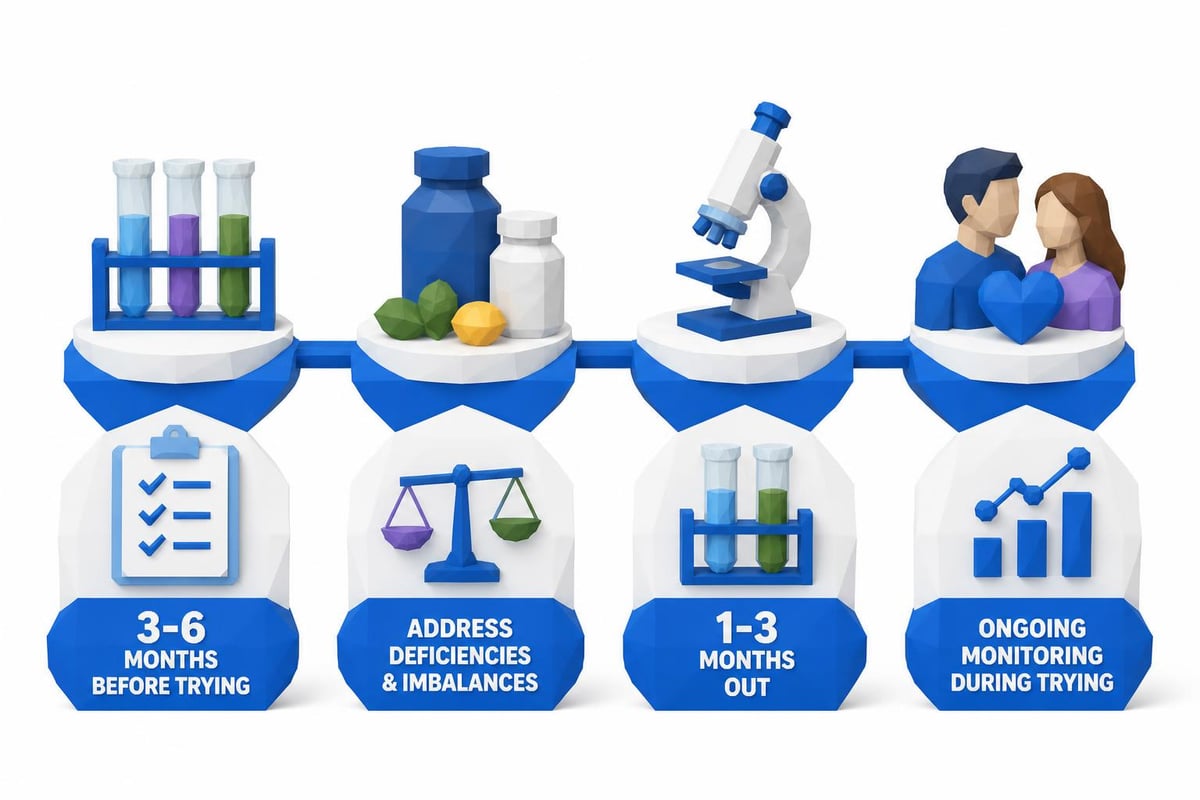
Three to six months before conception attempts:
- Complete comprehensive lab work for both partners
- Review results with healthcare provider
- Begin addressing identified deficiencies or imbalances
- Implement lifestyle modifications based on findings
One to three months before conception:
- Retest corrected abnormalities to confirm normalization
- Ensure vitamin D, iron, and other nutrients reach optimal ranges
- Verify thyroid function stabilization if treatment was initiated
- Confirm semen parameters improved if lifestyle changes were made
Ongoing monitoring:
- Women should begin prenatal vitamins with folate three months before conception
- Both partners should maintain healthy lifestyle habits
- Consider repeating certain tests if conception takes longer than six months
Understanding how lab testing works helps couples navigate the pre-conception period efficiently, with clear expectations about timing and results delivery.
Cost Considerations and Access
A complete pre-conception lab checklist for both partners can involve significant expense, particularly without insurance coverage or when insurance denies fertility-related testing.
Many couples benefit from labs without insurance options that offer transparent, affordable pricing. Self-pay testing often costs less than insurance-based testing after deductibles and copays.
Cost management strategies:
- Prioritize essential tests first (thyroid, basic metabolic, semen analysis, infectious disease)
- Add specialized testing based on risk factors rather than ordering everything at once
- Compare pricing between traditional lab services and direct-to-consumer options
- Consider phased testing over several months to distribute costs
Understanding the comprehensive metabolic panel test cost and other common screening expenses helps couples budget appropriately for pre-conception care.
Interpreting Results and Next Steps
Receiving lab results represents just the beginning of pre-conception optimization. Working with a knowledgeable healthcare provider ensures proper interpretation and action.
Optimal Versus Reference Ranges
Standard lab reference ranges often span wider parameters than ideal for conception. For example:
-
TSH reference range: 0.4-4.5 mIU/L
-
TSH optimal for conception: 0.5-2.5 mIU/L
-
Vitamin D reference range: 30-100 ng/mL
-
Vitamin D optimal for fertility: 40-60 ng/mL
-
Ferritin reference range: 12-150 ng/mL
-
Ferritin optimal for pregnancy: 50-100 ng/mL
Healthcare providers specializing in fertility or functional medicine often target tighter ranges that support optimal reproductive function.
Addressing Abnormal Results
Common interventions for abnormal pre-conception labs include:
Thyroid dysfunction:
- Medication (levothyroxine for hypothyroidism)
- Nutritional support (selenium, iodine if deficient)
- Retest in 6-8 weeks to ensure proper dosing
Vitamin deficiencies:
- Targeted supplementation (vitamin D, B12, folate, iron)
- Dietary modifications
- Retest in 8-12 weeks to verify repletion
Insulin resistance:
- Dietary changes (lower refined carbohydrates)
- Exercise implementation
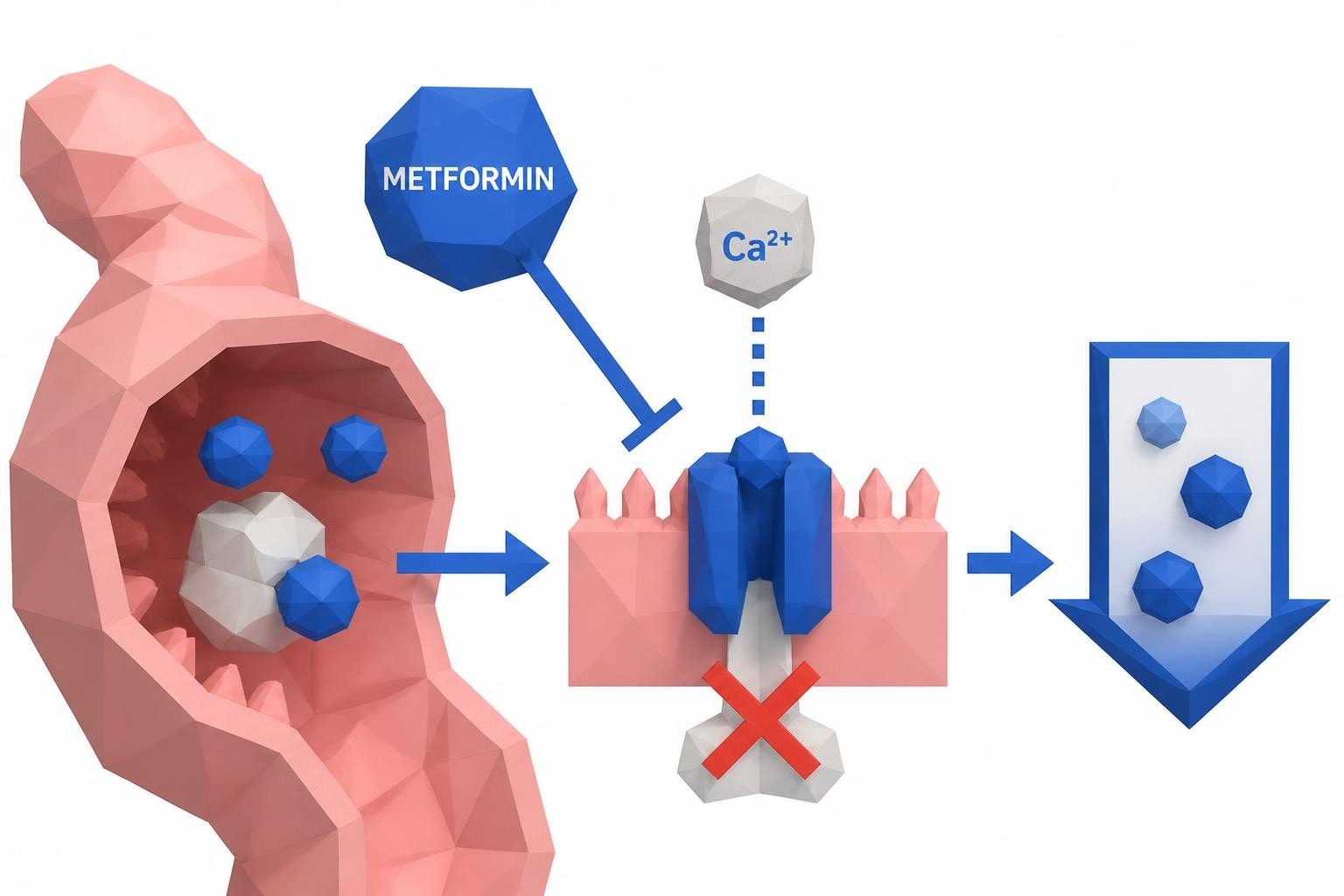
- Possible metformin prescription
- Retest A1C and fasting insulin in 3 months
Male factor issues:
- Lifestyle modifications (reduce alcohol, quit smoking, optimize weight)
- Antioxidant supplementation
- Address underlying hormonal imbalances
- Repeat semen analysis after 3 months
Key Takeaways
Understanding and completing a pre-conception lab checklist for both partners empowers couples to enter pregnancy from positions of optimal health. Both partners' comprehensive testing identifies treatable conditions that impact fertility, pregnancy outcomes, and long-term family health. Strategic timing of lab work, beginning three to six months before conception attempts, allows adequate time for interventions to take effect. Accessible, affordable testing options make proactive pre-conception care achievable for couples regardless of insurance status or immediate access to fertility specialists.
FAQ
When should we complete pre-conception lab testing?
Begin comprehensive lab work three to six months before actively trying to conceive. This timeline allows adequate opportunity to identify and address nutritional deficiencies, hormonal imbalances, or other conditions that could affect fertility or pregnancy. If testing reveals issues requiring intervention, this advance planning ensures problems are resolved before conception attempts begin. Couples who have been trying unsuccessfully for several months should pursue testing immediately rather than waiting longer.
Which tests are absolutely essential versus optional?
Essential tests for women include thyroid function (TSH, Free T4), complete blood count, metabolic panel, vitamin D, and infectious disease screening. Men require semen analysis, basic hormone panel (testosterone, FSH), and infectious disease screening. Optional but valuable tests include AMH for ovarian reserve assessment, expanded thyroid antibodies, comprehensive nutritional panels, and genetic carrier screening. The preconception tests recommended by fertility specialists often include both essential and specialized panels based on individual circumstances.
Do both partners really need testing?
Absolutely. Male factor infertility contributes to approximately 40-50% of conception difficulties, making partner testing equally important as female evaluation. Even when female testing appears normal, undiagnosed male hormonal imbalances, poor sperm quality, or nutritional deficiencies can prevent conception or affect pregnancy outcomes. According to comprehensive workups for couples, both partners should complete baseline health assessments regardless of who may perceive themselves as the "problem."
How much does comprehensive pre-conception testing cost?
Costs vary significantly based on insurance coverage, geographic location, and which tests are included. Without insurance, expect $500-1,500 for comprehensive panels for both partners. Individual tests range from $25-200 each depending on complexity. Many couples find that accessing affordable lab test pricing through direct-to-consumer services costs substantially less than traditional insurance-based testing, particularly when high deductibles apply.
Can we get pre-conception lab work without seeing a doctor first?
Yes, many couples successfully complete pre-conception screening through self-directed lab services that don't require physician orders. Direct-access testing allows you to select appropriate panels, visit a lab for blood draw, and receive results within days. While you can initiate testing independently, reviewing results with a healthcare provider ensures proper interpretation and appropriate interventions. Self-directed testing particularly benefits couples wanting to assess baseline health before scheduling fertility consultations.
What if our test results show abnormalities?
Abnormal results provide valuable information rather than cause for alarm. Most pre-conception lab abnormalities respond well to targeted interventions. Thyroid dysfunction typically normalizes with medication within weeks. Nutritional deficiencies resolve with supplementation over 8-12 weeks. Insulin resistance improves with dietary and lifestyle modifications. Male fertility markers often improve significantly with lifestyle changes, antioxidant support, and addressing underlying hormonal issues. Working with a healthcare provider experienced in pre-conception care ensures you receive appropriate treatment and follow-up testing.
How long should we wait to conceive after addressing lab abnormalities?
Timing depends on which conditions required intervention. After starting thyroid medication, wait until TSH stabilizes in the optimal range, typically 6-8 weeks. Following nutritional supplementation, retest after 8-12 weeks to confirm deficiency resolution. Men should allow at least three months (one full sperm production cycle) after implementing changes before expecting semen analysis improvements. Generally, addressing identified issues takes 2-4 months, making the three-to-six-month pre-conception testing timeline appropriate for most couples.
Are there specific tests for couples planning IVF?
Couples pursuing assisted reproductive technology typically complete expanded versions of the standard pre-conception lab checklist for both partners. Additional IVF-specific evaluations may include mock embryo transfer, saline sonogram, hysterosalpingogram, and more detailed infectious disease panels. Complete guides to IVF tests outline comprehensive screening protocols. However, even couples planning IVF benefit from completing basic pre-conception optimization before beginning treatment, as healthier baseline parameters improve IVF success rates.
Taking a proactive approach to pre-conception health through comprehensive lab testing for both partners sets the foundation for successful conception and healthy pregnancy. Identifying and addressing potential issues before trying to conceive saves time, reduces stress, and optimizes outcomes for your growing family. Justlabs makes comprehensive pre-conception screening accessible and affordable, with transparent pricing, no insurance requirements, and results delivered in just 1-3 days. Start your family planning journey with confidence by completing your pre-conception lab work today.