Understanding how much do lab tests really cost can feel like solving a puzzle with missing pieces. The same blood test might cost $20 at one facility and $200 at another, leaving patients confused and frustrated. This lack of transparency in medical pricing has led many Americans to delay or skip important health screenings simply because they don't know what they'll owe until the bill arrives weeks later.
Big picture
- Lab test costs vary dramatically based on multiple factors including where you get tested, whether you use insurance, and which lab processes your sample, with the same test ranging from $10 to over $300.
- The insurance billing system creates artificial pricing where the "list price" bears little resemblance to what anyone actually pays, making it nearly impossible to predict your out-of-pocket costs in advance.
- Self-pay options have emerged as a transparent alternative to traditional insurance-based testing, often providing lower costs and faster results for common health screenings.
- Understanding the real cost of lab work empowers you to make informed healthcare decisions, compare options, and potentially save hundreds of dollars on routine testing.
- Take action by requesting upfront pricing, exploring self-pay options, and verifying whether your FSA or HSA covers lab testing to maximize your healthcare dollars.
The Hidden Markup in Traditional Lab Testing
When you visit a doctor's office or hospital for lab work, the pricing structure involves multiple layers that inflate the final cost. The facility charges a collection fee, the lab charges a processing fee, and insurance companies negotiate their own rates that rarely match the sticker price.
Hospital-based lab testing typically carries the highest costs because of facility fees that can double or triple the base test price. These fees cover overhead costs like building maintenance, administrative staff, and equipment, but they're often not disclosed until you receive your bill.
Research from the Centers for Medicare & Medicaid Services reveals that reimbursement policies significantly impact laboratory test pricing, with different payment structures creating wide variations in what patients ultimately pay.
Insurance vs. Cash-Pay Pricing
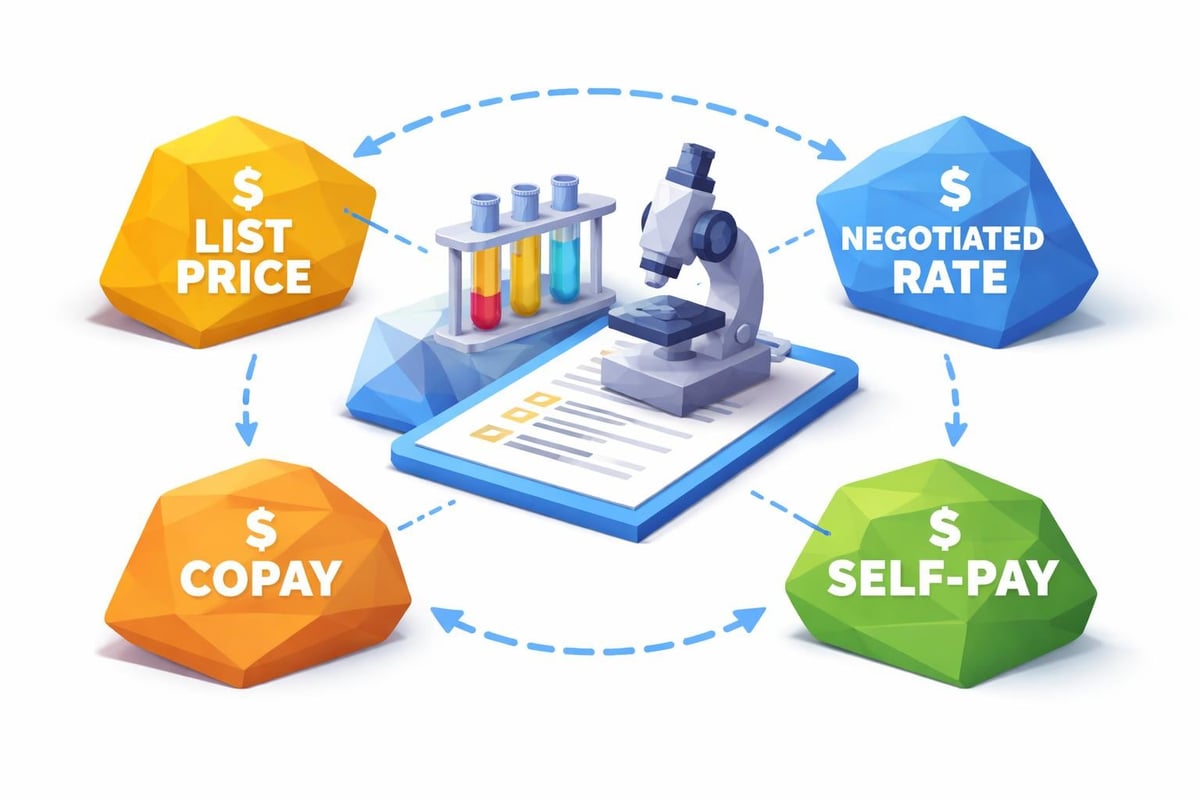
The relationship between insurance and lab test costs defies normal economic logic. Insured patients sometimes pay more than cash-paying customers for identical tests. This happens because insurance contracts set specific reimbursement rates that don't necessarily reflect the actual cost of providing the service.
Consider these common scenarios:
- With insurance: You might have a $50 copay for any lab work, regardless of the test's complexity or actual cost
- Meeting your deductible: You could pay the full "negotiated rate" of $150-$300 until you hit your annual deductible
- Cash-pay pricing: The same test might cost $25-$75 when you bypass insurance entirely
Understanding where to get lab tests helps you navigate these pricing differences and choose the most cost-effective option for your situation.
Common Lab Tests and Their Real Costs
Breaking down how much do lab tests really cost requires looking at specific examples. The following tests represent the most frequently ordered screenings in the United States.
Basic Metabolic Panel (BMP)
| Payment Method | Typical Cost Range | Average Cost |
|---|---|---|
| Hospital billing | $150-$400 | $275 |
| Independent lab with insurance | $75-$200 | $135 |
| Self-pay/cash | $15-$50 | $32 |
Recommended Panel
Complete Metabolic Health Panel
Save $3.50This comprehensive panel evaluates all aspects of metabolic health: organ function, cholesterol, blood sugar, insulin resistance, and inflammation - the key drivers of chronic disease.
Includes 26 biomarkers
$50
Fasting required
Complete Blood Count (CBC)
This fundamental test measures red blood cells, white blood cells, and platelets. Hospital pricing often ranges from $100-$250, while independent labs charge $20-$75 depending on your payment method. Self-pay options can bring the cost down to $15-$30.
Lipid Panel
Cholesterol testing varies widely in price. According to comprehensive lab cost data, lipid panels range from $20 to $200 based on the facility and billing method. The lipid panel cost at JustLabs is $8 plus the one $18 order fee ($26 all-in).
Advanced Heart Health Panel
10 biomarkers
Thyroid Testing
Thyroid function tests demonstrate the extreme variability in lab pricing:
- TSH test alone: $25-$150
- Free T4: $30-$175
- Free T3: $35-$200
- Complete thyroid panel: $150-$600 at hospitals, $75-$200 through self-pay options (JustLabs: $84 plus the one $18 order fee, $102 all-in)
Recommended Panel
Complete Thyroid Panel
Save $3Our most comprehensive thyroid panel includes all 5 essential markers: TSH, Free T4, Free T3, Reverse T3, and both thyroid antibodies. Get the complete picture of your thyroid health.
Includes 6 biomarkers
$84
Hemoglobin A1C
The A1C test cost for diabetes monitoring ranges from $15 to $150. Insurance copays often fall in the $25-$50 range, while cash-pay options typically cost $20-$40 (at JustLabs, $7 plus the one $18 order fee, $25 all-in).
TSH (Thyroid Stimulating Hormone)
The TSH test is the gold standard for evaluating thyroid function. It's the first test doctors order when thyroid problems are suspected.
Includes 1 biomarkers
$9
Geographic Price Variations
Location dramatically affects how much do lab tests really cost. Urban areas with high competition among testing facilities often have lower prices than rural regions with limited options. A study using lab cost comparison tools found that the same tests varied by 300-500% between different ZIP codes.
High-cost regions include:
- Major metropolitan hospital systems
- Rural areas with limited lab access
- Areas dominated by single healthcare networks
Lower-cost options appear in:
- Competitive urban markets with multiple independent labs
- Regions with established self-pay testing services
- Areas near medical school teaching hospitals
The Self-Pay Revolution
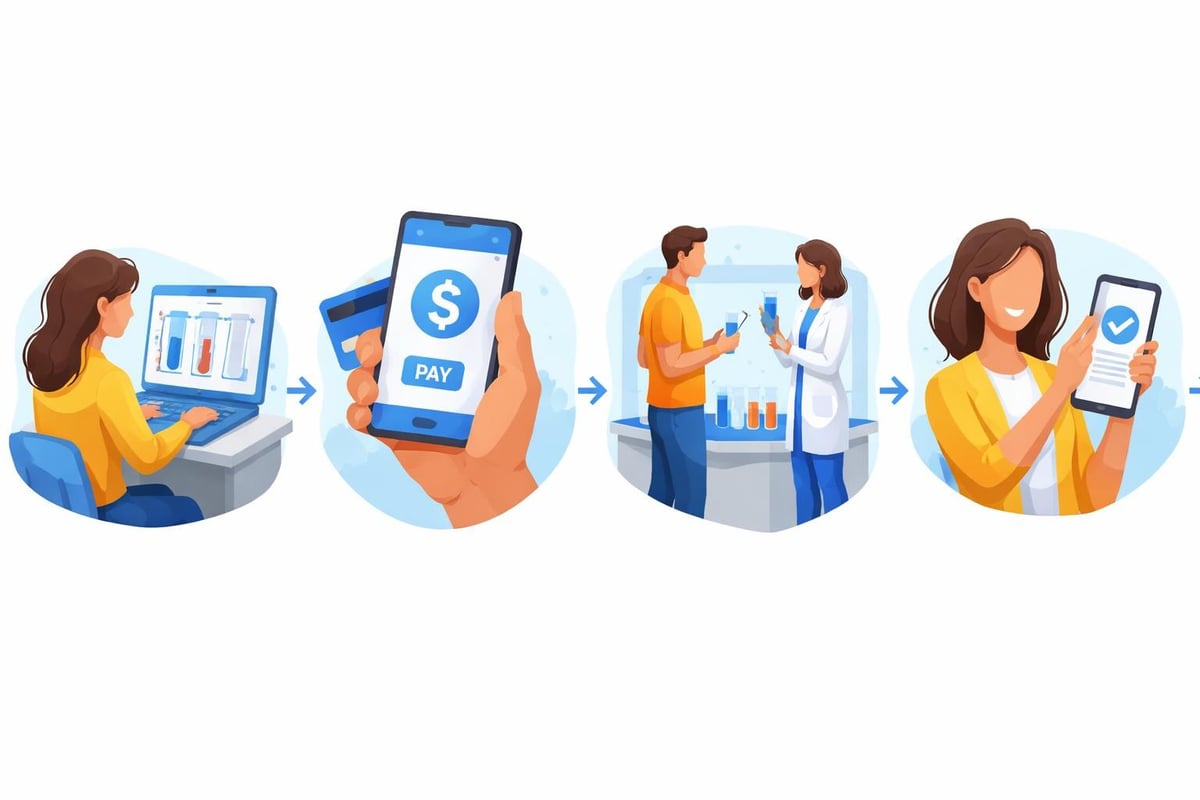
Direct-to-consumer lab testing has transformed how Americans access and pay for health screenings. By eliminating insurance billing complexity and doctor visit requirements, self-pay lab services offer transparent, upfront pricing.
Benefits of Self-Pay Testing
Price transparency stands as the primary advantage. You know exactly what you'll pay before ordering the test, eliminating surprise bills and insurance uncertainty.
Speed matters for many patients. Results typically arrive in 1-3 days, compared to the weeks it might take through traditional channels where your doctor must review results before releasing them.
Convenience allows you to order labs without a doctor visit, saving both time and the cost of an office appointment that might run $150-$300.
When Self-Pay Makes Financial Sense
Self-pay testing offers the best value in several situations:
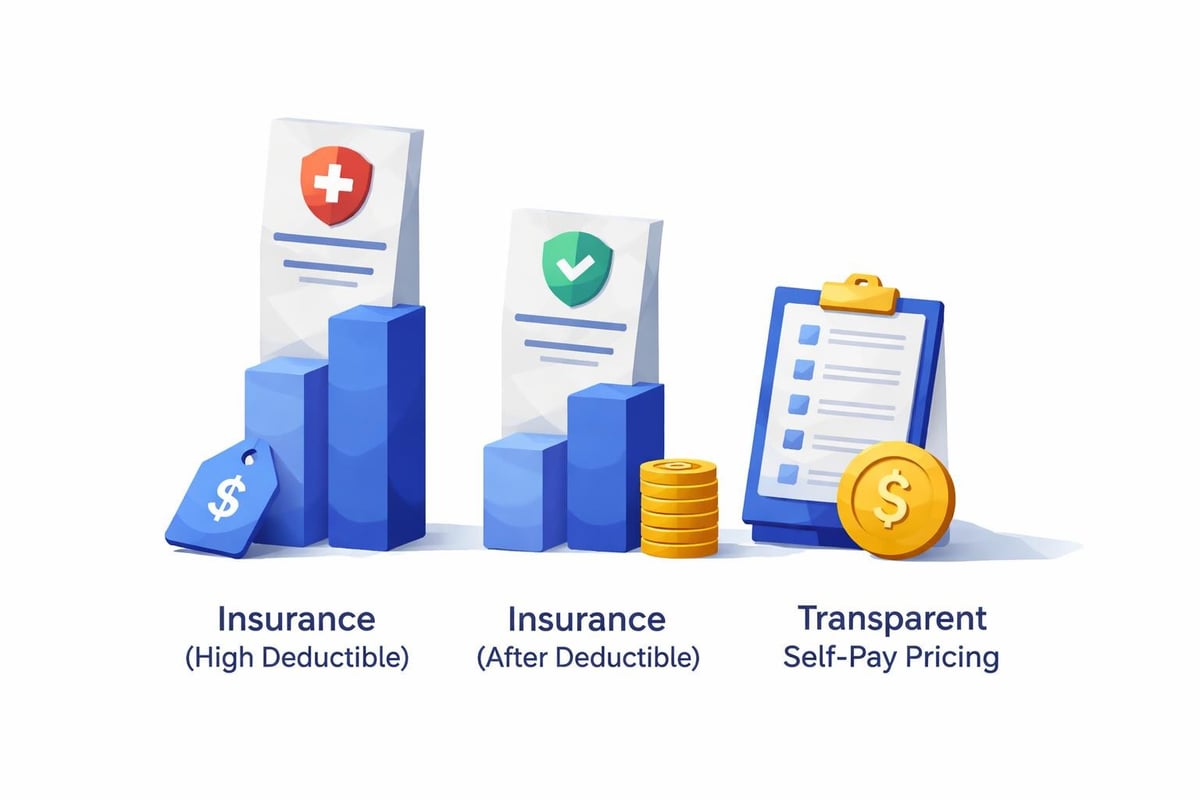
- High-deductible health plans: If you haven't met your deductible, you'll pay full price anyway, so transparent self-pay pricing often costs less
- Routine monitoring: Regular health screenings for ongoing conditions where you know exactly which tests you need
- Wellness testing: Proactive health checks not covered by insurance, such as comprehensive vitamin panels
- Quick results needed: When timing matters more than insurance reimbursement
According to data on lab tests without insurance costs, self-pay options frequently undercut insurance copays and deductible-applied pricing.
Factors That Influence Lab Test Pricing
Multiple variables determine the final cost you'll pay for lab work. Understanding these factors helps you anticipate expenses and find the most affordable options.
Test Complexity
Simple tests like basic glucose or cholesterol screenings cost less because they use automated equipment and require minimal technician time. Complex tests involving specialized equipment, rare reagents, or manual interpretation command higher prices.
Genetic testing and specialized antibody panels can cost $500-$5,000, while routine blood counts typically run $15-$75.
Processing Location
Tests processed on-site at collection facilities often cost less than samples sent to reference laboratories. However, specialized testing may require specific equipment only available at centralized labs.
Ordering Patterns
Individual tests ordered separately usually cost more than comprehensive panels that bundle related screenings. A thyroid panel including TSH, Free T4, and Free T3 typically costs less than ordering each test individually.
Comprehensive Wellness Panel
44 biomarkers
Urgency and Timing
Stat orders requiring immediate processing carry premium pricing, sometimes 2-3 times the standard rate. Standard processing with 1-3 day turnaround provides the best value for non-urgent testing.
| Test Type | Standard Processing | Stat/Rush Order |
|---|---|---|
| Basic metabolic panel | $15-$50 | $75-$150 |
| CBC | $15-$30 | $50-$100 |
| Lipid panel | $20-$50 | $75-$125 |
Insurance Billing Complexity
The question of how much do lab tests really cost becomes particularly murky when insurance enters the picture. Insurance billing involves negotiated rates, allowed amounts, and patient responsibility that vary by plan, provider, and year.
Understanding Your Explanation of Benefits
When you receive lab work through insurance, the EOB shows several confusing numbers:
- Billed charges: The lab's list price, often inflated and not what anyone actually pays
- Allowed amount: What your insurance company agreed to pay for the service
- Insurance paid: The portion your plan covers
- Patient responsibility: What you owe, including copays, coinsurance, or deductible amounts
The "billed charges" might show $500 while the "allowed amount" is $75, and you might owe anywhere from $0 to the full $75 depending on your plan's status.
Why Insurance Doesn't Always Save Money
High-deductible plans have become increasingly common, with deductibles averaging $1,500-$3,000 for individuals. Until you meet that threshold, you pay the negotiated rate, which often exceeds transparent cash-pay pricing.
A comprehensive analysis of diagnostic costs found that insured patients frequently pay more than necessary when they don't compare self-pay alternatives.
Strategies to Minimize Lab Test Costs
Smart healthcare consumers use several tactics to reduce their lab testing expenses without sacrificing quality or comprehensiveness.
Request Upfront Pricing
Before any lab work, ask for a cash-pay price quote. Many facilities offer discounts for immediate payment, sometimes 40-60% below their insurance billing rates. Compare this to your expected insurance cost based on your deductible status and copay structure.
Bundle Related Tests
Instead of ordering tests individually over several visits, bundle related screenings into a single panel. This approach reduces collection fees and often provides package pricing that lowers the per-test cost.
Use Transparent Providers
Services that publish upfront lab test pricing eliminate billing surprises and often provide competitive rates that beat traditional insurance pathways.
Consider Timing
If you're near your annual deductible reset, timing non-urgent tests can make a significant financial difference. Tests conducted in January when deductibles reset might cost hundreds more than the same tests in December when you've already met your deductible.
Maximize Health Savings Accounts
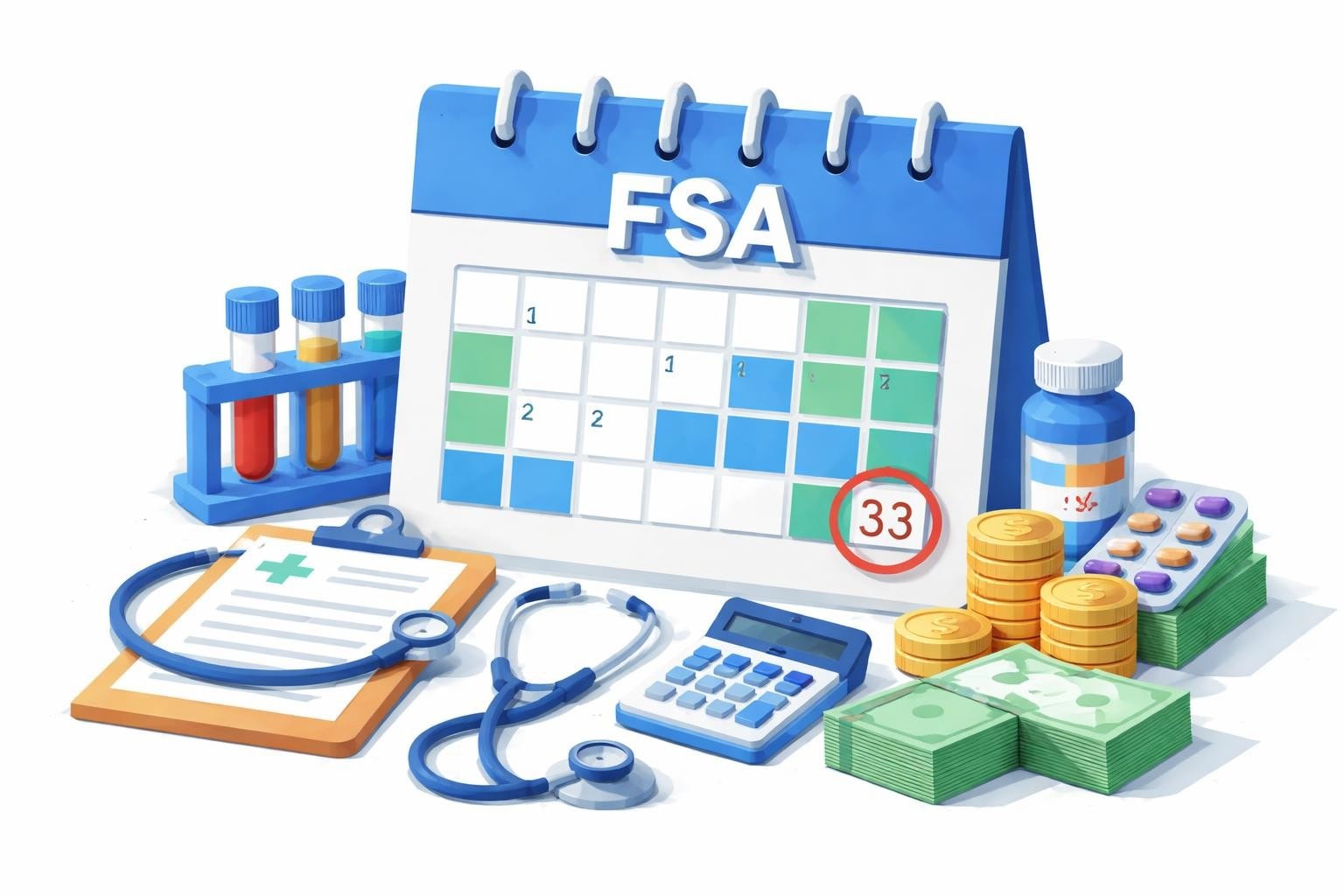
Both FSA and HSA funds can pay for lab testing, making self-pay options even more affordable. Understanding which tests qualify for FSA/HSA payment helps you leverage pre-tax dollars for health screenings.
The Future of Lab Test Pricing
Recent regulatory changes aim to increase healthcare price transparency, including lab testing. The FDA's expanded oversight of laboratory-developed tests, as reported by major news outlets, may impact both test availability and pricing structures.
Price Transparency Requirements
Federal rules now require hospitals and insurance companies to disclose pricing information, though implementation and enforcement remain inconsistent. This gradual shift toward transparency benefits consumers who research costs before committing to testing.
Direct-to-Consumer Growth
The market for self-pay lab testing continues expanding as consumers seek affordable alternatives to traditional healthcare channels. How the system works at transparent providers demonstrates how technology and streamlined processes reduce costs while maintaining quality.
Technology-Driven Efficiency
Automation and improved testing technologies continue reducing the actual cost of performing lab tests. These efficiency gains should translate to lower consumer prices, though traditional healthcare billing systems often prevent savings from reaching patients.
Key Takeaways
Understanding how much do lab tests really cost requires looking beyond simple price tags to consider payment methods, facility types, and billing structures. The same test can cost anywhere from $15 to $300 depending on these factors, making informed decision-making essential for both health and financial wellness.
Self-pay options frequently provide better value than insurance-based testing, especially for patients with high-deductible plans or those who haven't met their annual deductible. Transparent pricing eliminates billing surprises and allows accurate budgeting for healthcare expenses.
Geographic location and facility type significantly impact costs, with hospital-based testing commanding premium prices compared to independent labs. Shopping around and comparing options can save hundreds of dollars on routine health screenings.
Bundling tests and requesting cash-pay pricing gives you negotiating power and often unlocks discounts unavailable through traditional insurance billing channels. Taking control of your healthcare spending starts with asking questions and comparing alternatives.
See also: Want to compare specific prices? Check our Lab Test Price Comparison guide. No insurance? See Blood Test Without Insurance.
FAQ
How much do basic lab tests cost without insurance?
Basic lab tests through self-pay options typically range from $15-$75 for common screenings like metabolic panels, CBCs, and lipid panels. Hospital pricing without insurance can reach $150-$400 for the same tests, while transparent providers offer consistent, affordable rates that often undercut insurance copays.
Why do lab test prices vary so much between facilities?
Pricing variation stems from facility overhead costs, insurance contract negotiations, geographic location, and billing practices. Hospitals charge facility fees that independent labs don't, and insurance creates artificial pricing structures where list prices differ dramatically from actual payment amounts. Our breakdown of why blood test prices vary so much walks through each of these cost layers in detail.
Are cash-pay lab tests as accurate as insurance-billed tests?
Yes, cash-pay and insurance-billed tests use identical equipment, procedures, and quality standards. Most self-pay services partner with the same major laboratories (Quest, LabCorp) that process insurance-billed tests, ensuring consistent accuracy regardless of payment method.
Can I use my HSA or FSA for self-pay lab tests?
Most lab tests qualify for HSA and FSA payment, making self-pay options even more affordable by using pre-tax dollars. Always verify your specific plan's coverage, but diagnostic and preventive lab work typically meets eligibility requirements for these accounts.
What's the cheapest way to get comprehensive lab work done?
The most cost-effective approach combines transparent self-pay pricing with bundled test panels. Ordering comprehensive wellness panels through direct-to-consumer services typically costs 50-70% less than equivalent testing through hospitals or insurance billing, with faster results and complete price transparency.
Do I need a doctor's order for lab tests?
Traditional lab companies require physician orders, but direct-to-consumer lab services allow you to order tests independently. This eliminates the time and cost of office visits while still providing access to physician-reviewed test authorization.
How can I estimate what my insurance will actually pay?
Contact your insurance company with the specific CPT code for the test and the facility where you plan to have it done. Ask about your current deductible status, copay amounts, and the negotiated rate for that specific test. Even with this information, estimates aren't guarantees.
Are online lab test prices really accurate?
Reputable self-pay providers publish final prices that include all fees with no hidden costs. Unlike insurance billing where "estimates" often differ from final bills, transparent lab services charge exactly the advertised price, making budgeting straightforward and eliminating billing surprises.
Lab test pricing doesn't have to be a mystery filled with surprise bills and confusing insurance statements. By understanding the factors that influence costs and exploring transparent alternatives, you can access the health screenings you need without financial stress. JustLabs offers straightforward, affordable lab testing with upfront pricing, no insurance billing complexity, and results delivered directly to you in 1-3 days, putting you in control of both your health and your healthcare spending.