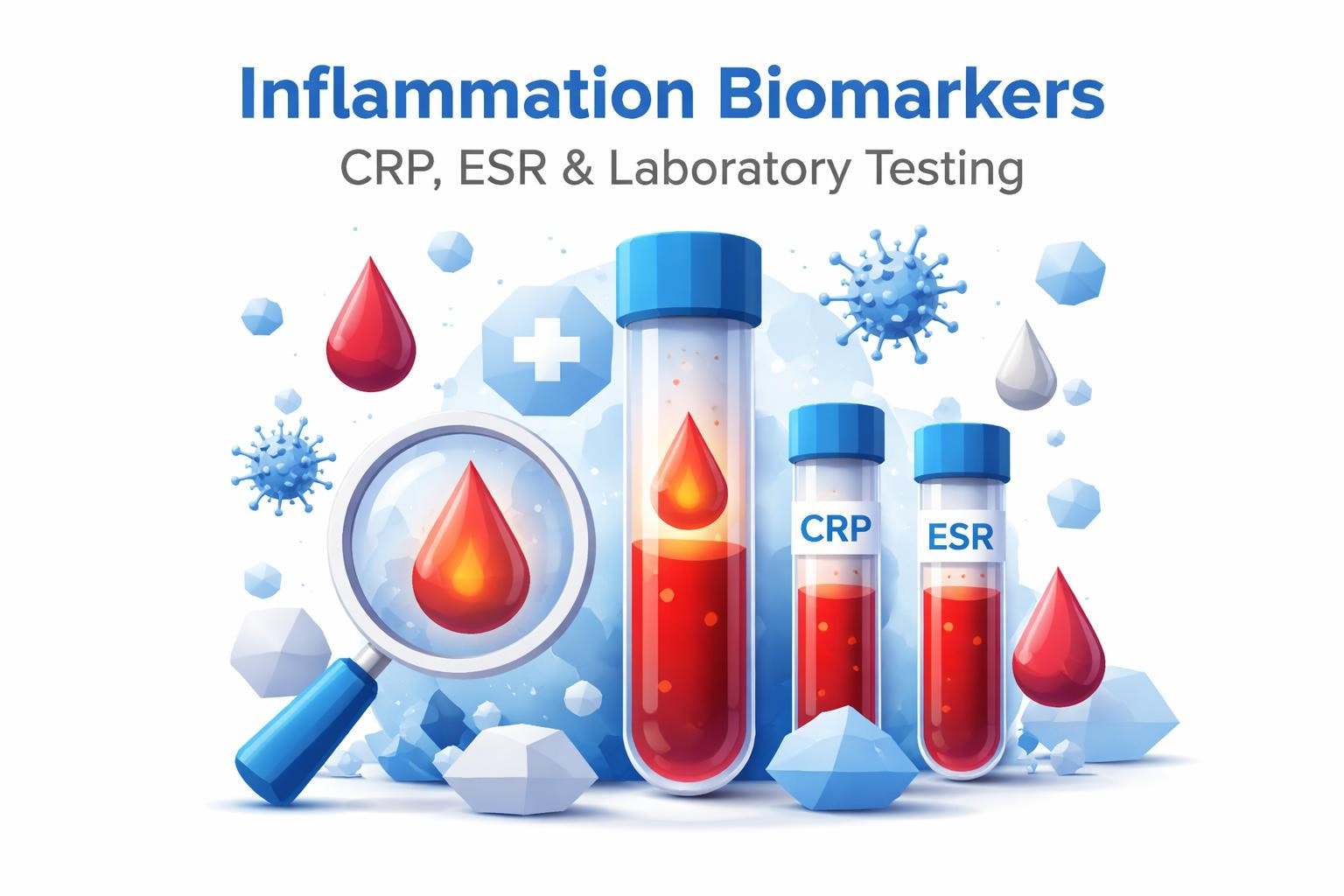
Inflammation is your body's natural defense mechanism, but when it becomes chronic, it can silently contribute to serious health conditions ranging from heart disease to autoimmune disorders. Inflammation labs provide crucial insights into your inflammatory status by measuring specific biomarkers in your blood, helping you identify potential health risks before they escalate into more serious problems.
Big picture
- Inflammation labs measure specific proteins and substances in your blood that indicate acute or chronic inflammatory responses in your body, with tests like C-reactive protein (CRP) and erythrocyte sedimentation rate (ESR) being the most common markers.
- Chronic inflammation affects millions of Americans and is linked to major health conditions including cardiovascular disease, diabetes, arthritis, and autoimmune disorders, making regular monitoring essential for prevention.
- These tests require no special preparation beyond a simple blood draw and provide results within 1-3 days, making them accessible for anyone concerned about inflammatory conditions.
- Insurance barriers shouldn't prevent testing, as ordering lab tests without a doctor visit is now possible through direct-to-consumer services.
- Taking action starts with baseline testing to establish your current inflammatory status, followed by lifestyle modifications and periodic retesting to track progress.
Understanding Inflammation and Why Testing Matters
Inflammation serves as your immune system's first responder to injury, infection, or tissue damage. When you cut your finger or catch a cold, acute inflammation triggers swelling, redness, and warmth as your body rushes healing resources to the affected area. This protective response typically resolves within days or weeks.
Chronic inflammation operates differently. It persists for months or years, often without obvious symptoms, quietly damaging tissues throughout your body. This low-grade inflammatory state has been implicated in numerous diseases, which is why inflammation tests have become increasingly important in modern healthcare.
The Hidden Danger of Silent Inflammation
Many people with chronic inflammation feel completely normal. Unlike acute inflammation's obvious signs, chronic inflammatory responses can simmer beneath the surface while contributing to:
- Atherosclerosis and cardiovascular disease
- Type 2 diabetes and metabolic syndrome
- Alzheimer's disease and cognitive decline
- Certain cancers
- Autoimmune conditions like rheumatoid arthritis
Early detection through inflammation labs allows for intervention before these conditions fully develop. Research published in medical journals demonstrates that routine blood tests can reveal inflammatory states associated with disease progression, making regular monitoring a powerful preventive tool.
Common Inflammation Labs and What They Measure
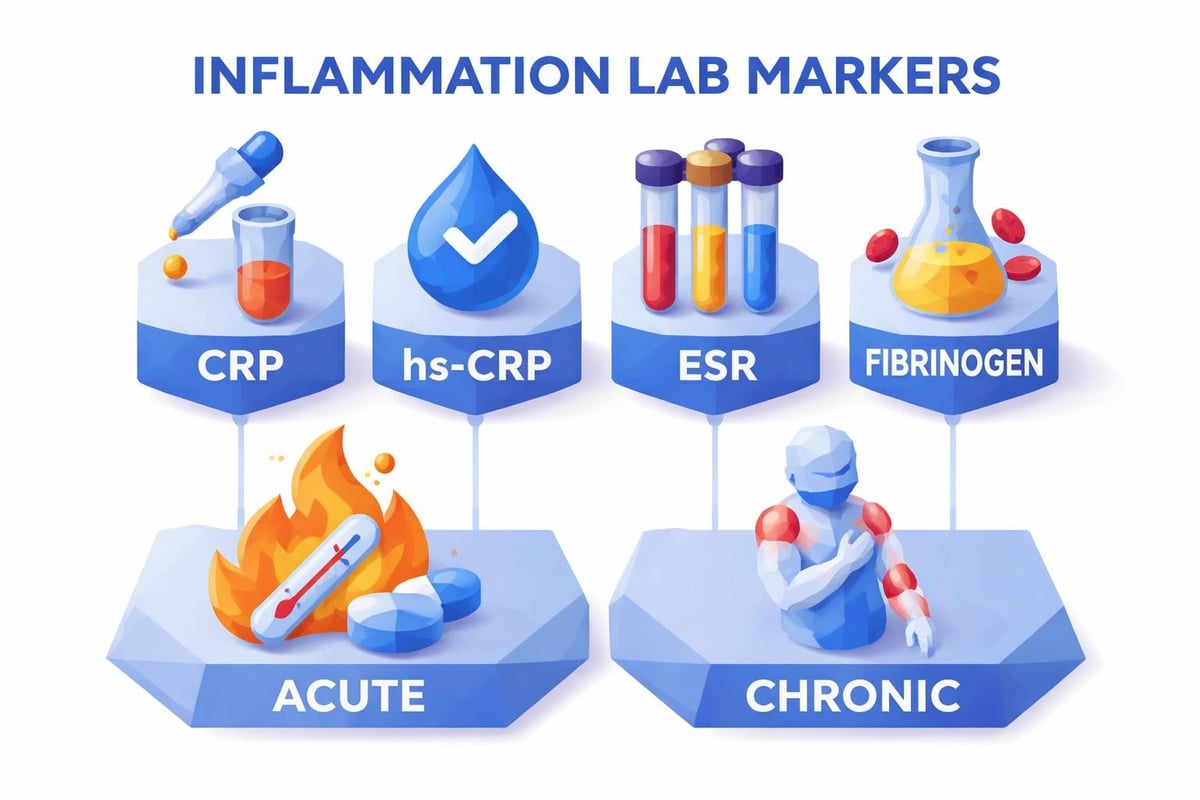
Understanding which biomarkers your inflammation labs measure helps you interpret results and make informed health decisions. Each marker provides unique information about your inflammatory status.
C-Reactive Protein (CRP) and High-Sensitivity CRP
C-reactive protein is produced by your liver in response to inflammation anywhere in your body. Standard CRP tests measure levels from 10 to 1,000 mg/L and are primarily used to detect acute infections or inflammatory conditions.
High-sensitivity CRP (hs-CRP) detects much lower levels (0.5 to 10 mg/L) and is specifically used for cardiovascular risk assessment. According to guidelines, hs-CRP levels below 1 mg/L indicate low cardiovascular risk, 1-3 mg/L suggests moderate risk, and above 3 mg/L indicates high risk.
The clinical utility of hs-CRP has been well-established for both diagnosis and monitoring of inflammatory conditions.
Erythrocyte Sedimentation Rate (ESR)
ESR measures how quickly red blood cells settle at the bottom of a test tube. When inflammation is present, proteins in your blood cause red blood cells to clump together and fall more rapidly.
| Test Component | Normal Range (Men) | Normal Range (Women) | Elevated Indicates |
|---|---|---|---|
| ESR | 0-15 mm/hr | 0-20 mm/hr | Active inflammation |
| CRP | <10 mg/L | <10 mg/L | Acute inflammation |
| hs-CRP | <1 mg/L | <1 mg/L | CV risk/chronic inflammation |
While less specific than CRP, ESR remains valuable because it reflects different aspects of the inflammatory response and can detect conditions CRP might miss — a trade-off explored in ESR vs hs-CRP.
Fibrinogen and Complete Blood Count
Fibrinogen is a clotting protein that increases during inflammation. Elevated fibrinogen levels not only indicate inflammation but also contribute to increased cardiovascular risk by promoting blood clot formation.
Complete Blood Count (CBC) with differential provides additional inflammatory insights through white blood cell (WBC) count and distribution. Elevated WBC counts signal immune system activation, while specific changes in neutrophils, lymphocytes, or other white cell types can indicate particular inflammatory or infectious processes.
Recommended Panel
Inflammation Panel
Save $2Chronic inflammation is the hidden driver of heart disease, cancer, and accelerated aging. This panel measures the key markers that reveal whether silent inflammation is damaging your body.
Includes 17 biomarkers
$52
Fasting required
When You Should Consider Inflammation Labs
Timing matters when it comes to inflammation testing. Certain symptoms, risk factors, and health goals make inflammation labs particularly valuable.
Symptoms and Risk Factors
Consider getting inflammation labs if you experience:
- Persistent fatigue that doesn't improve with rest
- Unexplained weight changes or difficulty losing weight
- Joint pain or stiffness, especially in multiple joints
- Frequent infections suggesting immune dysfunction
- Family history of autoimmune diseases or early heart disease
- Chronic conditions like obesity, diabetes, or hypertension
These symptoms don't guarantee elevated inflammatory markers, but they warrant investigation. Understanding your inflammatory response through laboratory assessment provides objective data to guide next steps.
Preventive Health Monitoring
Even without symptoms, certain situations call for baseline inflammation testing:
- Adults over 45 should consider hs-CRP testing for cardiovascular risk assessment
- Before starting major lifestyle changes to establish baseline measurements
- After implementing interventions to verify effectiveness
- Annual wellness screening for those with multiple risk factors
How Inflammation Labs Work and What to Expect
The practical aspects of inflammation testing are straightforward, but understanding the process helps you prepare properly and interpret results accurately.
Preparation and Testing Process
Most inflammation labs require minimal preparation. While fasting isn't typically necessary for CRP or ESR, combining these tests with comprehensive panels that include cholesterol or glucose measurements may require an 8-12 hour fast.
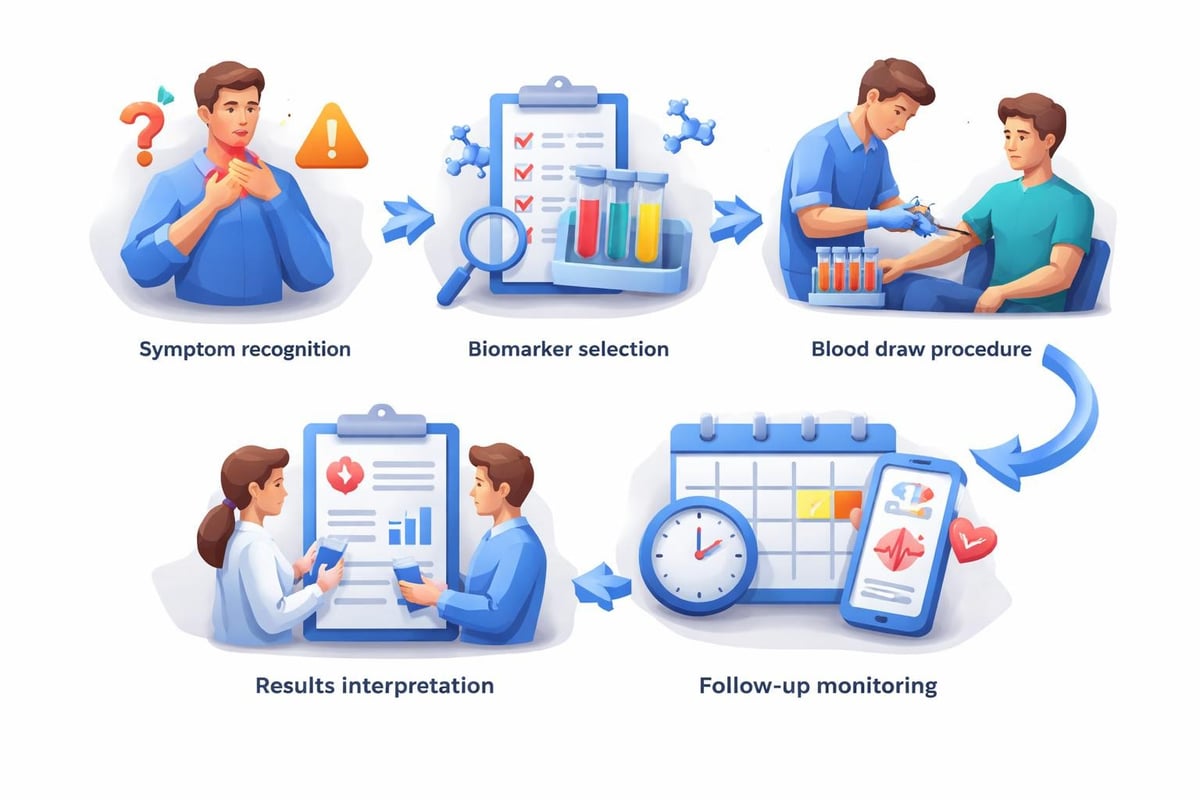
The testing process involves:
- Scheduling your appointment at a convenient location
- Arriving at the collection facility
- A phlebotomist drawing blood from your arm
- Samples being sent to a laboratory for analysis
- Results typically available within 1-3 days
Through services that allow you to order tests online, you can bypass traditional barriers and access inflammation labs quickly and affordably.
Understanding Your Results
Inflammation lab results come with reference ranges, but interpreting them requires context. A single elevated CRP reading might reflect a recent cold rather than chronic inflammation, which is why trends matter more than individual values.
Key interpretation principles:
- Compare results to established reference ranges
- Consider trends across multiple tests over time
- Account for recent illness or injury
- Discuss unexpected or concerning values with healthcare providers
Resources for understanding lab results can help you make sense of your inflammation markers and decide whether follow-up testing or medical consultation is warranted.
Factors That Influence Inflammation Markers
Inflammation labs don't exist in isolation. Numerous factors can temporarily or chronically elevate your inflammatory biomarkers, some within your control and others not.
Lifestyle and Environmental Factors
Your daily choices significantly impact inflammation levels:
| Factor | Impact on Inflammation | Modification Potential |
|---|---|---|
| Diet (processed foods, sugar) | Increases CRP, promotes chronic inflammation | High - dietary changes show results in weeks |
| Physical activity | Moderate exercise reduces inflammation | High - benefits appear within months |
| Sleep quality | Poor sleep elevates inflammatory markers | Moderate - requires consistent habits |
| Chronic stress | Increases cortisol and inflammatory proteins | Moderate - needs stress management techniques |
| Smoking | Dramatically elevates multiple markers | High - cessation shows rapid improvement |
| Alcohol consumption | Excessive intake promotes inflammation | High - reduction shows clear benefits |
Understanding that inflammation involves complex interactions between genetic factors and environmental triggers helps explain why two people with similar lifestyles might show different inflammatory responses.
Medical Conditions and Medications
Certain health conditions inherently involve inflammation, making elevated inflammation labs expected rather than surprising:
- Autoimmune diseases (rheumatoid arthritis, lupus, inflammatory bowel disease)
- Chronic infections
- Obesity and metabolic syndrome
- Cardiovascular disease
- Some cancers
Medications can also affect results. Anti-inflammatory drugs like NSAIDs, corticosteroids, and statins reduce inflammatory markers, while some immunosuppressants alter white blood cell counts. Always disclose current medications when discussing inflammation lab results.

The Cost and Accessibility of Inflammation Labs
Financial considerations shouldn't prevent you from accessing important health information. Understanding the true cost of inflammation labs and available payment options empowers better decision-making.
Traditional vs. Direct-Access Testing
Traditional healthcare routes for inflammation labs typically involve:
- Primary care appointment ($100-200 without insurance)
- Lab test orders following consultation
- Insurance billing with copays and deductibles
- Potential delays in scheduling and results
Direct-access testing changes this equation entirely. Services providing transparent lab test pricing eliminate hidden fees and reduce overall costs by removing the office visit requirement.
Individual inflammation markers typically cost:
- CRP or hs-CRP: $15-40
- ESR: $10-25
- Comprehensive inflammation panels: $50-150
These prices reflect self-pay rates through direct-access providers, often costing less than insurance copays for the same tests.
Insurance, HSA, and FSA Options
While direct-pay testing offers simplicity and affordability, understanding all payment options helps you make the best financial choice. Many FSA and HSA accounts cover eligible tests, allowing you to use pre-tax dollars for inflammation labs.
Insurance coverage for inflammation testing varies by plan and medical necessity. Diagnostic testing ordered for specific symptoms typically receives better coverage than screening tests for asymptomatic individuals. However, the administrative burden and unpredictable out-of-pocket costs often make self-pay testing more attractive.
Key takeaways
- Inflammation labs measure biomarkers like CRP, hs-CRP, and ESR that reveal both acute inflammatory responses and chronic low-grade inflammation linked to major diseases.
- Regular monitoring empowers prevention by detecting inflammatory problems before they progress to conditions like heart disease, diabetes, or autoimmune disorders.
- Testing requires only a simple blood draw with results available in 1-3 days, making it accessible for anyone concerned about inflammatory status.
- Direct-access testing removes barriers by eliminating the need for doctor visits while providing transparent, affordable pricing often lower than traditional routes.
- Lifestyle factors significantly influence results, meaning diet, exercise, sleep, and stress management can measurably reduce inflammatory markers over time.
- Trending results matter more than single values, so establishing a baseline and periodic retesting provides the most valuable information for health management.
FAQ
What is the most accurate inflammation lab test?
No single test is universally "most accurate" because different markers measure different aspects of inflammation. High-sensitivity CRP (hs-CRP) is considered the gold standard for assessing cardiovascular risk and chronic inflammation, while standard CRP better detects acute inflammatory conditions. ESR provides complementary information and may catch conditions CRP misses. Comprehensive inflammation panels that measure multiple biomarkers simultaneously offer the most complete picture of your inflammatory status.
Can inflammation labs detect specific diseases?
Inflammation labs are not diagnostic tools for specific diseases but rather indicators of inflammatory processes in your body. Elevated markers signal that inflammation is present but don't identify the exact cause or location. They serve as screening tools that prompt further investigation. For example, high hs-CRP indicates increased cardiovascular risk but doesn't diagnose heart disease. Similarly, elevated ESR might suggest an autoimmune condition, but additional tests are needed for definitive diagnosis. These markers work best as part of a comprehensive evaluation alongside symptoms, physical examination, and other diagnostic tests.
How often should I get inflammation labs checked?
Testing frequency depends on your individual circumstances. For healthy adults without risk factors, baseline testing followed by repeat testing every 2-3 years may be sufficient. Those with cardiovascular risk factors benefit from annual hs-CRP monitoring. If you have diagnosed inflammatory conditions, your healthcare provider might recommend testing every 3-6 months to monitor disease activity and treatment effectiveness. After implementing lifestyle changes aimed at reducing inflammation, retesting at 3-month intervals helps verify that your interventions are working. The key is establishing your baseline and tracking trends over time rather than relying on a single snapshot.
What inflammation lab values are considered dangerous?
"Dangerous" is context-dependent, but certain thresholds warrant immediate attention. Standard CRP above 200 mg/L suggests severe acute inflammation requiring urgent evaluation. For hs-CRP, levels above 10 mg/L should be confirmed with repeat testing and typically indicate an acute inflammatory process rather than chronic low-grade inflammation. ESR above 100 mm/hr is similarly concerning and warrants prompt investigation for serious conditions like infection, malignancy, or severe autoimmune disease. However, moderately elevated values (hs-CRP of 3-10 mg/L or ESR of 30-50 mm/hr) also deserve attention, as they indicate increased health risks even if not immediately dangerous.
Do I need a doctor's order for inflammation labs?
Traditional laboratory testing requires a physician's order, but direct-access laboratory services have changed this requirement. You can now order inflammation labs without a doctor visit through services designed specifically for self-directed health monitoring. This approach offers several advantages: faster access to testing, transparent pricing without insurance complexity, and convenience without appointment delays. While direct-access testing provides valuable information, it's important to consult healthcare providers about significantly abnormal results or when you need help interpreting findings in the context of your overall health.
Can stress and lack of sleep affect inflammation lab results?
Yes, both chronic stress and poor sleep quality significantly impact inflammatory markers. Studies show that even a single night of poor sleep can temporarily elevate CRP levels, while chronic sleep deprivation sustains elevated inflammation over time. Chronic stress increases cortisol production, which paradoxically promotes inflammation when sustained at high levels. For the most accurate baseline assessment, try to maintain consistent sleep patterns and manage stress levels in the week before testing. If you're testing to evaluate intervention effectiveness, maintaining similar stress and sleep conditions between tests allows better comparison. However, if chronically poor sleep or high stress is your normal state, testing under those conditions reflects your actual inflammatory burden.
What foods or supplements reduce inflammation markers?
Anti-inflammatory dietary patterns consistently show benefits in reducing inflammation lab values. The Mediterranean diet rich in omega-3 fatty acids (from fish, walnuts, flax), colorful vegetables, fruits, whole grains, and olive oil has demonstrated CRP reductions of 20-30% in clinical studies. Specific foods with strong anti-inflammatory properties include berries, fatty fish, leafy greens, turmeric, and ginger. Regarding supplements, omega-3 fish oil (2-4 grams daily) shows consistent inflammation-reducing effects, while curcumin, vitamin D, and probiotics demonstrate benefits in some studies. However, whole-food dietary patterns generally outperform isolated supplements. The most dramatic improvements occur when anti-inflammatory foods replace pro-inflammatory ones like processed foods, refined carbohydrates, and excessive red meat rather than simply adding supplements to an unchanged diet.
How do inflammation labs differ from autoimmune panels?
Inflammation labs and autoimmune panels serve different but complementary purposes. Inflammation labs like CRP, ESR, and fibrinogen measure general inflammatory activity in your body without identifying causes. They indicate that inflammation exists but not why. Autoimmune panels test for specific antibodies that attack your own tissues, such as antinuclear antibodies (ANA), rheumatoid factor (RF), or thyroid antibodies. These tests help diagnose specific autoimmune conditions. In practice, elevated inflammation labs often prompt autoimmune testing when symptoms suggest autoimmune disease. Comprehensive autoimmune screening panels typically include both inflammatory markers and specific antibodies to provide a complete assessment of both inflammation severity and potential autoimmune causes.
Understanding your inflammatory status through targeted lab testing provides actionable insights that can guide meaningful health improvements and disease prevention. Whether you're managing a chronic condition, assessing cardiovascular risk, or simply optimizing your wellness, inflammation labs offer objective data to inform your decisions. Justlabs makes accessing these important tests simple and affordable, with transparent pricing, no insurance hassles, and results in 1-3 days, empowering you to take control of your health journey.