hs-CRP Levels: Heart Risk vs Infection Explained
Understanding the difference between hs-crp levels heart risk vs infection helps you make informed health decisions. High-sensitivity C-reactive protein (hs-CRP) testing measures inflammation in your body, but the source and meaning of elevated levels vary dramatically depending on whether inflammation stems from chronic cardiovascular disease processes or acute infections. This distinction changes everything from interpretation to clinical action.
Big picture
- hs-CRP is an inflammation marker that rises in response to both chronic conditions (like atherosclerosis) and acute infections (like pneumonia or COVID-19), making context essential for interpretation
- Low chronic elevation (1-3 mg/L) typically signals cardiovascular risk and ongoing arterial inflammation, while sharp spikes (>10 mg/L) usually indicate active infection or tissue injury
- Cardiovascular risk assessment uses hs-CRP alongside cholesterol, blood pressure, and other factors to predict future heart attack and stroke risk in apparently healthy people
- Timing matters: Testing during or shortly after an infection gives misleading cardiovascular risk information, so wait 2-3 weeks after illness before checking heart-related hs-CRP
- Actionable next step: If you're concerned about heart disease risk, get baseline hs-CRP testing when you're healthy, then discuss lifestyle changes or medication with your healthcare provider based on results
What hs-CRP Measures and Why It Matters
High-sensitivity C-reactive protein (hs-CRP) is a blood biomarker produced by your liver in response to inflammation anywhere in your body. The "high-sensitivity" designation refers to the test's ability to detect very low levels of CRP that standard CRP tests miss.
Standard CRP tests measure levels from 10 to 1,000 mg/L and primarily detect acute infections or major inflammatory conditions. The hs-CRP test, by contrast, accurately measures concentrations as low as 0.5 mg/L, making it valuable for detecting the subtle, chronic inflammation associated with cardiovascular disease.
According to MedlinePlus guidance on CRP testing, this sensitivity difference allows doctors to use hs-CRP for cardiovascular risk stratification while using standard CRP for diagnosing and monitoring infections and inflammatory diseases like rheumatoid arthritis.

The Inflammation Connection
Inflammation drives both cardiovascular disease and infection response, but through completely different mechanisms. In heart disease, low-grade chronic inflammation damages arterial walls, promotes plaque formation, and destabilizes existing plaques that can rupture and cause heart attacks.
During infections, your immune system triggers acute inflammation to fight pathogens. This protective response causes hs-CRP to spike dramatically, sometimes reaching levels 100 times higher than baseline.
This dual nature creates the core challenge when interpreting hs-crp levels heart risk vs infection: the same biomarker serves two distinct clinical purposes.
Cardiovascular Risk Assessment with hs-CRP
The American College of Cardiology and American Heart Association recognize hs-CRP as a valuable tool for refining cardiovascular risk prediction in people without known heart disease. Research consistently shows that even modest chronic elevations predict future cardiovascular events.
hs-CRP Risk Categories for Heart Disease
| hs-CRP Level (mg/L) | Cardiovascular Risk Category | Interpretation |
|---|---|---|
| < 1.0 | Low risk | Optimal for heart health |
| 1.0 - 3.0 | Moderate risk | Intermediate cardiovascular risk |
| > 3.0 | High risk | Elevated cardiovascular risk |
| > 10.0 | Not interpretable for CV risk | Likely acute inflammation or infection |
When hs-CRP levels remain persistently above 3.0 mg/L (after ruling out infection), they signal approximately double the cardiovascular risk compared to levels below 1.0 mg/L. This information helps healthcare providers make treatment decisions about preventive therapies.
The American College of Cardiology's clinical toolkit outlines how hs-CRP testing adds value for people in intermediate-risk categories where treatment decisions are uncertain. For these individuals, an elevated hs-CRP might tip the balance toward starting statin therapy or intensifying lifestyle modifications.
Who Should Get Cardiovascular hs-CRP Testing
Ideal candidates for cardiovascular risk assessment with hs-CRP include:
- Adults with intermediate cardiovascular risk scores (10-20% ten-year risk)
- People with borderline high cholesterol where treatment decisions are unclear
- Individuals with family history of premature heart disease
- Those wanting more precise risk assessment for prevention planning
Testing makes less sense for people already at high cardiovascular risk who clearly need treatment, or very low-risk individuals where results won't change management.
When considering ordering labs without a doctor for cardiovascular screening, hs-CRP should be part of a comprehensive panel including lipids, glucose, and other relevant markers.
hs-CRP Elevation from Infections and Acute Illness
Bacterial and viral infections trigger dramatic hs-CRP elevations as part of your body's immune response. Understanding these spikes helps distinguish hs-crp levels heart risk vs infection scenarios.
Typical hs-CRP Patterns in Common Infections
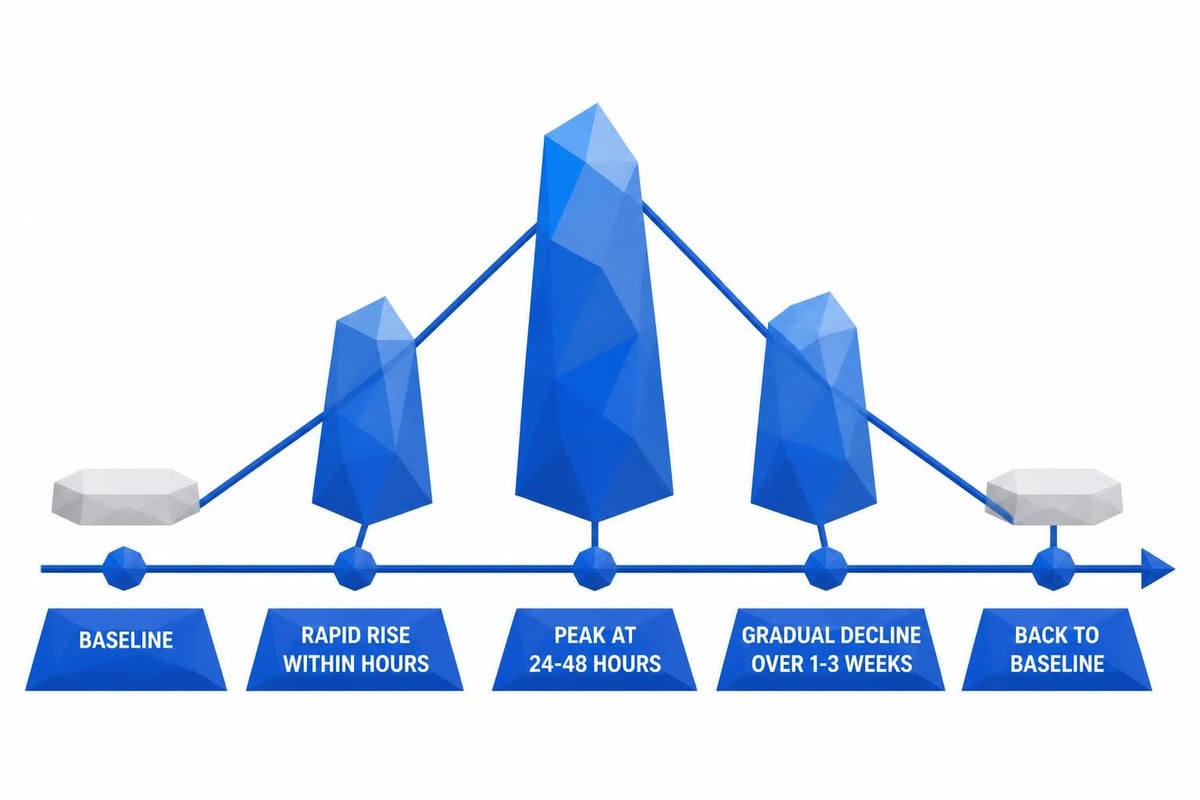
Bacterial infections typically cause hs-CRP to rise within 6-8 hours of symptom onset, peaking at 24-48 hours. Levels commonly reach 50-200 mg/L or higher with serious bacterial infections like pneumonia, urinary tract infections, or sepsis.
Viral infections also elevate hs-CRP, though generally to lower levels than bacterial infections (10-50 mg/L for most viral illnesses). Recent research highlighted in this 2024 review on infection and cardiovascular risk shows that even seemingly minor infections can have lasting cardiovascular effects.
Post-infection patterns show hs-CRP declining as infection resolves, typically returning to baseline within 2-3 weeks. Persistently elevated levels after infection resolution may indicate complications or an underlying chronic inflammatory condition.
Conditions That Raise hs-CRP Besides Heart Disease and Infection
Multiple other conditions elevate hs-CRP, complicating interpretation:
- Autoimmune diseases: Rheumatoid arthritis, lupus, inflammatory bowel disease
- Tissue injury: Recent surgery, trauma, burns
- Chronic inflammatory conditions: Obesity, metabolic syndrome, chronic kidney disease
- Cancer: Some malignancies produce inflammatory markers
- Medications: Hormone replacement therapy can raise hs-CRP
Recommended Panel
Inflammation Panel
Save $2Chronic inflammation is the hidden driver of heart disease, cancer, and accelerated aging. This panel measures the key markers that reveal whether silent inflammation is damaging your body.
Includes 17 biomarkers
$52
Fasting required
This complexity reinforces why context matters when interpreting results. Someone with rheumatoid arthritis will have elevated hs-CRP that doesn't necessarily indicate increased cardiovascular risk beyond what their underlying condition already confers.
Interpreting Your hs-CRP Results Correctly
Distinguishing hs-crp levels heart risk vs infection requires considering the clinical context, timing, symptoms, and trend over time rather than relying on a single value.
Key Questions for Interpretation
Are you currently sick or recently ill? If you have fever, cough, body aches, or other infection symptoms, any hs-CRP elevation likely reflects acute illness rather than cardiovascular risk. Wait until you've been symptom-free for at least two weeks before testing for cardiovascular assessment.
What is your hs-CRP trend? A single measurement provides limited information. Chronic cardiovascular inflammation shows stable, modest elevations over months to years. Acute infections cause rapid spikes and declines.
Do you have other inflammatory conditions? Autoimmune diseases, chronic infections, or ongoing tissue damage can maintain elevated hs-CRP independent of cardiovascular risk.
Decision Tree for hs-CRP Interpretation
| If hs-CRP is... | And you... | Most likely cause | Next steps |
|---|---|---|---|
| < 1 mg/L | Feel well | Low inflammation | Maintain healthy lifestyle |
| 1-3 mg/L | Feel well, no chronic disease | Moderate CV risk | Discuss prevention strategies |
| > 3 mg/L | Feel well, stable over time | High CV risk or chronic inflammation | Comprehensive CV assessment |
| > 10 mg/L | Have recent or current symptoms | Acute infection/inflammation | Investigate infection source |
| > 10 mg/L | Feel well | Either resolving infection or serious condition | Retest in 2 weeks; if still high, investigate |
When you're understanding lab results, remember that hs-CRP is just one piece of your health picture. It should always be interpreted alongside other cardiovascular risk factors, symptoms, and medical history.
Therapeutic Implications and Monitoring
The distinction between hs-crp levels heart risk vs infection directly affects treatment decisions and monitoring strategies.
Managing Elevated hs-CRP from Cardiovascular Risk
Lifestyle interventions effectively reduce chronic inflammatory hs-CRP elevations:
- Weight loss: Each 1 kg of weight loss in overweight individuals correlates with approximately 0.13 mg/L decrease in hs-CRP
- Exercise: Regular aerobic activity (150 minutes weekly) reduces hs-CRP by 15-30%
- Diet: Mediterranean diet, omega-3 fatty acids, and reduced processed foods lower inflammatory markers
- Smoking cessation: Quitting smoking reduces hs-CRP within weeks to months
Pharmacological interventions also impact hs-CRP. A comprehensive meta-analysis on lipid-lowering therapies and CRP demonstrates that statins reduce hs-CRP by approximately 15-40%, independent of their cholesterol-lowering effects. This anti-inflammatory action may explain part of statins' cardiovascular benefits.
Other medications with anti-inflammatory cardiovascular effects include:
- Aspirin: Reduces inflammation and platelet activation
- ACE inhibitors: Some evidence for anti-inflammatory effects
- Novel agents: Anti-inflammatory drugs like colchicine and canakinumab show promise in clinical trials
When to Retest hs-CRP
For cardiovascular risk assessment, retest after implementing lifestyle or medication interventions to assess response. Allow 8-12 weeks for interventions to affect hs-CRP levels.
After infection, wait a minimum of 2-3 weeks after symptom resolution before testing for cardiovascular purposes. Some infections may require longer intervals.
With unexplained elevation, repeat testing helps distinguish transient from persistent elevation. If hs-CRP remains elevated without explanation, investigate for underlying inflammatory conditions.

hs-CRP Testing Access and Practical Considerations
Getting hs-CRP testing has become more accessible as awareness of cardiovascular inflammation grows. Many people now choose to proactively monitor inflammatory markers as part of preventive health strategies.
Testing Options and Costs
Traditional healthcare routes require a doctor's order for hs-CRP testing, which may or may not be covered by insurance depending on your risk profile and insurance policy. Insurance coverage often requires specific indications like intermediate cardiovascular risk.
For those interested in labs without insurance, self-pay testing offers a straightforward alternative. Transparent pricing allows you to know costs upfront without navigating insurance complexity.
Typical hs-CRP test costs range from $15-50 when ordered directly through self-pay laboratory services. This affordable price point makes it accessible for baseline testing, follow-up monitoring, and situations where insurance may not cover the test.
Preparing for Your hs-CRP Test
Optimal testing conditions ensure accurate cardiovascular risk assessment:
- Schedule when you're healthy, not during or immediately after illness
- Fast for 9-12 hours before testing (though not always required)
- Avoid strenuous exercise for 24 hours before testing
- Inform the lab about any medications, supplements, or health conditions
Timing considerations matter significantly for the hs-crp levels heart risk vs infection distinction. If you've had recent dental work, minor surgery, or even vigorous exercise, these can temporarily elevate hs-CRP and skew cardiovascular interpretation.
Emerging Research and Future Directions
The relationship between inflammation, infection, and cardiovascular disease continues to evolve as research uncovers new connections.
Infections and Long-Term Cardiovascular Risk
Recent evidence shows that infections don't just acutely elevate hs-CRP but may increase cardiovascular risk for months or even years afterward. The mechanisms include:
- Persistent low-grade inflammation following infection resolution
- Immune system activation that promotes atherosclerosis
- Platelet activation increasing clot formation risk
- Endothelial dysfunction damaging blood vessel walls
This connection between acute infections and long-term cardiovascular consequences has gained attention following COVID-19, where survivors show increased heart attack and stroke risk months after infection.
Personalized Medicine Applications
Future applications may include:
- Genetic profiling to identify people whose hs-CRP levels predict cardiovascular risk most strongly
- Combined biomarker panels using hs-CRP alongside other inflammatory markers for refined risk assessment
- Targeted anti-inflammatory therapies for people with elevated hs-CRP despite optimal standard treatments
The field is moving toward understanding not just whether hs-CRP is elevated, but why it's elevated at the molecular level, enabling more precise interventions.
Key Takeaways
Understanding hs-crp levels heart risk vs infection empowers you to use this valuable biomarker correctly. Chronic modest elevations (1-10 mg/L) in healthy individuals signal cardiovascular risk and guide prevention strategies, while dramatic spikes (>10 mg/L) typically indicate acute infection or tissue injury.
Context determines meaning: Always interpret hs-CRP alongside your symptoms, recent health events, and other cardiovascular risk factors. A value of 5 mg/L means something entirely different when you have pneumonia versus when you're feeling well during a routine health screening.
Timing is everything for cardiovascular risk assessment. Test when you're healthy, at least 2-3 weeks after any infection or injury, to get meaningful information about chronic inflammatory cardiovascular risk.
Both causes matter for health: While this article distinguishes between cardiovascular and infection-related hs-CRP elevations, remember that infections themselves can trigger cardiovascular events and contribute to long-term heart disease risk, creating important connections between these seemingly separate causes.
The actionable insight is that hs-CRP provides valuable information for cardiovascular prevention when tested and interpreted correctly, but loses predictive value when confounded by acute illness.
FAQ
What is a normal hs-CRP level for heart health?
For cardiovascular risk assessment, optimal hs-CRP levels are below 1.0 mg/L. Levels between 1.0-3.0 mg/L indicate moderate cardiovascular risk, while levels above 3.0 mg/L suggest high risk. These categories apply only when you're healthy and free from infections, injuries, or acute inflammatory conditions that would artificially elevate results.
Can a cold or flu affect my hs-CRP test?
Yes, absolutely. Even minor viral infections like colds and flu significantly elevate hs-CRP levels, typically to 10-50 mg/L or higher during active illness. These acute elevations make cardiovascular risk interpretation impossible. Always wait at least 2-3 weeks after complete symptom resolution before testing hs-CRP for heart disease risk assessment to ensure accurate baseline values.
How long after an infection will my hs-CRP stay elevated?
hs-CRP typically returns to baseline within 2-3 weeks after infection resolution in most cases. Bacterial infections may take slightly longer than viral infections to normalize. If hs-CRP remains elevated beyond three weeks after symptoms resolve, this may indicate incomplete recovery, a new infection, or an underlying chronic inflammatory condition requiring investigation.
Should I test hs-CRP if I already have heart disease?
hs-CRP is most valuable for risk prediction in people without known cardiovascular disease. If you already have diagnosed heart disease, your treatment focuses on established therapies (medications, lifestyle changes) rather than risk prediction. However, some cardiologists use hs-CRP to monitor treatment response or guide therapy intensification in specific situations.
Can lifestyle changes lower my hs-CRP levels?
Yes, lifestyle modifications effectively reduce chronic inflammatory hs-CRP elevations. Weight loss, regular exercise (150 minutes weekly), Mediterranean diet, omega-3 supplementation, smoking cessation, and stress reduction all demonstrate hs-CRP-lowering effects. Changes typically require 8-12 weeks to fully manifest in hs-CRP levels, so patience and consistency matter more than rapid interventions.
Is hs-CRP the same as regular CRP testing?
hs-CRP and standard CRP measure the same protein but with different sensitivity ranges. Standard CRP tests detect levels from 10-1,000 mg/L and are used for diagnosing infections and inflammatory diseases. hs-CRP accurately measures lower concentrations (0.5-10 mg/L) needed for cardiovascular risk assessment. Make sure you request the high-sensitivity version when testing for heart disease risk.
What other tests should I get along with hs-CRP for heart health?
Comprehensive cardiovascular assessment includes lipid panel (total cholesterol, LDL, HDL, triglycerides), blood glucose or hemoglobin A1c, blood pressure measurement, and potentially lipoprotein(a) or apolipoprotein B. These tests together provide a complete picture of cardiovascular risk. You can compare pricing for comprehensive panels when exploring your lab test options.
Can medications affect my hs-CRP levels?
Yes, several medications influence hs-CRP. Statins reduce hs-CRP by 15-40% independent of cholesterol lowering. Aspirin, certain blood pressure medications, and diabetes medications may also lower inflammatory markers. Conversely, hormone replacement therapy and some immunosuppressants can raise hs-CRP. Always inform your healthcare provider about all medications when interpreting results.
Understanding hs-crp levels heart risk vs infection helps you use this powerful biomarker appropriately for cardiovascular prevention while avoiding misinterpretation during illness. Testing when healthy provides actionable insights about chronic inflammation and heart disease risk that can guide meaningful lifestyle changes and treatment decisions. If you're ready to take control of your cardiovascular health with transparent, affordable testing, JustLabs offers convenient access to hs-CRP and comprehensive heart health panels with results in 1-3 days, no insurance or doctor's visit required.