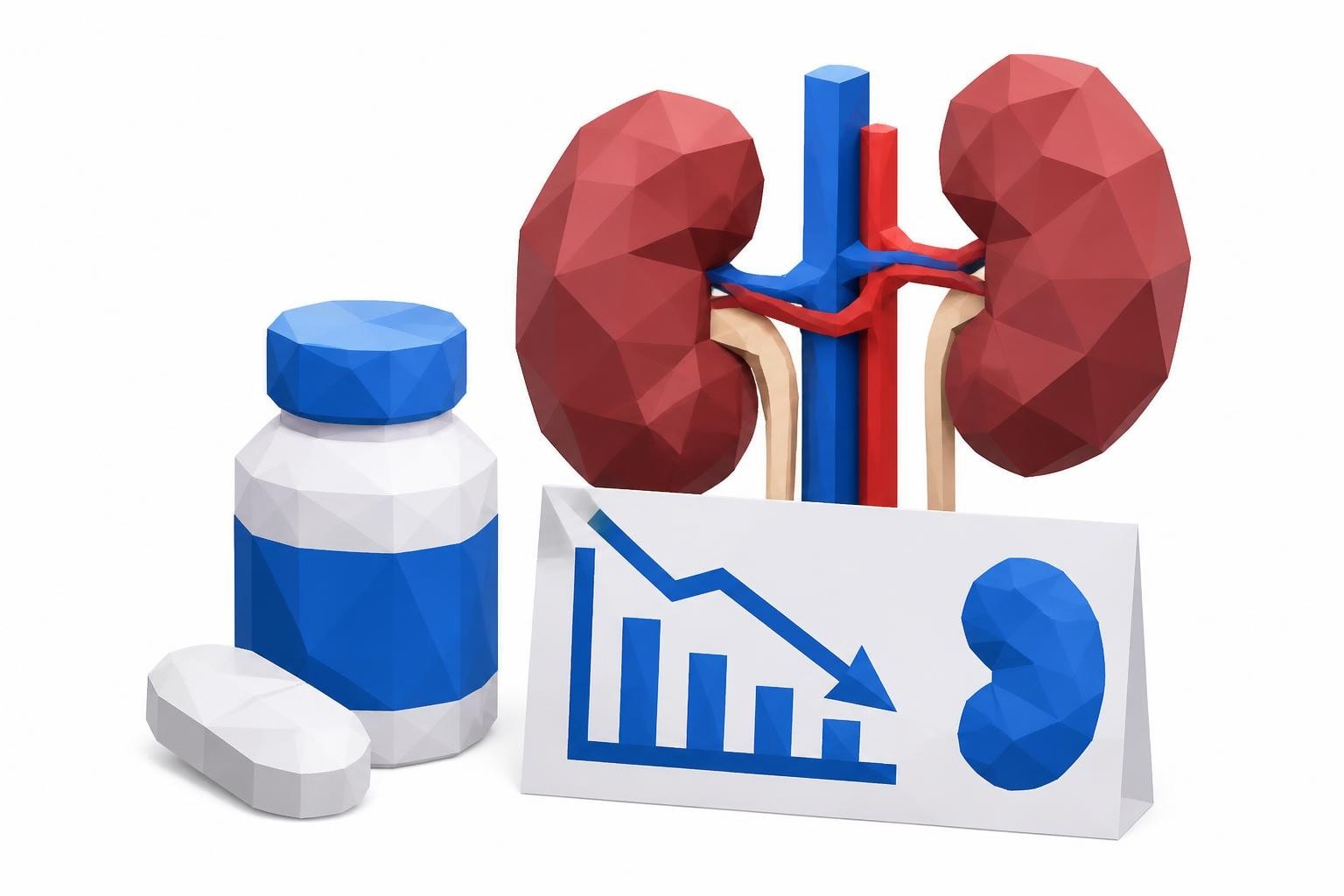
If you're taking ibuprofen regularly and planning to get kidney function tests, you might wonder whether this common pain reliever could alter your results. The short answer is yes: ibuprofen can indeed affect your kidney function results, sometimes significantly. Understanding this relationship is crucial for anyone who relies on over-the-counter pain relief and wants accurate insight into their kidney health.
Big picture
- Ibuprofen and other NSAIDs temporarily reduce kidney blood flow, which can elevate creatinine levels and lower your estimated glomerular filtration rate (eGFR) even when no permanent damage has occurred
- Your kidney function tests measure how well your kidneys filter waste, primarily through creatinine and eGFR values-medications like ibuprofen can make these numbers look worse than they actually are
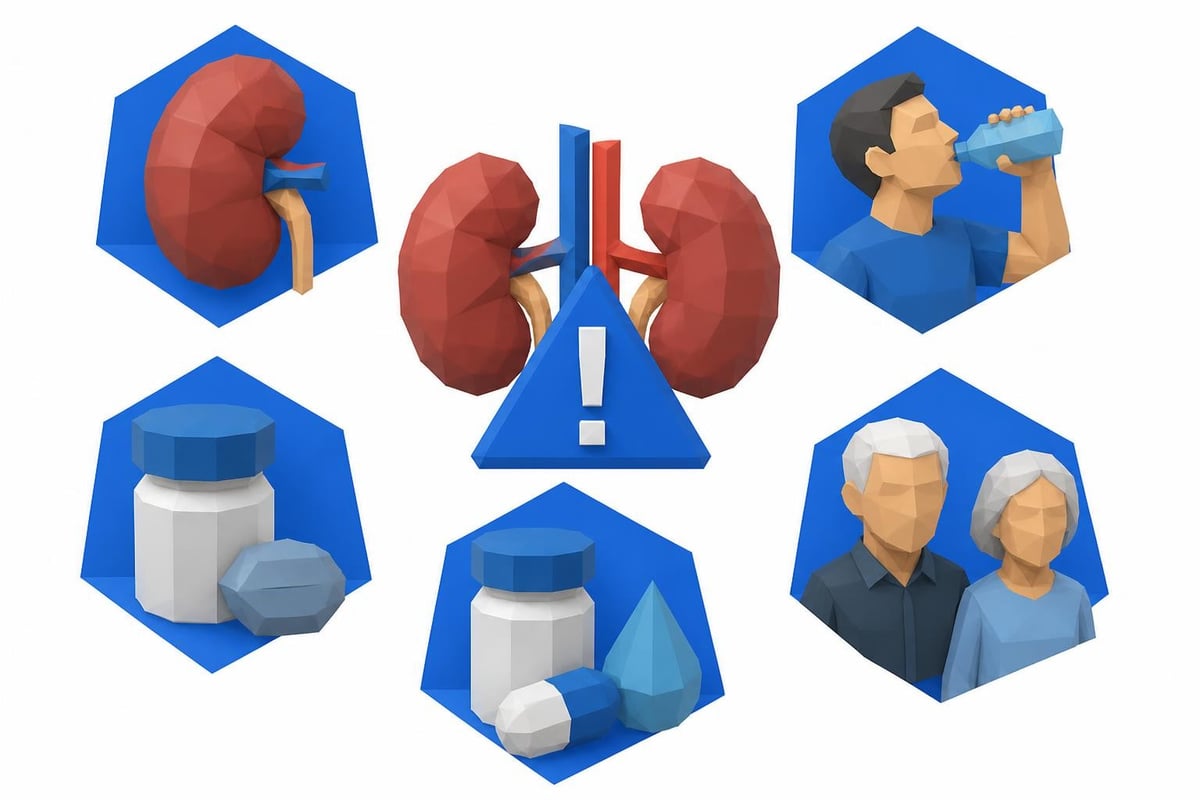
- People with existing kidney disease, dehydration, or who take multiple medications face higher risks of both temporary test changes and actual kidney damage from ibuprofen use
- Timing matters: stopping ibuprofen 48-72 hours before kidney function testing can provide more accurate baseline results, though you should consult with a healthcare provider first
- If you need regular kidney monitoring, ordering lab tests without a doctor visit can help you track changes more frequently and catch potential issues early
How Ibuprofen Affects Kidney Physiology
Ibuprofen belongs to a class of medications called nonsteroidal anti-inflammatory drugs (NSAIDs). These medications work by blocking cyclooxygenase (COX) enzymes, which reduces inflammation and pain but also affects kidney function in predictable ways.
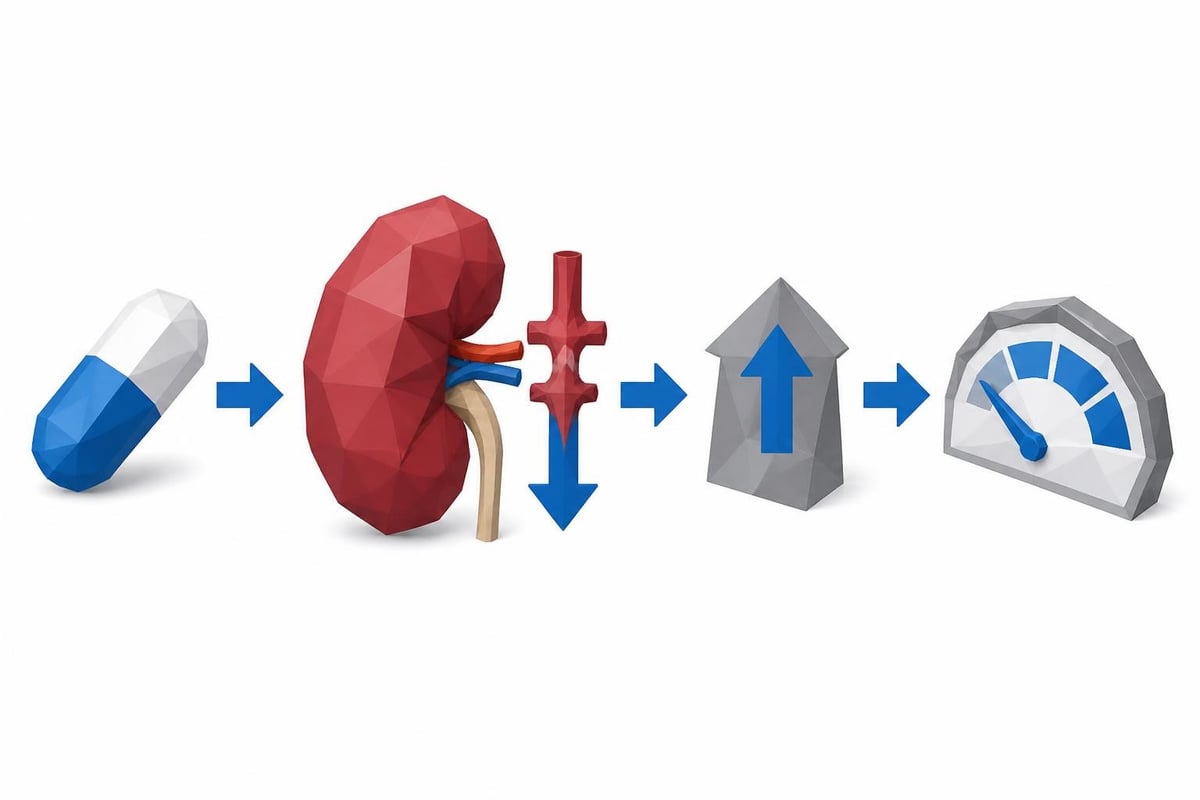
Your kidneys rely on prostaglandins-chemical messengers that COX enzymes help produce-to regulate blood flow. When you take ibuprofen, it blocks these prostaglandins, causing the blood vessels in your kidneys to constrict slightly. This reduced blood flow means your kidneys filter less blood per minute, which shows up as changes in your test results.
The Creatinine-GFR Connection
Understanding how ibuprofen affects your kidney function results requires knowing what these tests actually measure:
| Test | What It Measures | Normal Range | How Ibuprofen Affects It |
|---|---|---|---|
| Serum Creatinine | Waste product from muscle metabolism | 0.7-1.3 mg/dL | Increases due to reduced kidney filtering |
| eGFR | Estimated kidney filtering rate | >90 mL/min/1.73m² | Decreases as creatinine rises |
| BUN | Blood urea nitrogen waste product | 7-20 mg/dL | May increase with reduced kidney function |
| BUN/Creatinine Ratio | Relationship between two waste products | 10:1 to 20:1 | Can become elevated |
The clinical overview of NSAID nephrotoxicity explains that these changes often reflect temporary functional alterations rather than structural kidney damage, particularly in people with normal baseline kidney function.
Does Ibuprofen Affect Your Kidney Function Results Temporarily or Permanently?
This distinction is critical. For most healthy adults taking occasional ibuprofen, the effects on kidney function results are temporary and reversible. Research published in systematic reviews of NSAID renal effects shows that creatinine typically returns to baseline within several days of stopping the medication.
However, certain circumstances increase the risk of lasting changes:
- Chronic daily use for weeks or months
- High doses exceeding recommended limits (typically >1200 mg daily)
- Dehydration reducing kidney blood flow further
- Pre-existing kidney disease limiting functional reserve
- Advanced age (over 65) with naturally declining kidney function
- Combination with other medications like ACE inhibitors or diuretics
When Test Changes Signal Real Problems
According to the KDIGO guidelines for chronic kidney disease evaluation, you should be particularly concerned if your kidney function results show:
- Creatinine increase >0.3 mg/dL within 48 hours of starting ibuprofen
- eGFR drop >25% from your baseline
- Persistent elevation that doesn't improve after stopping the medication
- Accompanying symptoms like decreased urination, swelling, or fatigue
Understanding Your Kidney Function Test Results While Taking Ibuprofen
When you receive kidney function results and you've been taking ibuprofen, context matters enormously. A slightly elevated creatinine doesn't automatically mean kidney damage if you took ibuprofen within the past few days.
The NHS guidance on ibuprofen recommends informing your healthcare provider about all medications before testing, as this helps interpret results accurately.
Interpreting Changes in Context
Consider these scenarios:
Scenario A: Your creatinine rises from 0.9 to 1.2 mg/dL, and your eGFR drops from 95 to 78 mL/min/1.73m². You've been taking 600mg ibuprofen three times daily for back pain over the past week.
Interpretation: This likely represents functional, reversible changes. Stopping ibuprofen and retesting in one week would help clarify whether this represents true kidney dysfunction.
Scenario B: Your creatinine gradually increases from 1.1 to 1.5 mg/dL over three months while taking occasional ibuprofen (twice weekly).
Interpretation: This pattern suggests something beyond simple NSAID effects. Further investigation for underlying kidney disease would be warranted.
Just as understanding normal versus optimal lab ranges helps interpret many health markers, recognizing medication effects helps you understand kidney test variations.
Risk Factors That Amplify Ibuprofen's Effects on Results
Not everyone experiences the same degree of change in kidney function results from ibuprofen. Several risk factors intensify the medication's impact:
Patient-Specific Factors
- Existing kidney disease: Even mild chronic kidney disease (CKD stage 2-3) makes kidneys more vulnerable to NSAID effects
- Diabetes: Diabetic kidney disease combined with ibuprofen creates additive risks
- Heart failure: Reduced cardiac output already limits kidney blood flow
- Cirrhosis: Liver disease affects fluid balance and kidney perfusion
- Volume depletion: Vomiting, diarrhea, or inadequate fluid intake magnify effects
Medication Interactions
Does ibuprofen affect your kidney function results more when combined with other drugs? Absolutely. The following combinations deserve special attention:
| Medication Class | Examples | Why It Matters |
|---|---|---|
| ACE Inhibitors | Lisinopril, enalapril | Both reduce kidney blood flow through different mechanisms |
| ARBs | Losartan, valsartan | Similar effects to ACE inhibitors |
| Diuretics | Furosemide, hydrochlorothiazide | Can cause volume depletion, reducing kidney perfusion |
| Other NSAIDs | Naproxen, aspirin (high-dose) | Additive COX inhibition |
| Calcineurin Inhibitors | Cyclosporine, tacrolimus | Direct kidney toxicity plus NSAID effects |
The National Kidney Foundation's guidance on safe medicine use provides detailed information about these interactions for people with reduced kidney function.
Testing Strategies When You Take Ibuprofen
If you need kidney function testing and regularly take ibuprofen, several strategies can help ensure accurate results:
Before Your Test
- Inform the testing facility about all medications, including over-the-counter drugs
- Discuss timing with your provider: Some recommend stopping ibuprofen 2-3 days before testing when medically appropriate
- Stay well-hydrated in the 24 hours before your test
- Avoid excessive protein intake the night before, as this can temporarily elevate creatinine
- Note your ibuprofen dosage and timing for accurate result interpretation
Testing Options Without Insurance Hassles
Traditional testing through insurance often requires doctor visits and can involve delays. Labs without insurance through services like Justlabs allow you to monitor kidney function more frequently, which is particularly valuable if you use ibuprofen regularly and want to track trends over time.
Follow-Up Testing Protocol
If initial results show concerning changes while taking ibuprofen:
- Retest after 7-14 days off the medication (if medically safe to stop)
- Add urine tests like microalbumin or protein-to-creatinine ratio for additional information
- Monitor trends rather than focusing on single values
- Consider cystatin C as an alternative marker less affected by muscle mass and some medications
Evidence From Clinical Research
What does the research say about whether ibuprofen affects your kidney function results? A Cochrane evidence review examined this question in patients with normal baseline kidney function.
The findings showed that NSAIDs produced small increases in serum creatinine (average 0.1-0.2 mg/dL) and modest decreases in GFR in the short term. However, these changes were typically reversible and clinically insignificant in healthy individuals using the medications for limited periods.
Long-Term Use Concerns
Extended studies paint a more nuanced picture. People taking ibuprofen daily for months or years show:
- Higher rates of chronic kidney disease development compared to non-users
- Dose-dependent effects, with higher daily doses carrying greater risk
- Greater impact in vulnerable populations including older adults and those with diabetes
The FDA medical review documents for ibuprofen include clinical study data showing laboratory changes including creatinine elevations in 1-3% of users during controlled trials.
Practical Recommendations for Ibuprofen Users
If you regularly take ibuprofen and care about accurate kidney function monitoring, consider these evidence-based approaches:
Dosing Guidelines
- Use the lowest effective dose for the shortest duration needed
- Don't exceed 1200 mg daily without medical supervision (over-the-counter maximum)
- Take with food and water to support kidney blood flow
- Avoid combining multiple NSAIDs simultaneously
Monitoring Schedule
People taking ibuprofen regularly should establish a kidney function monitoring plan:
Low-risk individuals (healthy, under 50, occasional use):
- Baseline kidney function tests
- Repeat annually or if usage increases
Moderate-risk individuals (over 60, daily use, one risk factor):
- Baseline tests
- Repeat every 6 months
- Consider alternatives to daily NSAIDs
High-risk individuals (existing kidney disease, multiple risk factors):
- Baseline comprehensive metabolic panel
- Repeat every 3 months during NSAID use
- Strong consideration for NSAID alternatives
The NIH guidance on keeping kidneys safe emphasizes that people with kidney disease should generally avoid NSAIDs entirely or use them only under close medical supervision.

Alternative Pain Management Strategies
Given that ibuprofen can affect your kidney function results and potentially cause kidney damage with prolonged use, exploring alternatives makes sense for many people:
Medication Alternatives
- Acetaminophen (Tylenol): Doesn't affect kidney function through the same mechanisms, though liver function requires monitoring at high doses
- Topical NSAIDs: Creams or gels provide localized relief with minimal systemic absorption and less kidney impact
- COX-2 selective inhibitors: May have slightly different kidney effects, though still require caution
- Prescription pain medications: For severe pain requiring extended treatment
Non-Medication Approaches
- Physical therapy and targeted exercises
- Heat and cold therapy
- Acupuncture or massage
- Weight management to reduce joint stress
- Anti-inflammatory dietary changes
When to Seek Medical Attention
Certain signs suggest that ibuprofen is significantly affecting your kidneys beyond just test number changes:
Immediate concern warranted:
- Decreased urine output (less than usual for 12+ hours)
- Swelling in legs, ankles, or face
- Persistent nausea or vomiting
- Confusion or difficulty concentrating
- Shortness of breath
Schedule evaluation soon:
- Persistent elevation in creatinine after stopping ibuprofen
- New foamy or dark-colored urine
- Unexplained fatigue worsening over days
- Blood pressure increases while taking ibuprofen
Key takeaways
Understanding whether ibuprofen affects your kidney function results requires recognizing both the medication's mechanism and your individual risk factors. For most healthy adults, occasional ibuprofen use causes temporary, reversible changes in creatinine and eGFR that return to baseline within days of stopping the medication. However, people with existing kidney disease, those taking certain other medications, older adults, and anyone using high doses for extended periods face higher risks of both test alterations and actual kidney damage.
The key to safe ibuprofen use lies in appropriate dosing, adequate hydration, awareness of drug interactions, and regular kidney function monitoring when risk factors exist. When you need testing, timing matters-stopping ibuprofen several days before tests (when medically appropriate) provides more accurate baseline results. Always inform healthcare providers and testing facilities about all medications, including over-the-counter drugs like ibuprofen, to ensure proper result interpretation.
Recommended Panel
Complete Metabolic Health Panel
Save $3.5This comprehensive panel evaluates all aspects of metabolic health: organ function, cholesterol, blood sugar, insulin resistance, and inflammation - the key drivers of chronic disease.
Includes 26 biomarkers
$50
Fasting required
FAQ
How long does it take for kidney function to return to normal after stopping ibuprofen?
In people without underlying kidney disease, creatinine levels typically normalize within 3-7 days after stopping ibuprofen, though this can vary based on the duration of use, dosage, and individual factors. Most studies show that reversible functional changes resolve within one week, while structural damage from prolonged high-dose use may take longer or be permanent.
Can I take ibuprofen the night before a kidney function test?
Taking ibuprofen the night before kidney function testing can elevate your creatinine and lower your eGFR results, potentially suggesting worse kidney function than actually exists. For the most accurate baseline results, many healthcare providers recommend avoiding ibuprofen for 48-72 hours before testing when medically safe to do so.
What creatinine level indicates kidney damage from ibuprofen?
There's no single creatinine level that definitively indicates ibuprofen-related kidney damage, as baseline values vary by age, sex, and muscle mass. However, an acute increase of 0.3 mg/dL or more within 48 hours, or a rise of 50% or greater from baseline, suggests acute kidney injury that may be NSAID-related and warrants immediate medical attention.
Is it safe to take ibuprofen with a creatinine of 1.5?
A creatinine of 1.5 mg/dL suggests reduced kidney function (typically eGFR 40-60 mL/min/1.73m² depending on age and sex), and ibuprofen use in this situation carries increased risk. People with this level of kidney function should generally avoid regular NSAID use or take them only under close medical supervision with frequent monitoring, as recommended by kidney disease management guidelines.
Does ibuprofen affect cystatin C kidney tests?
Ibuprofen has less direct effect on cystatin C levels compared to creatinine, making cystatin C-based eGFR potentially more accurate for assessing true kidney function in NSAID users. However, the underlying reduction in kidney blood flow from ibuprofen can still affect actual kidney filtering regardless of which marker is measured.
How much ibuprofen is safe for your kidneys long-term?
No amount of daily ibuprofen is considered entirely safe for long-term use without medical supervision, as chronic NSAID use increases kidney disease risk even at recommended doses. For people who must use ibuprofen regularly, staying at or below 800-1200 mg daily, maintaining excellent hydration, and undergoing kidney function monitoring every 3-6 months helps minimize risk.
Can occasional ibuprofen use cause permanent kidney damage?
Occasional ibuprofen use (a few times per month) at recommended doses poses minimal risk of permanent kidney damage in healthy individuals with normal baseline kidney function. The risk increases substantially with daily use, higher doses, dehydration, or the presence of risk factors like diabetes, heart disease, or existing kidney disease.
Should I stop taking ibuprofen if my eGFR is low?
If your eGFR indicates stage 3 chronic kidney disease (eGFR 30-59 mL/min/1.73m²) or worse, you should discuss NSAID use carefully with your healthcare provider, as these medications can accelerate kidney function decline. Many nephrologists recommend avoiding NSAIDs entirely at this level of kidney function or reserving them for very limited use only when alternatives have failed.
Taking ibuprofen can temporarily alter your kidney function test results, and understanding this relationship helps you make informed decisions about pain management and health monitoring. Whether you're managing chronic pain or checking occasional symptoms, knowing when and how to test provides valuable insight into your kidney health. Justlabs makes it easy to monitor your kidney function with convenient, affordable testing that delivers results in 1-3 days-no doctor visit required. By tracking your creatinine, eGFR, and other kidney markers over time, you can spot concerning trends early and make medication adjustments before problems develop.