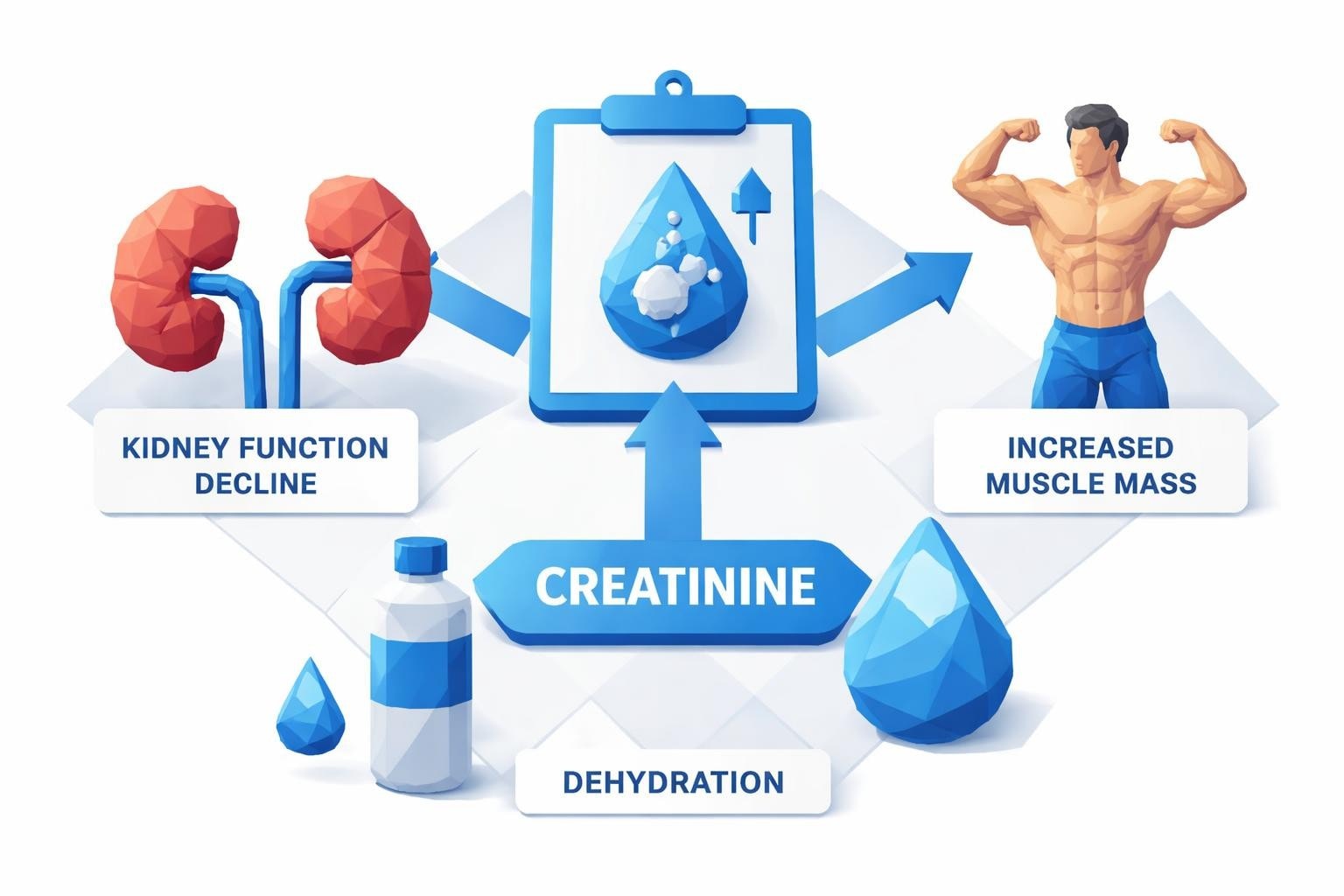
When your lab results show elevated creatinine levels, the immediate concern often jumps to kidney disease. However, this single biomarker tells a more complex story than many people realize. Understanding whether high creatinine signals a genuine health concern or reflects normal physiological variation requires examining multiple factors, from your hydration status to your workout routine.
What Creatinine Reveals About Your Body
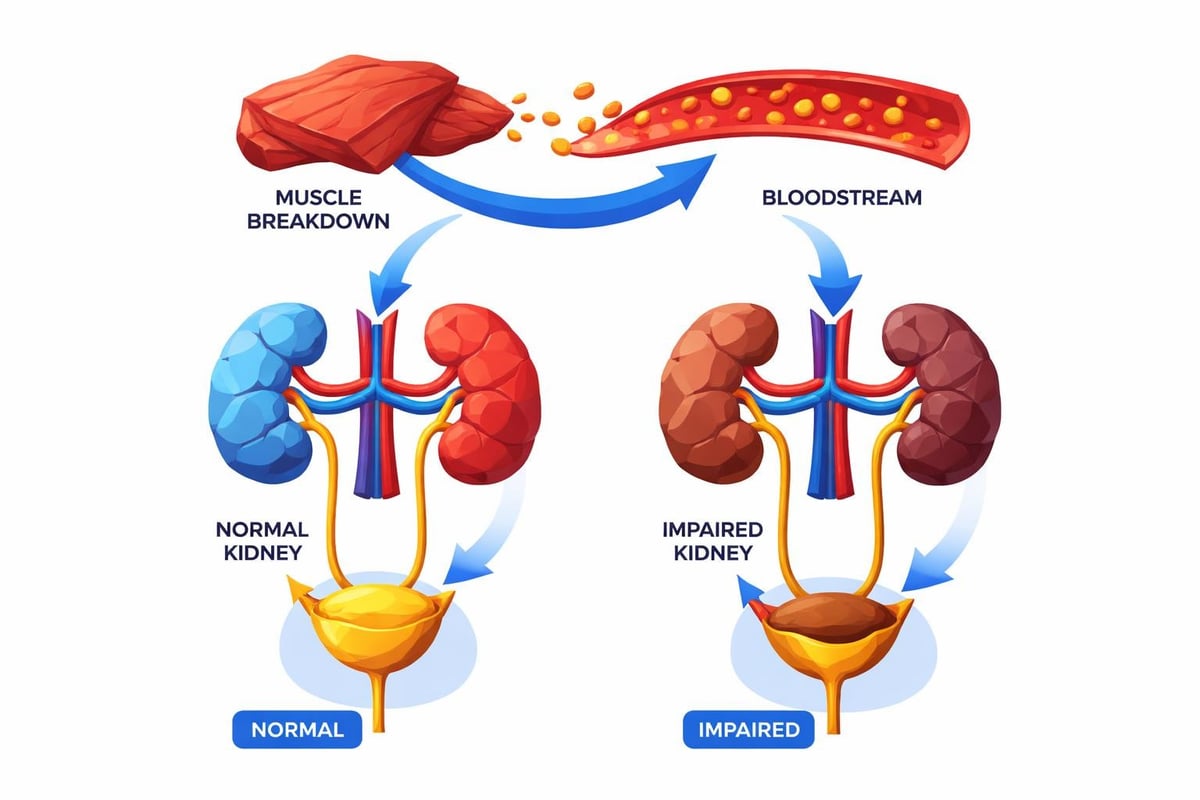
Creatinine is a waste product generated by normal muscle metabolism. Your muscles continuously break down creatine phosphate, an energy storage molecule, producing creatinine as a byproduct. This substance travels through your bloodstream to your kidneys, where healthy organs filter it out and excrete it through urine.
The amount of creatinine in your blood reflects two primary factors: how much your muscles produce and how efficiently your kidneys remove it. Understanding creatinine levels helps healthcare providers assess kidney function because damaged kidneys cannot filter waste products effectively.
Normal Ranges and What They Mean
Standard creatinine reference ranges vary by several factors:
- Adult men: 0.74 to 1.35 mg/dL
- Adult women: 0.59 to 1.04 mg/dL
- Children: 0.3 to 0.7 mg/dL
- Elderly individuals: May have lower ranges due to decreased muscle mass
These ranges represent averages, but individual baselines can differ significantly. A bodybuilder with substantial muscle mass might naturally have higher creatinine levels than someone with a sedentary lifestyle, even when both have perfectly healthy kidneys.
The Kidney Health Connection
Elevated creatinine often serves as an early warning sign of compromised kidney function. When kidneys sustain damage from disease, infection, or chronic conditions, their filtration capacity diminishes. This reduction allows creatinine to accumulate in the bloodstream rather than being efficiently removed.
Kidney-related causes of high creatinine include:
- Chronic kidney disease (CKD)
- Acute kidney injury
- Glomerulonephritis (kidney inflammation)
- Kidney infections (pyelonephritis)
- Urinary tract obstructions
- Reduced blood flow to kidneys
The relationship between high creatinine levels and chronic kidney disease becomes particularly important for individuals with diabetes, hypertension, or family history of kidney problems. These conditions progressively damage the delicate filtering units called nephrons.
Understanding eGFR Measurements
Healthcare providers rarely evaluate creatinine in isolation. They calculate estimated glomerular filtration rate (eGFR) using creatinine levels combined with age, sex, and race. This calculation provides a more accurate picture of kidney function than creatinine alone.
| eGFR Stage | Function Level | eGFR Value | Kidney Health Status |
|---|---|---|---|
| Stage 1 | Normal | 90+ | Minimal damage if any |
| Stage 2 | Mild decrease | 60-89 | Mild reduction |
| Stage 3 | Moderate decrease | 30-59 | Moderate damage |
| Stage 4 | Severe decrease | 15-29 | Severe impairment |
| Stage 5 | Kidney failure | <15 | Dialysis may be needed |
The factors affecting eGFR accuracy demonstrate why comprehensive evaluation matters more than single test results.
The Muscle Mass Factor
Athletes, bodybuilders, and individuals with naturally high muscle mass frequently show elevated creatinine levels without any kidney dysfunction. Larger muscle volume produces more creatine breakdown, generating higher baseline creatinine production.
A 220-pound competitive athlete might have creatinine levels reaching 1.5 mg/dL or higher while maintaining completely normal kidney function. This elevation reflects increased production rather than decreased filtration. Traditional reference ranges fail to account for this physiological variation.
Muscle-related factors affecting creatinine:
- Total muscle mass and body composition
- Recent resistance training or intense exercise
- Protein intake and dietary supplements
- Creatine supplementation for athletic performance
- Age-related muscle mass changes
When ordering labs without insurance, individuals with high muscle mass should discuss their athletic activities and body composition with healthcare providers to interpret results accurately.

Dehydration and Temporary Elevation
Dehydration represents one of the most common yet overlooked causes of temporarily elevated creatinine. When your body lacks adequate fluid, blood volume decreases, reducing kidney blood flow. This reduction temporarily impairs filtration efficiency, causing creatinine to rise.
How Dehydration Affects Test Results
Mild to moderate dehydration can elevate creatinine by 10-20% or more. This increase doesn't indicate kidney damage but rather reflects temporary physiological stress. Once proper hydration restores, creatinine levels typically normalize within 24-48 hours.
Common dehydration scenarios affecting creatinine:
- Testing after overnight fasting without water
- Intense exercise without adequate fluid replacement
- Hot weather exposure with insufficient hydration
- Illness causing vomiting or diarrhea
- Diuretic medication use
Healthcare providers often recommend retesting after ensuring proper hydration before drawing conclusions about kidney function. Understanding when to worry about creatinine levels involves considering hydration status and timing.
Medications and Dietary Influences
Certain medications and dietary choices can temporarily elevate creatinine without indicating kidney damage. These factors interfere with creatinine measurement or temporarily affect kidney function in reversible ways.
Medications That Raise Creatinine
| Medication Class | Examples | Mechanism |
|---|---|---|
| Antibiotics | Trimethoprim, Cephalosporins | Interfere with creatinine secretion |
| Blood Pressure Drugs | ACE inhibitors, ARBs | Reduce kidney blood flow initially |
| NSAIDs | Ibuprofen, Naproxen | Decrease kidney blood flow |
| H2 Blockers | Cimetidine, Ranitidine | Block creatinine secretion |
These medications may cause creatinine elevation without actual kidney impairment. Discussing your medication list before testing provides essential context for result interpretation.
Dietary Considerations
High protein intake, particularly from red meat consumed within 24 hours before testing, can temporarily increase creatinine levels. Cooked meat contains creatinine that your digestive system absorbs, adding to endogenous production.
Dietary factors to consider:
- Red meat consumption timing
- Protein supplement intake
- Creatine supplementation for fitness
- Overall protein percentage in diet
Multiple Tests Provide Better Insight
A single elevated creatinine result rarely provides definitive answers. Healthcare providers typically recommend retesting after addressing temporary factors like hydration and recent dietary intake.
Lab test turnaround times vary, but modern testing facilities deliver results quickly, allowing for prompt follow-up when needed. Serial testing over weeks or months reveals trends more valuable than isolated measurements.
Comprehensive Kidney Function Panels
Complete kidney assessment typically includes:
- Serum creatinine measurement
- Blood urea nitrogen (BUN)
- Electrolyte levels (sodium, potassium)
- Urinalysis for protein and blood
- Albumin-to-creatinine ratio
- Cystatin C (sometimes)
This comprehensive approach distinguishes temporary elevations from genuine kidney dysfunction. The ability to order labs without a doctor makes proactive monitoring more accessible for individuals tracking their kidney health.
Recommended Test
Renal Function Panel
A comprehensive 11-biomarker panel that evaluates kidney health by measuring waste filtration, electrolyte balance, and mineral levels.
Includes 11 biomarkers
$11
Recommended Test
Cystatin C with eGFR
Cystatin C is a superior marker for kidney function that provides more accurate results than creatinine, especially for people with unusual muscle mass or those needing precise kidney assessment.
Includes 2 biomarkers
$26

Symptoms Warranting Immediate Attention
While isolated high creatinine often lacks symptoms, certain warning signs suggest significant kidney dysfunction requiring urgent evaluation. High creatinine symptoms can manifest when kidney function severely deteriorates.
Concerning symptoms to monitor:
- Persistent fatigue and weakness
- Swelling in legs, ankles, or face
- Decreased urine output or changes in urine color
- Shortness of breath
- Confusion or difficulty concentrating
- Chest pain or pressure
- Nausea and vomiting
- Persistent itching
These symptoms combined with elevated creatinine warrant immediate medical evaluation rather than waiting for scheduled follow-up testing.
Risk Factors for Kidney Disease
Understanding your personal risk factors helps contextualize what elevated creatinine might mean for your specific situation. Some individuals require more vigilant monitoring due to predisposing conditions.
High-Risk Populations
Individuals at increased kidney disease risk include:
- People with diabetes (type 1 or 2)
- Those with hypertension (high blood pressure)
- Individuals with family history of kidney disease
- Adults over age 60
- People with cardiovascular disease
- Those with obesity
- Individuals with autoimmune conditions
- People with recurring urinary tract infections
These risk factors don't guarantee kidney problems, but they justify regular monitoring and prompt investigation of elevated creatinine levels. Accessible testing through services allowing you to order labs without insurance barriers facilitates proactive health management.
When to Retest and Monitor
Determining appropriate retesting intervals depends on your initial creatinine level, symptoms, risk factors, and clinical context. Not every elevation requires immediate panic or extensive workup.
Retest Recommendations by Scenario
| Scenario | Recommended Action | Timeframe |
|---|---|---|
| First mild elevation, no symptoms | Retest after hydration | 1-2 weeks |
| Athletic individual, mild elevation | Retest during rest period | 2-4 weeks |
| Moderate elevation, no risk factors | Comprehensive kidney panel | 3-7 days |
| Elevation with risk factors | Full evaluation and imaging | Immediate |
| Severe elevation or symptoms | Emergency medical care | Same day |
These guidelines provide general direction, but individual circumstances vary. Healthcare providers tailor monitoring strategies to personal health profiles.
Preventing and Managing High Creatinine
For individuals with genuinely elevated creatinine due to kidney concerns, lifestyle modifications can slow progression and sometimes improve function. Prevention strategies also benefit those at risk.
Kidney-protective lifestyle strategies include:
- Maintaining optimal blood pressure below 130/80 mmHg
- Managing blood sugar levels if diabetic
- Limiting NSAID use for pain management
- Staying well-hydrated with adequate water intake
- Reducing sodium intake to under 2,300 mg daily
- Following a balanced diet without excessive protein
- Engaging in regular moderate exercise
- Avoiding smoking and excessive alcohol
- Managing stress through proven techniques
These interventions address modifiable risk factors while supporting overall kidney health. Regular monitoring tracks whether these changes positively impact creatinine levels over time.
The Value of Accessible Testing
Understanding what drives your specific creatinine elevation requires testing availability and affordability. Traditional healthcare models often create barriers through insurance requirements, referral delays, and high costs that discourage proactive monitoring.
Modern self-pay laboratory services eliminate these obstacles. When you can access testing without navigating insurance complexities or waiting for doctor appointments, you gain control over your health monitoring timeline. Quick result turnaround allows for prompt retesting when addressing temporary factors like hydration or dietary influences.
Transparent pricing removes the anxiety of unexpected medical bills, making regular monitoring financially feasible for those managing chronic conditions or monitoring risk factors. This accessibility proves particularly valuable for athletes and fitness enthusiasts tracking how their training affects biomarkers.
Making Informed Decisions About Your Results
High creatinine rarely tells a simple story. The biomarker reflects complex interactions between muscle metabolism, kidney function, hydration status, medications, and dietary factors. Jumping to worst-case conclusions after one elevated result creates unnecessary anxiety.
Approach elevated creatinine systematically:
- Consider recent physical activity and muscle mass
- Evaluate hydration status before and during testing
- Review medications and supplements that might interfere
- Assess dietary protein and meat consumption timing
- Identify relevant symptoms or their absence
- Recognize personal risk factors for kidney disease
- Discuss results with healthcare providers for context
- Pursue appropriate retesting and comprehensive evaluation
This methodical approach prevents both dismissing genuine concerns and catastrophizing benign variations. The relationship between creatinine and renal failure exists on a spectrum, not as an immediate binary outcome.
Professional interpretation considers your complete health picture rather than fixating on single numbers. Laboratory values provide data points, but clinical expertise transforms those numbers into actionable health insights.
Elevated creatinine levels deserve attention but rarely warrant immediate panic. Understanding whether your results reflect kidney concerns, muscle mass, dehydration, or other factors requires comprehensive evaluation and appropriate retesting. When you need accessible, affordable lab testing to monitor kidney function or investigate unexpected results, JustLabs provides transparent pricing and quick turnaround without insurance complications. Taking control of your health monitoring empowers informed decisions based on complete information rather than isolated test results.