Kidney disease affects millions of Americans, yet many cases remain undetected until significant damage has occurred. The traditional approach to monitoring kidney function relies heavily on creatinine-based tests, but medical science has identified a more precise alternative. Understanding cystatin c vs creatinine the accurate kidney test options available today can help you make informed decisions about your health monitoring, especially when early detection makes all the difference in treatment outcomes.
Understanding Kidney Function Markers
Your kidneys filter waste products from your blood continuously, and measuring how well they perform this function requires specific biomarkers. Both creatinine and cystatin C serve as indicators of kidney health, but they work through different mechanisms and offer varying levels of accuracy.
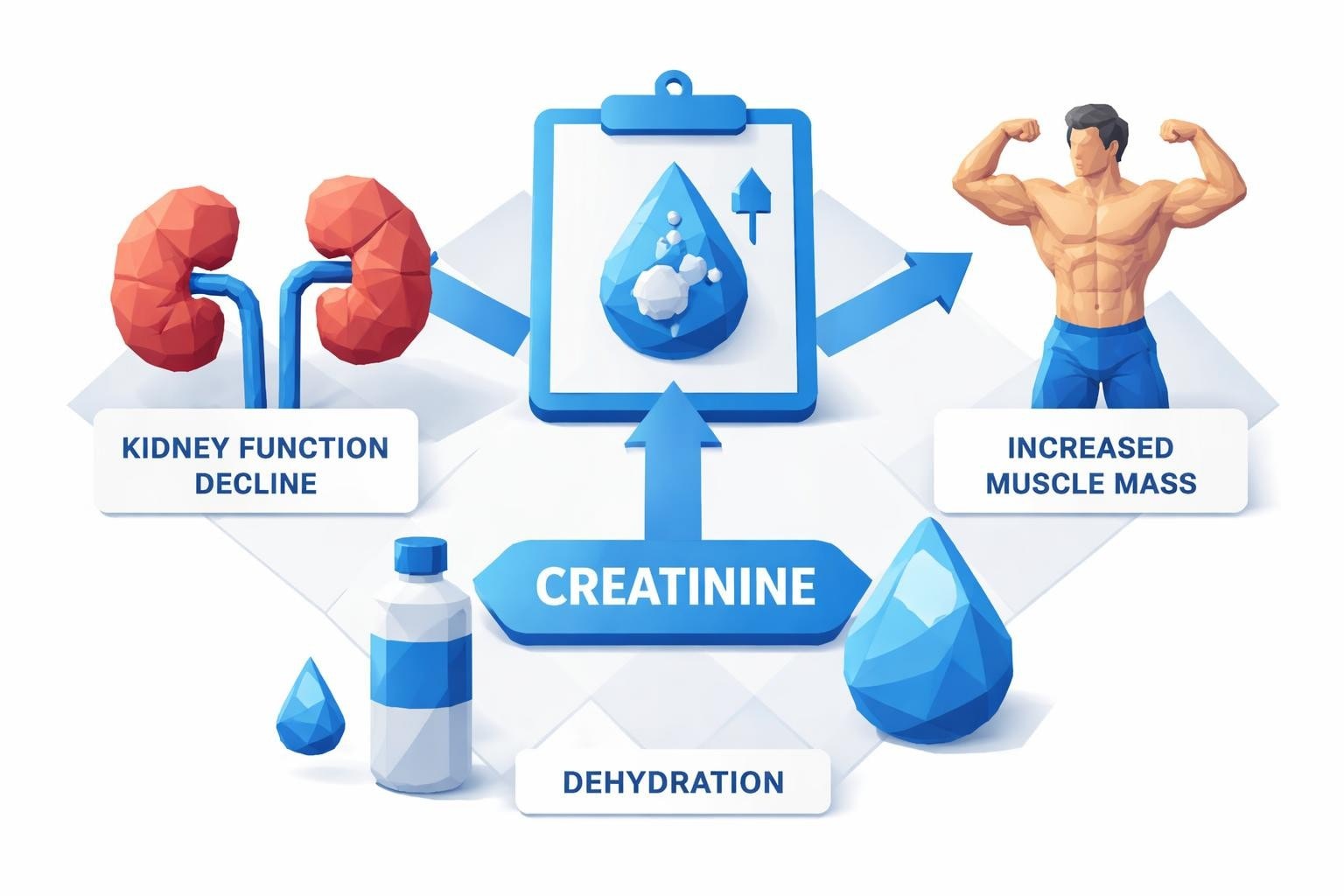
Creatinine is a waste product generated by muscle metabolism. Healthy kidneys filter creatinine from your blood efficiently, maintaining stable levels. When kidney function declines, creatinine accumulates in your bloodstream, providing a measurable signal that something is wrong. Creatinine testing has been the standard approach for decades because it's inexpensive and widely available.
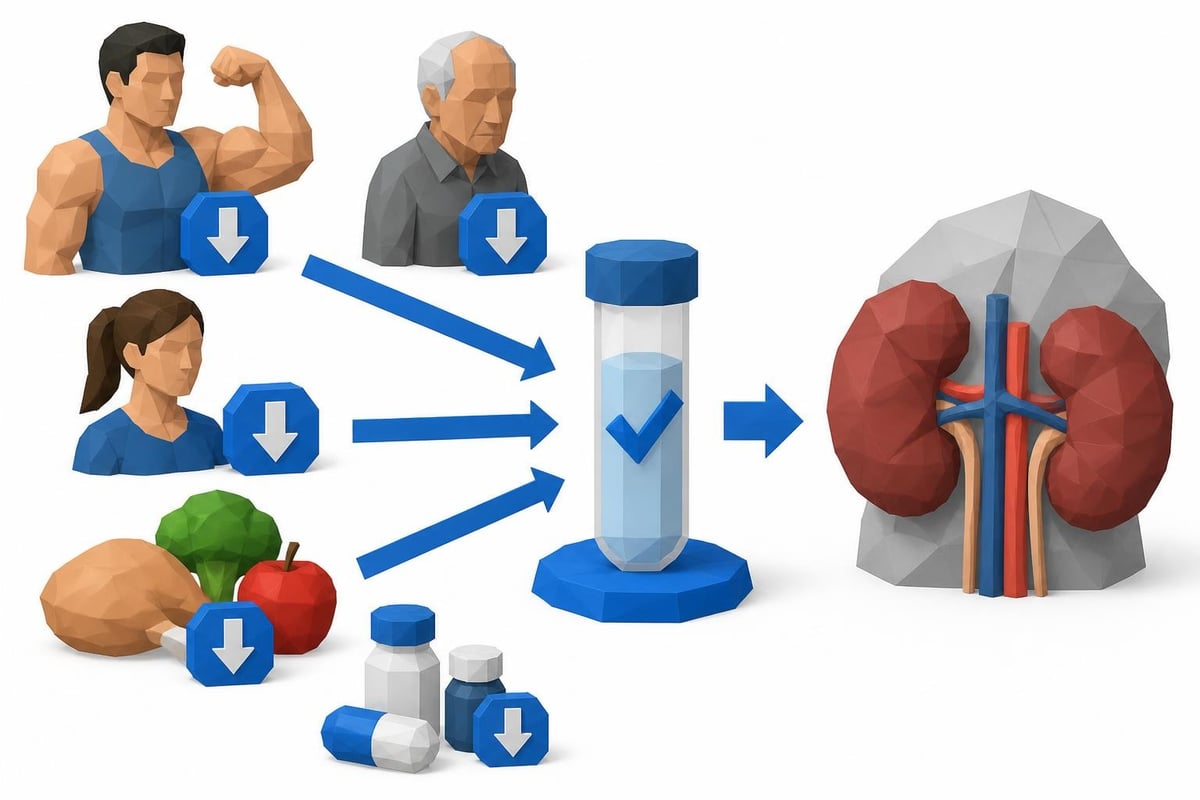
What Makes Creatinine Less Reliable
Despite its widespread use, creatinine has significant limitations that affect test accuracy:
- Muscle mass dependency: People with higher muscle mass naturally produce more creatinine, potentially masking early kidney problems
- Age-related variations: Older adults typically have less muscle mass, which can artificially lower creatinine levels
- Gender differences: Men generally have higher baseline creatinine than women due to greater muscle mass
- Dietary influences: Consuming cooked meat before testing can temporarily elevate creatinine levels
- Medication interactions: Certain drugs affect creatinine secretion without changing actual kidney function
These variables create a challenging scenario for healthcare providers trying to assess kidney health accurately. A person with low muscle mass might show "normal" creatinine levels even while experiencing moderate kidney disease.
The Cystatin C Advantage
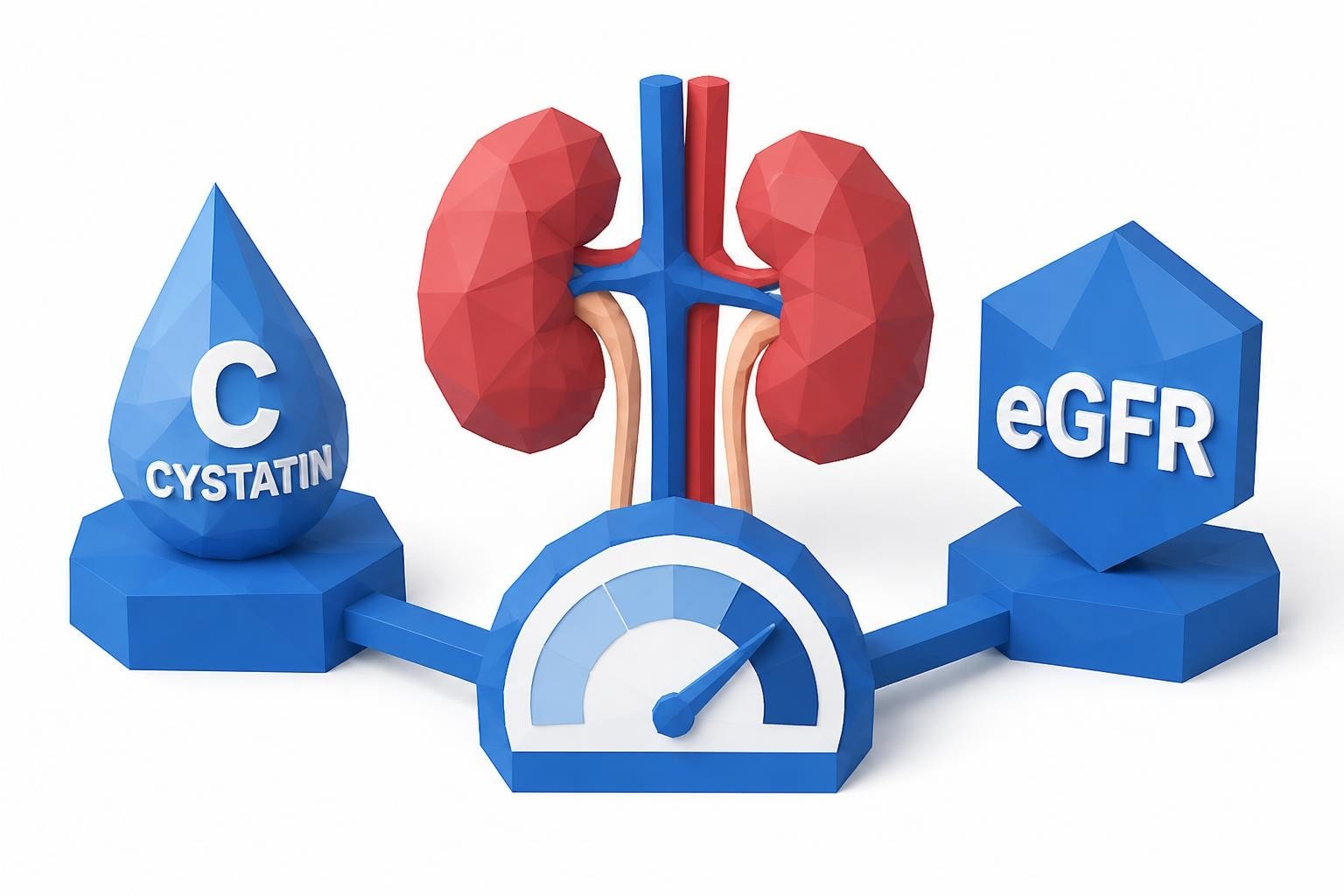
Cystatin C represents a different approach to kidney function testing. This protein is produced by all nucleated cells in your body at a constant rate, regardless of muscle mass, diet, or most other external factors. Your kidneys filter cystatin C from your blood, making it an excellent marker for glomerular filtration rate (GFR).
Research published in medical literature demonstrates that cystatin C provides superior accuracy compared to creatinine alone. The consistency of cystatin C production means fewer confounding variables that could distort your test results.
Clinical Advantages of Cystatin C Testing
When evaluating cystatin c vs creatinine the accurate kidney test comparison, several key benefits emerge:
Early disease detection stands out as the primary advantage. Cystatin C levels rise earlier in kidney disease progression than creatinine, allowing intervention before permanent damage occurs. This early warning system can be particularly valuable for people at high risk of kidney disease, including those with diabetes, hypertension, or family history of kidney problems.
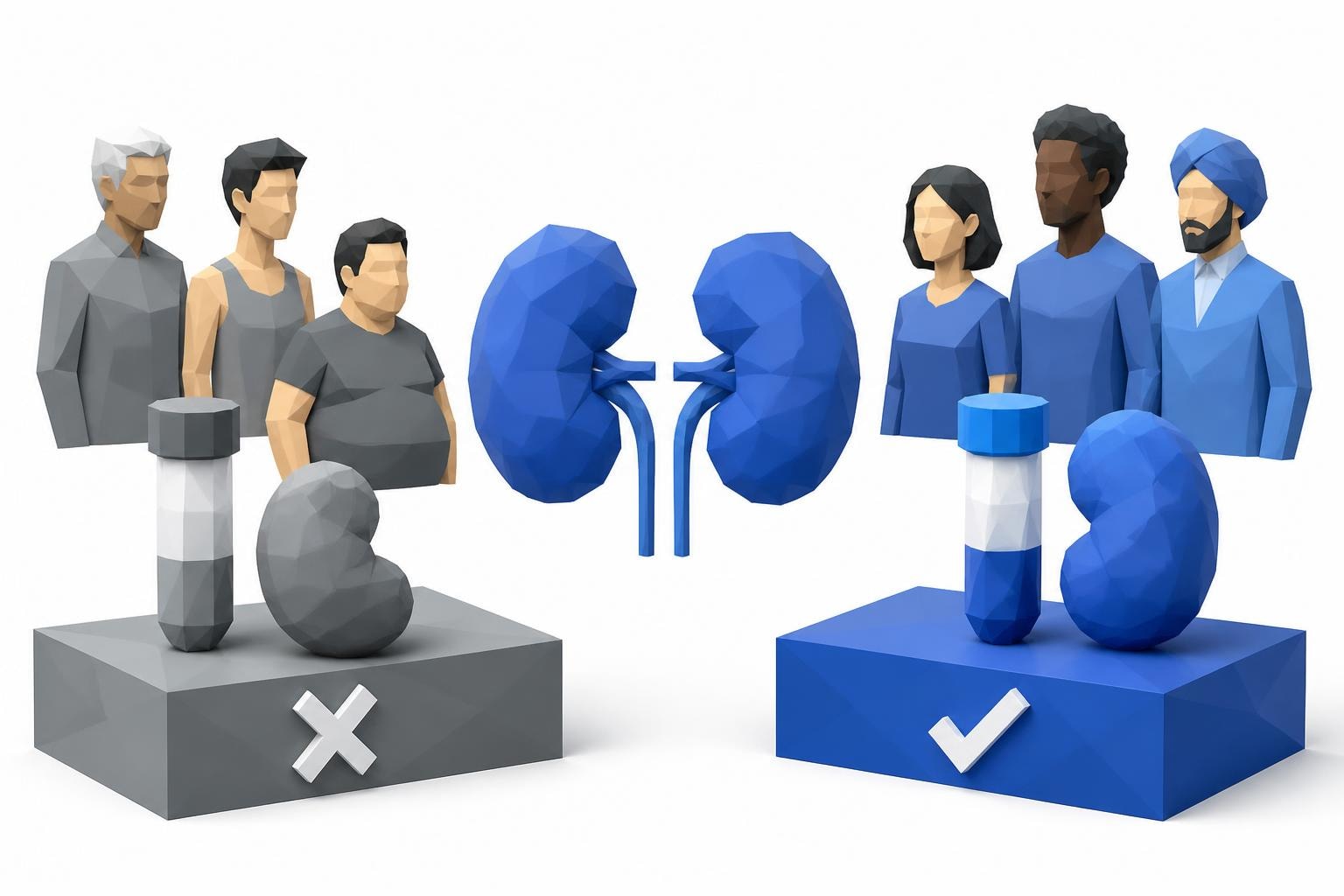
Reduced demographic bias makes cystatin C more equitable across populations. Unlike creatinine, cystatin C shows minimal variation based on muscle mass, age, or gender. This consistency means more accurate results for elderly patients, children, people with muscle-wasting conditions, and bodybuilders alike.
Better medication management becomes possible with accurate kidney function assessment. Many medications require dose adjustments based on kidney function, and cystatin C provides more reliable guidance for these critical decisions.
| Feature | Creatinine | Cystatin C |
|---|---|---|
| Production rate | Varies with muscle mass | Constant across all cells |
| Dietary influence | Affected by meat consumption | Minimal dietary impact |
| Age sensitivity | Decreases with age | Stable across ages |
| Gender differences | Significantly different | Minimal variation |
| Early detection | Moderate sensitivity | High sensitivity |
| Cost | Lower | Higher |
Understanding eGFR Calculations
Estimated glomerular filtration rate (eGFR) represents the gold standard measurement for kidney function. Rather than measuring a single biomarker, eGFR calculations estimate how much blood your kidneys filter per minute, expressed in milliliters per minute per 1.73 square meters of body surface area.
The traditional eGFR calculation uses creatinine levels combined with demographic factors like age, sex, and race. This approach has served medicine for years but carries the same limitations inherent to creatinine testing. The CKD-EPI cystatin C equation offers an alternative calculation method that relies solely on cystatin C levels or combines both biomarkers.
Types of eGFR Calculations
Modern medicine employs several eGFR calculation methods:
- Creatinine-based eGFR: Uses serum creatinine, age, sex, and sometimes race
- Cystatin C-based eGFR: Relies on cystatin C levels and age only
- Combined equation: Incorporates both creatinine and cystatin C for maximum accuracy
The combined approach delivers the highest accuracy, particularly for patients whose results fall in borderline ranges with traditional testing. When considering cystatin c vs creatinine the accurate kidney test options, the combined method offers the best of both worlds while minimizing the weaknesses of each individual marker.
When to Choose Cystatin C Testing
Not everyone needs cystatin C testing, but specific situations warrant its superior accuracy. Understanding when this test provides the most value helps you make cost-effective healthcare decisions.
High-Risk Populations
People with certain characteristics benefit most from cystatin C measurement:
- Individuals with unusual muscle mass (very high or very low)
- Patients receiving nephrotoxic medications requiring precise dosing
- People with borderline creatinine results that don't match clinical symptoms
- Those with conditions affecting muscle metabolism
- Patients where early kidney disease detection is crucial
Diabetic patients represent a particularly important group for cystatin C testing. Diabetes is the leading cause of kidney disease in the United States, and early detection significantly improves outcomes. The superior sensitivity of cystatin C can identify kidney damage before traditional tests show abnormalities.
Cancer patients undergoing chemotherapy need accurate kidney function assessment because many cancer drugs are nephrotoxic. Using cystatin C helps oncologists dose medications appropriately while monitoring for early signs of kidney damage.

Situations Where Standard Testing May Suffice
For routine screening in healthy young adults with no risk factors, traditional creatinine testing often provides adequate information. The cost difference between tests becomes relevant when considering mass population screening versus targeted high-risk assessment.
Recommended Test
Renal Function Panel
A comprehensive 11-biomarker panel that evaluates kidney health by measuring waste filtration, electrolyte balance, and mineral levels.
Includes 11 biomarkers
$11
Accessing Cystatin C Testing
Historically, access to cystatin C testing has been limited by cost and availability. Many traditional healthcare settings reserve this test for special circumstances or require extensive justification through insurance networks. This creates barriers for people who want proactive health monitoring.
The landscape is changing as more people seek labs without insurance involvement. Direct-to-consumer lab testing services now offer cystatin C testing at transparent prices, making this superior kidney assessment accessible to anyone interested in comprehensive health monitoring.
Recommended Test
Cystatin C with eGFR
Cystatin C is a superior marker for kidney function that provides more accurate results than creatinine, especially for people with unusual muscle mass or those needing precise kidney assessment.
Includes 2 biomarkers
$26
Cost Considerations
When evaluating cystatin c vs creatinine the accurate kidney test economics, several factors influence the decision:
Test pricing varies significantly depending on whether you go through insurance, pay out-of-pocket at traditional facilities, or use specialized lab services. Traditional facilities often charge substantially more for the same tests, with prices that remain hidden until after service delivery.
Long-term value extends beyond the immediate cost. Detecting kidney disease early can prevent expensive dialysis, transplantation, and associated complications. Spending more on accurate testing upfront may save thousands in treatment costs later.
Frequency requirements differ based on your risk profile. Healthy individuals might test annually or less frequently, while those with chronic conditions may need quarterly monitoring.
| Testing Approach | Typical Cost Range | Advantages | Considerations |
|---|---|---|---|
| Insurance-based | Varies (copay dependent) | May have lower immediate out-of-pocket | Requires doctor visits, limited test selection |
| Traditional self-pay | $150-$300+ | Immediate results | Often unclear pricing, higher costs |
| Online lab services | $50-$150 | Transparent pricing, convenient | Requires self-advocacy |
Interpreting Your Results
Understanding your test results empowers you to have informed conversations with healthcare providers. Both creatinine and cystatin C measurements feed into eGFR calculations that categorize kidney function into stages.
Kidney Function Stages
The National Kidney Foundation defines five stages of kidney disease based on eGFR:
- Stage 1 (eGFR ≥90): Normal or high kidney function with other signs of kidney damage
- Stage 2 (eGFR 60-89): Mild reduction in kidney function with other kidney damage markers
- Stage 3a (eGFR 45-59): Mild to moderate reduction in kidney function
- Stage 3b (eGFR 30-44): Moderate to severe reduction in kidney function
- Stage 4 (eGFR 15-29): Severe reduction in kidney function
- Stage 5 (eGFR <15): Kidney failure requiring dialysis or transplantation
A significant advantage of cystatin C testing appears in the critical transition zones between stages. Studies comparing diagnostic accuracy show that cystatin C identifies patients who have worse kidney function than creatinine-based estimates suggest, particularly in the stage 2-3 transition where intervention is most effective.
What Abnormal Results Mean
If your cystatin C-based eGFR shows lower kidney function than creatinine-based calculations, this warrants further investigation. The discrepancy often indicates early kidney disease that creatinine testing missed due to its limitations.
Follow-up actions typically include:
- Repeat testing to confirm results
- Additional kidney function tests (albumin-to-creatinine ratio, urinalysis)
- Imaging studies if indicated
- Evaluation for underlying causes (diabetes control, blood pressure management, medication review)
- Consultation with a nephrologist for eGFR below 60
The Science Behind the Comparison
Medical research continues to evaluate cystatin c vs creatinine the accurate kidney test performance in various populations and clinical settings. The evidence base has grown substantially over the past two decades.
A comprehensive meta-analysis examining cystatin C superiority found that cystatin C-based eGFR more accurately reflects measured GFR than creatinine-based calculations. The difference becomes particularly pronounced in specific patient populations where creatinine's limitations are most apparent.
Research Findings and Clinical Implementation
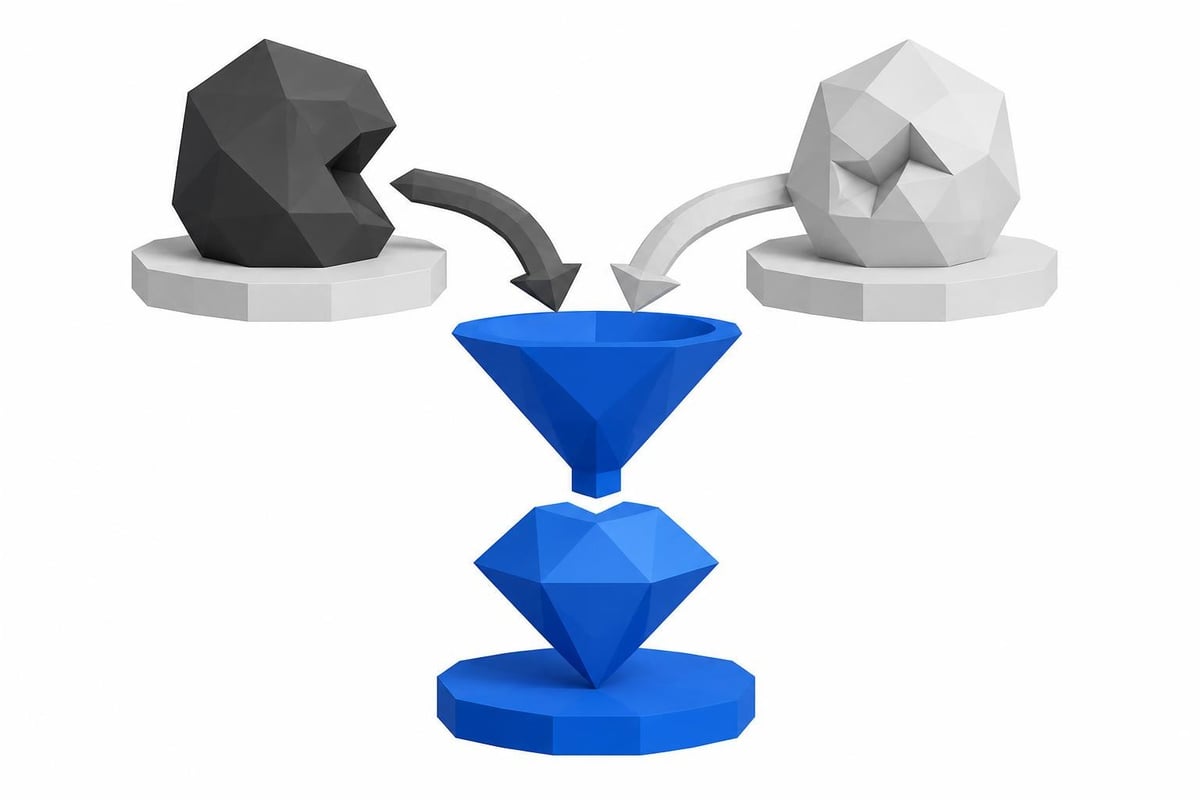
Multiple studies demonstrate that combining both biomarkers provides optimal accuracy. Assessments of GFR estimation methods acknowledge that while cystatin C improves accuracy, the additional cost may not justify routine replacement of creatinine for all patients. Instead, targeted use in high-risk populations and confirmatory testing for borderline results represents the most cost-effective approach.
The medical community increasingly recognizes that different patients need different testing strategies. Someone with diabetes, elderly age, and borderline creatinine results might benefit substantially from cystatin C testing, while a healthy 30-year-old with normal creatinine and no risk factors may not need the additional expense.
Practical Steps for Testing
Taking control of your kidney health monitoring doesn't require waiting for symptoms or extensive medical appointments. Modern lab testing allows proactive health management through accessible, affordable testing options.
Ordering Your Tests
The traditional healthcare pathway requires scheduling a doctor's appointment, explaining why you want specific tests, obtaining orders, scheduling lab work, and following up for results. This process can take weeks and involves multiple appointments.
Direct access lab testing streamlines this process significantly. You can order labs without a doctor involvement, selecting the specific tests you want based on your health goals and risk factors. This approach works well for health-conscious individuals who want comprehensive monitoring without navigating insurance requirements.
Preparation requirements for kidney function testing are minimal:
- Fasting is typically not required for cystatin C or creatinine testing
- Avoid strenuous exercise 24 hours before testing
- Stay normally hydrated
- Inform the lab of any medications you're taking
- Consider timing tests consistently (same time of day) if monitoring trends
Understanding the Testing Process
Most kidney function tests require a simple blood draw. The actual collection takes just a few minutes, though you should allow time for check-in and paperwork at the testing facility.
Results typically become available within 1-3 business days for both creatinine and cystatin C testing. The turnaround time depends on whether the lab performs the test on-site or sends samples to a reference laboratory.
Comparing Testing Platforms
Where you get tested matters as much as which test you choose. Different platforms offer varying combinations of convenience, cost, and accessibility.
Traditional Hospital and Clinic Labs
Hospital-affiliated laboratories provide comprehensive testing with immediate access to medical interpretation. However, they often charge significantly higher prices and require physician orders for most tests. The pricing at major diagnostic chains can be substantially higher than alternative options, particularly for self-pay patients.
Benefits include integration with your medical records and immediate physician review. Drawbacks include higher costs, scheduling challenges, and limited transparency in pricing before service delivery.
Direct Access Laboratory Services
Specialized lab testing services focus on providing accessible, affordable testing without insurance involvement. These platforms emphasize transparent pricing, online ordering, and quick results delivery.
Understanding how these services work helps you navigate the testing process efficiently. Most platforms use established laboratory networks, ensuring the same quality testing as traditional facilities but with improved accessibility and pricing.
Making Your Testing Decision
Choosing between standard creatinine testing and more comprehensive cystatin C assessment depends on multiple factors specific to your situation. Consider your risk factors, symptoms, budget, and health goals when deciding which approach fits your needs.
Risk Assessment Framework
Evaluate your personal risk factors:
High priority for cystatin C testing:
- Type 1 or Type 2 diabetes
- Hypertension with poor control
- Family history of kidney disease
- Previous borderline kidney function tests
- Significant muscle mass variations
- Medications toxic to kidneys
- Age over 60 with other risk factors
Standard testing likely sufficient:
- Young age (under 40) with no risk factors
- Normal blood pressure and blood sugar
- No family history of kidney disease
- Normal muscle mass
- No nephrotoxic medication exposure
Frequency Recommendations
Testing frequency should match your risk profile. People with chronic conditions affecting kidney health benefit from regular monitoring every 3-6 months. Those with previous abnormal results need follow-up testing as recommended by healthcare providers.
Healthy individuals with no risk factors can often test annually or less frequently as part of general health screening. The key is establishing baseline values when you're healthy, then monitoring for changes over time.
Beyond the Numbers
Laboratory values provide crucial information, but they represent just one component of kidney health management. Lifestyle factors significantly influence kidney function and disease progression.
Protective Lifestyle Measures
Supporting your kidney health extends beyond testing:
- Blood pressure control: Maintaining blood pressure below 120/80 reduces kidney stress
- Blood sugar management: Keeping glucose levels in healthy ranges prevents diabetic kidney damage
- Adequate hydration: Drinking sufficient water supports kidney function
- Medication awareness: Understanding which medications affect kidneys helps you make informed choices
- Regular monitoring: Tracking trends over time catches problems early
Dietary considerations play important roles in kidney health. Reducing sodium intake, limiting processed foods, and avoiding excessive protein consumption all support kidney function. However, specific dietary needs vary based on existing kidney function levels.
The Future of Kidney Function Testing
Medical science continues advancing kidney disease detection and monitoring. Emerging biomarkers and testing methods promise even better accuracy and earlier detection capabilities.
Research into additional biomarkers beyond creatinine and cystatin C may provide new options in coming years. Combinations of multiple markers, artificial intelligence-assisted interpretation, and point-of-care testing devices could transform how we monitor kidney health.
For now, cystatin c vs creatinine the accurate kidney test comparison clearly favors cystatin C for accuracy, particularly in high-risk populations. The combined use of both markers provides the most comprehensive assessment when maximum precision is needed.
Personalized Medicine Approaches
The trend toward personalized medicine means testing strategies increasingly match individual patient characteristics rather than following one-size-fits-all protocols. Your optimal testing approach depends on your unique combination of risk factors, health goals, and medical history.
Proactive health management empowers you to make informed decisions about which tests provide the most value for your specific situation. Taking advantage of accessible lab testing options puts you in control of your health monitoring without waiting for symptoms to appear.
Insurance Versus Self-Pay Considerations
The financial aspect of kidney function testing deserves careful consideration. Many people assume insurance-based testing is always cheaper, but this isn't necessarily true, especially for straightforward blood tests.
Insurance coverage for cystatin C testing varies significantly between plans and may require prior authorization or specific medical justification. Some plans cover it readily for diabetic patients or those with established kidney disease, while others restrict access or classify it as experimental.
Self-pay options through specialized services often provide more predictable costs and faster access. When you can see exact prices before ordering and receive results without lengthy insurance processes, the convenience factor becomes significant. Additionally, keeping certain health information outside insurance records provides privacy advantages for some individuals.
Financial Planning for Regular Monitoring
If you need ongoing kidney function monitoring, calculating annual costs helps with budgeting. A diabetic patient testing quarterly would need four cystatin C tests yearly. Comparing the total cost across different testing platforms, including copays, deductibles, and doctor visit charges, reveals the most economical approach.
Consider these elements in your cost calculation:
- Individual test costs
- Doctor visit charges (if required)
- Frequency requirements
- Insurance deductibles and copays
- HSA/FSA eligibility for self-pay options
- Time value (convenience, reduced appointments)
Understanding the differences between cystatin C and creatinine testing helps you make informed decisions about kidney health monitoring, with cystatin C offering superior accuracy for early disease detection and populations where creatinine has limitations. Whether you need routine screening or comprehensive kidney assessment, Justlabs provides transparent, affordable access to both creatinine and cystatin C testing without insurance complications or doctor visits, delivering results in 1-3 days so you can take proactive control of your kidney health.