Endurance athletes push their bodies to extraordinary limits, whether running marathons, cycling centuries, or swimming long distances. This consistent physical stress creates unique physiological demands that can deplete nutrients, alter hormone levels, and shift metabolic markers in ways that directly impact performance and recovery. Regular monitoring through blood tests for endurance athletes provides objective data to optimize training, prevent overtraining syndrome, and identify deficiencies before they compromise competitive goals.
Understanding How Training Affects Your Blood Work
Endurance training fundamentally changes your body at the cellular level. Your blood reflects these adaptations, but distinguishing healthy training responses from concerning deficiencies requires knowledge of what's normal for athletes versus sedentary populations.
The Iron Paradox in Distance Athletes
Iron metabolism presents one of the most critical concerns for endurance athletes. Ferritin, your body's iron storage protein, typically decreases in athletes due to multiple factors: foot-strike hemolysis (red blood cell destruction from repeated impact), increased iron losses through sweat, gastrointestinal bleeding from prolonged exercise, and hemodilution from expanded plasma volume.
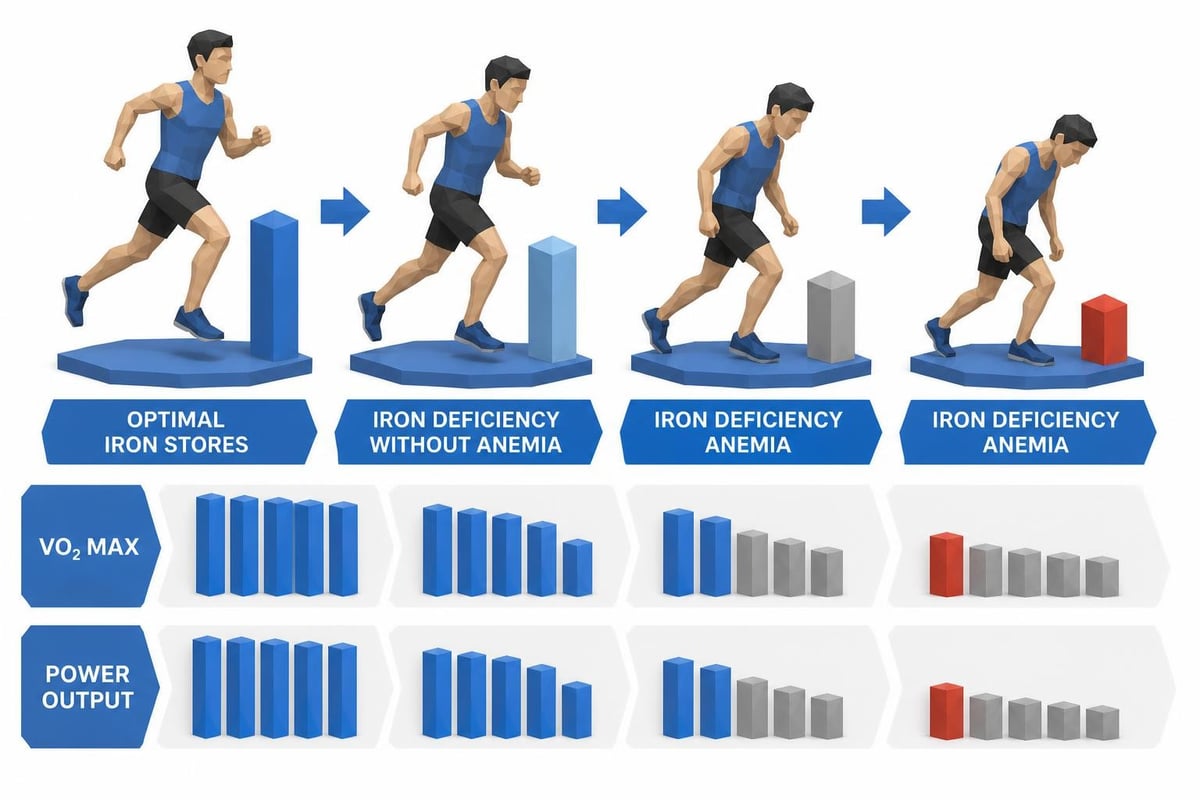
Research consistently shows that iron deficiency can negatively affect training adaptation and performance long before clinical anemia develops. While standard reference ranges suggest ferritin levels above 15-30 ng/mL are adequate, endurance athletes often need levels between 50-100 ng/mL for optimal performance.
Key iron markers to monitor include:
- Serum ferritin: Primary storage indicator
- Serum iron: Current circulating iron
- Total iron-binding capacity (TIBC): Transport protein availability
- Transferrin saturation: Percentage of iron-binding sites occupied
- Hemoglobin: Oxygen-carrying capacity of red blood cells
Athletes with ferritin below 30 ng/mL often experience fatigue, decreased endurance, and impaired recovery despite normal hemoglobin levels. This "iron deficiency without anemia" stage significantly compromises performance and warrants supplementation under medical guidance.
Muscle Damage and Recovery Markers
Endurance training creates controlled muscle damage that drives adaptation. However, excessive damage without adequate recovery signals overtraining or insufficient nutrition.
Creatine Kinase: The Recovery Indicator
Creatine kinase (CK) is an enzyme released when muscle cells break down. Post-workout CK levels can spike dramatically-sometimes reaching 500-5,000 U/L compared to normal ranges of 30-200 U/L for sedentary individuals. These elevations are expected after intense training sessions, particularly following eccentric-heavy workouts like downhill running or new training stimuli.
What matters most is your personal baseline and patterns. Chronically elevated CK (measured 48-72 hours post-exercise during easy training weeks) may indicate:
- Insufficient recovery between hard sessions
- Inadequate protein or caloric intake
- Overtraining syndrome
- Need for additional rest days
Athletes should establish their normal post-workout and recovered-state CK levels through testing during different training phases. Direct access lab testing makes it convenient to track these patterns without requiring physician appointments for each test.
Liver Enzymes and Athletic Stress
Liver enzymes including alanine aminotransferase (ALT) and aspartate aminotransferase (AST) also increase with endurance training. AST exists in both muscle and liver tissue, so elevations often reflect muscle turnover rather than liver damage in athletes. Typical post-training elevations might show AST at 50-100 U/L (versus normal ranges of 10-40 U/L).
However, persistently elevated liver enzymes warrant investigation for:
- Overtraining stress
- Medication or supplement effects
- Dehydration impacts
- Underlying liver conditions
Testing these markers during recovery periods provides clearer assessment of whether elevations represent training adaptation or potential health concerns.
Hormonal Balance and Performance
Endurance training significantly impacts your hormonal environment, particularly when training volume is high or caloric intake insufficient.
Testosterone and Training Load
Both male and female endurance athletes may experience suppressed testosterone levels with heavy training loads. In males, total testosterone may drop from optimal ranges (300-1,000 ng/dL) to suboptimal levels below 300 ng/dL, particularly during peak training blocks or when caloric deficit is excessive.
For female athletes, already lower baseline testosterone levels (15-70 ng/dL) can decline further, contributing to RED-S (Relative Energy Deficiency in Sport) symptoms including amenorrhea, bone density loss, and compromised recovery.
Testing should include:
- Total testosterone: Overall hormone production
- Free testosterone: Biologically active portion
- Sex hormone-binding globulin (SHBG): Protein that binds testosterone
- Luteinizing hormone (LH): Pituitary signal for testosterone production
Low testosterone with elevated LH suggests primary gonadal insufficiency, while low testosterone with low LH indicates hypothalamic suppression-common in overtrained athletes with inadequate energy availability.
Recommended Panel
Male Hormone Panel
Save $9This comprehensive panel measures testosterone (free and total), plus the supporting hormones that affect how testosterone works in your body: SHBG, estradiol sensitive, DHEA-S, and cortisol.
Includes 6 biomarkers
$101
Cortisol: The Stress Hormone Double-Edged Sword
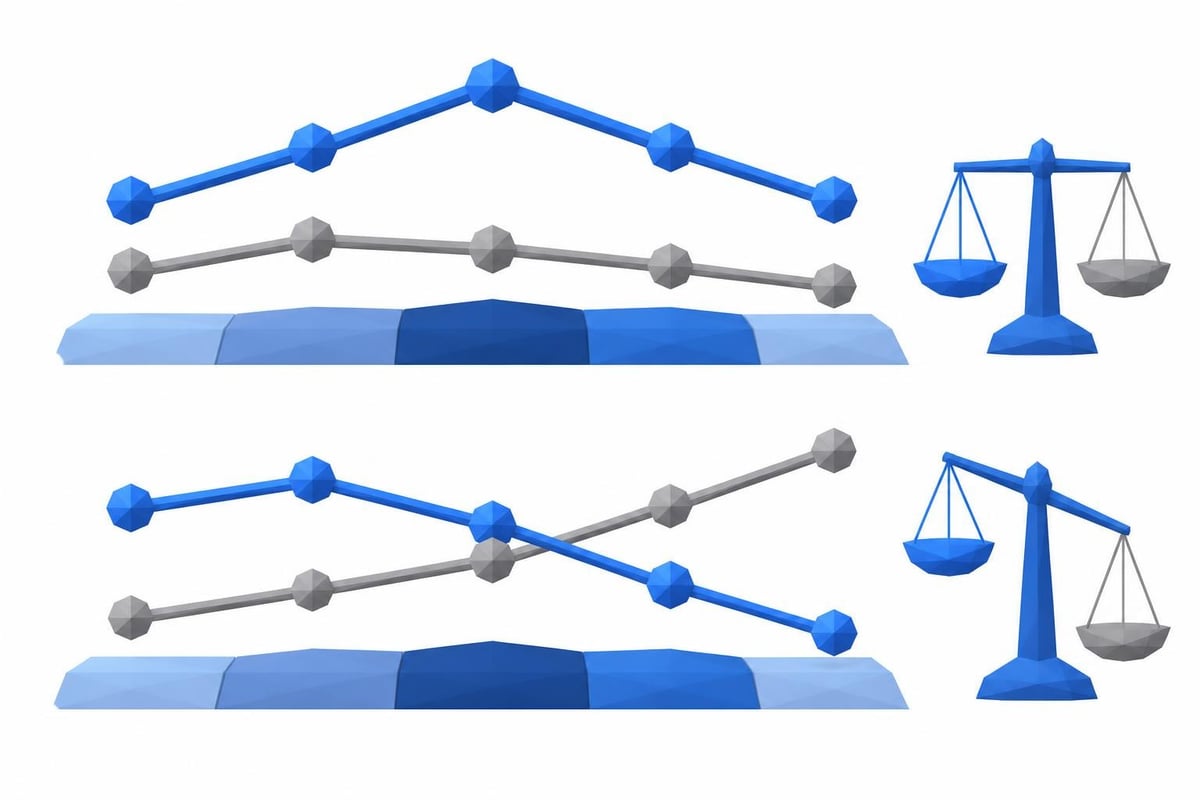
Cortisol rises acutely during exercise as part of normal stress response, mobilizing energy and supporting performance. However, chronically elevated cortisol combined with suppressed testosterone creates a catabolic environment that compromises muscle recovery, immune function, and adaptation.
| Marker | Optimal Pattern | Overtraining Pattern |
|---|---|---|
| Morning cortisol | 10-20 µg/dL | >25 µg/dL or <5 µg/dL |
| Testosterone | Normal range for sex | Low or low-normal |
| Cortisol:Testosterone ratio | <10:1 | >15:1 |
| DHEA-S | Mid-range | Low |
Athletes experiencing persistent fatigue, poor sleep, illness susceptibility, and performance plateaus should assess cortisol patterns. Some practitioners recommend four-point salivary cortisol testing to capture daily rhythm, though morning serum cortisol provides useful screening data.
Metabolic and Nutritional Markers
Beyond muscle and hormone markers, several metabolic indicators help athletes optimize fueling and recovery.
Vitamin D and Performance
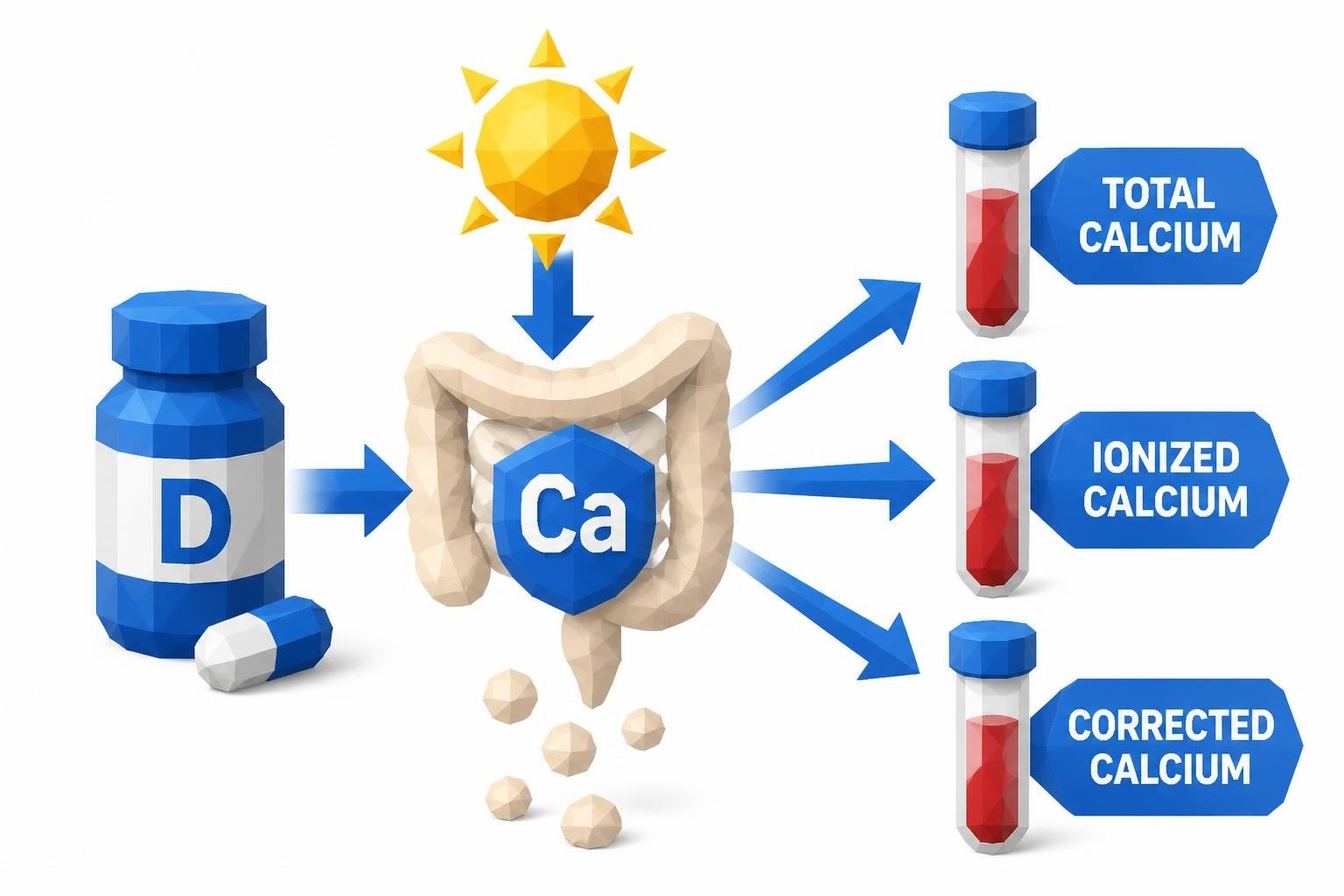
Vitamin D deficiency (<30 ng/mL) affects up to 60% of athletes, particularly those training indoors or living in northern latitudes. This fat-soluble vitamin influences muscle function, bone health, immune response, and potentially VO₂ max capacity. Athletes should monitor vitamin D levels alongside other performance markers, targeting levels between 40-60 ng/mL for optimal function.
Thyroid Function Under Training Stress
Intense endurance training can suppress thyroid function through a condition called "low T3 syndrome" or "euthyroid sick syndrome." Athletes may show:
- Normal or low TSH (thyroid-stimulating hormone)
- Low-normal free T4 (thyroxine)
- Low free T3 (triiodothyronine-the active thyroid hormone)
- Elevated reverse T3 (inactive form)
This pattern represents metabolic downregulation in response to chronic energy deficit or overtraining rather than true hypothyroidism. However, it signals the need for nutrition assessment and potentially reduced training load.
Complete Blood Count Changes
Your complete blood count (CBC) reveals training adaptations and potential issues:
- Hemoglobin and hematocrit: Often lower than sedentary norms due to plasma volume expansion-a beneficial adaptation that increases stroke volume
- Red blood cell count: May be normal despite lower hemoglobin concentration
- White blood cell count: Can be suppressed with overtraining, increasing infection risk
- Platelet count: Usually normal but may elevate with inflammation
Athletes developing "sports anemia" (low hemoglobin from hemodilution) shouldn't immediately supplement iron without checking ferritin-true iron deficiency requires different intervention than dilutional anemia.
Comprehensive Metabolic Panel Insights
The comprehensive metabolic panel (CMP) assesses kidney function, electrolytes, and glucose regulation-all crucial for endurance performance.
Electrolyte Balance and Hydration
Endurance athletes lose significant sodium, potassium, and chloride through sweat. Chronic low sodium (hyponatremia) or potassium imbalances impair muscle function and cardiovascular performance. The CMP provides baseline electrolyte status, though these markers fluctuate rapidly with hydration and require interpretation in context.
Blood urea nitrogen (BUN) and creatinine assess kidney function and hydration status. Elevated BUN with normal creatinine often indicates dehydration or high protein intake rather than kidney disease. Athletes should test in well-hydrated states for accurate baseline kidney function assessment.
Glucose and Metabolic Efficiency
Fasting glucose and hemoglobin A1c reveal metabolic health and carbohydrate regulation. While endurance training typically improves insulin sensitivity, chronically low carbohydrate availability or RED-S can dysregulate glucose metabolism. Some athletes develop relative hypoglycemia with fasting glucose consistently below 70 mg/dL, suggesting inadequate glycogen stores or excessive metabolic stress.
Strategic Testing Throughout Training Cycles
Timing blood tests strategically provides the most actionable data for performance optimization.
Baseline Testing Recommendations
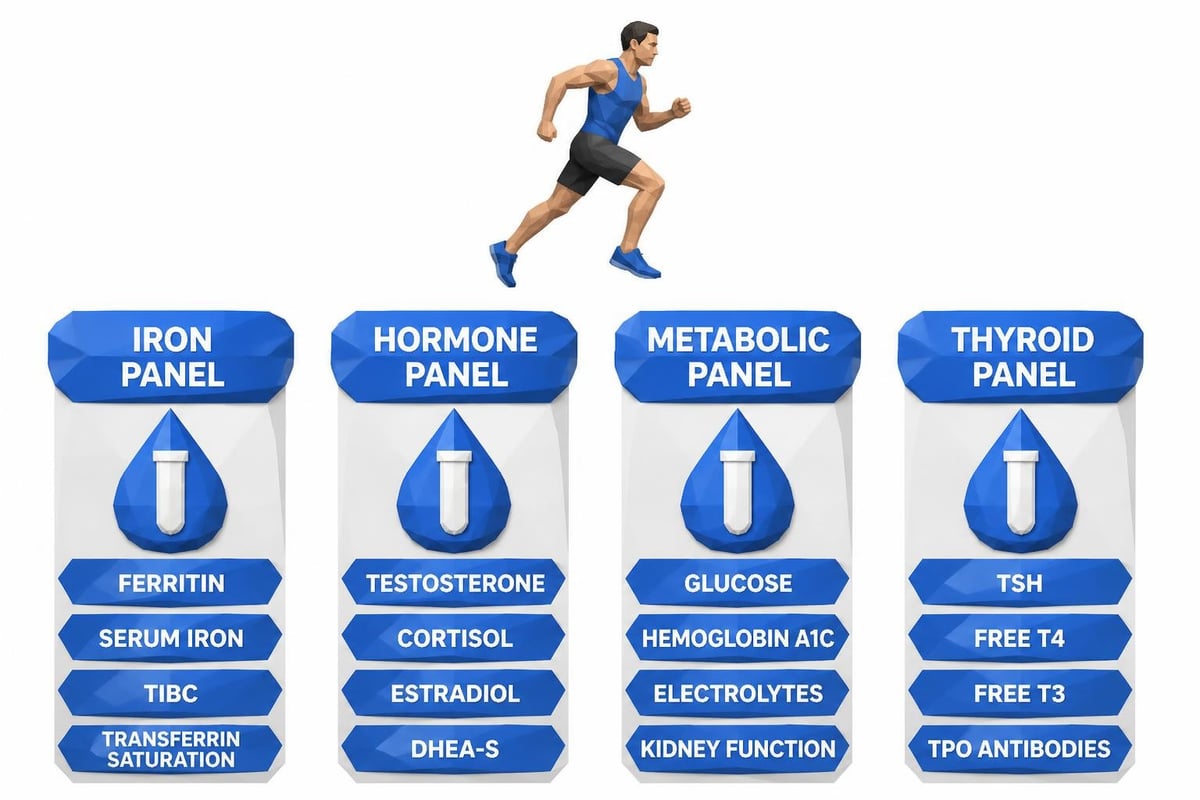
Establish baseline values during low-volume training phases when your body is well-recovered. This creates reference points for comparison during peak training blocks. Essential blood tests for endurance athletes typically include iron panels, vitamin D, testosterone, thyroid function, and metabolic panels as foundational screening.
Recommended testing frequency:
- Iron markers: Every 3-4 months during heavy training
- Hormone panels: Every 6 months or when symptoms arise
- Comprehensive metabolic panel: Annually or with training changes
- Vitamin D: Twice yearly (summer and winter)
Recommended Panel
Comprehensive Wellness Panel
Save $4.5Our most thorough health screening covers blood cells, organ function, cholesterol, thyroid, blood sugar, vitamin D, inflammation, and iron - everything you need for a complete health picture.
Includes 44 biomarkers
$94
Fasting required
Mid-Season Monitoring
During peak training blocks, targeted testing helps distinguish productive stress from overtraining. Focus on:
- Ferritin if fatigue increases despite adequate sleep
- CK if muscle soreness becomes excessive
- Cortisol and testosterone if recovery deteriorates
- Thyroid function if performance plateaus unexpectedly
Athletes preparing for major competitions benefit from testing 6-8 weeks pre-event, allowing time to address deficiencies through supplementation or training modifications.
Post-Competition Assessment
Testing 1-2 weeks after major events reveals recovery status and identifies depletions requiring attention before resuming training. Iron stores often decline significantly during racing seasons, particularly for female athletes and those restricting calories for weight management.
Recommended Test
Ferritin
Ferritin is the best indicator of your body's iron stores. Low ferritin is one of the most common causes of fatigue, especially in women.
Includes 1 biomarkers
$10
Interpreting Results in Athletic Context
Standard reference ranges don't always apply to endurance athletes. What appears "normal" for sedentary populations may be suboptimal for performance.
Athlete-Specific Optimal Ranges
| Marker | Standard Range | Athlete Optimal Range |
|---|---|---|
| Ferritin | 15-200 ng/mL | 50-100 ng/mL |
| Vitamin D | 30-100 ng/mL | 40-60 ng/mL |
| Hemoglobin (male) | 13.5-17.5 g/dL | 14-16 g/dL |
| Hemoglobin (female) | 12-15.5 g/dL | 13-14.5 g/dL |
| Testosterone (male) | 300-1,000 ng/dL | 500-900 ng/dL |
| Morning cortisol | 6-23 µg/dL | 10-18 µg/dL |
Working with sports medicine physicians or registered dietitians who understand athletic physiology helps interpret results appropriately and develop targeted interventions.
Accessing Convenient Testing Options
Traditional testing routes often require physician appointments, insurance authorization, and significant wait times. Modern lab testing without insurance options streamline this process, allowing athletes to proactively monitor their health markers.
Self-directed testing offers several advantages:
- Immediate ordering: No appointment delays when you notice concerning symptoms
- Transparent pricing: Know costs upfront without insurance variability
- Rapid results: Typically available within 1-3 days for timely intervention
- Comprehensive panels: Order multiple tests simultaneously for complete assessment
- Baseline tracking: Build your personal database of values across training seasons
Athletes can select specific markers matching their concerns-such as an iron panel during high-mileage weeks or hormone testing during recovery difficulties-without requiring comprehensive physical exams for routine monitoring.
Common Testing Concerns and Solutions
Many athletes delay beneficial testing due to cost concerns, access barriers, or uncertainty about which tests provide value.
Cost-Effective Testing Strategies
Rather than ordering comprehensive panels quarterly, strategic targeted testing reduces expenses while maintaining adequate monitoring. For example:
- Annual comprehensive baseline including CBC, CMP, lipid panel, thyroid, vitamin D, and iron studies
- Quarterly iron-only panels during heavy training
- Hormone testing only when symptoms suggest imbalance
- Pre-competition vitamin D and iron verification
Transparent lab test pricing allows athletes to budget for monitoring as part of training expenses alongside coaching, equipment, and nutrition products.
Finding Convenient Testing Locations
National lab networks provide testing access across most metropolitan and suburban areas. Athletes traveling for competitions or training camps can typically locate nearby testing facilities without disrupting training schedules. The ability to order online and visit labs during convenient hours (often including early mornings and weekends) accommodates training schedules better than traditional physician office hours.
Training Adaptations Versus Warning Signs
Distinguishing normal training adaptations from concerning patterns prevents both under-reaction to true problems and over-reaction to expected physiological responses.
Expected Training Adaptations
These changes typically reflect positive training responses:
- Hemoglobin/hematocrit 5-10% below sedentary norms due to plasma expansion
- Post-workout CK elevations returning to baseline within 72 hours
- Slightly elevated AST (muscle origin) during training blocks
- Ferritin declining 10-20% during training seasons
Warning Signs Requiring Intervention
These patterns suggest deficiency or overtraining:
- Ferritin below 30 ng/mL in any athlete
- Persistent CK elevation >300 U/L even 72+ hours post-exercise
- Testosterone declining >30% from personal baseline
- Cortisol consistently >25 µg/dL or showing reversed rhythm
- White blood cell count <4,000/µL with frequent infections
- Vitamin D below 30 ng/mL
- Hemoglobin declining rapidly across consecutive tests
Understanding which lab tests matter most for your specific sport and training phase helps prioritize testing budgets and interpret results appropriately.
Personalized Testing Based on Training Volume
Your testing strategy should scale with training intensity and volume.
Recreational Athletes (5-8 hours/week)
Annual comprehensive screening typically suffices unless symptoms develop. Focus on:
- Iron status (especially for menstruating females)
- Vitamin D (seasonal variation)
- Basic metabolic function
Competitive Amateur Athletes (10-15 hours/week)
Semi-annual comprehensive testing with quarterly iron monitoring supports consistent training progression. Add hormone panels if recovery issues emerge or training volume increases significantly.
Elite/Professional Athletes (15-25+ hours/week)
Quarterly comprehensive monitoring helps identify subtle shifts before performance declines. Monthly iron checks during peak volume protect against depletion. Continuous data tracking reveals individual response patterns to training loads, nutrition interventions, and recovery protocols.
Integrating Blood Work with Other Monitoring
Blood tests for endurance athletes provide objective physiological data that complements subjective monitoring tools:
- Heart rate variability (HRV): Correlate HRV declines with cortisol or testosterone changes
- Training load metrics: Compare chronic training stress scores with CK and ferritin trends
- Performance testing: Link FTP tests, time trials, or VO₂ max assessments with iron and hormone status
- Sleep quality: Poor sleep often accompanies elevated cortisol or low testosterone
- Illness frequency: Track against white blood cell counts and vitamin D levels
Athletes who log training data systematically can identify blood marker patterns that predict performance readiness versus those requiring intervention.
Regular blood testing empowers endurance athletes to make data-driven decisions about training, nutrition, and recovery rather than relying solely on subjective feel. Understanding how markers like ferritin, testosterone, cortisol, and creatine kinase respond to training stress helps distinguish productive adaptation from concerning deficiency or overtraining patterns. When you need convenient access to performance-relevant blood work, Justlabs provides transparent pricing and rapid results without insurance hassles or physician appointment delays, delivering the objective health data that supports your training goals.
Related Reading

References
Sim M, Garvican-Lewis LA, Cox GR, Govus A, McKay AKA, Stellingwerff T, Peeling P. Iron considerations for the athlete: a narrative review. Eur J Appl Physiol. 2019 Jul;119(7):1463-1478. doi: 10.1007/s00421-019-04157-y. PMID: 31055680. https://pubmed.ncbi.nlm.nih.gov/31055680/
Solberg A, Reikvam H. Iron Status and Physical Performance in Athletes. Life (Basel). 2023 Oct 2;13(10). doi: 10.3390/life13102007. PMID: 37895389. https://pubmed.ncbi.nlm.nih.gov/37895389/
Lee EC, Fragala MS, Kavouras SA, Queen RM, Pryor JL, Casa DJ. Biomarkers in Sports and Exercise: Tracking Health, Performance, and Recovery in Athletes. J Strength Cond Res. 2017 Oct;31(10):2920-2937. doi: 10.1519/JSC.0000000000002122. PMID: 28737585. https://pubmed.ncbi.nlm.nih.gov/28737585/
Meeusen R, Duclos M, Foster C, Fry A, Gleeson M, Nieman D, Raglin J, Rietjens G, Steinacker J, Urhausen A, European College of Sport Science, American College of Sports Medicine. Prevention, diagnosis, and treatment of the overtraining syndrome: joint consensus statement of the European College of Sport Science and the American College of Sports Medicine. Med Sci Sports Exerc. 2013 Jan;45(1):186-205. doi: 10.1249/MSS.0b013e318279a10a. PMID: 23247672. https://pubmed.ncbi.nlm.nih.gov/23247672/
Dipla K, Kraemer RR, Constantini NW, Hackney AC. Relative energy deficiency in sports (RED-S): elucidation of endocrine changes affecting the health of males and females. Hormones (Athens). 2021 Mar;20(1):35-47. doi: 10.1007/s42000-020-00214-w. PMID: 32557402. https://pubmed.ncbi.nlm.nih.gov/32557402/
Dominguez LJ, Veronese N, Ragusa FS, Baio SM, Sgrò F, Russo A, Battaglia G, Bianco A, Barbagallo M. The Importance of Vitamin D and Magnesium in Athletes. Nutrients. 2025 May 13;17(10). doi: 10.3390/nu17101655. PMID: 40431395. https://pubmed.ncbi.nlm.nih.gov/40431395/