Many people assume that iron deficiency and anemia are the same condition, but the reality is far more complex. Iron deficiency without anemia represents a distinct health concern that affects millions of Americans yet remains significantly underdiagnosed. This condition occurs when your body's iron stores become depleted, but your hemoglobin levels haven't yet dropped low enough to meet the clinical definition of anemia. Understanding this subtle but important distinction can make a significant difference in identifying and addressing symptoms that might otherwise be dismissed or misattributed to other causes.
Understanding the Stages of Iron Depletion
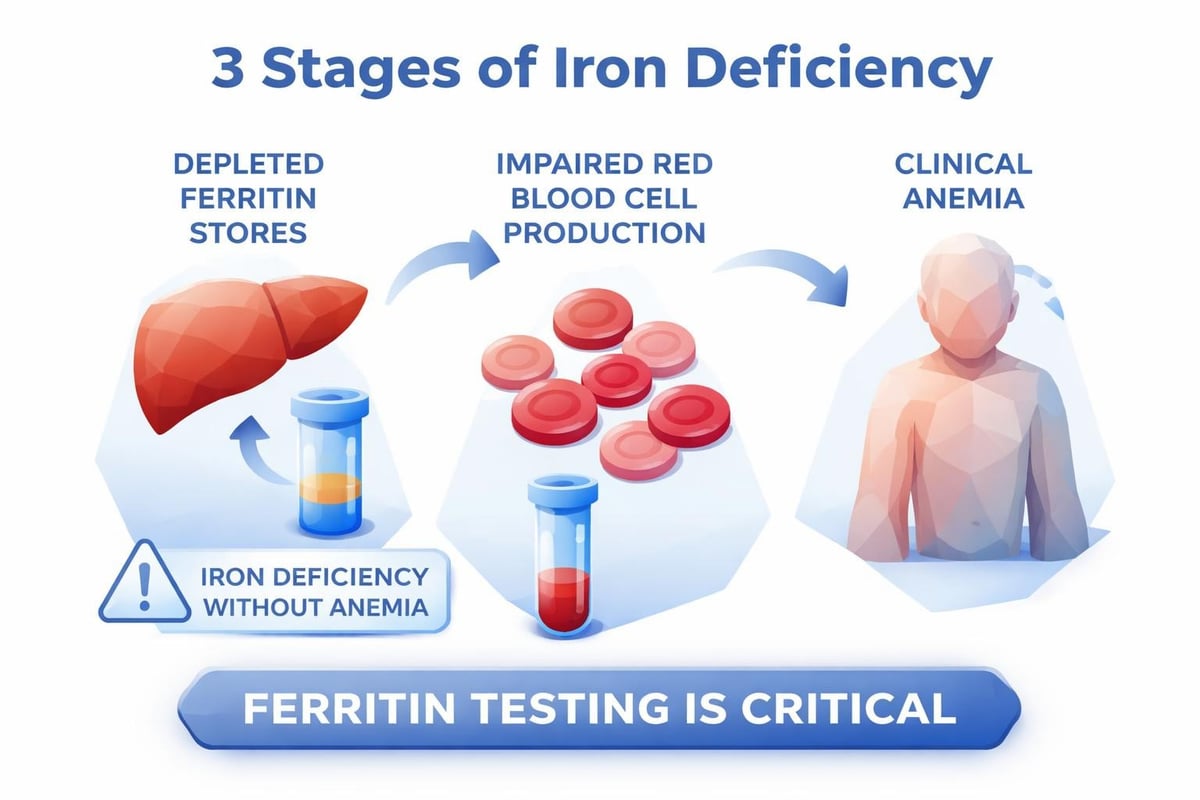
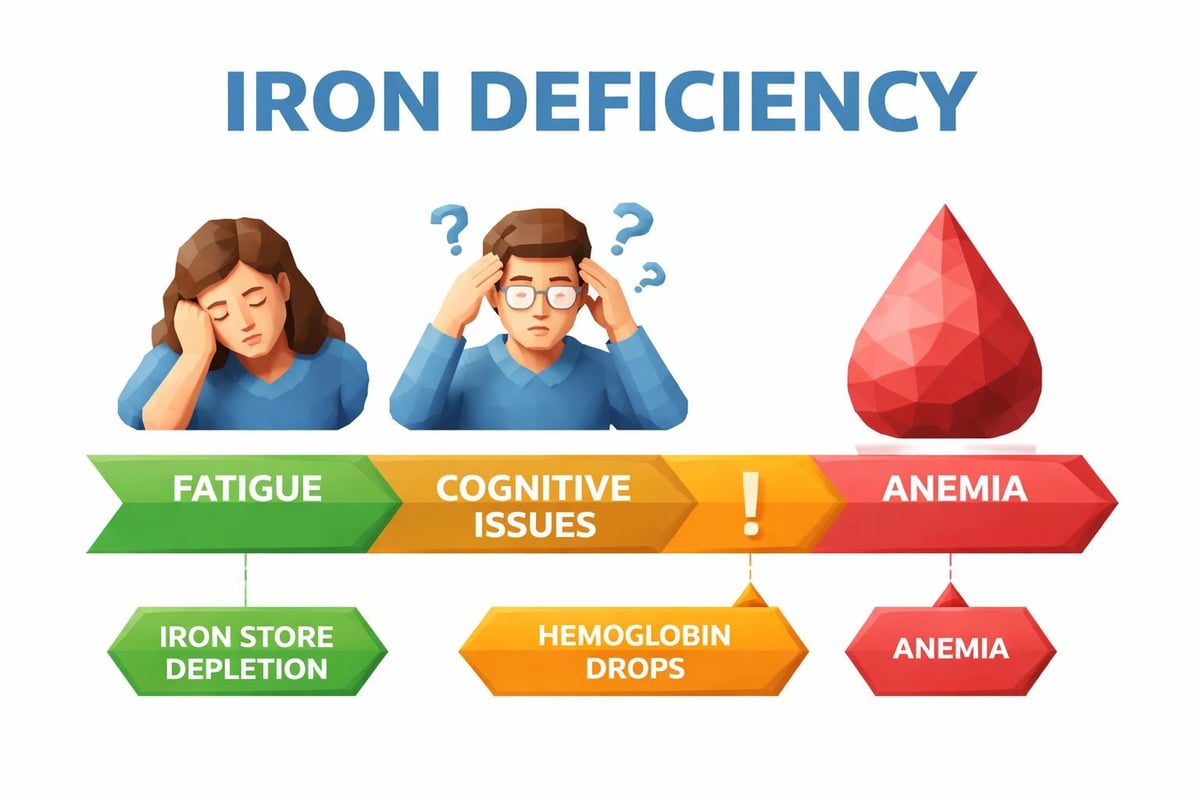
Iron deficiency develops progressively through three distinct stages, each with different laboratory findings and clinical implications. The first stage involves depletion of iron stores, measured primarily through ferritin levels. During this initial phase, your body draws upon its iron reserves without yet affecting red blood cell production.
The Three-Stage Progression
The progression from normal iron status to iron deficiency anemia follows a predictable pattern that can be tracked through laboratory testing:
- Stage 1: Iron Depletion - Ferritin levels drop below normal ranges while hemoglobin remains adequate
- Stage 2: Iron-Deficient Erythropoiesis - Iron stores are exhausted and red blood cell production begins to be affected
- Stage 3: Iron Deficiency Anemia - Hemoglobin drops below normal thresholds and anemia is clinically apparent
Most healthcare encounters focus exclusively on hemoglobin levels, which means stages 1 and 2 frequently go undetected. According to research on the prevalence and impact of this condition, iron deficiency without anemia affects mitochondrial, muscular, immunological, and neurological functions long before anemia develops.
Why Ferritin Levels Matter More Than You Think
Ferritin serves as your body's primary iron storage protein, making it the most sensitive early indicator of iron deficiency. When ferritin levels fall below optimal ranges, your body begins experiencing the functional consequences of inadequate iron even though your hemoglobin remains normal.
Optimal Ferritin Ranges
| Population | Ferritin Level (ng/mL) | Clinical Significance |
|---|---|---|
| Adult women | 30-50+ | Optimal for tissue function |
| Adult men | 50-100+ | Optimal for tissue function |
| Depletion threshold | Below 30 | Iron stores becoming depleted |
| Severe depletion | Below 15 | Significant functional impairment |
Standard reference ranges often list ferritin levels as low as 12-15 ng/mL as "normal," but functional medicine practitioners and recent research suggest that levels below 30-50 ng/mL can cause symptoms. This discrepancy between laboratory reference ranges and functional optimal ranges explains why many people with iron deficiency without anemia continue experiencing symptoms despite being told their results are "normal."
Recommended Test
Ferritin
Ferritin is the best indicator of your body's iron stores. Low ferritin is one of the most common causes of fatigue, especially in women.
Includes 1 biomarkers
$10
The importance of monitoring ferritin becomes clear when you understand that iron plays crucial roles beyond oxygen transport. Iron serves as a cofactor for numerous enzymatic processes, supports neurotransmitter synthesis, enables DNA synthesis, and maintains immune function.
Common Symptoms and Clinical Manifestations
The symptoms of iron deficiency without anemia can be subtle yet significantly impact quality of life. Many individuals dismiss these symptoms or attribute them to stress, aging, or busy lifestyles rather than recognizing them as indicators of a treatable nutritional deficiency.
Physical and Cognitive Symptoms
- Persistent fatigue and reduced energy levels
- Decreased exercise tolerance and endurance
- Difficulty concentrating and brain fog
- Cold intolerance and poor temperature regulation
- Restless leg syndrome
- Brittle nails and hair loss
- Pale skin or pallor
Research has shown that iron deficiency without anemia can cause hair loss by affecting hair follicle cells, which require adequate iron for proper growth cycles. Similarly, studies demonstrate that iron deficiency impairs prepulse inhibition of the startle reflex, suggesting cognitive and neurological effects occur before anemia develops.
Neurological and Psychological Effects
Iron deficiency affects brain function in ways that extend beyond simple fatigue. The brain requires iron for myelin production, neurotransmitter synthesis, and energy metabolism. When iron stores become depleted, these processes can be compromised.
Recent research indicates that iron deficiency without anemia is associated with reduced basal ganglia iron content in young people, which may have implications for motor control, executive function, and emotional regulation. This neurological impact occurs even when hemoglobin levels remain normal.
Who Is at Highest Risk
Certain populations face significantly elevated risk for developing iron deficiency without anemia due to physiological demands, dietary patterns, or medical conditions that affect iron absorption or increase iron loss.
High-Risk Groups
Women of reproductive age represent the largest at-risk population due to monthly menstrual blood loss. Women with heavy periods can lose significant amounts of iron each cycle, gradually depleting stores over months or years. Athletes, particularly female endurance athletes, face compounded risk from both menstrual losses and increased iron demands from training — which is why endurance athletes need ferritin checked more often, and against higher targets, than the general population.
Pregnant and postpartum women require substantially increased iron to support fetal development and compensate for blood volume expansion. Many women enter pregnancy with already depleted iron stores, setting the stage for progressive deficiency throughout gestation.
Vegetarians and vegans may struggle to maintain adequate iron status because plant-based (non-heme) iron is less bioavailable than heme iron from animal sources. While dietary strategies can optimize absorption, some individuals require supplementation to maintain optimal stores — which is why plant-based eaters benefit from tracking ferritin alongside their other nutrient markers.
Additional high-risk groups include:
- Frequent blood donors
- Individuals with gastrointestinal conditions affecting absorption (celiac disease, inflammatory bowel disease)
- People taking proton pump inhibitors or antacids long-term
- Adolescents during rapid growth phases
- Elderly individuals with reduced dietary intake
Diagnostic Testing Beyond Hemoglobin
Standard complete blood count (CBC) testing focuses primarily on hemoglobin and hematocrit, which only detect iron deficiency once it has progressed to anemia. Comprehensive iron status evaluation requires additional biomarkers that assess iron stores and availability.
Complete Iron Panel Components
| Test | What It Measures | Interpretation |
|---|---|---|
| Ferritin | Stored iron | Best early indicator of depletion |
| Serum Iron | Iron currently in bloodstream | Can fluctuate significantly |
| TIBC (Total Iron Binding Capacity) | Transferrin's iron-carrying capacity | Increases when iron is low |
| Transferrin Saturation | Percentage of transferrin carrying iron | Below 20% suggests deficiency |
| Hemoglobin | Oxygen-carrying capacity | Only drops in late-stage deficiency |
The challenges in diagnosing and treating iron deficiency without anemia are well-documented, with symptoms often occurring before anemia develops. This makes comprehensive testing essential rather than relying solely on hemoglobin measurements.
Recommended Test
Iron and Total Iron Binding Capacity
This test measures your circulating iron, your body's iron-carrying capacity (TIBC), and iron saturation percentage - giving you a complete picture of how your body handles iron.
Includes 3 biomarkers
$9
Fasting required
For individuals seeking to understand their iron status, how lab testing works has become more accessible through direct-to-consumer testing options that don't require insurance authorization or lengthy doctor appointments. This accessibility enables people to monitor their ferritin levels proactively rather than waiting until symptoms become severe.
Treatment Approaches and Considerations
Addressing iron deficiency without anemia requires a strategic approach that considers the underlying cause, the degree of depletion, and individual factors affecting iron absorption and tolerance.
Oral Iron Supplementation
Oral iron supplements remain the first-line treatment for most individuals with iron deficiency without anemia. Various formulations offer different absorption rates and side effect profiles.
Common oral iron forms include:
- Ferrous sulfate (most common, but often causes gastrointestinal side effects)
- Ferrous gluconate (better tolerated, slightly lower elemental iron)
- Ferrous fumarate (high elemental iron content)
- Iron bisglycinate (chelated form with superior absorption and minimal GI effects)
- Polysaccharide iron complex (well-tolerated alternative)
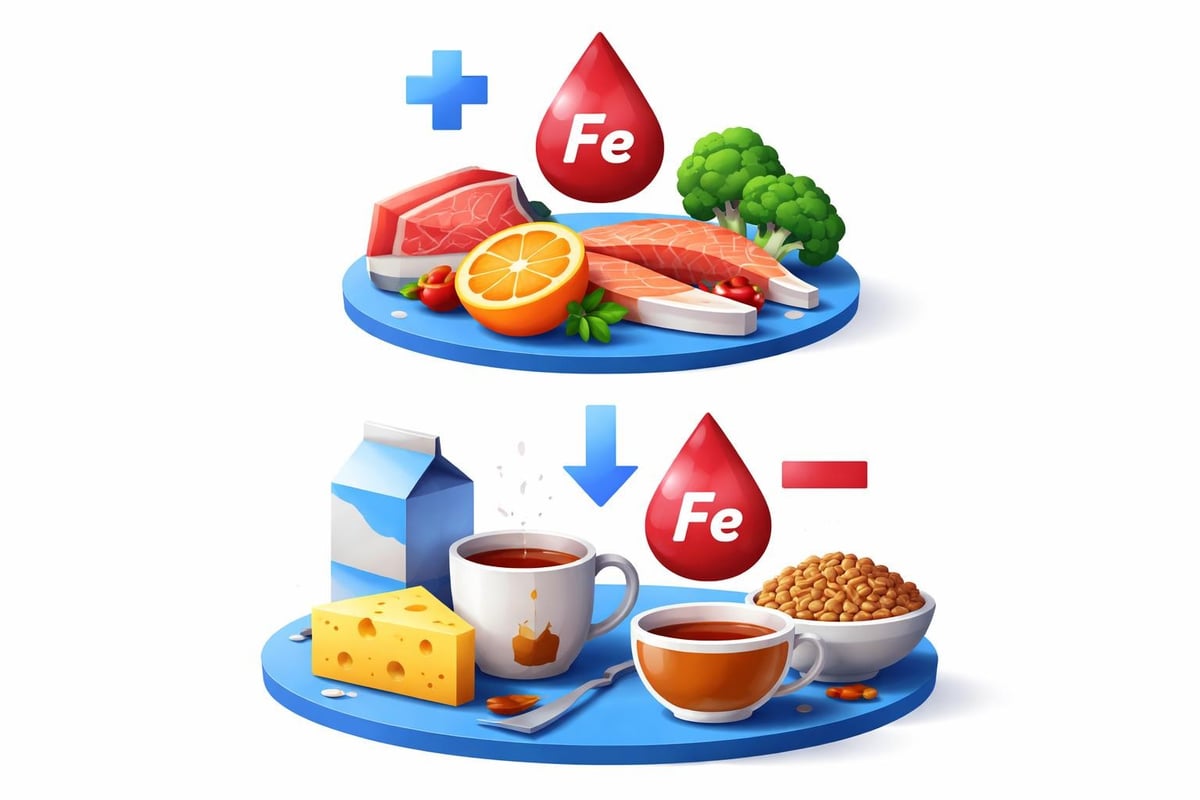
Taking iron supplements on an empty stomach maximizes absorption, but this often increases gastrointestinal side effects. Taking iron with a small amount of vitamin C enhances absorption while taking it with food reduces side effects but decreases absorption. Individual tolerance varies considerably.
Dietary Optimization
While supplementation often proves necessary for rapid repletion, optimizing dietary iron intake supports long-term maintenance. Heme iron from animal sources (red meat, poultry, fish) offers superior bioavailability compared to non-heme iron from plant sources.
Strategies to maximize iron absorption from diet include:
- Consuming vitamin C-rich foods with iron sources
- Avoiding calcium-rich foods, coffee, and tea with iron-rich meals
- Cooking in cast iron cookware
- Soaking, sprouting, or fermenting plant-based iron sources to reduce phytates
- Including meat, fish, or poultry with plant-based iron sources
Monitoring Response to Treatment
Effective treatment requires follow-up testing to ensure iron repletion is occurring. Ferritin levels typically begin rising within 4-8 weeks of starting supplementation, though complete repletion may take several months depending on the severity of depletion and ongoing iron losses.
According to comprehensive resources on how iron deficiency can exist without anemia, regular monitoring ensures treatment adequacy and helps identify cases where malabsorption or ongoing losses require alternative approaches.
When to Consider Intravenous Iron
For some individuals, oral iron supplementation proves insufficient due to malabsorption, intolerance, or the severity of deficiency. Intravenous (IV) iron therapy delivers iron directly into the bloodstream, bypassing the gastrointestinal tract entirely.
Indications for IV Iron Therapy
IV iron may be appropriate when:
- Oral iron causes intolerable gastrointestinal side effects
- Malabsorption conditions prevent adequate oral iron uptake
- Rapid repletion is medically necessary
- Oral supplementation has failed after 8-12 weeks
- Ongoing losses exceed what oral supplementation can replace
Modern IV iron formulations are generally safe and well-tolerated, with infusion reactions being relatively uncommon. Complete iron repletion can often be achieved with one or a few infusions rather than months of daily oral supplementation.
The Clinical Syndrome Requiring Recognition
Research emphasizing the clinical syndrome of iron deficiency without anemia highlights its high prevalence and significant impact on quality of life, noting the need for updated clinical guidelines that recognize this condition as distinct from anemia.
Impact on Quality of Life
The functional impairments caused by iron deficiency without anemia can substantially affect daily life, work performance, and overall well-being. Fatigue and reduced exercise capacity limit physical activities and productivity. Cognitive symptoms impair concentration, memory, and decision-making. These effects occur even when hemoglobin remains normal.
Studies examining indications for treating iron deficiency without anemia discuss symptoms like fatigue and cognitive issues, emphasizing the importance of addressing even mild deficiencies rather than waiting for anemia to develop.
Preventing Iron Deficiency Recurrence
Once iron stores have been repleted, maintaining adequate levels requires ongoing attention to dietary intake, addressing any sources of blood loss, and periodic monitoring through laboratory testing.
Long-Term Management Strategies
For high-risk individuals, maintenance supplementation may be necessary even after achieving optimal ferritin levels. Women with heavy menstrual periods, vegetarians, and frequent blood donors often benefit from ongoing low-dose supplementation rather than cycling through depletion and repletion.
Regular monitoring allows early detection of declining stores before symptoms return. Annual ferritin testing provides valuable information for individuals with known risk factors, enabling proactive intervention rather than reactive treatment.
Recommended Panel
Energy & Fatigue Panel
Save $4.5Fatigue has many causes - this panel tests for the most common ones: thyroid dysfunction, iron deficiency, vitamin deficiencies, anemia, and metabolic issues. Stop guessing, start knowing.
Includes 36 biomarkers
$72
Fasting required
Addressing underlying causes proves essential for preventing recurrence. This might involve:
- Gynecological evaluation for heavy menstrual bleeding
- Gastrointestinal assessment for occult blood loss
- Dietary counseling for vegetarians and vegans
- Medication review for drugs affecting iron absorption
- Treatment of conditions causing malabsorption
Those seeking convenient access to monitoring tests can explore available testing options that provide comprehensive iron panels without requiring insurance approval or physician referrals.
The Importance of Self-Advocacy
Given that iron deficiency without anemia often goes unrecognized in conventional healthcare settings, patient self-advocacy becomes crucial. Many individuals must specifically request ferritin testing rather than assuming it will be included in routine bloodwork.
Understanding your symptoms, knowing which tests to request, and having access to comprehensive iron panels empowers you to take control of your health. Additional information about the testing process can be found in the frequently asked questions section, which addresses common concerns about ordering and interpreting lab results.
The gap between optimal health and the absence of disease means that waiting for clinical anemia to develop before addressing iron deficiency results in months or years of preventable symptoms and functional impairment. Proactive monitoring and early intervention offer a better path forward for millions of Americans living with iron deficiency without anemia.
Iron deficiency without anemia represents a widespread yet frequently overlooked condition that can significantly impact your energy, cognition, and overall quality of life. Understanding the importance of ferritin testing and recognizing symptoms before anemia develops enables early intervention and faster resolution. If you're experiencing unexplained fatigue, hair loss, or other symptoms despite normal hemoglobin levels, comprehensive iron testing may provide the answers you need. Justlabs makes it easy to order comprehensive iron panels online at transparent prices, with results delivered in just 1-3 days, giving you the information you need to address this common deficiency quickly and conveniently.