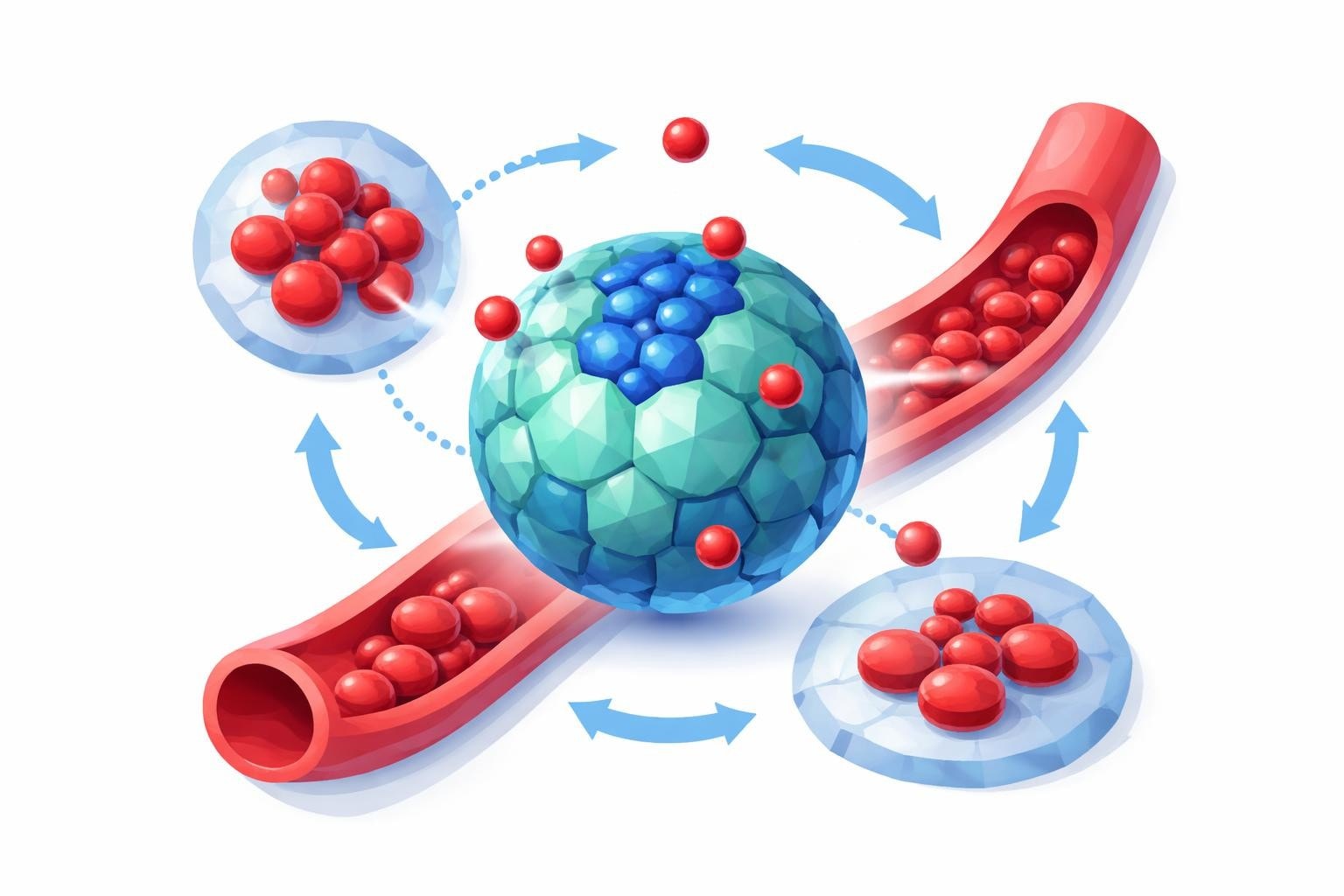
Understanding the difference between ferritin and iron testing can dramatically change how you approach fatigue, weakness, and other symptoms related to iron deficiency or overload. While many people use these terms interchangeably, ferritin and iron represent distinct aspects of your body's iron management system. One measures your iron reserves while the other tracks actively circulating iron, and knowing which to test can provide crucial insights into your health status. For anyone considering lab testing, particularly through convenient self-pay options, understanding this distinction helps you select the right test for your specific health concerns.
What Is Iron and Why Does Your Body Need It
Iron is an essential mineral that your body requires for numerous critical functions. This element plays a fundamental role in creating hemoglobin, the protein in red blood cells that carries oxygen from your lungs to every tissue in your body.
Your body uses iron for energy production, DNA synthesis, and maintaining immune system function. Without adequate iron, your cells cannot produce enough energy to function properly, leading to fatigue and reduced physical performance.
Types of Iron in Your Body
Heme iron comes from animal sources and is absorbed more efficiently by your digestive system. You'll find this form in meat, poultry, and fish.
Non-heme iron comes from plant sources and fortified foods. This form requires conversion before your body can use it, making absorption less efficient.
Your body maintains approximately 3 to 4 grams of total iron at any given time. Most of this iron circulates in hemoglobin, while the remainder is stored for future use or exists in various enzymes and proteins throughout your tissues.
Understanding Ferritin as Your Iron Storage Protein
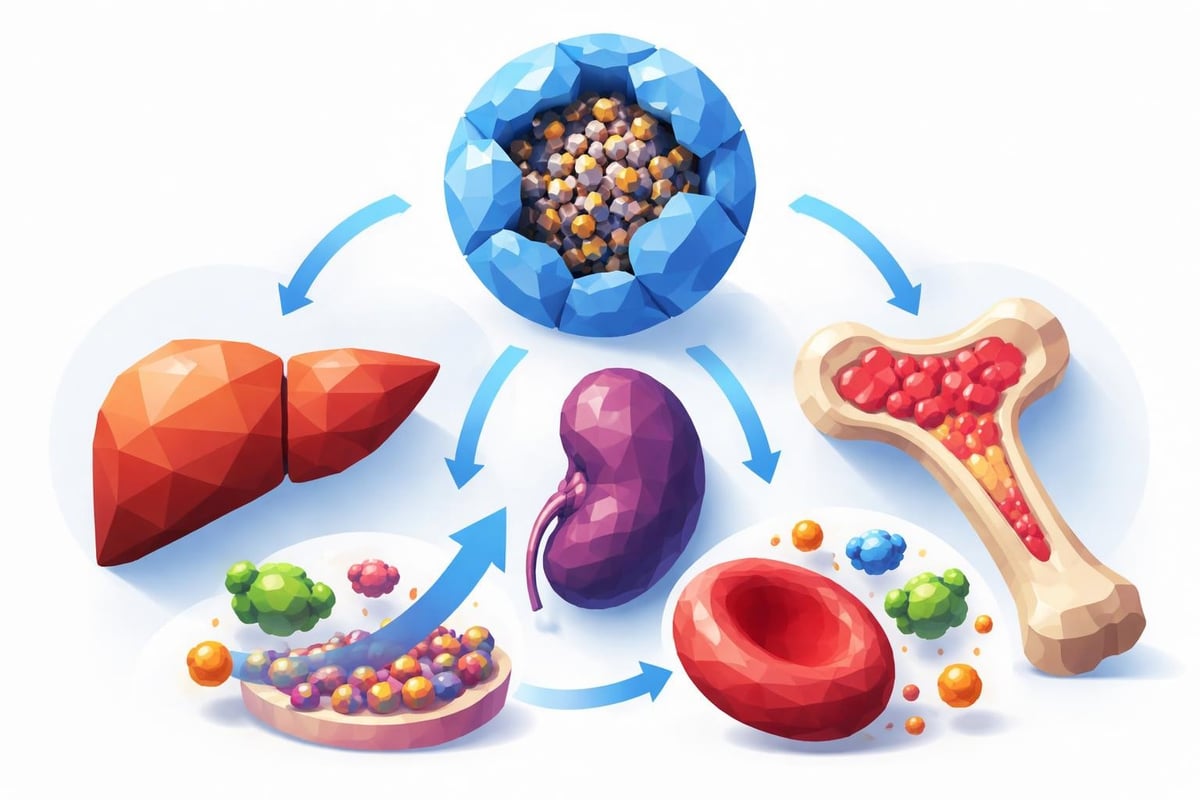
Ferritin is a protein complex that serves as your body's primary iron storage mechanism. Each ferritin molecule can hold up to 4,500 iron atoms, releasing them when your body needs to produce new red blood cells or other iron-containing proteins.
This storage system exists primarily in your liver, spleen, bone marrow, and skeletal muscles. When you consume more iron than your immediate needs require, ferritin captures and stores the excess, preventing iron from causing cellular damage through oxidation.
How Ferritin Functions as a Biomarker
Your blood contains small amounts of ferritin that directly correlate with your total iron stores. Serum ferritin testing has become the most reliable method for assessing iron status in both clinical and public health settings.
When ferritin levels drop, it signals depleted iron reserves long before anemia develops. Conversely, elevated ferritin can indicate iron overload, chronic inflammation, or certain medical conditions that affect iron metabolism.
Key Differences Between Ferritin vs Iron Testing
The distinction between ferritin vs iron becomes clear when you understand what each test actually measures. A serum iron test measures the amount of iron currently circulating in your bloodstream, bound to transferrin proteins. This number fluctuates significantly throughout the day based on recent meals, supplements, and your body's immediate iron transport needs.
Ferritin testing measures your iron storage levels, providing a stable indicator of your long-term iron status. This measurement remains relatively consistent regardless of daily variations in diet or activity.
| Test Type | What It Measures | Stability | Best Used For |
|---|---|---|---|
| Serum Iron | Circulating iron in blood | Fluctuates daily | Assessing immediate iron availability |
| Ferritin | Stored iron reserves | Stable over time | Detecting iron deficiency or overload |
| TIBC/Transferrin | Iron-binding capacity | Moderately stable | Understanding iron transport capacity |
| Transferrin Saturation | Percentage of transferrin carrying iron | Variable | Evaluating iron utilization |
Why Ferritin Provides Better Long-Term Information
Ferritin testing offers superior diagnostic value for most situations because it reflects your body's iron reserves rather than temporary fluctuations. You might have normal serum iron levels while your ferritin is dangerously low, indicating depleted reserves that will eventually lead to iron deficiency anemia.
The diagnostic accuracy of ferritin concentrations has been extensively validated through systematic reviews, confirming its reliability as the primary screening tool for iron status assessment.
Recommended Test
Ferritin
Ferritin is the best indicator of your body's iron stores. Low ferritin is one of the most common causes of fatigue, especially in women.
Includes 1 biomarkers
$10
When to Test Ferritin vs Iron
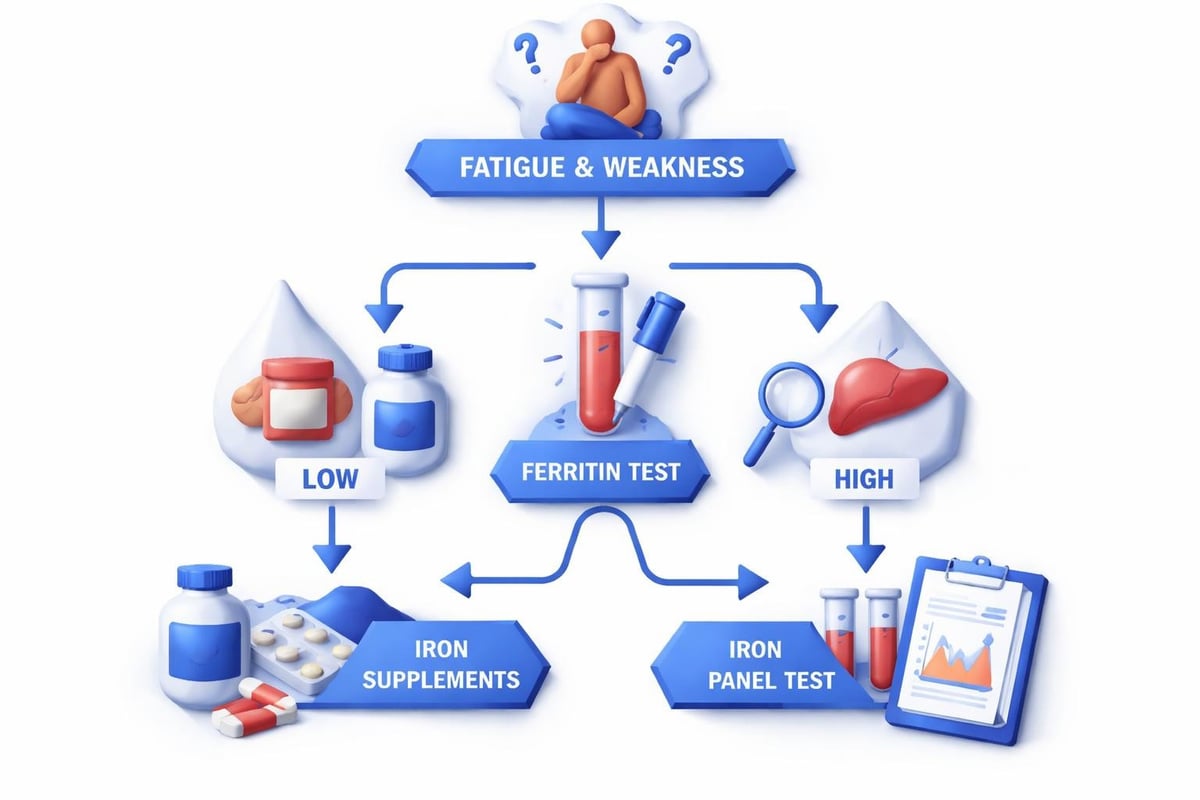
Choosing between ferritin vs iron testing depends on your specific health concerns and symptoms. Testing ferritin makes sense when you're experiencing fatigue, weakness, hair loss, or restless leg syndrome, which can indicate depleted iron stores.
You should consider ferritin testing if you:
- Experience chronic fatigue despite adequate sleep
- Have heavy menstrual periods or recent blood loss
- Follow a vegetarian or vegan diet
- Are pregnant or planning pregnancy
- Have been diagnosed with anemia previously
- Take iron supplements and want to monitor effectiveness
Situations That Call for Serum Iron Testing
Serum iron testing becomes more relevant when your healthcare provider needs to evaluate acute iron transport issues or diagnose specific conditions affecting iron metabolism. This test often appears as part of an iron panel alongside ferritin, TIBC (total iron-binding capacity), and transferrin saturation.
Combined testing provides a complete picture of both your iron stores and how effectively your body transports and utilizes iron. Understanding lab results from comprehensive iron panels requires looking at multiple markers together rather than isolated values.
Normal Ranges and What They Mean
Ferritin reference ranges vary based on age, sex, and the laboratory performing the analysis. For adult men, normal ferritin typically ranges from 24 to 336 nanograms per milliliter (ng/mL). Adult women generally show lower ranges, from 11 to 307 ng/mL, reflecting iron losses through menstruation.
These ranges represent statistical norms rather than optimal levels. Many people experience symptoms of iron deficiency even when ferritin falls in the lower portion of the "normal" range.
Interpreting Low Ferritin Results
Ferritin levels below 30 ng/mL often indicate depleted iron stores, even if you haven't developed anemia yet. This stage, called iron deficiency without anemia, causes many of the same symptoms as iron deficiency anemia but won't show up on a standard hemoglobin test.
Levels below 15 ng/mL almost certainly indicate iron deficiency requiring treatment. At this point, your body lacks sufficient iron reserves to maintain normal red blood cell production, and anemia typically develops if the condition persists.
Understanding Elevated Ferritin
High ferritin doesn't always mean iron overload. Ferritin acts as an acute phase reactant, rising during inflammation, infection, liver disease, or certain cancers. This makes interpretation more complex when ferritin exceeds normal ranges.
Ferritin above 300 ng/mL in men or 200 ng/mL in women warrants further investigation. Extremely high levels (above 1,000 ng/mL) may indicate hemochromatosis, a genetic condition causing dangerous iron accumulation, or significant inflammation from chronic disease.
Iron Deficiency vs Iron Depletion
Understanding ferritin vs iron involves recognizing the stages of iron deficiency. Your body progresses through distinct phases as iron stores decline, and ferritin testing can identify problems at each stage.
Stage 1: Iron Depletion Your ferritin drops below optimal levels, but hemoglobin and serum iron remain normal. You may experience subtle symptoms like reduced exercise tolerance or difficulty concentrating.
Stage 2: Iron-Deficient Erythropoiesis Your body struggles to produce adequate red blood cells. Ferritin continues dropping, and serum iron begins declining. Transferrin saturation falls below 20%.
Stage 3: Iron Deficiency Anemia Hemoglobin drops below normal ranges, causing obvious symptoms like severe fatigue, pale skin, shortness of breath, and cold extremities.
Why Early Detection Matters
Catching iron deficiency at stage one, when only ferritin is low, allows for easier correction through dietary changes or supplementation. Research evaluating serum ferritin accuracy demonstrates that ferritin testing identifies iron deficiency months or even years before anemia develops.
Waiting until anemia appears means your iron stores have been completely depleted for an extended period, requiring more aggressive supplementation and longer recovery times.
Testing Considerations and Timing
When comparing ferritin vs iron tests, timing plays a different role for each marker. Serum iron levels fluctuate significantly throughout the day, typically peaking in the morning and declining in the evening. Recent iron-rich meals or supplements can temporarily elevate serum iron levels.
Ferritin remains relatively stable regardless of recent iron intake, making timing less critical. However, acute inflammation from infections or injuries can temporarily elevate ferritin levels, potentially masking underlying iron deficiency.
Preparing for Accurate Results
For the most accurate ferritin testing:
- Schedule your blood draw in the morning when possible
- Fast for 8-12 hours beforehand, though this matters more for comprehensive iron panels
- Avoid iron supplements for 24 hours before testing
- Reschedule if you have an active infection or recent injury
- Inform your testing provider about inflammatory conditions, liver disease, or alcohol use
Many people appreciate the convenience of ordering lab tests without a doctor, which allows testing when symptoms arise rather than waiting for appointments.
Common Causes of Low Ferritin
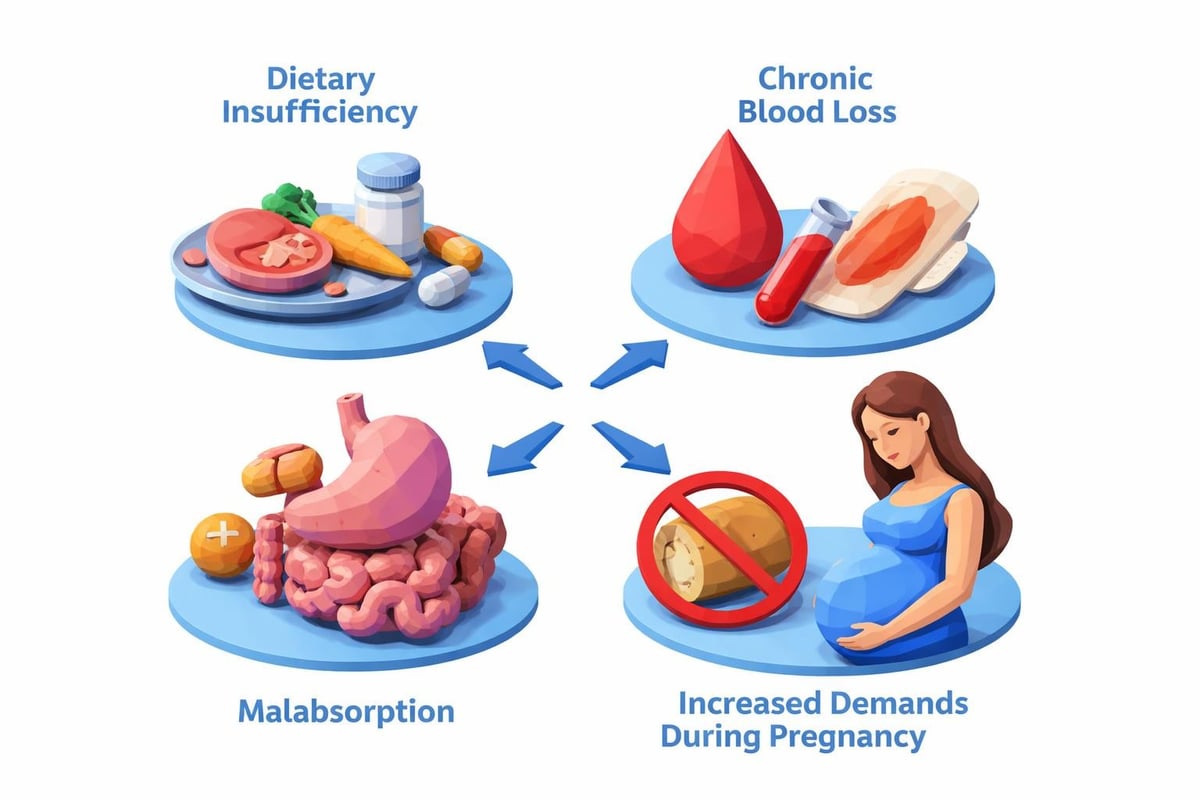
Depleted ferritin levels result from various factors that either increase iron losses or decrease iron absorption. Understanding these causes helps identify whether you need testing and guides treatment approaches.
Dietary insufficiency represents the most common cause globally, particularly among vegetarians and vegans who consume primarily non-heme iron sources. Plant-based iron requires more effort for your body to absorb, and without careful meal planning, stores gradually deplete.
Blood loss from heavy menstrual periods, gastrointestinal bleeding, frequent blood donation, or recent surgery rapidly depletes iron stores. Women lose approximately 1 mg of iron daily through menstruation, doubling the iron requirements compared to men.
Absorption and Utilization Issues
Certain medical conditions interfere with iron absorption even when dietary intake is adequate. Celiac disease, inflammatory bowel disease, and gastric bypass surgery all reduce your ability to extract iron from food.
Medications including proton pump inhibitors (PPIs) for acid reflux and certain antibiotics can impair iron absorption by altering stomach acid levels or binding to iron in your digestive tract.
Elevated Ferritin and What It Signals
High ferritin levels present a diagnostic challenge because they can indicate either iron overload or inflammatory conditions unrelated to iron status. Distinguishing between these possibilities requires additional testing and clinical evaluation.
Hemochromatosis, a genetic disorder affecting iron metabolism, causes progressive iron accumulation in organs including the liver, heart, and pancreas. This condition often goes undiagnosed until significant damage occurs, making ferritin screening valuable for at-risk individuals.
Chronic inflammation from conditions like rheumatoid arthritis, kidney disease, or cancer elevates ferritin as part of the acute phase response. The WHO guidance on using ferritin concentrations acknowledges this limitation and recommends concurrent inflammation marker testing when ferritin is elevated.
| Ferritin Level | Possible Causes | Additional Tests Needed |
|---|---|---|
| 300-500 ng/mL | Mild inflammation, early iron overload, liver disease | CRP, liver enzymes, transferrin saturation |
| 500-1,000 ng/mL | Significant inflammation, possible hemochromatosis | Genetic testing, transferrin saturation, liver imaging |
| Above 1,000 ng/mL | Hemochromatosis, severe inflammation, malignancy | Comprehensive iron panel, genetic testing, oncology screening |
The Role of Inflammatory Markers
Testing C-reactive protein (CRP) alongside ferritin helps distinguish iron overload from inflammation-induced ferritin elevation. Normal CRP with high ferritin suggests true iron overload, while elevated CRP indicates inflammation may be driving ferritin levels up.
Treatment Approaches Based on Test Results
How you address abnormal results differs significantly when considering ferritin vs iron levels. Treatment focuses primarily on ferritin levels, as these reflect your actual iron status rather than temporary fluctuations.
For low ferritin, treatment options include:
- Oral iron supplementation with ferrous sulfate, ferrous gluconate, or ferrous fumarate
- Dietary modifications emphasizing heme iron sources and absorption enhancers like vitamin C
- Intravenous iron infusions for severe deficiency or absorption problems
- Treating underlying causes such as controlling heavy menstrual bleeding or addressing celiac disease
Supplementation dosages typically range from 65 to 200 mg of elemental iron daily, depending on severity and individual tolerance. The utility of serum ferritin monitoring during treatment helps ensure stores replenish adequately without causing overload.
Managing Iron Overload
Elevated ferritin from true iron overload requires different interventions. Therapeutic phlebotomy (blood removal) remains the primary treatment for hemochromatosis, gradually reducing iron stores to normal levels.
Dietary modifications limiting iron-rich foods and avoiding vitamin C supplements with meals can slow iron accumulation. Avoiding iron-fortified foods and cooking with non-iron cookware provides additional benefit.
Comprehensive Iron Testing Panels
While understanding ferritin vs iron as individual markers provides valuable information, comprehensive iron panels offer the most complete assessment of iron status. These panels typically include:
- Serum iron
- Ferritin
- Total iron-binding capacity (TIBC)
- Transferrin saturation
- Transferrin levels
This combination reveals not just your iron stores and circulating iron, but also your body's capacity to transport iron and how efficiently that transport system is being utilized. Comparing laboratory methods for ferritin measurement shows variation between testing platforms, making it important to use consistent laboratories when monitoring trends over time.
Recommended Test
Iron and Total Iron Binding Capacity
This test measures your circulating iron, your body's iron-carrying capacity (TIBC), and iron saturation percentage - giving you a complete picture of how your body handles iron.
Includes 3 biomarkers
$9
Fasting required
When Comprehensive Panels Make Sense
Complete iron panels become particularly valuable when initial ferritin testing shows borderline results or when symptoms persist despite normal ferritin levels. Some individuals have adequate stores but poor iron utilization, which only becomes apparent through transferrin saturation analysis.
Athletes, pregnant women, and individuals with chronic diseases benefit from comprehensive testing that captures the full picture of iron metabolism rather than isolated measurements.
Special Populations and Testing Needs
Certain groups require modified interpretation of ferritin vs iron results based on their unique physiological needs. Pregnant women, for instance, need higher iron levels to support increased blood volume and fetal development, yet ferritin naturally decreases during pregnancy.
Athletes experience increased iron losses through sweat, gastrointestinal bleeding from intense exercise, and higher iron demands from expanded red blood cell mass. These individuals often require ferritin levels above 30 ng/mL to maintain optimal performance, even though this exceeds deficiency thresholds — one reason blood work for endurance athletes uses a different testing schedule and different target ranges.
Children and Adolescents
Growing children and teenagers require substantial iron for rapid growth and development. Ferritin reference ranges for pediatric populations differ from adults, and interpretation must account for growth spurts and, in adolescent girls, the onset of menstruation.
Screening ferritin in these populations helps prevent developmental delays and learning difficulties associated with iron deficiency during critical growth periods.
Accessibility and Convenience in Testing
The traditional pathway to iron testing involves scheduling a doctor's appointment, discussing symptoms, obtaining a referral, and visiting a laboratory. This process can take weeks and may involve insurance complications or high out-of-pocket costs.
Modern lab testing services have transformed this experience. Accessing a wide array of tests through transparent, self-pay options eliminates many barriers that previously prevented timely iron status assessment.
Benefits of direct-access lab testing include:
- Immediate ordering without waiting for appointments
- Transparent pricing known upfront before testing
- Rapid results typically available within 1-3 days
- No insurance requirements or authorization delays
- Privacy in managing your health information
This accessibility proves particularly valuable for individuals who suspect iron issues based on symptoms but face long wait times for doctor appointments or lack adequate health insurance coverage.
Monitoring and Retesting Strategies
After identifying abnormal ferritin or iron levels, appropriate monitoring ensures treatment effectiveness and prevents overcorrection. The frequency of retesting depends on the severity of your initial results and the interventions implemented.
For iron deficiency, retest ferritin after 8-12 weeks of supplementation. This allows sufficient time for stores to increase while avoiding unnecessary testing costs. Once ferritin normalizes, annual monitoring helps prevent recurrence.
Iron overload requires more frequent monitoring during initial therapeutic phlebotomy, potentially testing every 2-4 weeks until ferritin reaches target levels. Maintenance monitoring then shifts to every 3-6 months.
Tracking Your Progress
Maintaining records of your ferritin levels over time helps identify trends and evaluate whether interventions are working. Small fluctuations within the normal range are expected and don't necessarily indicate problems.
Significant changes or persistent abnormalities warrant consultation with healthcare providers to identify underlying causes and adjust treatment approaches accordingly.
Understanding the distinction between ferritin vs iron empowers you to make informed decisions about which tests provide the most valuable information for your specific health concerns, with ferritin typically offering superior insights into long-term iron status. When you're ready to check your iron stores, Justlabs provides convenient, affordable access to both ferritin and comprehensive iron panel testing without requiring insurance or doctor visits, delivering results in just 1-3 days so you can take action quickly.
Related Reading
References
Lopez A, Cacoub P, Macdougall IC, Peyrin-Biroulet L. Iron deficiency anaemia. Lancet. 2016 Feb 27;387(10021):907-16. doi: 10.1016/S0140-6736(15)60865-0. PMID: 26314490. https://pubmed.ncbi.nlm.nih.gov/26314490/
Lanser L, Weiss G. Anemia of Inflammation. Adv Exp Med Biol. 2025;1480:179-195. doi: 10.1007/978-3-031-92033-2_13. PMID: 40603792. https://pubmed.ncbi.nlm.nih.gov/40603792/
DeLoughery TG. Iron Deficiency Anemia. Med Clin North Am. 2017 Mar;101(2):319-332. doi: 10.1016/j.mcna.2016.09.004. PMID: 28189173. https://pubmed.ncbi.nlm.nih.gov/28189173/