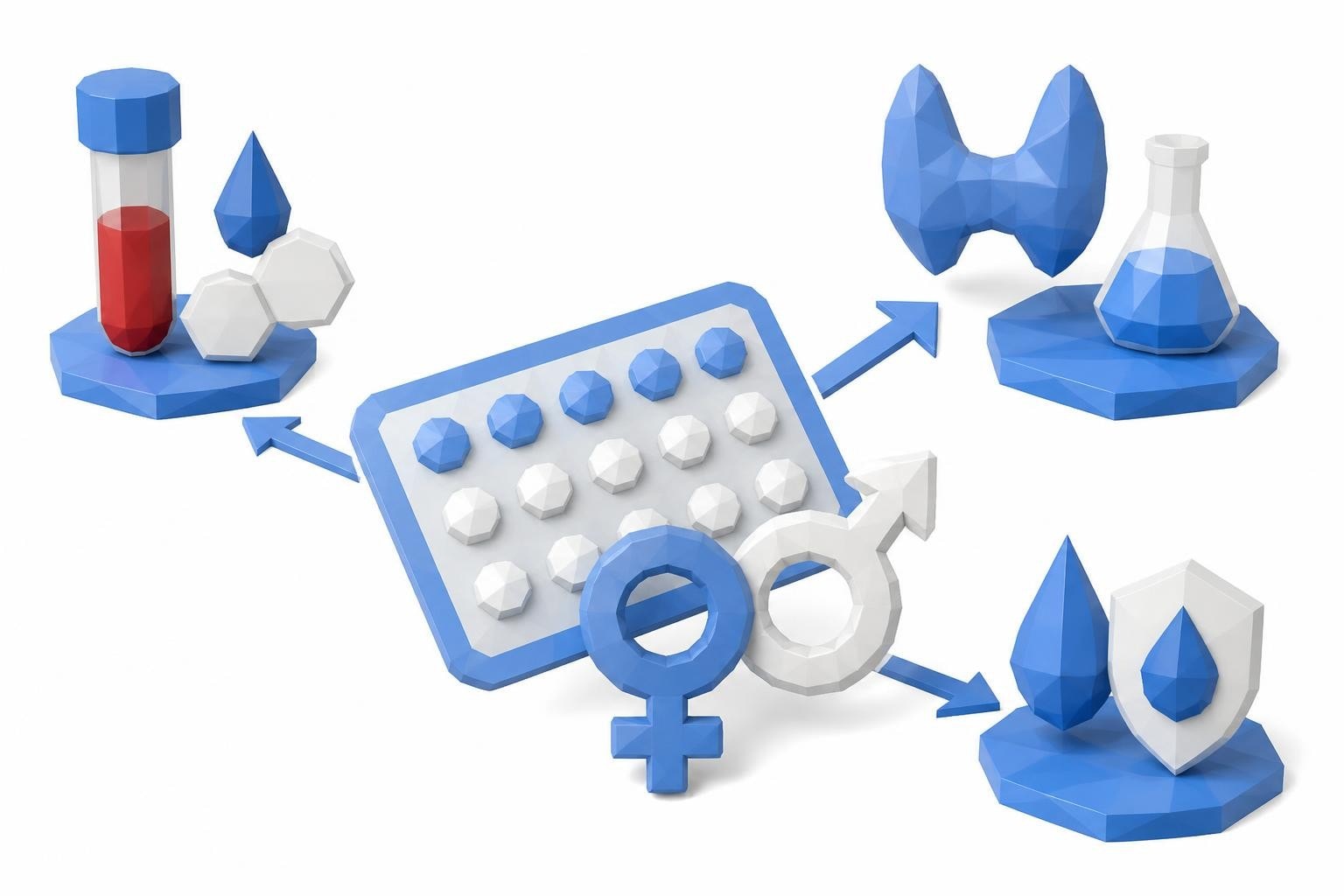
If you're taking hormonal birth control and planning to get lab work done, you need to know that your contraceptive method might influence your test results. Hormonal contraceptives, whether pills, patches, rings, or injections, introduce synthetic hormones into your body that can alter numerous biomarkers measured in standard laboratory tests. Understanding these potential changes helps you interpret your results accurately and make informed health decisions.
Big picture
- Hormonal contraceptives alter multiple lab biomarkers by introducing synthetic estrogen and progestin that affect how your liver produces proteins, how your body processes fats and sugars, and how your blood clots.
- Common affected tests include lipid panels, thyroid function tests, glucose markers, liver enzymes, and coagulation factors, with changes ranging from mild to clinically significant depending on the individual and contraceptive formulation.
- Most changes are expected and don't indicate disease, but they can complicate diagnosis if your healthcare provider doesn't know you're on birth control or if you start contraceptives between baseline and follow-up testing.
- The effects are usually reversible, with most biomarkers returning to baseline within weeks to months after stopping hormonal contraception.
- Always disclose your contraceptive use when ordering lab tests, and consider timing: some people choose to test before starting birth control to establish personal baseline values.
- If results seem unusual, review your medication history with someone who can help you understand lab results in the context of your contraceptive use.
How Birth Control Hormones Affect Laboratory Testing
Hormonal contraceptives work by delivering synthetic versions of estrogen and progesterone (progestin) to prevent ovulation. These hormones don't just affect your reproductive system, they influence metabolic processes throughout your body. A comprehensive review in Clinical Chemistry and Laboratory Medicine details how these contraceptives impact routine chemistry, metabolic, hemostatic, liver, renal, and hormone tests.
When synthetic estrogen enters your bloodstream, your liver responds by changing its production of various proteins and binding globulins. This hepatic response creates a cascade of measurable changes in standard blood tests. The magnitude of these changes depends on several factors:
- Estrogen dose and type (ethinyl estradiol versus newer formulations)
- Progestin type and androgenic properties
- Route of administration (oral versus transdermal versus injectable)
- Individual metabolic variability
- Duration of contraceptive use
The Estrogen Effect on Protein Production
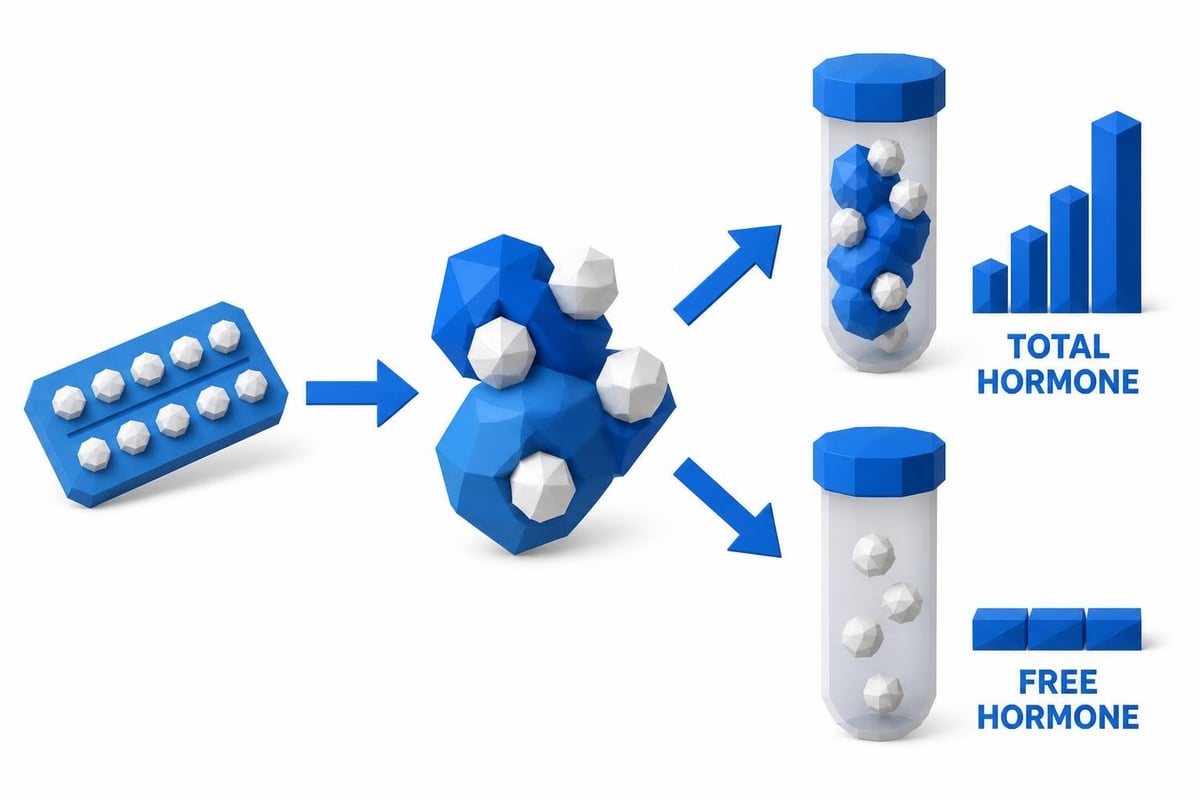
The liver increases production of several binding proteins when exposed to exogenous estrogen. This includes thyroid-binding globulin (TBG), sex hormone-binding globulin (SHBG), and cortisol-binding globulin (CBG). While these proteins bind and transport hormones, they don't necessarily reflect your body's functional hormone levels.
When you see elevated total thyroid hormone on a test but you're not experiencing hyperthyroid symptoms, birth control might be the explanation. The increased binding proteins hold more thyroid hormone, raising total levels while free, active hormone remains normal.
Birth Control Change Your Lab Results: Lipid Panel Alterations
One of the most consistent ways that birth control change your lab results appears in lipid panels. Hormonal contraceptives frequently alter cholesterol and triglyceride levels, though the direction and magnitude vary by formulation.
Typical lipid changes with combined hormonal contraceptives:
| Lipid Marker | Common Direction | Clinical Significance |
|---|---|---|
| Total Cholesterol | Slight increase | Usually minimal |
| HDL Cholesterol | Increase | Generally favorable |
| LDL Cholesterol | Variable (increase or decrease) | Depends on progestin type |
| Triglycerides | Increase | Can be significant with high estrogen |
| VLDL | Increase | Linked to triglyceride elevation |
Studies including population-based cohort analyses and cross-sectional research demonstrate that these lipid changes are reproducible across different populations. The estrogen component typically raises HDL and triglycerides, while the progestin component may increase LDL depending on its androgenic properties.
For individuals ordering lab tests without insurance, understanding these expected changes prevents unnecessary worry about borderline elevated cholesterol or triglycerides. However, significantly elevated triglycerides (above 400 mg/dL) warrant discussion with a healthcare provider, as they may increase pancreatitis risk.
Progestin-Only Contraceptives and Lipids
Progestin-only methods (minipill, implant, hormonal IUD, injection) generally have more modest lipid effects than combined contraceptives. The absence of estrogen means less dramatic increases in HDL and triglycerides, though individual responses vary.
Thyroid Function Tests and Hormonal Contraception
Birth control change your lab results for thyroid function in predictable ways, primarily by increasing thyroid-binding globulin. This creates higher total T4 and total T3 levels without actual hyperthyroidism.
Critical distinction: Most modern thyroid panels measure free T4 and free T3, which represent biologically active hormone not bound to proteins. These free hormone levels typically remain normal during contraceptive use, even when total hormones are elevated.
If you're monitoring thyroid conditions and your doctor orders total T4 instead of free T4, birth control can create misleading results. TSH (thyroid-stimulating hormone) usually remains stable because your body recognizes the free hormone levels, not the bound fraction.
Practical Implications for Thyroid Testing
When ordering thyroid function tests, specify tests that measure free hormones rather than total hormones. If you have established hypothyroidism on levothyroxine and start birth control, your dosing may need adjustment even though your thyroid disease hasn't changed.
Individuals seeking affordable lab testing for thyroid function should request panels that include free T4 and TSH at minimum, with free T3 providing additional insight if needed.
Recommended Panel
Basic Thyroid Panel
Save $2This panel includes the 3 essential thyroid markers: TSH, Free T4, and Free T3. The perfect starting point for evaluating thyroid function without unnecessary tests.
Includes 3 biomarkers
$30
Glucose Metabolism and Diabetes Screening
Hormonal contraceptives can affect glucose metabolism and insulin sensitivity, though modern low-dose formulations have minimal impact for most users. Birth control change your lab results for glucose and hemoglobin A1c in subtle ways that rarely create diagnostic confusion.
Glucose-related effects:
- Mild insulin resistance: Some users experience slightly reduced insulin sensitivity, potentially raising fasting glucose by 1-5 mg/dL
- Hemoglobin A1c stability: Usually unchanged in non-diabetic users
- Oral glucose tolerance: May show minor impairment in glucose tolerance tests
- Diabetes risk: Minimal increase in diabetes incidence with modern formulations
For individuals with pre-existing diabetes or prediabetes, contraceptive-induced insulin resistance may necessitate medication adjustments. A comprehensive metabolic panel provides baseline glucose measurement, while hemoglobin A1c offers a three-month average.
Recommended Panel
Comprehensive Diabetes Panel
This panel detects diabetes and prediabetes at every stage. Includes lipids because diabetes dramatically increases heart disease risk.
Includes 10 biomarkers
$35
Fasting required
Coagulation and Clotting Factors
Perhaps the most clinically significant way birth control change your lab results involves coagulation. Estrogen-containing contraceptives increase production of several clotting factors, raising the risk of venous thromboembolism (VTE), particularly during the first year of use.
Research from the American Society of Hematology demonstrates that clotting risk and coagulation markers change when starting and stopping hormone-based contraception. The good news: these changes reverse relatively quickly after discontinuation.
Specific Coagulation Changes
Birth control typically increases factors II, VII, VIII, and X while decreasing protein S and antithrombin. These changes don't usually require routine monitoring in healthy users but become important in specific situations:
- Pre-surgical screening
- Investigating unexplained clotting events
- Family history of clotting disorders
- Concurrent conditions affecting coagulation
If you're undergoing coagulation testing while on birth control, your results will reflect the contraceptive effect, not necessarily an underlying clotting disorder.
Liver Function and Hepatic Enzymes
Your liver processes hormonal contraceptives, and in turn, these hormones affect liver function markers. Most users experience no changes in standard liver enzymes (ALT, AST, alkaline phosphatase), but some patterns emerge with contraceptive use.
Liver-related laboratory changes:
- Binding protein increases: Already discussed with TBG, SHBG, and CBG
- Mild alkaline phosphatase elevation: Occasionally seen with estrogen exposure
- Transaminase stability: ALT and AST typically unchanged in healthy livers
- Bilirubin: Usually stable, but may unmask Gilbert's syndrome
- Bile acids: May increase, particularly with certain progestins
A review of sex hormones and hepatic biochemical measures explores how exogenous hormones alter liver-related lab markers and nutrition-relevant tests. These changes complicate interpretation when assessing liver health or nutritional status.
Hormone Testing While on Birth Control
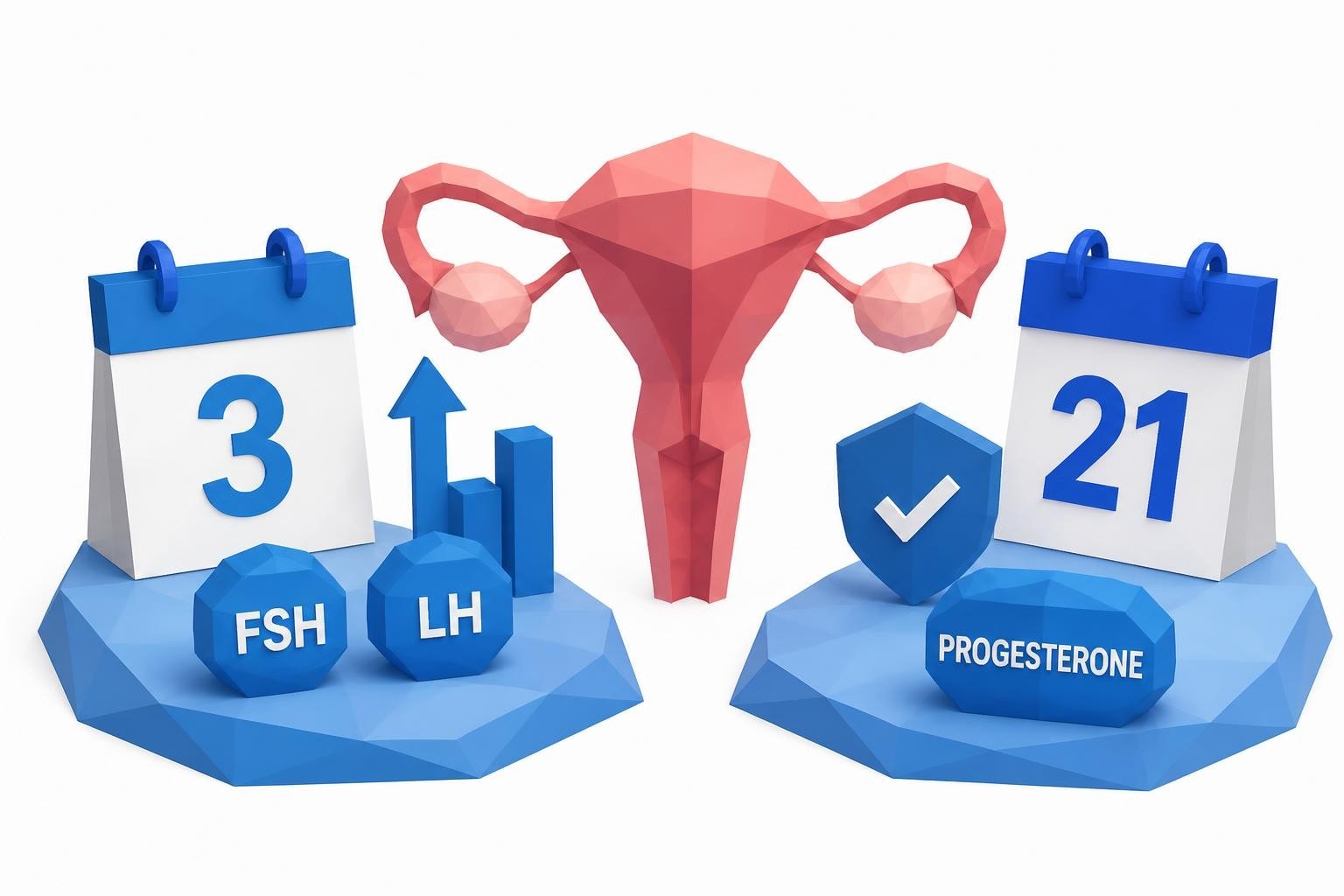
Testing your body's natural hormone production while taking synthetic hormones creates interpretation challenges. Birth control change your lab results for estradiol, progesterone, testosterone, and related hormones because the synthetic versions may cross-react with assays or suppress natural production.
Common scenarios:
| Test Purpose | Reliability on Birth Control | Alternative Approach |
|---|---|---|
| Ovulation tracking | Not reliable | Discontinue contraceptives first |
| PCOS evaluation | Complicated by suppression | Test before starting or after stopping |
| Testosterone levels | May be artificially low due to SHBG | Consider free testosterone calculation |
| Estradiol monitoring | Measures synthetic + natural | Timing matters; some tests distinguish types |
| Progesterone | Completely suppressed | No value while on birth control |
For anyone seeking to evaluate natural hormone production, testing before starting contraceptives or after stopping provides more accurate baseline data. Services that let you order labs without a doctor offer flexibility in timing these tests around contraceptive changes.
Recommended Panel
Female Hormone Panel
Save $7This comprehensive panel measures all major female hormones: estrogen, progesterone, reproductive hormones (FSH/LH), and androgens (testosterone/DHEA-S) - essential for understanding hormonal balance.
Includes 7 biomarkers
$105
Vitamin and Mineral Markers
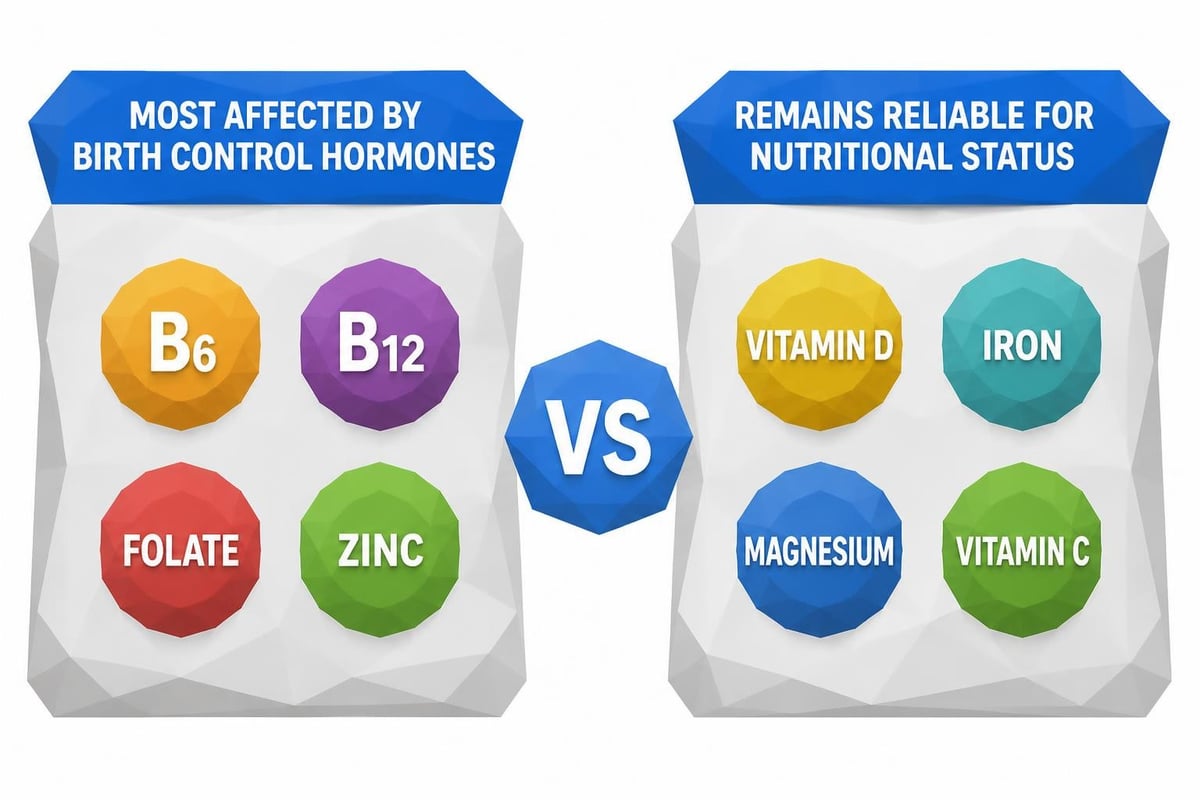
Birth control change your lab results for certain micronutrients, particularly B vitamins, folate, and vitamin D-binding proteins. While total vitamin D may appear altered due to changes in binding proteins, the biologically active free vitamin D typically remains stable.
Micronutrient considerations:
- Folate: Contraceptives may reduce folate levels; supplementation often recommended
- Vitamin B6: Commonly decreased with oral contraceptives
- Vitamin B12: Usually unchanged or slightly reduced
- Vitamin D (total): May appear altered; free 25-OH-D more reliable
- Magnesium and zinc: Variable, generally minimal changes
These changes rarely cause deficiency symptoms in well-nourished individuals, but they matter when interpreting nutrition-related lab work.
Other Affected Laboratory Tests
Beyond the major categories, birth control change your lab results in several additional ways that deserve mention:
Inflammatory Markers
C-reactive protein (CRP), an inflammation marker, frequently increases with estrogen-containing contraceptives. This elevation doesn't indicate true inflammation but rather an estrogen effect on hepatic protein synthesis. When using CRP for cardiovascular risk assessment or inflammation monitoring, account for this contraceptive-induced elevation.
Growth Hormone Pathway
Hormonal contraceptives can alter IGF-1 (insulin-like growth factor 1) levels, typically causing a modest decrease. If you're monitoring IGF-1 for specific health reasons, inform your healthcare provider about contraceptive use to contextualize any changes.
Kidney Function
Contraceptives generally don't significantly affect creatinine, blood urea nitrogen (BUN), or estimated glomerular filtration rate (eGFR). These remain reliable kidney function markers regardless of contraceptive status.
Timing Considerations for Laboratory Testing
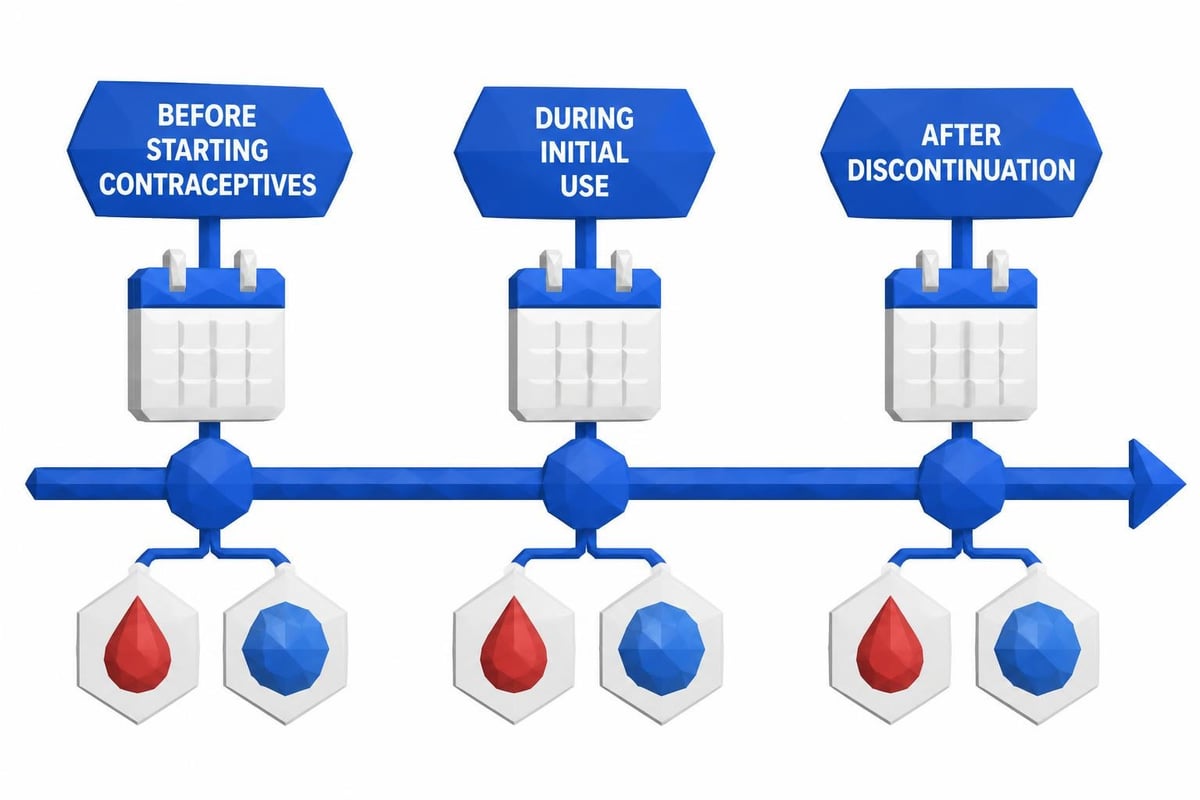
When you start or stop birth control matters for lab result interpretation. Most contraceptive-induced changes develop within the first three months of use and stabilize thereafter. After discontinuation, most markers return to baseline within one to three months, though some changes resolve more quickly.
Strategic testing timeline:
- Baseline testing: Before starting contraceptives captures your natural values
- Stabilization period: Wait 3 months after starting before using results for chronic condition monitoring
- Mid-use testing: Results after 3+ months reflect your "on contraceptive" baseline
- Post-discontinuation: Wait 1-3 months after stopping for markers to normalize
This timeline matters particularly for individuals managing chronic conditions or establishing health baselines. When comparing lab results over time, note whether your contraceptive status changed between tests.
Different Contraceptive Methods, Different Effects
Not all birth control methods affect lab results equally. The magnitude of changes correlates with estrogen exposure and route of administration.
Comparative effects by contraceptive type:
- Combined oral contraceptives (COCs): Largest effects due to first-pass hepatic metabolism
- Vaginal ring and patch: Moderate effects, less hepatic impact than oral pills
- Progestin-only pills: Minimal effects, no estrogen component
- Contraceptive injection: Moderate to minimal depending on formulation
- Hormonal IUD: Minimal systemic effects, primarily local hormone action
- Implant: Minimal to moderate effects depending on biomarker
- Copper IUD: No hormonal effects on lab results
If you're concerned about contraceptive effects on lab testing, progestin-only or non-hormonal methods minimize these interactions while still providing contraception.
Communicating with Healthcare Providers and Labs
Accurate lab interpretation requires complete medication information. When ordering tests through self-pay lab testing services, include all contraceptive methods in your health history, even if they seem unrelated to the tests you're ordering.
Essential information to provide:
- Contraceptive type and brand name
- Hormone doses (estrogen and progestin amounts)
- Duration of use
- Recent changes (starting, stopping, switching methods)
- Route of administration
This information helps healthcare providers distinguish expected contraceptive effects from pathological changes requiring intervention.
Key Takeaways
Understanding how birth control change your lab results empowers you to make informed decisions about health monitoring and contraceptive choices. The most significant effects appear in lipid panels, thyroid function tests, coagulation studies, and protein-binding globulin measurements. Most changes are expected, reversible, and don't indicate disease, but they can complicate interpretation when providers lack complete medication histories.
Modern low-dose contraceptives generally produce smaller laboratory changes than older high-dose formulations, and progestin-only methods create minimal effects compared to combined estrogen-progestin products. The clinical significance of these laboratory changes is usually minimal for healthy users, but individuals with pre-existing conditions should work closely with healthcare providers to monitor any biomarkers affected by both their condition and their contraceptive method.
Timing matters significantly when interpreting lab results in the context of contraceptive use. Establishing baseline values before starting birth control, allowing stabilization after starting, and waiting for normalization after stopping all help create more accurate, comparable results over time.
Related reading

FAQ
Do I need to stop birth control before getting lab work?
Generally no. Most routine lab tests don't require stopping birth control, but your healthcare provider should know you're taking it to interpret results correctly. For specific hormone testing (evaluating natural ovulation or investigating PCOS), stopping contraceptives first may be necessary for accurate results.
Will birth control make my cholesterol test inaccurate?
Birth control doesn't make cholesterol tests inaccurate-they correctly measure your cholesterol while on contraceptives. However, those levels may differ from your off-contraceptive baseline due to hormonal effects on lipid metabolism. The test accurately reflects your current state, which includes the contraceptive influence.
How long after stopping birth control will my lab results return to normal?
Most biomarkers return to baseline within one to three months after discontinuing hormonal contraceptives. Coagulation factors normalize relatively quickly (weeks), while lipid profiles may take two to three months to stabilize. Thyroid-binding proteins decrease within four to eight weeks.
Does the progestin-only pill affect lab tests like combined pills?
No, progestin-only contraceptives have significantly fewer effects on laboratory tests because they lack the estrogen component responsible for most hepatic protein changes. They minimally affect lipids, don't significantly alter thyroid-binding globulin, and have negligible effects on coagulation compared to combined hormonal contraceptives.
Can birth control cause a false positive on any lab tests?
Birth control doesn't typically cause false positives but can create values outside normal ranges that are appropriate for contraceptive users. For example, elevated total T4 isn't a "false positive" for hyperthyroidism-it's an expected finding that doesn't indicate thyroid disease when free T4 and TSH are normal.
Should I mention my birth control when ordering lab tests online?
Absolutely. Always disclose contraceptive use when ordering any lab tests, even through self-service platforms. This information may not change which tests you can order, but it's essential for accurate interpretation of your results and for identifying patterns that differ from population reference ranges.
Do hormonal IUDs affect lab results like birth control pills?
Hormonal IUDs (such as Mirena or Kyleena) release progestin primarily into the uterus with minimal systemic absorption. They cause far fewer laboratory changes than oral contraceptives because hormone levels in the bloodstream remain much lower. Most standard lab tests show minimal to no effects from hormonal IUDs.
Will birth control interfere with diabetes testing?
Modern low-dose contraceptives have minimal effects on glucose and hemoglobin A1c in non-diabetic users. They may cause slight insulin resistance, potentially raising fasting glucose by a few points, but this rarely affects diabetes diagnosis. Individuals with established diabetes should monitor glucose more carefully when starting contraceptives.
Understanding how birth control change your lab results helps you make informed decisions about health monitoring and contraceptive choices, particularly when values fall outside typical reference ranges for expected physiological reasons. Whether you're establishing health baselines, monitoring chronic conditions, or investigating new symptoms, knowing your contraceptive method's laboratory effects prevents unnecessary concern and guides appropriate follow-up. JustLabs makes it easy to access affordable, transparent lab testing with results in 1-3 days, giving you the flexibility to test before starting contraceptives, monitor changes during use, or verify normalization after stopping-all without insurance hassles or mandatory doctor visits.
References
Özcan Ö, den Elzen WPJ, Hillebrand JJ, den Heijer M, van Loendersloot LL, Fischer J, Hamer H, de Jonge R, Heijboer AC. The effect of hormonal contraceptive therapy on clinical laboratory parameters: a literature review. Clin Chem Lab Med. 2024 Jan 26;62(1):18-40. doi: 10.1515/cclm-2023-0384. PMID: 37419659. https://pubmed.ncbi.nlm.nih.gov/37419659/
Torre F, Calogero AE, Condorelli RA, Cannarella R, Aversa A, La Vignera S. Effects of oral contraceptives on thyroid function and vice versa. J Endocrinol Invest. 2020 Sep;43(9):1181-1188. doi: 10.1007/s40618-020-01230-8. PMID: 32219692. https://pubmed.ncbi.nlm.nih.gov/32219692/
Grandi G, Napolitano A, Cagnacci A. Metabolic impact of combined hormonal contraceptives containing estradiol. Expert Opin Drug Metab Toxicol. 2016 Jul;12(7):779-87. doi: 10.1080/17425255.2016.1190832. PMID: 27187588. https://pubmed.ncbi.nlm.nih.gov/27187588/
Whayne TF. Hypertriglyceridemia: An Infrequent, Difficult-to-predict, Severe Metabolic and Vascular Problem Associated with Estrogen Administration. Curr Vasc Pharmacol. 2020;18(3):254-261. doi: 10.2174/1570161117666190306102322. PMID: 30843488. https://pubmed.ncbi.nlm.nih.gov/30843488/
Lopez LM, Grimes DA, Schulz KF. Steroidal contraceptives: effect on carbohydrate metabolism in women without diabetes mellitus. Cochrane Database Syst Rev. 2014 Apr 30;2014(4):CD006133. doi: 10.1002/14651858.CD006133.pub5. PMID: 24788670. https://pubmed.ncbi.nlm.nih.gov/24788670/
Morimont L, Haguet H, Dogné JM, Gaspard U, Douxfils J. Combined Oral Contraceptives and Venous Thromboembolism: Review and Perspective to Mitigate the Risk. Front Endocrinol (Lausanne). 2021;12:769187. doi: 10.3389/fendo.2021.769187. PMID: 34956081. https://pubmed.ncbi.nlm.nih.gov/34956081/