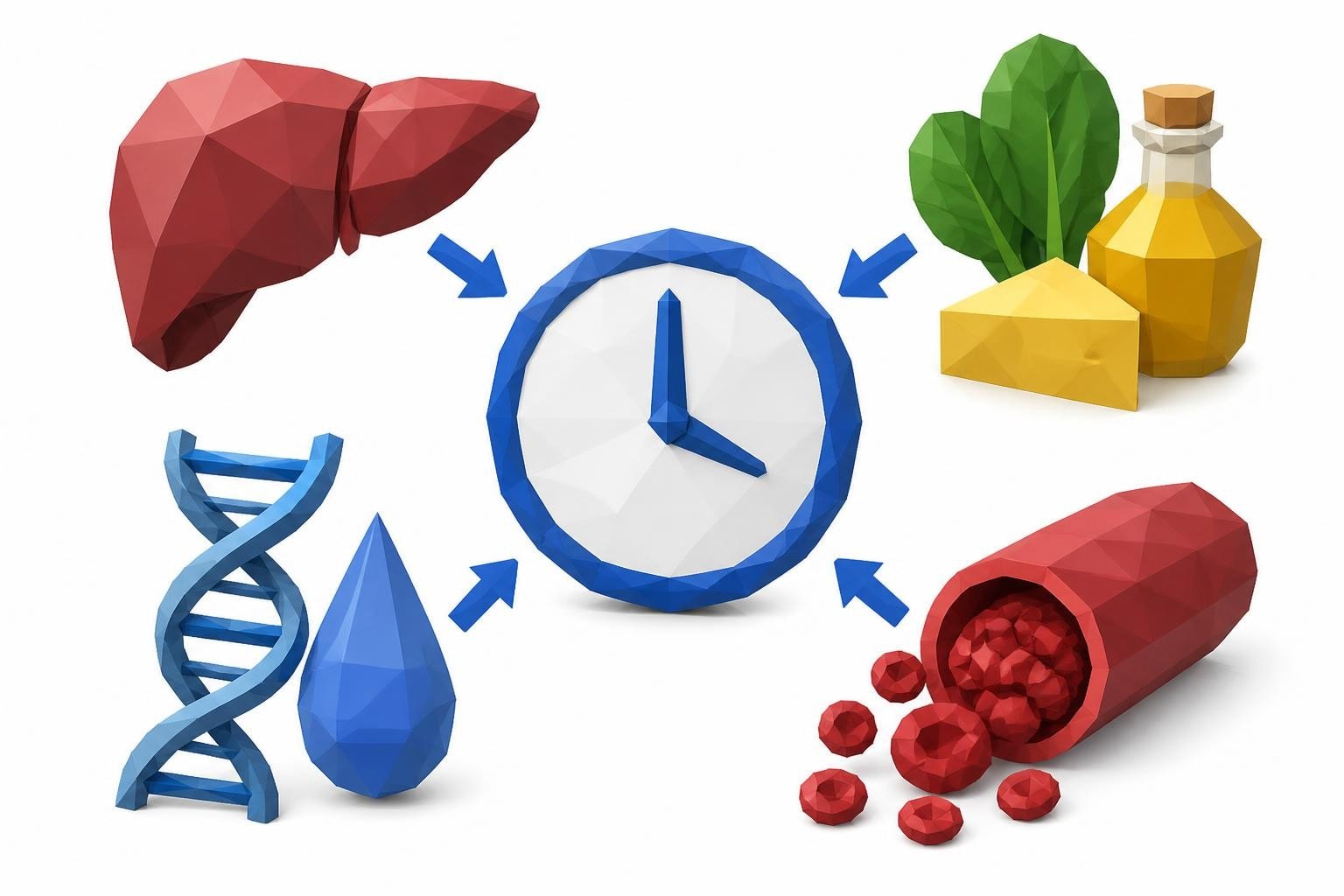
When a prothrombin time (PT) test comes back elevated, most people immediately think of blood-thinning medications like warfarin. While anticoagulants are indeed a common cause, numerous other medical conditions can prolong PT values, many of which require entirely different management approaches. Understanding the cause beyond thinners for high prothrombin time is essential for proper diagnosis and treatment, particularly when someone receives unexpected results without taking any anticoagulant medications.
Big picture
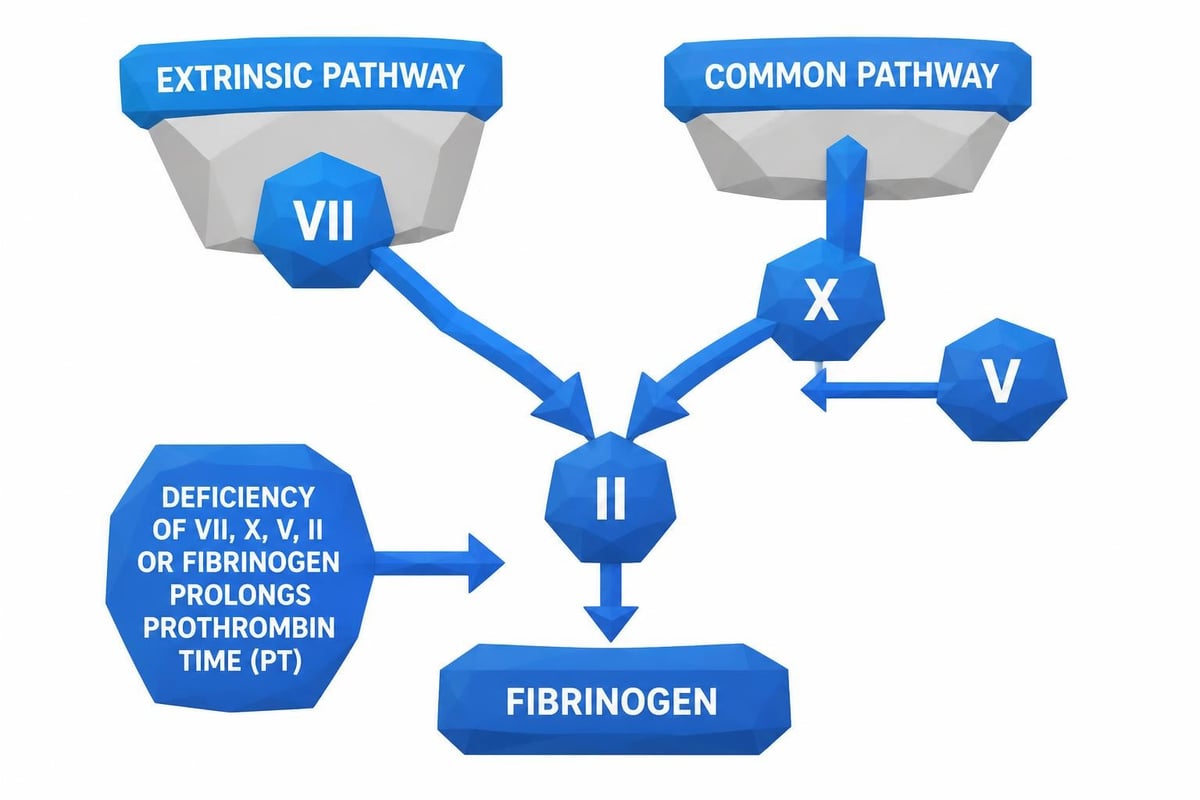
- Prothrombin time measures how quickly blood clots through the extrinsic and common coagulation pathways, involving factors VII, X, V, II (prothrombin), and fibrinogen.
- Elevated PT without blood thinners signals potential liver disease, vitamin K deficiency, genetic clotting factor disorders, or critical conditions like disseminated intravascular coagulation (DIC).
- Many causes are treatable once identified, from vitamin K supplementation for nutritional deficiencies to specific management protocols for liver dysfunction or inherited coagulation disorders.
- Direct access to coagulation testing through services like JustLabs enables faster identification of prolonged PT, allowing individuals to pursue timely medical evaluation without unnecessary delays.
- Next steps include comprehensive coagulation panels, liver function assessment, and potentially genetic testing depending on clinical presentation and initial laboratory findings.
Understanding Prothrombin Time Beyond Anticoagulation
Prothrombin time evaluates the functionality of specific clotting factors in your blood. The test activates the extrinsic pathway using tissue factor and calcium, measuring the time required for plasma to clot. Results are typically reported in seconds and as an International Normalized Ratio (INR), which standardizes measurements across different laboratories.
Normal PT values generally range from 11 to 13.5 seconds, with INR values between 0.8 and 1.1 for individuals not taking anticoagulants. Values exceeding these ranges indicate prolonged clotting time, which may stem from medication effects, nutritional deficiencies, organ dysfunction, or inherited conditions.
The Coagulation Factor Connection
Several specific clotting factors directly influence PT results. Factor VII, which has the shortest half-life of all coagulation factors at approximately 4-6 hours, is particularly important. Factor VII deficiency represents one significant cause beyond thinners for high prothrombin time, presenting as isolated PT prolongation while activated partial thromboplastin time (aPTT) remains normal.
Other factors measured by PT include:
- Factor X (Stuart-Prower factor)
- Factor V (proaccelerin)
- Factor II (prothrombin itself)
- Fibrinogen (Factor I)
Deficiencies in any of these factors, whether acquired or inherited, will manifest as prolonged PT.
Liver Disease and Synthetic Function
The liver synthesizes nearly all coagulation factors except von Willebrand factor and Factor VIII. When liver function deteriorates, production of multiple clotting factors decreases simultaneously, making PT prolongation an excellent marker of hepatic synthetic capacity.
How Liver Dysfunction Affects Coagulation
Chronic liver diseases such as cirrhosis, hepatitis, and fatty liver disease progressively impair the production of vitamin K-dependent factors (II, VII, IX, X) as well as factor V. Because Factor VII has the shortest half-life, PT often becomes abnormal before other coagulation tests in early liver disease.
| Liver Condition | PT/INR Pattern | Additional Lab Findings |
|---|---|---|
| Acute hepatitis | Mildly prolonged | Elevated transaminases (AST/ALT) |
| Cirrhosis | Moderately to severely prolonged | Low albumin, elevated bilirubin |
| Acute liver failure | Severely prolonged | Rapidly rising INR, encephalopathy markers |
| Fatty liver disease | Normal to mildly prolonged | Elevated liver enzymes, imaging changes |
Liver disease creates a complex coagulopathy because it simultaneously reduces production of both procoagulant and anticoagulant factors. Testing liver function through comprehensive metabolic panels helps identify this cause beyond thinners for high prothrombin time.
Vitamin K Deficiency and Nutritional Causes
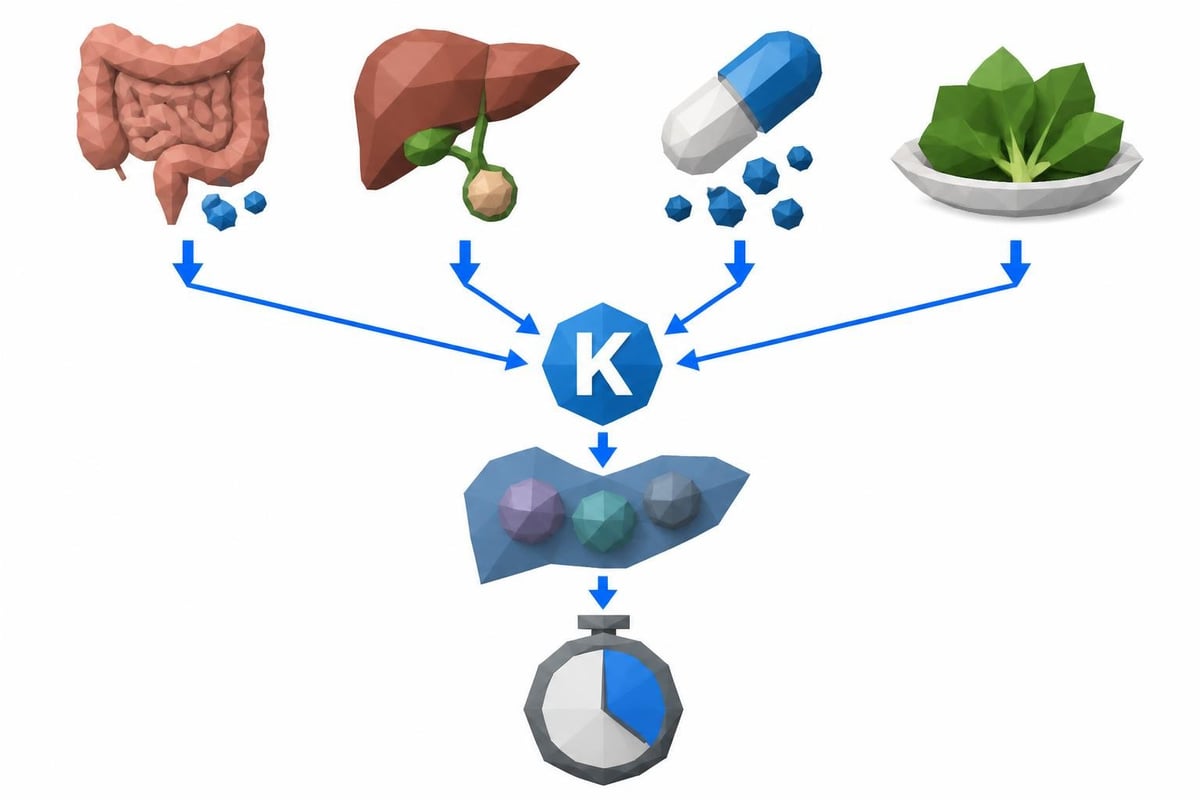
Vitamin K serves as an essential cofactor for the gamma-carboxylation of clotting factors II, VII, IX, and X. Without adequate vitamin K, these factors cannot function properly, resulting in prolonged PT even when the liver produces normal quantities of factor proteins.
Sources and Mechanisms of Vitamin K Deficiency
Dietary insufficiency rarely causes isolated vitamin K deficiency in healthy adults, as the vitamin is abundant in leafy green vegetables, vegetable oils, and certain fermented foods. However, several conditions interfere with vitamin K absorption or metabolism:
- Malabsorption syndromes (celiac disease, Crohn's disease, short bowel syndrome)
- Biliary obstruction preventing fat-soluble vitamin absorption
- Prolonged antibiotic use disrupting intestinal bacteria that produce vitamin K2
- Severe dietary restriction or prolonged hospitalization with poor nutrition
- Chronic pancreatitis affecting fat digestion
Unlike coagulation factor deficiencies from liver disease, vitamin K deficiency typically responds rapidly to supplementation. Laboratory evaluation can differentiate these causes by testing Factor VII activity levels and performing mixing studies.
Inherited Coagulation Factor Deficiencies
Genetic mutations affecting specific clotting factors represent an important cause beyond thinners for high prothrombin time, particularly when PT elevation begins in childhood or young adulthood without obvious acquired risk factors.
Factor VII Deficiency
Congenital factor VII deficiency is the most common inherited disorder causing isolated PT prolongation. This autosomal recessive condition varies widely in severity, from asymptomatic individuals discovered incidentally through routine testing to those experiencing significant bleeding complications.
Clinical presentations include:
- Asymptomatic laboratory finding during pre-surgical screening
- Easy bruising or mucosal bleeding (nosebleeds, gum bleeding)
- Menorrhagia in affected women
- Serious bleeding after trauma or surgery in severe cases
- Rarely, intracranial hemorrhage in severe deficiency
Molecular genetic testing and variant interpretation using standardized classification systems helps confirm diagnosis and predict bleeding risk in families with suspected factor VII deficiency.
Other Rare Factor Deficiencies
While less common than Factor VII deficiency, inherited deficiencies of factors II, V, and X also cause PT prolongation. These conditions often present with both elevated PT and aPTT, distinguishing them from isolated Factor VII deficiency.
Combined factor deficiencies affecting multiple vitamin K-dependent factors occasionally occur due to mutations in genes involved in vitamin K metabolism or factor carboxylation, creating a phenotype similar to vitamin K deficiency but unresponsive to supplementation.
Disseminated Intravascular Coagulation
Disseminated intravascular coagulation (DIC) represents a life-threatening condition where widespread activation of coagulation leads to simultaneous clot formation and bleeding. DIC pathophysiology involves consumption of clotting factors faster than the liver can produce them, resulting in prolonged PT, elevated aPTT, low fibrinogen, and thrombocytopenia.
Triggers and Recognition
DIC almost always occurs secondary to severe underlying conditions:
- Sepsis and severe infections
- Trauma with extensive tissue damage
- Obstetric complications (placental abruption, amniotic fluid embolism)
- Malignancies, particularly acute leukemias
- Severe inflammatory conditions
Laboratory findings in DIC extend beyond prolonged PT to include elevated D-dimer, decreased fibrinogen, falling platelet counts, and presence of schistocytes on blood smear. The combination of these abnormalities distinguishes DIC from isolated factor deficiencies.
Treatment focuses on managing the underlying condition while providing supportive care with blood products as needed. Recognizing DIC as a cause beyond thinners for high prothrombin time requires clinical context and comprehensive coagulation testing.
Medication Interactions and Direct Oral Anticoagulants
While warfarin is well-known for elevating PT/INR, numerous other medications can prolong PT through various mechanisms. Direct oral anticoagulants (DOACs) like rivaroxaban and apixaban affect coagulation assays differently than warfarin, sometimes causing unexpected PT elevation and interpretation challenges.
Non-Anticoagulant Medications Affecting PT
Several medication classes can prolong PT without being classified as blood thinners:
| Medication Class | Mechanism | PT Effect |
|---|---|---|
| Antibiotics (cephalosporins) | Vitamin K antagonism | Moderate prolongation |
| Aspirin (high dose) | Platelet dysfunction, factor effects | Mild prolongation |
| Herbal supplements (ginkgo, garlic) | Multiple anticoagulant effects | Variable |
| Chemotherapy agents | Liver toxicity, factor production | Moderate to severe |
| Thyroid hormones (excessive) | Increased factor catabolism | Mild prolongation |
Anyone experiencing unexpected PT elevation should review all medications, supplements, and herbal products with their healthcare provider, as these represent treatable causes beyond thinners for high prothrombin time.
Diagnostic Approach to Unexplained PT Elevation
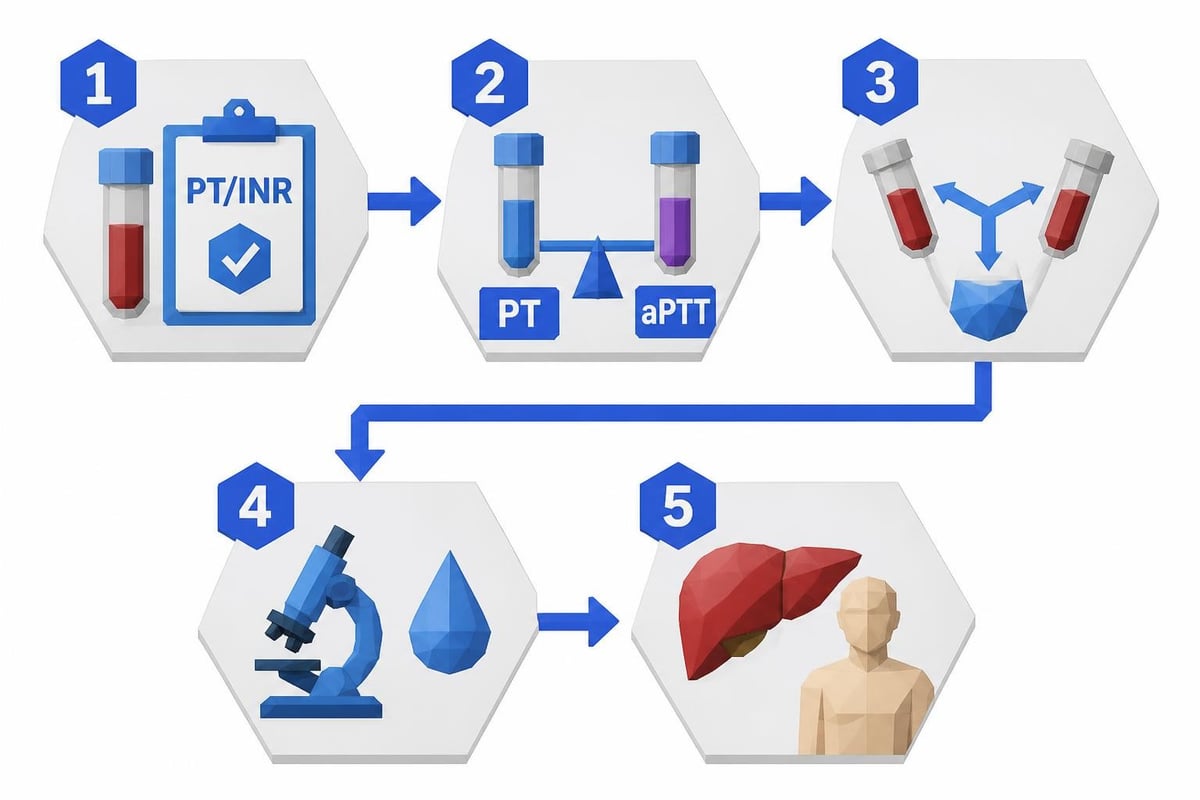
When PT comes back elevated without obvious anticoagulant use, systematic evaluation helps identify the underlying cause. The differential diagnosis and laboratory workflow typically proceeds through several steps.
Initial Laboratory Assessment
First-line testing should include:
- Repeat PT/INR to confirm the finding and rule out pre-analytical error
- Activated partial thromboplastin time (aPTT) to assess intrinsic pathway
- Comprehensive metabolic panel including liver function tests
- Complete blood count with platelet count
- Fibrinogen level if DIC is suspected
Results of these tests guide subsequent evaluation. Isolated PT elevation with normal aPTT suggests Factor VII deficiency or early liver disease. Prolongation of both PT and aPTT indicates deficiencies affecting the common pathway or combined deficiencies.
Advanced Coagulation Studies
When initial testing doesn't reveal an obvious cause, specialized assays help narrow the diagnosis:
- Mixing studies: Patient plasma mixed 1:1 with normal plasma distinguishes factor deficiency from inhibitors
- Individual factor assays: Measure specific factor levels (VII, X, V, II)
- Vitamin K level: Direct measurement when malabsorption is suspected
- Thrombin time: Evaluates fibrinogen function and heparin contamination
- Dilute Russell viper venom time: Screens for lupus anticoagulant
Through convenient access to comprehensive testing, individuals can pursue these evaluations without the delays often associated with traditional healthcare pathways.
Acquired Factor Inhibitors and Autoimmune Causes
Rarely, autoantibodies develop against specific clotting factors, creating acquired inhibitors that prolong PT by neutralizing factor function rather than reducing factor quantity. These represent unusual causes beyond thinners for high prothrombin time.
Factor VII Inhibitors
Acquired Factor VII inhibitors occur extremely rarely, typically in patients with recent infections, autoimmune conditions, or malignancies. Unlike hemophilia A or B inhibitors (which affect factors VIII and IX), Factor VII inhibitors specifically prolong PT while aPTT remains normal.
Distinguishing features include:
- Sudden onset of bleeding symptoms in previously healthy individuals
- Failure of PT to correct fully in 1:1 mixing studies
- Detectable antibodies against Factor VII
- No family history of bleeding disorders
Management often requires immunosuppression to eliminate the antibody, with recombinant Factor VIIa used for bleeding episodes.
When to Pursue Additional Evaluation
Certain patterns of PT elevation warrant urgent medical evaluation rather than outpatient workup. Understanding these red flags helps individuals seek appropriate care promptly.
Seek immediate evaluation if PT elevation occurs with:
- Active bleeding that won't stop with pressure
- Signs of liver failure (confusion, jaundice, abdominal swelling)
- Symptoms suggesting DIC (fever, widespread bruising, bleeding from multiple sites)
- Recent major trauma or surgery
- New medications started within the past week
For less urgent situations, particularly isolated PT elevation discovered on routine testing without symptoms, systematic outpatient evaluation through accessible lab testing services allows for thorough investigation without emergency department visits.
Testing Access and Follow-Up Monitoring
Once a cause beyond thinners for high prothrombin time is identified, appropriate monitoring ensures treatment effectiveness and disease stability. The frequency and type of follow-up testing depends on the underlying condition.
Monitoring Protocols by Condition
Liver disease: PT/INR testing every 3-6 months for stable cirrhosis, more frequently during acute decompensation or when considering procedures
Vitamin K deficiency: Repeat PT 24-48 hours after supplementation to confirm response, then periodic rechecking based on underlying cause
Inherited factor deficiencies: Baseline factor levels for surgical planning, pre-procedure testing when invasive interventions are planned
DIC: Daily PT, fibrinogen, platelets, and D-dimer until resolution of the acute episode
Services offering transparent pricing for lab tests make regular monitoring financially feasible for individuals without insurance coverage or those with high deductibles.
Key Takeaways
Understanding the diverse causes beyond thinners for high prothrombin time enables appropriate evaluation and management. Liver disease represents the most common acquired cause, while vitamin K deficiency offers a readily treatable explanation for PT elevation. Inherited factor deficiencies, particularly Factor VII deficiency, should be considered in younger individuals with isolated PT prolongation and no acquired risk factors.
Critical conditions like DIC require emergency recognition and treatment of underlying triggers. Medication reviews help identify drug-induced causes, including unexpected effects from antibiotics and supplements. Systematic laboratory evaluation using PT, aPTT, mixing studies, and specific factor assays distinguishes between deficiency states and inhibitors.
Access to comprehensive coagulation testing without insurance barriers accelerates diagnosis and allows for appropriate monitoring once treatment begins. The cause beyond thinners for high prothrombin time often requires specialized testing that becomes more accessible through direct-to-consumer laboratory services.
FAQ
What does it mean if my PT is high but I'm not on blood thinners?
Elevated PT without anticoagulant use indicates your blood is clotting more slowly than normal due to deficiencies or dysfunction of specific clotting factors. Common causes include liver disease affecting factor production, vitamin K deficiency preventing normal factor function, inherited factor deficiencies present since birth, or acute conditions like DIC consuming clotting factors faster than they can be replaced.
Can vitamin deficiency cause high prothrombin time?
Yes, vitamin K deficiency is a significant cause beyond thinners for high prothrombin time. Vitamin K is essential for activating factors II, VII, IX, and X. Deficiency can result from malabsorption disorders, prolonged antibiotic use disrupting gut bacteria, biliary obstruction, or rarely, severe dietary insufficiency. Unlike factor deficiencies from liver disease, vitamin K deficiency typically corrects rapidly with supplementation.
How do I know if my liver is causing elevated PT?
Liver disease typically causes PT elevation accompanied by other liver function abnormalities. Check for elevated liver enzymes (AST, ALT), low albumin, elevated bilirubin, and clinical signs like jaundice, abdominal swelling, or easy bruising. Comprehensive metabolic panels available through understanding lab results help identify liver dysfunction patterns. Severe PT elevation with INR above 1.5-2.0 suggests significant hepatic synthetic dysfunction.
Is Factor VII deficiency serious?
Factor VII deficiency severity varies widely depending on residual factor activity. Mild deficiency (factor levels 20-50% of normal) may be asymptomatic or cause only easy bruising, while severe deficiency (less than 1% activity) can cause serious bleeding including intracranial hemorrhage. Many people with moderate deficiency live normal lives with precautions around surgery and trauma. Genetic testing and precise factor level measurement help predict bleeding risk.
When should I retest if my PT came back high?
If you're not on blood thinners and have an unexpectedly elevated PT, retest within one week to confirm the finding wasn't due to sample handling issues. If confirmed elevated, comprehensive evaluation including liver function tests, aPTT, and complete blood count should follow promptly. For known causes like stable liver disease, retest every 3-6 months unless symptoms change. Convenient online ordering enables timely follow-up testing without scheduling delays.
Can medications other than blood thinners affect PT?
Numerous medications can prolong PT through various mechanisms. Certain antibiotics (especially cephalosporins) interfere with vitamin K metabolism, high-dose aspirin affects multiple aspects of hemostasis, and some chemotherapy agents damage liver function. Herbal supplements including ginkgo biloba, garlic, and ginger may have anticoagulant properties. Always review all medications and supplements when investigating causes beyond thinners for high prothrombin time.
What's the difference between PT and INR?
PT measures the actual time in seconds for your blood to clot, while INR (International Normalized Ratio) is a standardized calculation that accounts for differences in testing reagents between laboratories. INR makes results comparable across different testing facilities. For people not on warfarin, normal INR is 0.8-1.1. Both PT and INR are reported together, with INR providing the standardized value for clinical decision-making.
Do I need genetic testing for elevated PT?
Genetic testing becomes appropriate when you have persistent PT elevation without acquired causes (liver disease, vitamin K deficiency, medications), especially if you're young, have a family history of bleeding disorders, or have isolated Factor VII deficiency confirmed by factor assay. Testing can identify specific mutations, help predict bleeding risk, guide surgical planning, and inform family counseling. Discuss with a hematologist whether genetic evaluation would change your management.
Identifying the cause beyond thinners for high prothrombin time requires systematic evaluation of liver function, nutritional status, medication effects, and inherited factor deficiencies. Early diagnosis enables targeted treatment, whether through vitamin K supplementation, liver disease management, or specialized protocols for rare coagulation disorders. JustLabs provides accessible, affordable coagulation testing without insurance hassles, delivering results in 1-3 days so you can pursue timely medical evaluation and appropriate follow-up care.