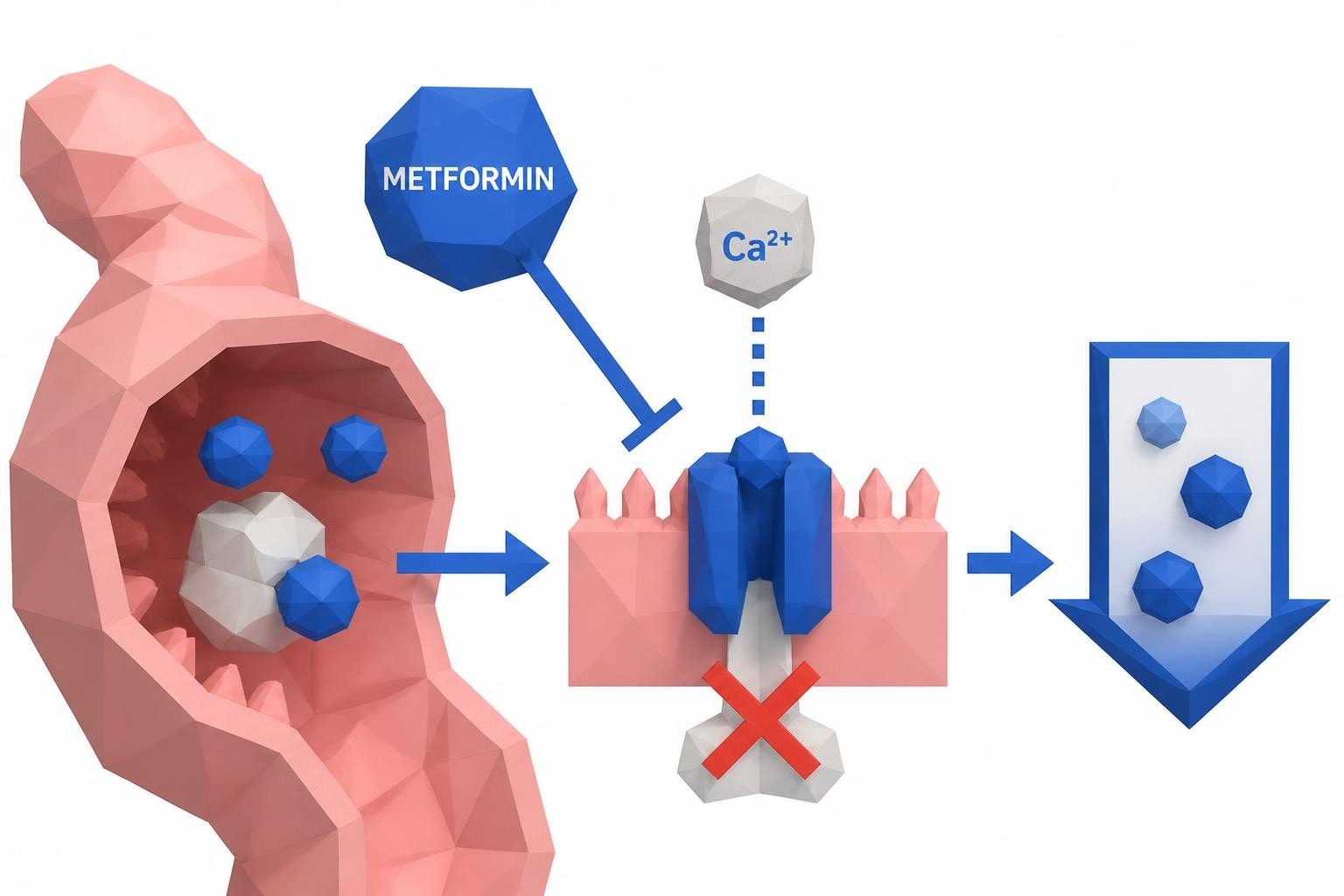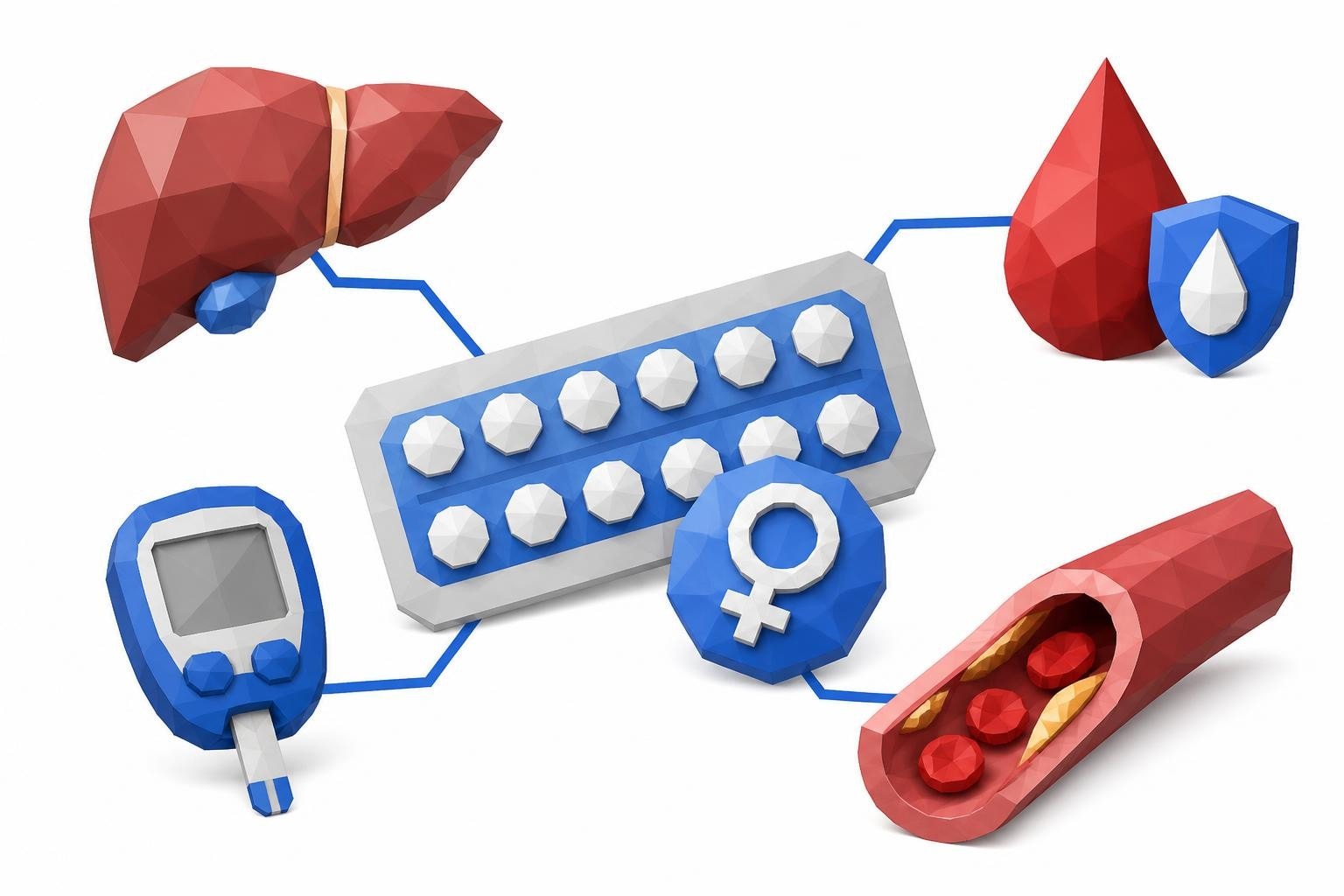
Birth control has revolutionized reproductive health, providing millions of individuals with reliable contraception options. While hormonal contraceptives are generally safe, they can affect various body systems and biomarkers. Understanding which labs to monitor while taking birth control helps you maintain optimal health and catch potential complications early.
Big picture
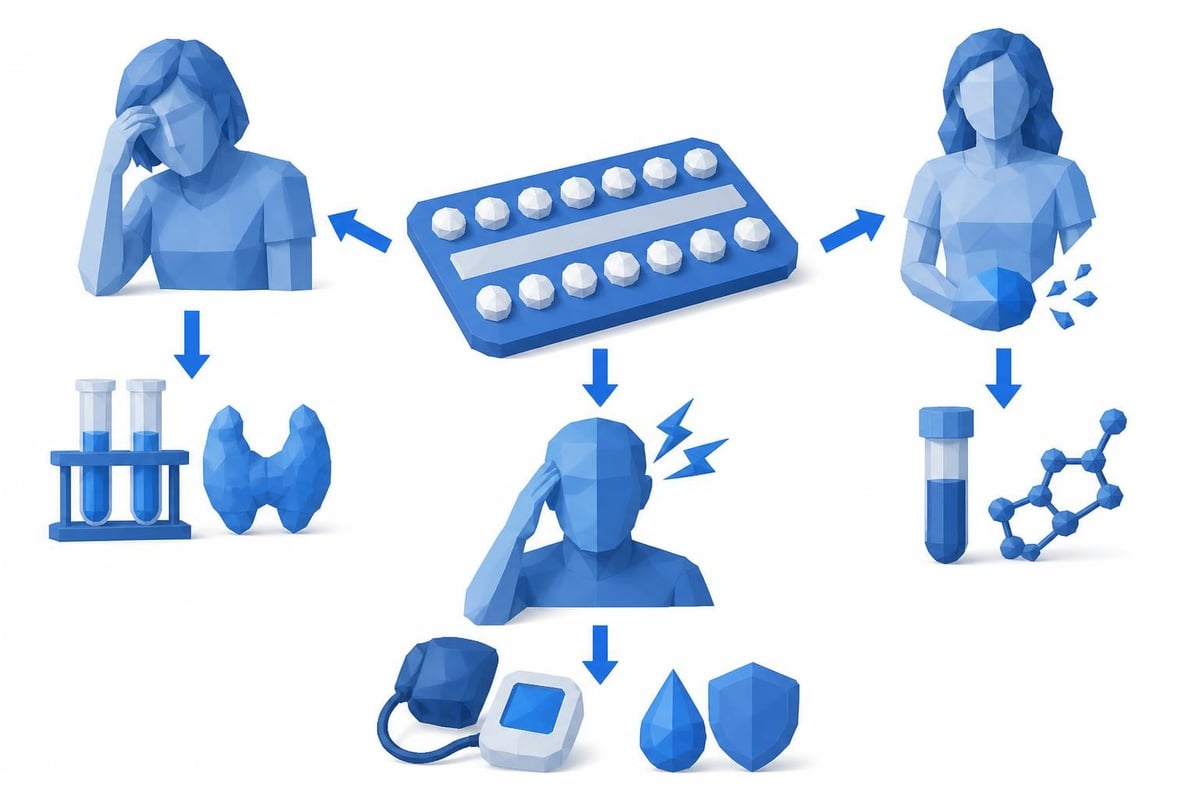
- Hormonal contraceptives (pills, patches, rings, injections) alter your body's hormonal balance and can affect liver function, blood clotting factors, blood sugar, cholesterol levels, and other metabolic markers
- Routine monitoring matters because some individuals develop elevated blood pressure, altered lipid profiles, or liver enzyme changes while on birth control, and early detection prevents serious complications
- Not everyone needs the same testing schedule-your personal and family medical history, the type of contraceptive you use, and any symptoms you experience determine which labs to monitor while taking birth control
- Baseline testing before starting hormones establishes your normal values, making it easier to identify changes that occur after you begin contraception
- Most changes are mild and reversible when you stop the medication, but some individuals may need to switch contraceptive methods based on lab results
- You can take control of your health by ordering direct-access lab testing through services like Justlabs without waiting for insurance approvals or doctor appointments
Why Lab Monitoring Matters for Birth Control Users
Hormonal contraceptives work by delivering synthetic estrogen and/or progestin to prevent ovulation, thicken cervical mucus, and thin the uterine lining. These hormones don't just affect your reproductive system-they interact with your liver, cardiovascular system, and metabolic pathways.
According to research published in Clinical Chemistry, hormonal contraceptives can influence dozens of clinical laboratory parameters, including thyroid-binding proteins, coagulation factors, and vitamin levels. The changes are often subtle and clinically insignificant, but in some individuals they can signal increased health risks.
Understanding Your Personal Risk Profile
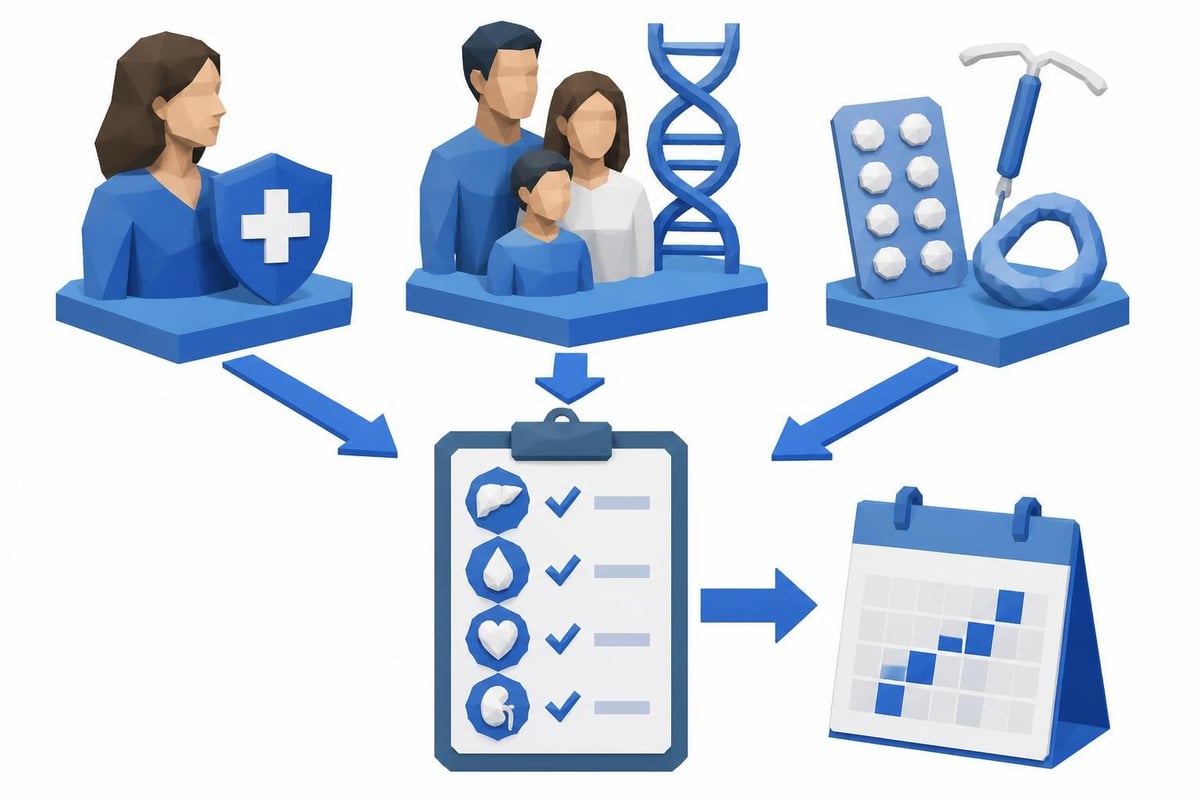
Before you start birth control, healthcare providers typically assess your medical history for conditions that increase the risk of complications. The WHO's Medical Eligibility Criteria for Contraceptive Use provides comprehensive guidance on which medical conditions affect contraceptive safety.
High-risk factors include:
- Personal or family history of blood clots (venous thromboembolism)
- Uncontrolled high blood pressure
- Diabetes with vascular complications
- Migraine headaches with aura
- Active liver disease or liver tumors
- History of stroke or heart disease
- Current smoking over age 35
If you have any of these conditions, your healthcare provider will likely recommend more frequent lab monitoring or alternative contraceptive methods that don't contain estrogen.
Essential Labs to Monitor While Taking Birth Control
The specific tests you need depend on your individual situation, but several categories of labs to monitor while taking birth control apply to most users who take hormonal contraceptives.
Liver Function Tests
Your liver metabolizes the hormones in birth control, and estrogen can affect liver enzyme production. Most people experience no liver problems, but some develop elevated enzymes that indicate stress on the liver.
Recommended Panel
Complete Metabolic Health Panel
Save $3.5This comprehensive panel evaluates all aspects of metabolic health: organ function, cholesterol, blood sugar, insulin resistance, and inflammation - the key drivers of chronic disease.
Includes 26 biomarkers
$50
Fasting required
A PLOS ONE study examining liver function in contraceptive users found measurable changes in certain liver enzymes among women taking hormonal birth control. While most remained within normal ranges, the research emphasizes why baseline and periodic monitoring make sense.
Key liver markers include:
- ALT (Alanine Aminotransferase): Often the first enzyme to rise with liver stress
- AST (Aspartate Aminotransferase): Elevations suggest cellular liver damage
- Alkaline Phosphatase: Can increase with bile duct issues
- Bilirubin: Rises when the liver can't process waste products effectively
- Total Protein and Albumin: Indicate liver's protein-production capacity
Most clinicians recommend checking liver function before starting birth control and then annually, or sooner if you develop symptoms like jaundice, severe fatigue, or abdominal pain.
Lipid Panel and Cardiovascular Markers
Estrogen-containing contraceptives can affect your cholesterol and triglyceride levels. In many people, these changes are neutral or even beneficial, but some individuals experience increases in LDL cholesterol or triglycerides that elevate cardiovascular risk.
| Lipid Marker | What It Measures | Why It Matters on Birth Control |
|---|---|---|
| Total Cholesterol | Combined LDL, HDL, and VLDL | Can increase modestly on estrogen |
| LDL Cholesterol | "Bad" cholesterol | May rise in some users |
| HDL Cholesterol | "Good" cholesterol | Often increases slightly (beneficial) |
| Triglycerides | Fat particles in blood | Can increase significantly in susceptible individuals |
| LDL Particle Number | More accurate cardiovascular risk | Advanced marker for refined risk assessment |
Research published in BMC Women's Health analyzing contraceptive use and lipid profiles demonstrated associations between oral contraceptive use and specific lipid changes, particularly in women with metabolic syndrome risk factors.
If you have a family history of high cholesterol, heart disease, or diabetes, checking a lipid panel before starting birth control and then annually helps you track changes. You can easily order a comprehensive heart health panel without insurance through direct-access lab services.
Blood Glucose and Diabetes Screening
Hormonal contraceptives, particularly progestin-only methods and certain combination pills, can affect insulin sensitivity and glucose metabolism. This doesn't mean birth control causes diabetes, but it can unmask pre-diabetic conditions or slightly worsen glucose control in people with existing diabetes.
Important glucose-related tests:
- Fasting Glucose: Basic screening for blood sugar problems
- Hemoglobin A1c: Three-month average of blood glucose levels
- Fasting Insulin: Assesses insulin resistance
- HOMA-IR: Calculated index of insulin resistance
The literature review on hormonal contraceptives and laboratory tests notes that progestins can decrease glucose tolerance in some users, making periodic screening important, especially if you have risk factors like obesity, family history of diabetes, or polycystic ovary syndrome (PCOS).
Coagulation and Clotting Factor Assessment
One of the most serious-though rare-risks of estrogen-containing birth control is venous thromboembolism (VTE), or blood clots in veins. The risk is highest in the first year of use and among women with inherited clotting disorders (thrombophilia).
Routine clotting factor testing isn't necessary for most healthy birth control users. However, if you have a personal or family history of blood clots, certain screening tests help assess your risk before you start hormonal contraception.
The American Society of Hematology's guidance on thrombophilia testing recommends selective testing in specific situations rather than universal screening.
When to consider clotting factor testing:
- Personal history of unprovoked VTE or clot during pregnancy
- First-degree relative with VTE before age 50
- Recurrent pregnancy loss
- VTE in unusual locations (brain, liver, intestine)
Common thrombophilia tests include:
- Factor V Leiden mutation
- Prothrombin G20210A mutation
- Protein C and Protein S levels
- Antithrombin III
- Lupus anticoagulant and anticardiolipin antibodies
If you test positive for a clotting disorder, your healthcare provider will likely recommend non-estrogen contraceptive options like progestin-only pills, IUDs, or barrier methods.
Blood Pressure Monitoring
While not a laboratory test in the traditional sense, blood pressure monitoring is critical for anyone taking hormonal birth control. Estrogen can cause blood pressure increases in some individuals, and uncontrolled hypertension significantly raises the risk of stroke and heart attack.
Check your blood pressure before starting birth control, then monitor it every three to six months. If your readings consistently exceed 140/90 mmHg, your healthcare provider may recommend stopping estrogen-containing contraceptives.
Many pharmacies offer free blood pressure checks, or you can monitor at home with an automatic cuff. Document your readings and discuss any upward trends with your healthcare provider.
Thyroid Function and Hormone Binding
Estrogen increases production of thyroid-binding globulin (TBG), the protein that carries thyroid hormone through your bloodstream. This doesn't mean birth control causes thyroid problems, but it can alter thyroid test results and potentially affect thyroid medication dosing if you have hypothyroidism.
Recommended Panel
Complete Thyroid Panel
Save $3Our most comprehensive thyroid panel includes all 5 essential markers: TSH, Free T4, Free T3, Reverse T3, and both thyroid antibodies. Get the complete picture of your thyroid health.
Includes 6 biomarkers
$84
How Birth Control Affects Thyroid Tests
When TBG levels rise, more thyroid hormone gets bound to proteins, leaving less "free" hormone available to cells. Your body typically compensates by producing more thyroid hormone, but this can complicate interpretation of thyroid function tests.
Thyroid markers affected by birth control:
- Total T4: Usually increases due to higher TBG (not clinically significant)
- Total T3: May increase for the same reason
- Free T4: Usually remains stable (this is what matters clinically)
- Free T3: Generally stays within normal range
- TSH: Typically unchanged in healthy individuals
If you have hypothyroidism and take levothyroxine, starting or stopping birth control may require adjustment of your thyroid medication dose. Monitor your TSH and free T4 levels about six to eight weeks after any change in birth control use.
You can track your thyroid function over time by ordering a comprehensive thyroid panel through direct-access services, allowing you to see trends before your annual physical.
Vitamin and Mineral Levels
Hormonal contraceptives can affect absorption and metabolism of certain vitamins and minerals. While deficiencies are uncommon, some users benefit from monitoring specific nutrients, especially if they experience symptoms like fatigue, weakness, or mood changes.
B Vitamins
Birth control can lower levels of several B vitamins, particularly:
- Vitamin B6 (Pyridoxine): Important for mood regulation and metabolism
- Vitamin B9 (Folate): Critical for cell division and DNA synthesis
- Vitamin B12 (Cobalamin): Essential for nerve function and red blood cell production
If you plan to become pregnant soon after stopping birth control, ensuring adequate folate levels is particularly important for fetal neural tube development.
Other Nutrients to Consider
| Nutrient | How Birth Control Affects It | Who Should Test |
|---|---|---|
| Vitamin D | May decrease slightly | Anyone with limited sun exposure or symptoms of deficiency |
| Magnesium | Can be reduced | Those with muscle cramps, fatigue, or migraines |
| Zinc | May decrease modestly | People with frequent infections or slow wound healing |
| Selenium | Potentially reduced | Individuals with thyroid issues or weakened immunity |
| Vitamin C | Slightly increased needs | Smokers and people under chronic stress |
Recommended Panel
Vitamin & Mineral Panel
Save $5This panel tests the most commonly deficient nutrients: Vitamin D, B12, Folate, Iron (with complete iron studies), Ferritin, and Magnesium - the building blocks your body needs to function optimally.
Includes 9 biomarkers
$64
Fasting required
Most of these changes are subtle and don't require routine testing unless you have symptoms or risk factors. However, if you experience unexplained fatigue, weakness, or other concerning symptoms while on birth control, checking vitamin and mineral levels can help identify correctable deficiencies.
Creating Your Personalized Monitoring Schedule
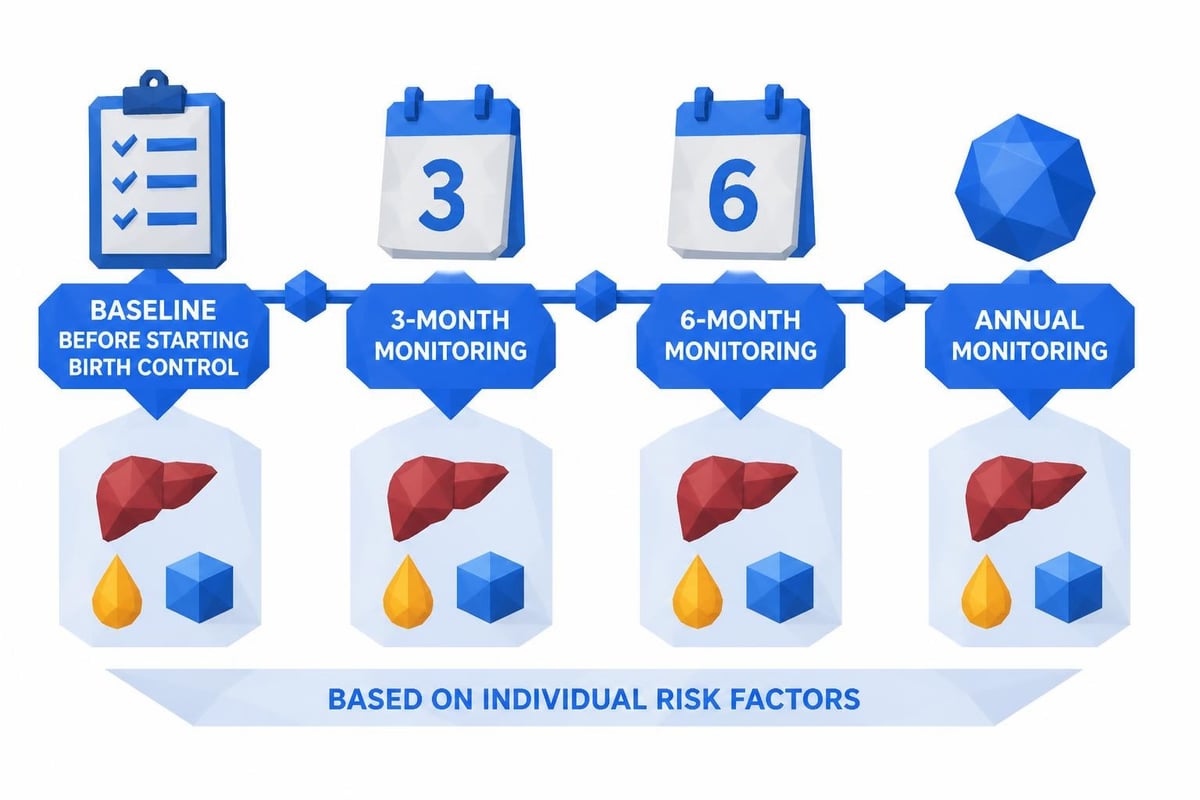
Not everyone needs all these labs, and testing frequency depends on your individual risk factors. Here's a framework for determining which labs to monitor while taking birth control and how often.
Baseline Testing (Before Starting Birth Control)
For everyone:
- Complete blood count (CBC)
- Comprehensive metabolic panel (includes liver and kidney function)
- Lipid panel
- Fasting glucose or hemoglobin A1c
- Blood pressure measurement
For those with risk factors:
- Thyroid panel (if you have thyroid disease or family history)
- Coagulation studies (if you have personal or family history of blood clots)
- Additional cardiovascular markers (if you have diabetes, high blood pressure, or strong family history of heart disease)
Follow-Up Monitoring
Low-risk, healthy users:
- Annual blood pressure checks (minimum every 6 months)
- Comprehensive metabolic panel annually
- Lipid panel every 1-2 years
- Glucose screening annually if overweight or family history of diabetes
Higher-risk users:
- Blood pressure every 3 months for the first year, then every 6 months
- Liver function tests every 6-12 months
- Lipid panel and glucose tests every 6-12 months
- Any additional tests recommended by your healthcare provider based on your conditions
After any concerning symptoms:
- Severe headaches: blood pressure, potentially clotting studies
- Abdominal pain: liver function tests
- Leg pain or swelling: D-dimer or ultrasound (beyond routine labs)
- Unusual bleeding: complete blood count, coagulation studies
- Extreme fatigue: thyroid panel, CBC, vitamin levels
Accessing Lab Testing Without Insurance Delays
One barrier many people face when trying to monitor their health proactively is the requirement for doctor's orders and insurance pre-authorization. If you want to check specific markers without waiting for your annual physical, or if you don't have insurance coverage, direct-access lab testing provides a solution.
Services like those offered through labs without insurance allow you to order comprehensive panels online, visit a nearby lab for blood draw, and receive results within 1-3 days. This approach is particularly valuable when:
- You're between healthcare providers
- You want to check labs more frequently than insurance covers
- You have a high-deductible plan and self-pay is more affordable
- You prefer to track your own health data proactively
Understanding your lab test results empowers you to have informed conversations with your healthcare provider about whether your current birth control method is right for you.
When to Consider Switching Birth Control Methods
Lab results don't exist in isolation-they inform decisions about whether your current contraceptive method is working well for your body. Sometimes, switching from one type of birth control to another can resolve concerning lab changes without requiring you to give up hormonal contraception entirely.
Reasons to discuss changing methods:
- Persistent blood pressure elevation despite lifestyle modifications
- Significant worsening of lipid panel, especially triglycerides above 500 mg/dL
- Liver enzyme elevations more than 2-3 times the upper limit of normal
- Development of diabetes or worsening glucose control
- Discovery of inherited clotting disorder (switch to progestin-only or non-hormonal methods)
Many people who can't tolerate combination (estrogen + progestin) pills do well on progestin-only pills, hormonal IUDs, or the contraceptive implant. Non-hormonal options like the copper IUD provide highly effective contraception without any hormonal effects on lab values.
Key Takeaways
Monitoring the right labs while taking birth control helps you use contraception safely and catch potential problems early. Most healthy individuals need only basic screening at baseline and annually, while those with medical conditions or family history require more frequent testing. Understanding which labs to monitor while taking birth control-including liver function, lipid levels, glucose metabolism, and potentially clotting factors-empowers you to make informed decisions about your reproductive health. Direct-access lab testing removes barriers of insurance and scheduling, making it easier to track your health proactively.
FAQ
Do I need lab work before starting birth control?
While not legally required, baseline lab testing before starting hormonal birth control is medically advisable. A basic metabolic panel, lipid profile, and glucose test establish your normal values, making it easier to identify changes later. If you have risk factors like high blood pressure, diabetes, or history of blood clots, additional testing helps your healthcare provider choose the safest contraceptive option for you.
How often should I get labs checked while on birth control?
Healthy individuals with no risk factors typically need annual lab monitoring, including a comprehensive metabolic panel and lipid profile. However, you should check blood pressure every 3-6 months. If you have diabetes, high blood pressure, liver disease, or other medical conditions, your healthcare provider may recommend testing every 3-6 months to monitor how birth control affects these conditions.
Can birth control cause abnormal liver function tests?
Hormonal contraceptives can cause mild elevations in liver enzymes in some users, but significant liver damage is rare. Most enzyme increases are reversible when you stop the medication. However, if you have existing liver disease or develop jaundice (yellowing of skin or eyes), severe abdominal pain, or other liver symptoms, contact your healthcare provider immediately and check liver function tests.
Will birth control affect my cholesterol levels?
Yes, estrogen-containing birth control can affect lipid levels, though changes vary by individual. Many people experience a slight increase in HDL (good) cholesterol and a modest rise in triglycerides. Some individuals see increases in LDL (bad) cholesterol. These changes are usually small, but if you have a family history of high cholesterol or heart disease, monitoring your lipid panel helps ensure levels stay in a healthy range.
Should I get tested for blood clotting disorders before starting birth control?
Routine thrombophilia (clotting disorder) testing isn't recommended for everyone. However, testing is appropriate if you have a personal history of blood clots, a first-degree relative who had a clot before age 50, or recurrent pregnancy losses. Most healthy individuals without these risk factors can safely start birth control without clotting studies, though monitoring for symptoms of blood clots (leg pain, chest pain, severe headaches) is important.
How do I know if birth control is affecting my thyroid?
If you have hypothyroidism and take levothyroxine, birth control can increase thyroid-binding globulin levels, potentially requiring a dose adjustment. Check TSH and free T4 levels about 6-8 weeks after starting or stopping hormonal contraception. If you develop new symptoms like fatigue, weight changes, or temperature sensitivity while on birth control, a thyroid panel can help determine whether your thyroid medication needs adjustment.
Can I order labs to monitor birth control effects without seeing a doctor?
Yes, direct-access lab services allow you to order labs without a doctor's visit in most states. You can select the specific tests you want, visit a nearby lab for blood draw, and receive results within days. This approach is convenient when you want to check specific markers between regular appointments or prefer to monitor your health proactively without insurance involvement.
Regular monitoring of key health markers helps ensure that birth control supports rather than compromises your overall wellbeing, allowing you to use contraception confidently while tracking important biomarkers. When you need convenient access to comprehensive testing, Justlabs offers affordable, transparent lab services with quick results, empowering you to take an active role in monitoring your health without insurance delays or unnecessary appointments.