When you receive an ANA test result, understanding what those numbers and patterns actually mean can feel overwhelming. Whether you're investigating unexplained symptoms or following up on a healthcare provider's recommendation, interpreting your ana testing results meaning requires knowledge about titer levels, staining patterns, and clinical context. This comprehensive guide breaks down everything you need to know about ANA testing and how to make sense of your results.
Big picture
- ANA (antinuclear antibody) testing detects antibodies that mistakenly attack your own cell nuclei, serving as a screening tool for autoimmune disorders like lupus, rheumatoid arthritis, and Sjogren's syndrome
- Positive results don't mean automatic diagnosis because 5-15% of healthy people test positive, and interpretation depends on titer levels, patterns, and clinical symptoms
- Understanding ana testing results meaning involves looking at both the titer (concentration of antibodies) and the pattern (how antibodies bind), which helps identify specific autoimmune conditions
- Access to testing has become more convenient through services that allow you to order labs without a doctor, making it easier to investigate symptoms proactively
- Follow-up is critical because a positive ANA test typically requires additional specific antibody testing and clinical evaluation to determine if treatment is necessary
What ANA Testing Actually Measures
ANA testing identifies whether your immune system is producing antibodies that target components within your own cell nuclei. These antinuclear antibodies appear when your immune system becomes confused and starts attacking healthy tissue instead of foreign invaders.
The test works by exposing your blood serum to cells on a slide. If ANAs are present, they bind to the nuclei of these cells. Laboratory technicians then add a fluorescent antibody that attaches to any bound ANAs, making them visible under a microscope.
The Two Key Components of Results
Understanding ana testing results meaning requires examining two critical elements:
Titer Levels measure the concentration of antibodies in your blood. Laboratories dilute your blood sample repeatedly and test each dilution. The titer represents the last dilution that still shows positive antibodies. Common titer levels include:
- 1:40 or 1:80 (low positive)
- 1:160 (moderate positive)
- 1:320 or higher (strong positive)
Staining Patterns describe how the antibodies bind to cellular components. Different patterns correlate with different autoimmune conditions. The American College of Rheumatology explains how these patterns help healthcare providers narrow diagnostic possibilities.

Interpreting Titer Levels and Their Significance
The titer level in your ANA test indicates how many antibodies are circulating in your blood. Higher titers generally suggest stronger autoimmune activity, but this relationship isn't absolute.
| Titer Level | Interpretation | Clinical Significance |
|---|---|---|
| Negative or 1:40 | Normal or borderline | Low concern unless symptoms present |
| 1:80 | Low positive | May occur in healthy individuals |
| 1:160 | Moderate positive | Warrants clinical correlation |
| 1:320-1:640 | High positive | Significant autoimmune concern |
| 1:1280+ | Very high positive | Strong autoimmune activity likely |
A titer of 1:40 to 1:80 often appears in healthy people, particularly women over 40 and the elderly. According to Testing.com's comprehensive overview, approximately 10-15% of the general population may have low-positive ANA results without any autoimmune disease.
When Low Titers Matter
Even low-positive results gain significance when accompanied by specific symptoms. Unexplained fatigue, joint pain, skin rashes, or recurrent fevers change how healthcare providers interpret borderline results. The clinical context always matters more than the number alone.
Understanding Staining Patterns
The pattern your antibodies create under fluorescent microscopy provides crucial diagnostic clues. Each pattern suggests different autoimmune conditions and requires distinct follow-up testing.
Common Staining Patterns
Homogeneous (diffuse) pattern creates uniform staining across the entire nucleus. This pattern commonly appears in:
- Systemic lupus erythematosus (SLE)
- Mixed connective tissue disease
- Drug-induced lupus
Speckled pattern shows discrete speckles throughout the nucleus. This versatile pattern associates with:
- Sjogren's syndrome
- Systemic lupus erythematosus
- Systemic sclerosis
- Mixed connective tissue disease
Nucleolar pattern highlights the nucleolus (a structure within the nucleus). This rarer pattern suggests:
- Systemic sclerosis (scleroderma)
- Polymyositis
Centromere pattern creates discrete speckles representing chromosome centromeres. This highly specific pattern indicates:
- Limited cutaneous systemic sclerosis (CREST syndrome)
Superpower's interpretation guide offers detailed associations between patterns and specific conditions, emphasizing that pattern analysis requires expert evaluation.
Recommended Panel
Autoimmune Screening Panel
Save $4Our most thorough initial autoimmune workup covers systemic autoimmune markers (ANA, Rheumatoid Factor), thyroid autoimmunity (TPO & TG Antibodies), inflammation (hs-CRP), and blood cell analysis (CBC) — 5 tests in one panel.
Includes 21 biomarkers
$63
Positive ANA Results: What Happens Next
Receiving a positive ANA result doesn't mean you have an autoimmune disease. The ana testing results meaning becomes clearer through a systematic evaluation process.
Step-by-Step Follow-Up
- Clinical correlation assessment: Your healthcare provider evaluates your symptoms, medical history, and physical examination findings
- Specific antibody testing: Additional tests identify particular antibodies associated with specific conditions
- Repeat testing if necessary: Sometimes initial results need confirmation, especially with borderline titers
- Monitoring over time: Some people have persistent positive results without developing disease
According to Healthline's detailed discussion, positive ANA results occur in about 95% of people with lupus, but also in 5% of completely healthy individuals.

Additional Tests Your Provider May Order
| Test Name | Purpose | Associated Conditions |
|---|---|---|
| Anti-dsDNA | Highly specific for lupus | Systemic lupus erythematosus |
| Anti-Smith | Lupus-specific antibody | Systemic lupus erythematosus |
| Anti-SSA/Ro and Anti-SSB/La | Sjogren's markers | Sjogren's syndrome, lupus |
| Anti-Scl-70 | Scleroderma marker | Systemic sclerosis |
| Anti-centromere | CREST syndrome marker | Limited cutaneous systemic sclerosis |
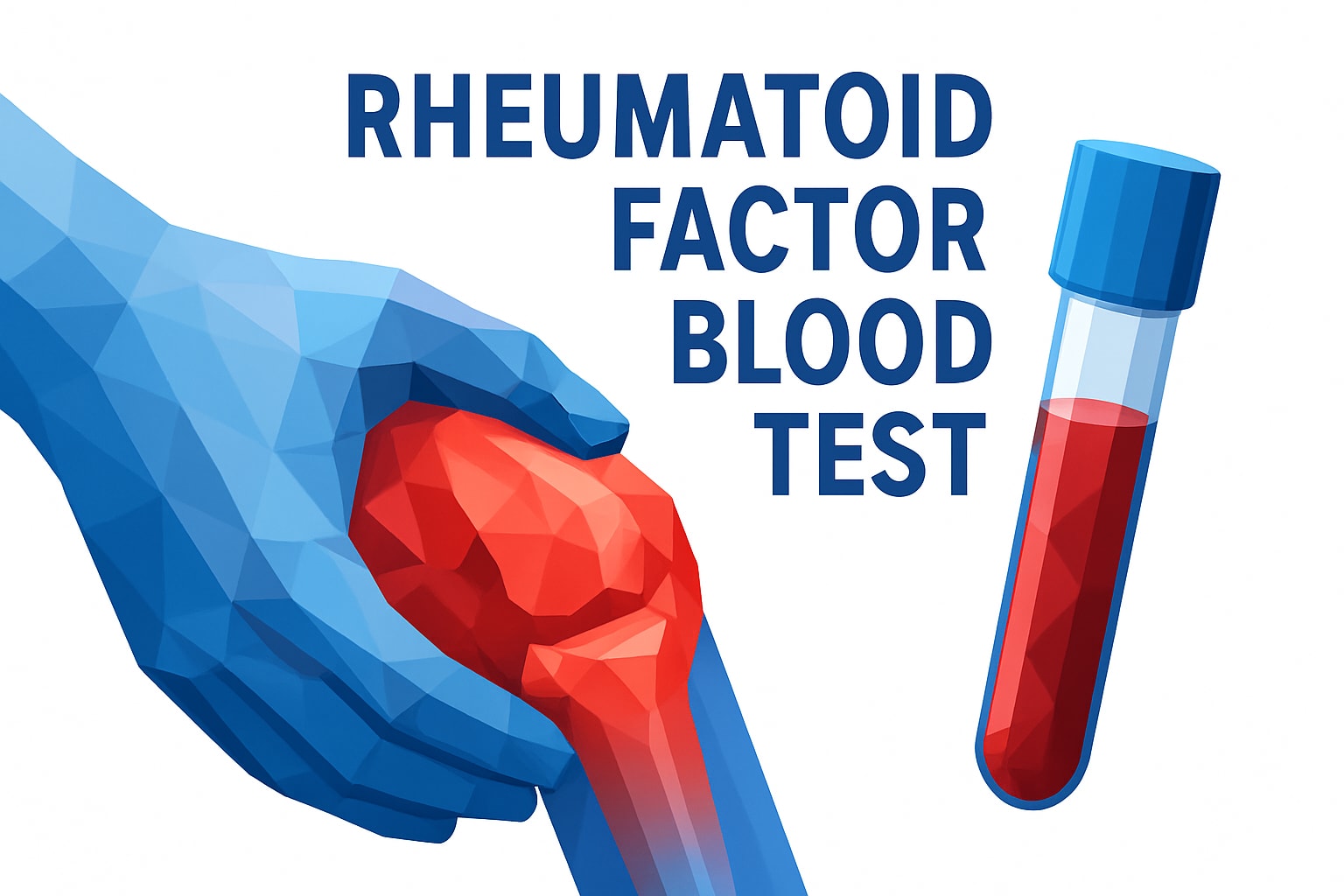
| Rheumatoid factor | Rheumatoid arthritis screening | Rheumatoid arthritis, other conditions |
Many of these follow-up tests are available through transparent lab test pricing services, making comprehensive evaluation more accessible.
Negative ANA Results and Their Implications
A negative ANA test result generally indicates that autoimmune conditions like lupus, Sjogren's syndrome, or systemic sclerosis are unlikely. However, negative results don't completely rule out all autoimmune diseases.
Some important considerations about negative results:
- Timing matters: Early in disease development, antibodies may not yet be detectable
- Some autoimmune conditions are ANA-negative: Certain forms of lupus and other autoimmune diseases can occur without positive ANA tests
- False negatives happen: Technical issues or rare antibody types may cause false-negative results
- Symptoms remain important: If symptoms persist despite negative results, further investigation may be warranted
The Consensus Research Library emphasizes that clinical judgment should always guide decision-making, regardless of test results.
Factors That Influence ANA Test Results
Understanding ana testing results meaning requires awareness of various factors that can affect outcomes. Not all positive results indicate disease, and several conditions create false positives.
Common Causes of False Positive Results
Medications can trigger temporary ANA positivity:
- Hydralazine (blood pressure medication)
- Procainamide (heart rhythm medication)
- Certain antibiotics
- Anti-seizure medications
Infections sometimes cause transient positive results:
- Mononucleosis
- Hepatitis C
- HIV
- Tuberculosis
Age and demographics influence baseline ANA rates. Women over 65 show positive results 10-37% of the time without any autoimmune disease. My Medicine Advisor's detailed chart provides comprehensive data on false positive rates across different populations.
When to Retest
Retesting makes sense in several scenarios:
- Initial borderline results (1:40-1:80)
- Recent infection at time of first test
- Starting or stopping medications known to affect results
- Developing new symptoms months after initial testing
Services offering labs without insurance provide convenient options for follow-up testing without the complexity of insurance authorization.
Clinical Conditions Associated With Positive ANA
While ana testing results meaning varies by individual circumstances, certain conditions show strong associations with positive ANA tests. Understanding these connections helps contextualize your results.
Autoimmune Diseases With High ANA Positivity
Systemic Lupus Erythematosus (SLE)
- 95-100% of patients test positive
- Often shows high titers (1:320 or greater)
- Homogeneous or speckled patterns common
Sjogren's Syndrome
- 70-90% test positive
- Speckled pattern typical
- Anti-SSA and Anti-SSB antibodies often present
Systemic Sclerosis (Scleroderma)
- 60-90% show positive results
- Nucleolar or centromere patterns characteristic
- Pattern helps distinguish disease subtypes
Mixed Connective Tissue Disease
- Nearly 100% positive
- Speckled pattern predominates
- High anti-RNP antibodies diagnostic
According to Apollo 24|7's comprehensive overview, rheumatoid arthritis patients show ANA positivity in 20-30% of cases, though it's not a primary diagnostic marker.
Conditions With Variable ANA Results
Not all autoimmune conditions produce consistent ANA positivity:
- Rheumatoid arthritis: 20-30% positive
- Polymyositis/dermatomyositis: 60-80% positive
- Hashimoto's thyroiditis: 30-50% positive
- Primary biliary cholangitis: 30-50% positive
Recommended Panel
Inflammation Panel
Save $2Chronic inflammation is the hidden driver of heart disease, cancer, and accelerated aging. This panel measures the key markers that reveal whether silent inflammation is damaging your body.
Includes 17 biomarkers
$52
Fasting required
Getting Tested: Access and Considerations
Understanding where and how to get ANA testing affects both convenience and cost. Modern testing services have simplified the process significantly.
Testing Without Traditional Healthcare Visits
The traditional pathway requiring multiple doctor appointments, insurance referrals, and long waits has evolved. You can now access comprehensive testing services that streamline the entire process, providing results within 1-3 days.
Benefits of direct-access testing include:
- Transparent pricing: Know costs upfront without insurance complexity
- No appointment delays: Order online and visit the lab at your convenience
- Quick results: Receive findings in days rather than weeks
- Privacy: Manage your health information directly
- Comprehensive options: Access both screening and follow-up tests
Many testing services also accept FSA and HSA funds, making testing more affordable for those with these accounts.
Preparing for Your ANA Test
ANA testing requires minimal preparation:
- No fasting necessary
- Continue regular medications unless specifically instructed otherwise
- Inform the lab about recent infections or new medications
- Bring a list of current symptoms and their duration
The blood draw takes just minutes, and most people experience only minor discomfort.
Recommended Test
ANA Screen with Reflex to Titer and Pattern
The gold standard ANA test — screens for antinuclear antibodies and automatically provides titer level and staining pattern if positive, giving you the most complete picture in one order.
Includes 3 biomarkers
$11
When Symptoms Don't Match Results
One of the most challenging aspects of ana testing results meaning involves discordance between test results and clinical symptoms. This situation requires careful navigation and patience.
Positive Test, No Symptoms
Some people have persistently positive ANA results without ever developing autoimmune disease. This scenario, called "benign ANA positivity," affects 5-15% of healthy individuals.
Management typically involves:
- Periodic monitoring without treatment
- Awareness of potential symptoms to watch for
- Repeat testing if new symptoms develop
- Avoiding unnecessary worry or treatment
Negative Test, Suspicious Symptoms
Conversely, some people with autoimmune symptoms test negative for ANA. This doesn't invalidate your experience or eliminate autoimmune possibilities.
Options include:
- Testing for specific antibodies even with negative ANA
- Evaluating for ANA-negative autoimmune conditions
- Considering non-autoimmune causes of symptoms
- Retesting after an interval (antibodies may develop later)
Understanding Your Personal Risk Factors
Certain characteristics increase the likelihood that a positive ANA result indicates true autoimmune disease rather than a false positive.
High-risk factors include:
- Female gender (women develop autoimmune diseases 3-5 times more often)
- Family history of autoimmune conditions
- Age between 15 and 45 years
- Specific symptoms like joint inflammation, photosensitivity, or unexplained fevers
- High titer results (1:320 or above)
- Specific staining patterns associated with known diseases
Lower-risk factors include:
- Male gender without symptoms
- Age over 65
- Low titers (1:40-1:80)
- No family history
- No clinical symptoms
- Homogeneous pattern only
Healthcare providers weigh these factors when determining how aggressively to pursue additional testing and whether treatment is necessary.
Key Takeaways
ANA testing results provide screening information rather than definitive diagnoses, requiring interpretation alongside clinical symptoms, physical findings, and additional laboratory tests to determine the presence and type of autoimmune disease.
Titer levels and staining patterns work together to create a complete picture of your results, with higher titers generally indicating stronger autoimmune activity and specific patterns suggesting particular conditions like lupus, Sjogren's syndrome, or scleroderma.
Positive results are common in healthy people, particularly women over 40, so context matters tremendously when determining whether results indicate disease or represent benign findings that require only monitoring.
Follow-up testing with specific antibodies becomes necessary when ANA results are positive and symptoms suggest autoimmune disease, with tests like anti-dsDNA, anti-Smith, and anti-SSA/Ro providing diagnostic clarity.
Access to testing has improved dramatically through services that eliminate traditional barriers like insurance requirements and doctor referrals, making it easier to investigate symptoms and monitor results over time.
FAQ
What does a titer of 1:160 mean on an ANA test?
A titer of 1:160 represents a moderate positive result, indicating that your blood sample still showed antibodies even when diluted 160 times. This level warrants clinical evaluation but doesn't automatically mean you have an autoimmune disease. About 5% of healthy people have titers at this level. Your healthcare provider will consider your symptoms, medical history, and potentially order additional specific antibody tests to determine significance.
Can stress cause a positive ANA test?
Stress itself doesn't directly cause positive ANA results. However, stress can temporarily affect immune function and inflammation levels, potentially influencing test timing. Some researchers have noted correlations between psychological stress and autoimmune disease activity, but stress alone won't create antibodies against your own cells. If you're experiencing high stress, it's worth mentioning to your healthcare provider when interpreting results.
How long does it take to get ANA test results?
Most laboratories process ANA tests within 1-3 days, though timing varies by facility. Traditional healthcare pathways may add delays for result review and communication, potentially extending total wait time to 1-2 weeks. Direct-access testing services typically provide faster notification since results go directly to you without intermediary delays. Complex cases requiring additional pattern analysis may occasionally take longer.
Should I worry about a positive ANA test?
A positive ANA test alone isn't cause for panic. The majority of people with low-positive results (1:40-1:80) never develop autoimmune disease. What matters most is the complete picture: your symptoms, titer level, pattern, and additional test results. Focus on working with healthcare providers to understand your specific situation rather than worrying about the result in isolation. Many people live normal lives with positive ANA results and no disease.
What's the difference between ANA and ENA tests?
ANA (antinuclear antibody) testing is a screening test that detects antibodies against any nuclear components. ENA (extractable nuclear antigen) testing is more specific, identifying particular antibodies like anti-Smith, anti-RNP, anti-SSA, and anti-SSB. ENA panels are typically ordered after a positive ANA result to pinpoint which specific antibodies are present, helping diagnose particular autoimmune conditions more precisely.
Can ANA results change from positive to negative?
Yes, ANA results can fluctuate over time. Some people with borderline positive results may test negative on repeat testing, particularly if the initial positive occurred during an infection or medication use. Conversely, some people develop positive results later after initial negative tests. This is why healthcare providers sometimes recommend repeat testing and why a single test provides only a snapshot rather than a permanent status.
Do I need a doctor's order to get an ANA test?
Testing requirements vary by location and service. Many states now allow direct access to laboratory testing without requiring a doctor's order, making it possible to investigate symptoms proactively. You can learn how the testing process works through services that provide convenient, transparent access to ANA and other autoimmune screening tests without traditional healthcare appointment requirements.
What autoimmune diseases are not detected by ANA testing?
Several autoimmune conditions typically show negative ANA results. Type 1 diabetes shows ANA positivity in less than 5% of cases. Celiac disease rarely produces positive ANA results. Some forms of inflammatory bowel disease (Crohn's disease and ulcerative colitis) usually don't show ANA positivity. Autoimmune thyroid diseases like Hashimoto's thyroiditis show variable results. A negative ANA doesn't rule out all autoimmune possibilities, which is why clinical evaluation remains essential.
Understanding ana testing results meaning empowers you to have informed conversations with healthcare providers and make proactive decisions about your health. Whether your results are positive, negative, or somewhere in between, the key is comprehensive evaluation that considers your unique situation. Justlabs makes this process more accessible by offering transparent, affordable lab testing without the traditional barriers of insurance and doctor referrals, delivering results in 1-3 days so you can move forward with clarity and confidence.