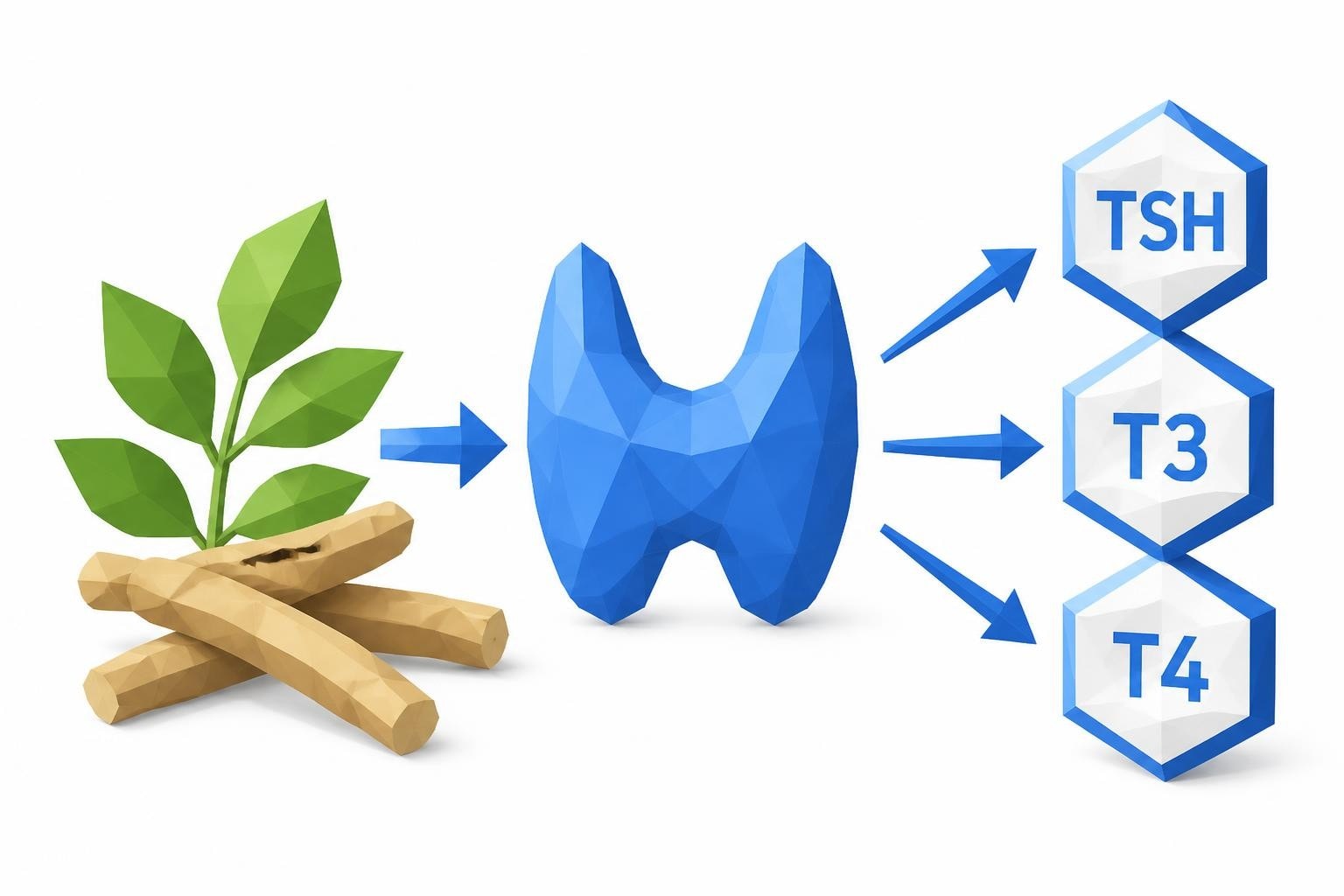
Understanding which laboratory tests diagnose Hashimoto's thyroiditis can feel overwhelming when you're experiencing unexplained fatigue, weight changes, or other thyroid symptoms. A comprehensive hashimoto lab panel provides the specific biomarkers healthcare providers need to confirm this autoimmune condition and guide appropriate treatment decisions.
Big picture
- Hashimoto's thyroiditis is an autoimmune disorder where your immune system attacks the thyroid gland, leading to chronic inflammation and often hypothyroidism over time
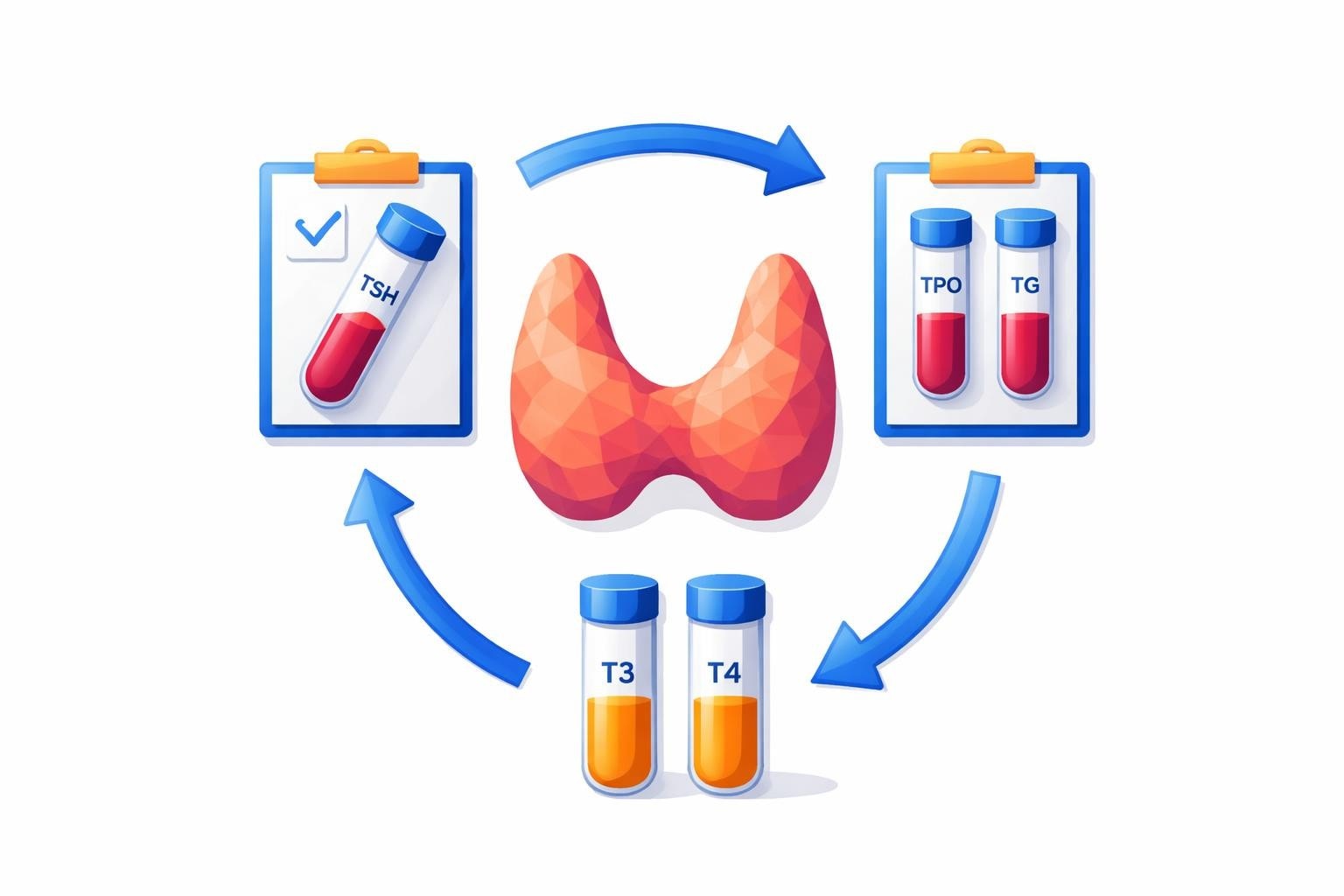
- A hashimoto lab panel typically includes TSH, free T4, free T3, thyroid peroxidase (TPO) antibodies, and thyroglobulin antibodies to detect both thyroid dysfunction and autoimmune activity
- Early detection matters because starting treatment before significant thyroid damage occurs can prevent complications like severe hypothyroidism, heart problems, and pregnancy complications
- Anyone experiencing symptoms like persistent fatigue, unexplained weight gain, cold sensitivity, hair loss, or brain fog should consider thyroid testing, especially women over 30 or those with family history
- Direct access testing through services like JustLabs allows you to order comprehensive thyroid panels without insurance or doctor referrals, making diagnosis more accessible and affordable
- Take action by ordering a complete thyroid panel if you suspect Hashimoto's, then discuss results with a healthcare provider to develop an appropriate treatment plan
Understanding Hashimoto's Thyroiditis and Why Testing Matters
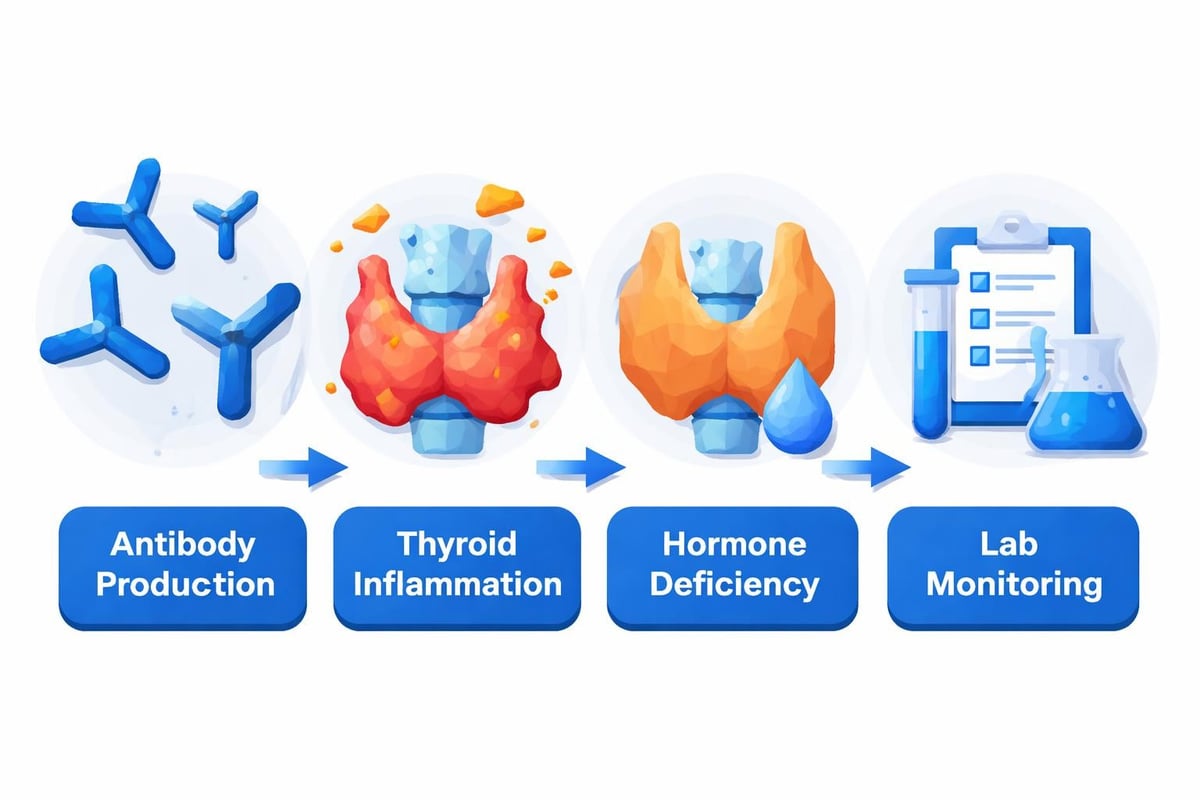
Hashimoto's thyroiditis represents the most common cause of hypothyroidism in the United States, affecting approximately 14 million Americans according to the American Thyroid Association. This autoimmune condition develops when the immune system mistakenly produces antibodies that attack thyroid tissue, gradually destroying the gland's ability to produce hormones.
The condition progresses slowly, often over years or decades. Many people experience subtle symptoms initially that progressively worsen as thyroid function declines.
The Autoimmune Component
Unlike other forms of hypothyroidism, Hashimoto's involves active immune system dysfunction. The presence of specific antibodies distinguishes this autoimmune condition from simple thyroid hormone deficiency.
Key antibodies in Hashimoto's:
- Thyroid peroxidase (TPO) antibodies - found in 90-95% of cases
- Thyroglobulin (Tg) antibodies - present in 60-80% of patients
- TSH receptor antibodies - occasionally detected
The autoimmune attack creates ongoing inflammation, which gradually reduces the thyroid's capacity to produce T4 and T3 hormones. This process explains why comprehensive testing beyond basic TSH screening is essential for accurate diagnosis.
Core Components of a Hashimoto Lab Panel
A complete hashimoto lab panel examines multiple biomarkers that collectively reveal thyroid function status and autoimmune activity. Each test provides specific information that contributes to the diagnostic picture.
Recommended Panel
Hashimoto's Panel
Save $2The definitive panel for diagnosing Hashimoto's thyroiditis - the #1 cause of hypothyroidism. Tests both major thyroid antibodies that indicate autoimmune thyroid disease.
Includes 5 biomarkers
$58
Thyroid Stimulating Hormone (TSH)
TSH serves as the primary screening tool for thyroid dysfunction. The pituitary gland produces this hormone to regulate thyroid hormone production.
| TSH Level | Interpretation | Clinical Significance |
|---|---|---|
| 0.4-4.0 mIU/L | Normal reference range | Typical healthy thyroid function |
| 4.0-10.0 mIU/L | Subclinical hypothyroidism | Early thyroid failure, common in Hashimoto's |
| >10.0 mIU/L | Overt hypothyroidism | Significant thyroid hormone deficiency |
Elevated TSH indicates the pituitary is working harder to stimulate an underperforming thyroid gland. In early Hashimoto's, TSH may remain normal even while antibodies are already present and causing damage.
Free T4 and Free T3
These tests measure the actual thyroid hormones circulating in your bloodstream. "Free" refers to hormones not bound to proteins, representing the biologically active portion available to your cells.
Free T4 (thyroxine):
- Primary hormone produced by the thyroid gland
- Converted to T3 in peripheral tissues
- Normal range: 0.8-1.8 ng/dL
- Low levels confirm hypothyroidism when TSH is elevated
Free T3 (triiodothyronine):
- Most metabolically active thyroid hormone
- Provides information about conversion efficiency
- Normal range: 2.3-4.2 pg/mL
- May remain normal longer than T4 in early disease
Understanding how TSH, free T4, and free T3 relate to each other helps identify specific patterns characteristic of Hashimoto's versus other thyroid conditions. Initial laboratory tests for diagnosing Hashimoto's emphasize these foundational markers.
Thyroid Peroxidase (TPO) Antibodies
TPO antibodies represent the hallmark biomarker for Hashimoto's thyroiditis. These antibodies target thyroid peroxidase, an enzyme essential for thyroid hormone production.
Positive TPO antibodies confirm autoimmune thyroid disease. Levels above 35 IU/mL are typically considered positive, though some laboratories use different cutoffs.
Clinical significance:
- Present in 90-95% of Hashimoto's patients
- May appear years before thyroid dysfunction develops
- Higher levels often correlate with more severe disease
- Can predict risk of progression to hypothyroidism
Recommended Test
TPO Antibodies (Thyroid Peroxidase)
TPO antibodies are markers of autoimmune thyroid disease. Elevated levels indicate Hashimoto's thyroiditis, the most common cause of hypothyroidism in the United States.
Includes 1 biomarkers
$13.50
Thyroglobulin Antibodies
Thyroglobulin antibodies target thyroglobulin, a protein the thyroid uses to produce hormones. These antibodies appear in 60-80% of Hashimoto's cases.
Testing for both TPO and thyroglobulin antibodies increases diagnostic sensitivity. Some patients have only thyroglobulin antibodies without TPO antibodies, making this test valuable for comprehensive evaluation.
Recommended Test
Thyroglobulin Antibodies
Thyroglobulin antibodies target thyroglobulin protein in the thyroid gland. Elevated levels indicate autoimmune thyroid disease and are also important for thyroid cancer monitoring.
Includes 1 biomarkers
$14.50
Research on anti-TPO antibody's role in detecting Hashimoto's demonstrates its diagnostic significance in clinical practice.
Advanced Testing for Complete Evaluation
While the core hashimoto lab panel provides essential diagnostic information, additional tests offer deeper insights into thyroid health and overall metabolic function.
Reverse T3
Reverse T3 (rT3) is an inactive form of T3 that your body produces from T4. Elevated reverse T3 can indicate conversion problems or chronic stress affecting thyroid hormone metabolism.
When reverse T3 testing helps:
- Normal TSH and free T4 but persistent symptoms
- Suspected thyroid hormone resistance
- Chronic illness or high stress situations
- Monitoring treatment effectiveness
Recommended Test
Reverse T3
Reverse T3 (rT3) is an inactive form of thyroid hormone produced when the body diverts T4 conversion away from active T3. Elevated levels may indicate stress, illness, or thyroid conversion problems.
Includes 1 biomarkers
$28
Additional Supportive Tests
| Test | Purpose | Hashimoto's Connection |
|---|---|---|
| Vitamin D | Immune function support | Deficiency common in autoimmune disease |
| Iron panel | Thyroid hormone production | Low iron impairs conversion of T4 to T3 |
| Selenium | Antioxidant protection | Supports thyroid function and may reduce antibodies |
| Inflammatory markers | Assess systemic inflammation | CRP and ESR may be elevated |
These supportive tests help identify nutritional deficiencies or other factors that may contribute to symptoms or affect treatment response. Understanding the complete picture requires looking beyond thyroid-specific markers.

Interpreting Your Hashimoto Lab Panel Results
Understanding what your test results mean requires examining patterns across multiple biomarkers rather than focusing on individual values in isolation.
Classic Hashimoto's Pattern
The typical laboratory presentation of Hashimoto's thyroiditis shows:
- Elevated TSH (often 4-10 mIU/L initially, may increase over time)
- Normal to low free T4 (decreases as disease progresses)
- Positive TPO antibodies (>35 IU/mL)
- Positive thyroglobulin antibodies (in 60-80% of cases)
- Normal or slightly low free T3 (may remain normal longer)
This pattern confirms both thyroid dysfunction and autoimmune activity, distinguishing Hashimoto's from other causes of hypothyroidism.
Subclinical Hashimoto's
Many people have positive antibodies years before developing overt hypothyroidism. This stage, called subclinical disease, shows:
- Positive thyroid antibodies (TPO and/or thyroglobulin)
- Normal or slightly elevated TSH (2.5-4.0 mIU/L)
- Normal free T4 and free T3
- Possible symptoms despite "normal" thyroid function
Early detection during this phase allows proactive monitoring and potential intervention before significant thyroid damage occurs. The NCBI's comprehensive review of Hashimoto's discusses the clinical significance of subclinical presentations.
Euthyroid Hashimoto's
Some individuals maintain normal thyroid hormone levels despite positive antibodies and ongoing autoimmune activity. This presentation requires:
- Regular monitoring every 6-12 months
- Symptom tracking even with normal labs
- Consideration of lifestyle interventions
- Awareness that progression to hypothyroidism may occur
Who Should Get a Hashimoto Lab Panel
Certain groups face higher risk for developing Hashimoto's thyroiditis and should consider comprehensive thyroid testing even without obvious symptoms.
High-Risk Populations
Women aged 30-50:
- 7-10 times more likely than men to develop Hashimoto's
- Risk increases with age, peaking in middle age
- Hormonal factors influence autoimmune disease susceptibility
Family history of thyroid disease:
- Genetic predisposition significantly increases risk
- First-degree relatives of affected individuals warrant screening
- Other autoimmune conditions in family also indicate higher risk
Individuals with other autoimmune conditions:
- Type 1 diabetes
- Celiac disease
- Rheumatoid arthritis
- Lupus
- Multiple sclerosis
People experiencing symptoms:
- Unexplained fatigue despite adequate sleep
- Unintentional weight gain or difficulty losing weight
- Cold intolerance and sensitivity
- Dry skin, brittle hair, or hair loss
- Constipation and digestive issues
- Brain fog, poor concentration, or memory problems
- Depression or mood changes
- Heavy or irregular menstrual periods
Accessing affordable lab test pricing makes preventive screening more feasible for at-risk individuals who want to catch thyroid problems early.

Getting Tested Without Insurance or Doctor Referrals
Traditional thyroid testing often requires doctor appointments, insurance authorization, and potentially long wait times for results. Direct access laboratory services have transformed this process.
The Direct Testing Advantage
Modern platforms allow you to order a comprehensive hashimoto lab panel online without insurance or physician orders. This approach offers several benefits:
Convenience:
- Order tests online from home
- Visit any participating lab location
- No appointment scheduling required
- Results typically available in 1-3 days
Affordability:
- Transparent, upfront pricing
- No insurance billing or surprise costs
- Often less expensive than insurance copays and deductibles
- FSA/HSA eligible for tax-advantaged payment
Control:
- Choose exactly which tests you need
- Access results directly without waiting for doctor calls
- Share results with any healthcare provider
- Retest as needed for monitoring
Services focused on labs without insurance remove traditional barriers to thyroid testing, empowering individuals to take charge of their health proactively.
How the Process Works
Getting comprehensive thyroid testing through direct access platforms follows a straightforward process:
- Select your panel - Choose a hashimoto lab panel or customize individual tests
- Complete online order - Provide basic information and payment
- Visit a lab - Go to any participating location (no appointment needed)
- Receive results - Access results online within 1-3 days
- Consult provider - Share results with your doctor or healthcare provider
This streamlined approach significantly reduces time from suspecting thyroid problems to getting definitive answers. Learning how it works helps you understand what to expect throughout the testing process.
Monitoring Hashimoto's Over Time
Diagnosis represents just the beginning of managing Hashimoto's thyroiditis. Ongoing monitoring ensures treatment effectiveness and catches progression early.
Recommended Testing Frequency
| Disease Stage | Testing Interval | Tests to Include |
|---|---|---|
| Newly diagnosed | Every 6-8 weeks | TSH, free T4, TPO antibodies |
| Stable on treatment | Every 3-6 months | TSH, free T4 |
| Antibody monitoring | Every 6-12 months | TPO antibodies, thyroglobulin antibodies |
| Medication adjustment | 6-8 weeks post-change | TSH, free T4, free T3 |
Regular monitoring helps optimize medication dosing and identifies when thyroid function changes require treatment modifications. Laboratory tests for diagnosing and managing Hashimoto's emphasize the importance of continued surveillance.
Tracking Antibody Levels
While antibody levels don't directly guide medication dosing, monitoring them over time provides valuable information:
- Decreasing antibodies may indicate treatment success or disease stabilization
- Increasing antibodies could signal worsening autoimmune activity
- Lifestyle interventions may reduce antibody levels in some individuals
- Antibody trends help assess overall disease trajectory
Some people maintain stable antibody levels for years, while others see significant fluctuations. Individual patterns vary considerably.
Cost Considerations and Accessibility
Understanding the financial aspects of thyroid testing helps you plan for both initial diagnosis and ongoing monitoring.
Typical Testing Costs
Without insurance, individual thyroid tests typically cost:
- TSH: $29-50
- Free T4: $35-60
- Free T3: $35-60
- TPO antibodies: $40-75
- Thyroglobulin antibodies: $40-75
- Complete hashimoto lab panel: $150-300 (bundled)
Direct access testing platforms often offer better pricing than traditional laboratory billing, with transparent costs known upfront. Bundled panels provide better value than ordering individual tests separately.
Maximizing Value
Strategies for affordable testing:
- Choose comprehensive panels instead of individual tests
- Use FSA/HSA funds for tax-advantaged payment
- Compare direct access pricing to insurance copays and deductibles
- Order only necessary tests for follow-up monitoring
- Time tests strategically based on treatment changes
Many people discover that direct-pay testing costs less than their insurance copay, while providing faster results and greater convenience. Exploring available tests helps identify the most cost-effective options for your situation.
Key Takeaways
- A comprehensive hashimoto lab panel includes TSH, free T4, free T3, TPO antibodies, and thyroglobulin antibodies to diagnose and monitor Hashimoto's thyroiditis effectively
- Positive thyroid antibodies distinguish autoimmune Hashimoto's from other causes of hypothyroidism, making antibody testing essential for accurate diagnosis
- Early detection allows intervention before significant thyroid damage occurs, improving long-term outcomes and preventing complications
- Direct access laboratory testing provides convenient, affordable alternatives to traditional testing, with results available in 1-3 days without insurance or doctor referrals
- Regular monitoring every 3-6 months helps optimize treatment and track disease progression, requiring ongoing access to reliable thyroid testing
- Women over 30, individuals with family history of thyroid disease, and those with other autoimmune conditions should consider proactive screening even without obvious symptoms
FAQ
What is the difference between a basic thyroid panel and a hashimoto lab panel?
A basic thyroid panel typically includes only TSH and possibly free T4, which assess thyroid function but cannot identify autoimmune causes. A hashimoto lab panel adds TPO antibodies and thyroglobulin antibodies, which are essential for diagnosing the autoimmune component of Hashimoto's thyroiditis. This distinction matters because treatment approaches and prognosis differ between autoimmune and non-autoimmune hypothyroidism.
Can I have Hashimoto's with normal TSH levels?
Yes, many people have positive thyroid antibodies with normal TSH levels, a condition called euthyroid Hashimoto's or subclinical disease. The autoimmune process may be actively damaging your thyroid gland even though hormone production remains adequate. Over time, most people with positive antibodies eventually develop elevated TSH and hypothyroidism, making early detection valuable for monitoring disease progression.
How long does it take to get hashimoto lab panel results?
With direct access laboratory services, most hashimoto lab panel results become available within 1-3 days after your blood draw. Traditional healthcare systems may take 5-10 days or longer, depending on how quickly your doctor reviews and releases results. The actual laboratory analysis time is similar, but direct access platforms provide immediate online access once testing completes.
Do I need to fast before getting a hashimoto lab panel?
Fasting is typically not required for thyroid function tests or antibody measurements. TSH, free T4, free T3, and thyroid antibodies remain stable regardless of recent food intake. However, if your panel includes additional tests like cholesterol or glucose, fasting for 8-12 hours may be necessary. Check specific testing instructions when ordering your panel to ensure accurate results.
Can thyroid antibody levels return to normal?
While uncommon, some people experience decreased antibody levels or even negative antibody tests over time, particularly with aggressive treatment and lifestyle modifications. However, once Hashimoto's is diagnosed based on positive antibodies, the autoimmune tendency typically persists even if antibody levels decline. Lifestyle factors including stress management, nutrient optimization, and gut health may influence antibody levels in some individuals.
What should I do if my hashimoto lab panel shows positive antibodies but normal thyroid function?
Positive antibodies with normal thyroid function indicates subclinical Hashimoto's that warrants monitoring every 6-12 months to detect progression. Many healthcare providers recommend discussing lifestyle interventions, optimizing vitamin D and selenium levels, and addressing other autoimmune triggers. Some practitioners consider early treatment with low-dose thyroid medication to potentially slow disease progression, though this remains controversial. Consulting a healthcare provider familiar with autoimmune thyroid disease helps develop an appropriate monitoring and management plan.
How accurate are online lab testing services compared to traditional medical labs?
Direct access laboratory services use the same CLIA-certified laboratories and equipment as traditional medical facilities, ensuring identical accuracy and reliability. Blood samples undergo analysis at established laboratory facilities meeting rigorous quality standards. The difference lies in how you access testing, not the testing methodology itself. Results from reputable direct access platforms are fully valid for sharing with healthcare providers and making treatment decisions.
Should I test for reverse T3 as part of my hashimoto lab panel?
Reverse T3 testing provides additional value when you have normal TSH and free T4 but continue experiencing hypothyroid symptoms, or when monitoring treatment response on thyroid medication. For initial Hashimoto's diagnosis, TSH, free T4, free T3, and antibodies typically provide sufficient information. Adding reverse T3 becomes more relevant for complicated cases or when symptoms persist despite seemingly adequate treatment. Understanding lab results helps determine which additional tests may benefit your specific situation.
Diagnosing Hashimoto's thyroiditis requires comprehensive laboratory testing that goes beyond basic thyroid screening to identify both hormone dysfunction and autoimmune activity. A complete hashimoto lab panel provides the specific biomarkers healthcare providers need to confirm diagnosis, guide treatment decisions, and monitor disease progression over time. Whether you're experiencing unexplained symptoms, have risk factors for thyroid disease, or need ongoing monitoring after diagnosis, JustLabs offers convenient access to comprehensive thyroid testing at transparent prices, with results available in just 1-3 days so you can take control of your thyroid health without delays or insurance complications.