Are you experiencing unexplained joint pain or stiffness? Your healthcare provider may suggest a rheumatoid factor blood test to investigate further. This essential test plays a major role in evaluating autoimmune conditions, particularly rheumatoid arthritis, but understanding its results can be challenging.
Learning what to expect from the rheumatoid factor blood test in 2026 can help you make confident decisions about your health. This guide will clarify what the test measures, why it is ordered, how to interpret the results, and what steps come next, supporting both patients and caregivers every step of the way.
What is the Rheumatoid Factor Blood Test?
Unexplained joint pain or stiffness can be unsettling. One tool your provider may use to investigate these symptoms is the rheumatoid factor blood test. Understanding how this test works, what it measures, and what your results might mean is an important step in taking charge of your health journey.
Understanding Rheumatoid Factor (RF)
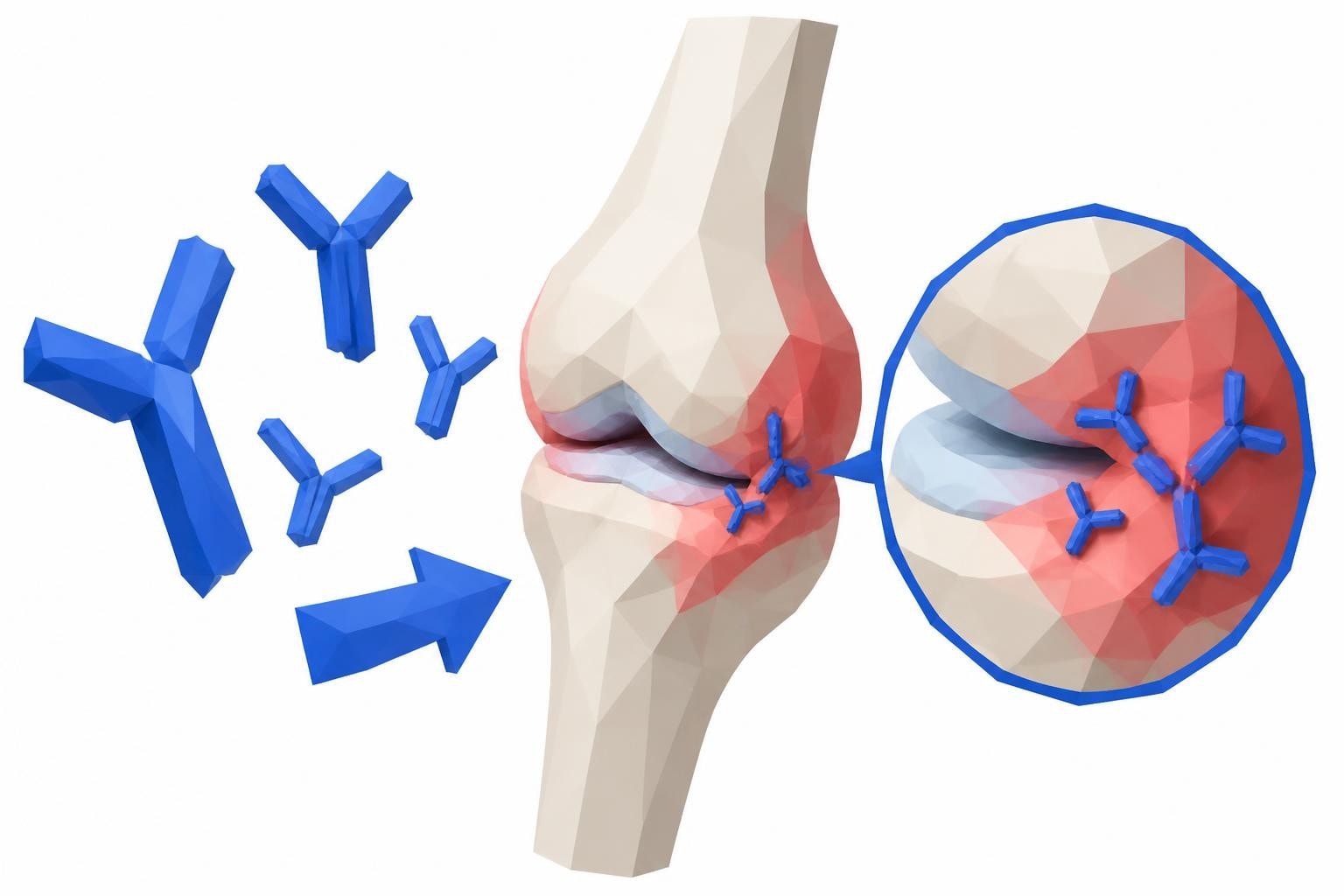
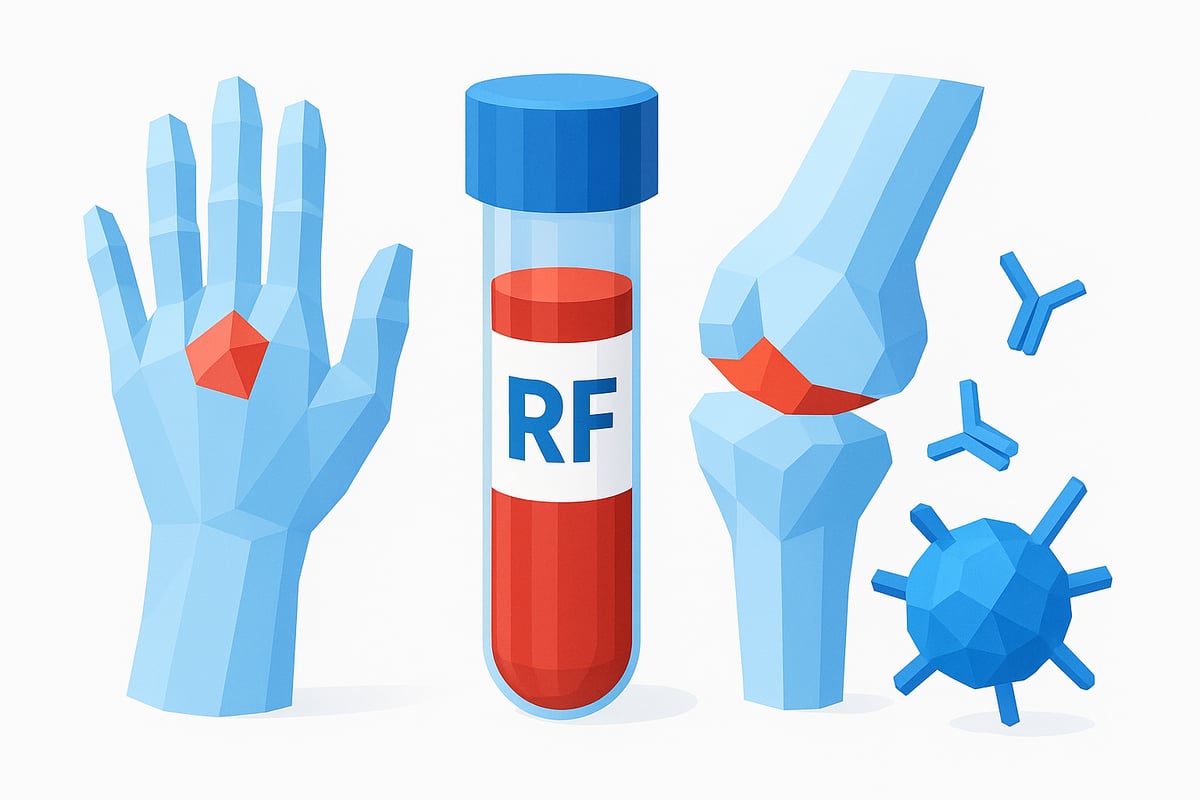
Rheumatoid factor, or RF, is a type of autoantibody produced by your immune system. In healthy individuals, antibodies typically help defend the body against infections. However, autoantibodies like RF mistakenly target the body’s own tissues, particularly the lining of joints.
When RF is present, it can form immune complexes that trigger inflammation within the joints. This immune activity can cause pain, swelling, and eventually tissue damage if left unchecked. The rheumatoid factor blood test is designed to detect the presence and level of RF in your blood.
It is important to recognize that RF is not the only antibody relevant to autoimmune conditions. For instance, the anti-cyclic citrullinated peptide (anti-CCP) antibody is another marker, often more specific for rheumatoid arthritis. RF can be found in several conditions, so results must always be interpreted within the context of your symptoms and other lab findings.
If you want a deeper dive into the details of this test, the Rheumatoid Factor Test Details page offers further reading.
Why Doctors Order the RF Test
Doctors often recommend a rheumatoid factor blood test if you present with symptoms such as persistent joint pain, swelling, or morning stiffness. The test helps evaluate whether your immune system is playing a role in these issues.
The rheumatoid factor blood test is a cornerstone in diagnosing rheumatoid arthritis, but it also has value in identifying other autoimmune diseases. Sometimes, it is ordered during an initial evaluation when your provider is gathering information about your symptoms. In other cases, it is used to monitor disease activity or response to treatment in those with a known autoimmune condition.
It is important to note that a positive rheumatoid factor blood test result is not exclusive to rheumatoid arthritis. Some people with other autoimmune diseases, infections, or even no apparent health concerns may have an elevated RF. For this reason, doctors do not rely solely on the test result, but instead consider your full clinical picture, including a review of symptoms and other laboratory markers such as anti-CCP, ESR, or CRP.
Conditions Associated with Elevated RF
An elevated RF result most often suggests the presence of an autoimmune process, but it is not diagnostic on its own. About 70 to 80 percent of people living with rheumatoid arthritis will have a positive rheumatoid factor blood test. However, other conditions can also cause increased RF levels.
Below is a summary of conditions commonly linked to an elevated RF:
| Condition | Association with RF |
|---|---|
| Rheumatoid arthritis | High (70-80%) |
| Sjögren’s syndrome | Common |
| Lupus | Occasional |
| Chronic hepatitis | Possible |
| Chronic infections | Possible |
| Healthy older adults | Sometimes |
It is also possible for healthy individuals, especially older adults, to have a mildly elevated RF. Conversely, some people with rheumatoid arthritis may test negative. These scenarios can lead to false positives or negatives, so follow-up testing and careful interpretation are essential. If your rheumatoid factor blood test is abnormal, your provider may recommend additional tests or ongoing monitoring to clarify your diagnosis and guide treatment.
Self-pay options like JustLabs now make it easier for patients to access RF testing with transparent pricing, empowering you to take the next steps in your health care with confidence.
How the RF Blood Test Works: Step-by-Step in 2026
Getting a rheumatoid factor blood test in 2026 is straightforward, but understanding each step can ease any concerns you may have. This process is designed for accuracy, comfort, and quick results, helping you and your healthcare provider get the information needed to guide next steps.

Preparing for the Test
Most patients find that preparing for a rheumatoid factor blood test is simple. Unlike some lab tests, you usually do not need to fast or avoid specific foods before your appointment.
Before your visit, let your provider know about any medications or supplements you take. Some drugs can influence test results, so clear communication helps ensure accuracy.
When you arrive at the lab, you will check in at the front desk. Staff will confirm your identity, usually with a photo ID and insurance details if applicable. This step is essential for linking your results to your medical record and for privacy protection.
Taking a few moments to review your current symptoms and jot down questions can also help you make the most of your appointment.
The Blood Draw Process
The blood draw for a rheumatoid factor blood test is quick and routine. A phlebotomist, or trained lab technician, will guide you to a comfortable chair and explain the process.
Here is what to expect:
- A tourniquet is placed around your upper arm to make veins more visible.
- Your skin is cleaned with antiseptic to prevent infection.
- A small needle draws a blood sample, usually from your inner elbow or forearm.
- The sample is collected in a labeled tube.
If you feel anxious about needles, let the technician know. Techniques such as deep breathing, looking away, or using distraction can help ease discomfort.
The entire blood draw takes just a few minutes. Afterward, pressure is applied to the site to prevent bruising, and you can return to your usual activities right away.
Laboratory Analysis and Technology Advances
Once your blood sample is collected, it is sent to the lab for analysis. In 2026, most labs use advanced methods such as immunoassay or nephelometry to measure rheumatoid factor levels.
Modern laboratories rely heavily on automation for processing and analyzing samples. This technology not only improves accuracy but also speeds up turnaround times, so most patients receive results within one to three days.
If you are curious about how your sample is handled, or want to know more about the testing process from start to finish, you can read a detailed guide on how lab testing works.
These advancements mean that your rheumatoid factor blood test is processed efficiently, with reduced risk of human error and faster access to answers.
Receiving and Understanding Your Results
When your results are ready, you will typically receive them through a secure online portal. This platform protects your privacy and makes accessing your rheumatoid factor blood test results convenient from home.
Your healthcare provider will review the results and interpret them in the context of your symptoms, medical history, and any other tests performed. Sometimes, your provider may contact you for follow-up or to discuss next steps.
It is important to remember that a single test result is just one part of the bigger picture. Always reach out to your provider with any concerns or questions. For those using self-pay options like JustLabs, you will also benefit from transparent pricing and clear explanations of your results.
Interpreting RF Test Results: What Do They Mean?
Understanding your rheumatoid factor blood test results can feel overwhelming, especially if you are experiencing joint pain or autoimmune symptoms. The numbers can seem confusing at first glance, but knowing how to interpret them is a key step in your health journey. If you ever feel uncertain, you can always reference resources like Understanding lab test results for additional guidance.
Typical Reference Ranges and Units
The rheumatoid factor blood test typically measures RF in international units per milliliter (IU/mL). Most labs consider a result below 14 IU/mL as “negative” or within the normal range. However, it is important to note that reference ranges can vary slightly between different laboratories.
Here is a simple table to help clarify:
| Result | IU/mL Value | Interpretation |
|---|---|---|
| Negative | < 14 | Normal |
| Positive | ≥ 14 | Elevated |
A “positive” rheumatoid factor blood test means your RF level is above the lab’s cutoff, but this alone does not confirm a diagnosis. Some labs may use different cutoffs, so your healthcare provider will interpret your results in context.
A negative result means RF was not detected or is below the threshold. Still, some individuals with autoimmune diseases may have a negative RF, especially early in the disease process.
Factors Affecting RF Levels
RF levels can be influenced by several factors beyond rheumatoid arthritis. Age is a major consideration, as RF can increase naturally in older adults, sometimes even in the absence of disease.
Other conditions that might cause an elevated rheumatoid factor blood test include:
- Chronic infections (such as hepatitis or tuberculosis)
- Other autoimmune disorders (like Sjögren’s syndrome or lupus)
- Certain cancers or inflammatory conditions
In rare cases, some medications or temporary infections can also affect your RF levels. This is why your provider will ask about your medical history and any recent illnesses when reviewing your rheumatoid factor blood test results.
False Positives and Negatives
The rheumatoid factor blood test is a helpful tool, but it is not perfect. Up to 5% of healthy people may have a positive RF, which is called a “false positive.” This means their test shows elevated RF, but they do not actually have rheumatoid arthritis or another autoimmune condition.
On the other hand, some people with rheumatoid arthritis may have a negative rheumatoid factor blood test. This is known as “seronegative” RA. Early in the disease, the body may not produce detectable RF levels, resulting in a false negative.
Because of these possibilities, your provider will never rely solely on the rheumatoid factor blood test to make a diagnosis. They will look at the complete picture, including your symptoms and other lab results.
Why RF Results Are Interpreted Alongside Other Tests
Interpreting the rheumatoid factor blood test always involves looking at additional information. Providers often order other tests such as the anti-cyclic citrullinated peptide (anti-CCP) antibody, which is more specific for rheumatoid arthritis.
Inflammatory markers like ESR (erythrocyte sedimentation rate) and CRP (C-reactive protein) can help reveal the presence of inflammation in your body. Imaging studies, such as X-rays or ultrasounds, may be used to check for joint damage if symptoms persist.
Consider this example: A patient has a high rheumatoid factor blood test, but no joint pain or swelling. Their provider may monitor them over time and order more tests, rather than diagnosing rheumatoid arthritis immediately. Conversely, someone with joint pain but a negative RF might still have RA or another condition, so further testing is needed.
Understanding your rheumatoid factor blood test results is an important step, but it is only one piece of the puzzle. For those interested in direct access to testing, self-pay options like JustLabs provide transparent pricing and convenient online ordering for RF and related autoimmune tests.
When and Why Follow-Up Testing Is Needed
Have you recently had a rheumatoid factor blood test and wondered what comes next? Understanding when and why follow-up testing is recommended can help you navigate your health journey with confidence. Whether your results are positive, negative, or somewhere in between, your healthcare provider may suggest additional steps to ensure the most accurate diagnosis and care plan.
Situations Requiring Additional Testing
Follow-up testing after a rheumatoid factor blood test is common, especially when results do not provide a clear answer. If you continue experiencing joint pain, swelling, or stiffness but your initial RF is negative, your provider may order more tests. This helps rule out other causes or identify autoimmune conditions that present differently.
Sometimes, a high rheumatoid factor blood test result appears in people without obvious symptoms. In these cases, follow-up is essential to check for underlying conditions like Sjögren’s syndrome, lupus, or infections. Monitoring is also important for those already diagnosed with rheumatoid arthritis, as it helps track disease progression and treatment response.
If you are feeling well but have an elevated RF, your doctor might recommend periodic retesting. This approach ensures any changes in your health are caught early, so you can address them promptly.
Other Tests Commonly Ordered with RF
The rheumatoid factor blood test is only one piece of the diagnostic puzzle. Doctors often order additional tests to get a more complete picture of your immune system and joint health. Some of the most common include:
- Anti-CCP antibodies: Highly specific for rheumatoid arthritis and often used alongside RF.
- ANA (antinuclear antibody): Helps detect other autoimmune diseases.
- ESR (erythrocyte sedimentation rate) and CRP (C-reactive protein): Measure inflammation levels in your body.
- Comprehensive metabolic panels: Check for kidney or liver involvement.
- Imaging: X-rays, ultrasounds, or MRIs may be used to assess joint damage.
If you want a complete overview of how these tests fit together, the Comprehensive blood testing overview offers a helpful guide for patients exploring autoimmune and inflammation markers.
Testing beyond the rheumatoid factor blood test is especially important if your symptoms persist, your diagnosis is uncertain, or your doctor needs to evaluate how well your treatment is working.
Importance of Ongoing Communication with Healthcare Providers
Regular communication with your healthcare team is key after a rheumatoid factor blood test. Lab results are only one part of your health story. Your doctor will want to know about new or changing symptoms, responses to medication, and any concerns you have.
Follow-up appointments allow your provider to adjust your care plan as needed. You can ask questions, discuss options, and learn about lifestyle changes that may help manage your condition. This partnership empowers you to take an active role in your health decisions.
Remember, self-pay options like JustLabs make it easy to access follow-up testing for the rheumatoid factor blood test with transparent pricing and no insurance barriers. Staying informed and engaged is the best way to protect your long-term joint health.
Accessing RF Blood Testing in 2026: Options, Costs, and Convenience
If you are considering a rheumatoid factor blood test in 2026, understanding your options can help you make the best choice for your needs. Patients often ask about cost, convenience, and how to access testing, especially as healthcare continues to evolve.
Traditional Testing Pathways
Most people still access the rheumatoid factor blood test through their primary care doctor or a specialist. The doctor will order the test, and you will visit an insurance-based lab for the blood draw. This process is familiar, but it can involve waiting for appointments, navigating insurance approvals, and sometimes facing higher out-of-pocket costs.
For those without insurance or with high deductibles, traditional pathways may feel limiting. Delays can occur if prior authorization is required. Some patients also find it challenging to access testing if they do not have a regular healthcare provider.
| Option | Wait Time | Upfront Cost | Insurance Needed | Privacy |
|---|---|---|---|---|
| Traditional (Doctor) | Moderate | Variable | Yes | Standard |
| Self-Pay/Direct | Short | Transparent | No | High |
The rheumatoid factor blood test remains a cornerstone in evaluating autoimmune conditions, so reliable access is essential.
Self-Pay and Direct-to-Consumer Lab Testing
In 2026, more patients are choosing self-pay and direct-to-consumer options for the rheumatoid factor blood test. This approach allows you to order lab tests yourself, often online, without needing a doctor’s visit or insurance involvement.
Benefits of this model include:
- Transparent pricing, so you know the cost upfront
- Fast turnaround, with results typically in just a few days
- Increased privacy and convenience
- No need to wait for a referral or insurance approval
These options are especially valuable if you are uninsured, have a high deductible, or want to manage your health proactively. To see how this works, you can learn how to order lab tests without a doctor, which provides step-by-step guidance and answers common questions.
Direct-to-consumer testing empowers patients to take control of their health, while still ensuring quality and compliance.
RF Blood Testing with JustLabs: Affordable and Direct Access
JustLabs makes accessing the rheumatoid factor blood test simple and affordable. Through their secure online platform, you can order RF and related autoimmune tests without insurance or a provider referral. Prices are clearly listed before you purchase, so there are no surprises.

Sample collection is convenient, with over 2,200 Quest Diagnostics locations nationwide. Most results are available within 1 to 3 days and are reviewed by licensed clinicians for accuracy. Your results and explanations are delivered through a HIPAA-compliant online dashboard, making it easy to track and share with your provider if needed.
This approach is ideal for those seeking privacy, speed, and clarity. Whether you are monitoring known autoimmune concerns or simply want peace of mind, JustLabs offers a modern solution for the rheumatoid factor blood test with transparent pricing and nationwide access.
Frequently Asked Questions About the RF Blood Test
Have questions about the rheumatoid factor blood test? You are not alone. Below, we address some of the most common concerns patients have when facing this important test. Understanding what the results mean, why the test is ordered, and what to do next can help you feel more confident about your health decisions.
Does a positive RF mean I have rheumatoid arthritis?
A positive result on the rheumatoid factor blood test does not guarantee a diagnosis of rheumatoid arthritis. While about 70 to 80 percent of people with rheumatoid arthritis have elevated RF, some healthy individuals and people with other conditions may test positive too. Doctors interpret RF results alongside symptoms and other test findings.
Can I have rheumatoid arthritis with a negative RF?
Yes, it is possible. Some people with rheumatoid arthritis have a negative rheumatoid factor blood test. This is called seronegative RA. In such cases, doctors often look at anti-CCP antibodies and inflammatory markers to help clarify the diagnosis.
How accurate and reliable is the RF test?
The rheumatoid factor blood test is a helpful tool, but it is not perfect. False positives can occur, especially in older adults or those with infections. False negatives are also possible, especially early in the disease. That is why clinicians consider your full health picture and may order additional tests, like anti-CCP or other biomarkers, to improve accuracy.
What symptoms should prompt me to ask for this test?
If you are experiencing persistent joint pain, swelling, stiffness, or unexplained fatigue, it may be reasonable to discuss the rheumatoid factor blood test with your healthcare provider. These symptoms can indicate an underlying autoimmune process, especially if they last more than a few weeks.
How often should RF be rechecked?
Doctors may recommend repeating the rheumatoid factor blood test if your symptoms change or if they are monitoring your response to treatment. However, RF levels do not always change with disease activity, so routine rechecking is not always necessary unless guided by your provider.
Are there risks or side effects to the blood draw?
The blood draw for the rheumatoid factor blood test is very safe. The most common side effects are mild discomfort, bruising, or a small risk of infection at the puncture site. If you have needle anxiety, let the staff know so they can help you feel more comfortable.
What should I do if my RF is elevated but I feel fine?
An elevated rheumatoid factor blood test without symptoms does not automatically mean you have a disease. Some healthy people, especially older adults, can have a higher RF. Your provider will consider your overall health, family history, and may recommend follow-up or additional testing.
Can lifestyle changes affect my RF levels?
Lifestyle changes like a balanced diet, regular exercise, and not smoking can support overall joint health and may help reduce inflammation. However, these factors are not likely to directly lower your rheumatoid factor blood test result.
If you are considering the rheumatoid factor blood test, remember that self-pay options like JustLabs offer transparent pricing and an easy ordering process. This can make it simpler to access testing when you need it, even without insurance or a doctor’s visit.
Now that you understand what the Rheumatoid Factor blood test involves and how direct access is evolving in 2026, you might be considering your next steps. With Justlabs, you have the flexibility to take charge of your health by ordering lab tests online, without the need for a doctor’s visit or insurance approval. You get transparent pricing, quick results, and the reassurance of clinician review—all designed to fit your schedule and priorities. If you’re ready to move forward and want a clear, affordable way to get the answers you need, you can Order Tests directly today.