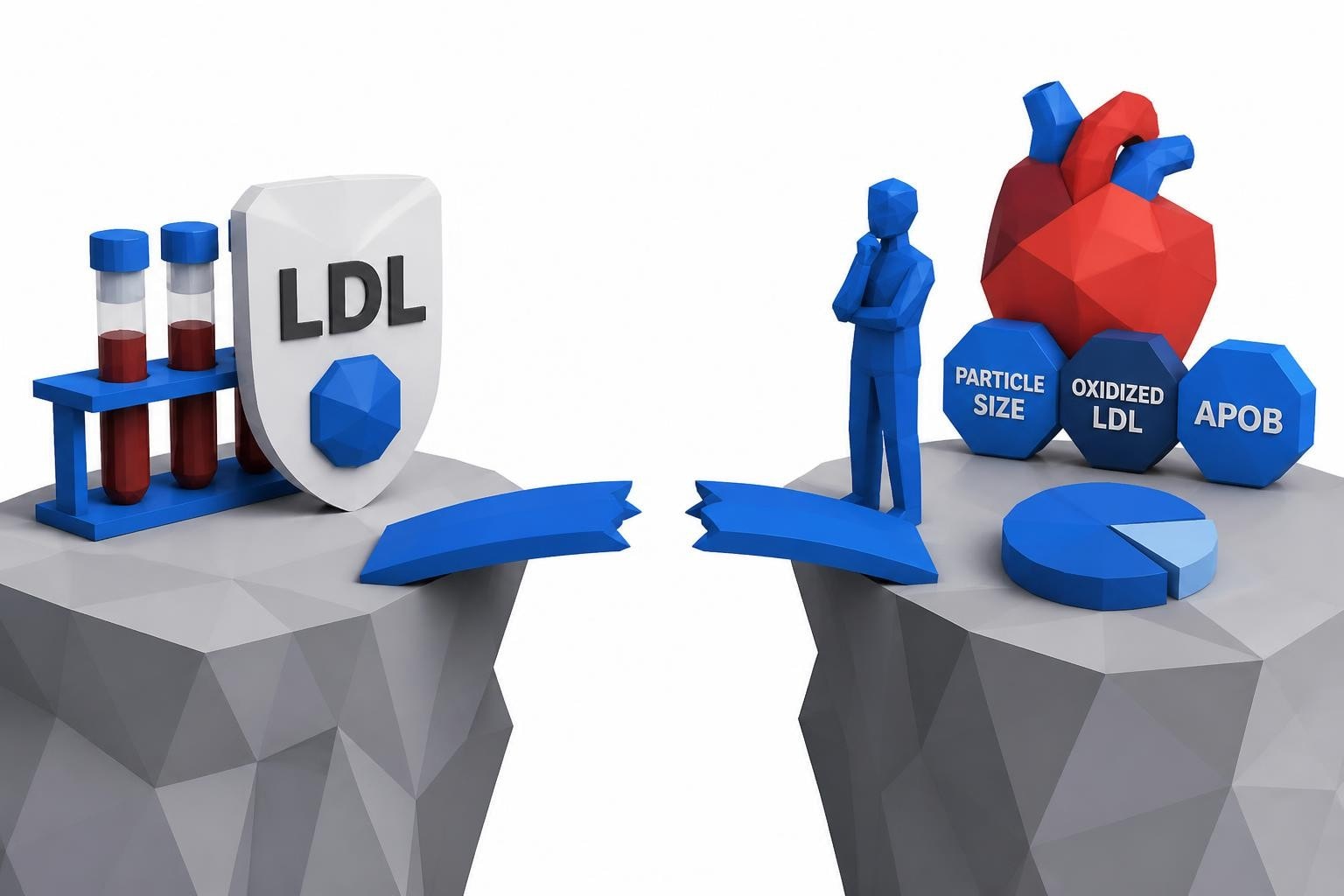
Standard cholesterol testing has become routine in preventive healthcare, with millions of Americans receiving annual reports showing their LDL cholesterol levels fall within "normal" ranges. Yet cardiovascular disease remains the leading cause of death in the United States, claiming lives of many individuals whose cholesterol numbers appeared reassuringly average. The disconnect between normal test results and continued cardiovascular events reveals a crucial truth: understanding why normal LDL can still be dangerous requires looking beyond the traditional lipid panel to explore advanced markers that paint a more complete picture of heart health risk.
The Limitations of Standard LDL Measurements
Traditional cholesterol testing measures the total amount of LDL cholesterol in your bloodstream, typically expressed in milligrams per deciliter (mg/dL). Medical guidelines have long used these numbers to categorize risk, with levels below 100 mg/dL generally considered optimal and values between 100-129 mg/dL deemed near optimal or above optimal.
The problem is that this approach treats all LDL particles as equal. Standard lipid panels calculate LDL cholesterol indirectly using the Friedewald equation, which estimates the amount based on total cholesterol, HDL, and triglycerides. This calculation tells you how much cholesterol is being transported but reveals nothing about how that cholesterol is packaged or how many particles are carrying it.
Why Particle Size and Number Matter
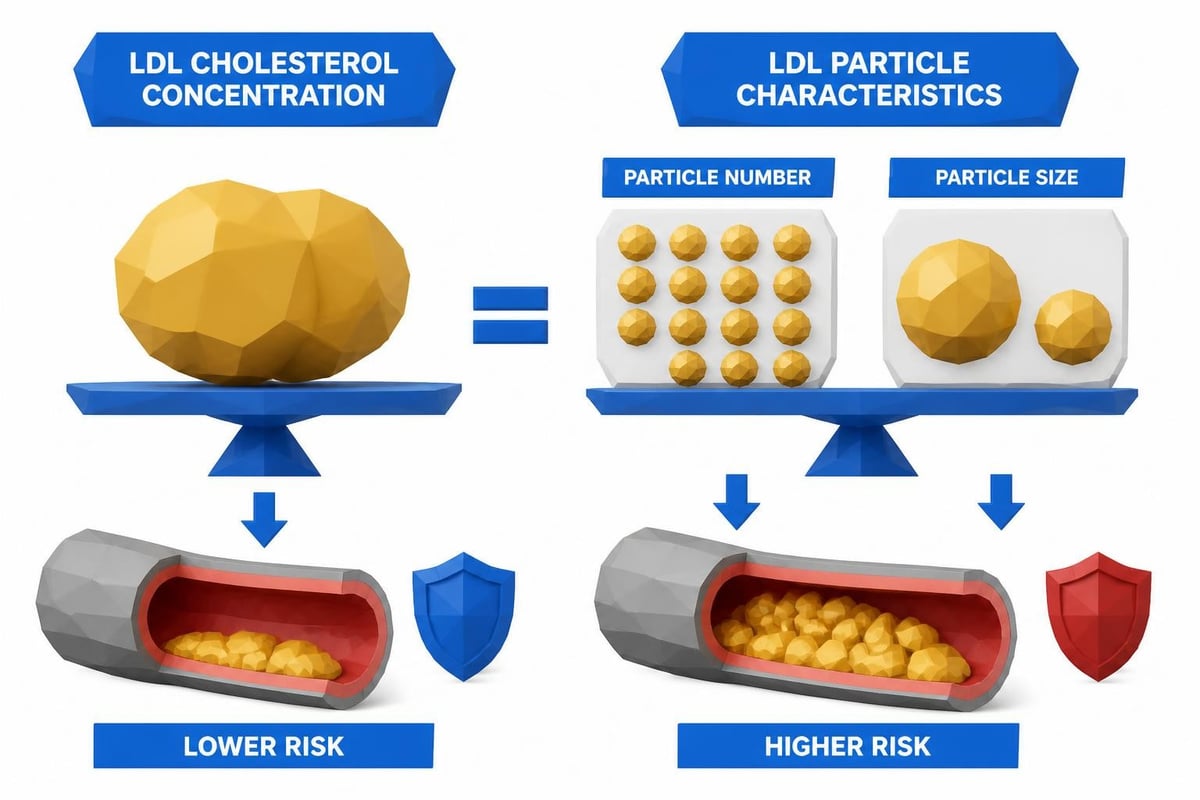
Two individuals can have identical LDL cholesterol levels yet face vastly different cardiovascular risks. The key distinction lies in LDL particle characteristics-specifically the size and number of particles present in the bloodstream.
Research published on PubMed examining LDL particle characteristics demonstrates that smaller, denser LDL particles penetrate arterial walls more easily than larger, fluffier particles. These small dense LDL particles are more susceptible to oxidation and more likely to contribute to atherosclerotic plaque formation.
Consider this comparison:
| Particle Type | Penetration Risk | Oxidation Susceptibility | Atherogenic Potential |
|---|---|---|---|
| Large LDL | Low | Lower | Moderate |
| Small Dense LDL | High | Higher | Significantly elevated |
| Pattern A (mostly large) | Lower overall | Moderate | Standard risk |
| Pattern B (mostly small) | Higher overall | Elevated | Increased risk |
Someone with Pattern B LDL-characterized by a predominance of small, dense particles-faces substantially higher cardiovascular risk than someone with Pattern A, even when both show identical LDL cholesterol concentrations on standard testing. This fundamental limitation helps explain why normal LDL can still be dangerous.
Beyond Cholesterol: The Role of Oxidized LDL
Understanding why normal LDL can still be dangerous requires examining what happens to LDL particles after they enter the bloodstream. Oxidized LDL (oxLDL) represents LDL particles that have undergone chemical modification through oxidative stress, transforming from relatively benign cholesterol carriers into inflammatory triggers.
When LDL particles become oxidized, they lose their ability to bind properly to LDL receptors. Instead, they're recognized by scavenger receptors on immune cells called macrophages. These macrophages engulf oxidized LDL particles indiscriminately, becoming foam cells-the building blocks of arterial plaque.
Key characteristics of oxidized LDL include:
- Enhanced inflammatory signaling
- Increased endothelial dysfunction
- Direct contribution to atherosclerotic plaque formation
- Resistance to normal LDL clearance mechanisms
- Association with plaque instability and rupture risk
Standard lipid panels measure total LDL cholesterol but provide no information about oxidation levels. You could have completely normal LDL numbers yet harbor significant amounts of oxidized LDL driving silent arterial damage. This oxidative modification process accelerates in the presence of certain conditions-diabetes, smoking, chronic inflammation, and metabolic syndrome-making oxidized LDL testing particularly valuable for individuals with these risk factors.
ApoB: Counting What Actually Matters
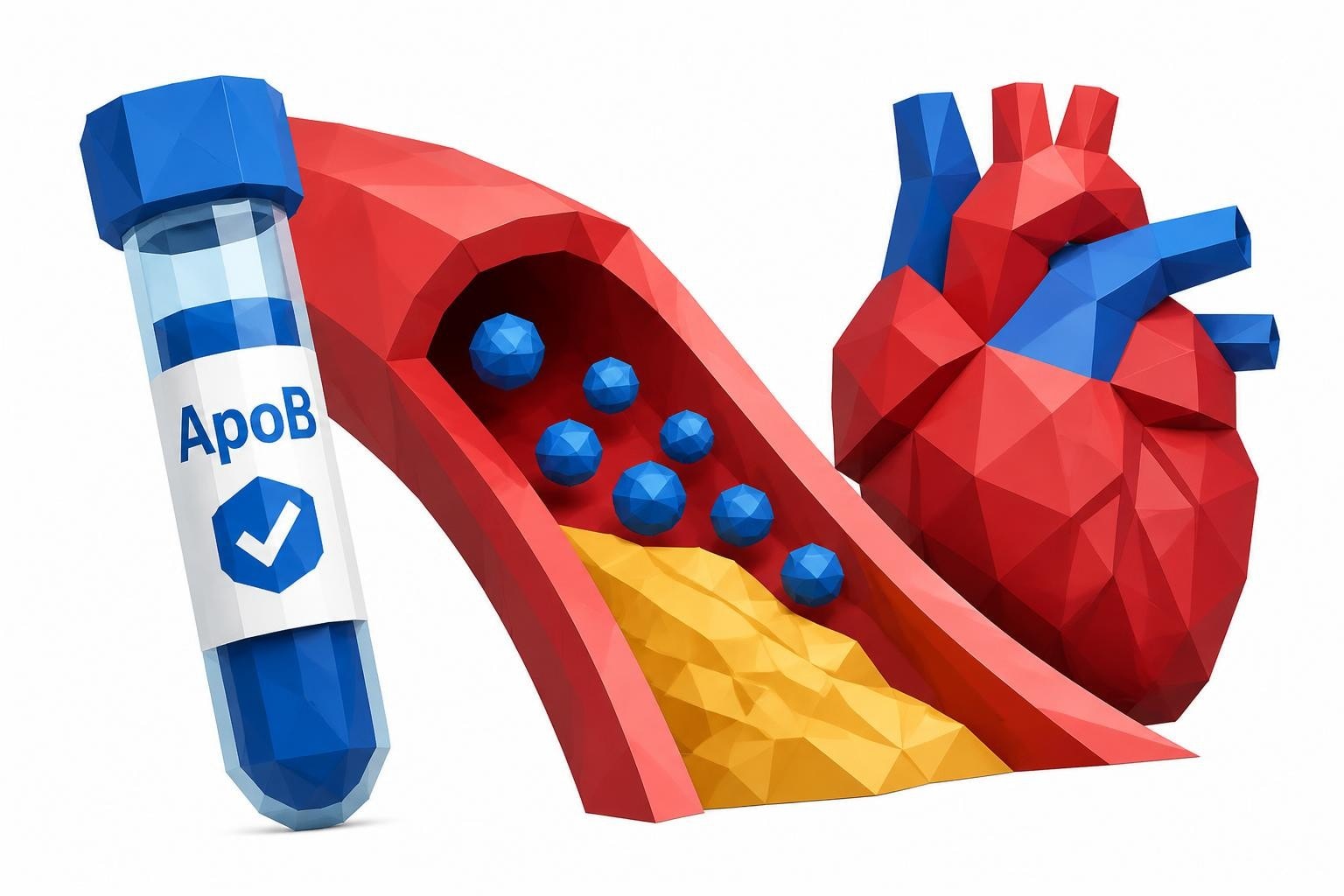
Another critical explanation for why normal LDL can still be dangerous centers on apolipoprotein B (ApoB). Each atherogenic lipoprotein particle-whether LDL, VLDL, or IDL-contains exactly one ApoB protein molecule. This means ApoB measurement directly counts the number of potentially dangerous particles circulating in your blood.
Traditional LDL cholesterol testing measures cargo (cholesterol content), while ApoB testing counts the vehicles (particles) carrying that cargo. As discussed in the Harvard Health article on optimal LDL levels, particle number often proves more predictive of cardiovascular events than cholesterol concentration alone.
Why ApoB Provides Superior Risk Assessment
Consider someone with normal LDL cholesterol of 110 mg/dL. This individual might have:
- Fewer large LDL particles (each carrying more cholesterol) with lower ApoB
- Many small LDL particles (each carrying less cholesterol) with elevated ApoB
The second scenario presents significantly higher cardiovascular risk despite the reassuringly normal LDL number. Studies consistently show that ApoB levels predict heart attack and stroke risk more accurately than LDL cholesterol, particularly in people with metabolic syndrome, diabetes, or elevated triglycerides.
ApoB testing becomes especially important when:
- Triglycerides exceed 150 mg/dL
- HDL cholesterol falls below 40 mg/dL (men) or 50 mg/dL (women)
- Metabolic syndrome is present
- There's a family history of premature cardiovascular disease
- LDL and non-HDL cholesterol appear discordant
The Lipoprotein(a) Wild Card
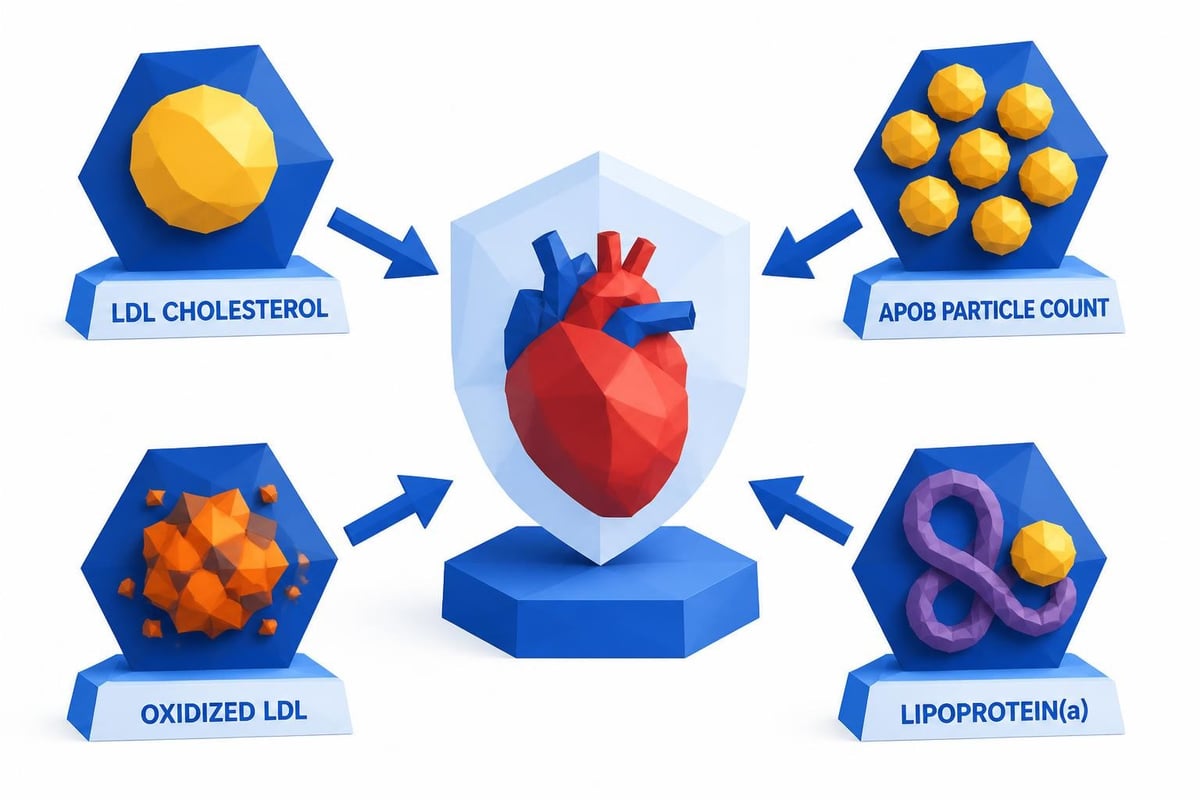
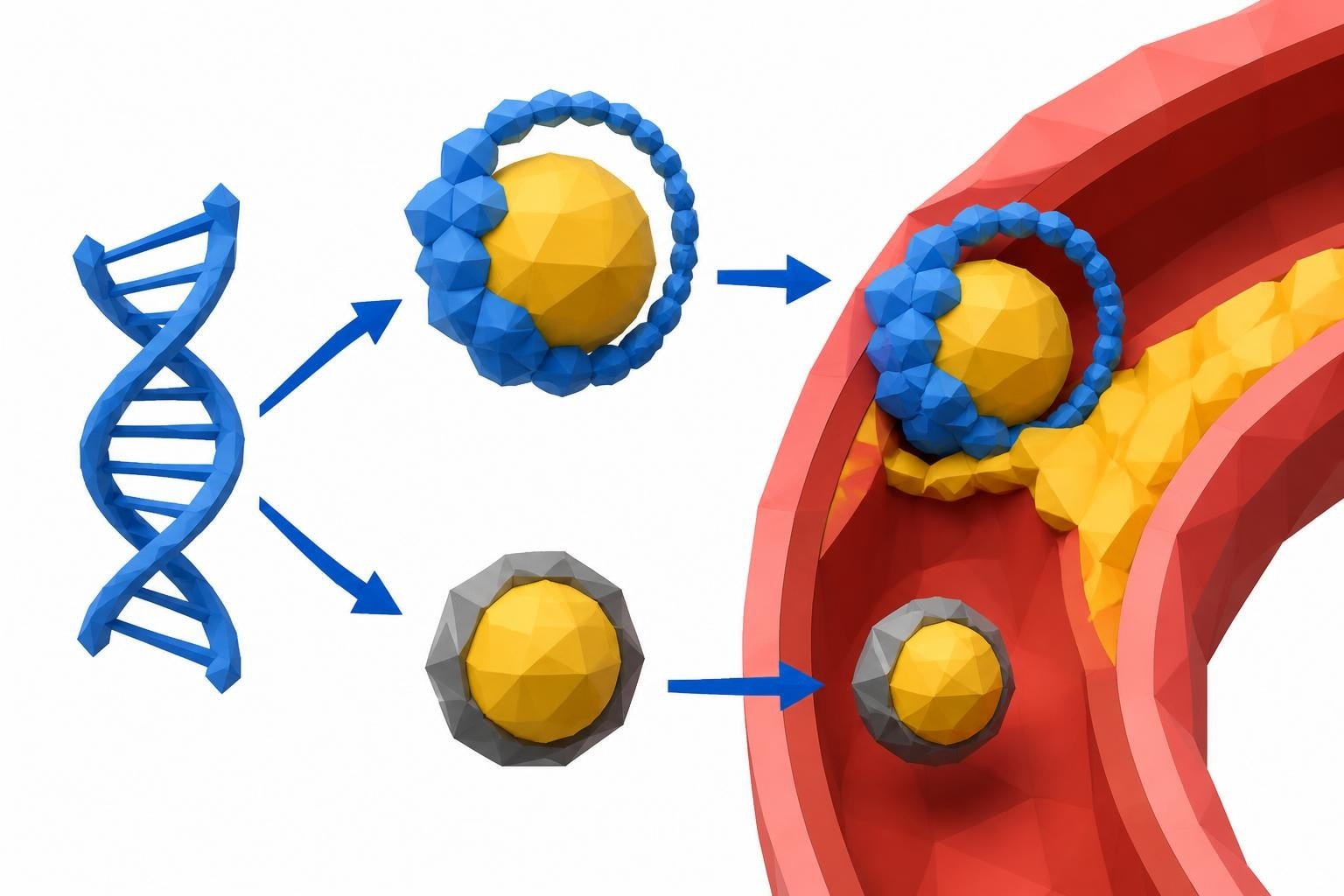
Lipoprotein(a), often abbreviated as Lp(a), represents one of the most important yet overlooked cardiovascular risk factors. This genetic variant of LDL consists of an LDL particle with an additional protein called apolipoprotein(a) attached.
Elevated Lp(a) affects approximately 20% of the population and dramatically increases cardiovascular risk independent of LDL cholesterol levels. Someone with perfectly normal LDL cholesterol but elevated Lp(a) faces substantially higher risk for heart attack, stroke, and aortic valve stenosis.
The danger of Lp(a) extends beyond simple cholesterol transport:
- Promotes inflammation within arterial walls
- Interferes with normal clot breakdown (fibrinolysis)
- Contributes to plaque formation even with optimal LDL levels
- Remains largely unaffected by statins and dietary changes
- Provides hereditary risk information for family members
Unlike LDL cholesterol, Lp(a) levels are 80-90% genetically determined and remain relatively stable throughout life. This makes one-time testing sufficient for most individuals, yet standard lipid panels never include this measurement. Many people walking around with "normal" cholesterol numbers harbor dangerously elevated Lp(a) without knowing it.
Advanced Particle Testing and Comprehensive Assessment
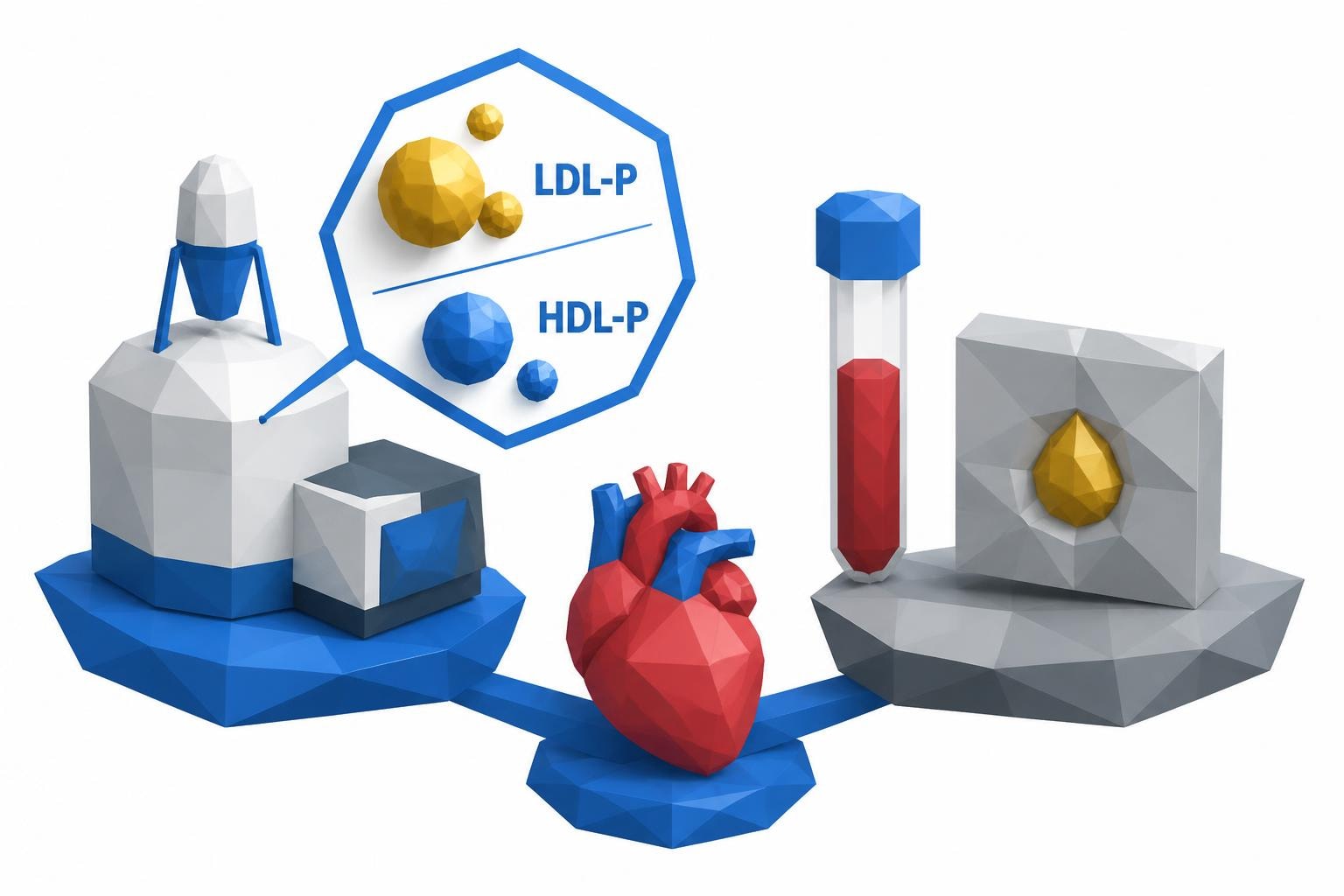
Modern cardiovascular risk assessment has evolved far beyond basic cholesterol measurements. Advanced particle testing technologies now provide detailed information about LDL particle number, size distribution, and other characteristics that standard lipid panels miss entirely.
Several testing methodologies offer these insights:
| Test Type | What It Measures | Clinical Value |
|---|---|---|
| NMR Lipoprofile | Particle number and size for all lipoproteins | Comprehensive particle assessment |
| Ion Mobility | LDL particle size distribution | Pattern A vs Pattern B determination |
| ApoB | Total atherogenic particle count | Direct particle quantification |
| Oxidized LDL | Chemically modified LDL | Inflammatory/oxidative stress marker |
| Lp(a) | Genetic LDL variant concentration | Inherited cardiovascular risk |
The Healthline guide to cholesterol particle size testing explains how these advanced measurements identify individuals at elevated risk despite normal standard cholesterol numbers. When combined with traditional lipid panels, these tests create a comprehensive picture of cardiovascular health that helps explain why normal LDL can still be dangerous for certain individuals.
Other Lipid Panel Components That Influence Risk
Standard lipid panels measure more than just LDL cholesterol, and the complete picture provided by normal lipid panel results reveals important context. Even when LDL appears normal, other components can signal elevated cardiovascular risk.
Triglycerides deserve particular attention. Elevated triglycerides often indicate increased production of small, dense LDL particles-the especially dangerous variety. When triglycerides climb above 150 mg/dL, you can assume significant amounts of atherogenic remnant particles circulate alongside measured LDL.
HDL cholesterol functions as a protective factor, helping remove excess cholesterol from arterial walls and transporting it back to the liver. Low HDL (below 40 mg/dL for men, 50 mg/dL for women) amplifies risk from any given LDL level. The ratio of total cholesterol to HDL or triglycerides to HDL often predicts cardiovascular events more accurately than LDL alone.
Non-HDL cholesterol-calculated by subtracting HDL from total cholesterol-captures all atherogenic lipoproteins including LDL, VLDL, IDL, and Lp(a). This calculation provides better risk assessment than LDL alone, particularly for people with elevated triglycerides.
Individual Risk Factors That Change the Equation
Context determines whether normal LDL levels provide reassurance or false security. Multiple factors modify how dangerous any given LDL concentration becomes:
- Diabetes and insulin resistance: These conditions promote LDL oxidation and increase small dense LDL particle production
- Chronic inflammation: Elevates oxidized LDL and accelerates atherosclerosis regardless of total LDL levels
- Smoking: Dramatically increases LDL oxidation and endothelial damage
- High blood pressure: Damages arterial walls, making them more susceptible to LDL infiltration
- Family history: Genetic factors influence particle size, Lp(a) levels, and LDL receptor function
Someone with diabetes, hypertension, and a family history of early heart disease faces substantially higher risk from an LDL of 120 mg/dL compared to a metabolically healthy individual with the same number. This personalized risk context, discussed in detail at Biology Insights' analysis of normal LDL levels, demonstrates why universal LDL targets may not apply equally to everyone.
Taking Control Through Direct Access Testing
Understanding why normal LDL can still be dangerous empowers individuals to seek more comprehensive cardiovascular assessment beyond routine screening. The challenge has traditionally been access-many insurance plans don't cover advanced lipid testing, and busy physicians may not order these markers without specific indications.
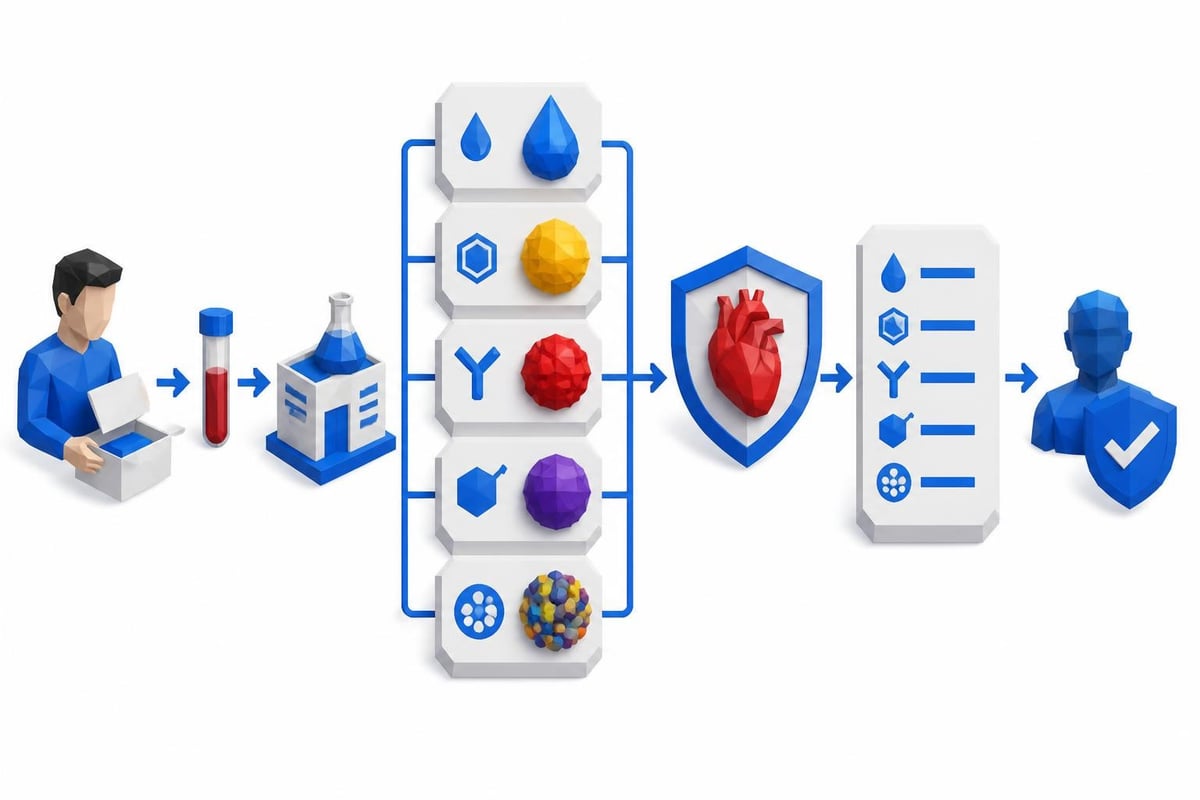
Direct-to-consumer lab testing removes these barriers. Services that allow you to order labs without a doctor provide immediate access to advanced cardiovascular markers that traditional healthcare workflows often overlook. This approach proves particularly valuable for:
- Individuals with family histories of early heart disease seeking comprehensive risk assessment
- People with metabolic syndrome or diabetes wanting to understand particle characteristics
- Anyone with normal standard cholesterol but unexplained cardiovascular symptoms
- Health-conscious individuals pursuing optimization beyond basic screening
- Those tracking intervention effectiveness through serial advanced marker testing
Advanced cardiovascular panels available through self-pay testing include:
- Complete lipid panels with calculated ratios
- ApoB quantification for particle counting
- Lipoprotein(a) measurement for genetic risk
- Oxidized LDL assessment for inflammatory status
- High-sensitivity CRP for systemic inflammation
- Hemoglobin A1c for metabolic health context
Recommended Panel
Advanced Heart Health Panel
Save $4Go beyond basic cholesterol testing. This advanced panel includes the markers cardiologists use to assess true cardiovascular risk: ApoB, Lp(a), homocysteine, and inflammation.
Includes 10 biomarkers
$81
Fasting required
Understanding how direct lab testing works reveals a straightforward process: select your tests online, visit a nearby collection facility, and receive results within days. This efficiency allows for regular monitoring of advanced markers that might otherwise require months of scheduling and insurance authorization battles.
The Evolution of Cardiovascular Risk Guidelines
Medical understanding of cholesterol and cardiovascular risk continues evolving. What was considered acceptably normal decades ago now appears dangerously elevated based on current evidence. This progression reflects growing recognition that even modestly elevated LDL-or normal LDL with unfavorable characteristics-drives atherosclerosis over time.
Recent guidelines from major cardiology organizations increasingly emphasize:
- Lower LDL targets for high-risk individuals (below 70 or even 55 mg/dL)
- ApoB measurement as an alternative or supplement to LDL cholesterol
- Comprehensive risk assessment incorporating multiple biomarkers
- Personalized treatment thresholds based on individual risk profiles
- Aggressive intervention for genetic conditions like familial hypercholesterolemia
These evolving standards acknowledge that traditional "normal" ranges may not protect against long-term cardiovascular disease development. The difference between normal and optimal lab ranges introduces nuance that standard cutoffs miss entirely.
Practical Steps for Comprehensive Assessment
Taking action on cardiovascular health requires more than passive acceptance of "normal" test results. Proactive individuals should consider:
Initial comprehensive testing that includes standard lipids plus ApoB, Lp(a), oxidized LDL, and particle analysis. This baseline establishes your true risk profile beyond conventional screening.
Recommended Test
Lipoprotein Fractionation (NMR)
Goes beyond standard cholesterol testing to measure the actual size and number of your LDL and HDL particles. Small, dense LDL particles are far more dangerous than large, fluffy ones.
Includes 5 biomarkers
$52
Fasting required
Regular monitoring at intervals determined by risk level and intervention strategies. Annual testing makes sense for most adults, while those with elevated risk or undergoing treatment may benefit from more frequent assessment.
Lifestyle optimization targeting particle characteristics, not just total cholesterol. Dietary patterns emphasizing whole foods, regular exercise, stress management, and adequate sleep improve particle size distribution and reduce oxidation.
Transparent pricing understanding through services offering clear lab test pricing eliminates financial uncertainty and enables informed decision-making about which tests provide the most value for your situation.
Results interpretation in context of your complete health picture. Numbers alone don't tell the story-understanding what they mean for your individual cardiovascular risk requires considering all factors together.
Addressing Testing Accessibility and Affordability
Cost concerns and access barriers have historically prevented many individuals from obtaining comprehensive cardiovascular assessment. Insurance coverage for advanced lipid testing varies widely, often requiring extensive documentation of medical necessity that delays or prevents testing entirely.
Self-pay lab testing through platforms offering labs without insurance provides an alternative pathway. Transparent, upfront pricing allows informed decisions about which tests deliver the most value for your health investment. Many advanced cardiovascular markers cost less through direct-pay services than insurance copays and deductibles would require.
Additionally, FSA/HSA eligible testing allows use of tax-advantaged health savings for comprehensive cardiovascular assessment. This flexibility makes advanced testing financially accessible to more people seeking answers beyond standard screening.
The convenience factor matters too. Being able to find lab locations near you, schedule collection at your convenience, and receive results digitally within days removes friction from the testing process. This efficiency encourages regular monitoring that catches concerning trends before they become emergencies.
Moving Beyond Normal Toward Optimal
Cardiovascular health optimization requires abandoning satisfaction with "normal" in favor of pursuing truly optimal biomarkers. This shift in mindset recognizes that atherosclerosis develops silently over decades, driven by processes that standard LDL measurements fail to capture.
Comprehensive testing reveals whether your normal LDL consists of benign large particles or dangerous small dense variants. It identifies genetic risk factors like elevated Lp(a) that remain invisible on routine screening. It quantifies oxidative stress through oxidized LDL measurement and counts actual atherogenic particles through ApoB.
Armed with this complete picture, you can make informed decisions about interventions-whether lifestyle modifications alone suffice or pharmaceutical treatment becomes appropriate. You can track whether interventions actually improve the markers that matter most for cardiovascular protection.
Understanding why normal LDL can still be dangerous transforms passive test recipients into active participants in cardiovascular health optimization. It empowers informed discussions with healthcare providers based on comprehensive data rather than incomplete screening results.
The limitations of standard LDL cholesterol testing leave many individuals with false reassurance despite genuine cardiovascular risk from particle characteristics, oxidation, genetic factors, and other markers that routine panels never measure. Comprehensive assessment through advanced testing-including ApoB, Lp(a), oxidized LDL, and particle analysis-reveals the complete picture necessary for true cardiovascular risk understanding. Whether you're seeking baseline assessment or tracking optimization efforts, JustLabs provides direct access to comprehensive cardiovascular testing with transparent pricing, convenient collection locations nationwide, and results delivered within days, empowering you to move beyond normal toward optimal heart health.
Related Reading
References
Kanonidou C. Small dense low-density lipoprotein: Analytical review. Clin Chim Acta. 2021 Sep;520:172-178. doi: 10.1016/j.cca.2021.06.012. PMID: 34118239. https://pubmed.ncbi.nlm.nih.gov/34118239/
Khatana C, Saini NK, Chakrabarti S, Saini V, Sharma A, Saini RV, Saini AK. Mechanistic Insights into the Oxidized Low-Density Lipoprotein-Induced Atherosclerosis. Oxid Med Cell Longev. 2020;2020:5245308. doi: 10.1155/2020/5245308. PMID: 33014272. https://pubmed.ncbi.nlm.nih.gov/33014272/
Glavinovic T, Thanassoulis G, de Graaf J, Couture P, Hegele RA, Sniderman AD. Physiological Bases for the Superiority of Apolipoprotein B Over Low-Density Lipoprotein Cholesterol and Non-High-Density Lipoprotein Cholesterol as a Marker of Cardiovascular Risk. J Am Heart Assoc. 2022 Oct 18;11(20):e025858. doi: 10.1161/JAHA.122.025858. PMID: 36216435. https://pubmed.ncbi.nlm.nih.gov/36216435/
Reyes-Soffer G, Ginsberg HN, Berglund L, Duell PB, Heffron SP, Kamstrup PR, Lloyd-Jones DM, Marcovina SM, Yeang C, Koschinsky ML, American Heart Association Council on Arteriosclerosis, Thrombosis and Vascular Biology; Council on Cardiovascular Radiology and Intervention; and Council on Peripheral Vascular Disease. Lipoprotein(a): A Genetically Determined, Causal, and Prevalent Risk Factor for Atherosclerotic Cardiovascular Disease: A Scientific Statement From the American Heart Association. Arterioscler Thromb Vasc Biol. 2022 Jan;42(1):e48-e60. doi: 10.1161/ATV.0000000000000147. PMID: 34647487. https://pubmed.ncbi.nlm.nih.gov/34647487/