Cardiologists increasingly rely on advanced diagnostic tools that go beyond traditional cholesterol measurements to assess cardiovascular disease risk. The apolipoprotein B (ApoB) test has emerged as a critical biomarker that provides deeper insight into heart health than conventional lipid panels. Understanding the apob test why cardiologists prioritize this measurement can help you make informed decisions about your cardiovascular screening strategy and take proactive steps toward heart disease prevention.
Big picture
- ApoB measures the actual number of atherogenic particles in your blood, not just cholesterol concentration, giving a more accurate picture of cardiovascular risk
- Cardiologists prefer ApoB testing because it identifies high-risk patients who might appear normal on standard cholesterol panels, especially those with insulin resistance or metabolic syndrome
- This test directly counts the particles that cause plaque buildup in arteries, making it a superior predictor of heart attack and stroke risk compared to LDL cholesterol alone
- People with diabetes, family history of heart disease, or metabolic conditions should strongly consider ApoB testing alongside routine cholesterol screening
- You can now access ApoB testing through direct-to-consumer services without insurance requirements or physician referrals, making advanced cardiovascular screening more accessible
- Taking action on elevated ApoB levels early through lifestyle changes and medical intervention can significantly reduce your long-term cardiovascular disease risk
Understanding Apolipoprotein B and Its Role in Heart Disease
Apolipoprotein B represents a protein found on the surface of atherogenic lipoproteins, including LDL, VLDL, IDL, and lipoprotein(a). Each of these cholesterol-carrying particles contains exactly one ApoB molecule, making it an ideal marker for counting the total number of potentially harmful particles circulating in your bloodstream.
When cardiologists evaluate the apob test why cardiologists find it valuable becomes clear: it provides a direct particle count rather than an estimated cholesterol content. Traditional LDL cholesterol measurements calculate the amount of cholesterol within particles but don't reveal how many particles are present. Two patients with identical LDL cholesterol levels might have dramatically different numbers of LDL particles, meaning vastly different cardiovascular risks.
The Science Behind Particle Number Versus Cholesterol Content
The relationship between particle size and cholesterol content explains much of the disconnect between the standard lipid panel and actual cardiovascular risk. Small, dense LDL particles carry less cholesterol per particle than large, fluffy LDL particles. A person with many small particles might show normal LDL cholesterol but harbor significantly elevated cardiovascular risk.
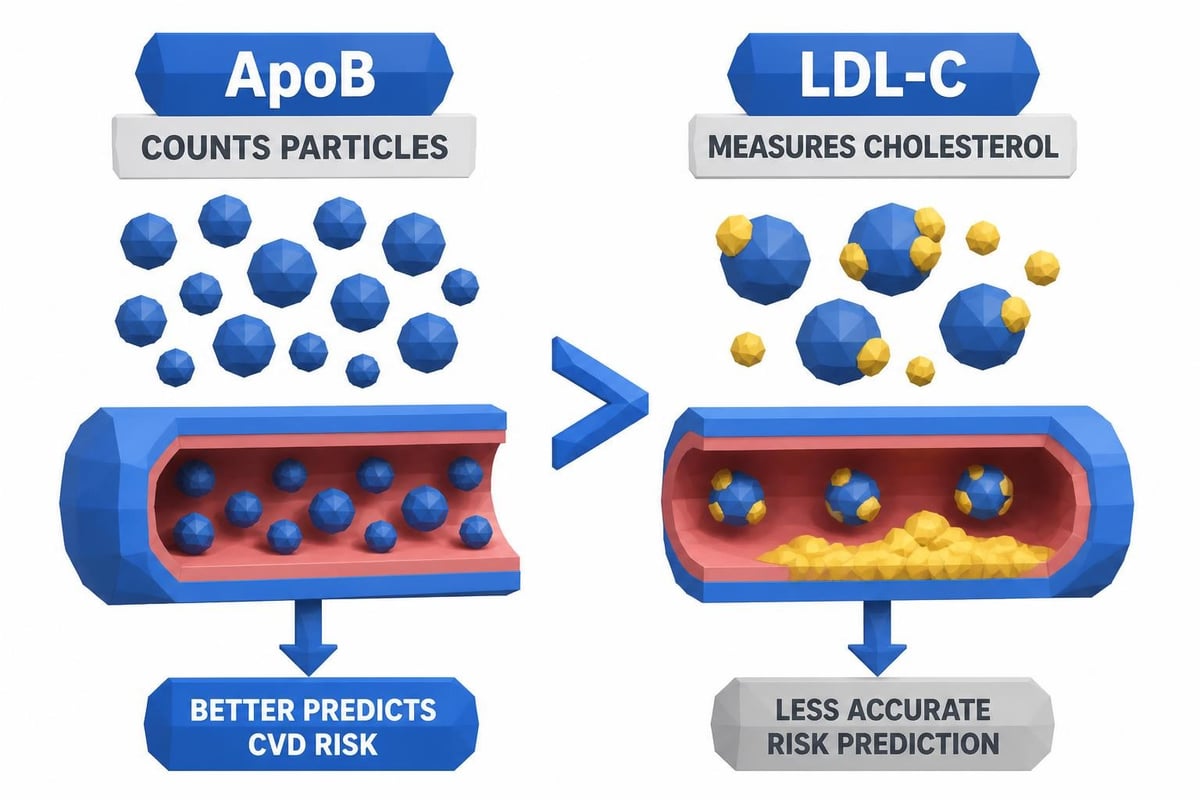
The ApoB test provides better predictive value because atherogenesis, the process of plaque formation in arteries, depends on the number of particles penetrating the arterial wall, not the cholesterol concentration. Research consistently demonstrates that ApoB levels correlate more strongly with cardiovascular events than LDL cholesterol measurements.
Why Cardiologists Prioritize ApoB Testing
Cardiovascular specialists have embraced ApoB measurement for several compelling clinical reasons that directly impact patient outcomes and treatment decisions.
Enhanced Risk Stratification
Standard cholesterol panels miss a substantial portion of at-risk individuals, particularly those with metabolic dysfunction. Cardiologists recognize that approximately 30-40% of people who develop cardiovascular disease have normal or near-normal LDL cholesterol levels. The apob test why cardiologists rely on it becomes evident when identifying these hidden high-risk patients.
According to research on apolipoprotein B testing, elevated ApoB levels indicate increased risk even when LDL cholesterol appears acceptable. This discordance occurs frequently in patients with insulin resistance, metabolic syndrome, type 2 diabetes, or hypertriglyceridemia.
Clinical Scenarios Where ApoB Excels
| Clinical Situation | Why ApoB Matters | Standard Panel Limitation |
|---|---|---|
| Metabolic syndrome | Captures small, dense LDL particles | May show normal LDL-C despite high risk |
| Diabetes | Reflects true atherogenic burden | Underestimates risk from particle count |
| Triglyceride elevation | Accounts for VLDL particles | LDL-C calculation becomes unreliable |
| Family history | Detects inherited particle abnormalities | May miss genetic lipoprotein disorders |
| Statin monitoring | Shows total atherogenic particle reduction | LDL-C alone may not reflect full benefit |
Treatment Optimization
Cardiologists use ApoB measurements to guide lipid-lowering therapy intensity and assess treatment effectiveness. Understanding lab results becomes crucial when determining whether aggressive intervention is warranted. Patients who achieve LDL cholesterol goals but maintain elevated ApoB levels may require additional or intensified therapy.
The target ApoB level for cardiovascular disease prevention is generally below 80 mg/dL for moderate-risk individuals and below 65 mg/dL for high-risk patients. These specific targets help cardiologists personalize treatment plans based on individual risk profiles rather than relying solely on LDL cholesterol thresholds.
The ApoB Test Process and Interpretation
Getting an ApoB test has become increasingly straightforward, especially with the expansion of direct-access laboratory services that eliminate traditional barriers to testing.
How the Test Works
The ApoB test requires a simple blood draw, typically performed after an 8-12 hour fast for most accurate results. The sample undergoes immunoassay analysis that quantifies the concentration of apolipoprotein B in milligrams per deciliter (mg/dL).
For those seeking accessible testing options, services like JustLabs enable lab testing without insurance complications or mandatory physician visits. Results typically become available within 1-3 days, providing rapid insight into cardiovascular risk status.
Recommended Test
Apolipoprotein B
ApoB measures the number of atherogenic (artery-clogging) particles in your blood, providing a more accurate cardiovascular risk assessment than standard LDL cholesterol.
Includes 1 biomarkers
$18
Interpreting Your ApoB Results
Understanding what your numbers mean empowers you to take appropriate action:
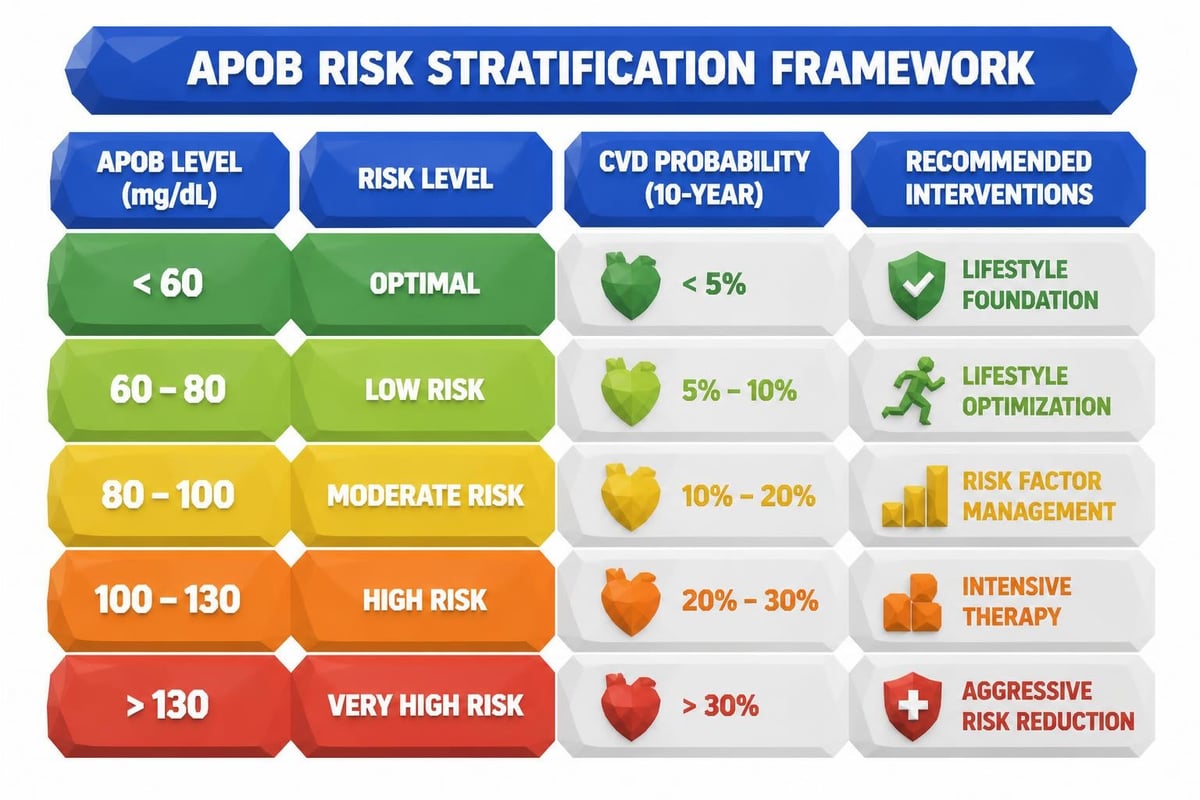
- Below 80 mg/dL: Generally considered acceptable for moderate-risk individuals
- 80-99 mg/dL: Borderline elevated; may warrant lifestyle intervention
- 100-129 mg/dL: High risk; typically requires medical evaluation and treatment
- 130 mg/dL and above: Very high risk; aggressive intervention usually recommended
The apob test why cardiologists emphasize these thresholds relates directly to epidemiological data showing progressively higher cardiovascular event rates as ApoB levels increase. Even within the "normal" range, lower values confer better long-term outcomes.
Comparing ApoB to Other Cardiac Biomarkers
Multiple tests assess cardiovascular risk, each offering unique information:
- LDL cholesterol: Estimates cholesterol in LDL particles but not particle number
- Non-HDL cholesterol: Includes all atherogenic lipoproteins but still measures cholesterol content
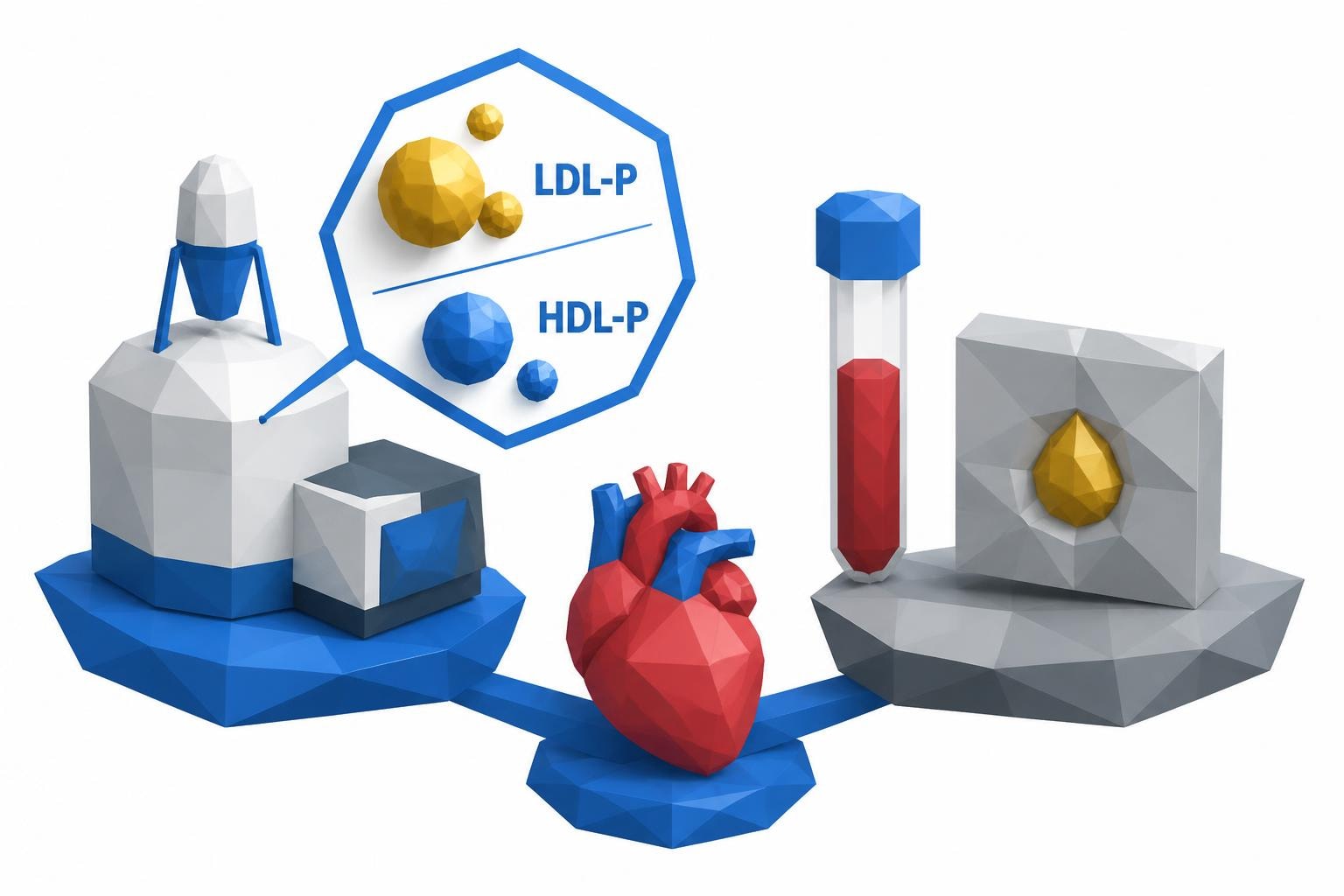
- LDL particle number (LDL-P): Directly counts LDL particles using NMR spectroscopy; highly correlated with ApoB
- Lipoprotein(a): Measures a specific highly atherogenic lipoprotein subset
- High-Sensitivity CRP (hsCRP): Indicates inflammation but doesn't directly measure atherogenic burden
According to WebMD's explanation of the ApoB test, ApoB provides comprehensive particle assessment at lower cost than advanced lipoprotein fractionation (NMR) testing while delivering comparable clinical utility.
Who Should Get ApoB Testing
While universal ApoB screening hasn't been adopted, specific populations benefit tremendously from this advanced assessment.
High-Priority Candidates
- Individuals with metabolic syndrome or insulin resistance
- People with type 2 diabetes or prediabetes
- Those with family history of premature cardiovascular disease
- Patients with elevated triglycerides (above 150 mg/dL)
- Anyone with low HDL cholesterol (below 40 mg/dL for men, 50 mg/dL for women)
- People of South Asian ancestry (higher genetic risk)
- Those with personal history of cardiovascular events
The apob test why cardiologists recommend it for these groups stems from extensive research showing that standard cholesterol panels frequently underestimate risk in these populations. Early detection enables preventive interventions before irreversible arterial damage occurs.
Age Considerations and Screening Frequency
Cardiovascular risk assessment strategies should evolve throughout life:
Young Adults (20-39 years)
Baseline ApoB testing makes sense for those with family history, metabolic disorders, or other risk factors. Early detection of elevated atherogenic particle burden allows decades of preventive intervention, potentially avoiding medication through lifestyle optimization alone.
Middle Age (40-59 years)
This critical period warrants comprehensive cardiovascular screening including ApoB for most individuals. Risk accelerates during these years, and treatment initiated now provides maximum long-term benefit. Ordering lab tests without a doctor enables proactive health management without scheduling obstacles.
Older Adults (60+ years)
ApoB testing remains valuable for treatment optimization and risk refinement, particularly when deciding on statin intensity or additional therapies. Even at advanced ages, cardiovascular event prevention improves quality of life and longevity.
Actionable Steps Based on ApoB Results
Test results only create value when they inform meaningful action. Whether your ApoB level is optimal or elevated, specific strategies can improve your cardiovascular health trajectory.
For Optimal ApoB Levels (Below 80 mg/dL)
Maintaining excellent cardiovascular health requires ongoing commitment:
- Continue heart-healthy dietary patterns emphasizing vegetables, fruits, whole grains, and lean proteins
- Maintain regular physical activity with both aerobic exercise and resistance training
- Preserve healthy body weight and waist circumference
- Retest every 3-5 years or when health status changes significantly
- Address other cardiovascular risk factors like blood pressure and blood sugar
For Borderline Elevated ApoB (80-99 mg/dL)
This zone presents opportunity for intervention before high-risk status develops:
Dietary Modifications
- Reduce saturated fat intake to less than 7% of total calories
- Eliminate trans fats completely from your diet
- Increase soluble fiber consumption through oats, beans, and vegetables
- Consider plant sterols and stanols (2 grams daily)
- Emphasize omega-3 fatty acids from fish or supplements
Lifestyle Enhancements
- Achieve at least 150 minutes of moderate-intensity aerobic activity weekly
- Add resistance training twice weekly
- Reduce excess body weight if present (even 5-10% reduction helps)
- Manage stress through meditation, yoga, or other relaxation techniques
- Ensure adequate sleep (7-9 hours nightly)
For High or Very High ApoB Levels
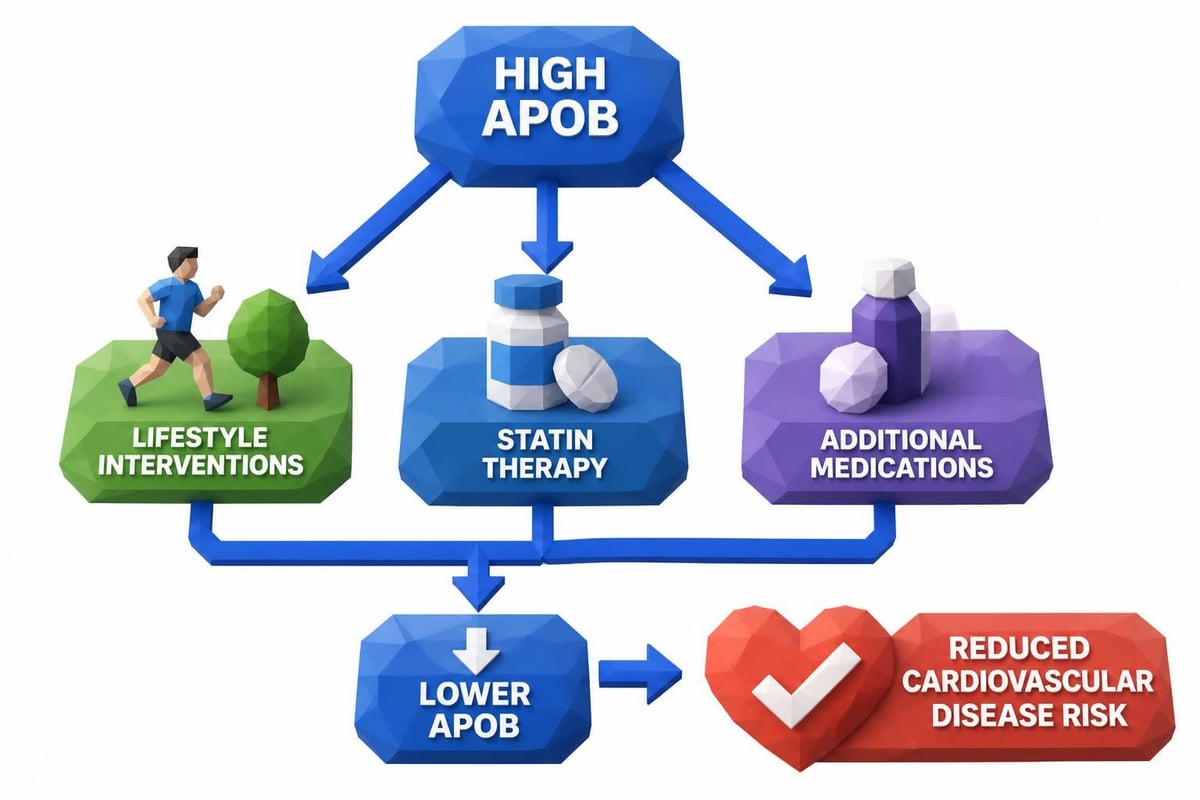
Elevated results demand prompt medical evaluation and likely pharmacological intervention alongside aggressive lifestyle modification. Understanding the apob test why cardiologists use it to guide treatment intensity becomes particularly relevant here.
Medical Treatment Options
| Medication Class | ApoB Reduction Potential | Mechanism | Considerations |
|---|---|---|---|
| Statins | 30-50% | Reduce LDL particle production | First-line therapy for most patients |
| Ezetimibe | 15-20% additional | Blocks cholesterol absorption | Often combined with statins |
| PCSK9 inhibitors | 50-60% additional | Enhance LDL receptor activity | For very high risk or statin intolerance |
| Bempedoic acid | 15-25% | Alternative cholesterol synthesis pathway | Non-statin option |
| Fibrates | Variable | Primarily reduce VLDL particles | Useful with high triglycerides |
Comprehensive cardiovascular protection extends beyond lipid management. Work with your healthcare provider to optimize blood pressure, manage diabetes if present, and address other modifiable risk factors.
The Economic Value of ApoB Testing
Cost considerations influence healthcare decisions, making it important to understand the value proposition of advanced cardiac screening.
Traditional concerns about lab test pricing have diminished as direct-access services offer transparent, affordable testing options. The ApoB test typically costs between forty and eighty dollars through self-pay platforms, a reasonable investment for the clinical information provided.
Cost-Effectiveness Analysis
The apob test why cardiologists advocate for broader adoption includes compelling economic arguments:
- Early risk detection prevents costly cardiovascular events (heart attacks, strokes, procedures)
- More precise risk stratification avoids unnecessary treatment in low-risk individuals
- Better treatment targeting optimizes medication spending
- Preventing one major cardiovascular event saves thousands to hundreds of thousands in medical costs
When compared to the lifetime cost of cardiovascular disease management, including medications, procedures, hospitalizations, and lost productivity, a one-time or periodic ApoB test represents exceptional value. Research suggests that ApoB-guided therapy may reduce healthcare spending while improving outcomes.
Key Takeaways
The apob test why cardiologists increasingly rely on this biomarker reflects its superior ability to predict cardiovascular disease risk compared to traditional cholesterol measurements. By directly counting atherogenic particles rather than estimating cholesterol content, ApoB testing identifies high-risk individuals who might otherwise go undetected by standard lipid panels.
Specific populations, including those with diabetes, metabolic syndrome, elevated triglycerides, or family history of heart disease, benefit most from ApoB assessment. The test provides actionable information that guides both lifestyle interventions and medical treatment decisions, enabling personalized cardiovascular disease prevention strategies.
Modern direct-access laboratory services have eliminated traditional barriers to advanced cardiac screening, making ApoB testing available without insurance complications or physician referrals. Results typically arrive within days, empowering individuals to take proactive control of their cardiovascular health.
Treatment targets for ApoB levels depend on individual risk profiles, with goals generally set below 80 mg/dL for moderate-risk individuals and below 65 mg/dL for high-risk patients. Achieving these targets through diet, exercise, and when necessary, medication, substantially reduces the likelihood of heart attacks, strokes, and other cardiovascular events.
The economic value of ApoB testing extends beyond the test itself, as early detection and appropriate intervention prevent costly cardiovascular complications while optimizing treatment resources. For a modest upfront investment, individuals gain critical insight that can inform decades of health decisions and potentially add years of quality life.
Recommended Panel
Advanced Heart Health Panel
Save $4Go beyond basic cholesterol testing. This advanced panel includes the markers cardiologists use to assess true cardiovascular risk: ApoB, Lp(a), homocysteine, and inflammation.
Includes 10 biomarkers
$81
Fasting required
FAQ
What exactly does the ApoB test measure?
The ApoB test quantifies apolipoprotein B, a protein found on the surface of all atherogenic (plaque-forming) lipoproteins. Since each harmful particle contains exactly one ApoB molecule, this test effectively counts the total number of LDL, VLDL, IDL, and lipoprotein(a) particles in your bloodstream. This particle count provides more accurate cardiovascular risk assessment than measuring cholesterol concentration alone.
How is ApoB different from LDL cholesterol?
LDL cholesterol measures the amount of cholesterol carried within LDL particles, while ApoB counts the actual number of atherogenic particles. Two people with identical LDL cholesterol levels might have very different particle numbers depending on particle size. According to Bluecrest Wellness's explanation, someone with many small, dense particles (high ApoB) faces greater cardiovascular risk than someone with fewer large particles (lower ApoB), even if their LDL cholesterol matches.
Do I need to fast before an ApoB test?
Most laboratories recommend an 8-12 hour fast before ApoB testing for optimal accuracy, though fasting requirements may be less strict than for triglyceride measurements. ApoB levels show less variability with recent food intake compared to triglycerides, but fasting ensures the most reliable results and allows simultaneous testing of other lipid markers. Confirm specific preparation requirements when scheduling your test.
What is a normal ApoB level?
Optimal ApoB levels fall below 80 mg/dL for most individuals. Values between 80-99 mg/dL are considered borderline elevated, 100-129 mg/dL indicate high risk, and levels above 130 mg/dL represent very high cardiovascular risk. However, target levels should be individualized based on overall risk profile. High-risk individuals, such as those with existing cardiovascular disease or diabetes, should aim for levels below 65 mg/dL.
Can I get ApoB testing without seeing a doctor?
Yes, direct-access laboratory services now offer ApoB testing without requiring a physician's order. Platforms enable you to access testing services conveniently by ordering online, visiting a lab for blood draw, and receiving results digitally within days. This approach provides greater accessibility and often lower costs compared to traditional insurance-based testing, though discussing results with a healthcare provider remains advisable for interpretation and treatment planning.
How often should I get ApoB tested?
Testing frequency depends on your risk profile and previous results. Individuals with optimal levels and low overall cardiovascular risk might test every 3-5 years. Those with borderline elevated ApoB should retest annually while implementing lifestyle modifications. People with high ApoB levels undergoing treatment typically need testing every 3-6 months initially to assess therapy effectiveness, then annually once stable. Your healthcare provider can recommend an appropriate testing schedule based on your specific situation.
Will insurance cover ApoB testing?
Insurance coverage for ApoB testing varies widely by plan and medical necessity determination. Some insurers cover it for high-risk patients, while others classify it as investigational. Prior authorization requirements and coverage limitations can create obstacles. Many people find that self-pay laboratory services offer simpler, faster access with transparent pricing that may cost less than insurance copays and deductibles.
Can lifestyle changes lower ApoB levels?
Yes, lifestyle modifications can significantly reduce ApoB levels. Dietary changes reducing saturated fat and increasing soluble fiber, regular aerobic exercise, weight loss, and smoking cessation all lower atherogenic particle numbers. Studies show that comprehensive lifestyle intervention can reduce ApoB by 10-25%, though the extent varies by individual. For many people with borderline elevated levels, lifestyle optimization alone may achieve target levels without medication.
What medications lower ApoB most effectively?
Statins represent the most commonly prescribed and effective ApoB-lowering medications, reducing levels by 30-50% depending on dose and specific drug. Adding ezetimibe provides additional 15-20% reduction. For individuals requiring more intensive therapy, PCSK9 inhibitors can lower ApoB by an additional 50-60%. The Complete Heart Health Test helps monitor treatment effectiveness and guide medication adjustments.
Is ApoB better than LDL particle number testing?
ApoB and LDL particle number (LDL-P) measured by NMR spectroscopy provide very similar clinical information and correlate closely. Both count atherogenic particles rather than measuring cholesterol content. ApoB testing is generally more widely available, less expensive, and has broader standardization across laboratories. Either test represents a significant improvement over standard LDL cholesterol for cardiovascular risk assessment, and the choice often depends on availability and cost considerations.
Understanding your cardiovascular risk through advanced biomarkers like ApoB empowers you to take proactive steps toward heart disease prevention. The apob test why cardiologists prioritize it centers on its superior predictive ability and capacity to guide personalized treatment strategies. Whether you're managing existing risk factors or simply want comprehensive insight into your heart health, accessible testing options now make advanced cardiac screening available to everyone. JustLabs offers convenient, affordable access to ApoB testing and comprehensive cardiac panels, delivering results within 1-3 days without insurance hassles or physician referral requirements, so you can take control of your cardiovascular health today.