When you receive lab results showing an elevated erythrocyte sedimentation rate, understanding high sed rate meaning and what to do becomes essential for protecting your health. This common blood test measures inflammation in your body, and abnormal results can signal conditions ranging from minor infections to serious autoimmune disorders. Armed with knowledge about what these numbers mean and clear next steps, you can work with healthcare providers to identify underlying causes and develop appropriate treatment plans.
Big picture
- Erythrocyte sedimentation rate (ESR) measures how quickly red blood cells settle at the bottom of a test tube, with faster settling indicating inflammation or other health conditions in your body
- Elevated ESR is nonspecific, meaning it reveals that something is causing inflammation but doesn't pinpoint the exact cause, requiring additional testing and clinical evaluation to identify underlying conditions
- Common causes include infections, autoimmune diseases like rheumatoid arthritis, inflammatory conditions, certain cancers, and even normal physiological states like pregnancy or aging
- Normal ranges vary by age and sex, typically 0-22 mm/hr for men and 0-29 mm/hr for women under 50, with values increasing slightly with age
- Follow-up action depends on how high your results are, whether you have symptoms, and your medical history-mild elevations may warrant monitoring while significantly high values require prompt investigation
- Ordering your own ESR test through transparent lab testing services gives you quick access to results without insurance requirements, empowering you to track inflammation markers proactively
Understanding What ESR Measures
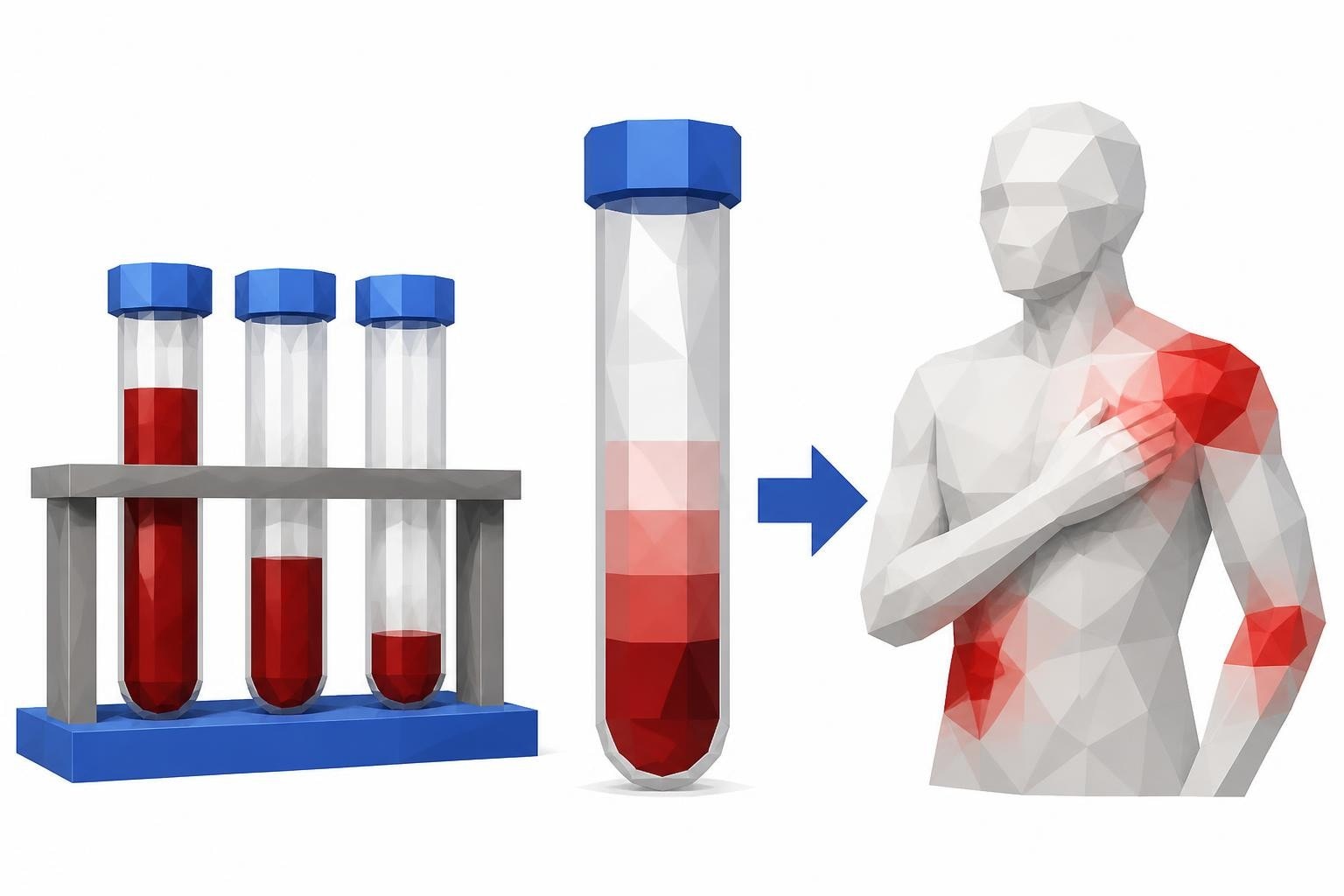
The erythrocyte sedimentation rate test evaluates inflammation by measuring how far red blood cells fall in a vertical tube over one hour. When inflammation occurs in your body, certain proteins in your blood increase, causing red blood cells to clump together and fall more rapidly.
This simple test has been used for decades because it provides valuable information about systemic inflammation. Healthcare providers order ESR tests to screen for inflammatory conditions, monitor disease activity, and track how well treatments are working.
The test itself is straightforward and requires only a blood sample. After collection, the blood is placed in a tall, thin tube and left undisturbed for exactly one hour. The distance the red blood cells have descended is measured in millimeters per hour (mm/hr).
Normal ESR Ranges by Demographics
| Age and Sex | Normal Range (mm/hr) |
|---|---|
| Men under 50 | 0-15 |
| Women under 50 | 0-20 |
| Men over 50 | 0-20 |
| Women over 50 | 0-30 |
These ranges serve as general guidelines, but individual laboratories may use slightly different reference values. Understanding lab results requires considering these variations alongside your specific health context.
High Sed Rate Meaning and What to Do: Defining Elevated Results
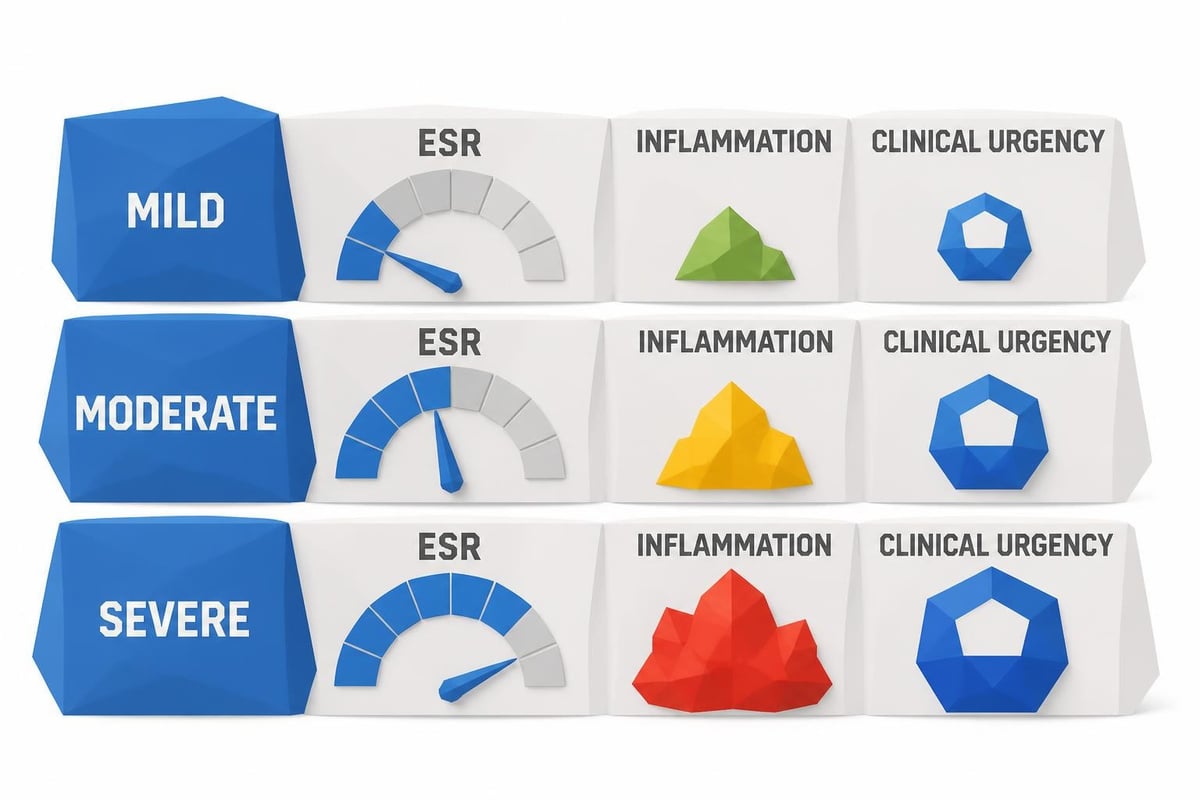
Understanding high sed rate meaning and what to do starts with recognizing how significantly your results deviate from normal ranges. Mildly elevated values (slightly above the reference range) carry different implications than markedly high readings.
Mildly elevated ESR (up to twice the upper limit of normal) might indicate:
- Recent viral infections
- Minor inflammatory processes
- Normal aging changes
- Pregnancy
- Anemia
Moderately elevated ESR (two to three times normal) often suggests:
- Active bacterial infections
- Autoimmune conditions in early stages
- Chronic inflammatory diseases
- Kidney disease
- Thyroid disorders
Severely elevated ESR (greater than 100 mm/hr) warrants immediate attention and may indicate:
- Severe infections
- Advanced autoimmune diseases
- Certain cancers
- Temporal arteritis or polymyalgia rheumatica
- Multiple myeloma
Common Causes Behind Elevated ESR Results
Numerous conditions can trigger elevated sedimentation rates, making it crucial to consider your complete clinical picture when interpreting results. The underlying physiology and clinical significance of elevated ESR reveals how diverse factors influence this inflammatory marker.
Inflammatory and Autoimmune Conditions
Rheumatoid arthritis, lupus, inflammatory bowel disease, and vasculitis frequently cause sustained ESR elevations. These conditions generate ongoing inflammation that increases blood protein levels and accelerates red blood cell sedimentation.
Temporal arteritis, also called giant cell arteritis, particularly in adults over 50, can produce ESR values exceeding 100 mm/hr. This serious condition requires prompt diagnosis and treatment to prevent vision loss and other complications.
Infections and Acute Illness
Both bacterial and viral infections raise ESR levels as your immune system responds to pathogens. Pneumonia, urinary tract infections, skin infections, and sepsis all trigger inflammatory responses detectable through sedimentation rate testing.
Tuberculosis and other chronic infections may cause persistently elevated values that normalize only after successful treatment. Monitoring ESR helps track infection resolution and treatment effectiveness.
Malignancies
Certain cancers, particularly lymphomas, multiple myeloma, and metastatic cancers, elevate ESR through various mechanisms. Cancer cells can produce inflammatory proteins, and tumors may trigger immune responses that increase sedimentation rates.
However, ESR alone cannot diagnose cancer. Elevated results combined with other symptoms prompt additional diagnostic imaging and specialized testing to identify or rule out malignancies.
Comparing ESR with C-Reactive Protein
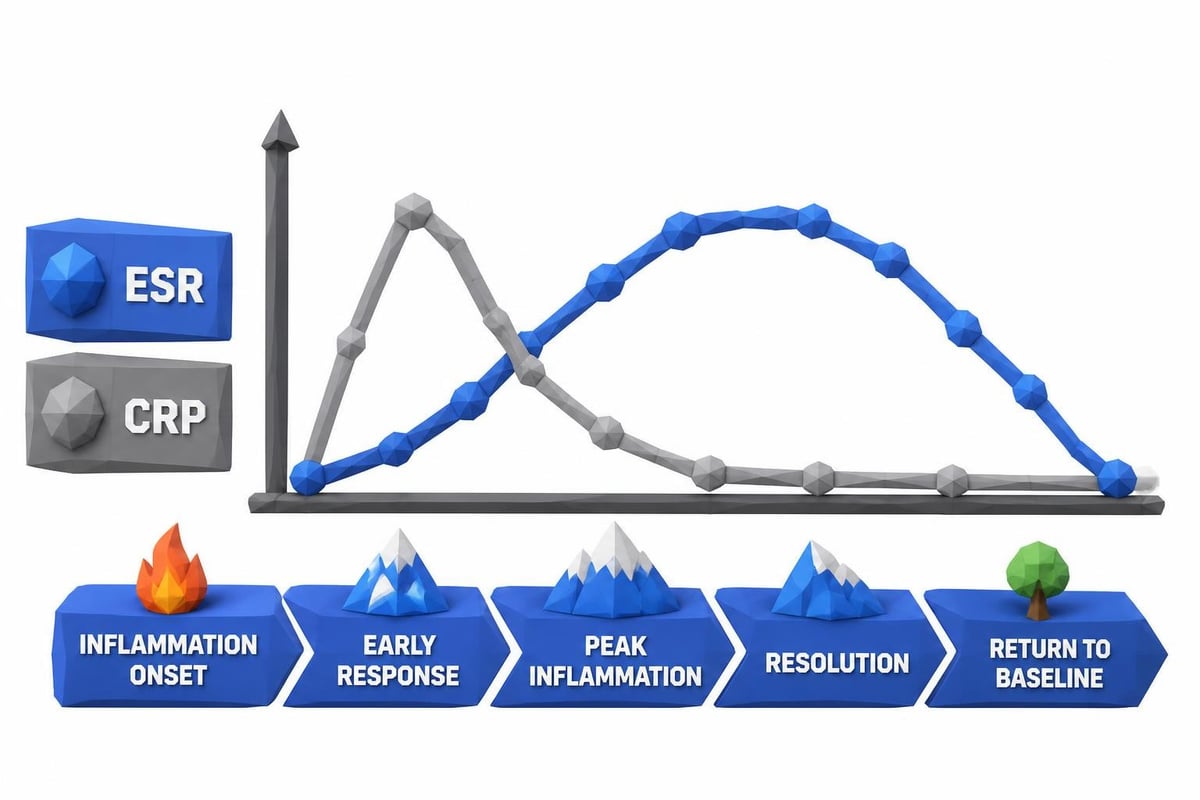
Healthcare providers often order C-reactive protein (CRP) tests alongside ESR because both measure inflammation but respond differently to inflammatory processes. Understanding these differences helps explain why you might receive both tests.
| Feature | ESR | CRP |
|---|---|---|
| Response time | Slower (days) | Faster (hours) |
| Specificity | Less specific | More specific for acute inflammation |
| Affected by | Age, sex, anemia, pregnancy | Minimally affected by demographics |
| Best use | Monitoring chronic conditions | Detecting acute inflammation |
| Cost | Generally lower | Slightly higher |
CRP rises and falls more quickly than ESR in response to inflammation, making it particularly useful for detecting acute processes. Research on CRP variability demonstrates how this marker changes over time and why repeat testing may be necessary.
ESR remains elevated longer, which makes it valuable for monitoring chronic inflammatory conditions like rheumatoid arthritis or polymyalgia rheumatica. Many rheumatologists prefer ESR for tracking disease activity in established conditions.
What to Do When Your ESR Is High
Your action plan after receiving elevated ESR results depends on several factors: how high the value is, whether you have symptoms, and your medical history. Taking systematic steps ensures appropriate follow-up without unnecessary alarm.
Step 1: Review Your Results in Context
Don't panic over isolated mildly elevated results, especially if you feel well. Consider recent illnesses, current medications, and whether you're pregnant or menstruating, as these factors affect ESR temporarily.
Compare your results to your laboratory's specific reference range rather than general guidelines. Small elevations above the upper limit may not require immediate action if you're asymptomatic.
Step 2: Document Your Symptoms
Create a detailed list of any symptoms you've experienced recently:
- Fever or chills
- Unexplained fatigue
- Joint pain or stiffness
- Muscle aches
- Weight loss
- Night sweats
- Headaches
- Vision changes
This information helps healthcare providers determine which conditions to investigate first and which additional tests to order.
Step 3: Schedule Appropriate Follow-Up
For mildly elevated ESR without symptoms: Your healthcare provider may recommend repeating the test in four to six weeks to determine whether the elevation persists or resolves spontaneously.
For moderate elevations or mild elevations with symptoms: Expect additional blood work including complete blood count, comprehensive metabolic panel, CRP, and possibly autoimmune markers depending on your symptoms.
For severely elevated ESR or concerning symptoms: Seek prompt medical evaluation, potentially including imaging studies, specialized blood tests, or referral to specialists such as rheumatologists or infectious disease physicians.
Step 4: Pursue Additional Testing
Your healthcare provider will order targeted tests based on your clinical presentation. Common follow-up investigations include:
- Complete blood count to check for anemia or infection
- Comprehensive metabolic panel for kidney and liver function
- Antinuclear antibody (ANA) test for autoimmune conditions
- Rheumatoid factor and anti-CCP antibodies for rheumatoid arthritis
- Serum protein electrophoresis for multiple myeloma
- Imaging studies (X-rays, CT, MRI) if specific conditions are suspected
Recommended Panel
Inflammation Panel
Save $2Chronic inflammation is the hidden driver of heart disease, cancer, and accelerated aging. This panel measures the key markers that reveal whether silent inflammation is damaging your body.
Includes 17 biomarkers
$52
Fasting required
When ESR Testing Makes Clinical Sense
Guidance on laboratory inflammation markers helps clarify when ESR testing provides valuable diagnostic information versus when other approaches serve better.
ESR testing is particularly useful for:
Diagnosing giant cell arteritis and polymyalgia rheumatica: These conditions almost always produce markedly elevated ESR, and the test serves as a key diagnostic criterion alongside clinical symptoms.
Monitoring established inflammatory diseases: For patients with diagnosed rheumatoid arthritis, lupus, or inflammatory bowel disease, serial ESR measurements track disease activity and treatment response.
Evaluating unexplained inflammatory symptoms: When patients present with fever, fatigue, weight loss, or pain without clear cause, ESR helps determine whether significant inflammation exists and guides further workup.
Assessing infection severity: In some infections, ESR elevation correlates with disease severity and helps monitor treatment effectiveness.
ESR testing provides less value in acute situations where rapid results are needed, as CRP responds more quickly to changing inflammatory states. For acute infections or trauma, emergency departments typically rely on CRP instead.
Factors That Can Falsely Elevate or Lower ESR
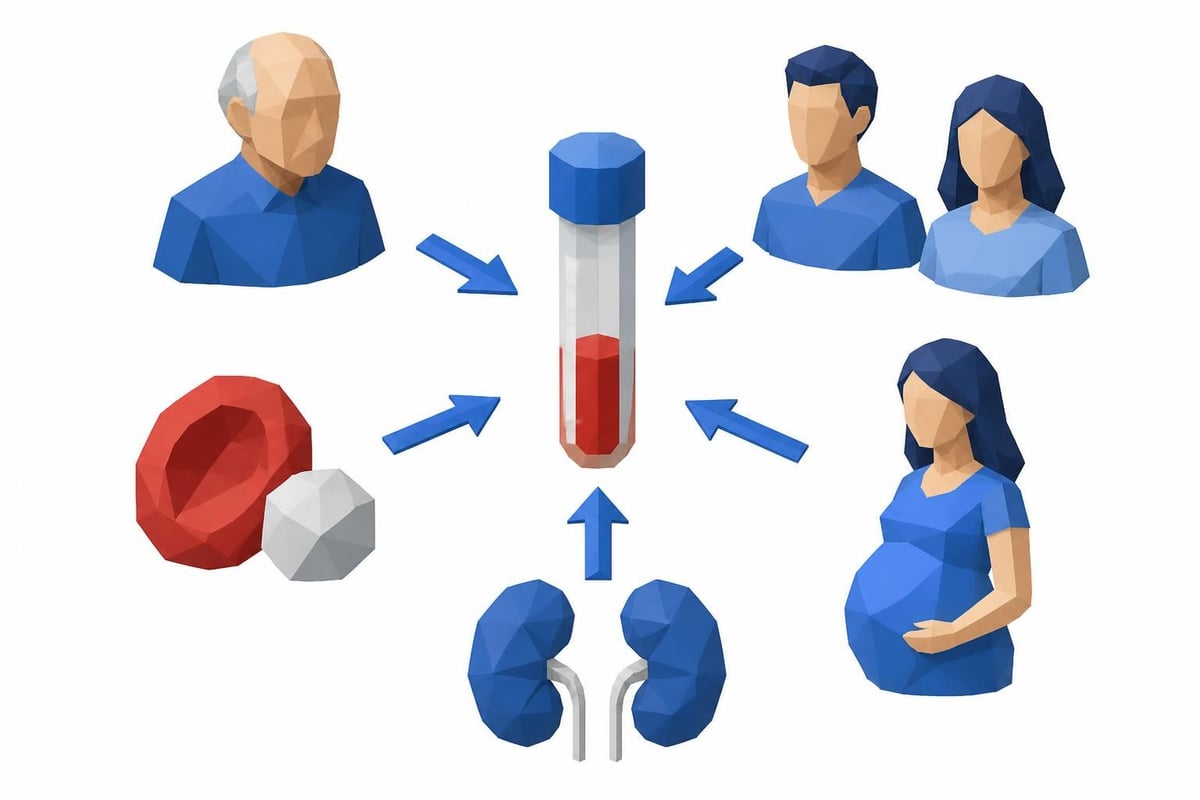
Several technical and physiological factors affect ESR results independent of true inflammation, potentially leading to misleading values. Awareness of these factors prevents overinterpretation of results.
Factors That Increase ESR
Advanced age: ESR naturally increases with aging, with some experts using age-adjusted formulas (age divided by 2 for men, age plus 10 divided by 2 for women) to determine normal ranges.
Female sex: Women typically have slightly higher ESR values than men at all ages.
Anemia: Fewer red blood cells alter blood viscosity and sedimentation rates regardless of inflammation status.
Pregnancy: ESR increases progressively during pregnancy, sometimes reaching 30-40 mm/hr in the third trimester without pathology.
Kidney disease: Altered protein levels in kidney disease accelerate sedimentation independent of inflammation.
Medications: Certain drugs including oral contraceptives and methyldopa can elevate ESR.
Factors That Decrease ESR
Polycythemia: Excessive red blood cells slow sedimentation rates.
Extreme leukocytosis: Very high white blood cell counts can interfere with red blood cell settling.
Abnormal red blood cell shapes: Sickle cell disease and other conditions affecting red blood cell morphology prevent normal settling.
Heart failure: Severe heart failure may paradoxically lower ESR.
Managing Health Based on ESR Results
Once you understand your elevated ESR and its likely causes, implementing appropriate management strategies becomes the priority. Treatment always targets the underlying condition rather than the ESR elevation itself.
Treatment Approaches for Common Causes
Infections: Antibiotics for bacterial infections, antiviral medications when indicated, and supportive care until infection resolves and ESR normalizes.
Autoimmune conditions: Disease-modifying antirheumatic drugs (DMARDs), biologics, corticosteroids, or immunosuppressants depending on the specific diagnosis.
Inflammatory arthritis: Nonsteroidal anti-inflammatory drugs (NSAIDs), corticosteroids, DMARDs, and physical therapy to manage symptoms and slow disease progression.
Giant cell arteritis: High-dose corticosteroids started immediately to prevent vision loss, with gradual tapering over months to years.
Monitoring Disease Activity
Regular ESR testing helps track treatment effectiveness and disease activity in chronic inflammatory conditions. Your healthcare provider may order ESR every few weeks to months depending on your condition and treatment response.
Trends matter more than single values. Consistently declining ESR during treatment indicates good response, while rising values despite therapy suggest inadequate disease control requiring treatment adjustments.
Many patients find value in accessing transparent lab test pricing that allows periodic monitoring without insurance barriers or unexpected costs.
Lifestyle Factors and ESR Management
While lifestyle changes cannot directly lower ESR, addressing inflammation through healthy habits supports overall treatment effectiveness and may help manage underlying conditions contributing to elevated results.
Anti-Inflammatory Diet Approaches
Consuming foods rich in omega-3 fatty acids (fatty fish, walnuts, flaxseeds), antioxidants (berries, leafy greens, nuts), and fiber while limiting processed foods, refined sugars, and trans fats may help reduce systemic inflammation over time.
The Mediterranean diet pattern, emphasizing vegetables, fruits, whole grains, legumes, and olive oil, has demonstrated anti-inflammatory effects in research studies and may benefit those with inflammatory conditions.
Exercise and Physical Activity
Regular moderate exercise reduces inflammation markers in many people, though individuals with active inflammatory arthritis should consult healthcare providers about appropriate activity levels to avoid joint damage.
Stress Management
Chronic stress promotes inflammation through hormonal and immune system changes. Meditation, yoga, adequate sleep, and stress reduction techniques may help manage inflammatory processes as part of comprehensive treatment plans.
Smoking Cessation
Smoking increases inflammation throughout the body and worsens many conditions associated with elevated ESR, including rheumatoid arthritis and cardiovascular disease. Quitting smoking reduces inflammatory burden and improves treatment outcomes.
Key Takeaways
Understanding high sed rate meaning and what to do empowers you to respond appropriately when lab results reveal elevation. ESR serves as a valuable inflammation marker that, combined with clinical symptoms and additional testing, helps identify numerous conditions requiring treatment.
- ESR elevation signals inflammation but requires clinical context and additional testing to identify specific causes
- The degree of elevation (mild, moderate, or severe) guides urgency and intensity of follow-up evaluation
- Common causes include infections, autoimmune diseases, inflammatory conditions, and certain malignancies
- Follow-up depends on ESR level, symptoms, and medical history, ranging from simple monitoring to urgent specialist referral
- Treatment targets underlying conditions rather than ESR values themselves, with serial testing tracking disease activity and treatment response
FAQ
What does a sed rate of 40 mean?
A sed rate of 40 mm/hr exceeds normal ranges for most adults and indicates moderate inflammation in your body. This level typically prompts additional testing to identify the underlying cause, particularly if you have symptoms like fatigue, pain, or fever. Your healthcare provider will consider your age, sex, and medical history when interpreting this result, as some factors like advanced age or pregnancy can contribute to values in this range without serious disease.
Can stress cause a high sed rate?
Chronic psychological stress may contribute to elevated ESR indirectly through its effects on the immune system and inflammatory processes, but stress alone rarely causes significant ESR elevation. If your only identifiable factor is stress without other symptoms or risk factors, your healthcare provider will likely recommend repeat testing and monitoring. Persistent elevation despite stress management warrants investigation for other underlying conditions.
How quickly can ESR normalize after treatment?
ESR typically decreases gradually over days to weeks after successful treatment begins, though the timeline varies by condition. Infections may show ESR improvement within one to two weeks of appropriate antibiotics, while autoimmune conditions often require several weeks to months of treatment before significant decreases occur. ESR changes more slowly than CRP, so healthcare providers may use both markers to assess early treatment response and longer-term disease control.
Should I repeat an ESR test if it's mildly elevated?
Laboratory test interpretation resources recommend repeating mildly elevated ESR tests in asymptomatic individuals after four to six weeks. If you feel well and have no concerning symptoms, temporary elevations from recent minor illnesses or other benign factors may resolve without intervention. However, if symptoms develop or repeat testing shows persistent or worsening elevation, additional diagnostic evaluation becomes necessary.
Can I order my own ESR test?
Yes, you can order ESR testing directly through services that provide access to laboratory tests without requiring insurance or physician orders. These platforms offer convenient, affordable testing with quick turnaround times, though interpreting results and determining appropriate follow-up works best with healthcare provider guidance. Self-ordered testing proves particularly useful for monitoring known conditions or investigating unexplained symptoms before formal medical appointments.
Does high ESR always mean something serious?
No, high ESR does not always indicate serious disease. Many benign conditions cause temporary elevations, including minor viral infections, normal aging, pregnancy, and mild anemia. The key is considering ESR results alongside your symptoms, medical history, and additional testing rather than interpreting the number in isolation. Significantly elevated values (over 100 mm/hr) or moderate elevations with concerning symptoms warrant thorough investigation, while mild isolated elevations in otherwise healthy individuals often resolve without specific treatment.
Understanding high sed rate meaning and what to do provides the foundation for appropriate follow-up and effective health management when inflammation markers exceed normal ranges. Whether your results show mild elevation requiring simple monitoring or significant increases demanding urgent evaluation, taking informed action protects your long-term wellbeing. When you need accessible, affordable ESR testing with transparent pricing and rapid results, JustLabs offers convenient self-pay laboratory services that deliver answers in 1-3 days without insurance requirements or unnecessary appointments.