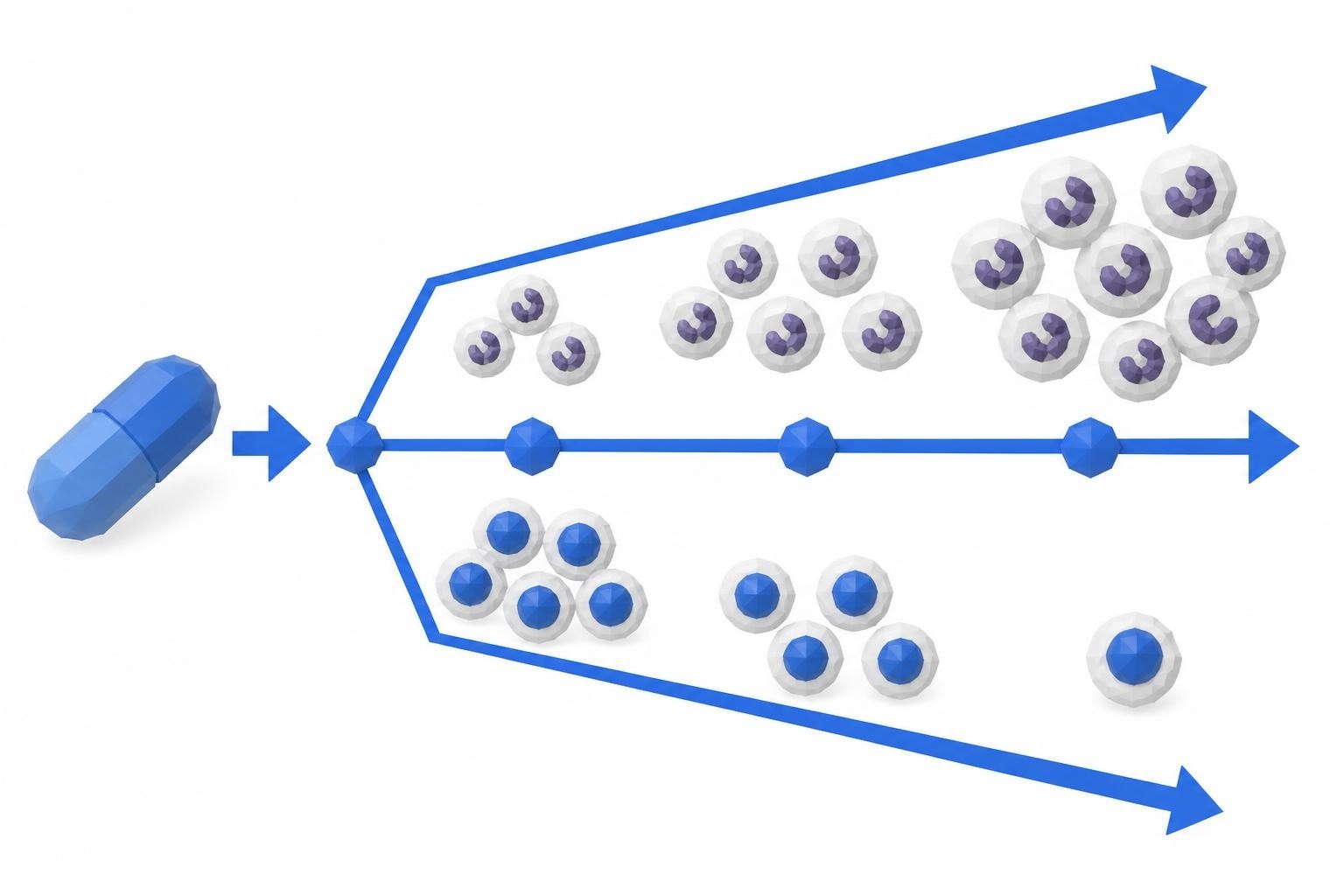
Prednisone is one of the most commonly prescribed corticosteroids in clinical medicine, used to treat conditions ranging from asthma and allergies to autoimmune disorders and inflammatory diseases. If you've recently started prednisone or are considering treatment with this medication, understanding how prednisone changes your white blood cell count is essential for interpreting your lab results accurately and avoiding unnecessary alarm. Within hours of your first dose, prednisone triggers predictable shifts in the types and quantities of white blood cells circulating in your bloodstream, changes that can persist throughout your treatment and may require monitoring.
Big picture
- Prednisone increases total white blood cell counts by causing neutrophils (infection-fighting cells) to detach from blood vessel walls and enter circulation, often raising counts above the normal reference range within 4-6 hours
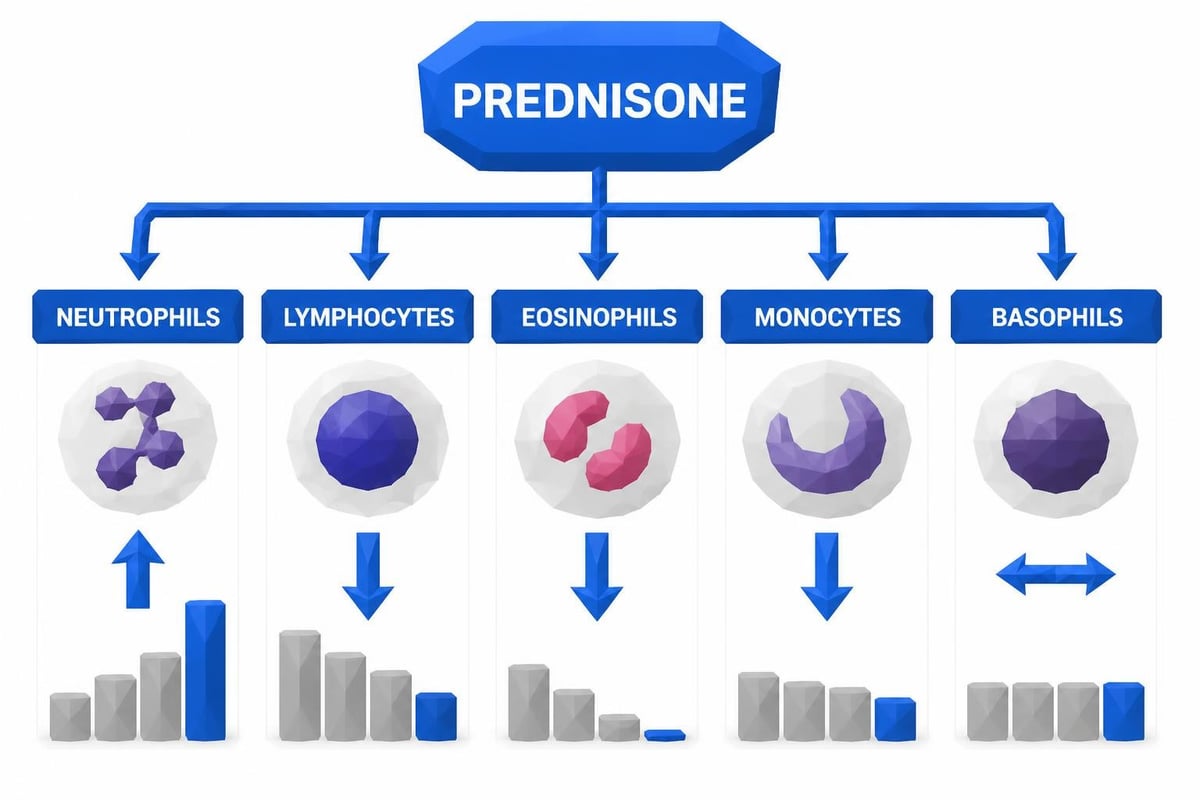
- Different white blood cell types respond in opposite directions: neutrophils rise sharply while lymphocytes, eosinophils, and monocytes decrease, creating a characteristic pattern that clinicians recognize as medication-related rather than infection
- These changes are dose-dependent and reversible, with higher prednisone doses producing more pronounced effects and counts typically returning to baseline within 24 hours after stopping short-term treatment
- Regular monitoring through complete blood count (CBC) testing helps distinguish medication effects from genuine infection, immune suppression, or blood disorders, particularly during long-term corticosteroid therapy
- If you're on prednisone and need lab work, ordering tests through services like Justlabs allows you to track your white blood cell counts affordably without requiring a doctor's visit for each blood draw
The Mechanism: How Prednisone Alters White Blood Cell Distribution
Understanding how prednisone changes your white blood cell count begins with recognizing that prednisone doesn't actually create or destroy white blood cells in the short term. Instead, it redistributes them between different compartments in your body.
Normally, about half of your neutrophils (the most abundant white blood cells) adhere to the walls of blood vessels in a process called margination. These marginated neutrophils are ready to quickly migrate into tissues when needed but aren't counted in standard blood tests because they're stuck to vessel walls rather than flowing freely.
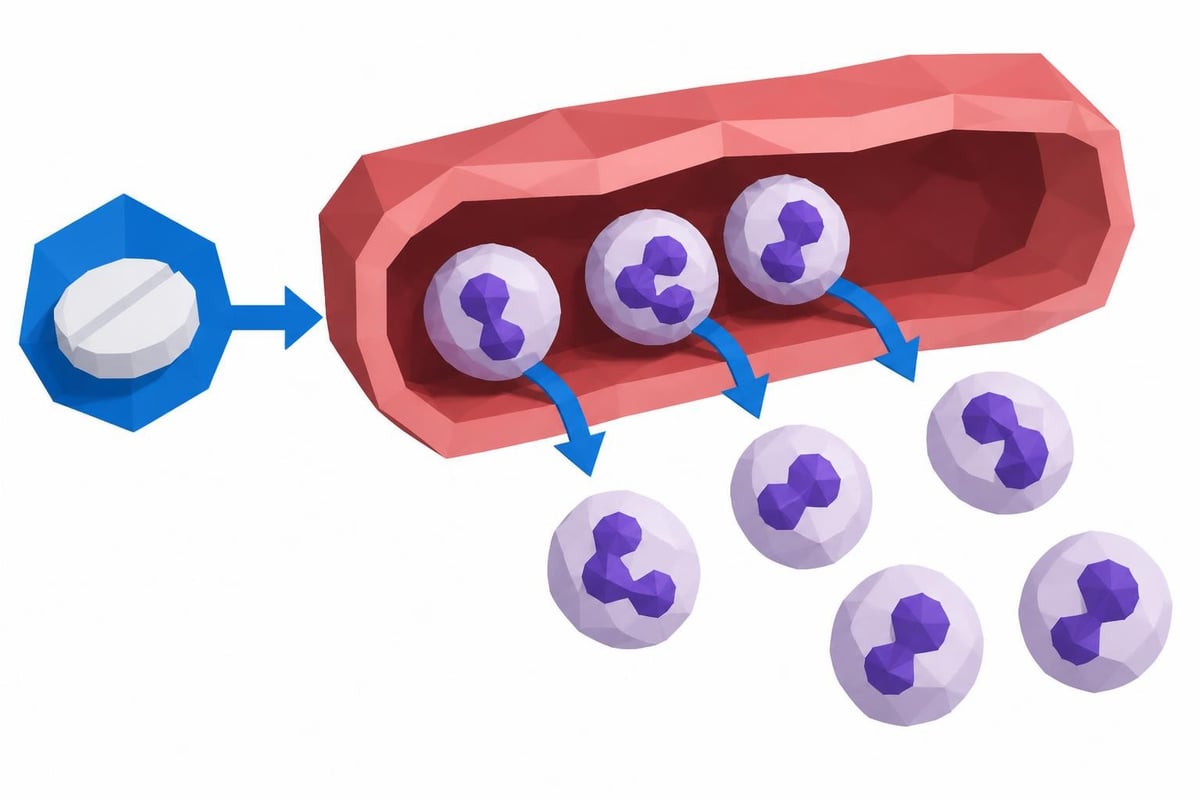
When you take prednisone, the medication triggers these marginated neutrophils to soften and detach from vessel walls through a biophysical mechanism involving cellular deformability. Within 4-6 hours, these previously "hidden" neutrophils flood into your bloodstream, doubling or even tripling the neutrophil count your lab test detects.
The Timeline of White Blood Cell Changes
Prednisone's effects on white blood cell populations follow a predictable timeline:
- First 4-6 hours: Neutrophil counts begin rising as demargination occurs
- Peak effect (4-8 hours): Neutrophils reach maximum elevation, often 2-3 times baseline
- Sustained elevation: With continued daily dosing, neutrophil counts remain elevated
- 24 hours after stopping: Counts typically return to baseline if treatment duration was brief
The comprehensive pharmacology of corticosteroids reveals that this redistribution affects multiple cell types simultaneously. While neutrophils increase, lymphocytes (another major white blood cell type) decrease because prednisone causes them to migrate from blood into lymphoid tissues like lymph nodes and the spleen.
White Blood Cell Populations: Different Responses to Prednisone
Not all white blood cells respond identically to prednisone. A complete blood count with differential (CBC with diff) reveals the distinct pattern that characterizes corticosteroid use.
Neutrophils: The Dramatic Increase
Neutrophils typically show the most striking change. Baseline neutrophil counts range from 1,500 to 8,000 cells per microliter, but prednisone can push these numbers to 12,000-20,000 or higher, depending on dose.
| Prednisone Dose | Expected Neutrophil Increase | Time to Peak |
|---|---|---|
| Low (5-10 mg/day) | 1.5-2x baseline | 6-8 hours |
| Moderate (20-40 mg/day) | 2-3x baseline | 4-6 hours |
| High (60+ mg/day) | 3-4x baseline | 4-6 hours |
This elevation isn't a sign of infection. In fact, it's so predictable that experienced clinicians immediately consider recent corticosteroid use when they see isolated neutrophilia on lab results.
Lymphocytes: The Quiet Decline
While neutrophils grab attention with their dramatic rise, lymphocytes quietly decrease. Prednisone causes lymphocytes to redistribute from blood into tissues, reducing circulating counts by 30-70% depending on dose.
Normal lymphocyte counts range from 1,000 to 4,800 cells per microliter. On prednisone, counts may drop to 500-1,500. This lymphopenia contributes to the immunosuppressive effects that make prednisone valuable for treating autoimmune conditions but also increases infection risk during long-term therapy.
Eosinophils and Monocytes: Supporting Cast Changes
Eosinophils and monocytes also decrease on prednisone, though these changes receive less clinical attention:
- Eosinophils: Often drop to near-zero levels, which can actually be therapeutically beneficial in conditions like eosinophilic asthma
- Monocytes: Decrease modestly, typically by 20-40%
These reductions contribute to prednisone's anti-inflammatory effects but also impact immune surveillance and wound healing during prolonged use.
Dose Dependency and Duration Effects
How prednisone changes your white blood cell count varies significantly based on both the dose you're taking and how long you've been on treatment. Research on glucocorticoid pharmacodynamics demonstrates clear dose-response relationships across all white blood cell populations.
Short-Term vs. Long-Term Treatment
Short-term treatment (less than 2 weeks) produces the characteristic redistribution pattern described above. Once you stop prednisone, white blood cell counts typically normalize within 24-48 hours as cells return to their usual distribution between circulating and marginated pools.
Long-term treatment (months to years) adds complexity. Chronic prednisone use can:
- Suppress bone marrow function over time, potentially reducing the total production of white blood cells
- Cause persistent lymphopenia that may increase opportunistic infection risk
- Maintain chronically elevated neutrophil counts that complicate infection diagnosis
- Alter immune cell function beyond just quantity, affecting cells' ability to respond to pathogens
If you're on long-term prednisone therapy, regular monitoring becomes crucial. Understanding your lab results helps you and your healthcare provider distinguish medication effects from emerging complications.
Individual Variation
Not everyone responds identically to prednisone. Factors influencing how prednisone changes your white blood cell count include:
- Baseline white blood cell count: People with naturally higher neutrophil counts may see more dramatic absolute increases
- Concurrent medications: Other drugs, particularly immunosuppressants, may modify prednisone's effects
- Underlying conditions: Autoimmune disorders, infections, and blood cancers alter baseline cell populations and responses
- Genetic factors: Variations in glucocorticoid receptor sensitivity affect individual responses
Clinical Implications: When White Blood Cell Changes Matter
Understanding how prednisone changes your white blood cell count has practical implications for medical decision-making and test interpretation.
Diagnosing Infection on Prednisone
One of the most challenging clinical scenarios occurs when someone on prednisone develops infection symptoms. Normally, infections cause white blood cell counts to rise, particularly neutrophils. But if you're already on prednisone, your neutrophils are artificially elevated, masking the additional increase that infection would cause.
Clinicians address this by:
- Comparing current counts to your baseline while on prednisone rather than to general reference ranges
- Looking for additional markers like bands (immature neutrophils), C-reactive protein, or procalcitonin
- Considering the clinical context (fever, symptoms, vital signs) rather than relying solely on white blood cell count
If you develop concerning symptoms while taking prednisone, don't let a "normal" white blood cell count reassure you completely. The medication's effects can obscure important diagnostic information.
Monitoring for Complications
Long-term prednisone use requires periodic monitoring because glucocorticoid side effects extend beyond simple white blood cell redistribution. Regular complete blood counts help detect:
- True leukopenia (abnormally low white blood cells) suggesting bone marrow suppression
- Persistent severe lymphopenia increasing opportunistic infection risk
- Unexpected patterns that might indicate underlying blood disorders unrelated to prednisone
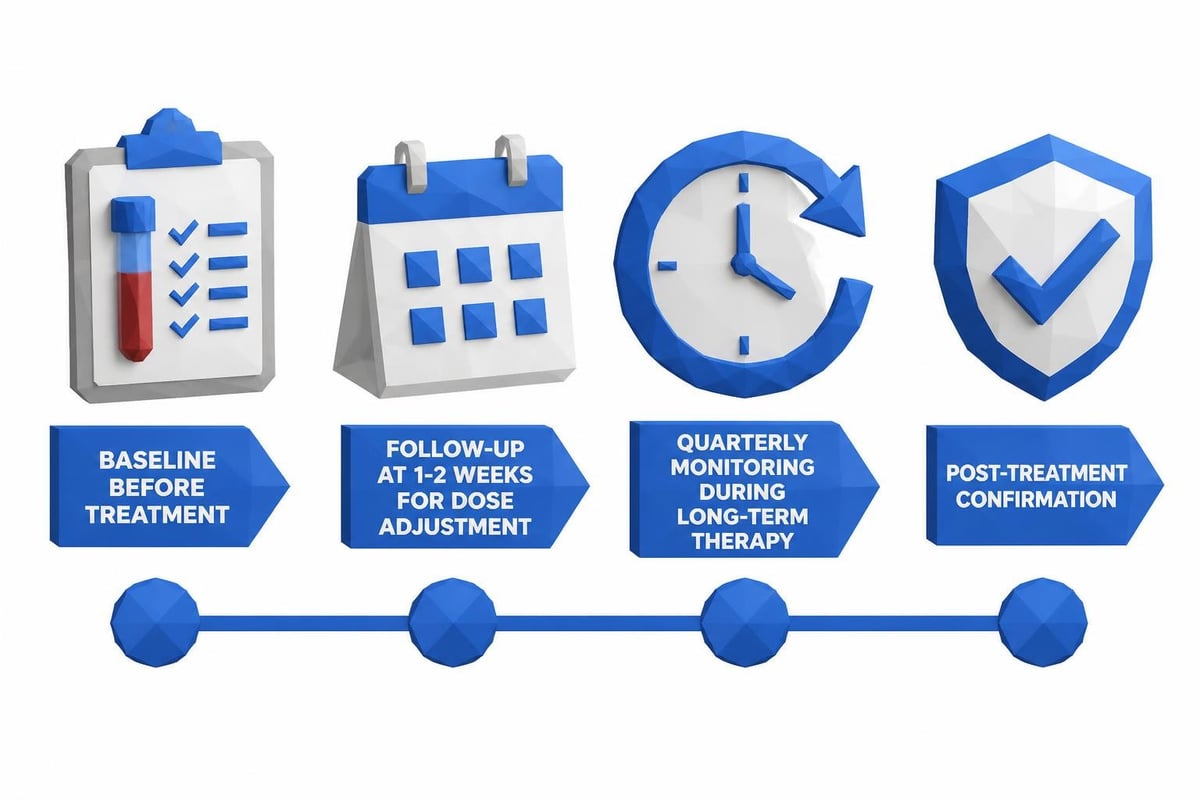
Most experts recommend CBC monitoring every 3-6 months for patients on chronic moderate-to-high dose corticosteroids, though specific recommendations vary by condition and dose.
Practical Considerations for Testing and Monitoring
If you're taking prednisone or about to start, planning your lab testing strategy helps you track how the medication affects your white blood cell count without unnecessary expense or inconvenience.
Timing Your Blood Tests
For the most interpretable results, consider these timing principles:
Baseline testing: If possible, get a CBC before starting prednisone to establish your normal values. This baseline becomes invaluable for comparison during treatment.
Steady-state monitoring: After you've been on a stable prednisone dose for at least 3-5 days, your white blood cell count reaches a new equilibrium. Testing during this steady state gives the most consistent results for monitoring.
Post-treatment follow-up: After stopping short-term prednisone, waiting 3-7 days before testing allows your white blood cell count to fully return to baseline, avoiding confusion from lingering medication effects.
Accessible Testing Options
Monitoring white blood cell changes doesn't require expensive insurance-based testing or repeated doctor's visits. Services like Justlabs provide affordable, transparent pricing for complete blood counts, allowing you to:
- Establish baseline values before treatment
- Monitor changes during therapy
- Verify normalization after stopping medication
- Track trends over time without authorization delays
TSH (Thyroid Stimulating Hormone)
1 biomarkers
Self-pay lab testing offers particular value for patients on chronic prednisone who need regular monitoring but face high deductibles or copays through traditional insurance channels.
The Broader Context: Immune Function Beyond Cell Counts
While understanding how prednisone changes your white blood cell count is important, remember that numbers alone don't tell the complete story of immune function. Research on corticosteroid immune effects reveals that prednisone alters not just cell quantity but also cell behavior.
Functional Changes
Even when white blood cell counts appear adequate on prednisone, the cells may not function optimally:
- Impaired chemotaxis: White blood cells may not migrate to infection sites as efficiently
- Reduced phagocytosis: Neutrophils may be less effective at engulfing and destroying bacteria
- Altered cytokine production: Cell signaling that coordinates immune responses changes
- Decreased antigen presentation: The process of "showing" foreign proteins to other immune cells is suppressed
These functional impairments explain why infection risk increases on prednisone even when white blood cell counts look reassuring. The cells are present but not performing at full capacity.
Balancing Benefits and Risks
Prednisone remains a cornerstone therapy for countless conditions because its benefits often outweigh its risks. The key is informed monitoring:
- Understand that elevated neutrophil counts are expected, not alarming
- Recognize that lymphopenia is a medication effect, not necessarily a problem requiring intervention
- Know when functional immune suppression (not just cell count changes) increases your infection risk
- Work with healthcare providers to use the lowest effective dose for the shortest necessary duration
Key Takeaways
Understanding how prednisone changes your white blood cell count empowers you to interpret lab results accurately and make informed decisions about monitoring. Prednisone causes neutrophils to detach from blood vessel walls and enter circulation within hours, creating elevated total white blood cell counts that can double or triple normal values. Simultaneously, lymphocytes, eosinophils, and monocytes decrease as they redistribute into tissues, creating a characteristic pattern that experienced clinicians recognize immediately as medication-related.
These changes are dose-dependent, reversible, and predictable, but they complicate the diagnosis of infection and require adjusted interpretation of routine lab work. The elevated neutrophil count that signals infection in someone not taking prednisone may be entirely explained by the medication in someone who is. Long-term prednisone use adds complexity through potential bone marrow suppression and persistent immune alterations that extend beyond simple cell redistribution.
Regular monitoring through complete blood counts helps distinguish expected medication effects from concerning complications, particularly during chronic therapy. Establishing baseline values before starting prednisone, testing during steady-state treatment, and verifying normalization after stopping medication creates a clear picture of how your body responds to corticosteroids. Clinical updates on corticosteroid effects continue to refine our understanding of optimal monitoring strategies.
Beyond cell counts, remember that prednisone affects white blood cell function, not just quantity. Cells may be present in adequate numbers but perform suboptimally, increasing infection risk through mechanisms that standard lab tests don't capture. This functional immune suppression requires clinical judgment that considers symptoms, risk factors, and context alongside laboratory values.
Frequently Asked Questions
How quickly does prednisone raise white blood cell count?
Prednisone begins raising neutrophil counts within 4-6 hours of your first dose, with peak effects occurring at 6-8 hours. This rapid onset reflects the redistribution mechanism-prednisone doesn't create new cells but rather releases existing neutrophils from blood vessel walls into circulation. You'll see elevated counts on any blood test drawn during this window.
Will my white blood cell count return to normal after stopping prednisone?
Yes, if you've been on short-term prednisone (days to weeks), your white blood cell count typically returns to baseline within 24-48 hours after your last dose. The cells that were released into circulation return to their marginated state, and lymphocytes migrate back from tissues into blood. However, long-term use (months to years) may require longer recovery periods as bone marrow function normalizes.
Can prednisone cause low white blood cell count?
Paradoxically, yes, though this is less common than elevation. While short-term prednisone raises total white blood cell counts through neutrophil demargination, it simultaneously lowers lymphocyte counts through redistribution. Long-term prednisone use can suppress bone marrow production, potentially causing true leukopenia. If your total white blood cell count drops significantly on prednisone, discuss this with your healthcare provider as it may indicate bone marrow suppression requiring evaluation.
Should I get blood work done while taking prednisone?
Absolutely. Regular monitoring helps establish your new baseline while on medication and can detect complications early. For chronic prednisone use, most experts recommend complete blood counts every 3-6 months, with more frequent testing if you develop symptoms or take high doses. Lab test pricing through direct-access services makes routine monitoring more affordable than traditional insurance-based testing for many patients.
How do I know if my elevated white blood cell count is from prednisone or infection?
This requires clinical judgment considering timing, symptoms, and trends. If your white blood cell count elevated within hours to days of starting prednisone and you have no infection symptoms, the medication is the likely cause. If you develop fever, chills, or other concerning symptoms while on established prednisone therapy, compare your current count to your baseline while on prednisone rather than to general reference ranges. A significant rise above your on-prednisone baseline may indicate infection even if the absolute number seems only mildly elevated. Additional markers like bands, C-reactive protein, or procalcitonin can help distinguish medication effects from infection.
Understanding how prednisone changes your white blood cell count helps you interpret lab results accurately and avoid unnecessary concern when you see elevated numbers. The medication's predictable effects on neutrophils, lymphocytes, and other white blood cell populations create characteristic patterns that clinicians recognize, though long-term use requires careful monitoring to distinguish medication effects from complications. Whether you're establishing a baseline before starting treatment, monitoring during therapy, or confirming normalization after stopping prednisone, accessible lab testing makes tracking these changes straightforward and affordable. Justlabs provides transparent, self-pay complete blood counts with results in 1-3 days, giving you the information you need to manage your health confidently without insurance delays or surprise bills.