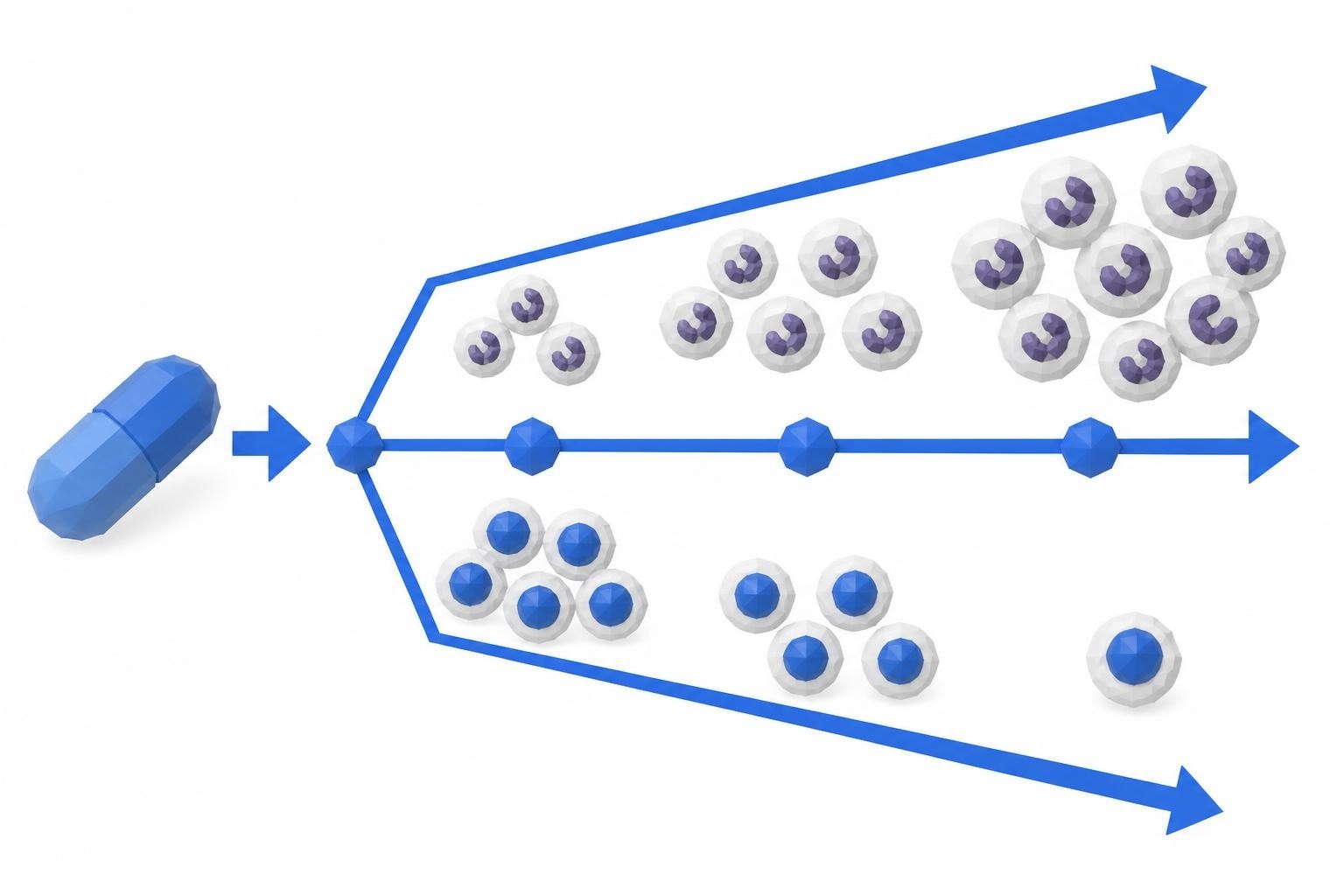
Understanding your iron status is essential for managing fatigue, preventing anemia, and optimizing overall health. But if you're taking iron supplements, your ferritin test results may not accurately reflect your true iron stores. Ferritin, the protein that stores iron in your cells, responds dramatically to supplementation, sometimes creating misleading readings that complicate diagnosis and treatment decisions.
Big picture
- Ferritin measures stored iron in your body, but it rises quickly when you take iron supplements, whether oral pills or intravenous (IV) formulations, making it difficult to determine your baseline iron status.
- Timing matters significantly because ferritin levels can increase within days of starting oral iron and spike within hours after IV iron, potentially masking true deficiency or creating false reassurance.
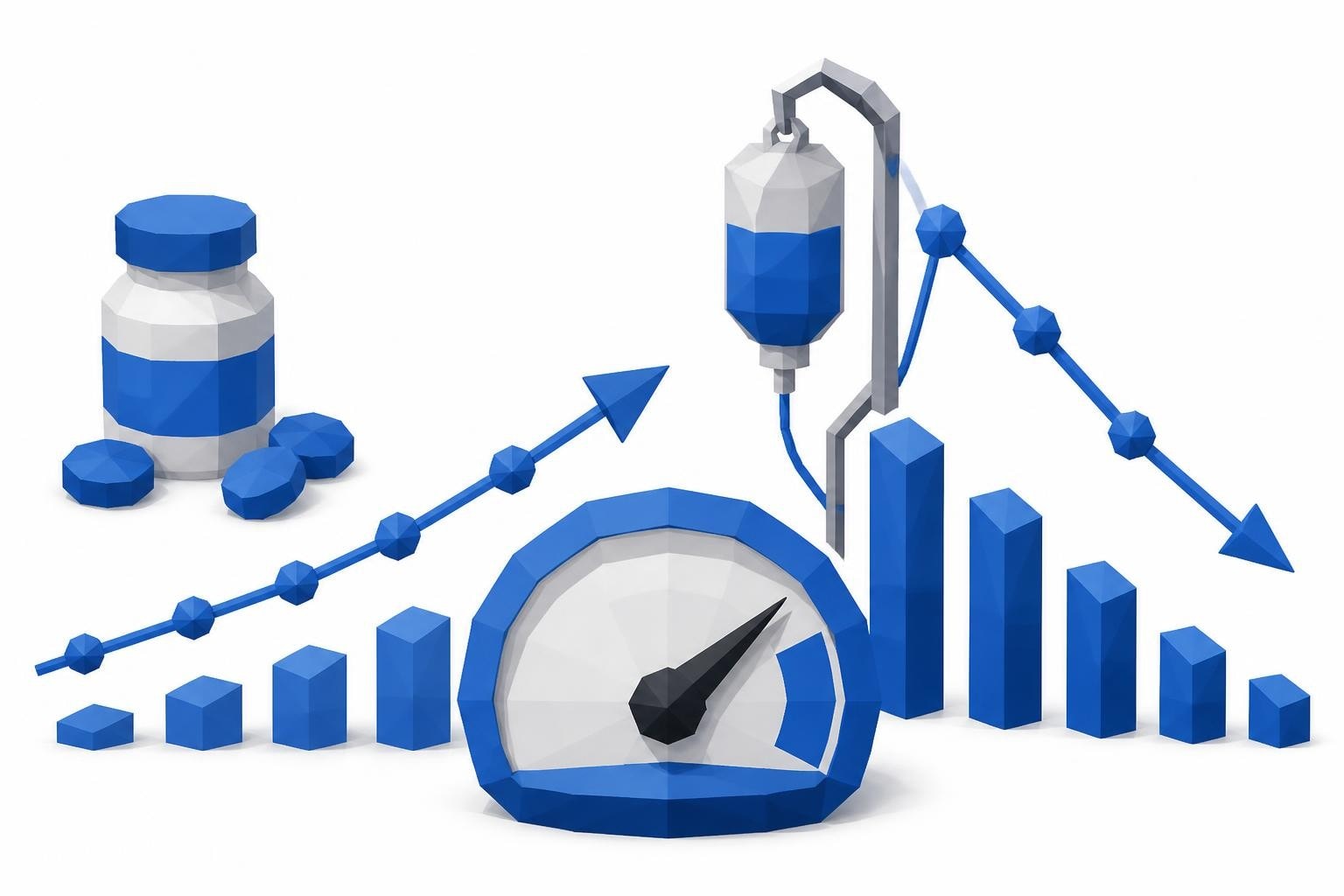
- Different supplement types distort results differently, with oral iron causing gradual increases over weeks while IV iron creates sharp, temporary peaks that may last months.
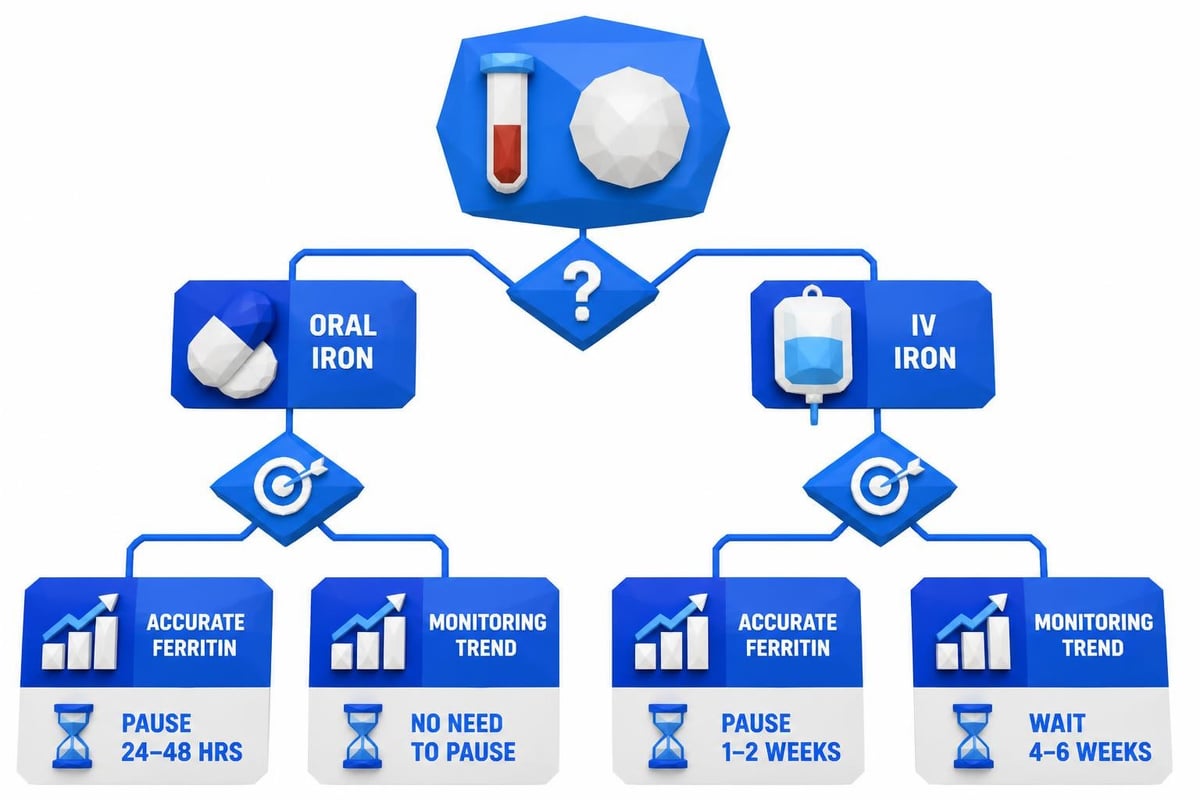
- Most people taking iron supplements should pause supplementation for at least 24-48 hours before testing ferritin, though longer breaks of 2-4 weeks provide more accurate baseline readings.
- Healthcare providers and testing services need complete information about your supplement use to interpret results correctly and adjust reference ranges appropriately.
- Next step: Review your supplement timing before ordering iron status tests, and consider working with services like Justlabs that allow you to control when and how you test without insurance delays.
Understanding How Iron Supplements Distort Ferritin Results
When you take iron supplements, your body doesn't simply absorb the iron and slowly replenish depleted stores. Instead, the supplementation triggers multiple physiological responses that directly impact ferritin levels, often within hours or days.
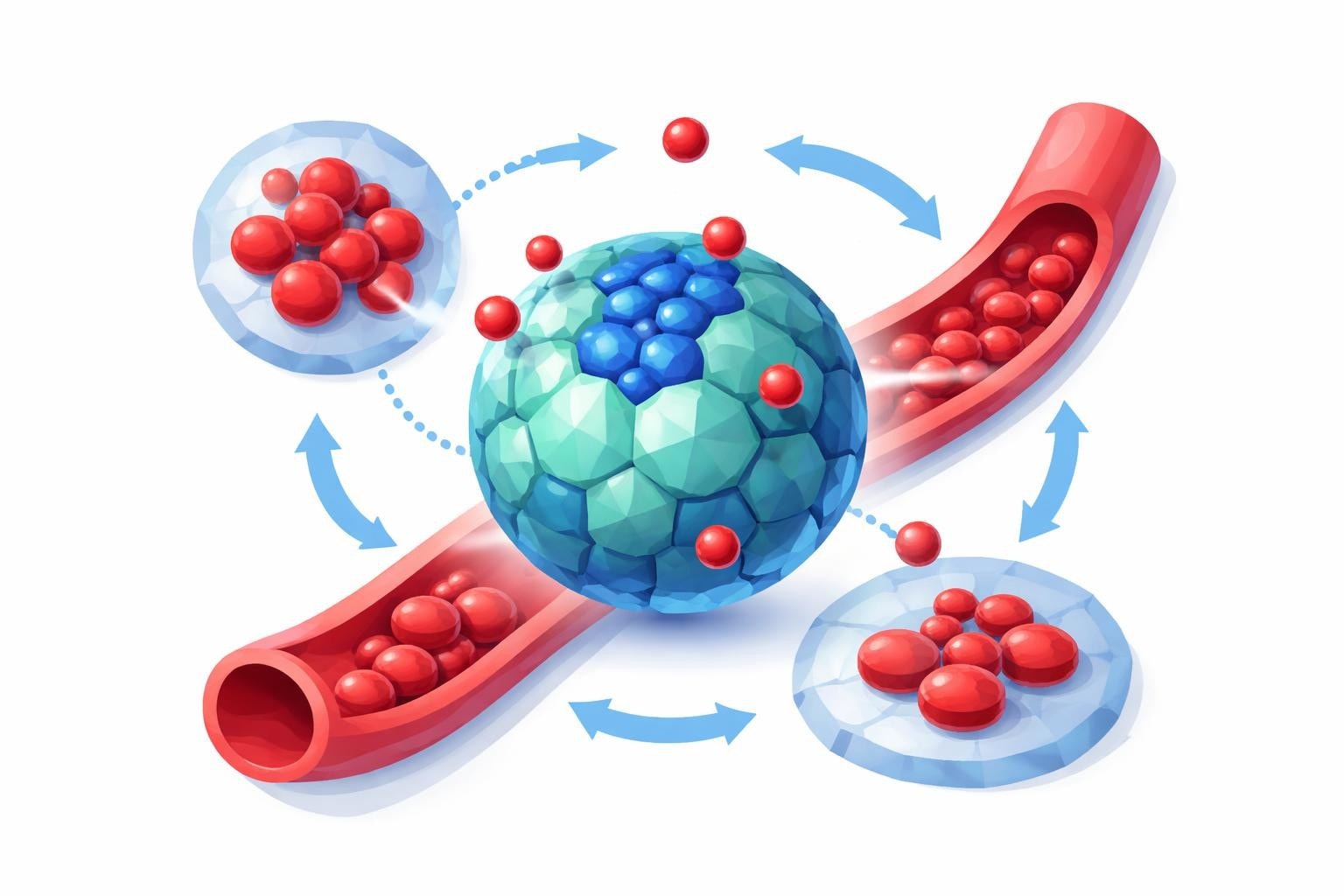
The mechanism involves both direct and indirect pathways. Absorbed iron from supplements enters your bloodstream and quickly signals your liver and other tissues to produce more ferritin protein to store the incoming iron. This response occurs regardless of whether your iron stores were actually depleted.
Oral Iron Supplementation Effects
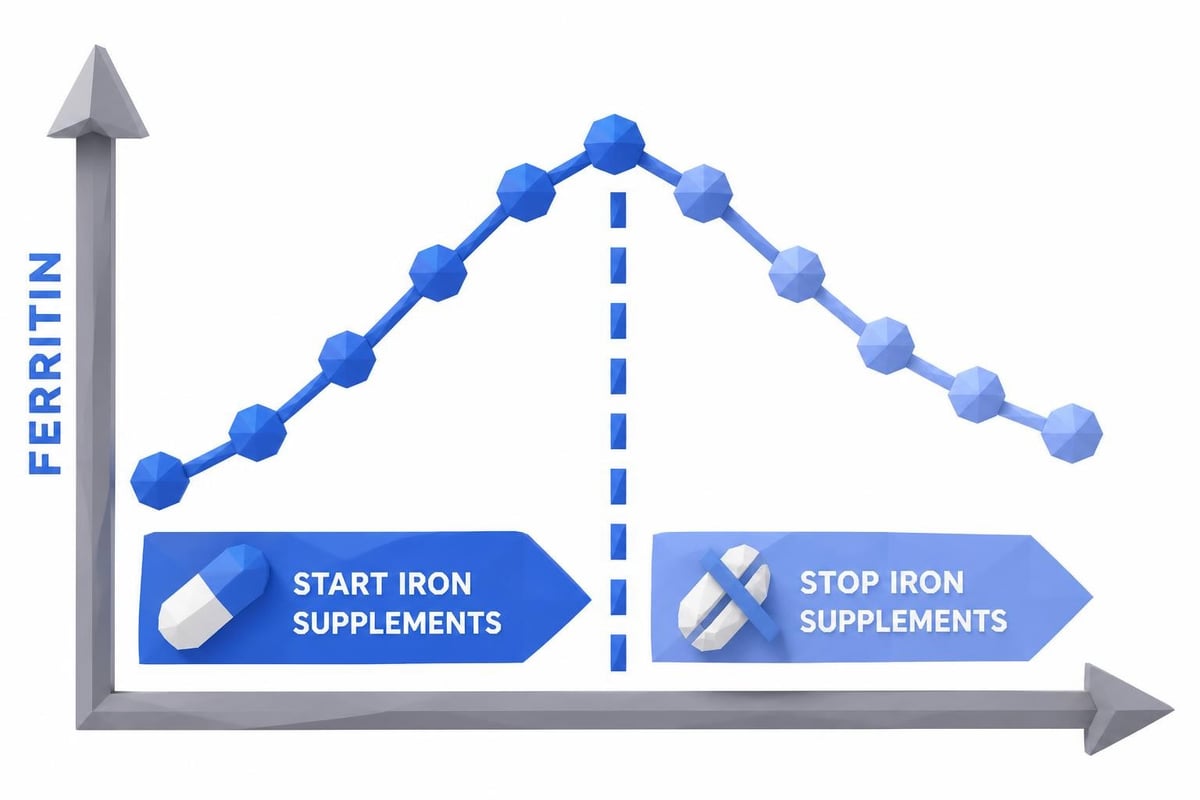
Oral iron supplements, the most common form people take, create a gradual but significant distortion in ferritin readings. Research analyzing randomized trials of oral iron demonstrates that ferritin levels begin rising within the first week of supplementation and continue increasing for several weeks.
Key characteristics of oral iron's impact include:
- Ferritin increases become measurable within 7-14 days of starting daily supplementation
- Peak ferritin elevation typically occurs after 4-12 weeks of continuous use
- The magnitude of increase varies based on baseline iron status, with iron-deficient individuals showing larger absolute increases
- Even low-dose supplements (15-30 mg elemental iron daily) can elevate ferritin by 20-50% above baseline
The distortion doesn't simply fade overnight when you stop taking oral iron. Ferritin levels may remain elevated for 2-4 weeks after discontinuation, gradually declining as your body metabolizes stored iron and stops the supplementation-induced ferritin production.
Intravenous Iron Creates Dramatic Ferritin Spikes
Intravenous iron formulations produce far more dramatic and immediate effects on ferritin than oral supplements. Patients receiving IV iron for severe anemia or malabsorption conditions experience ferritin increases that can complicate monitoring for months afterward.
A comprehensive analysis of IV iron formulations reveals that ferritin levels spike within 24-48 hours after infusion, often reaching levels 2-5 times baseline values. This massive increase occurs because IV iron delivers hundreds of milligrams of iron directly into the bloodstream, overwhelming normal regulatory mechanisms.
| IV Iron Characteristic | Impact on Ferritin | Duration of Distortion |
|---|---|---|
| Single 500mg infusion | 200-400% increase from baseline | 8-12 weeks |
| Multiple maintenance doses | Sustained elevation 300-500 ng/mL | Ongoing while treated |
| Post-infusion peak timing | 1-7 days after administration | Returns to baseline 12-16 weeks |
Studies examining maintenance IV iron in chronic kidney disease show that repeated dosing creates a new "elevated baseline" for ferritin, making it impossible to assess true iron stores without discontinuing treatment for 3-4 months.
Why IV Iron Distortion Matters
The dramatic ferritin elevation from IV iron creates several clinical challenges. Healthcare providers may mistakenly conclude that iron stores are adequate when ferritin reads 300-400 ng/mL, not realizing this reflects recent IV supplementation rather than actual tissue iron availability.
This distortion becomes particularly problematic when screening for:
- Iron overload conditions like hemochromatosis, where elevated ferritin is a key diagnostic marker
- Inflammatory conditions that independently raise ferritin, creating a compounded false elevation
- Response to treatment, where declining ferritin might reflect clearance of IV iron rather than true depletion
Ferritin as an Acute Phase Reactant Complicates Interpretation
Beyond the direct effects of iron supplementation, ferritin functions as an acute phase reactant, meaning it increases in response to inflammation, infection, and tissue damage. When you combine supplement-induced elevation with inflammatory responses, ferritin results become extremely difficult to interpret.
The WHO guidelines on ferritin interpretation emphasize that ferritin elevation from inflammation can mask true iron deficiency or exaggerate iron sufficiency. This effect compounds when supplements are in the picture.
Common scenarios creating compounded distortion:
- Taking oral iron supplements while fighting a viral infection
- Receiving IV iron during hospitalization when inflammatory markers are elevated
- Chronic inflammatory conditions (autoimmune disease, obesity) combined with routine supplementation
- Post-surgical states where both inflammation and iron supplementation are present
Healthcare providers increasingly use transferrin saturation and soluble transferrin receptor alongside ferritin to work around these limitations, but these markers have their own complexities.
Optimal Timing for Ferritin Testing When Taking Supplements
Determining the right time to test ferritin relative to iron supplementation requires balancing the need for accurate results against the clinical urgency of monitoring iron status. The optimal approach depends on your specific situation and testing goals.
Recommended Testing Intervals
| Clinical Scenario | Recommended Supplement Pause | Rationale |
|---|---|---|
| Baseline iron status assessment | 4-8 weeks off all supplements | Allows ferritin to return to true baseline reflecting actual stores |
| Monitoring oral iron therapy | Test while on supplements | Captures treatment response, but interpret with supplementation in mind |
| Post-IV iron monitoring | 12-16 weeks after last infusion | Permits clearance of infusion-related ferritin spike |
| Screening for hemochromatosis | 8-12 weeks off supplements | Essential for accurate diagnosis without false positives |
| Suspected ongoing deficiency | 48-72 hours off oral iron | Minimum pause for acute effects while maintaining clinical relevance |
For individuals using lab testing services without insurance, the ability to control testing timing becomes particularly valuable. You can strategically plan your supplement pause and testing schedule without waiting for insurance authorization or physician availability.
Practical Testing Strategies
When planning ferritin testing while taking supplements, consider these evidence-based approaches:
For routine monitoring while on prescribed iron therapy, continue your supplements as directed and test at consistent intervals (typically every 8-12 weeks). Document your exact supplementation regimen with each test, including dosage, formulation, and timing of last dose. This creates a consistent reference point even if absolute values are elevated.
For diagnostic purposes, especially when investigating unexplained fatigue or suspected iron overload, pause oral supplements for at least 2-4 weeks before testing. This washout period allows supplement-induced ferritin elevation to decline significantly, though not necessarily to complete baseline.
After IV iron infusions, work with your healthcare provider to establish a testing schedule that accounts for the prolonged elevation period. Testing at 4, 8, and 12 weeks post-infusion can track the decline curve and help differentiate between persisting iron sufficiency and depleting stores.
Recommended Test
Ferritin
Ferritin is the best indicator of your body's iron stores. Low ferritin is one of the most common causes of fatigue, especially in women.
Includes 1 biomarkers
$10
Additional Markers That Clarify Iron Status During Supplementation
Because how iron supplements distort ferritin results creates such significant interpretation challenges, comprehensive iron assessment should include additional biomarkers that are less affected by supplementation.
Clinical guidance on ferritin interpretation emphasizes using a panel approach rather than relying on ferritin alone, particularly when supplement use complicates the picture.
Complementary Iron Markers
Transferrin saturation (TSAT) measures the percentage of transferrin (the iron transport protein) that's currently carrying iron. Unlike ferritin, TSAT responds more directly to circulating iron availability and is less influenced by inflammation or recent supplementation. TSAT below 20% suggests iron deficiency even if ferritin appears normal due to supplementation.
Serum iron and total iron-binding capacity (TIBC) provide snapshot measurements of circulating iron and transport capacity. While these markers fluctuate throughout the day and with recent iron intake, testing them in a fasting state (12-14 hours after last supplement dose) can reveal patterns inconsistent with ferritin readings.
Soluble transferrin receptor (sTfR) increases when cells need more iron, regardless of inflammation or ferritin levels. This marker helps identify true tissue iron deficiency that might be masked by supplement-elevated ferritin.
When ordering comprehensive iron panels through services like Justlabs, you can access these additional markers without requiring separate physician orders for each test, enabling more complete assessment despite supplementation.
Recommended Test
Iron and Total Iron Binding Capacity
This test measures your circulating iron, your body's iron-carrying capacity (TIBC), and iron saturation percentage - giving you a complete picture of how your body handles iron.
Includes 3 biomarkers
$9
Fasting required
Special Considerations for Different Populations
The extent to which iron supplements distort ferritin results varies across different demographic groups and clinical situations, requiring tailored approaches to testing and interpretation.
Women of Reproductive Age
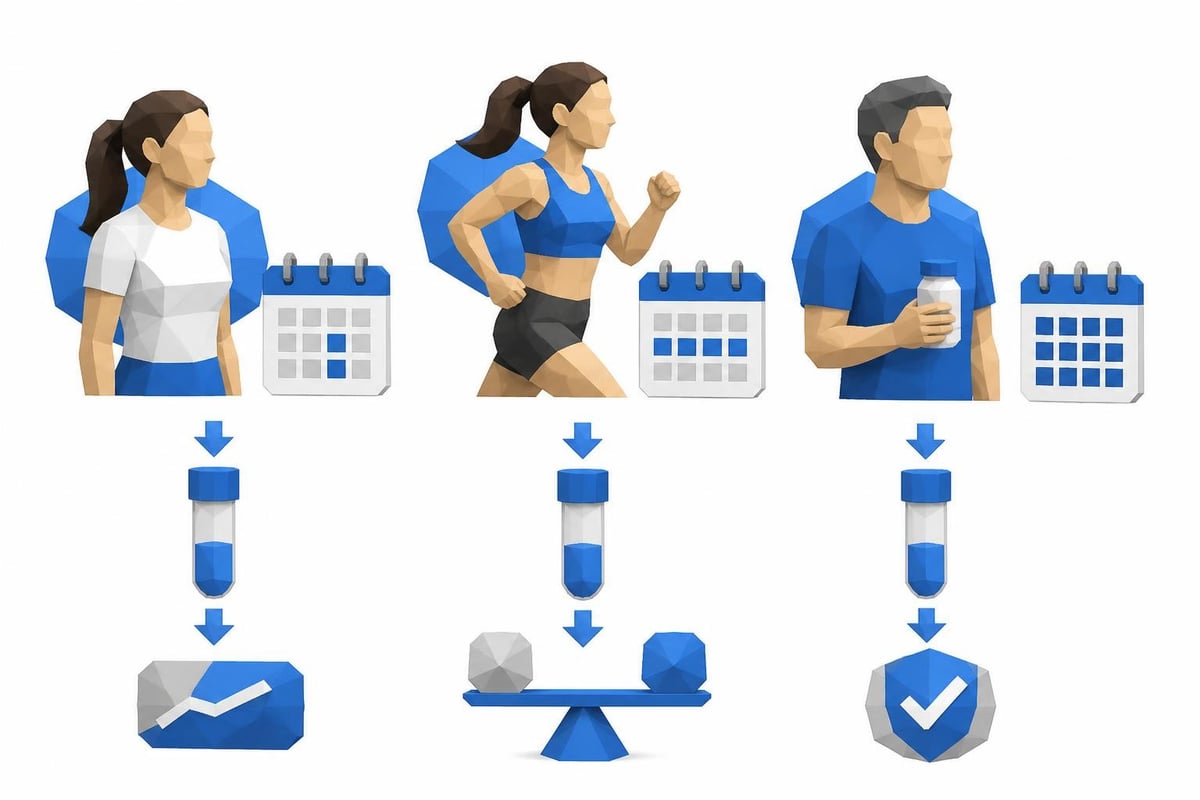
Women with regular menstruation face unique challenges because iron losses through bleeding create ongoing depletion that many address with supplementation. The intersection of true deficiency and supplement-induced ferritin elevation complicates determining when iron stores are actually replenished.
For this population, testing ferritin after pausing supplements for just 48-72 hours often provides more clinically useful information than waiting 4-8 weeks, since the goal is monitoring repletion in the context of ongoing losses rather than establishing a static baseline.
Athletes and Active Individuals
Athletes frequently use iron supplements to optimize oxygen-carrying capacity and prevent sports-related anemia. However, intense exercise itself causes inflammatory responses that elevate ferritin independent of iron status.
The combination of supplement use and exercise-induced inflammation can create severely distorted ferritin readings, sometimes showing levels above 200 ng/mL in athletes who actually have marginal iron stores. Testing during training tapers (reduced exercise volume) after a 7-10 day supplement pause provides more accurate assessment.
Chronic Disease Populations
Individuals with chronic kidney disease, inflammatory bowel disease, heart failure, or autoimmune conditions often receive therapeutic iron supplementation while simultaneously having chronically elevated ferritin from their underlying inflammatory state.
For these populations, the question of how iron supplements distort ferritin results becomes less relevant than tracking trends over time and using complementary markers. Consistent testing intervals with documented supplementation status create usable longitudinal data even if absolute values are unreliable.
Emerging Testing Approaches and Future Directions
Research continues to develop novel biomarkers and testing strategies that could reduce reliance on ferritin for iron status assessment, particularly in supplemented populations. Hepcidin measurement, which reflects iron regulatory hormone levels, shows promise for distinguishing between true iron deficiency and inflammation-related distortions, though it's not yet widely available in commercial testing.
Reticulocyte hemoglobin content (CHr) and percentage of hypochromic red blood cells provide direct measurement of recent iron availability for red blood cell production, offering snapshots unaffected by ferritin's limitations. These markers are increasingly included in comprehensive anemia panels.
Testing services continue to evolve their offerings to address these complexities. The ability to order lab tests online and control testing timing allows individuals to strategically plan their assessment around supplement schedules, creating more interpretable results without the delays of traditional healthcare pathways.
Key Takeaways
Understanding how iron supplements distort ferritin results empowers better decision-making about testing timing, interpretation, and clinical management. The magnitude and duration of distortion vary dramatically between oral and intravenous formulations, with IV iron creating ferritin spikes lasting months while oral supplements produce gradual increases that persist weeks after discontinuation.
Practical action points include:
- Pause oral iron supplements for at least 48-72 hours before testing for acute effects, or 2-4 weeks for more accurate baseline assessment
- Wait 12-16 weeks after IV iron infusions before using ferritin to assess true iron stores
- Request comprehensive iron panels including transferrin saturation and serum iron rather than ferritin alone when supplements complicate interpretation
- Document all supplement use (type, dose, timing) with every iron test to enable meaningful comparison across serial measurements
- Consider inflammation markers like C-reactive protein alongside ferritin to identify compounded distortions
The complexity of ferritin interpretation in supplemented individuals highlights the importance of comprehensive testing approaches and strategic timing. Services offering understanding lab results support can help navigate these nuances, translating complex patterns into actionable insights.
FAQ
How long after stopping oral iron supplements will my ferritin return to baseline?
Ferritin levels typically decline over 2-4 weeks after stopping oral iron supplementation, though the exact timeline varies based on your baseline iron status, dose, and duration of supplementation. For diagnostic accuracy, waiting 4-8 weeks provides the most reliable baseline reading, but even a 48-72 hour pause can reveal acute supplement effects.
Can I test ferritin while taking iron supplements and still get useful information?
Yes, testing while on supplements can monitor your response to treatment, but results must be interpreted in the context of supplementation. Document your exact supplement regimen with each test and look for trends over time rather than absolute values. Combining ferritin with transferrin saturation and other markers provides a more complete picture.
Does the type of iron supplement affect how much it distorts ferritin results?
Both oral and IV iron elevate ferritin, but through different patterns. Oral iron creates gradual increases over weeks, while IV iron causes dramatic spikes within days that persist for months. The specific formulation (ferrous sulfate, iron polysaccharide, iron dextran, etc.) matters less than the delivery route and total dose administered.
If my ferritin is high while taking iron supplements, should I stop supplementing?
Not necessarily. Elevated ferritin during supplementation may reflect the supplements themselves rather than iron overload. Consult your healthcare provider before stopping prescribed iron therapy. They may recommend pausing supplements temporarily for accurate retesting or using additional markers like transferrin saturation to assess actual iron status.
What ferritin level is considered accurate if I can't stop my iron supplements?
There's no single "accurate" ferritin level during active supplementation because the elevation is artificial. Instead, focus on tracking trends and using complementary markers. If ferritin continues rising above 300-400 ng/mL despite stable supplementation, or if transferrin saturation exceeds 45%, discuss reassessment with your provider as this may indicate excess iron accumulation.
Accurate iron status assessment requires understanding how supplementation timing affects ferritin readings and using comprehensive testing strategies that account for these distortions. Whether you're monitoring treatment response or establishing a baseline diagnosis, strategic timing and complementary biomarkers provide clearer insights than ferritin alone. Justlabs makes it easy to order comprehensive iron panels at transparent prices with results in 1-3 days, giving you control over testing timing to work around your supplement schedule and get the most accurate assessment of your iron status.
Related Reading
References
Fischer JAJ, Cherian AM, Bone JN, Karakochuk CD. The effects of oral ferrous bisglycinate supplementation on hemoglobin and ferritin concentrations in adults and children: a systematic review and meta-analysis of randomized controlled trials. Nutr Rev. 2023 Jul 10;81(8):904-920. doi: 10.1093/nutrit/nuac106. PMID: 36728680. https://pubmed.ncbi.nlm.nih.gov/36728680/
Garcia-Casal MN, Pasricha SR, Martinez RX, Lopez-Perez L, Peña-Rosas JP. Serum or plasma ferritin concentration as an index of iron deficiency and overload. Cochrane Database Syst Rev. 2021 May 24;5(5):CD011817. doi: 10.1002/14651858.CD011817.pub2. PMID: 34028001. https://pubmed.ncbi.nlm.nih.gov/34028001/
Dignass A, Farrag K, Stein J. Limitations of Serum Ferritin in Diagnosing Iron Deficiency in Inflammatory Conditions. Int J Chronic Dis. 2018;2018:9394060. doi: 10.1155/2018/9394060. PMID: 29744352. https://pubmed.ncbi.nlm.nih.gov/29744352/
Šmid AN, Golja P, Hadžić V, Abazović E, Drole K, Paravlic AH. Effects of Oral Iron Supplementation on Blood Iron Status in Athletes: A Systematic Review, Meta-Analysis and Meta-Regression of Randomized Controlled Trials. Sports Med. 2024 May;54(5):1231-1247. doi: 10.1007/s40279-024-01992-8. PMID: 38407751. https://pubmed.ncbi.nlm.nih.gov/38407751/
Rusch JA, van der Westhuizen DJ, Gill RS, Louw VJ. Diagnosing iron deficiency: Controversies and novel metrics. Best Pract Res Clin Anaesthesiol. 2023 Dec;37(4):451-467. doi: 10.1016/j.bpa.2023.11.001. PMID: 39764832. https://pubmed.ncbi.nlm.nih.gov/39764832/