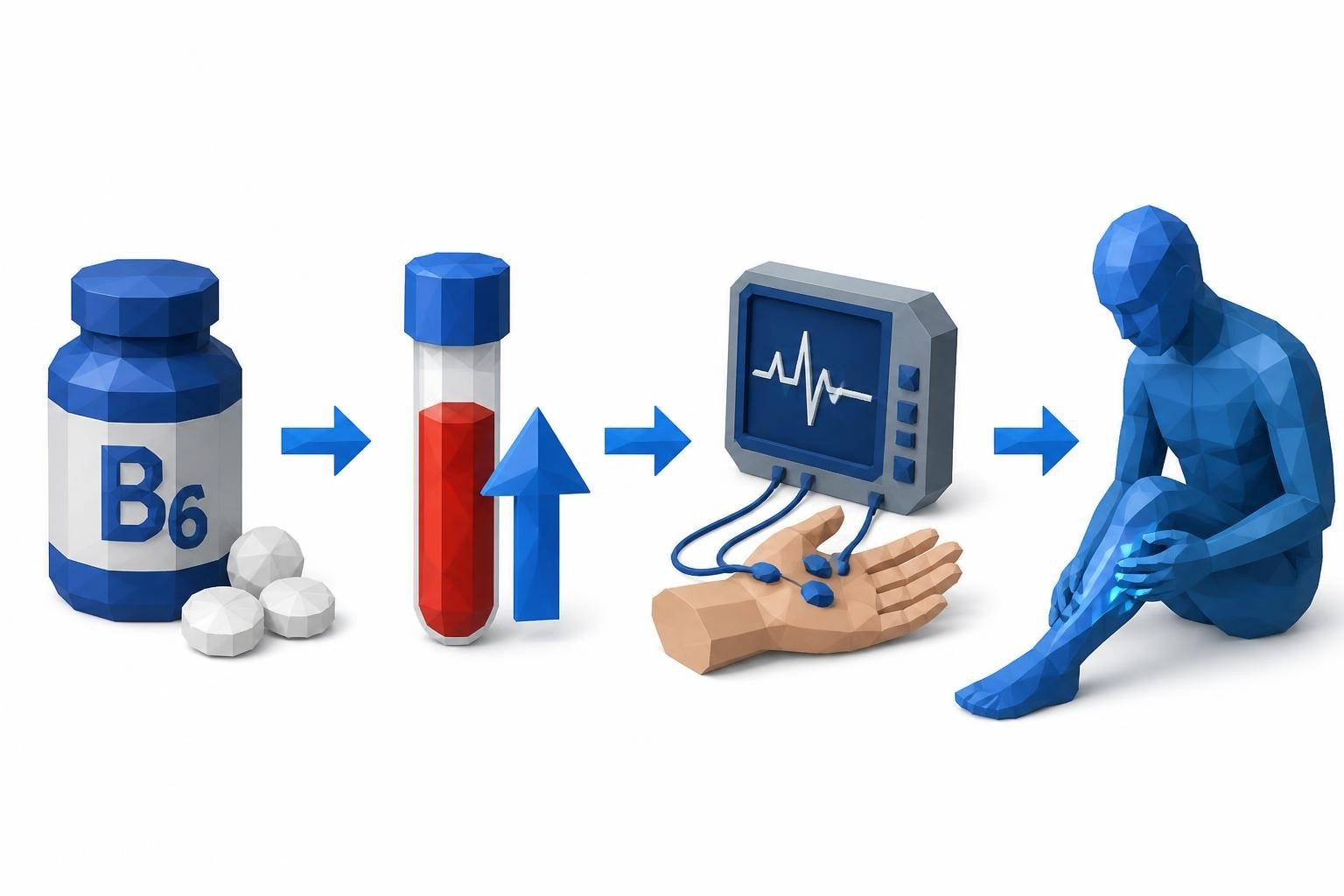
Vitamin B6 stands apart from other water-soluble vitamins because excessive intake doesn't simply flush through the body-it accumulates in nerve tissue and causes lasting damage. Unlike vitamin C or B12, which the body typically eliminates when consumed in excess, pyridoxine overdose creates a unique paradox where supplementing a nutrient essential for nerve health actually destroys those same nerves. The vitamin b6 toxicity neuropathy test has become increasingly important as more people unknowingly consume dangerous amounts through multivitamins, athletic supplements, and standalone B6 products marketed for energy, mood, or hormone balance.
Understanding Vitamin B6 Toxicity and Nerve Damage
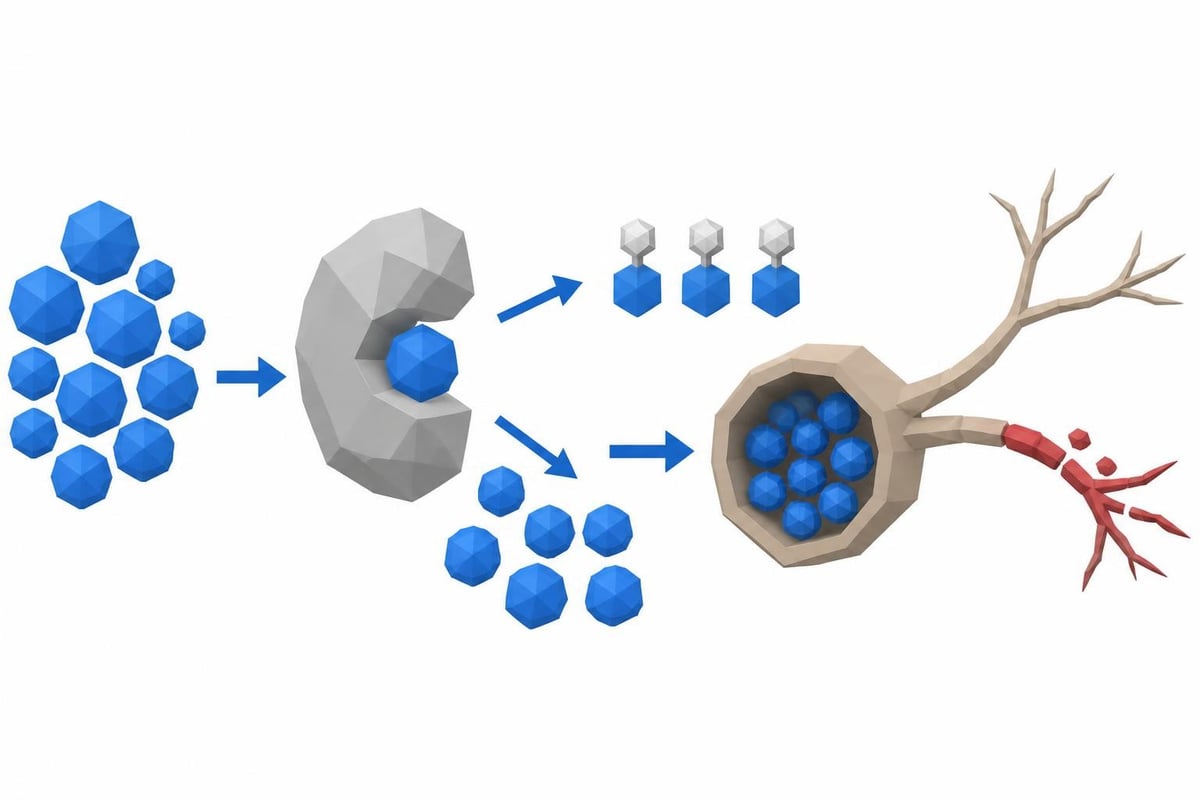
Most water-soluble vitamins carry minimal toxicity risk because the kidneys efficiently eliminate surplus amounts. Vitamin B6 breaks this pattern. When intake chronically exceeds the body's metabolic capacity, pyridoxine and its metabolites accumulate in the dorsal root ganglia-the nerve clusters that relay sensory information from the body to the spinal cord.
The diagnostic evaluation of vitamin B6 toxicity centers on recognizing sensory neuropathy symptoms and correlating them with elevated blood levels. Patients typically develop numbness and tingling that begins in the feet and hands, progressing to loss of proprioception (position sense) and vibration perception. Unlike deficiency neuropathies that might spare certain sensory modalities, B6 toxicity predominantly damages large sensory nerve fibers responsible for balance and coordination.
The Mechanism Behind Nerve Injury
Research into vitamin B6-induced neuropathy mechanisms reveals that excessive pyridoxine overwhelms the enzyme pyridoxal kinase, which normally converts vitamin B6 into its active form. This creates a paradoxical situation where high total B6 levels coincide with functional deficiency at the cellular level, while excess unphosphorylated pyridoxine directly damages sensory neurons.
The dorsal root ganglia lack a protective blood-nerve barrier, making them particularly vulnerable to circulating toxins. Pyridoxine accumulates in these structures, disrupting mitochondrial function and triggering oxidative stress that selectively destroys sensory nerve cells. Motor nerves typically remain intact, which explains why patients lose sensation and balance while maintaining muscle strength.
Supplement Doses That Create Risk
The Tolerable Upper Intake Level (UL) for vitamin B6 sits at 100 mg daily for adults, but nerve damage has been documented at lower chronic doses. Clinical threshold studies demonstrate that consistent intake above 500 mg per day almost universally produces neuropathy symptoms, yet cases have emerged with long-term consumption of just 50-200 mg daily.
Common sources of excessive B6 intake include:
- Standalone B6 supplements marketed for premenstrual syndrome (often 50-100 mg per dose)
- Energy drinks and pre-workout formulas containing 25-50 mg per serving
- High-potency B-complex supplements with 50-100 mg B6
- Multivitamins combined with additional B6-containing products
- Prescription medications fortified with pyridoxine
The critical factor isn't a single high dose but rather chronic daily intake over months or years. A documented case involved a 73-year-old man who developed severe sensory neuropathy from a multivitamin containing just 6 mg of B6 daily-far below the UL-consumed over many years. His symptoms improved after discontinuation, demonstrating both the unpredictability of individual thresholds and the reversibility of early-stage toxicity.
Components of the Vitamin B6 Toxicity Neuropathy Test
Blood Testing for Vitamin B6 Levels
The cornerstone vitamin b6 toxicity neuropathy test measures plasma pyridoxal 5'-phosphate (PLP), the active form of B6, along with total vitamin B6. Normal plasma PLP ranges from approximately 20-125 nmol/L (5-30 µg/L). Toxicity typically manifests with levels exceeding 200 nmol/L, though symptom severity doesn't always correlate linearly with blood values.
Recommended Test
Vitamin B6
Vitamin B6 is essential for over 100 enzyme reactions, particularly protein metabolism, neurotransmitter synthesis, immune function, and hemoglobin production.
Includes 1 biomarkers
$42
Laboratory analysis quantifies different vitamin B6 vitamers-pyridoxine, pyridoxal, pyridoxamine, and their phosphorylated forms. The ratio between active PLP and unphosphorylated pyridoxine provides diagnostic insight, as toxic states show disproportionately elevated pyridoxine relative to PLP.
| Test Component | Normal Range | Toxicity Threshold | Clinical Significance |
|---|---|---|---|
| Plasma PLP | 20-125 nmol/L | >200 nmol/L | Active vitamin B6 form |
| Total Vitamin B6 | 30-150 nmol/L | >500 nmol/L | Cumulative B6 species |
| Pyridoxine | <30 nmol/L | >100 nmol/L | Unmetabolized supplement form |
Research on moderately elevated B6 levels found that patients with plasma concentrations between 100-200 µg/L didn't necessarily show worse neuropathy on objective testing compared to those with lower levels. This suggests that individual susceptibility varies and that timing of measurement relative to supplementation affects results.
Electrodiagnostic Testing
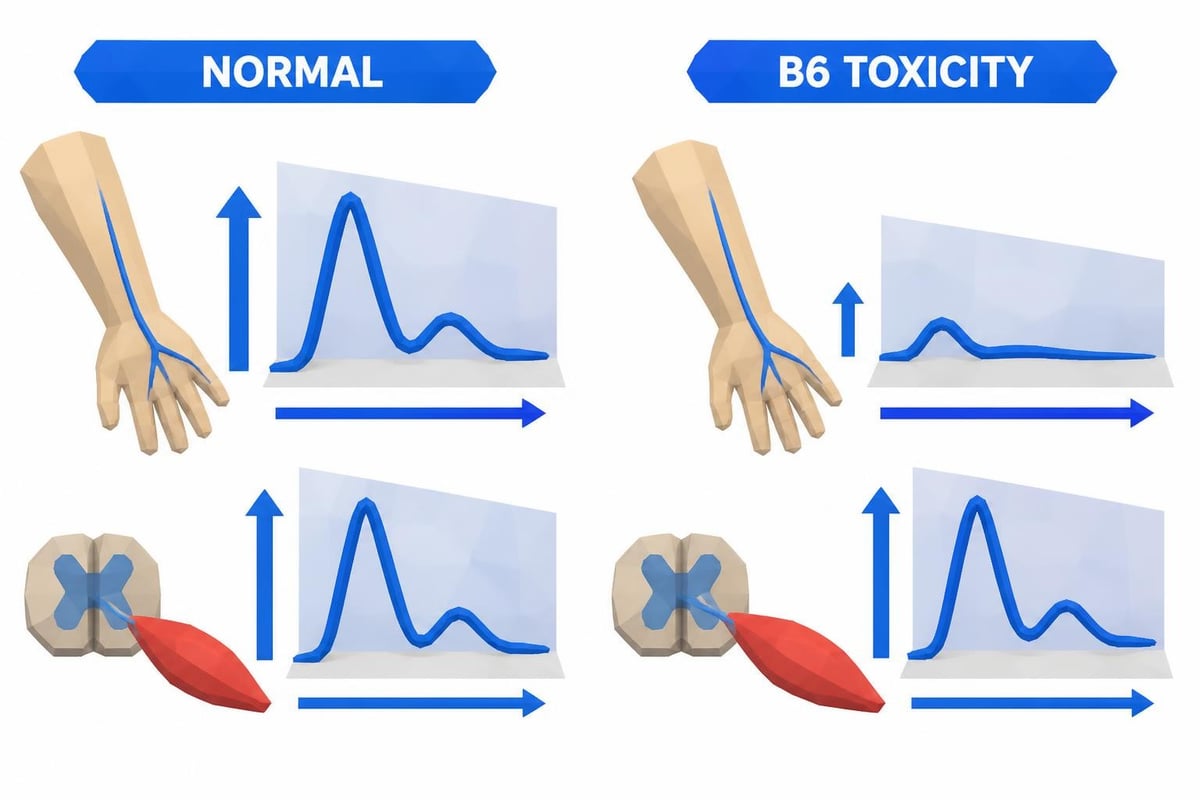
Nerve conduction studies (NCS) and electromyography (EMG) objectively document the physiological impact of B6 toxicity on peripheral nerves. These tests measure how quickly and effectively nerves transmit electrical signals, revealing abnormalities before patients notice symptoms or when subjective complaints need verification.
Key findings on electrodiagnostic testing include:
- Reduced sensory nerve action potential (SNAP) amplitudes in feet and hands
- Slowed sensory nerve conduction velocities
- Preserved or minimally affected motor nerve function
- Normal needle EMG showing no active denervation
- Abnormal quantitative sensory testing for vibration thresholds
The clinical presentation of elevated B6 levels and peripheral neuropathies demonstrates that electrodiagnostic abnormalities typically affect sensory more than motor fibers. Patients show length-dependent changes, meaning the longest nerves (those extending to the toes) exhibit damage first, creating a classic "stocking-glove" pattern of sensory loss.
Clinical Evaluation and Symptom Recognition
The vitamin b6 toxicity neuropathy test extends beyond laboratory values to include detailed clinical examination. According to the Merck Manual, diagnosis remains fundamentally clinical because blood levels alone don't definitively establish causation between elevated B6 and neuropathy symptoms.
Neurological examination assesses specific functions affected by sensory nerve damage. Physicians test vibration sense using a tuning fork placed on bony prominences, position sense by moving toes or fingers while patients close their eyes, and pain/temperature discrimination with specialized tools. Patients with B6 toxicity typically fail these tests even when routine touch sensation remains intact.
Symptom Progression Timeline
Early symptoms develop insidiously over weeks to months of excessive intake:
- Subtle numbness in fingertips and toes
- Electric shock sensations during movement
- Impaired fine motor coordination for tasks like buttoning shirts
- Mild unsteadiness when walking in darkness
Advanced symptoms emerge with continued exposure:
- Profound loss of position sense causing significant balance problems
- Sensory ataxia (walking difficulties due to lost proprioception)
- Burning or stabbing neuropathic pain
- Difficulty distinguishing hot from cold temperatures
Most patients experience symptom improvement within weeks to months after stopping B6 supplementation, though severe cases may leave permanent deficits. The reversibility depends on duration and magnitude of exposure-catching toxicity early dramatically improves prognosis.
Comprehensive Testing Approach for Unexplained Neuropathy
When patients present with sensory neuropathy symptoms, clinicians must differentiate B6 toxicity from numerous other causes. Laboratory testing protocols for small fiber neuropathy include vitamin B6 among first-line investigations alongside glucose tolerance tests, vitamin B12 levels, thyroid function, and complete blood counts.
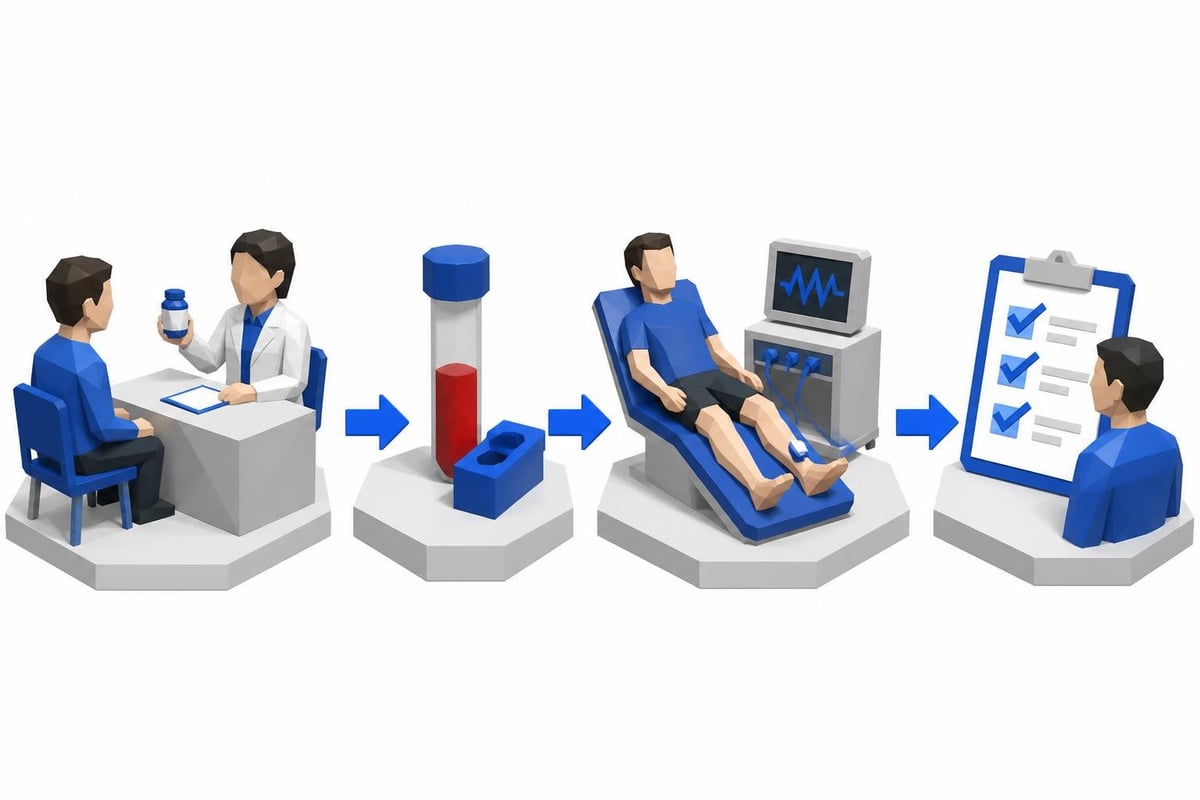
The diagnostic workup typically follows this sequence:
- Detailed supplement history: Document all vitamins, minerals, energy products, and prescription medications
- Blood vitamin B6 measurement: Plasma PLP and total B6 levels
- Additional nutritional testing: B12, folate, vitamin E to exclude other deficiency neuropathies
- Metabolic screening: Hemoglobin A1c, fasting glucose, kidney and liver function
- Nerve conduction studies: Objective documentation of sensory nerve damage pattern
- Follow-up testing: Repeat B6 levels after supplement cessation to confirm declining values
Recommended Panel
Vitamin & Mineral Panel
Save $5This panel tests the most commonly deficient nutrients: Vitamin D, B12, Folate, Iron (with complete iron studies), Ferritin, and Magnesium - the building blocks your body needs to function optimally.
Includes 9 biomarkers
$64
Fasting required
For individuals concerned about testing costs, understanding how much lab tests really cost helps with informed decision-making. Direct-access testing eliminates markup fees from intermediaries, making comprehensive neuropathy workups more accessible.
Interpreting Test Results and Clinical Correlation
Laboratory values require context. A vitamin b6 toxicity neuropathy test showing elevated B6 levels doesn't automatically confirm toxicity as the sole cause of symptoms, nor do "normal" levels completely exclude B6 involvement if measured long after stopping supplements.
Understanding False Negatives and Timing
Vitamin B6 has a relatively short half-life in plasma. Patients who discontinue supplements days before testing may show normalized blood levels despite ongoing nerve damage from prior exposure. Conversely, a single recent high dose might temporarily elevate levels without causing chronic toxicity.
Clinicians correlate three data points for confident diagnosis:
| Data Point | Supporting Evidence | Contradictory Evidence |
|---|---|---|
| Supplement History | Daily intake >50 mg for months | No B6 supplementation reported |
| Blood Levels | Plasma B6 >200 nmol/L | Normal or low B6 values |
| Clinical Response | Symptom improvement after stopping | No change despite B6 cessation |
The strongest diagnostic confirmation comes from documenting symptom improvement after supplement withdrawal. Patients typically notice stabilization within 2-4 weeks and gradual recovery over 6-12 months, though complete resolution isn't guaranteed.
Prevention Through Testing Before Supplementation
Rather than naming a universally "safe" dose-since individual thresholds vary considerably-the prudent approach involves baseline testing before beginning any B6 supplementation regimen. This establishes your starting point and allows monitoring if symptoms develop.
Pre-supplementation testing strategy:
- Measure baseline vitamin B6 levels to identify existing deficiency or sufficiency
- Review all current supplements and medications for hidden B6 sources
- Calculate total daily B6 intake from diet and supplements combined
- Consider genetic factors that might affect B6 metabolism and sensitivity
- Plan follow-up testing intervals if supplementation proceeds
For those already taking B6 supplements who develop neurological symptoms, immediate cessation and testing provide the clearest diagnostic and therapeutic path. Continuing supplementation while investigating symptoms allows ongoing nerve damage and complicates interpretation of test results.
Accessing convenient lab testing without insurance removes barriers to preventive screening. Many people avoid testing due to concerns about insurance claims, high deductibles, or the need for physician referrals, yet early detection of B6 toxicity prevents irreversible nerve injury.
Special Populations and Testing Considerations
Certain groups face elevated risk for B6 toxicity and warrant particularly careful monitoring. Athletes frequently consume multiple supplements containing B6, inadvertently combining energy drinks, protein powders, and multivitamins into dangerous cumulative doses. Women taking B6 for premenstrual symptoms or morning sickness may exceed safe thresholds, especially when prescribed formulations contain 50-100 mg per dose.
Older adults metabolize and excrete vitamins differently than younger individuals. The case of neuropathy developing from just 6 mg daily in a 73-year-old highlights age-related vulnerability. Reduced kidney function, common in aging, impairs B6 excretion and increases toxicity risk even at seemingly modest doses.
Individuals with kidney disease require special consideration since they eliminate vitamin B6 more slowly. Standard supplement doses can accumulate to toxic levels over time. Similarly, people taking medications that interact with B6 metabolism-including certain Parkinson's drugs, tuberculosis treatments, and seizure medications-need baseline and periodic monitoring.
The Role of Direct-Access Laboratory Testing
Traditional healthcare pathways often delay vitamin B6 testing because providers may not immediately suspect supplement toxicity as the cause of neuropathy. Patients wait weeks for specialist appointments, then additional time for test authorization and scheduling. Meanwhile, continued B6 intake worsens nerve damage.
Direct-access laboratory services streamline this process by allowing individuals to order appropriate tests based on their symptoms and supplement use. When someone recognizes neuropathy warning signs and knows they're taking B6 supplements, they can obtain testing within days rather than weeks.
Understanding where to get lab tests expands options beyond waiting for referrals. Self-directed testing puts preventive health management in patients' hands, particularly valuable for monitoring supplement safety or investigating emerging symptoms before they progress.
The vitamin b6 toxicity neuropathy test itself is straightforward-a blood draw measuring specific B6 vitamers-but accessing it promptly makes the difference between reversible early toxicity and permanent nerve damage. Results typically return within 1-3 days, allowing rapid decision-making about supplement continuation or cessation.
Monitoring Recovery After B6 Discontinuation
Once excessive B6 intake stops, serial testing tracks declining blood levels and correlates them with symptom improvement. Neurologists typically recommend repeat vitamin B6 measurement at 4-6 weeks post-cessation to confirm normalization, then again at 3-6 months if symptoms persist.
Recovery monitoring includes both subjective symptom tracking and objective measures:
- Weekly symptom diaries noting changes in numbness, tingling, and balance
- Monthly vibration threshold testing using quantitative sensory equipment
- Repeat nerve conduction studies at 6-12 months to document nerve healing
- Serial vitamin B6 levels to ensure sustained normalization
Some patients experience rapid improvement, with tingling resolving within weeks. Others face prolonged recovery extending beyond a year, particularly those with severe initial symptoms or lengthy exposure. Permanent residual neuropathy occurs in cases where treatment begins too late or toxicity was particularly severe.
Transparent lab test pricing enables patients to budget for necessary follow-up testing without surprise bills. Recovery monitoring requires multiple blood draws over months, making predictable costs essential for compliance with recommended surveillance protocols.
Differentiating B6 Toxicity From Other Neuropathy Causes
The clinical presentation of B6 toxicity overlaps substantially with other peripheral neuropathies, making the vitamin b6 toxicity neuropathy test critical for differential diagnosis. Diabetes, vitamin B12 deficiency, chemotherapy side effects, and autoimmune conditions all produce similar sensory symptoms.
Key differentiating features of B6 toxicity include:
Sensory predominance: Motor strength remains intact while position and vibration sense deteriorate
Supplement correlation: Symptoms emerge or worsen temporally related to B6 intake
Reversibility: Improvement follows supplement cessation, unlike progressive genetic neuropathies
Bilateral symmetry: Both sides of the body affected equally in a length-dependent pattern
Elevated blood levels: Plasma B6 exceeds normal ranges, sometimes dramatically
Comprehensive neuropathy evaluation often includes multiple vitamin levels, metabolic markers, and autoimmune antibodies. For those seeking clarity on testing options, resources explaining how lab testing works demystify the process and help people understand what each test contributes to the diagnostic picture.
The importance of testing extends beyond diagnosis to monitoring treatment efficacy and preventing recurrence. Patients who experienced B6 toxicity must remain vigilant about supplement labels and combination products that might reintroduce excessive intake.
Related reading


Vitamin B6 toxicity represents a preventable cause of peripheral neuropathy that affects an increasing number of supplement users. Testing provides the definitive evidence needed to connect symptoms with excessive intake and guides recovery monitoring. Rather than guessing about supplement safety, baseline and periodic testing offers concrete data about your vitamin B6 status. Justlabs makes this essential testing accessible through transparent pricing and quick turnaround times, empowering you to monitor supplement safety and investigate neurological symptoms without navigating insurance complexities or waiting weeks for appointments.
References
Muhamad R, Akrivaki A, Papagiannopoulou G, Zavridis P, Zis P. The Role of Vitamin B6 in Peripheral Neuropathy: A Systematic Review. Nutrients. 2023 Jun 21;15(13). doi: 10.3390/nu15132823. PMID: 37447150. https://pubmed.ncbi.nlm.nih.gov/37447150/
Hadtstein F, Vrolijk M. Vitamin B-6-Induced Neuropathy: Exploring the Mechanisms of Pyridoxine Toxicity. Adv Nutr. 2021 Oct 1;12(5):1911-1929. doi: 10.1093/advances/nmab033. PMID: 33912895. https://pubmed.ncbi.nlm.nih.gov/33912895/
Ueland PM, Ulvik A, Rios-Avila L, Midttun Ø, Gregory JF. Direct and Functional Biomarkers of Vitamin B6 Status. Annu Rev Nutr. 2015;35:33-70. doi: 10.1146/annurev-nutr-071714-034330. PMID: 25974692. https://pubmed.ncbi.nlm.nih.gov/25974692/
Gwathmey KG, Grogan J. Nutritional neuropathies. Muscle Nerve. 2020 Jul;62(1):13-29. doi: 10.1002/mus.26783. PMID: 31837157. https://pubmed.ncbi.nlm.nih.gov/31837157/
Kulkantrakorn K. Pyridoxine-induced sensory ataxic neuronopathy and neuropathy: revisited. Neurol Sci. 2014 Nov;35(11):1827-30. doi: 10.1007/s10072-014-1902-6. PMID: 25056196. https://pubmed.ncbi.nlm.nih.gov/25056196/