Are you feeling unusually tired or concerned about hidden nutrient deficiencies? If so, you are not alone. Many people wonder whether a full vitamin panel blood test can finally provide answers about their fatigue, wellness, or nutrition.
This guide is designed to give you a clear, up-to-date overview of what a full vitamin panel blood test involves in 2026. You will learn what this test measures, which vitamins and markers are included, what your results might mean, how to prepare, and where to get tested.
Discover the latest updates, common myths, and how to take control of your health with transparent self-pay options like JustLabs.
What Is a Full Vitamin Panel Blood Test?
Are you curious about what’s really going on inside your body when you feel drained, foggy, or just not yourself? A full vitamin panel blood test offers a detailed snapshot of your nutritional health, helping to uncover hidden deficiencies that may be affecting your energy, immunity, or overall wellness.
Understanding Vitamin Panel Blood Tests
A full vitamin panel blood test is a laboratory analysis that measures several essential vitamins and related markers in your bloodstream at once. Unlike single-vitamin tests, which focus on just one nutrient, this comprehensive approach checks for a range of potential deficiencies or imbalances.
In 2026, the scope of these panels has grown. Modern panels often screen for vitamin D, vitamin B12, folate (vitamin B9), vitamin A, vitamin E, and iron-related markers like ferritin and total iron. Some panels even include additional nutrients, reflecting the latest research on how deficiencies can overlap and impact health together.
Why does this matter? Many people experience symptoms like fatigue, unexplained weakness, brain fog, or hair loss without realizing these could be linked to subtle vitamin imbalances. For example, someone may be low in both vitamin D and B12, which can amplify tiredness or mood changes. By testing multiple nutrients at once, a full vitamin panel blood test makes it easier to spot patterns that might be missed with a more limited approach.
These panels are especially valuable for identifying complex issues that affect your overall well-being. Conditions such as anemia, immune dysfunction, or even certain skin and hair problems can trace back to more than one vitamin deficiency. For readers wanting a deeper dive into the science behind comprehensive testing, the Comprehensive blood testing guide is a helpful resource.
Preparation is straightforward but important. Some vitamins require fasting or temporary pause of supplements before the test. Your provider or lab will give you specific instructions to ensure accurate results.
Who Should Consider a Full Vitamin Panel?
A full vitamin panel blood test is particularly useful for individuals experiencing ongoing fatigue, low energy, or symptoms without a clear cause. If you follow a vegan or vegetarian diet, have food allergies, or live with digestive conditions like celiac disease or Crohn’s, you may be at higher risk for certain nutrient gaps.
Athletes and highly active people also benefit from monitoring their vitamin status, as physical stress can impact nutrient needs. Preventive wellness is another reason to test—many choose a full vitamin panel blood test to optimize nutrition before symptoms even appear.
Consider this scenario: a vegan adult feels persistently tired and notices thinning hair. A full vitamin panel blood test may reveal low B12 and iron, which are common concerns for plant-based diets. By identifying these issues together, targeted changes to diet or supplementation can be made.
It’s important to understand what these results mean. Low levels may suggest poor absorption, dietary gaps, or increased needs, while high levels could result from over-supplementation. However, more isn’t always better—taking excessive vitamins can sometimes cause harm instead of helping.
Results should always be interpreted in context. Your age, sex, health status, and lifestyle all influence what’s considered “normal.” For most, the next step after testing is a conversation with a healthcare provider to develop a safe, personalized plan.
Self-pay options like JustLabs make it easy to access a full vitamin panel blood test with clear pricing, so you can take charge of your wellness journey without surprises.
Which Vitamins and Markers Are Included in 2026 Panels?
Understanding what is measured in a full vitamin panel blood test is key to taking charge of your health. In 2026, these panels are more comprehensive than ever, offering insight into a wide range of nutrients that impact fatigue, immunity, and overall wellness. If you are considering a full vitamin panel blood test, it is helpful to know what to expect and how these results can help guide your next steps.
Core Vitamins Commonly Tested
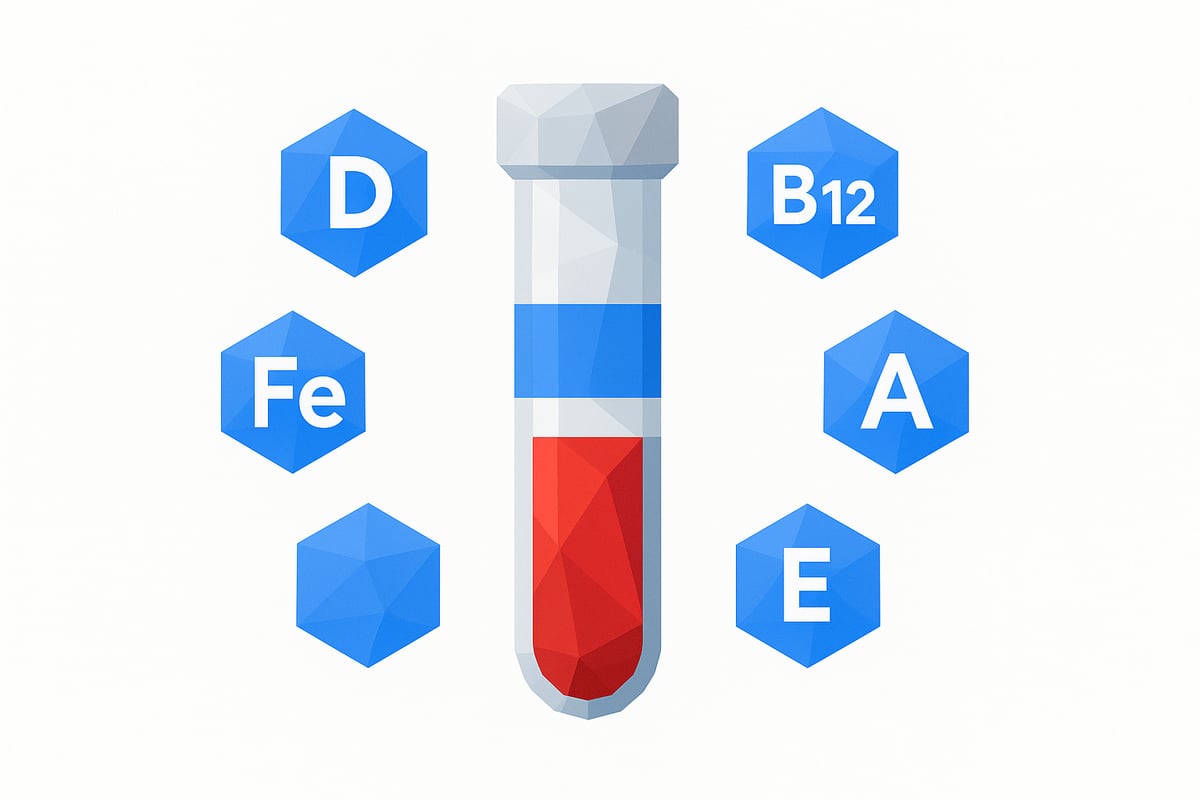
A full vitamin panel blood test typically checks several essential nutrients. The core vitamins most often included are:
- Vitamin D: Supports bone strength, immune function, and mood regulation. Low levels are common, especially in people with limited sun exposure.
- Vitamin B12: Vital for nerve health, red blood cell production, and energy. Vegetarians and older adults are at higher risk for deficiency.
- Folate (Vitamin B9): Important for cell growth, mental clarity, and especially crucial during pregnancy.
- Vitamin A: Maintains healthy vision, immune response, and skin integrity.
- Vitamin E: Acts as an antioxidant, helping protect cells and supporting heart and skin health.
- Iron-related markers (ferritin, total iron): Evaluate iron stores, which can reveal causes of fatigue or anemia.
The full vitamin panel blood test brings together these markers to provide a broad view of your nutritional status. Many people experiencing fatigue, hair thinning, or brain fog may discover overlapping deficiencies through this approach.
Here is a summary table of common vitamins and their roles:
| Vitamin/Marker | Key Role in Health | Common Deficiency Risks |
|---|---|---|
| Vitamin D | Bone, immune, mood | Little sun, certain diets |
| Vitamin B12 | Nerves, energy, red blood cells | Vegetarian, elderly |
| Folate (B9) | Cell growth, mental function | Pregnancy, poor diet |
| Vitamin A | Vision, immunity, skin | Fat malabsorption, low intake |
| Vitamin E | Antioxidant, heart, skin | Rare, absorption issues |
| Iron/Ferritin | Energy, oxygen transport | Heavy periods, GI issues |
A full vitamin panel blood test is especially useful if you have symptoms that could be linked to multiple deficiencies at once.
Additional Markers in Modern Panels
In 2026, full vitamin panel blood test options have expanded to include more nutrients for a holistic overview. Many panels now check:
- Vitamin K: Essential for blood clotting and bone health.
- Vitamin C: Supports immunity, skin, and wound healing.
- Vitamin B6: Important for metabolism and brain health.
- Minerals: Magnesium, zinc, and calcium are often bundled, as they interact with vitamins in your body.
- Functional Markers: Homocysteine and methylmalonic acid (MMA) provide insight into how well your body uses B12 and folate.
Broader panels, like the ones described in the Vitamin Deficiency and Wellness Blood Test Panel, often include 8–12 vitamins plus several minerals. This comprehensive approach helps identify subtle patterns or combinations of deficiencies that a single test might miss.
Personalization is trending in 2026. Some labs tailor the full vitamin panel blood test to your unique needs, diet, or medical history. For example, athletes may want extra focus on magnesium and zinc, while those with digestive issues might need a more complete micronutrient assessment.
When preparing for a full vitamin panel blood test, your provider may advise fasting or pausing supplements, depending on which markers are included. Always follow instructions to ensure accurate results.
What Results Can Reveal
The results from a full vitamin panel blood test can uncover both low and high nutrient levels, each carrying their own health implications.
Low levels may suggest poor dietary intake, absorption problems, or medication effects. For instance, a vegetarian might have low B12, while someone with chronic fatigue could show low vitamin D and iron. High levels, on the other hand, can result from overuse of supplements. Too much vitamin D, for example, may raise calcium in your blood, leading to potential health risks.
It is important to remember that more is not always better. Excessive supplementation can be harmful, and not everyone benefits from pushing vitamin levels above the recommended range. The full vitamin panel blood test should be interpreted in context, considering your lifestyle, symptoms, and any underlying conditions.
If your panel reveals multiple deficiencies, this could point to malabsorption or dietary gaps. Isolated abnormalities may be tied to specific habits or medical issues. Always review your full vitamin panel blood test results with a qualified healthcare provider to decide on safe, effective next steps.
Self-pay options like JustLabs make it easy to access a full vitamin panel blood test, with clear pricing and quick results to support your wellness journey.
The Testing Process: What to Expect Step-by-Step
Understanding the process of a full vitamin panel blood test can help ease any worries and set clear expectations. Below, we break down each step so you know exactly what will happen, from deciding if you need testing to receiving your results.

Step 1: Deciding If You Need a Vitamin Panel
The first step in the full vitamin panel blood test process is deciding whether this assessment is right for you. Many people consider testing if they experience persistent fatigue, brain fog, weakness, or hair loss.
If you have dietary restrictions, chronic health conditions, or a family history of deficiencies, these are added reasons to consider a full vitamin panel blood test. Discuss your symptoms and health goals with your healthcare provider, or use reputable online resources to determine your risk factors.
Step 2: Ordering and Scheduling the Test
Once you have decided to proceed, the next stage is ordering and scheduling your full vitamin panel blood test. Today, you can choose between traditional lab orders through a doctor or self-directed options. Many people now use direct-access labs that let you order labs without a doctor, streamlining the process.
You will typically provide basic information, select a location, and choose a convenient time. Options may include in-person sample collection at certified labs or even at-home kits, depending on your provider.
Step 3: Preparing for Your Blood Draw
Proper preparation is essential for accurate full vitamin panel blood test results. Some vitamins require fasting for 8 to 12 hours before your blood draw, while others may have specific medication or supplement restrictions.
Common preparation tips:
- Review instructions from your lab or provider in advance
- Fast if required, usually overnight
- Stay well hydrated with water
- Pause certain supplements, if advised
- Inform the lab if you are pregnant, elderly, or have special health needs
A little preparation goes a long way toward ensuring your full vitamin panel blood test gives reliable insights.
Step 4: The Blood Collection Experience
On the day of your full vitamin panel blood test, you will check in at your chosen lab or prepare for your at-home collection. At the lab, staff will verify your identity, explain the process, and collect a small blood sample, usually from your arm.
The procedure is quick, often taking less than 15 minutes. You may feel a brief pinch, but most people find the experience straightforward and comfortable.
Step 5: Waiting for and Accessing Results
After your full vitamin panel blood test, results are typically ready within 1 to 3 days. Labs deliver results securely, often via online portals or encrypted email, ensuring your privacy.
You will receive a detailed report showing your vitamin and mineral levels, often with easy-to-understand explanations. Take time to review your results and discuss them with your healthcare provider for personalized guidance on next steps.
Interpreting Your Results: What Do They Mean?
Getting your full vitamin panel blood test results can feel overwhelming at first. With so many numbers and ranges, it is natural to wonder what it all means for your health. Understanding your vitamin levels is the first step to making informed decisions about your wellness journey.
Understanding Your Vitamin Levels
Every full vitamin panel blood test includes a set of reference ranges for each vitamin and mineral measured. These ranges represent what is considered “normal” for healthy individuals. However, “normal” is not always the same for everyone. Age, sex, lifestyle, and even certain health conditions can shift what is optimal for you.
Reference ranges are developed using large population studies. They are guides, not absolute rules. For example, a “normal” vitamin D level may differ for a young adult compared to a senior. Some people may feel well at the low end of the range, while others need higher levels to avoid symptoms like fatigue or brain fog.
If your results are borderline or just outside the reference range, do not panic. Many factors, such as recent illness, hydration, or even the time of year, can temporarily affect vitamin levels. The full vitamin panel blood test provides a snapshot, but your healthcare provider will interpret these numbers in the context of your overall health.
If you want more help making sense of your report, Understanding your lab results offers clear explanations for each marker in a full vitamin panel blood test.
Common Patterns and What They Suggest
Your full vitamin panel blood test may reveal different patterns, each offering valuable clues. Sometimes, multiple deficiencies show up together. This often points to issues with absorption, such as in digestive conditions or after weight loss surgery. Poor diet or chronic illness can also lead to several low levels at once.
Isolated deficiencies, like low vitamin B12 or iron, may be linked to diet choices, such as vegetarian or vegan eating, or to specific medications. For example, a vegan may have low B12 but normal folate and vitamin D.
High levels are less common but can occur with overuse of supplements. Too much vitamin D, for instance, may cause symptoms like nausea or headache. High vitamin A or E can also be harmful over time.
Here is a summary table:
| Pattern | Possible Cause | Next Steps |
|---|---|---|
| Multiple deficiencies | Malabsorption, poor intake | Assess diet, digestion, follow-up |
| Single deficiency | Diet, medication, genetics | Targeted diet/supplement change |
| High levels | Excess supplementation | Review supplement use |
Your provider will help you decide what these patterns mean in your situation.
What to Do Next
After receiving your full vitamin panel blood test results, review them with your healthcare provider. They can help you understand if your levels are truly concerning or if a simple lifestyle change is enough.
Consider these steps:
- Make dietary adjustments to include more nutrient-rich foods.
- Only add supplements when a deficiency is confirmed.
- Track your symptoms alongside your results.
- Plan for repeat testing if issues persist.
If you have persistent low B12 despite supplements, your provider may suggest checking for absorption problems or other underlying health issues. Trends over time are often more important than a single result.
Monitoring your levels regularly is especially useful if you have ongoing fatigue, are making major diet changes, or are managing a chronic condition.
Addressing Misconceptions About Supplementation
It is a common myth that “more is always better” when it comes to vitamins. In reality, taking excessive supplements can be risky. Some nutrients, like vitamin D or iron, can build up to unhealthy levels, especially if you are already eating a balanced diet.
There is also confusion about “optimal” versus “normal” levels. Most experts agree that aiming for the middle of the reference range is safe unless you have a specific medical reason to do otherwise. Each person’s needs are different, so individualized recommendations matter.
Remember, supplements are not a substitute for a healthy diet. Talk to your provider before starting new vitamins, especially if you already take medications. For those who want clarity and control, self-pay options like JustLabs make full vitamin panel blood test access simple and transparent, helping you track your wellness with confidence.
When Is a Full Vitamin Panel Most Useful?
Are you wondering when a full vitamin panel blood test makes the most sense for your health? Understanding the right timing can help you get the most value from your results while avoiding unnecessary testing.
Targeted vs. Routine Screening
A full vitamin panel blood test is particularly useful in targeted situations. If you are experiencing unexplained fatigue, persistent tiredness, or symptoms like hair thinning and brain fog, this comprehensive test can provide valuable insights. Individuals with dietary restrictions, such as vegans and vegetarians, often benefit from full vitamin panel blood test screening because certain nutrients may be harder to obtain from plant-based diets.
People with gastrointestinal conditions, such as celiac disease or Crohn's, may also be at higher risk for multiple deficiencies. In these cases, a full vitamin panel blood test helps identify overlapping issues that single-vitamin tests might miss. Athletes, individuals recovering from illness, and those making significant dietary changes may use the test as part of their wellness optimization plan.
For preventive health, some people choose routine full vitamin panel blood test screening to establish a nutritional baseline. For example, a patient with persistent fatigue might discover low levels of vitamin D, B12, and iron-related markers, revealing a pattern that suggests a broader nutritional issue rather than a single deficiency.
Limitations and Considerations
While a full vitamin panel blood test offers a broad view of your nutritional status, it is not designed to diagnose specific diseases on its own. Results should always be interpreted in context with your symptoms, medical history, and other lab findings. Some deficiencies may be transient or related to temporary dietary patterns, while others can indicate chronic absorption issues.
It is important to know that not every symptom warrants a full vitamin panel blood test. Sometimes, targeted testing is more appropriate, especially if you and your provider already suspect a specific deficiency. Comprehensive panels can be more costly, so evaluating the cost-benefit ratio is crucial. Insurance coverage for these tests can vary, and many policies have guidelines on when nutrient panel testing is considered medically necessary. For more on this, you can review the Nutrient/Nutritional Panel Testing Policy, which outlines when such panels are covered and their limitations.
If you are paying out of pocket, self-pay options like JustLabs offer transparent pricing, making it easier to take control of your health decisions without hidden fees. Remember, the most effective approach involves working with a healthcare provider to determine if a full vitamin panel blood test is right for your unique needs and goals.
Where to Get a Full Vitamin Panel Blood Test in 2026
Finding the right place to get a full vitamin panel blood test in 2026 is easier and more convenient than ever. With more people focusing on fatigue, nutrient deficiencies, and overall wellness, access to reliable testing is essential. Whether you prefer self-pay, direct-to-consumer services or traditional healthcare providers, there are options to suit every need.
Affordable, Self-Pay Testing with JustLabs
For many, ordering a full vitamin panel blood test online is the most straightforward option. JustLabs provides direct-to-consumer lab testing, allowing you to order your panel without a doctor’s visit or insurance. This approach offers full transparency on pricing, so you always know what to expect before testing.
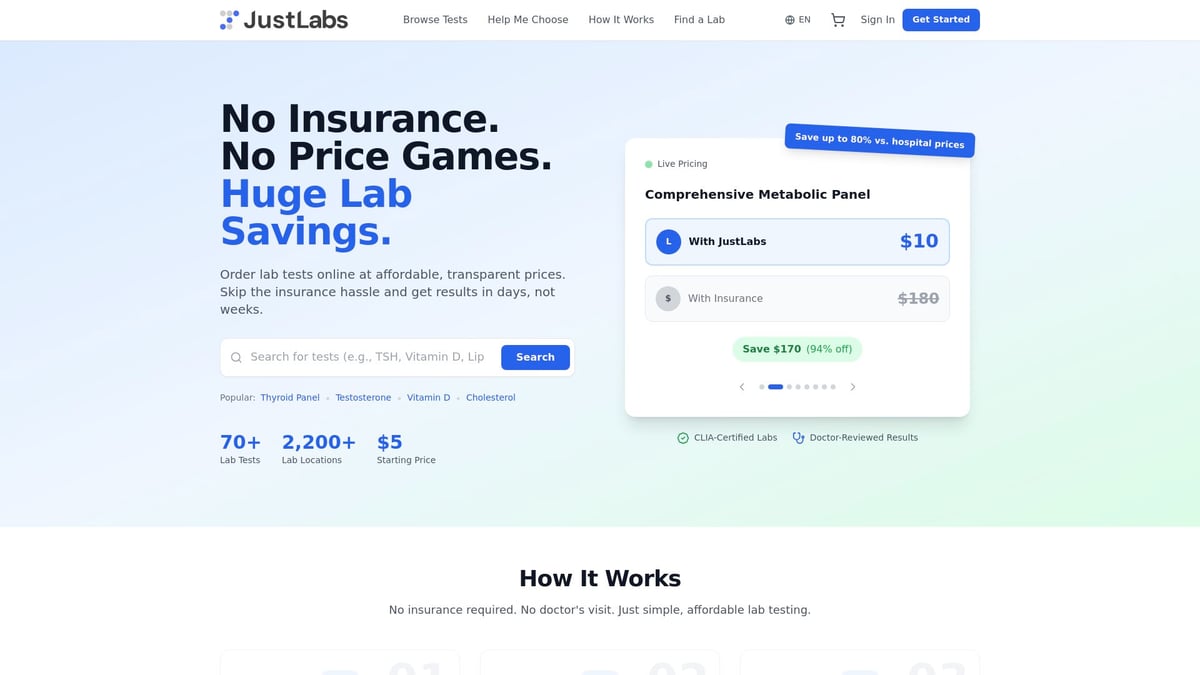
You can easily purchase your full vitamin panel blood test through the JustLabs website, then visit one of over 2,200 Quest Diagnostics locations nationwide for your blood draw. Most results are available in just 1 to 3 days, delivered securely through an online portal. This makes it simple to track your wellness over time.
JustLabs panels typically include key vitamins such as vitamin D, B12, folate, vitamin A, vitamin E, and iron-related markers. If you are interested in learning more about specific components, such as vitamin D, you can review Vitamin D blood test details for additional information on what’s measured and what your results may indicate.
Other benefits include:
- No surprise bills or hidden fees
- FSA and HSA eligibility for added savings
- Clear, patient-friendly explanations of your results
- Nationwide access for convenience
With JustLabs, you can take a proactive approach to your health and wellness. The self-pay model makes a full vitamin panel blood test accessible to anyone looking for insight into their nutrition.
Other Testing Options
Besides direct-to-consumer services, you can get a full vitamin panel blood test through traditional healthcare channels. Many doctor’s offices and clinics offer these panels, often as part of routine checkups or when you present with symptoms like fatigue or unexplained hair loss. Hospital-based labs and specialized wellness centers also provide comprehensive testing, sometimes bundled with other health assessments.
At-home blood collection kits are another popular option in 2026. These kits allow you to collect your sample in the comfort of your home and mail it to a certified lab. While convenient, it is important to consider turnaround times, support for questions, and the clarity of result interpretation. For more details on what a panel can include, you may want to explore the Comprehensive Vitamin Panel by Priority Lab Testing to compare panel components and processes.
When choosing a provider for your full vitamin panel blood test, consider:
- Turnaround time for results
- Cost and insurance coverage
- Accessibility of locations or online services
- Support for interpreting your results
No matter which option you choose, the most important factor is selecting a service that fits your needs, offers clear explanations, and empowers you to make informed decisions about your wellness.
Preparing for Your Test and Next Steps
Getting the most from your full vitamin panel blood test starts with thoughtful preparation. Begin by reviewing any instructions provided by your lab or healthcare provider. Some panels require fasting, usually for 8–12 hours, to ensure accurate readings. Ask if you should pause certain supplements or medications before your test, as these can affect vitamin levels.
Plan your blood draw for a time when you can arrive well hydrated and calm. If you are pregnant, elderly, or have specific medical conditions, confirm if there are extra steps you should take. Keeping a list of all current supplements and medications is helpful to share with your provider or lab staff.
Questions to Clarify Before Testing
Before your full vitamin panel blood test, take time to ask your provider or lab a few key questions. Which vitamins and minerals are included in your particular panel? Are there any lifestyle or dietary restrictions you should follow in the days leading up to your appointment? How will results be delivered, and how soon can you expect them?
If you are interested in learning more about comprehensive vitamin and mineral testing, you may want to review the Custom Micronutrient Panel by Labcorp for details on what a modern panel can include. Being informed ahead of time helps you feel confident and prepared for your test.
Tracking and Acting on Your Results
Once you receive your full vitamin panel blood test results, take time to review them carefully. Most labs provide reference ranges, but remember that what is "normal" can vary by age, sex, and health status. It is important to discuss your results with a healthcare professional who can interpret them in the context of your overall health.
Consider keeping a personal health journal or digital tracker to record your results over time. This can help you and your provider spot trends, especially if you are adjusting your diet, supplements, or medications. Regular monitoring supports proactive wellness and helps you make informed, evidence-based decisions.
Planning Your Next Steps and Support
After your full vitamin panel blood test, decide with your provider how often you should repeat testing. Frequency may depend on your health goals, underlying conditions, or changes in lifestyle. Integrate your results into your broader health plan, focusing on balanced nutrition from whole foods whenever possible.
Be mindful that more supplements are not always better. Aim for evidence-based, individualized recommendations instead of chasing "optimal" numbers. Seek out reputable resources, such as registered dietitians or clinical nutritionists, for guidance. Remember, self-pay options like JustLabs make it easy and transparent to access full vitamin panel testing whenever you need clarity about your wellness.
Now that you understand what a full vitamin panel blood test involves and how it can reveal valuable insights about your health in 2026, why not take the next step toward clarity and peace of mind You don’t need to wait for symptoms to get worse or navigate confusing insurance policies With Justlabs you have the freedom to order comprehensive lab tests online at transparent prices and get your results quickly—no doctor’s visit required If you’re ready to take control of your wellness journey and see exactly which vitamins your body needs most Order Tests