Your twenties are a pivotal decade for establishing health baselines and catching potential issues before they become problems. While many young adults feel invincible and rarely visit doctors, getting the right blood work worth doing in your 20s can provide valuable insights into your body's function and help you make informed decisions about diet, exercise, and lifestyle. Unlike reactive medical care that waits for symptoms, preventive testing empowers you to understand your health trajectory early.
Big picture
- Blood tests in your 20s establish baseline values for comparison throughout life, making it easier to spot meaningful changes in thyroid function, cholesterol, blood sugar, and nutrient levels before symptoms develop.
- Many chronic conditions begin silently in young adulthood, including diabetes, thyroid disorders, and cardiovascular disease, making early detection through targeted testing crucial for prevention.
- Your family history, lifestyle, and symptoms should guide which tests you prioritize, with some screenings recommended for everyone and others valuable for specific risk groups.
- Direct-access lab testing lets you order comprehensive panels without insurance hassles or waiting for doctor appointments, putting health data directly in your hands.
- Take action by identifying 2-3 priority tests based on your personal risk factors, then track results annually or as recommended to monitor trends over time.
Understanding Metabolic Health Through Blood Work
The foundation of blood work worth doing in your 20s starts with metabolic markers that reveal how your body processes energy and manages blood sugar. A comprehensive metabolic panel measures glucose, electrolytes, kidney function, and liver enzymes in one efficient test.
Blood Sugar and Diabetes Screening
Fasting glucose and hemoglobin A1C tests deserve attention even if you feel healthy. These markers identify prediabetes years before type 2 diabetes develops, giving you time to modify diet and exercise habits. Hemoglobin A1C reflects your average blood sugar over three months, providing a more complete picture than a single fasting glucose measurement.
Key metabolic markers to track:
- Fasting glucose (optimal: 70-99 mg/dL)
- Hemoglobin A1C (optimal: below 5.7%)
- Fasting insulin (often overlooked but valuable)
- Electrolytes (sodium, potassium, chloride)
Recommended Panel
Complete Metabolic Health Panel
Save $3.5This comprehensive panel evaluates all aspects of metabolic health: organ function, cholesterol, blood sugar, insulin resistance, and inflammation - the key drivers of chronic disease.
Includes 26 biomarkers
$50
Fasting required
Kidney and Liver Function
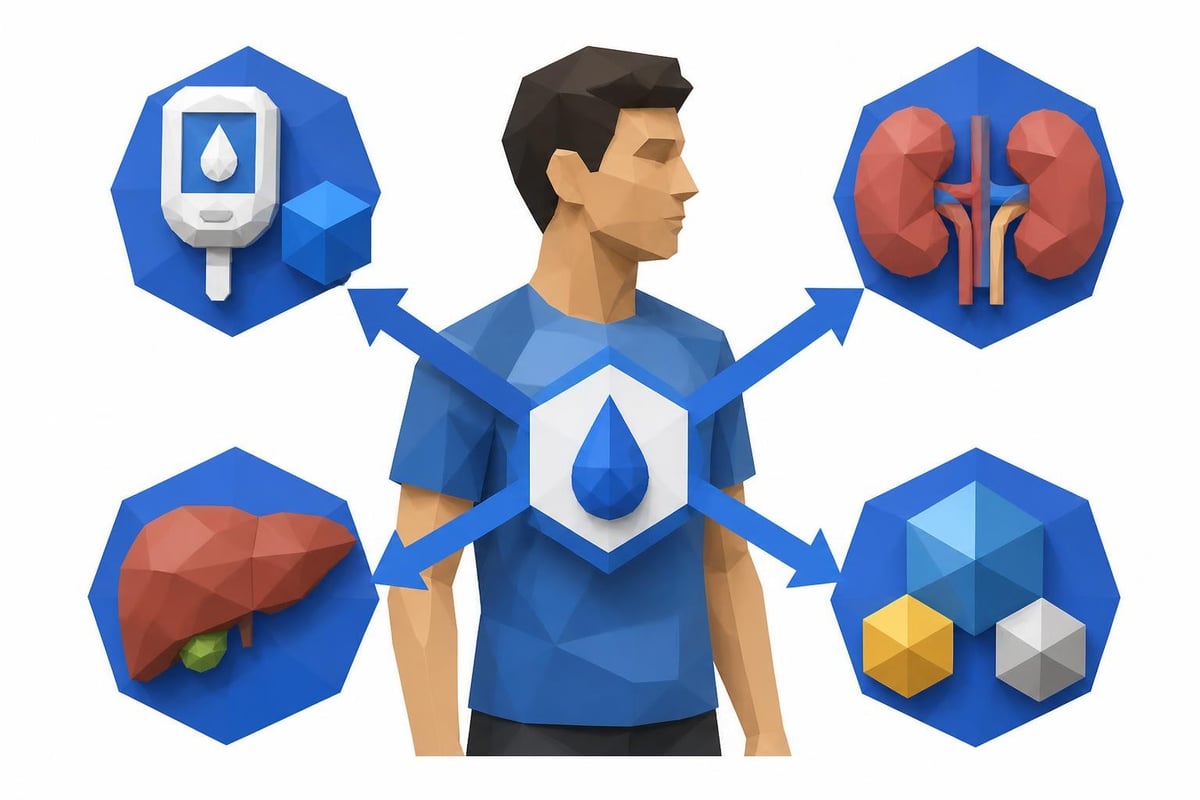
Your kidneys and liver work constantly to filter waste and process nutrients, yet problems often remain silent for years. Creatinine and blood urea nitrogen (BUN) assess kidney filtration, while ALT, AST, and bilirubin indicate liver health. These baseline values become especially important if you take medications, use supplements, or consume alcohol regularly.
When ordering lab tests without insurance, comprehensive metabolic panels typically cost less than individual tests and provide broader insight into organ function.
Cardiovascular Risk Assessment
Heart disease claims more lives than any other condition, and the process begins decades before symptoms appear. The blood work worth doing in your 20s should include lipid testing, especially if you have family history of early heart disease, obesity, diabetes, or high blood pressure.
Lipid Panel Components
A complete lipid panel measures total cholesterol, LDL (low-density lipoprotein), HDL (high-density lipoprotein), and triglycerides. While screening guidelines vary for young adults without risk factors, establishing baseline cholesterol levels helps track changes over time.
| Lipid Marker | Optimal Range | Why It Matters |
|---|---|---|
| Total Cholesterol | Below 200 mg/dL | Overall cardiovascular risk indicator |
| LDL Cholesterol | Below 100 mg/dL | "Bad" cholesterol that builds arterial plaque |
| HDL Cholesterol | Above 40 mg/dL (men), 50 mg/dL (women) | "Good" cholesterol that protects arteries |
| Triglycerides | Below 150 mg/dL | Elevated levels increase heart disease risk |
Recommended Panel
Advanced Heart Health Panel
Save $6Go beyond basic cholesterol testing. This advanced panel includes the markers cardiologists use to assess true cardiovascular risk: ApoB, Lp(a), homocysteine, and inflammation.
Includes 10 biomarkers
$86
Fasting required
Advanced markers like apolipoprotein B (ApoB) and Lp(a) provide additional insight for those with strong family history or borderline standard lipid values. These tests identify cardiovascular risk that traditional panels might miss.
Thyroid Function Testing
Your thyroid gland regulates metabolism, energy production, body temperature, and countless other functions. Thyroid disorders affect millions of Americans, with many cases remaining undiagnosed for years. Symptoms like fatigue, weight changes, mood shifts, and temperature sensitivity warrant thyroid screening.
Essential Thyroid Markers
Thyroid function tests begin with TSH (thyroid-stimulating hormone), which indicates whether your thyroid produces adequate hormones. However, TSH alone tells an incomplete story. Free T4 and Free T3 measure actual thyroid hormone levels, while thyroid antibodies detect autoimmune conditions like Hashimoto's thyroiditis.
The relationship between these markers reveals important patterns:
- High TSH with low Free T4 suggests hypothyroidism (underactive thyroid)
- Low TSH with high Free T4 indicates hyperthyroidism (overactive thyroid)
- Normal TSH but abnormal Free T3/T4 may reveal subclinical thyroid dysfunction
- Elevated thyroid antibodies predict future thyroid disease even when function appears normal
Recommended Panel
Complete Thyroid Panel
Save $3Our most comprehensive thyroid panel includes all 5 essential markers: TSH, Free T4, Free T3, Reverse T3, and both thyroid antibodies. Get the complete picture of your thyroid health.
Includes 6 biomarkers
$84
Women face higher thyroid disorder risk than men, making thyroid testing particularly valuable blood work worth doing in your 20s for female patients. Family history of thyroid disease, autoimmune conditions, or infertility also increases testing priority.
Vitamin and Mineral Status
Nutrient deficiencies cause fatigue, weakness, cognitive issues, and immune dysfunction, yet many young adults assume they get adequate vitamins from diet alone. Testing reveals the truth about your nutritional status.
Iron and Ferritin
Iron deficiency anemia affects approximately 10% of women in their reproductive years, causing exhaustion, weakness, and impaired cognitive function. Ferritin measures iron storage, providing earlier warning than standard hemoglobin or hematocrit tests. Recent research on ferritin cutoffs helps clinicians diagnose iron deficiency more accurately in primary care settings.
High-risk groups for iron deficiency:
- Menstruating individuals with heavy periods
- Vegetarians and vegans
- Endurance athletes
- People with gastrointestinal conditions
Vitamin D and B12
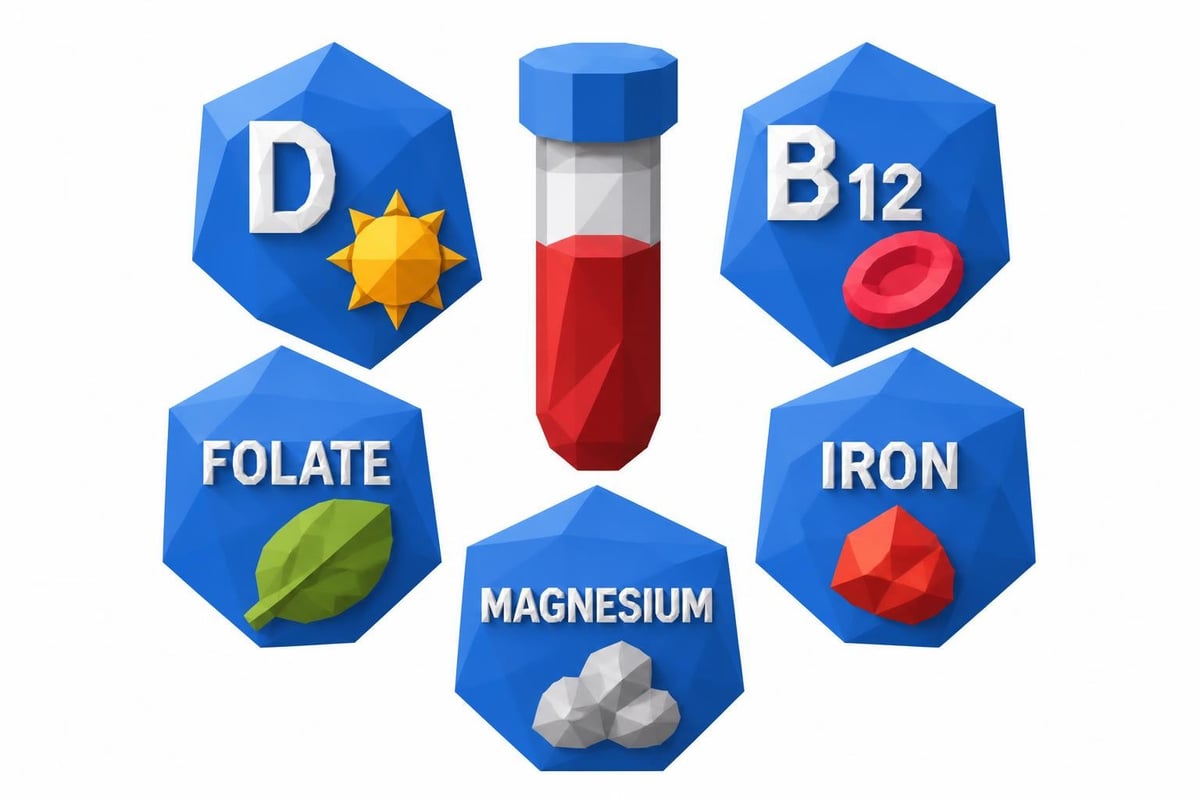
Vitamin D deficiency affects nearly 42% of Americans, impairing bone health, immune function, and mood regulation. Since few foods contain significant vitamin D, testing reveals whether supplementation makes sense for your situation.
Vitamin B12 supports nerve function, DNA synthesis, and red blood cell production. Deficiency develops slowly, often causing symptoms before standard blood tests detect anemia. Vegetarians, vegans, and people taking certain medications face elevated B12 deficiency risk.
| Nutrient Test | Optimal Range | Common Deficiency Symptoms |
|---|---|---|
| Ferritin | 30-200 ng/mL | Fatigue, weakness, cold intolerance |
| Vitamin D | 30-100 ng/mL | Bone pain, muscle weakness, depression |
| Vitamin B12 | 200-900 pg/mL | Numbness, memory issues, fatigue |
| Magnesium | 1.7-2.2 mg/dL | Muscle cramps, anxiety, sleep problems |
Recommended Panel
Vitamin & Mineral Panel
Save $5This panel tests the most commonly deficient nutrients: Vitamin D, B12, Folate, Iron (with complete iron studies), Ferritin, and Magnesium - the building blocks your body needs to function optimally.
Includes 9 biomarkers
$64
Fasting required
Hormone Balance Assessment
Hormones orchestrate reproduction, metabolism, stress response, and countless physiological processes. Unexplained symptoms often trace back to hormonal imbalances that blood testing can identify.
Reproductive Hormones
For women experiencing irregular periods, severe PMS, acne, or fertility concerns, testing estradiol, progesterone, testosterone, and sex hormone-binding globulin (SHBG) provides diagnostic clarity. Conditions like polycystic ovary syndrome (PCOS) often emerge in the twenties, causing long-term health consequences beyond reproduction.
Men with low energy, reduced muscle mass, mood changes, or decreased libido should consider testosterone testing. Total testosterone and free testosterone reveal different aspects of hormonal function, with early morning testing providing the most accurate results.
Cortisol and Stress Response
Chronic stress wreaks havoc on health through persistently elevated cortisol. While single cortisol measurements have limited value, patterns across morning and evening samples or four-point salivary cortisol testing reveal dysregulated stress response. This blood work worth doing in your 20s matters particularly for high-stress individuals experiencing burnout symptoms.
Recommended Panel
Female Hormone Panel
Save $7This comprehensive panel measures all major female hormones: estrogen, progesterone, reproductive hormones (FSH/LH), and androgens (testosterone/DHEA-S) - essential for understanding hormonal balance.
Includes 7 biomarkers
$105
Infectious Disease Screening
Certain infections cause long-term complications if left undetected and untreated. While not everyone needs comprehensive infectious disease panels, targeted screening makes sense based on risk factors and exposure history.
Hepatitis C Testing
Updated hepatitis C testing guidance recommends universal screening for adults, as many infected individuals remain asymptomatic for decades while liver damage progresses. Early detection enables curative treatment with modern antiviral medications, preventing cirrhosis and liver cancer.
Testing for hepatitis B surface antibodies confirms immunity from vaccination, which wanes in some people over time. Understanding your hepatitis B antibody status helps determine whether booster vaccination makes sense.
HIV and STI Screening
Sexually active young adults should incorporate HIV testing into routine health monitoring, with annual or more frequent testing recommended for higher-risk individuals. Many people prefer the privacy and convenience of direct access lab testing for sexual health screening rather than discussing sensitive topics in traditional healthcare settings.
Inflammation and Autoimmune Markers
Chronic inflammation underlies numerous health conditions, from cardiovascular disease to autoimmune disorders. While inflammatory markers shouldn't be tested without reason, specific symptoms or family history justify investigation.
C-Reactive Protein
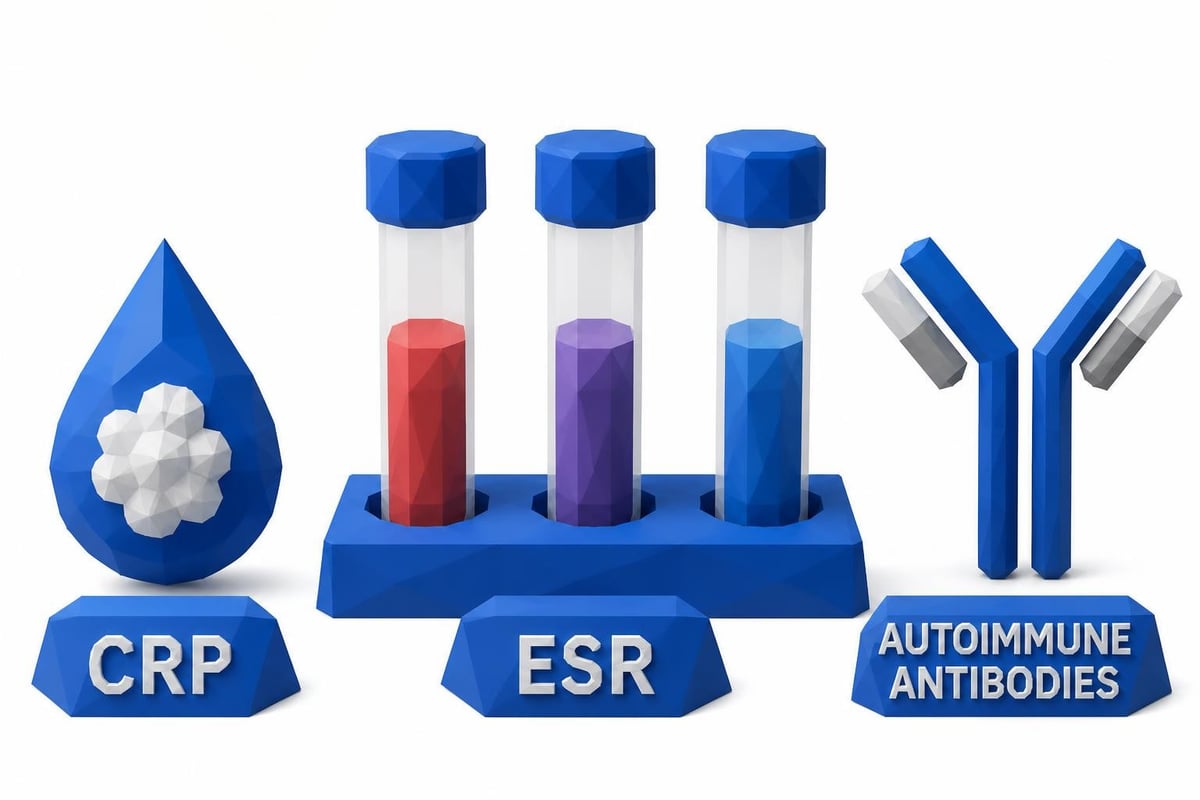
High-sensitivity C-reactive protein (hs-CRP) measures systemic inflammation. Elevated hs-CRP predicts cardiovascular risk independent of cholesterol levels, identifying individuals who might benefit from intensive prevention strategies. Values below 1 mg/L indicate low risk, while levels above 3 mg/L signal high inflammation.
Autoimmune Screening
Family history of autoimmune disease (lupus, rheumatoid arthritis, celiac disease, type 1 diabetes) or suggestive symptoms warrant autoimmune antibody testing. Antinuclear antibodies (ANA), rheumatoid factor (RF), and tissue transglutaminase antibodies (for celiac disease) identify autoimmune processes before severe organ damage occurs.
Recommended Panel
Autoimmune Screening Panel
Save $4Our most thorough initial autoimmune workup covers systemic autoimmune markers (ANA, Rheumatoid Factor), thyroid autoimmunity (TPO & TG Antibodies), inflammation (hs-CRP), and blood cell analysis (CBC) — 5 tests in one panel.
Includes 21 biomarkers
$63
Creating Your Testing Strategy
Not everyone needs every test. The most valuable blood work worth doing in your 20s depends on your individual situation, including family medical history, current symptoms, lifestyle factors, and personal health goals.
Recommended for most people:
- Comprehensive metabolic panel (glucose, kidney, liver, electrolytes)
- Lipid panel with LDL, HDL, and triglycerides
- Complete blood count (CBC)
- Thyroid panel with TSH and Free T4 at minimum
- Vitamin D level
Additional tests based on risk factors:
- Iron studies and ferritin for menstruating individuals, vegetarians, athletes
- Vitamin B12 for vegetarians, vegans, those on certain medications
- Reproductive hormones for menstrual irregularities or fertility concerns
- Hepatitis C antibody for anyone born between 1945-1965 or with risk factors
- Inflammatory markers for autoimmune family history or chronic symptoms
Understanding how lab testing works without insurance or doctor visits removes barriers that prevent many young adults from taking charge of their health. Transparent lab test pricing enables budgeting for preventive care.
Interpreting and Tracking Results
Getting tested represents only the first step. Understanding your results and tracking changes over time provides the real value. Most lab tests include reference ranges, but optimal values often differ from the ranges that simply indicate absence of disease.
Building Your Health Dashboard
Save all lab results in a secure location, noting the date, your age, and any relevant context (medications, supplements, recent illness, fasting status). Comparing results year over year reveals meaningful trends that single tests might miss.
Consider maintaining a simple spreadsheet or health tracking app that includes:
- Test name and date
- Your result and reference range
- Previous results for comparison
- Notes on diet, exercise, stress, or other relevant factors
When reviewing results, look for patterns rather than fixating on individual values slightly outside reference ranges. Small variations often reflect normal biological fluctuation rather than disease.
Resources for understanding lab results help you interpret findings without medical training, though consultation with healthcare providers remains important for abnormal values or concerning patterns.
Key takeaways
Establishing health baselines through strategic blood testing in your twenties creates a foundation for lifelong wellness and early disease detection. The most valuable blood work worth doing in your 20s includes metabolic panels, lipid testing, thyroid function, and nutrient levels, with additional tests guided by family history, symptoms, and risk factors. Direct-access laboratory services remove traditional barriers to preventive testing by eliminating insurance complexity and enabling online ordering with rapid results.
FAQ
How often should I get blood work done in my 20s?
Annual testing makes sense for metabolic markers, lipids, and thyroid function if you have risk factors or previous abnormal results. Otherwise, testing every 2-3 years establishes adequate baselines for healthy young adults. More frequent monitoring applies when managing specific conditions or tracking response to lifestyle changes.
Can I order blood tests without seeing a doctor first?
Yes, direct-access lab testing allows you to order lab tests without a doctor in most states. You select the tests online, visit a local lab for blood draw, and receive results within days. This approach works well for preventive screening, though abnormal results should prompt medical consultation.
How much does blood work cost without insurance?
Costs vary significantly by test complexity and provider. Basic metabolic panels typically range from $20-50, while comprehensive wellness panels might cost $100-300. Direct-access services often provide substantial savings compared to hospital-based testing, with transparent pricing published before you order.
What should I do if my results are abnormal?
Mildly abnormal results often warrant repeat testing before taking action, as lab errors, temporary illness, or testing conditions sometimes cause false readings. Significantly abnormal values or consistent patterns across multiple tests require medical consultation to determine appropriate next steps.
Are FSA and HSA funds accepted for lab testing?
Most FSA and HSA eligible tests qualify as preventive care expenses. Using these tax-advantaged accounts for blood work makes preventive testing more affordable while reducing taxable income. Check with your specific plan administrator regarding coverage details.
Which blood tests matter most for women versus men in their 20s?
Both sexes benefit from metabolic, lipid, and thyroid testing. Women should prioritize iron studies due to menstruation and consider reproductive hormone testing for cycle irregularities. Men might focus on testosterone levels if experiencing relevant symptoms. Individual risk factors matter more than sex alone for most screening decisions.
Taking control of your health in your twenties through strategic lab testing establishes baselines, catches problems early, and empowers informed lifestyle decisions. Rather than waiting for symptoms or annual doctor visits, proactive screening puts valuable health data in your hands when prevention matters most. Justlabs makes this approach accessible through transparent pricing, convenient online ordering, and results delivered in 1-3 days without insurance hassles or doctor appointments.