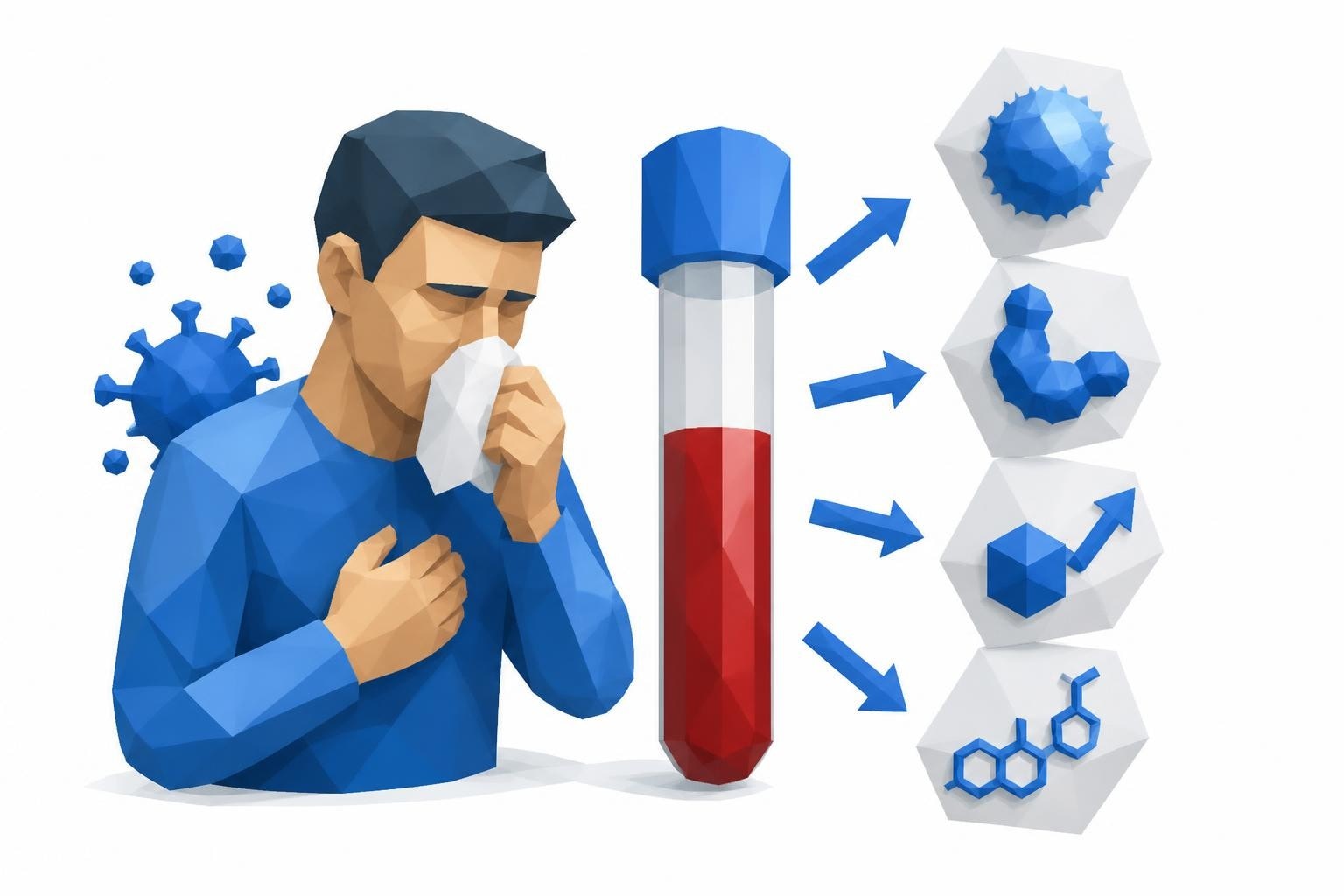
The prostate-specific antigen test has become a cornerstone of men's health screening, yet many men remain uncertain about when to begin testing, how frequently they should be tested, and what their results actually mean. Understanding these fundamentals empowers men to make informed decisions about their prostate health and work effectively with healthcare providers to monitor potential concerns. This comprehensive guide addresses the essential questions surrounding PSA testing timing, frequency, and interpretation.
Understanding Prostate-Specific Antigen and Its Role
Prostate-specific antigen is a protein produced exclusively by cells in the prostate gland. While it serves normal biological functions, elevated levels in the bloodstream can indicate various prostate conditions. The PSA test measures the concentration of this protein in your blood, providing valuable information about prostate health.
What the PSA Test Measures
The test quantifies PSA levels in nanograms per milliliter (ng/mL) of blood. Higher concentrations may suggest prostate inflammation, enlargement, or potentially cancer, though elevated readings don't automatically indicate malignancy. Several factors influence PSA levels, making interpretation more complex than simply reviewing a number.
Common factors affecting PSA levels include:
- Benign prostatic hyperplasia (enlarged prostate)
- Prostatitis (inflammation or infection)
- Recent sexual activity
- Urinary tract infections
- Certain medications
- Age and race
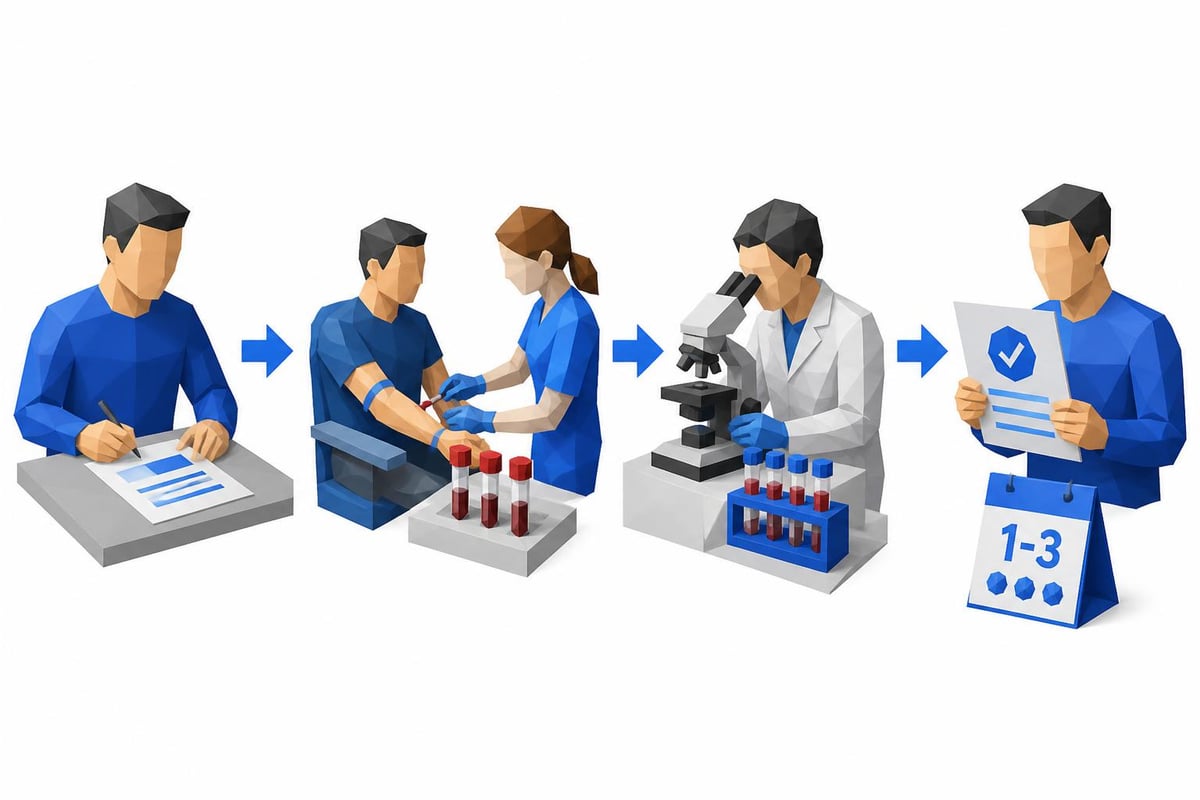
The test itself is straightforward: a healthcare professional draws blood from your arm, and laboratory analysis measures the PSA concentration. Results typically become available within days, allowing for prompt discussion with your healthcare provider.
When to Start PSA Testing
Determining the appropriate age to begin PSA screening depends on individual risk factors and personal preferences. Medical organizations offer varying recommendations based on evolving research and risk-benefit analyses.
Age-Based Guidelines
Most professional organizations recommend discussing PSA testing with your healthcare provider starting at age 50 for men at average risk. However, men with elevated risk factors should consider earlier conversations.
| Risk Category | Recommended Discussion Age | Key Considerations |
|---|---|---|
| Average Risk | 50 years | Standard screening protocols apply |
| African American Men | 40-45 years | Higher incidence and mortality rates |
| Family History | 40-45 years | First-degree relative with prostate cancer |
| Multiple Family Cases | 40 years | Two or more relatives affected |
Men should engage in shared decision-making with healthcare providers, weighing the potential benefits of early detection against the risks of overdiagnosis and unnecessary treatment. According to Harvard Health Publishing, this conversation should include discussion of personal values, health status, and life expectancy.
Risk Factors Requiring Earlier Screening
Certain men face substantially higher prostate cancer risk, warranting earlier and potentially more frequent monitoring. African American men experience prostate cancer at rates 70% higher than other populations, with mortality rates more than double those of other groups.
Family history significantly impacts risk assessment. Men with a father or brother diagnosed with prostate cancer face two to three times the average risk. Multiple affected relatives or diagnoses before age 65 further elevate risk levels.
Genetic mutations, particularly BRCA1 and BRCA2 genes commonly associated with breast cancer, also increase prostate cancer susceptibility. Men carrying these mutations should discuss earlier screening protocols with their healthcare providers.
Frequency of PSA Testing
Once you begin PSA screening, determining appropriate testing intervals requires balancing thorough monitoring with avoiding excessive testing. The frequency depends on baseline results, risk factors, and age.
Standard Testing Intervals
For men with normal baseline PSA levels (typically below 2.5 ng/mL for younger men and below 4.0 ng/mL overall), testing every two to four years often provides adequate monitoring. This interval allows detection of significant changes while minimizing unnecessary procedures.
Testing frequency recommendations:
- Every 2 years - Men under 60 with low baseline PSA and no risk factors
- Annually - Men with PSA between 2.5-4.0 ng/mL or elevated risk factors
- More frequently - Men with rising PSA levels or previous abnormal results
- Every 2-4 years - Men over 60 with consistently low PSA levels
Men who can order labs without a doctor through self-pay services often appreciate the flexibility to maintain their preferred testing schedule without repeated appointments.
Adjusting Frequency Based on Results
Your testing schedule should adapt based on trends in your results. A slowly rising PSA, even within normal ranges, warrants closer monitoring than stable readings. Healthcare providers calculate PSA velocity-the rate of change over time-to assess cancer risk more accurately than single measurements.
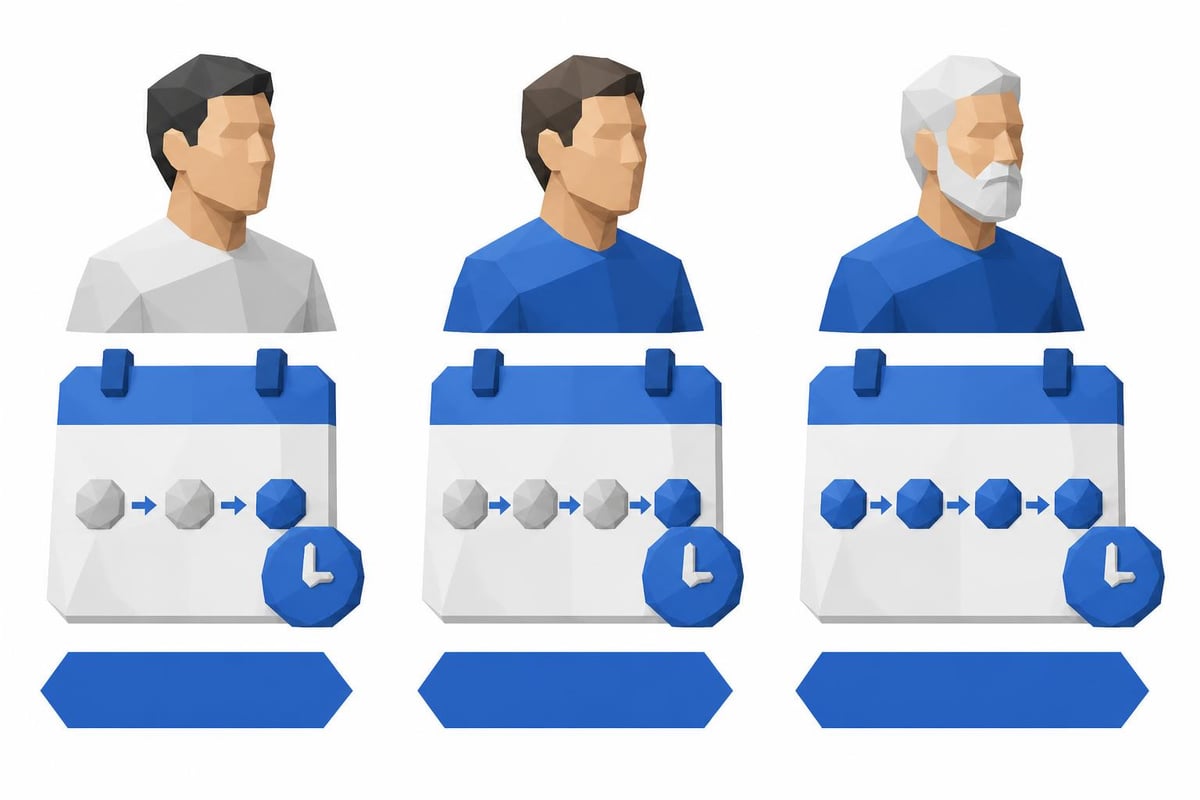
Men experiencing rapid PSA increases may require testing every six months to establish patterns. Conversely, men over 70 with consistently low PSA levels and other health concerns might reasonably reduce testing frequency or discontinue screening after discussion with their healthcare provider.
Understanding Elevated PSA Levels
Interpreting PSA results requires understanding that "elevated" is context-dependent. What constitutes a concerning level varies by age, race, prostate size, and individual baseline measurements.
Normal vs. Elevated Ranges
Traditionally, PSA levels below 4.0 ng/mL were considered normal, while anything above raised concerns. Contemporary understanding recognizes this threshold as overly simplistic. The Prostate Cancer Foundation of Australia notes that younger men should maintain lower PSA levels than older men with naturally enlarging prostates.
| Age Range | Low Risk | Moderate Concern | Higher Concern |
|---|---|---|---|
| 40-49 | Below 2.5 ng/mL | 2.5-4.0 ng/mL | Above 4.0 ng/mL |
| 50-59 | Below 3.5 ng/mL | 3.5-4.0 ng/mL | Above 4.0 ng/mL |
| 60-69 | Below 4.0 ng/mL | 4.0-5.5 ng/mL | Above 5.5 ng/mL |
| 70+ | Below 5.0 ng/mL | 5.0-6.5 ng/mL | Above 6.5 ng/mL |
These ranges serve as general guidelines. Your healthcare provider considers multiple factors when interpreting your specific results.
What Causes Elevated PSA
Numerous conditions beyond cancer can raise PSA levels. Benign prostatic hyperplasia, affecting most men as they age, commonly elevates PSA as the enlarged prostate produces more of the protein. This condition causes urinary symptoms but isn't cancerous.
Prostatitis, whether bacterial infection or chronic inflammation, significantly raises PSA levels. Recent medical procedures involving the prostate, including biopsies, catheterization, or cystoscopy, temporarily spike PSA concentrations. Even digital rectal examinations can cause minor temporary increases.
According to WebMD, certain medications used to treat benign prostatic hyperplasia actually lower PSA levels, potentially masking underlying problems. Men taking finasteride or dutasteride require adjusted interpretation of their results.
Advanced PSA Testing Options
Beyond the standard total PSA test, several specialized versions provide additional diagnostic information when initial results raise concerns.
Free PSA and PSA Ratio
PSA exists in blood in two forms: bound to proteins or circulating freely. The free PSA test measures the percentage of unbound PSA. Men with prostate cancer typically show lower percentages of free PSA compared to those with benign conditions.
A free PSA percentage below 10% suggests higher cancer risk, while percentages above 25% more often indicate benign conditions. This test helps men with borderline total PSA levels (4-10 ng/mL) decide whether to pursue biopsy.
PSA Density and Velocity
PSA density accounts for prostate size by dividing PSA level by prostate volume measured through imaging. Higher density suggests cancer risk since a smaller gland producing substantial PSA raises more concern than the same PSA from a larger gland.
PSA velocity tracks the rate of PSA increase over time. Rapid rises, particularly increases exceeding 0.75 ng/mL per year, warrant investigation even when absolute values remain within normal ranges. This measurement requires consistent testing intervals to generate meaningful data.

Accessing PSA Testing Conveniently
Modern healthcare delivery has evolved to provide more accessible testing options. Many men appreciate the ability to monitor their prostate health without navigating complex insurance requirements or scheduling multiple doctor appointments.
Self-Pay Testing Advantages
Self-pay laboratory services offer transparent pricing and direct access to testing. Men can order lab tests without insurance complications, often at lower costs than insurance-negotiated rates after deductibles and copays.
Benefits of direct-access testing include:
- No referral requirements
- Transparent, upfront pricing
- Convenient online ordering
- Fast results turnaround
- Privacy and discretion
These services typically deliver results within 1-3 days, allowing men to quickly share findings with their healthcare providers for interpretation and next steps. Learning how it works can help you understand the streamlined process from ordering to receiving results.
Cost Considerations
PSA testing costs vary significantly depending on whether you use insurance, pay out-of-pocket through traditional providers, or utilize self-pay services. Many men find that direct-pay options offer better value, particularly those with high-deductible insurance plans.
Some self-pay testing qualifies for reimbursement through health savings accounts or flexible spending accounts. Checking FSA/HSA eligible tests helps maximize healthcare dollars while maintaining control over your screening schedule.
Taking Action on PSA Results
Receiving your PSA results marks the beginning, not the end, of the process. Understanding appropriate next steps ensures you respond effectively to your findings.
Following Up on Normal Results
Normal PSA results provide reassurance but don't guarantee absence of prostate problems. Maintain your established testing schedule and report any urinary symptoms to your healthcare provider between tests. Changes in urination frequency, difficulty starting or stopping flow, or blood in urine warrant prompt medical attention regardless of recent PSA results.
Document your results and track trends over time. MedlinePlus offers detailed information about interpreting PSA blood test results and understanding what your specific numbers mean in context.
Addressing Elevated Results
Elevated PSA doesn't confirm cancer. Your healthcare provider will likely recommend additional evaluation, potentially including:
- Repeat testing to confirm the elevation
- Free PSA testing for better risk assessment
- Digital rectal examination to assess the prostate physically
- Prostate imaging through MRI
- Biopsy if other findings suggest significant cancer risk
Many men with elevated PSA ultimately receive diagnoses of benign conditions requiring minimal or no treatment. However, some elevations do indicate cancer, making appropriate follow-up essential for early detection when treatment is most effective.
Managing Anxiety Around Testing
PSA screening generates significant anxiety for many men, particularly when results fall outside normal ranges. Remember that testing aims to detect problems early when intervention offers the best outcomes. Discuss concerns openly with healthcare providers and seek support from family or counseling if anxiety becomes overwhelming.
Understanding that most elevated PSA results don't indicate cancer helps maintain perspective during the evaluation process. Focus on the value of information rather than worst-case scenarios while awaiting additional test results.
Special Populations and PSA Testing
Certain groups require modified approaches to PSA screening based on unique considerations affecting test interpretation or risk profiles.
Older Men and Life Expectancy
Men over 70, particularly those with other serious health conditions, should carefully consider whether continued PSA screening provides meaningful benefit. Prostate cancer typically grows slowly, and men with limited life expectancy from other causes may never experience symptoms from early-stage prostate cancer.
Discontinuing screening after age 75 is reasonable for many men, though those with exceptional health and longer life expectancies might continue monitoring if they desire. These decisions should reflect personal values and comprehensive health assessments.
Men with Previous Prostate Treatment
Men who've undergone prostate cancer treatment require different PSA monitoring approaches. Following radical prostatectomy (complete prostate removal), PSA should become undetectable. Any measurable PSA after surgery suggests possible cancer recurrence.
After radiation therapy, PSA typically drops gradually over months to years. Monitoring tracks these declines and watches for subsequent rises indicating treatment failure. These men often require more frequent PSA testing than those undergoing routine screening.
Understanding when to start PSA testing, appropriate testing frequency, and what constitutes concerning results empowers you to take charge of your prostate health through informed decision-making. Whether you're beginning screening at the recommended age or maintaining ongoing monitoring, consistent testing provides valuable information about your prostate status. Justlabs makes PSA monitoring convenient and affordable with transparent pricing, quick turnaround times, and no insurance hassles, allowing you to maintain your preferred screening schedule and share results directly with your healthcare provider for personalized guidance.