
Monitoring Labs for Long Term Metformin Users
Metformin remains the first-line medication for type 2 diabetes management worldwide, with millions of patients relying on this medication for years or even decades. While metformin is generally safe and well-tolerated, long-term use requires systematic laboratory monitoring to prevent deficiencies and detect potential complications early. Understanding which labs to track, how often to test them, and what results mean can help patients and providers optimize diabetes management while minimizing risks.
Big picture
- Metformin is highly effective but not risk-free: Long-term use can deplete vitamin B12 and requires ongoing kidney function monitoring to prevent rare but serious complications like lactic acidosis.
- Regular lab testing protects your health: Monitoring labs for long term metformin users should include vitamin B12 levels, kidney function panels (creatinine and eGFR), and periodic metabolic assessments to ensure the medication remains safe and effective.
- Testing frequency varies by risk: Most patients need annual monitoring, but those with kidney disease, older adults, or people taking higher doses may require testing every 3-6 months.
- Deficiencies develop slowly: Vitamin B12 depletion can take years to manifest, making proactive monitoring essential before symptoms like neuropathy or anemia appear.
- Self-pay testing offers control: Services like Justlabs allow patients to order necessary monitoring labs without insurance delays or requiring doctor appointments for routine follow-up tests.
- Action step: If you've been taking metformin for more than one year without recent labs, schedule vitamin B12 and kidney function testing within the next month to establish your baseline.
Why Metformin Requires Ongoing Laboratory Surveillance
Metformin works primarily by reducing glucose production in the liver and improving insulin sensitivity in peripheral tissues. Unlike many diabetes medications, it doesn't cause weight gain or hypoglycemia when used alone, making it an attractive first-line option.
However, the FDA metformin prescribing information highlights several important safety considerations that require laboratory monitoring. The most significant concerns involve vitamin B12 deficiency and kidney function decline.
The Vitamin B12 Connection
Between 10-30% of long-term metformin users develop vitamin B12 deficiency, though many remain asymptomatic for years. Metformin interferes with calcium-dependent absorption of the B12-intrinsic factor complex in the terminal ileum. This effect appears dose-dependent and duration-dependent.
The MHRA Drug Safety Update on metformin and vitamin B12 recommends specific monitoring for patients at increased risk, including those with:
- Symptoms suggesting vitamin B12 deficiency (neuropathy, glossitis, cognitive changes)
- Risk factors for deficiency (vegetarian/vegan diet, age over 65, gastric surgery)
- Anemia or macrocytosis on routine blood counts
- Duration of metformin therapy exceeding 3-4 years
Essential Laboratory Panels for Metformin Monitoring
Effective monitoring labs for long term metformin users should encompass several key areas. These tests work together to provide a comprehensive picture of medication safety and metabolic control.
Kidney Function Assessment
Serum creatinine and estimated glomerular filtration rate (eGFR) represent the cornerstone of metformin safety monitoring. Metformin is renally cleared, and impaired kidney function increases the risk of drug accumulation and potentially life-threatening lactic acidosis.
| eGFR Range (mL/min/1.73m²) | Metformin Recommendation | Testing Frequency |
|---|---|---|
| ≥60 | Safe to continue | Annually |
| 45-59 | Continue with caution; assess risk-benefit | Every 3-6 months |
| 30-44 | Maximum dose 1000 mg daily; close monitoring | Every 3 months |
| <30 | Contraindicated; discontinue | Not applicable |
The KDIGO 2022 clinical practice guideline provides evidence-based thresholds for medication adjustment in patients with chronic kidney disease. These recommendations have evolved over time, with earlier guidelines being more conservative.
Current eGFR should be assessed before starting metformin and monitored at least annually. Patients with borderline kidney function (eGFR 45-60) or those at risk for kidney disease progression require more frequent testing.
Metabolic and Glycemic Control Markers
While not specific to metformin safety, these tests evaluate treatment effectiveness:
Hemoglobin A1c (HbA1c) measures average blood glucose over the preceding 2-3 months. For most adults with type 2 diabetes, a target of less than 7% is appropriate, though individualized goals may differ.
Fasting glucose provides a snapshot of current glycemic control and can help detect treatment failure earlier than A1c alone.
Liver function tests (ALT, AST, bilirubin) are recommended periodically, as metformin is occasionally associated with hepatotoxicity, though this remains rare.
Vitamin and Mineral Status
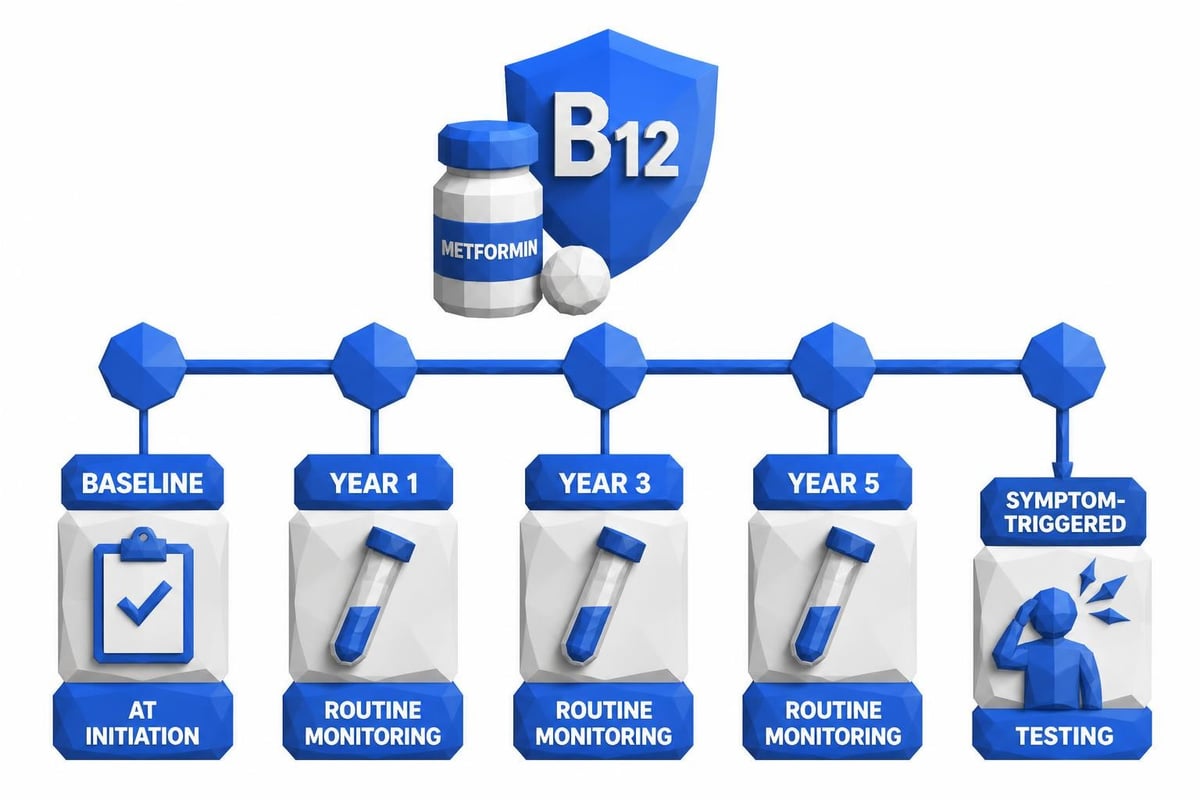
Vitamin B12 (cobalamin) testing should occur at baseline and then annually for monitoring labs for long term metformin users. Some experts recommend testing every 1-2 years for low-risk patients and annually for those with risk factors.
Methylmalonic acid (MMA) and homocysteine serve as functional markers of B12 deficiency when serum B12 levels are borderline (200-400 pg/mL). These tests become elevated before clinical symptoms appear.
Complete blood count (CBC) can detect macrocytic anemia, an early sign of B12 deficiency, though neurologic damage can occur even without anemia.
Risk-Based Monitoring Strategies
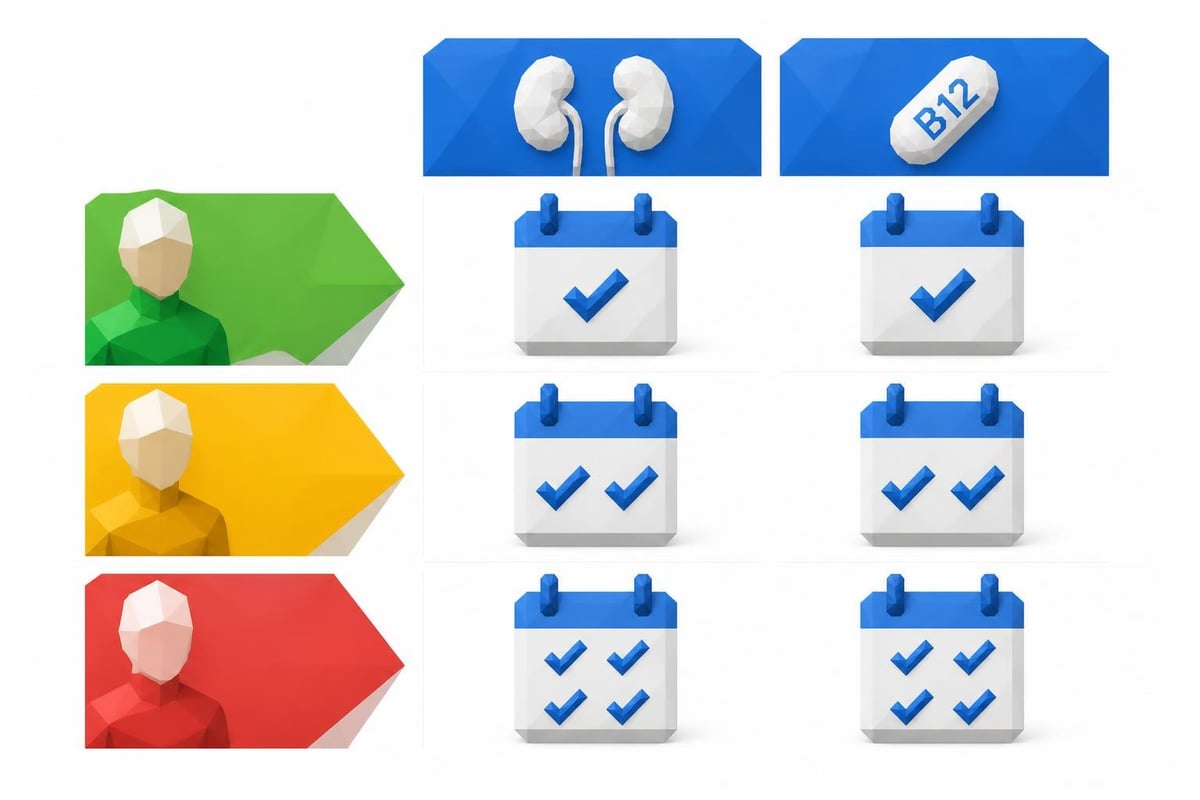
Not all metformin users require identical surveillance protocols. Tailoring monitoring labs for long term metformin users based on individual risk factors optimizes resource utilization while maintaining safety.
High-Risk Populations Requiring Intensive Monitoring
Several patient groups warrant more frequent laboratory assessment:
Older adults (age 65+) experience age-related decline in kidney function and have higher rates of B12 deficiency independent of metformin use. These patients benefit from kidney function testing every 6 months and annual B12 screening.
Patients with chronic kidney disease already have compromised renal function. According to NICE guidance for type 2 diabetes, these individuals require quarterly kidney function monitoring and careful dose adjustment.
Those taking additional medications that affect kidney function (NSAIDs, ACE inhibitors, diuretics) or B12 absorption (proton pump inhibitors, H2 blockers) face compounded risks.
Individuals with gastrointestinal conditions such as inflammatory bowel disease, celiac disease, or previous gastric surgery have baseline B12 malabsorption that metformin exacerbates.
Standard-Risk Monitoring Protocol
For otherwise healthy adults under 65 with normal baseline kidney function, a reasonable approach includes:
- Baseline labs (before starting metformin): kidney function panel, B12 level, CBC, liver function tests
- First-year monitoring: repeat kidney function at 6 months, then annually if stable
- Ongoing surveillance: annual kidney function, B12 every 1-2 years, A1c every 3-6 months based on glycemic control
- Symptom-triggered testing: immediate evaluation if symptoms of lactic acidosis, B12 deficiency, or kidney dysfunction develop
Recognizing and Responding to Abnormal Results
Understanding what laboratory abnormalities mean and how to respond empowers patients to advocate for appropriate care adjustments.
Low Vitamin B12 Levels
Serum B12 below 200 pg/mL indicates deficiency requiring treatment. Supplementation typically begins with 1000-2000 mcg daily of oral B12 or periodic intramuscular injections.
Importantly, continuing metformin while supplementing B12 is generally safe and effective. Most patients don't require metformin discontinuation unless they cannot maintain adequate B12 levels despite supplementation.
Declining Kidney Function
eGFR dropping by more than 5 mL/min/1.73m² annually signals progressive kidney disease requiring nephrology consultation. Metformin dose reduction or discontinuation may become necessary.
eGFR between 30-45 requires careful assessment of risk versus benefit. Many clinicians continue metformin at reduced doses (maximum 1000 mg daily) with close monitoring, as the cardiovascular and metabolic benefits often outweigh risks in stable patients.
Elevated Lactate Levels
While routine lactate testing isn't recommended for asymptomatic patients, symptoms of lactic acidosis (rapid breathing, muscle pain, weakness, abdominal discomfort) require immediate evaluation. The StatPearls review of metformin-associated lactic acidosis describes presentation and management of this rare but serious complication.
Serum lactate above 5 mmol/L with acidosis (pH <7.35) represents a medical emergency requiring metformin discontinuation and supportive care.
Practical Considerations for Obtaining Monitoring Labs
Traditional healthcare systems sometimes create barriers to timely monitoring labs for long term metformin users. Insurance authorization requirements, scheduling delays, and coordination challenges can postpone essential surveillance.
Self-Pay Laboratory Testing Options
Direct-to-consumer lab services address many of these friction points. Patients can order lab tests online without insurance complexity or prior authorization delays.
Recommended Panel
Complete Metabolic Health Panel
Save $3.5This comprehensive panel evaluates all aspects of metabolic health: organ function, cholesterol, blood sugar, insulin resistance, and inflammation - the key drivers of chronic disease.
Includes 26 biomarkers
$50
Fasting required
This approach offers several advantages:
- Transparency: upfront pricing without surprise bills or insurance denials
- Speed: results typically available within 1-3 days rather than weeks
- Convenience: walk-in appointments at thousands of locations nationwide
- Control: patients can monitor their own health proactively rather than waiting for annual appointments
For patients concerned about costs, many monitoring labs for long term metformin users qualify as preventive care and may be eligible for health savings account (HSA) or flexible spending account (FSA) reimbursement.
Coordinating Results with Your Healthcare Provider
While self-pay testing provides convenience and speed, sharing results with your prescribing physician remains essential. Laboratory values require clinical interpretation within the context of symptoms, medication doses, and overall health status.
Most providers appreciate when patients take initiative in monitoring their health, particularly for well-established chronic medications like metformin. Consider:
- Scheduling a telehealth or in-person visit to review results
- Using patient portal messaging to share laboratory reports
- Requesting standing orders for periodic monitoring if your provider is supportive
Special Situations Requiring Modified Monitoring
Certain clinical scenarios demand adjusted surveillance protocols beyond standard monitoring labs for long term metformin users.
Acute Illness and "Sick Day" Management
During episodes of dehydration, severe infection, or acute kidney injury, metformin should be temporarily held to prevent lactic acidosis. These situations warrant urgent laboratory evaluation:
- Kidney function panel (creatinine, eGFR)
- Serum lactate
- Blood gas analysis if acidosis is suspected
- Electrolytes and glucose
Metformin can be resumed once kidney function returns to baseline and the acute illness resolves.
Pre-Procedural Evaluation
Before surgery or contrast imaging studies, many institutions require kidney function assessment within 30 days of the procedure. Metformin is typically held for 48 hours after contrast administration to minimize lactic acidosis risk.
Pregnancy Planning and Gestational Diabetes
Women taking metformin who become pregnant or plan pregnancy require modified monitoring. While metformin is increasingly used in pregnancy, B12 status becomes particularly important for fetal neural development.
Emerging Research and Future Monitoring Paradigms
The landscape of diabetes monitoring continues evolving as research reveals new insights about metformin's long-term effects.
Recent studies suggest potential benefits of metformin beyond glucose control, including cardiovascular protection and possible longevity effects. However, these potential benefits must be balanced against documented risks, reinforcing the importance of consistent monitoring labs for long term metformin users.
Biomarkers Under Investigation
Researchers are exploring additional markers that might predict metformin-related complications:
Genetic polymorphisms in organic cation transporters (OCT1, OCT2) influence metformin absorption and clearance. Future personalized medicine approaches may use genetic testing to identify patients at higher risk for adverse effects.
Advanced glycation end products (AGEs) and inflammatory markers may help predict which patients derive maximum benefit from continued metformin therapy versus those who should transition to alternative medications.
Microbiome analysis could explain variation in B12 deficiency rates, as gut bacteria contribute to B12 production and absorption.
Key Takeaways
Understanding the rationale and protocols for monitoring labs for long term metformin users empowers patients to participate actively in their diabetes care. Regular surveillance of kidney function prevents dangerous medication accumulation, while vitamin B12 monitoring catches deficiencies before irreversible neurologic damage occurs.
The specific testing schedule should be individualized based on age, kidney function, comorbidities, and other medications. Most patients require annual kidney function and B12 testing at minimum, with higher-risk individuals benefiting from more frequent surveillance.
Advances in direct-to-consumer laboratory services make proactive monitoring more accessible than ever. Rather than waiting for annual appointments, patients can obtain timely results and identify problems early when intervention is most effective.
FAQ
How often should I check my vitamin B12 if I take metformin?
Most experts recommend checking vitamin B12 levels annually for monitoring labs for long term metformin users, though low-risk patients may extend this to every 2 years. If you have risk factors like age over 65, vegetarian diet, or take acid-suppressing medications, annual testing is preferred. Baseline testing before starting metformin helps establish your normal range.
Can I continue taking metformin if my vitamin B12 is low?
Yes, in most cases. Low B12 levels can be corrected with oral supplements (1000-2000 mcg daily) or periodic injections while continuing metformin. Discontinuing metformin is rarely necessary unless you cannot maintain adequate B12 levels despite supplementation. Your provider will monitor your response to treatment with repeat testing.
What eGFR level means I have to stop metformin?
Metformin is contraindicated when eGFR falls below 30 mL/min/1.73m². Between 30-44, maximum dose is 1000 mg daily with close monitoring. The KDIGO diabetes guideline provides detailed recommendations for dose adjustment based on kidney function. If your eGFR is declining, discuss alternatives with your physician.
Do I need to fast before metformin monitoring labs?
This depends on which tests your provider orders. Fasting glucose requires 8-12 hours of fasting, while kidney function panels (creatinine, eGFR) and vitamin B12 don't require fasting. A1c can be drawn anytime. If multiple tests are ordered together, fasting is usually recommended. Confirm requirements when scheduling your appointment.
How quickly can vitamin B12 deficiency develop on metformin?
Vitamin B12 stores typically last 2-5 years, so deficiency develops gradually. Most cases emerge after 3-4 years of continuous metformin use, though individuals with baseline low stores or malabsorption may develop deficiency sooner. This slow progression makes regular monitoring labs for long term metformin users essential, as early intervention prevents neurologic complications.
What symptoms suggest I need urgent metformin monitoring?
Seek immediate evaluation if you experience severe muscle pain or weakness, unusual fatigue, difficulty breathing, abdominal pain, or feeling cold. These could indicate lactic acidosis, a rare but serious complication. Numbness, tingling in hands or feet, balance problems, or memory issues may signal B12 deficiency requiring testing. Contact your provider promptly with concerning symptoms.
Are there any at-home tests for monitoring metformin safety?
Currently, no reliable at-home tests exist for vitamin B12 or kidney function. While some direct-to-consumer B12 tests are available, they lack the accuracy of laboratory testing. Kidney function assessment requires blood draw for creatinine measurement and eGFR calculation. Home glucose monitoring helps track diabetes control but doesn't replace laboratory monitoring for metformin safety.
How much do monitoring labs typically cost without insurance?
Costs vary by location and specific tests ordered. A basic kidney function panel typically ranges from $20-50, while vitamin B12 testing costs $25-75. Complete metabolic panels run $25-60. Bundled wellness panels that include multiple relevant markers often provide better value than ordering tests individually through traditional lab networks with inflated pricing.
Regular laboratory monitoring protects your health and ensures metformin remains a safe, effective tool for diabetes management. By understanding which tests matter and when to obtain them, you can take an active role in preventing complications before they develop. Whether you need kidney function assessment, vitamin B12 screening, or comprehensive metabolic evaluation, Justlabs offers transparent, affordable access to the monitoring labs for long term metformin users with results in 1-3 days and no insurance hassles.