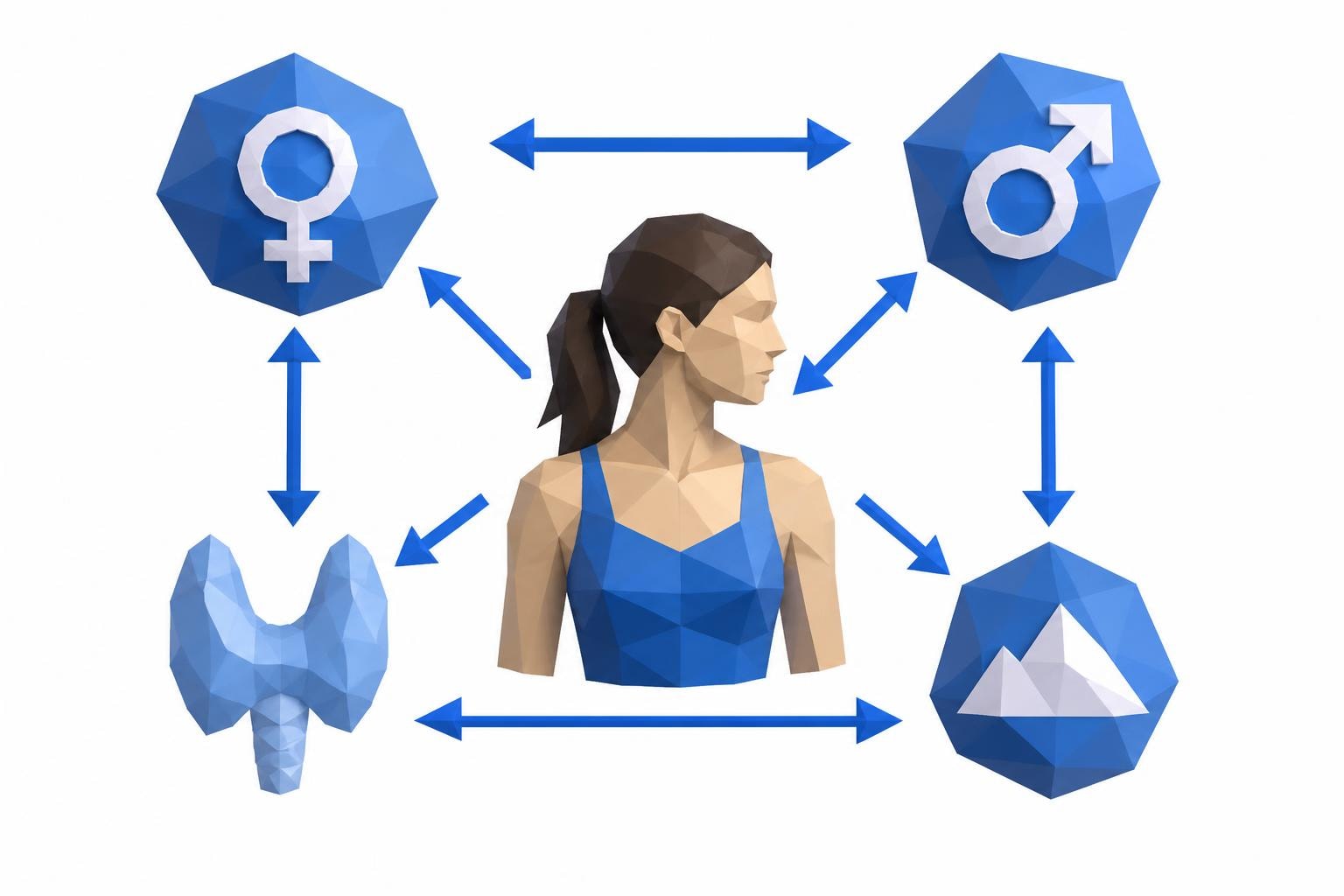
Decreased sexual desire affects approximately 40% of women at some point in their lives, making it one of the most common sexual health concerns. When libido declines, the underlying cause often traces back to hormonal imbalances that remain invisible without proper testing. Understanding which hormones to test and what those results mean provides the foundation for addressing this complex issue effectively.
Big picture
- Low libido in women frequently stems from imbalances in four key hormones: estrogen, testosterone, thyroid hormones, and cortisol, each playing distinct roles in sexual desire and arousal
- Hormonal testing provides objective data that helps identify specific deficiencies or excesses, moving beyond guesswork to targeted intervention strategies
- Women in their 30s, 40s, and 50s experience the highest rates of libido changes, particularly during perimenopause, postpartum periods, and times of chronic stress
- The 4-hormone workup offers a comprehensive starting point for investigation, though individual circumstances may require additional testing based on symptoms and medical history
- Taking action begins with baseline testing to establish your current hormone levels, enabling you to track changes over time and measure the effectiveness of any interventions
- Access to testing has become more straightforward through services that allow you to order lab tests without a doctor, making the diagnostic process faster and more affordable
Understanding the Connection Between Hormones and Sexual Desire
Sexual desire exists as a complex interplay of physical, emotional, and biochemical factors. While relationship dynamics, stress levels, and mental health all contribute to libido, hormones serve as the biological foundation that makes sexual desire possible.
The hormonal causes of low libido in women extend beyond a single deficiency. Rather, sexual health depends on the delicate balance between multiple hormone systems working in concert. When even one hormone falls out of optimal range, the ripple effects can significantly diminish sexual interest and response.
Why Standard Blood Work Misses the Mark
Many women undergo routine physical examinations that include basic blood panels, yet these standard tests rarely include the specific markers that reveal libido-related hormone imbalances. A typical annual physical might check cholesterol and blood glucose but skip the hormones most directly connected to sexual function.
This gap in standard testing means that hormonal causes of low libido often go undiagnosed for years. Women receive vague reassurances that "everything looks normal" while continuing to struggle with diminished desire that profoundly affects their quality of life and relationships.
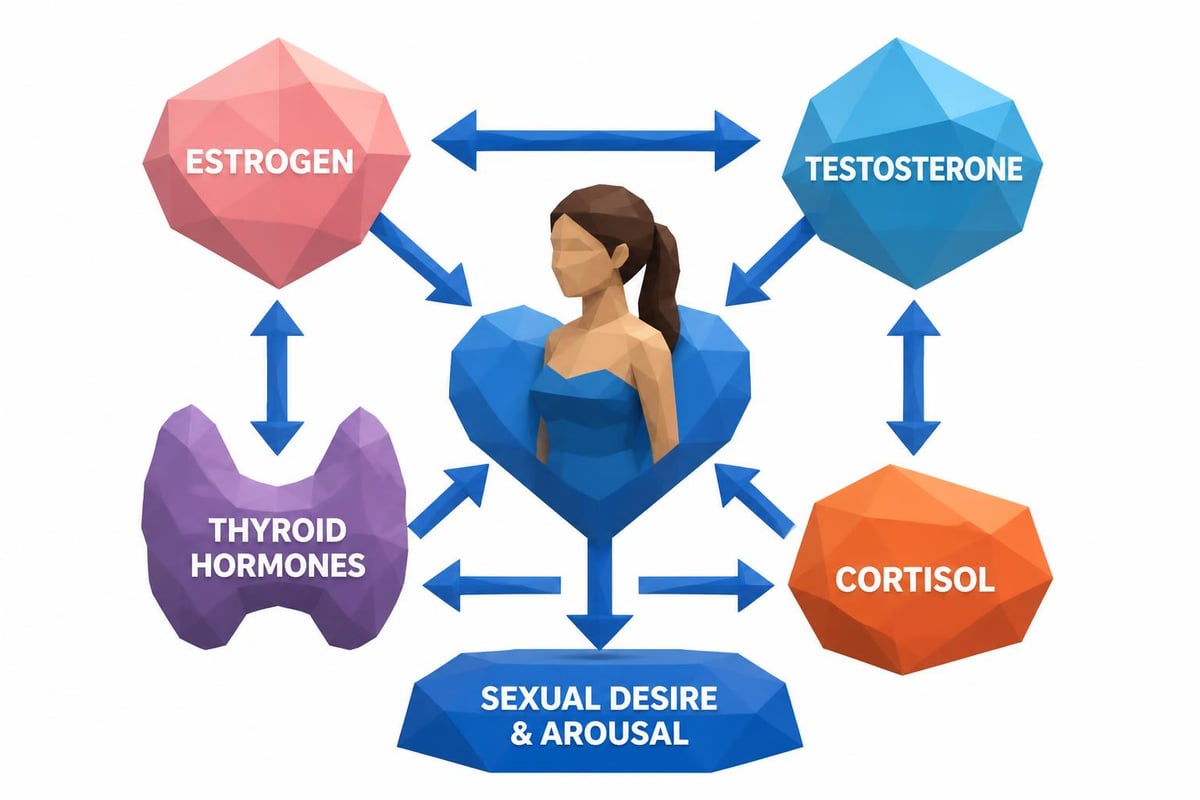
The Four Essential Hormones in the Low Libido Workup
A comprehensive low libido in women the 4-hormone workup examines estrogen, testosterone, thyroid function, and cortisol levels. Each hormone contributes uniquely to sexual health, and deficiencies in any single area can manifest as reduced desire.
Estrogen: The Foundation of Female Sexual Health
Estrogen maintains vaginal tissue health, supports natural lubrication, and contributes to overall sexual responsiveness. When estrogen levels decline-whether due to menopause, perimenopause, or certain medical conditions-women often experience physical changes that make sex uncomfortable or less pleasurable.
Key estrogen markers to test:
- Estradiol (E2): The primary and most potent form of estrogen
- Estrone (E1): Becomes more dominant after menopause
- Estriol (E3): Less commonly tested but relevant during pregnancy
Beyond physical symptoms, estrogen deficiency affects mood and energy, both of which indirectly influence sexual desire. Women with low estrogen frequently report brain fog, irritability, and fatigue that compound the direct effects on libido.
Testosterone: Not Just a Male Hormone
Despite being categorized as a "male" hormone, testosterone plays a crucial role in female sexual desire. Women produce testosterone in smaller quantities than men, but these levels remain essential for maintaining libido, arousal, and sexual satisfaction.
| Testosterone Marker | What It Measures | Why It Matters for Libido |
|---|---|---|
| Total Testosterone | Overall testosterone in blood | Provides baseline hormone level |
| Free Testosterone | Biologically active form | Directly impacts sexual desire and arousal |
| SHBG (Sex Hormone Binding Globulin) | Protein that binds testosterone | High SHBG reduces available testosterone |
According to comprehensive hormone testing protocols, free testosterone measurements often prove more revealing than total testosterone alone. A woman might have "normal" total testosterone while experiencing symptoms because too much remains bound and unavailable to tissues.
Recommended Panel
Female Hormone Panel
Save $7This comprehensive panel measures all major female hormones: estrogen, progesterone, reproductive hormones (FSH/LH), and androgens (testosterone/DHEA-S) - essential for understanding hormonal balance.
Includes 7 biomarkers
$105
Thyroid Hormones: The Metabolism-Libido Connection
Thyroid dysfunction affects every system in the body, including reproductive and sexual health. Both hypothyroidism (underactive thyroid) and hyperthyroidism (overactive thyroid) can suppress sexual desire, though through different mechanisms.
Hypothyroidism slows metabolism, leading to:
- Persistent fatigue that leaves no energy for intimacy
- Weight gain and body image concerns
- Depression and low mood
- Reduced blood flow to sexual organs
Essential thyroid tests for the libido workup:
- TSH (Thyroid Stimulating Hormone)
- Free T4 (thyroxine)
- Free T3 (triiodothyronine)
- Thyroid antibodies (if autoimmune issues suspected)
The low libido in women the 4-hormone workup must include comprehensive thyroid testing rather than TSH alone. Many women have "normal" TSH levels while T3 and T4 remain suboptimal, creating symptoms that standard screening misses.
Recommended Panel
Complete Thyroid Panel
Save $3Our most comprehensive thyroid panel includes all 5 essential markers: TSH, Free T4, Free T3, Reverse T3, and both thyroid antibodies. Get the complete picture of your thyroid health.
Includes 6 biomarkers
$84
Cortisol: The Stress Hormone That Blocks Desire
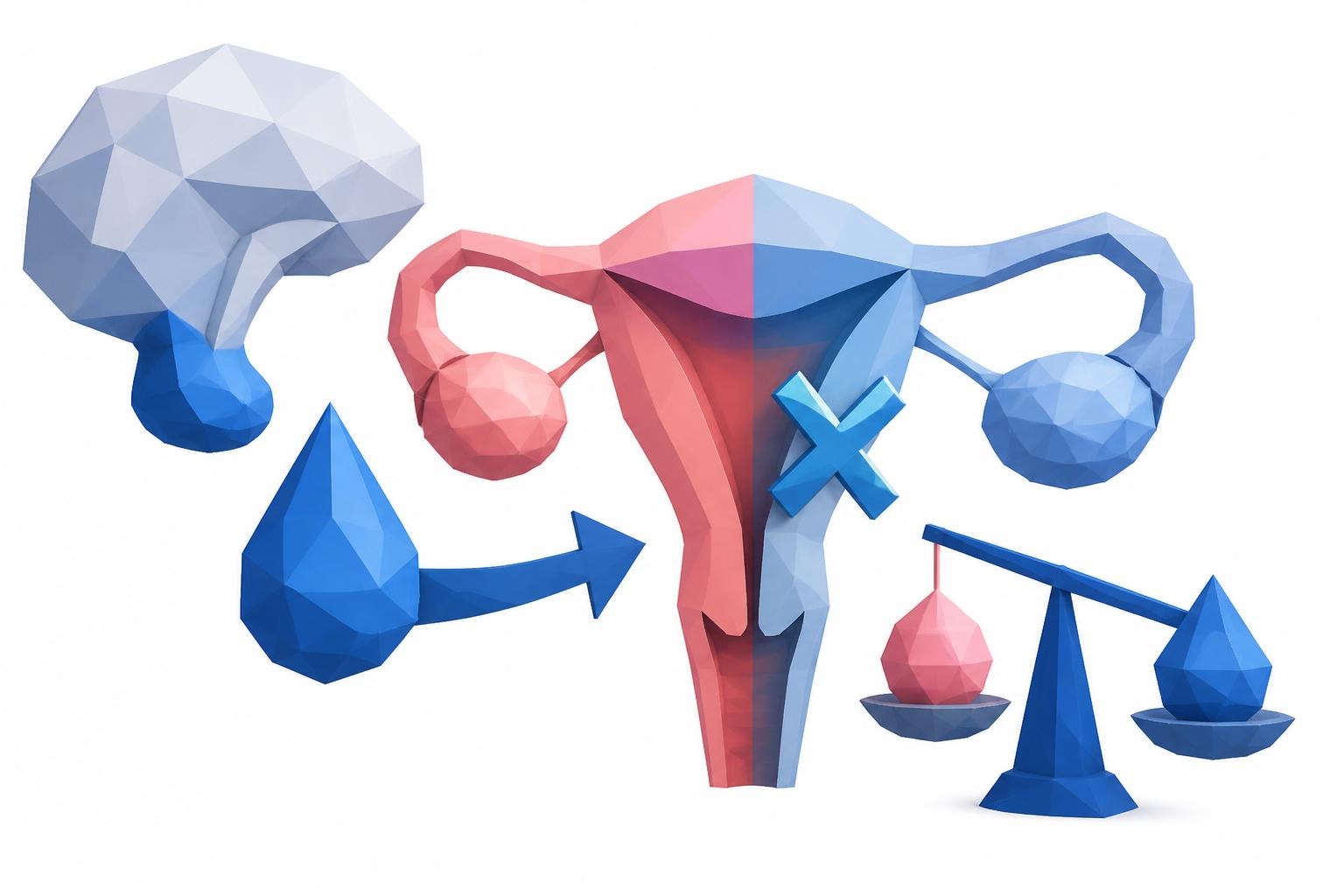
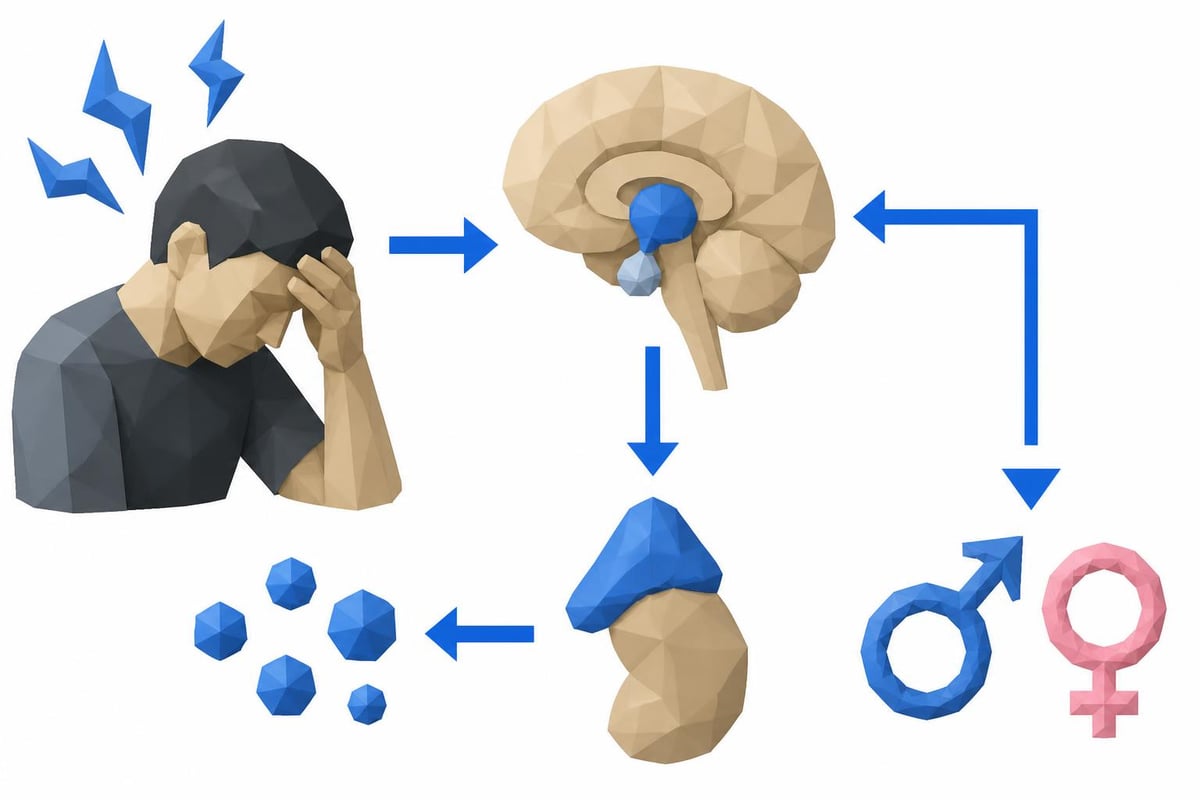
Cortisol serves essential functions during acute stress, but chronic elevation wreaks havoc on sexual health. When cortisol remains elevated for extended periods, it actively suppresses the production of sex hormones through a mechanism called the "cortisol steal."
During times of chronic stress, the body prioritizes survival over reproduction. Cortisol production takes precedence, utilizing the same precursor hormones (particularly pregnenolone) needed to create estrogen and testosterone. This biochemical reality means that sustained stress literally depletes the raw materials necessary for maintaining healthy libido.
The functional medicine approach to low libido recognizes cortisol testing as non-negotiable. Addressing sex hormone deficiencies without managing cortisol levels often yields disappointing results because the underlying stress continues to suppress hormone production.
Interpreting Your Hormone Results
Receiving lab results represents just the first step. Understanding what those numbers mean for your specific situation requires context that considers symptoms, age, medical history, and individual hormone patterns.
Beyond Reference Ranges
Laboratory reference ranges indicate statistical normalcy rather than optimal function. A result that falls within the "normal" range might still prove inadequate for maintaining healthy libido, particularly if it sits at the low end while symptoms persist.
Women's hormone levels also fluctuate throughout the menstrual cycle. Timing matters significantly when testing estrogen and progesterone. Testing during the wrong phase of your cycle can produce misleading results that suggest deficiency or excess where none exists.
For those navigating the testing process independently, understanding how lab testing works helps ensure proper timing and preparation for accurate results.
Patterns Matter More Than Single Values
The low libido in women the 4-hormone workup gains power from examining hormone relationships rather than isolated values. For example:
- High cortisol combined with low testosterone suggests stress-induced hormone suppression
- Normal estrogen with low thyroid points toward metabolic issues affecting libido
- Adequate total testosterone with high SHBG reveals that insufficient free hormone reaches target tissues
| Hormone Pattern | Common Cause | Impact on Libido |
|---|---|---|
| Low estrogen + Low testosterone | Menopause or perimenopause | Reduced desire, vaginal dryness, difficulty with arousal |
| Normal hormones + High cortisol | Chronic stress | Mental preoccupation, fatigue, prioritization of stress over intimacy |
| Low thyroid + Low testosterone | Autoimmune thyroid disease | Extreme fatigue, weight changes, complete loss of interest |
| High SHBG + Normal total testosterone | Hormonal birth control or liver issues | Symptoms of low testosterone despite normal total levels |
Who Needs the 4-Hormone Workup
While any woman experiencing decreased sexual desire can benefit from hormone testing, certain groups face higher risk of hormone-related libido issues.
Priority testing candidates include:
- Women in perimenopause or menopause experiencing sudden libido changes
- Those who have undergone hysterectomy or oophorectomy (ovary removal)
- Women taking hormonal birth control with new or persistent low desire
- Anyone with diagnosed thyroid disorders or unexplained fatigue alongside low libido
- Women under chronic stress with diminishing interest in sex
- Those who have tried lifestyle changes without improvement in sexual desire
Postpartum women represent another important group. The dramatic hormonal shifts after childbirth, combined with sleep deprivation and stress, create a perfect storm for libido suppression. Testing helps distinguish normal postpartum adjustment from clinically significant hormone imbalances requiring intervention.
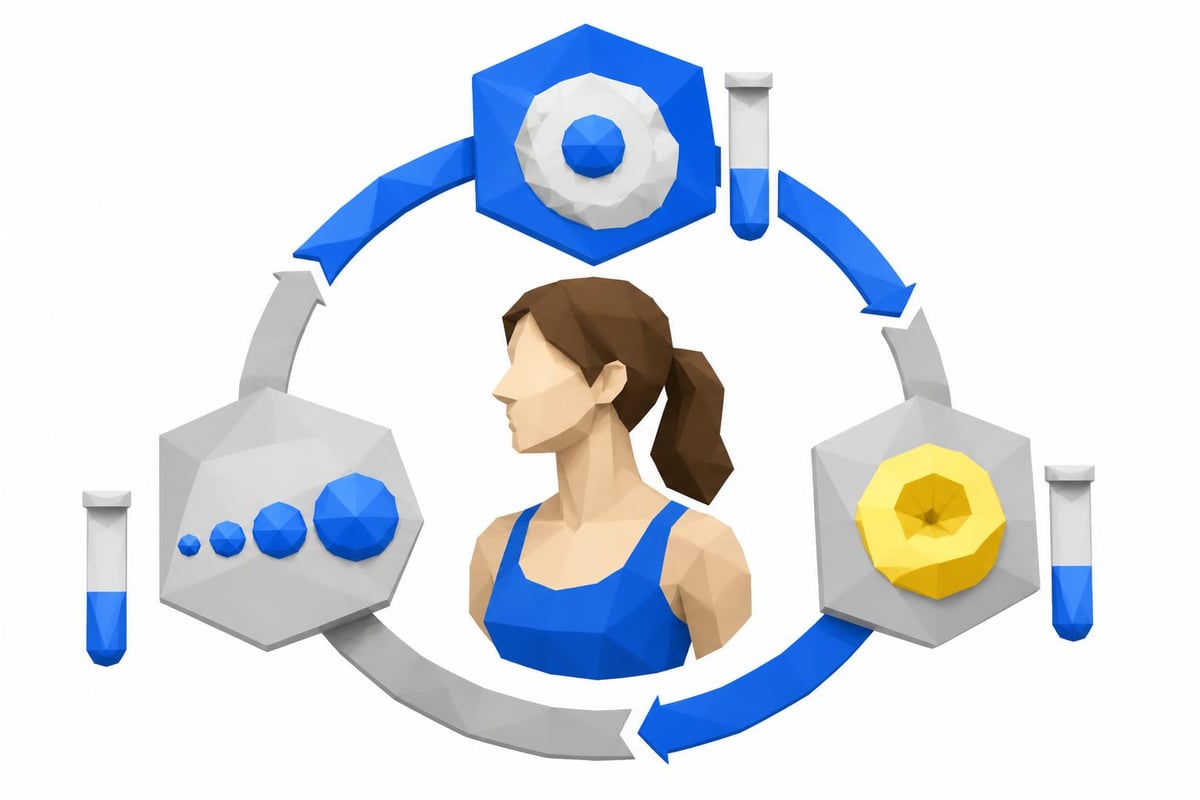
Beyond the Basic Four: When to Expand Testing
The 4-hormone workup provides comprehensive initial assessment for most women, but certain symptoms or medical histories warrant additional testing. Detailed diagnostic workups for sexual dysfunction sometimes include prolactin, DHEA-S, progesterone, and vitamin D levels.
Additional Markers to Consider
Prolactin: Elevated levels suppress sexual desire and can indicate pituitary issues. This becomes particularly relevant for women taking certain psychiatric medications or experiencing unexplained lactation.
DHEA-S: This adrenal hormone serves as a precursor to sex hormones. Low levels may indicate adrenal insufficiency contributing to low libido, while high levels might suggest PCOS.
Progesterone: While not part of the standard low libido in women the 4-hormone workup, progesterone testing becomes relevant when estrogen dominance is suspected or when testing during the luteal phase of the cycle.
Vitamin D: Though technically not a hormone in the classical sense, vitamin D deficiency correlates with reduced sexual desire and mood issues that compound libido problems.
Recommended Panel
Comprehensive Wellness Panel
Save $4.5Our most thorough health screening covers blood cells, organ function, cholesterol, thyroid, blood sugar, vitamin D, inflammation, and iron - everything you need for a complete health picture.
Includes 44 biomarkers
$94
Fasting required
The Testing Process: What to Expect
Modern hormone testing offers multiple collection methods, each with specific advantages. Blood tests remain the gold standard for most hormone measurements, providing precise quantification of circulating hormone levels.
Timing and Preparation
For menstruating women, testing estrogen and testosterone works best during days 19-21 of a 28-day cycle (or equivalent timing for longer or shorter cycles). This luteal phase testing captures peak progesterone while providing meaningful estrogen and testosterone levels.
Thyroid testing requires no special timing, though testing should occur in the morning before eating for the most consistent results. Cortisol testing presents unique timing requirements-either a morning blood draw to capture the cortisol awakening response or a four-point salivary cortisol test throughout the day to map the complete daily rhythm.
The accessibility of self-pay lab testing has simplified this process considerably. Women can now order appropriate tests, choose convenient appointment times at thousands of locations nationwide, and receive results within days-all without insurance delays or prior doctor authorization.
Comparing Testing Options and Costs
The financial aspect of hormone testing creates barriers for many women, particularly those without insurance coverage for what insurers sometimes classify as "elective" testing. Understanding the cost landscape helps in making informed decisions about when and where to test.
Traditional routes through primary care physicians or specialists often involve multiple appointment copays before tests are even ordered. Even with insurance, out-of-pocket costs vary dramatically based on deductibles and coverage policies. For those comparing major laboratory services, the price differences between Quest Diagnostics and LabCorp can influence where you choose to have blood drawn.
Transparent Pricing Models
Self-pay laboratory testing eliminates the uncertainty of insurance billing. You know the exact cost upfront, can choose which tests to include based on your symptoms and budget, and skip the gatekeeping appointments that delay diagnosis.
| Testing Component | Approximate Cost Range | Notes |
|---|---|---|
| Basic Estradiol | $30-80 | Most affordable when bundled |
| Testosterone Panel (Total + Free) | $50-120 | Free testosterone adds precision |
| Thyroid Panel (TSH, T4, T3) | $60-150 | Comprehensive panels cost more |
| Cortisol Testing | $40-100 | Blood test; salivary panels vary |
| Complete 4-Hormone Workup | $150-350 | Bundled pricing typically saves 20-40% |
The investment in comprehensive testing pays dividends by preventing the trial-and-error approach that wastes time and money on ineffective interventions. Understanding the specific hormone imbalances affecting libido allows for targeted treatment rather than generalized approaches that may not address your particular deficiency.
What Happens After Testing
Receiving your hormone results marks the beginning rather than the end of the journey. The next steps depend on what the low libido in women the 4-hormone workup reveals.
For women with clear deficiencies, hormone replacement therapy represents one treatment avenue. Bioidentical hormones, synthetic hormones, or compounded preparations might restore levels to optimal ranges. However, hormone replacement carries risks and benefits that require careful consideration with qualified healthcare providers.
Non-hormonal interventions address certain patterns effectively. When high cortisol drives the problem, stress management techniques, adaptogenic herbs, and lifestyle modifications may restore balance without direct hormone supplementation. Similarly, thyroid optimization through medication can indirectly improve sex hormone levels by normalizing metabolism.
Tracking Progress Through Retesting
Implementing any intervention requires follow-up testing to verify effectiveness. Whether trying hormone therapy, supplements, stress reduction, or lifestyle changes, retesting after 8-12 weeks shows whether your approach is working or requires adjustment.
The convenience of accessible testing makes this monitoring practical and affordable. Rather than waiting months for doctor appointments and insurance approvals, you can retest as needed to stay on top of changing hormone levels and optimize your treatment approach based on data rather than guesswork.
Key Takeaways
Understanding hormonal influences on sexual desire empowers women to move beyond frustration toward solutions. The low libido in women the 4-hormone workup provides a structured, evidence-based starting point for investigation that captures the most common hormonal causes of decreased sexual desire.
Testing estrogen, testosterone, thyroid hormones, and cortisol reveals patterns that explain symptoms and guide targeted interventions. When results show deficiencies or imbalances, treatment becomes specific rather than speculative. Women gain the knowledge needed to advocate for appropriate care and make informed decisions about hormone therapy, lifestyle changes, or other interventions.
The accessibility revolution in laboratory testing means that geographic location, insurance status, and physician availability no longer create insurmountable barriers to getting answers. Transparent pricing and rapid turnaround times make hormone testing a practical first step for any woman experiencing persistent low libido.
Remember that hormone imbalances develop gradually and resolve gradually. Patience with the testing and treatment process yields better outcomes than rushing toward quick fixes that may not address underlying causes. The investment in thorough initial testing saves time, money, and emotional energy in the long run by pointing toward effective solutions from the start.
FAQ
How accurate is the 4-hormone workup for diagnosing low libido causes?
The 4-hormone workup identifies hormonal contributions to low libido with high accuracy when testing occurs at appropriate cycle times and uses quality laboratories. However, libido involves psychological, relational, and lifestyle factors beyond hormones. The workup reveals whether hormones contribute to the problem but cannot rule out non-hormonal causes. Most experts recommend combining hormone testing with comprehensive medical history and symptom assessment for complete evaluation.
Can I do hormone testing without a doctor's order?
Yes, direct-access laboratory testing allows you to order hormone panels without a physician referral in most states. You select the tests, schedule an appointment at a nearby collection facility, and receive results directly. This approach works well for initial screening and ongoing monitoring. However, interpreting results and developing treatment plans often benefit from healthcare provider consultation, particularly when significant imbalances appear.
How often should I retest my hormone levels?
Retesting frequency depends on your specific situation and whether you are implementing interventions. For initial baseline establishment, once is sufficient. If starting hormone therapy or other treatments, retest after 8-12 weeks to assess response. For monitoring chronic conditions or optimizing long-term treatment, testing every 6-12 months helps track changes and adjust dosing. Women approaching menopause might test more frequently during the transition period when levels fluctuate rapidly.
Do birth control pills affect hormone test results?
Hormonal contraceptives significantly impact test results by suppressing natural hormone production and increasing SHBG levels. Birth control pills elevate SHBG, which binds testosterone and reduces the free hormone available to tissues. This creates a pattern of normal or high total testosterone with low free testosterone, often contributing to low libido. Testing while on hormonal contraception shows how the medication affects your hormone levels but does not reveal your natural baseline production.
What is the best time of day to test hormones?
Timing varies by hormone. Cortisol should be tested in the morning (before 10 AM) to capture peak levels, or through multiple samples throughout the day for complete rhythm assessment. Thyroid hormones remain relatively stable but testing early morning before eating provides the most consistent results. For sex hormones (estrogen, testosterone), time of day matters less than cycle day for menstruating women. Fasting is generally not required for hormone testing, though individual laboratories may have specific preparation instructions.
Can stress alone cause all four hormones to become imbalanced?
Chronic stress primarily elevates cortisol, which then creates a cascade effect on other hormones. High cortisol suppresses testosterone production through the cortisol steal mechanism and can disrupt thyroid function through effects on conversion of T4 to active T3. Stress-related sleep disruption and poor nutrition further compound hormone imbalances. While stress might not directly lower estrogen, the combined effects of elevated cortisol, disrupted sleep, and affected thyroid function create conditions where multiple hormones fall out of balance simultaneously.
Are at-home hormone test kits as accurate as laboratory blood tests?
At-home test accuracy depends on the collection method and laboratory processing. Dried blood spot tests and saliva tests provide convenience but may lack the precision of venous blood draws for certain hormones. Blood tests remain the gold standard for measuring estrogen, testosterone, and thyroid hormones. Some hormones, particularly cortisol, measure reliably through saliva. For comprehensive evaluation, laboratory blood testing offers superior accuracy and reliability, though at-home options can serve as preliminary screening tools.
How long does it take to see libido improvement after addressing hormone imbalances?
Timeline varies based on the specific hormone imbalance and treatment approach. Thyroid medication typically shows effects within 4-8 weeks as metabolism normalizes. Testosterone therapy may improve libido within 2-4 weeks, though optimal effects develop over 3-6 months. Estrogen replacement for menopausal symptoms often improves vaginal dryness within weeks but takes longer for full libido restoration. Cortisol normalization through stress management represents the slowest process, sometimes requiring 6-12 months of consistent lifestyle changes for significant improvement.
Addressing low libido in women the 4-hormone workup provides a clear diagnostic pathway that identifies specific imbalances affecting sexual desire. When you understand your hormone levels through comprehensive testing, you gain the foundation needed for targeted interventions that address root causes rather than symptoms alone. Justlabs makes this critical first step accessible and affordable, offering transparent pricing on comprehensive hormone panels with results delivered in 1-3 days-no insurance hassles, no waiting for doctor referrals, just straightforward access to the answers you need to reclaim your sexual health.