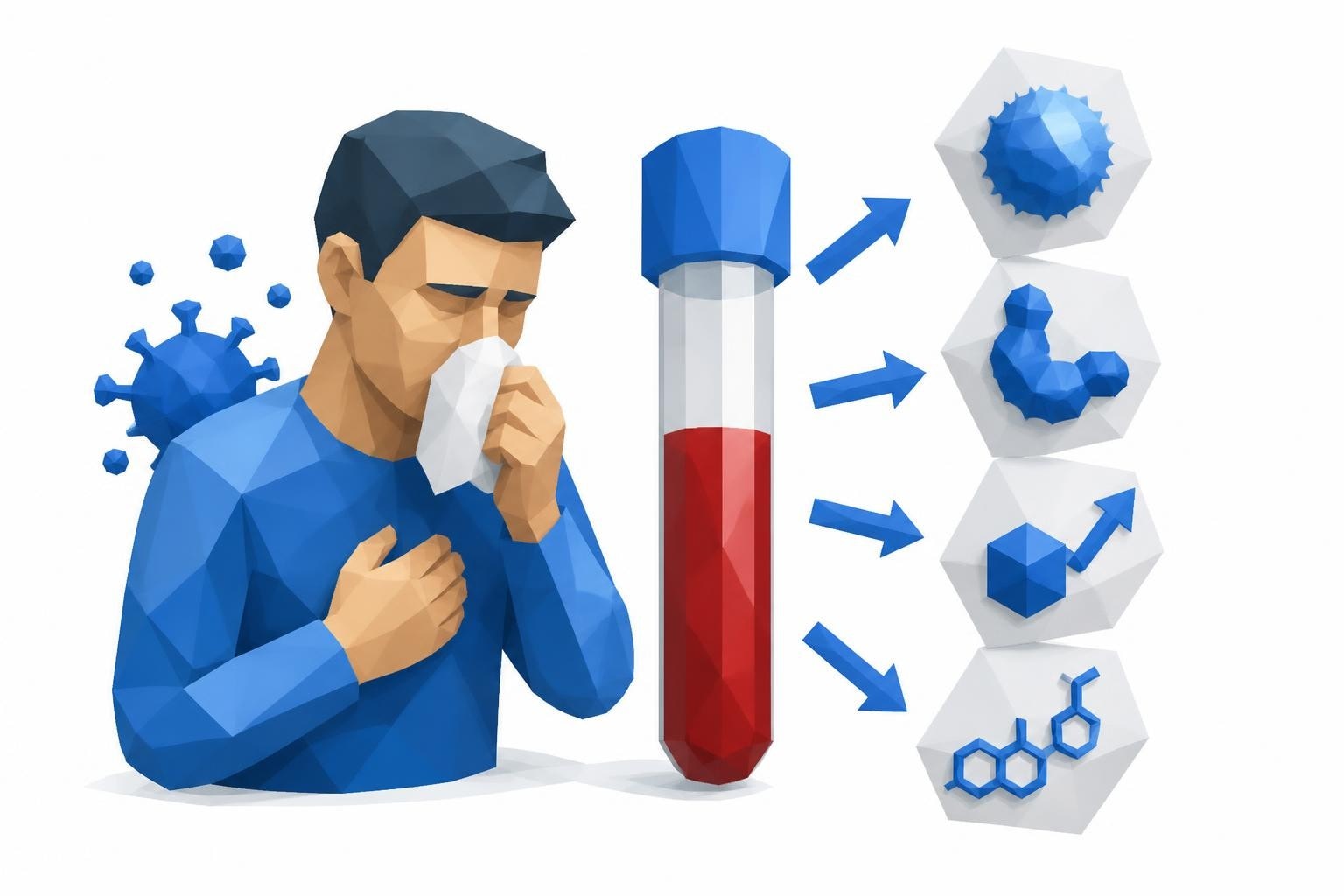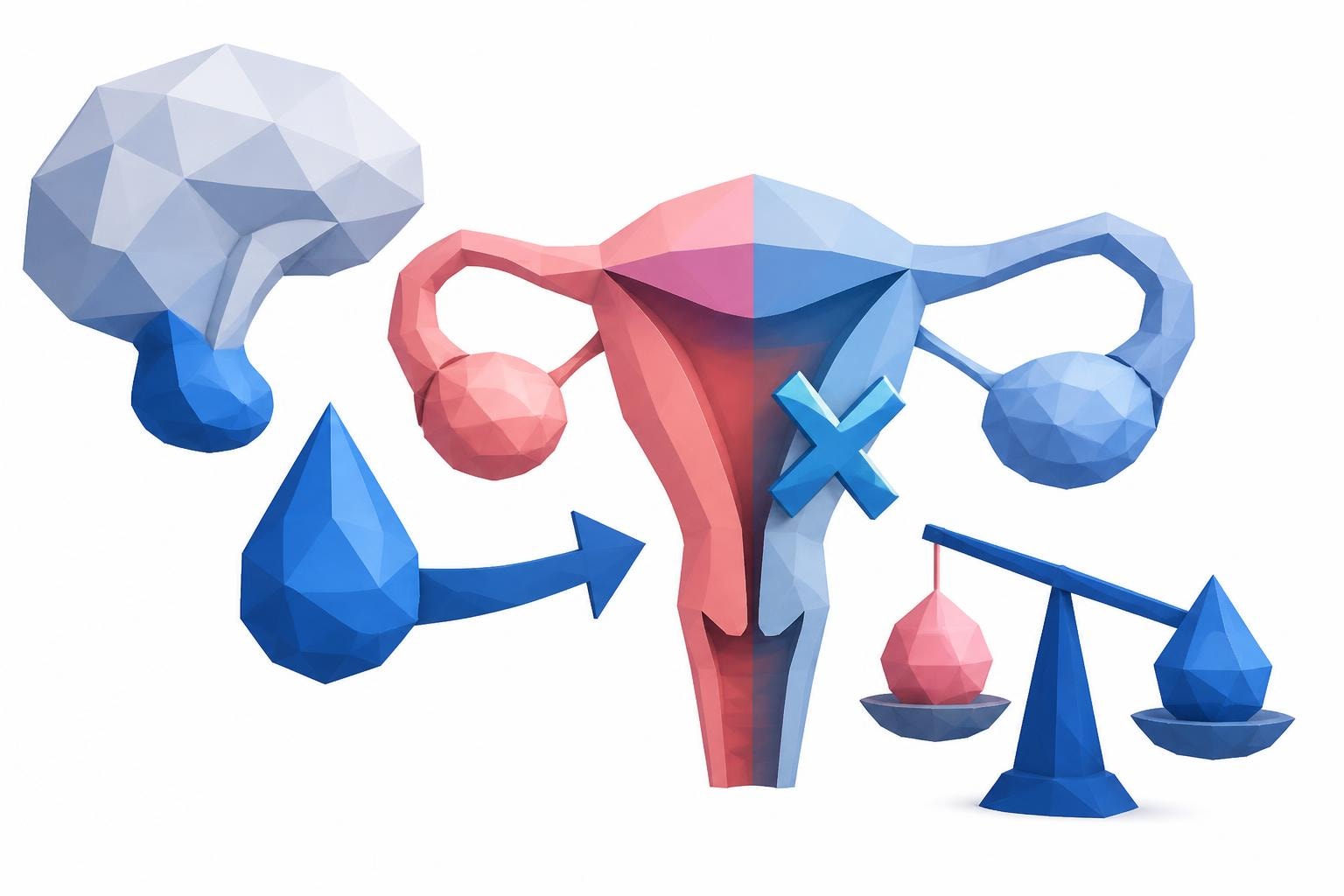
Menstrual irregularities affect millions of women, yet the underlying causes often remain undiagnosed for months or even years. While many factors can disrupt the menstrual cycle, one frequently overlooked culprit is prolactin, a hormone primarily associated with breastfeeding. Understanding prolactin the hormone behind irregular cycles is essential for anyone experiencing unpredictable periods, fertility challenges, or unexplained changes in libido. This hormone plays a complex role in reproductive health, and when levels become elevated, it can create a cascade of symptoms that significantly impact quality of life.
What Is Prolactin and Why Does It Matter
Prolactin is a hormone produced by the pituitary gland, a pea-sized structure located at the base of your brain. While most people associate this hormone exclusively with milk production after childbirth, prolactin serves multiple functions throughout the body. It influences immune system regulation, metabolic processes, and reproductive function in both women and men.
In women, normal prolactin levels fluctuate throughout the menstrual cycle and remain within a specific range when not pregnant or breastfeeding. However, when prolactin levels become abnormally elevated-a condition called hyperprolactinemia-the hormone can interfere with the normal release of reproductive hormones like estrogen and progesterone.
The Prolactin-Menstrual Cycle Connection
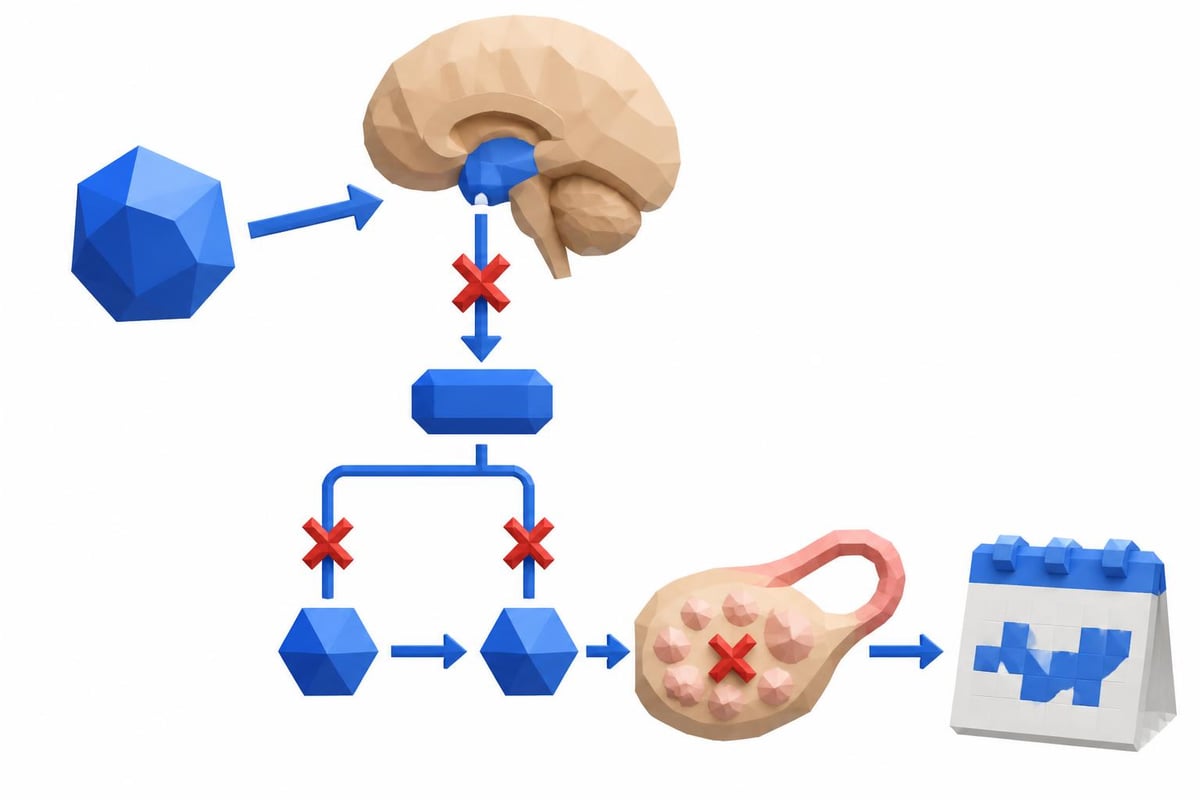
The relationship between prolactin the hormone behind irregular cycles and reproductive health centers on its interaction with the hypothalamic-pituitary-ovarian axis. This complex communication system regulates ovulation and menstruation. When prolactin levels rise above normal ranges, they suppress the secretion of gonadotropin-releasing hormone (GnRH), which in turn reduces the production of luteinizing hormone (LH) and follicle-stimulating hormone (FSH).
These hormonal disruptions can lead to:
- Anovulation (absence of ovulation)
- Shortened luteal phase
- Irregular or absent periods
- Reduced fertility
- Decreased estrogen production
Research published in medical journals demonstrates that prolactin levels during the menstrual cycle normally remain relatively stable, with slight variations during different phases. When levels become chronically elevated, this delicate balance is disrupted.
Common Causes of Elevated Prolactin Levels
Understanding what triggers high prolactin is crucial for addressing irregular cycles effectively. Multiple factors can cause hyperprolactinemia, ranging from benign tumors to medication side effects.
Prolactinomas and Pituitary Disorders
The most common pathological cause of elevated prolactin is a prolactinoma, a benign tumor of the pituitary gland. These tumors produce excess prolactin and account for approximately 40% of all pituitary tumors. According to the National Institute of Diabetes and Digestive and Kidney Diseases, prolactinomas are more prevalent in women than men and often first manifest during reproductive years.
| Tumor Size | Classification | Typical Symptoms |
|---|---|---|
| Less than 10mm | Microprolactinoma | Irregular periods, galactorrhea |
| Greater than 10mm | Macroprolactinoma | Vision changes, headaches, hormonal issues |
Medications That Increase Prolactin
Certain medications can significantly raise prolactin levels by blocking dopamine, the neurotransmitter that normally inhibits prolactin secretion. Common culprits include antipsychotics, antidepressants, blood pressure medications, and anti-nausea drugs.
Medication categories associated with elevated prolactin:
- Antipsychotic medications (risperidone, haloperidol)
- Selective serotonin reuptake inhibitors (SSRIs)
- Metoclopramide and domperidone
- Some blood pressure medications (verapamil, methyldopa)
- H2 receptor antagonists
Other Contributing Factors
Beyond tumors and medications, several physiological and lifestyle factors can elevate prolactin levels. Chronic stress activates the hypothalamic-pituitary-adrenal axis, which can increase prolactin secretion. Hypothyroidism, particularly when thyroid-stimulating hormone (TSH) levels are elevated, commonly causes hyperprolactinemia because thyrotropin-releasing hormone (TRH) also stimulates prolactin release.
Chest wall injuries, shingles affecting the chest area, and even excessive nipple stimulation can trigger prolactin elevation. Polycystic ovary syndrome (PCOS), kidney disease, and liver dysfunction also appear on the list of potential causes.
Recognizing the Symptoms of High Prolactin
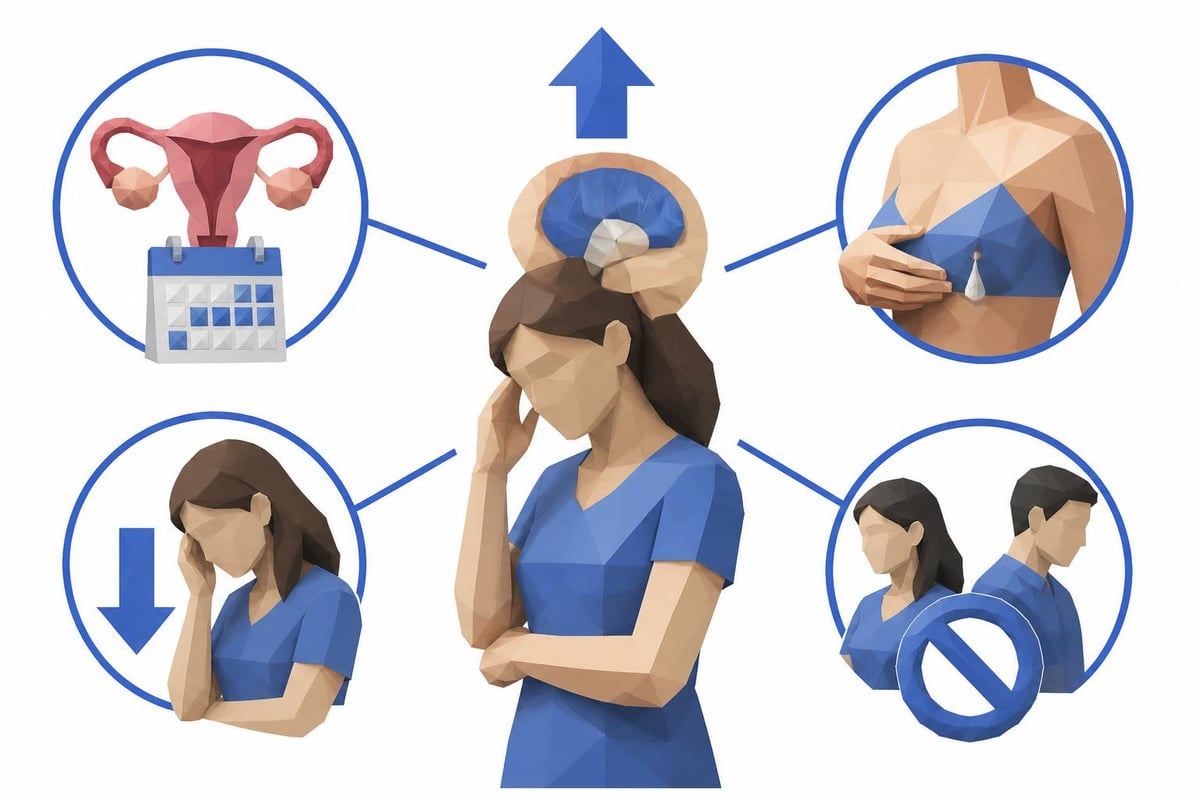
Prolactin the hormone behind irregular cycles manifests through various symptoms that extend beyond menstrual disruption. Women with hyperprolactinemia often experience galactorrhea-spontaneous milk production when not pregnant or nursing. This occurs in approximately 80% of women with prolactinomas but can also happen with other causes of elevated prolactin.
Reproductive and Sexual Symptoms
The most noticeable reproductive symptoms stem from estrogen deficiency caused by chronically elevated prolactin. As discussed by the Endocrine Society, these symptoms closely mirror those of menopause.
Common reproductive symptoms include:
- Irregular menstrual cycles or complete absence of periods (amenorrhea)
- Difficulty conceiving or infertility
- Decreased vaginal lubrication
- Painful intercourse
- Reduced bone density over time
Impact on Libido and Sexual Function
One frequently underreported effect of elevated prolactin is decreased libido. Both women and men with hyperprolactinemia commonly report reduced sexual desire, which can significantly affect relationships and quality of life. This occurs because high prolactin levels suppress testosterone production, even in women who naturally have lower testosterone levels than men.
The connection between prolactin and sexual dysfunction is bidirectional. Elevated prolactin reduces libido, and the resulting estrogen deficiency further compounds sexual difficulties through vaginal dryness and discomfort.
Diagnosing Elevated Prolactin Levels
Identifying prolactin the hormone behind irregular cycles requires proper testing and evaluation. The diagnostic process typically begins with a simple blood test, but interpreting results requires consideration of multiple factors.
The Prolactin Blood Test
A prolactin blood test measures the amount of this hormone circulating in your bloodstream. Because prolactin levels naturally fluctuate throughout the day and can be temporarily elevated by stress, physical activity, or eating, healthcare providers typically recommend testing in the morning after an overnight fast.
Normal prolactin levels for non-pregnant women generally range from 2 to 29 ng/mL, though reference ranges may vary slightly between laboratories. Levels above 25 ng/mL in non-pregnant women warrant further investigation. Pregnancy and breastfeeding naturally cause significant elevations, with levels reaching 200-500 ng/mL during pregnancy and remaining elevated while nursing.
| Prolactin Level (ng/mL) | Interpretation | Likely Next Steps |
|---|---|---|
| Below 25 | Normal | No further testing needed |
| 25-100 | Mildly elevated | Repeat test, medication review |
| 100-250 | Moderately elevated | MRI, comprehensive workup |
| Above 250 | Significantly elevated | MRI to assess for prolactinoma |
Accessing Convenient Testing Options
For women experiencing irregular cycles who want to order labs without a doctor visit, direct-access testing provides a streamlined alternative. This approach eliminates scheduling delays and allows you to take control of your health investigation promptly. Understanding how lab testing works helps demystify the process and empowers informed decision-making.
Additional Diagnostic Considerations
When prolactin levels return elevated, healthcare providers typically order additional tests to identify the underlying cause. A comprehensive metabolic panel, thyroid function tests, and pregnancy test are standard. If levels are significantly elevated or a pituitary tumor is suspected, magnetic resonance imaging (MRI) of the brain provides detailed visualization of the pituitary gland.
Testing for macroprolactin-a biologically inactive form of prolactin that can cause falsely elevated readings-may be necessary if levels are high but symptoms are absent. This condition, called macroprolactinemia, doesn't require treatment despite abnormal lab results.
Treatment Approaches for Hyperprolactinemia
Managing prolactin the hormone behind irregular cycles depends entirely on the underlying cause. Treatment aims to normalize prolactin levels, restore regular menstrual cycles, and address any associated symptoms like galactorrhea or decreased libido.
Medication-Based Treatment
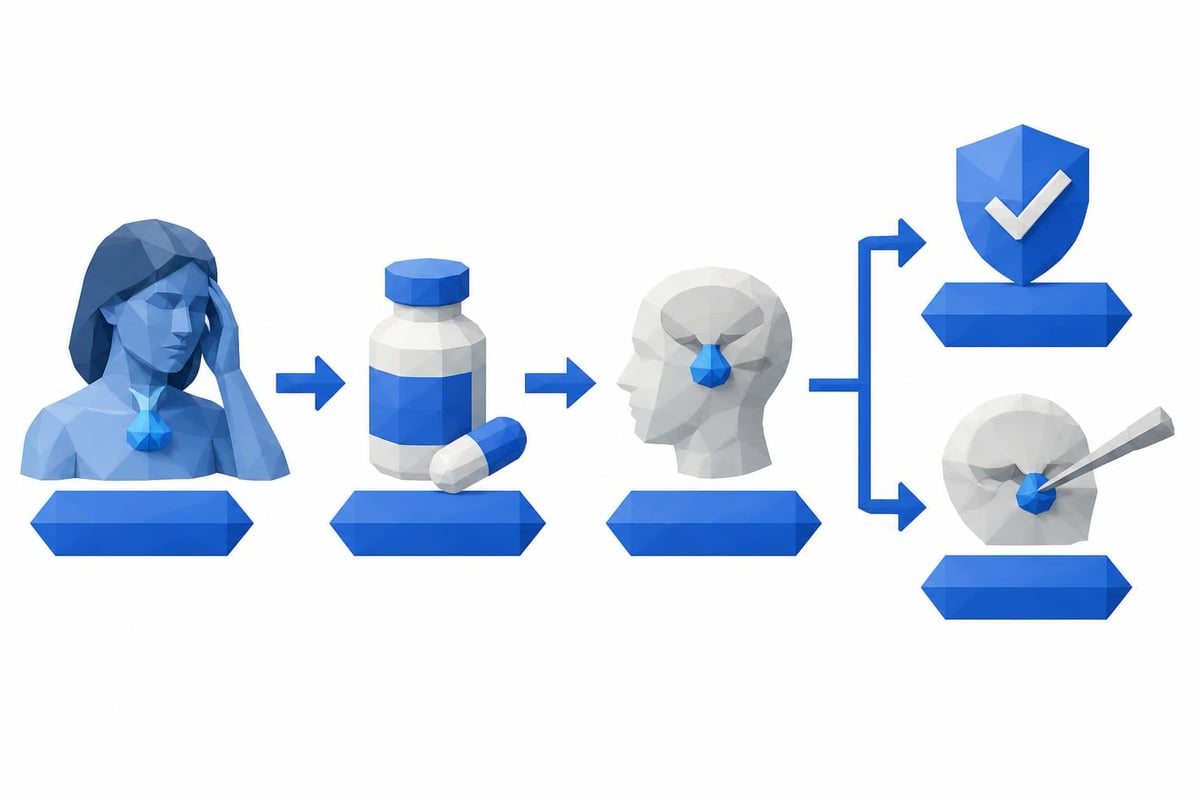
Dopamine agonists represent the first-line treatment for most cases of hyperprolactinemia, particularly those caused by prolactinomas. These medications mimic dopamine's action, effectively suppressing prolactin production. According to Yale Medicine, cabergoline and bromocriptine are the most commonly prescribed dopamine agonists.
Cabergoline advantages:
- Typically taken twice weekly rather than daily
- Better tolerated with fewer side effects
- More effective at normalizing prolactin levels
- Can shrink prolactinomas in most patients
Bromocriptine characteristics:
- Longer track record of use
- Taken daily
- Sometimes preferred during pregnancy
- Lower cost than cabergoline
Most women see menstrual cycles return to normal within several months of starting treatment. Research shows that prolactin concentrations in normal and conception cycles normalize after appropriate treatment, often restoring fertility.
Surgical and Radiation Options
Surgery becomes necessary in specific situations, such as when medication doesn't adequately control prolactin levels, when tumors cause vision problems due to compression of the optic nerves, or when patients cannot tolerate dopamine agonists. Transsphenoidal surgery, performed through the nasal cavity, is the standard surgical approach for removing pituitary tumors.
Radiation therapy is rarely used for prolactinomas but may be considered for aggressive tumors that don't respond to medication or surgery. This treatment option carries more significant long-term risks, including damage to surrounding pituitary tissue.
Lifestyle Modifications and Management Strategies
While medical treatment addresses the root cause of elevated prolactin, certain lifestyle modifications can support hormonal balance and overall reproductive health. These strategies work best when combined with appropriate medical intervention.
Stress Management Techniques
Chronic stress elevates prolactin levels through activation of the stress response system. Implementing effective stress management techniques can help moderate this effect. Regular meditation, yoga, adequate sleep, and maintaining work-life boundaries all contribute to lower baseline stress levels.
Effective stress reduction approaches:
- Daily mindfulness meditation (10-20 minutes)
- Regular physical exercise (avoiding excessive intensity)
- Consistent sleep schedule with 7-9 hours nightly
- Professional counseling or therapy when needed
- Social connection and support systems
Optimizing Thyroid Function
Since hypothyroidism commonly causes elevated prolactin, ensuring optimal thyroid health is essential. This includes adequate iodine and selenium intake, regular thyroid function monitoring, and appropriate thyroid hormone replacement if diagnosed with hypothyroidism.
Medication Review and Alternatives
If you're taking medications known to elevate prolactin, discussing alternatives with your healthcare provider may be beneficial. Never discontinue prescribed medications without medical guidance, but understanding how different drugs affect hormonal balance allows for informed conversations about treatment options.
The Connection Between Prolactin and Fertility
For women trying to conceive, understanding prolactin the hormone behind irregular cycles becomes particularly crucial. Elevated prolactin disrupts ovulation, making conception difficult or impossible. Studies examining prolactin's role in regulating ovarian function demonstrate that even moderately elevated levels can impair fertility.
Fertility Restoration Timeline
With appropriate treatment, most women experience restoration of ovulation and normal menstrual cycles within three to six months. Prolactin levels typically normalize within weeks of starting dopamine agonist therapy, but the reproductive system requires additional time to fully recover.
Women with prolactinomas who become pregnant while on medication face specific considerations. Cabergoline and bromocriptine are generally discontinued once pregnancy is confirmed, though some situations may warrant continued treatment under close medical supervision.
Monitoring During Conception Attempts
For women actively trying to conceive after treatment for hyperprolactinemia, regular monitoring helps ensure prolactin levels remain controlled. Tracking basal body temperature, using ovulation predictor kits, and periodic hormone testing can confirm that normal ovulation has resumed. Accessing affordable lab test pricing makes regular monitoring financially feasible without insurance involvement.
When to Seek Medical Evaluation
Several red flags warrant prompt medical evaluation. If you experience irregular periods for more than three months, notice milky discharge from your breasts when not pregnant or nursing, or struggle with unexplained infertility, prolactin testing should be considered. Additional concerning symptoms include severe headaches, vision changes (particularly peripheral vision loss), or significant changes in libido.
Women currently taking medications associated with elevated prolactin who develop menstrual irregularities should discuss their symptoms with their healthcare provider. The comprehensive information about hyperprolactinemia available from reputable sources can help you prepare for medical appointments with informed questions.
The Benefits of Direct-Access Testing
Traditional healthcare pathways often involve multiple appointments, insurance authorization delays, and scheduling challenges. For women seeking answers about irregular cycles, labs without insurance offer an efficient alternative. This approach provides quick access to testing, transparent pricing, and results delivered within days, enabling faster initiation of appropriate treatment.
Long-Term Health Implications
Beyond menstrual irregularities and fertility concerns, chronically elevated prolactin carries additional health risks that underscore the importance of diagnosis and treatment. The estrogen deficiency caused by hyperprolactinemia accelerates bone loss, potentially leading to osteoporosis if left untreated for years.
Bone Health Considerations
Women with prolonged hyperprolactinemia show decreased bone mineral density comparable to postmenopausal women. This risk increases with longer duration of untreated elevated prolactin and amenorrhea. Regular bone density screening may be recommended for women with long-standing hyperprolactinemia.
Bone protection strategies include:
- Adequate calcium intake (1000-1200 mg daily)
- Vitamin D supplementation (1000-2000 IU daily)
- Weight-bearing exercise
- Treating underlying hyperprolactinemia promptly
- Considering bone density testing after prolonged amenorrhea
Cardiovascular and Metabolic Effects
Emerging research suggests that prolactin influences cardiovascular and metabolic health. Some studies indicate associations between elevated prolactin and insulin resistance, though more research is needed to fully understand these connections. Maintaining awareness of these potential risks reinforces the importance of comprehensive management.
Understanding Your Test Results
Interpreting a prolactin blood test requires context beyond simply comparing your number to a reference range. Timing of the test, recent stress or exercise, certain foods, and other medications all influence results. A single mildly elevated result doesn't necessarily indicate a problem, which is why repeat testing is often recommended.
If your results show elevated prolactin, consider these factors before assuming a serious condition. Did you have the test drawn in the afternoon rather than morning? Were you stressed or anxious during the blood draw? Did you eat a high-protein meal shortly before testing? These circumstances can cause temporary elevations.
Persistently elevated results across multiple tests, particularly when combined with symptoms like irregular cycles or galactorrhea, warrant thorough evaluation. Understanding what influences test results helps you work effectively with healthcare providers to reach an accurate diagnosis.
Recognizing prolactin the hormone behind irregular cycles empowers women to seek appropriate testing and treatment for menstrual irregularities that might otherwise remain unexplained for years. Whether caused by medications, pituitary tumors, or other factors, elevated prolactin is highly treatable, with most women experiencing restored menstrual cycles and fertility after appropriate intervention. If you're experiencing irregular periods or other symptoms of hormonal imbalance, Justlabs provides convenient access to prolactin testing and comprehensive hormone panels with transparent pricing, fast results, and no insurance requirements, helping you take the first step toward understanding and addressing your reproductive health concerns.