
When weight loss efforts suddenly plateau despite consistent diet and exercise, the frustration can feel overwhelming. You're doing everything right, yet the scale refuses to budge. This common scenario often points to a deeper metabolic issue: leptin resistance and stalled weight loss. Understanding the connection between this hormonal dysfunction and weight loss plateaus requires examining how your body's appetite regulation system actually works and what happens when it breaks down.
Understanding Leptin's Role in Weight Regulation
Leptin serves as your body's primary satiety hormone, functioning as a communication system between your fat cells and brain. Produced by adipose tissue, leptin travels through your bloodstream to the hypothalamus, signaling when you have sufficient energy stores and should stop eating.
How Leptin Controls Appetite and Energy
Under normal circumstances, leptin creates a negative feedback loop that maintains energy balance. When fat stores increase, leptin levels rise, telling your brain to reduce hunger and increase energy expenditure. Conversely, when fat stores decrease, leptin levels drop, triggering increased appetite and reduced metabolic rate.
This system regulates multiple metabolic processes:
- Appetite suppression by reducing hunger signals
- Energy expenditure through thermogenesis and activity levels
- Metabolic rate adjustments based on energy availability
- Fat storage decisions throughout the body
The hormone also influences thyroid function, cortisol production, and sex hormone balance, making it a central player in overall metabolic health. Research has shown that leptin doesn't work in isolation but interacts with numerous other hormones to maintain homeostasis.

Body Weight Set Point Theory
Many researchers believe leptin helps establish a biological "set point" for body weight. Your brain defends this weight range by adjusting hunger and metabolism when you deviate from it. This explains why maintaining weight loss often feels harder than losing weight initially.
When you lose significant weight, leptin levels drop substantially, triggering survival mechanisms that increase hunger, reduce metabolism, and make your body more efficient at storing fat. These adaptations can persist for months or years after weight loss, contributing to the high rate of weight regain.
What Happens When Leptin Resistance Develops
Leptin resistance occurs when your brain stops responding appropriately to leptin signals, despite having adequate or even elevated hormone levels. Your body produces plenty of leptin, but the message never gets through properly.
The Paradox of Elevated Leptin Levels
In leptin resistance, higher body fat produces more leptin, yet the brain interprets this situation as starvation. According to experts on leptin resistance, this creates a vicious cycle where the brain continues sending hunger signals and slowing metabolism, even when energy stores are abundant.
Testing often reveals this paradox through elevated leptin levels in individuals struggling with weight. However, a single elevated leptin result doesn't tell the complete story. Context matters tremendously when interpreting leptin levels.
What elevated leptin may suggest:
| Finding | Possible Interpretation |
|---|---|
| High leptin with obesity | Likely leptin resistance |
| High leptin with normal weight | May indicate inflammation or stress |
| High leptin with insulin resistance | Combined metabolic dysfunction |
| Rising leptin over time | Progressive metabolic deterioration |
Why Single Tests Aren't Enough
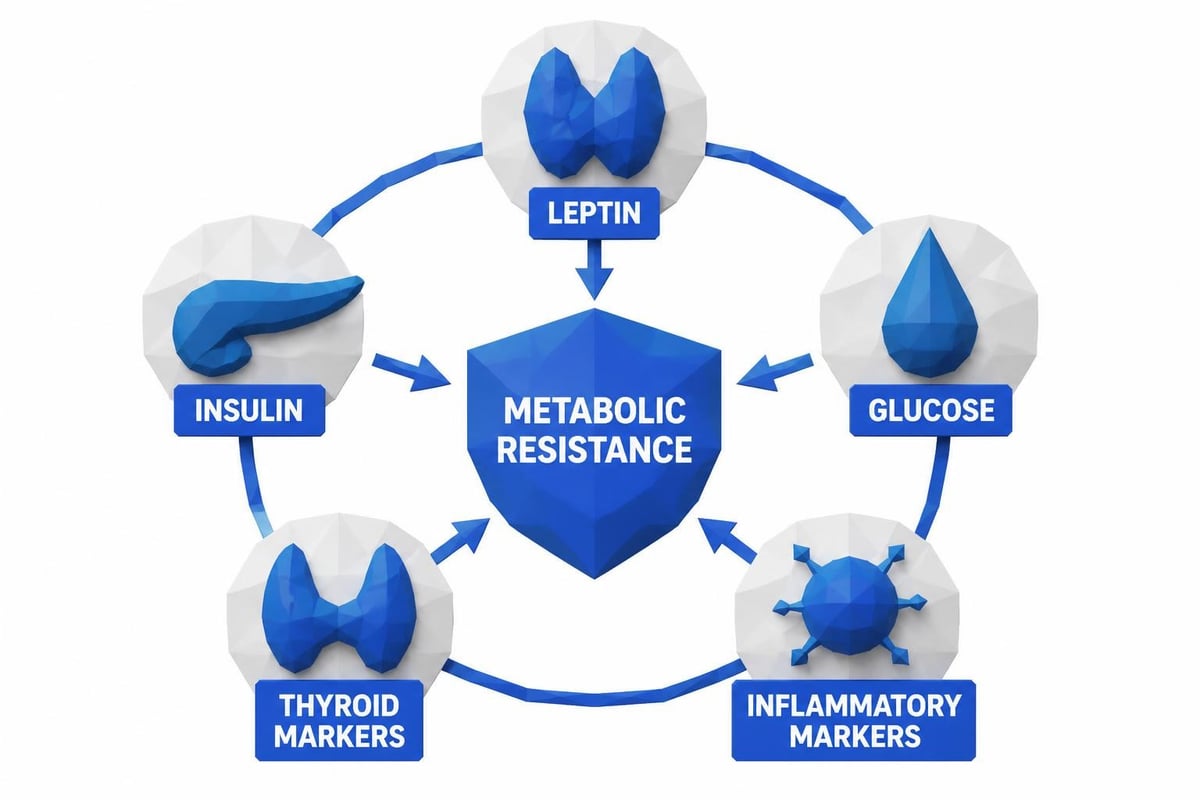
Leptin resistance represents a complex metabolic state that cannot be diagnosed through one biomarker alone. The condition develops alongside other hormonal imbalances and metabolic dysfunctions, requiring a comprehensive testing approach.
Factors influencing leptin interpretation include:
- Insulin sensitivity status - Insulin resistance and leptin resistance frequently coexist
- Inflammatory markers - Chronic inflammation disrupts leptin signaling
- Thyroid function - Leptin influences thyroid hormone production
- Glucose regulation - Blood sugar stability affects leptin sensitivity
- Cortisol levels - Stress hormones interact with leptin pathways
The relationship between leptin resistance and stalled weight loss becomes clearer when examining these interconnected systems together rather than in isolation.
Metabolic Markers That Reveal the Full Picture
To properly assess leptin resistance and its impact on weight loss, comprehensive metabolic testing provides critical insights. Understanding how to order labs without a doctor empowers you to take control of your metabolic health investigation.
Glucose and Insulin Testing
Insulin resistance often precedes or accompanies leptin resistance. When cells become resistant to insulin, they simultaneously become less responsive to leptin. This dual resistance creates particularly stubborn weight loss resistance.
Key tests for insulin and glucose assessment:
- Fasting glucose
- Fasting insulin
- Hemoglobin A1C
- Oral glucose tolerance test with insulin measurements
- HOMA-IR calculation (derived from glucose and insulin)
Elevated fasting insulin above 5-10 µIU/mL often indicates insulin resistance, even when glucose remains normal. This early-stage dysfunction may already be contributing to leptin signaling problems.
Thyroid Function Assessment
Leptin directly influences thyroid hormone production and conversion. Low leptin signals energy scarcity to the brain, which responds by reducing thyroid hormone output to conserve energy. This creates a slower metabolism that makes weight loss nearly impossible.
Testing should include:
- TSH (thyroid stimulating hormone)
- Free T4
- Free T3 (active thyroid hormone)
- Reverse T3 (inactive thyroid hormone)
Many individuals with leptin resistance and stalled weight loss show normal TSH but low free T3, indicating poor thyroid hormone conversion. Comprehensive thyroid testing reveals these subtle dysfunctions that standard screening misses.
Inflammatory and Lipid Markers
Chronic inflammation disrupts leptin receptor function in the hypothalamus. Studies have identified specific inflammatory pathways that block leptin signaling, contributing to resistance.
Important inflammatory markers include:
- High-sensitivity C-reactive protein (hs-CRP)
- Erythrocyte sedimentation rate (ESR)
- Homocysteine
- Triglyceride to HDL ratio
The triglyceride to HDL ratio deserves special attention. A ratio above 2:1 suggests insulin resistance and increased cardiovascular risk, while ratios above 3:1 indicate significant metabolic dysfunction often accompanied by leptin resistance.
Creating a Comprehensive Testing Strategy
Rather than testing leptin alone, combining multiple metabolic markers reveals the underlying patterns driving weight loss resistance. This approach provides actionable information for targeted interventions.
Building Your Testing Panel
A strategic testing approach for investigating leptin resistance and stalled weight loss should include:
Tier 1 - Foundation Tests:
- Complete metabolic panel
- Lipid panel with particle size
- Fasting glucose and insulin
- Hemoglobin A1C
- TSH and free T4
Tier 2 - Advanced Metabolic:
- Leptin
- Free T3 and reverse T3
- hs-CRP
- Homocysteine
- Vitamin D
Tier 3 - Specialized Investigation:
- Cortisol (morning and evening)
- Sex hormones (testosterone, estradiol, progesterone)
- Adiponectin
- IGF-1
Accessing affordable lab test pricing makes comprehensive metabolic investigation financially feasible without insurance complications. Results typically arrive within 1-3 days, allowing rapid assessment and intervention.
Timing and Frequency Considerations
Testing strategy should account for hormonal fluctuations and intervention monitoring:
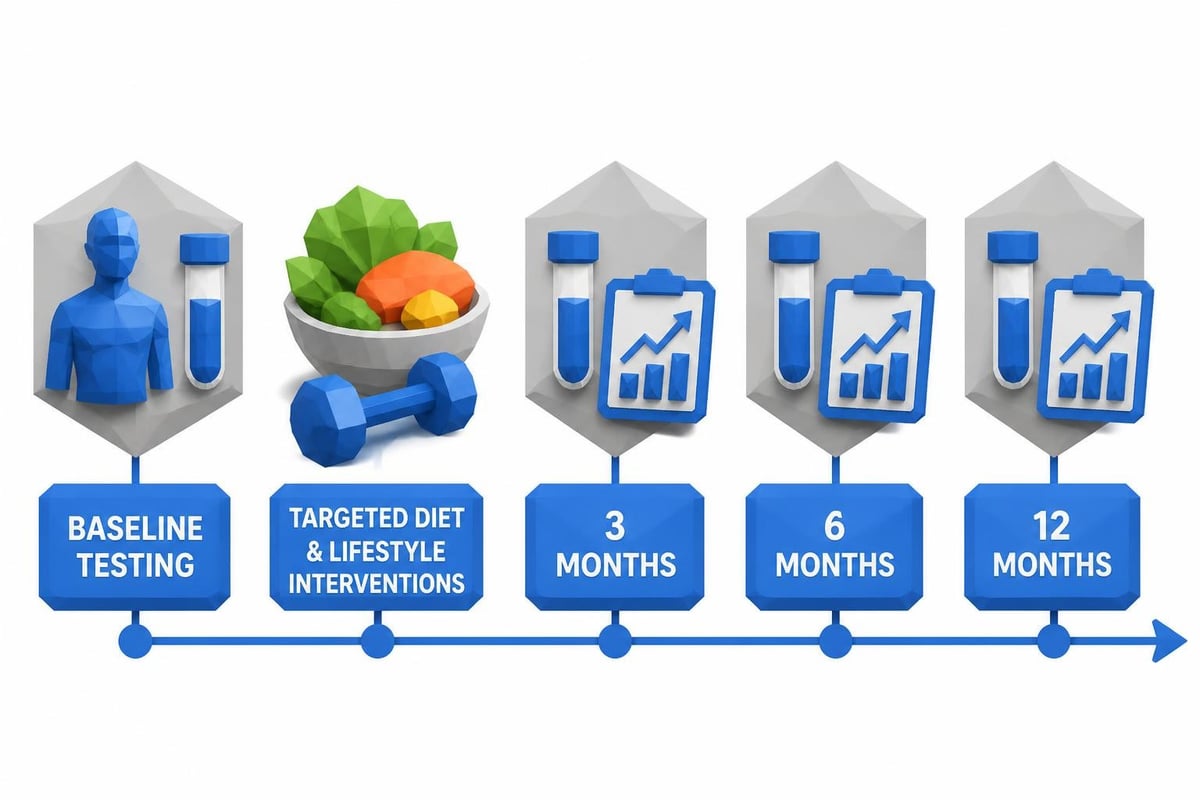
- Baseline testing - Establish initial metabolic status across all markers
- Follow-up at 3 months - Assess response to initial interventions
- Quarterly monitoring - Track ongoing progress in key markers
- Annual comprehensive - Complete reassessment of metabolic health
Women should consider menstrual cycle timing for hormone testing, typically performing tests during the follicular phase (days 3-5 of cycle) for consistency.
Lifestyle Interventions Supported by Testing
Understanding your specific metabolic dysfunctions through comprehensive testing allows targeted lifestyle modifications that address root causes rather than symptoms.
Dietary Strategies Based on Your Results
Different metabolic profiles require different nutritional approaches. Testing reveals which strategy will work best for your situation.
| Metabolic Profile | Recommended Approach | Key Principles |
|---|---|---|
| High insulin resistance | Low-carb or ketogenic | Minimize insulin spikes, improve sensitivity |
| High inflammation | Anti-inflammatory diet | Omega-3s, colorful vegetables, eliminate triggers |
| Poor thyroid conversion | Adequate calories + nutrients | Avoid severe restriction, ensure selenium/zinc |
| High cortisol | Blood sugar stabilization | Regular meals, protein with each meal |
According to information about the leptin diet, meal timing and portion control may influence leptin sensitivity. Avoiding eating 3-4 hours before bedtime allows leptin levels to rise overnight, improving morning satiety signals.
Exercise Modifications for Metabolic Health
Exercise improves leptin sensitivity, but the type and intensity matter based on your metabolic state. Testing helps determine appropriate exercise strategies.
For those with significant metabolic dysfunction:
- Start with low-intensity movement (walking, gentle swimming)
- Progress gradually to avoid cortisol spikes
- Incorporate resistance training to improve insulin sensitivity
- Limit high-intensity exercise initially to prevent additional stress
As metabolic markers improve, exercise intensity can increase. Regular retesting confirms that interventions are moving markers in the right direction.
Sleep and Stress Management
Sleep deprivation significantly impacts leptin and ghrelin (hunger hormone) balance. WebMD notes that inadequate sleep reduces leptin while increasing ghrelin, creating a hormonal environment that promotes weight gain.
Testing cortisol patterns reveals whether stress response dysfunction contributes to your weight loss resistance. Elevated evening cortisol disrupts sleep quality and interferes with overnight leptin production.
Evidence-based stress and sleep strategies:
- Maintain consistent sleep-wake times, even on weekends
- Create complete darkness in sleeping environment
- Limit blue light exposure 2-3 hours before bed
- Practice stress reduction techniques (meditation, yoga, breathing exercises)
- Address underlying sleep disorders through proper evaluation
When to Retest and Adjust Strategies
Metabolic changes occur gradually, requiring patience and periodic reassessment. Understanding how labs work streamlines the retesting process, making ongoing monitoring convenient and affordable.
Interpreting Changes Over Time
Successful interventions typically show improvements in this sequence:
- Weeks 1-4: Reduced inflammation (hs-CRP decreases)
- Weeks 4-8: Improved insulin sensitivity (fasting insulin drops)
- Weeks 8-12: Better glucose control (A1C begins declining)
- Weeks 12-16: Thyroid optimization (free T3 improves)
- Months 4-6: Leptin sensitivity improvement (leptin levels normalize)
- Months 6-12: Sustained weight loss resumes
Progress isn't always linear. Temporary plateaus or minor setbacks are normal and don't indicate failure.
Signs You Need Additional Testing
Certain situations warrant expanded testing beyond the initial panel:
- Persistent fatigue despite improved metabolic markers
- Continued weight loss resistance after 6 months of intervention
- New symptoms emerging during treatment
- Unexplained changes in previously stable markers
- Family history of specific metabolic or autoimmune conditions
Additional specialized testing might include antibody panels, comprehensive hormone analysis, or genetic testing for metabolic variants. Life Extension discusses how comprehensive approaches addressing multiple factors simultaneously produce better outcomes than single-intervention strategies.
Medical Support and Professional Guidance
While self-directed testing provides valuable information, working with knowledgeable practitioners enhances interpretation and intervention design. Testing through services that provide labs without insurance removes financial barriers while giving you control over your health data.
Finding Practitioners Who Understand Metabolic Health
Not all healthcare providers have extensive training in metabolic dysfunction and leptin resistance. Seek practitioners who:
- Order comprehensive metabolic panels rather than basic screening
- Interpret results in context of symptoms and other markers
- Consider optimal ranges, not just laboratory reference ranges
- Understand the connection between leptin resistance and stalled weight loss
- Stay current with emerging research on metabolic health
Functional medicine doctors, endocrinologists specializing in obesity medicine, and registered dietitians with metabolic health training often provide the most comprehensive support.
Bringing Your Test Results to Appointments
Self-ordered testing provides valuable information for medical consultations. Prepare for appointments by:
- Organizing results chronologically
- Highlighting concerning values or trends
- Documenting symptoms alongside test dates
- Preparing questions about interpretation
- Discussing intervention options based on findings
Many practitioners appreciate proactive patients who invest in understanding their metabolic health. Your testing data provides objective information that guides more targeted treatment.
Understanding Realistic Expectations
Addressing leptin resistance and stalled weight loss requires time and multifaceted interventions. Setting realistic expectations prevents discouragement during the process.
Timeline for Metabolic Improvement
Metabolic healing follows a different timeline than simple caloric restriction:
Months 1-3: Foundation phase
- Inflammation reduction
- Blood sugar stabilization
- Initial insulin sensitivity improvement
- Sleep and stress pattern optimization
Months 4-6: Adaptation phase
- Continued insulin sensitivity gains
- Thyroid function optimization
- Beginning leptin sensitivity improvement
- Gradual weight loss resumption
Months 7-12: Consolidation phase
- Sustained metabolic improvements
- Steady, sustainable weight loss
- Normalized hunger and satiety signals
- Improved energy and wellbeing
According to research on leptin and obesity, reversing leptin resistance in humans requires sustained lifestyle modifications over many months. Quick fixes don't address the underlying metabolic dysfunction.
Measuring Success Beyond the Scale
Weight loss represents just one indicator of metabolic health improvement. Track multiple success markers:
- Energy levels throughout the day
- Sleep quality and duration
- Hunger and satiety signals
- Mental clarity and mood
- Physical performance and recovery
- Body composition (not just weight)
- Laboratory biomarker improvements
Many people experience significant health improvements before substantial weight loss occurs. Trust the process when testing confirms your metabolic markers are moving in the right direction.
Preventing Future Metabolic Dysfunction
Once metabolic health improves, maintaining that progress requires ongoing attention to the factors that created leptin resistance initially.
Long-Term Monitoring Strategies
Periodic testing prevents metabolic dysfunction from silently returning. Consider establishing a testing schedule that includes:
- Quarterly basic metabolic panels (glucose, lipids, inflammation)
- Biannual comprehensive panels (including thyroid, insulin)
- Annual complete metabolic assessment (all markers including leptin)
This monitoring catches early warning signs before full-blown metabolic dysfunction returns. Early intervention prevents progression and makes correction easier.
Sustainable Lifestyle Integration
Temporary interventions produce temporary results. The dietary, exercise, sleep, and stress management strategies that improved your metabolic health must become permanent lifestyle elements.
This doesn't mean perfection. Rather, it requires:
- Consistent application of core principles (80-90% adherence)
- Quick return to healthy patterns after occasional deviations
- Continued learning about metabolic health
- Regular self-assessment through symptoms and testing
- Adjustment of strategies as life circumstances change
Labcorp's guidance emphasizes that leptin resistance develops over years and requires long-term commitment to reverse and prevent recurrence.
Understanding leptin resistance and stalled weight loss empowers you to move beyond frustrating plateaus by addressing underlying metabolic dysfunction rather than simply restricting calories further. Comprehensive testing reveals the specific patterns driving your weight loss resistance, allowing targeted interventions that restore metabolic health. Justlabs provides convenient access to the metabolic testing panels you need to investigate hormonal imbalances, with transparent pricing and results delivered in 1-3 days, giving you the information necessary to break through stubborn weight loss plateaus.