Following a plant-based diet offers numerous health benefits, from reduced cardiovascular risk to improved metabolic markers. However, vegans and vegetarians face unique nutritional considerations that require proactive monitoring. While a well-planned plant-based diet can provide most nutrients, certain vitamins and minerals are either exclusively found in animal products or are less bioavailable from plant sources. Understanding which essential lab tests for vegans can identify potential deficiencies empowers individuals to make informed decisions about their nutrition and supplementation strategies before symptoms develop.
Why Vegans Need Specific Laboratory Monitoring
Plant-based diets fundamentally alter nutrient intake patterns compared to omnivorous eating. Several critical nutrients are either absent from plant foods or present in forms that the human body absorbs less efficiently. Vitamin B12, for instance, is not naturally produced by plants and requires supplementation or fortified foods for those avoiding animal products.
Beyond simple nutrient absence, bioavailability plays a crucial role in vegan nutrition. Iron from plant sources (non-heme iron) has significantly lower absorption rates than heme iron from meat. Similarly, the omega-3 fatty acids found in plant foods require conversion processes in the body that are often inefficient. These metabolic realities make laboratory testing particularly valuable for vegans who want to optimize their health outcomes.
The Science Behind Nutrient Monitoring
Regular testing provides objective data that dietary recall and symptom awareness cannot match. Many nutrient deficiencies develop slowly over months or years, with subtle symptoms that people often attribute to stress, poor sleep, or aging. By the time obvious symptoms appear, deficiency may already be affecting multiple body systems.
Laboratory values also help distinguish between adequate, optimal, and excessive levels. For some nutrients, more is not always better. Blood test tracking for vegans helps establish individual baselines and track trends over time, allowing for personalized nutrition strategies rather than generic recommendations.
Vitamin B12: The Most Critical Marker
Vitamin B12 (cobalamin) stands as the most universally important nutrient for vegans to monitor. This water-soluble vitamin is exclusively synthesized by bacteria and enters the food chain through animal products. Plants cannot produce B12, making supplementation or fortified foods absolutely necessary for long-term vegan health.
Why B12 matters:
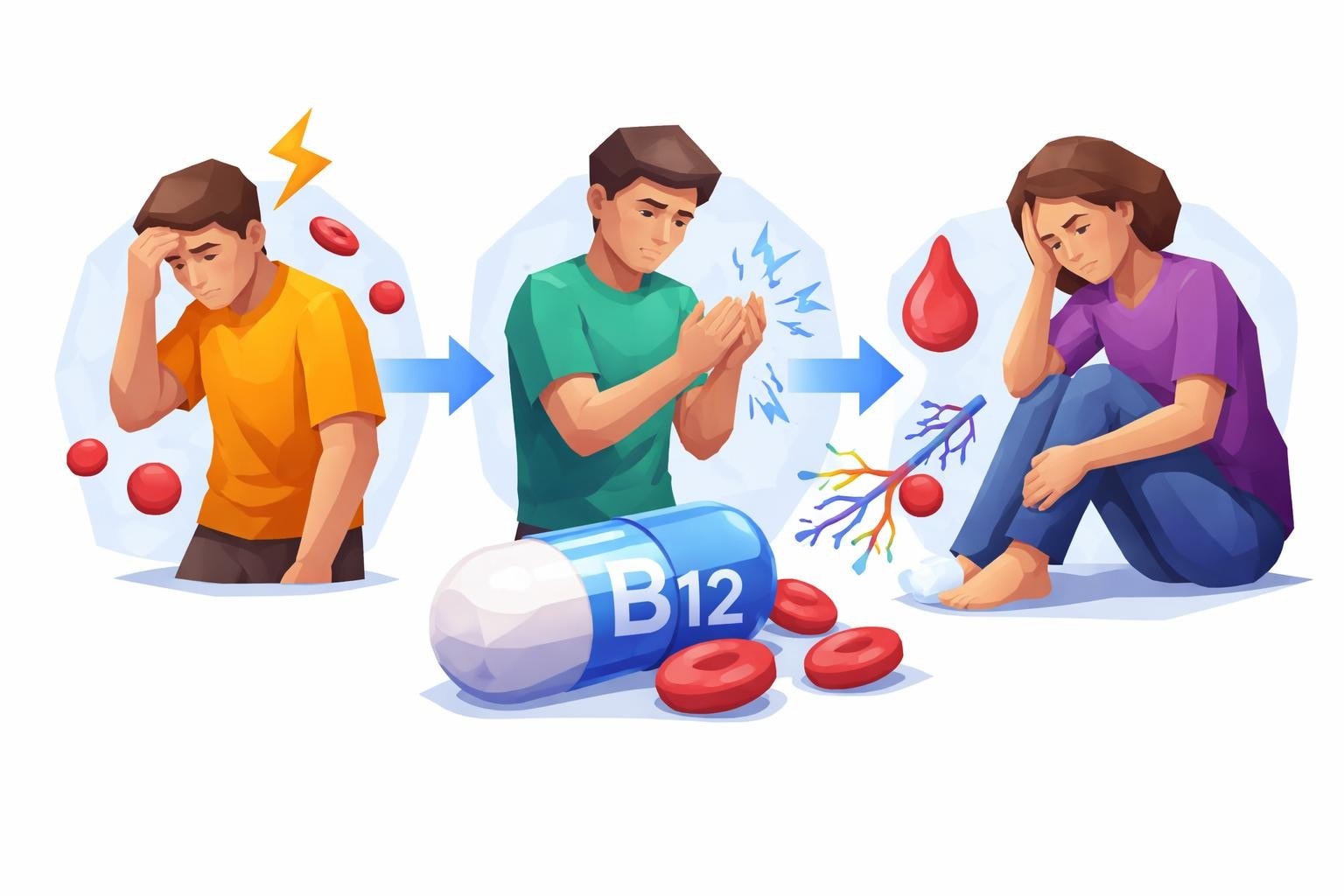
- Supports red blood cell formation and prevents megaloblastic anemia
- Essential for neurological function and myelin sheath maintenance
- Required for DNA synthesis and cellular division
- Deficiency can cause irreversible nerve damage if left untreated
Testing Options for B12 Status
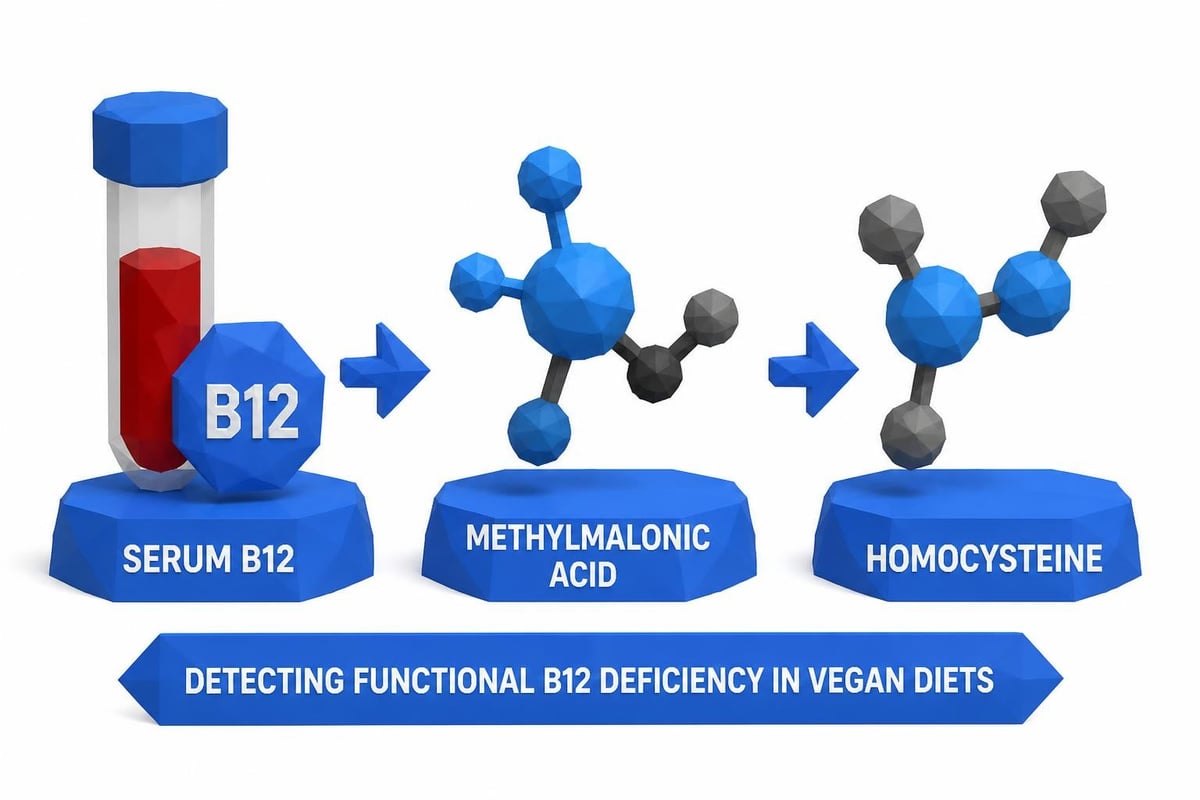
Standard serum B12 tests measure the total amount of cobalamin in blood, but this marker has limitations. Some people maintain normal serum B12 levels while experiencing functional deficiency at the cellular level. For this reason, comprehensive B12 assessment often includes additional markers.
| Test Type | What It Measures | Why It Matters |
|---|---|---|
| Serum B12 | Total cobalamin in blood | First-line screening test |
| Methylmalonic Acid (MMA) | Metabolic byproduct elevated in B12 deficiency | More sensitive for detecting functional deficiency |
| Homocysteine | Amino acid elevated when B12 or folate is low | Indicates metabolic impact of deficiency |
Methylmalonic acid testing provides superior sensitivity compared to serum B12 alone. Research on laboratory tests for vegans demonstrates that MMA elevations often precede drops in serum B12, making this marker valuable for early detection. When MMA rises above normal ranges, it indicates that cells lack sufficient B12 to complete normal metabolic processes, even if serum levels appear adequate.
Recommended Test
Vitamin B12
Vitamin B12 is essential for nerve function, DNA synthesis, red blood cell formation, and energy production. Deficiency is common and often undiagnosed.
Includes 1 biomarkers
$8
The convenience of ordering lab tests without a doctor visit allows vegans to establish baseline B12 status shortly after adopting a plant-based diet, then retest periodically to ensure supplementation strategies are working effectively.
Iron Status: Beyond Simple Anemia Screening
Iron deficiency represents one of the most common nutritional deficiencies worldwide, affecting vegans and omnivores alike. However, vegans face elevated risk due to the lower bioavailability of non-heme iron from plant sources. While spinach, lentils, and fortified cereals contain iron, the body absorbs only 2-20% of non-heme iron compared to 15-35% of heme iron from meat.
Understanding Ferritin Testing
Serum ferritin measures stored iron and provides the most sensitive indicator of iron status before anemia develops. Standard complete blood count (CBC) tests detect anemia only after iron stores have been depleted, making ferritin testing essential for early intervention.
Optimal ferritin ranges for vegans:
- Women: 30-50 ng/mL or higher for optimal energy and cognitive function
- Men: 50-100 ng/mL for adequate iron reserves
- Athletes: Higher thresholds may be appropriate due to increased demand
Low ferritin causes fatigue, cognitive impairment, and reduced exercise capacity long before hemoglobin drops into anemic ranges. Many vegans experience these symptoms with ferritin levels that technically fall within "normal" laboratory reference ranges but remain suboptimal for peak performance.
Comprehensive iron panels typically include ferritin, serum iron, total iron-binding capacity (TIBC), and transferrin saturation. This combination reveals not just whether iron is low, but also whether the body is mobilizing stored iron effectively or experiencing inflammation that affects iron metabolism.
Recommended Test
Ferritin
Ferritin is the best indicator of your body's iron stores. Low ferritin is one of the most common causes of fatigue, especially in women.
Includes 1 biomarkers
$10
Vitamin D: The Sunshine Vitamin Challenge
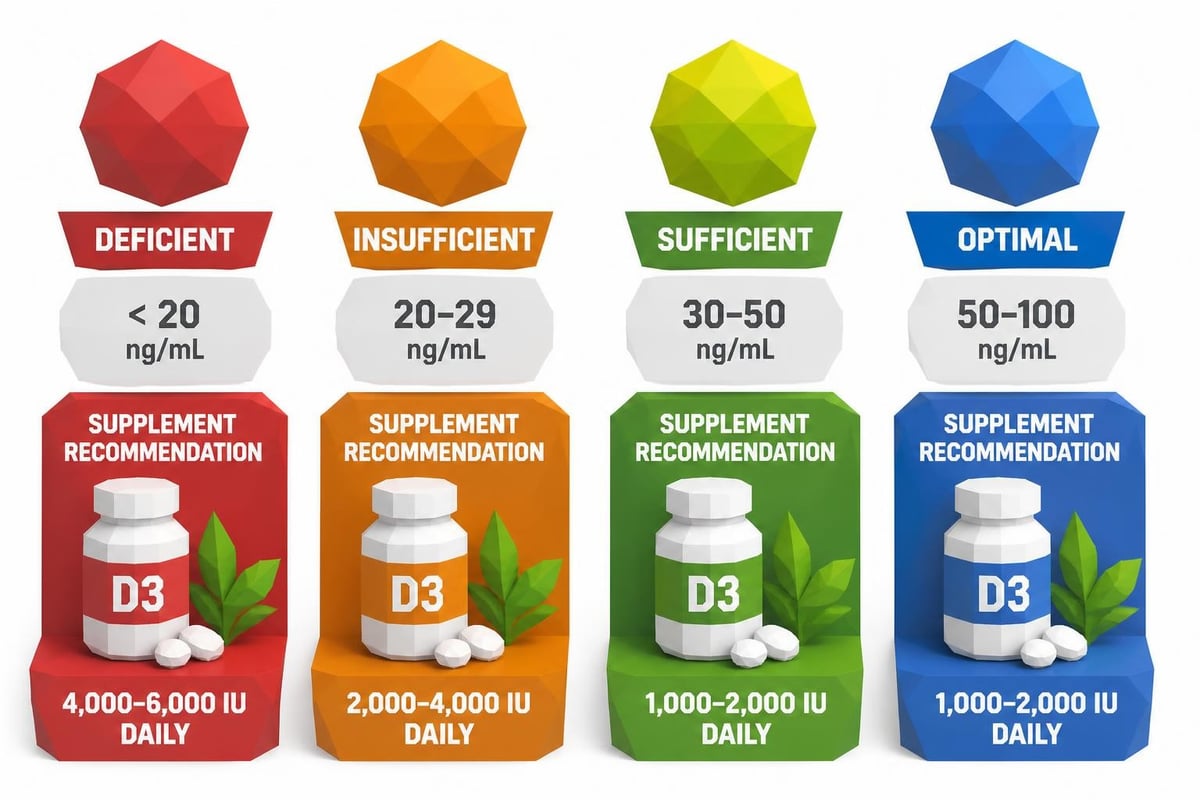
Vitamin D deficiency affects approximately 40% of Americans regardless of diet, but vegans face additional challenges. While the body produces vitamin D from sun exposure, few plant foods naturally contain this nutrient. Mushrooms exposed to UV light and fortified plant milks provide some vitamin D, but many vegans struggle to maintain optimal levels through diet and sun exposure alone.
Why Vitamin D Testing Matters
The 25-hydroxyvitamin D test (25(OH)D) measures vitamin D status and helps guide supplementation decisions. This test is particularly important for vegans because:
- Optimal vitamin D supports immune function, bone health, and mood regulation
- Deficiency increases risk of osteoporosis, especially when combined with low calcium intake
- Vitamin D works synergistically with calcium for bone mineral density
- Individual variation in sun exposure and skin pigmentation affects production rates
Most experts now recommend maintaining 25(OH)D levels between 40-60 ng/mL for optimal health, higher than the traditional threshold of 30 ng/mL used to prevent rickets. Standard blood tests recommended for vegetarians emphasize vitamin D monitoring as essential for long-term bone health.
Omega-3 Fatty Acids: EPA and DHA Status
Plant foods contain alpha-linolenic acid (ALA), an omega-3 fatty acid found in flaxseeds, chia seeds, and walnuts. However, the body must convert ALA to the active forms eicosapentaenoic acid (EPA) and docosahexaenoic acid (DHA). This conversion process is notably inefficient, with only 5-10% of ALA converting to EPA and less than 1% converting to DHA.
Testing Omega-3 Index
The Omega-3 Index measures EPA and DHA as a percentage of total red blood cell fatty acids. This test provides insight into long-term omega-3 status and cardiovascular risk:
- Target range: 8-12% for optimal cardiovascular protection
- Moderate risk: 4-8%
- High risk: Below 4%
Most vegans without algae-based DHA supplementation test in the high-risk category. While some research suggests vegans may adapt to lower omega-3 levels through improved conversion efficiency, other studies link low DHA status to cognitive decline and mood disorders. Testing allows individuals to make evidence-based decisions about algae oil supplementation rather than relying on assumptions about conversion rates.
Zinc: The Overlooked Essential Mineral
Zinc often receives less attention than B12 or iron, but this mineral plays critical roles in immune function, wound healing, protein synthesis, and DNA production. Plant foods contain zinc, but they also contain phytates that bind zinc and reduce absorption. Vegans may need 50% more zinc than omnivores to achieve similar functional status.
Foods high in zinc for vegans:
- Legumes (chickpeas, lentils, beans)
- Nuts and seeds (pumpkin seeds, cashews)
- Whole grains (quinoa, oats)
- Fortified nutritional yeast
Zinc Testing Considerations
Serum zinc testing has limitations because the body tightly regulates blood zinc levels, often maintaining them at the expense of tissue stores. Despite these limitations, testing can identify severe deficiency and help assess whether dietary strategies or supplementation effectively maintain adequate status.
Understanding the range of available lab tests helps vegans build comprehensive monitoring panels that address their unique nutritional vulnerabilities rather than relying on standard annual physical testing alone.
Additional Markers Worth Monitoring
Beyond the core essential lab tests for vegans, several other markers deserve periodic attention depending on individual dietary patterns and health concerns.
Calcium and Bone Health Markers
While calcium deficiency is uncommon in vegans who consume fortified plant milks and calcium-rich vegetables, some individuals avoid these foods or have increased needs. Serum calcium remains tightly regulated and does not reflect bone health accurately. Instead, consider:
| Marker | Purpose | Frequency |
|---|---|---|
| 25(OH)D | Vitamin D status affects calcium absorption | Annually or biannually |
| Parathyroid Hormone (PTH) | Elevated PTH may indicate calcium insufficiency | If vitamin D is low |
| Bone Density Scan | Direct measure of bone health | Every 2-5 years after age 50 |
Iodine Status
Iodine deficiency has reemerged as a concern in developed nations, particularly among vegans who avoid iodized salt and sea vegetables. The body requires iodine for thyroid hormone production, making this nutrient essential for metabolism regulation.
Urinary iodine concentration provides a snapshot of recent intake, while thyroid function tests (TSH, free T4, free T3) reveal whether iodine status affects hormone production. Vegans should ensure adequate iodine intake through iodized salt or seaweed while avoiding excessive consumption that could trigger thyroid dysfunction.
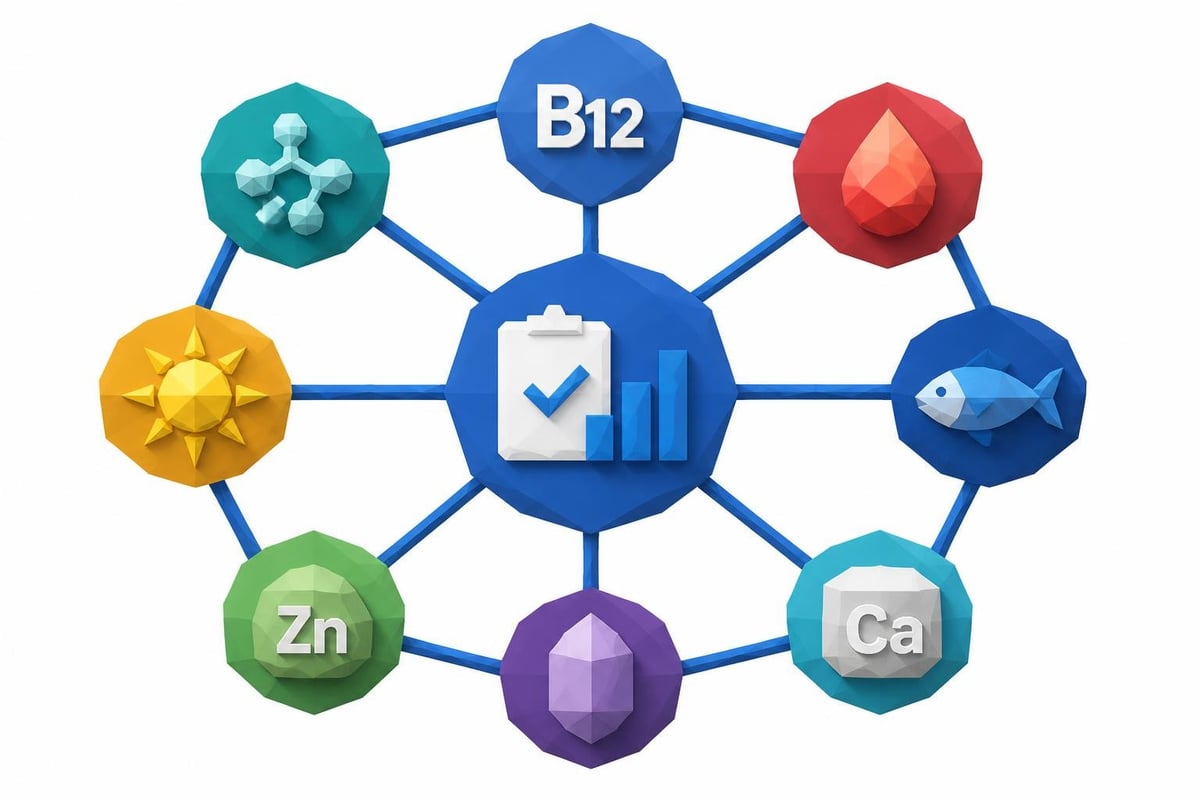
Creating Your Testing Schedule
The optimal frequency for essential lab tests for vegans depends on individual factors including diet duration, supplementation practices, symptoms, and previous test results. General guidelines provide a starting framework:
Initial baseline testing (within 3-6 months of adopting a vegan diet):
- Vitamin B12 and methylmalonic acid
- Complete blood count and ferritin
- 25-hydroxyvitamin D
- Omega-3 index
- Comprehensive metabolic panel
Annual monitoring:
- Vitamin B12 (or every 6 months if not supplementing)
- Ferritin (especially for menstruating individuals)
- Vitamin D
Every 2-3 years:
- Omega-3 index
- Zinc
- Thyroid function tests
These recommendations should be adjusted based on symptoms, changes in diet or supplementation, or abnormal previous results. The quick turnaround times for lab testing make it practical to retest within weeks when optimizing supplementation doses.
Recommended Panel
Vitamin & Mineral Panel
Save $5This panel tests the most commonly deficient nutrients: Vitamin D, B12, Folate, Iron (with complete iron studies), Ferritin, and Magnesium - the building blocks your body needs to function optimally.
Includes 9 biomarkers
$64
Fasting required
Interpreting Results and Taking Action
Laboratory values provide data, but context transforms that data into actionable health strategies. Reference ranges indicate population norms, not necessarily optimal levels for individual health and performance. Many vegans feel best with nutrient levels in the upper half of reference ranges rather than accepting "barely normal" values.
Working With Results
When test results reveal deficiency or suboptimal levels, several approaches can address the issue:
Dietary modification: Increase consumption of fortified foods, adjust preparation methods to enhance nutrient absorption (such as consuming vitamin C with iron-rich foods), or incorporate concentrated sources like nutritional yeast for B vitamins.
Supplementation: Many nutrients are difficult to obtain in optimal amounts from plant foods alone. B12 supplementation is universally recommended for vegans, while iron, vitamin D, omega-3, and zinc supplementation may benefit individuals based on testing results.
Retesting: After implementing dietary changes or beginning supplementation, retest after 3-6 months to verify the strategy's effectiveness. Some individuals require higher supplement doses than others due to genetic variations in absorption and metabolism.
The ability to access affordable lab testing without insurance barriers removes financial obstacles that previously prevented vegans from monitoring their nutritional status effectively.
Common Testing Mistakes to Avoid
Even well-intentioned vegans make errors when approaching laboratory monitoring. Being aware of these pitfalls improves testing value:
Testing too infrequently: Waiting until symptoms develop means deficiency has progressed significantly. Proactive testing catches issues early when they are easier to correct.
Supplementing before baseline testing: Starting B12 or iron supplements before establishing baseline values makes it impossible to know whether dietary strategies alone would have been sufficient.
Ignoring optimal ranges: Accepting results in the low-normal range rather than striving for optimal levels may leave individuals functioning below their potential.
Testing only one marker: Relying solely on serum B12 without methylmalonic acid, or checking CBC without ferritin, misses critical information about nutrient status.
Skipping follow-up testing: Beginning supplementation without retesting to verify effectiveness wastes money on potentially inadequate doses or unnecessary supplements.
Understanding detailed information about essential nutrients for vegans helps contextualize laboratory results within broader nutritional knowledge.
Beyond Standard Panels: Advanced Testing Options
Some vegans interested in optimizing health beyond preventing deficiency may consider additional specialized testing. While not essential for everyone, these tests provide deeper insight into metabolic function and nutritional status.
Genetic testing: Variations in genes like MTHFR affect vitamin B12 and folate metabolism, potentially requiring higher intake of these nutrients. Similarly, FADS gene variants influence omega-3 conversion efficiency from ALA to EPA and DHA.
Amino acid profiles: While complete proteins are easily obtained from varied plant sources, some individuals want objective verification that their diet provides adequate essential amino acids.
Inflammatory markers: C-reactive protein (CRP) and other inflammation markers help assess whether dietary choices effectively reduce systemic inflammation, one of the primary benefits attributed to plant-based eating.
The comprehensive selection of available laboratory tests allows individuals to customize panels based on specific health goals and concerns rather than settling for one-size-fits-all approaches.
Making Testing Accessible and Affordable
Traditional healthcare models create barriers to proactive nutritional monitoring. Many physicians are unfamiliar with vegan nutritional needs, dismissing concerns or ordering inadequate test panels. Insurance coverage for preventive nutritional testing varies widely, and navigating prior authorization processes consumes time and energy.
Self-directed testing removes these obstacles. By researching which essential lab tests for vegans address specific nutritional vulnerabilities, individuals can order comprehensive panels that match their needs. Transparent pricing eliminates surprise bills, while convenient collection locations fit testing into busy schedules.
Detailed guidance on vegan blood test markers combined with accessible testing services empowers vegans to take control of their nutritional health without depending on healthcare providers who may lack plant-based nutrition expertise.
The Long-Term Perspective
Adopting a vegan diet represents a long-term commitment to health, ethics, and environmental sustainability. Maintaining optimal nutritional status ensures this dietary choice supports wellbeing across decades rather than creating deficiencies that undermine health goals.
Regular testing establishes trends over time, revealing whether current dietary and supplementation strategies maintain stable nutrient levels or whether adjustments are needed as metabolism changes with age, activity level, or life circumstances. This longitudinal data proves far more valuable than isolated snapshots.
Benefits of consistent monitoring:
- Early detection of declining levels before symptoms emerge
- Objective feedback on supplementation effectiveness
- Confidence that dietary choices support long-term health
- Data to share with healthcare providers when needed
- Peace of mind for family members concerned about plant-based nutrition
The investment in regular testing pays dividends through sustained energy, cognitive function, and physical health that allow vegans to thrive rather than merely survive on their chosen diet.
Monitoring nutritional status through targeted laboratory testing represents one of the most important health practices for individuals following plant-based diets. Understanding which essential lab tests for vegans address specific nutritional vulnerabilities empowers informed decisions about diet and supplementation strategies. Whether you are newly vegan or have followed a plant-based diet for years, establishing baseline values and tracking trends over time helps optimize your nutritional status. Justlabs makes comprehensive nutritional testing accessible and affordable, with transparent pricing, convenient locations, and results delivered in 1-3 days, allowing you to take control of your health without insurance barriers or unnecessary doctor visits.
Related Reading

References
Neufingerl N, Eilander A. Nutrient Intake and Status in Adults Consuming Plant-Based Diets Compared to Meat-Eaters: A Systematic Review. Nutrients. 2021 Dec 23;14(1). doi: 10.3390/nu14010029. PMID: 35010904. https://pubmed.ncbi.nlm.nih.gov/35010904/
Rizzo G, Laganà AS, Rapisarda AM, La Ferrera GM, Buscema M, Rossetti P, Nigro A, Muscia V, Valenti G, Sapia F, Sarpietro G, Zigarelli M, Vitale SG. Vitamin B12 among Vegetarians: Status, Assessment and Supplementation. Nutrients. 2016 Nov 29;8(12). doi: 10.3390/nu8120767. PMID: 27916823. https://pubmed.ncbi.nlm.nih.gov/27916823/
Haider LM, Schwingshackl L, Hoffmann G, Ekmekcioglu C. The effect of vegetarian diets on iron status in adults: A systematic review and meta-analysis. Crit Rev Food Sci Nutr. 2018 May 24;58(8):1359-1374. doi: 10.1080/10408398.2016.1259210. PMID: 27880062. https://pubmed.ncbi.nlm.nih.gov/27880062/
Lane KE, Wilson M, Hellon TG, Davies IG. Bioavailability and conversion of plant based sources of omega-3 fatty acids - a scoping review to update supplementation options for vegetarians and vegans. Crit Rev Food Sci Nutr. 2022;62(18):4982-4997. doi: 10.1080/10408398.2021.1880364. PMID: 33576691. https://pubmed.ncbi.nlm.nih.gov/33576691/
Foster M, Samman S. Vegetarian diets across the lifecycle: impact on zinc intake and status. Adv Food Nutr Res. 2015;74:93-131. doi: 10.1016/bs.afnr.2014.11.003. PMID: 25624036. https://pubmed.ncbi.nlm.nih.gov/25624036/