Zinc plays essential roles in immune function, wound healing, protein synthesis, and DNA formation throughout the human body. When zinc levels fall below optimal ranges, a variety of symptoms can emerge that affect multiple organ systems. Understanding zinc deficiency blood test symptoms and accuracy helps individuals make informed decisions about whether testing is appropriate for their situation and what the results truly mean.
Big picture
- Zinc deficiency affects approximately 17% of the global population and can cause immune dysfunction, growth delays, skin problems, and cognitive issues, but symptoms often overlap with other conditions.
- Serum or plasma zinc tests are the most common diagnostic tools, but they have significant limitations-they reflect only a snapshot of circulating zinc and can be affected by inflammation, infection, meal timing, and sample handling.
- Test accuracy depends heavily on proper collection procedures, laboratory methods, and understanding that normal test results don't always rule out deficiency in tissues where zinc is actually needed.
- Knowing when to test matters most for high-risk groups: pregnant women, older adults, people with digestive disorders, vegetarians, and those with chronic diseases that affect nutrient absorption.
- Taking action means combining blood test results with clinical symptoms, dietary assessment, and sometimes a trial of supplementation under medical guidance rather than relying solely on a single lab value.
Understanding Zinc's Role in the Body
Zinc functions as a cofactor for more than 300 enzymes and plays structural roles in numerous proteins. The body contains approximately 2 to 4 grams of zinc distributed across all tissues, with the highest concentrations found in muscle, bone, skin, liver, and the prostate gland.
Unlike some nutrients, the body cannot store large zinc reserves for future use. Daily intake from diet maintains zinc status, making consistent dietary sources crucial for health.
Why Zinc Deficiency Develops
Several factors contribute to inadequate zinc status:
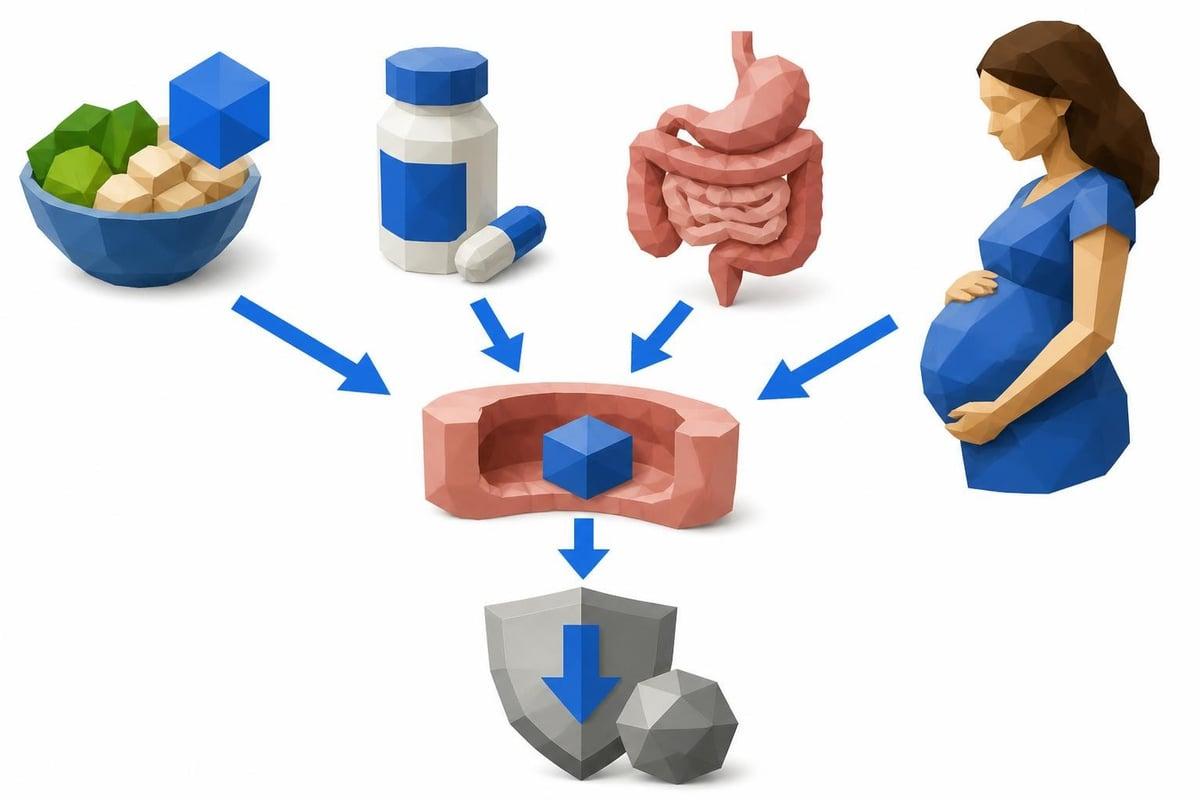
- Insufficient dietary intake from plant-based diets high in phytates that inhibit absorption
- Increased requirements during pregnancy, lactation, and periods of rapid growth
- Malabsorption disorders including celiac disease, Crohn's disease, and short bowel syndrome
- Chronic kidney disease leading to increased urinary zinc losses
- Medications such as diuretics, ACE inhibitors, and proton pump inhibitors that interfere with zinc metabolism
People who consume alcohol excessively also face higher risk because alcohol impairs zinc absorption and increases urinary excretion.
Recognizing Symptoms of Zinc Deficiency
The clinical manifestations of zinc deficiency vary based on severity and duration. Mild deficiencies often produce subtle symptoms that people may attribute to other causes.
Common Clinical Signs
| Symptom Category | Specific Manifestations |
|---|---|
| Dermatological | Skin lesions, delayed wound healing, hair loss, brittle nails |
| Immune | Increased infections, impaired T-cell function, reduced antibody response |
| Gastrointestinal | Diarrhea, loss of appetite, altered taste perception |
| Neurological | Mental lethargy, mood disturbances, difficulty concentrating |
| Growth | Stunted growth in children, delayed sexual maturation |
Severe zinc deficiency presents with a constellation of symptoms known as acrodermatitis enteropathica, characterized by periorificial and acral dermatitis, diarrhea, and alopecia.
Subtle Indicators Often Missed
Many individuals with marginal zinc deficiency experience less obvious symptoms:
- Decreased immune competence with more frequent respiratory infections
- Night blindness or impaired dark adaptation
- Loss of taste (hypogeusia) or smell
- Impaired cognitive function and memory
- Reduced testosterone levels in men
These subtle manifestations make identifying zinc deficiency blood test symptoms and accuracy particularly important for diagnosis. Clinical decision-support resources emphasize that symptoms alone cannot confirm deficiency without laboratory confirmation.
Recommended Test
Zinc
Zinc is an essential trace mineral involved in over 300 enzymatic reactions, including immune function, wound healing, thyroid hormone production, and testosterone synthesis.
Includes 1 biomarkers
$20
Blood Testing for Zinc: Methods and Measurements
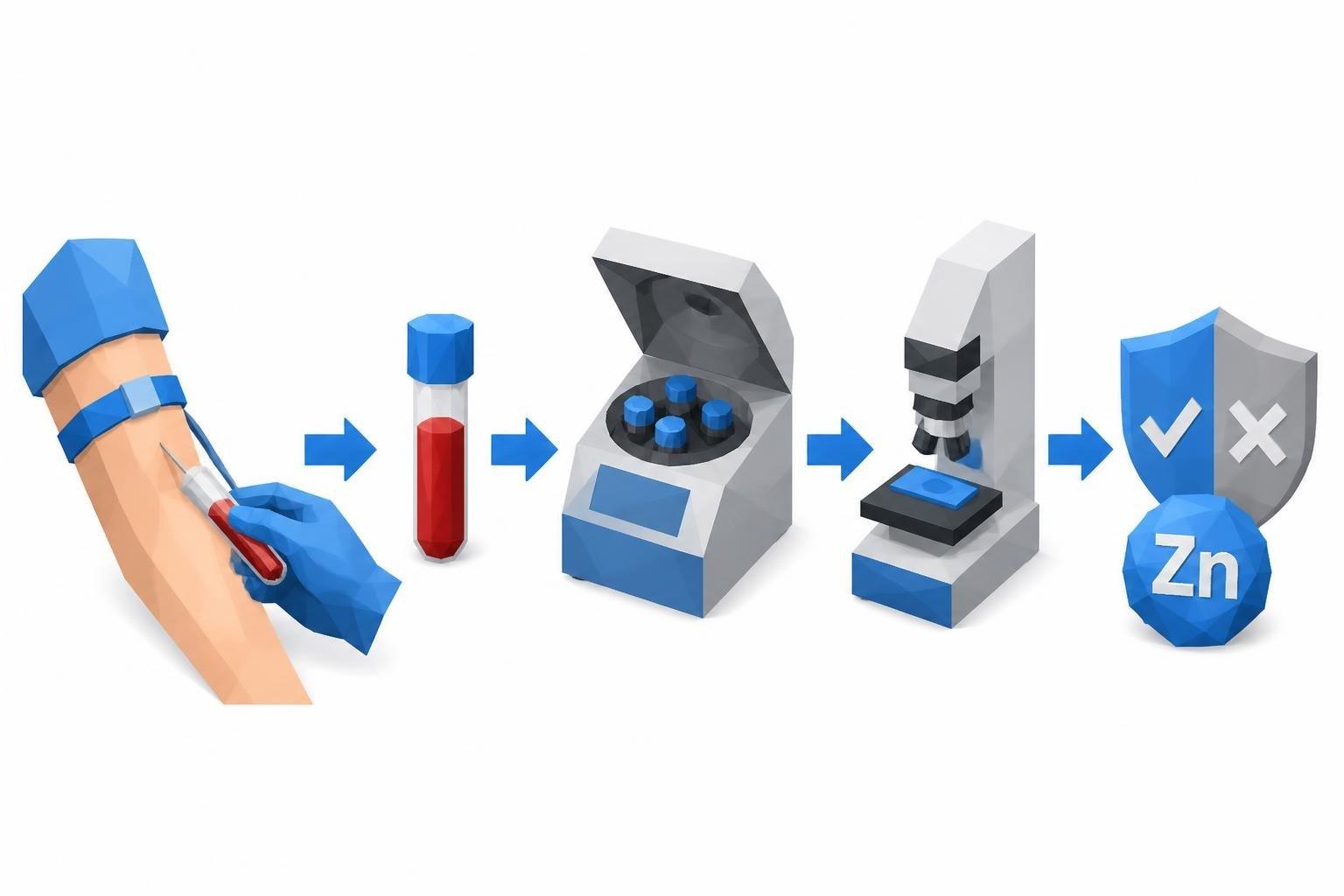
Serum or plasma zinc concentration represents the most widely used biomarker for assessing zinc status. Testing typically measures zinc in the liquid portion of blood after cells have been removed.
Standard Testing Approaches
Laboratories employ several analytical methods:
- Atomic absorption spectroscopy (AAS) - Traditional gold standard method
- Inductively coupled plasma mass spectrometry (ICP-MS) - Increasingly preferred for higher precision
- Inductively coupled plasma optical emission spectrometry (ICP-OES) - Alternative technique with good accuracy
WHO guidance on micronutrient surveys recommends ICP-MS as the preferred method for population-level assessment due to its superior analytical performance and ability to measure multiple elements simultaneously.
Reference Ranges and Cutoffs
Defining "normal" zinc levels involves some complexity. Different organizations propose varying thresholds:
- International Zinc Nutrition Consultative Group (IZiNCG): < 70 μg/dL for adults in fasted morning samples
- WHO population cutoffs: < 74 μg/dL for adult men, < 70 μg/dL for non-pregnant women
- Individual laboratories: Often report ranges of 60-130 μg/dL
These cutoffs were established through population studies examining zinc intake and status relationships. However, assessment guidance from IZiNCG notes that individual variation means some people may experience deficiency symptoms with levels above these thresholds.
Accuracy Limitations of Zinc Blood Tests
Understanding zinc deficiency blood test symptoms and accuracy requires acknowledging significant limitations in how well blood tests reflect true zinc status in body tissues.
Factors Affecting Test Reliability
Serum zinc concentrations respond to numerous variables unrelated to actual zinc stores:
Time-dependent factors:
- Diurnal variation (levels change throughout the day)
- Fasting versus fed state
- Recent zinc supplementation
Physiological conditions:
- Acute phase response during infection or inflammation
- Stress and cortisol elevation
- Pregnancy and hormonal fluctuations
Technical variables:
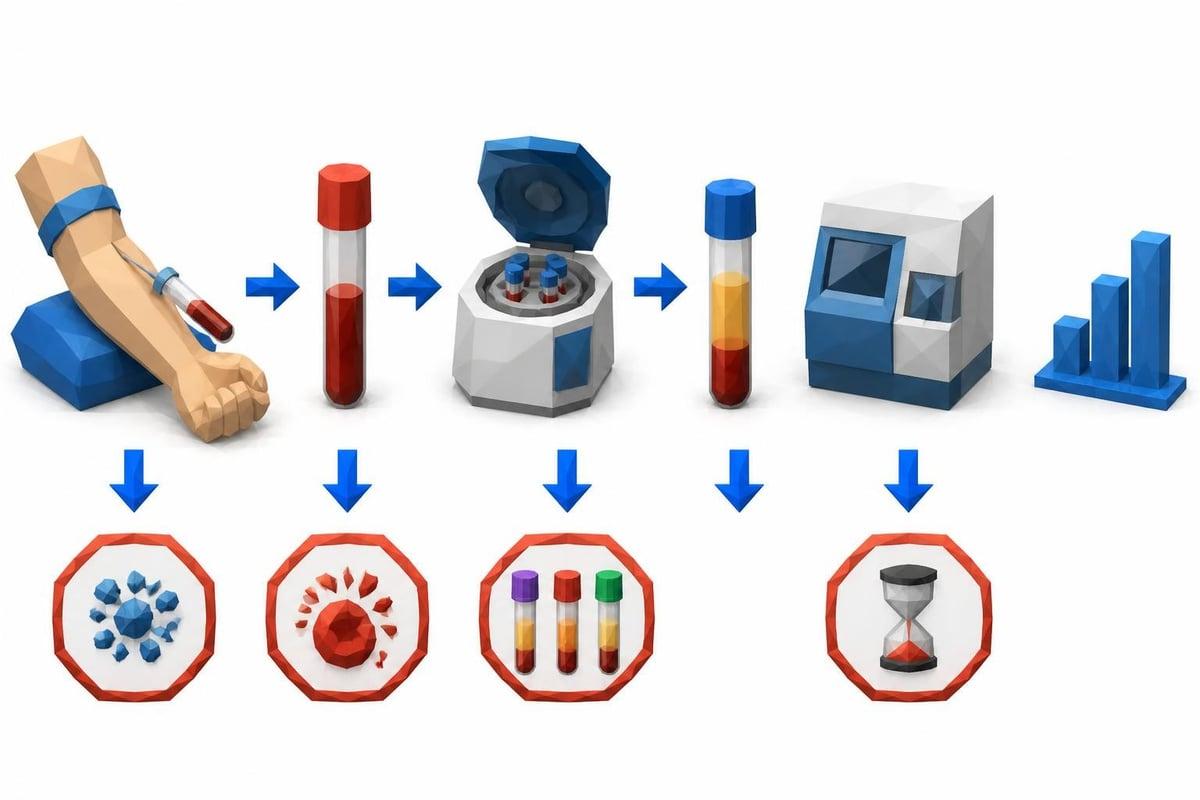
- Type of collection tube (zinc-free tubes required)
- Hemolysis contaminating the sample
- Time between collection and processing
Research on pre-analytical variables demonstrates that capillary versus venous blood draws, serum versus plasma choice, and processing delays all significantly impact measured zinc levels-sometimes by 10-20%.
The Redistribution Problem
During acute inflammation or infection, zinc redistributes from blood into liver and other tissues as part of the immune response. This acute phase response can lower serum zinc by 30-50% within hours, even when total body zinc remains adequate.
This redistribution makes interpreting zinc deficiency blood test symptoms and accuracy especially challenging in hospitalized patients or those with active infections. Test results may suggest deficiency when the issue is actually acute redistribution rather than true depletion.
What Blood Tests Miss
Serum zinc represents less than 0.1% of total body zinc. The majority resides intracellularly in muscles, bones, and organs. Blood levels don't reliably reflect:
- Tissue zinc concentrations where deficiency impacts function
- Intracellular zinc availability
- Zinc-dependent enzyme activities
- Long-term zinc nutritional status
A systematic review of assessment methods concludes that serum zinc has moderate sensitivity for detecting deficiency but should be interpreted alongside clinical context, dietary assessment, and functional indicators.
When Blood Testing Makes Sense
Despite limitations, zinc blood testing provides valuable information in specific clinical scenarios when properly interpreted.
High-Risk Populations Benefiting from Testing
Certain groups have elevated likelihood of deficiency that justifies screening:
- Pregnant and lactating women with increased physiological demands
- Infants and children showing growth delays or frequent infections
- Older adults with poor dietary intake or multiple medications
- Patients with gastrointestinal diseases affecting absorption
- Individuals with chronic kidney disease experiencing urinary losses
- People following restrictive diets particularly vegan or vegetarian patterns
For individuals without access to traditional healthcare pathways, ordering labs without a doctor through self-pay services provides an accessible alternative for initial assessment.
Appropriate Testing Contexts
Testing proves most useful when:
- Clinical symptoms suggest possible zinc deficiency
- Risk factors for deficiency are present
- Monitoring response to supplementation
- Evaluating nutritional status before major surgery
- Investigating unexplained immune dysfunction
Random screening in healthy individuals without risk factors or symptoms typically provides limited clinical value given the test's limitations and potential for misleading results.
Improving Test Accuracy Through Proper Procedures
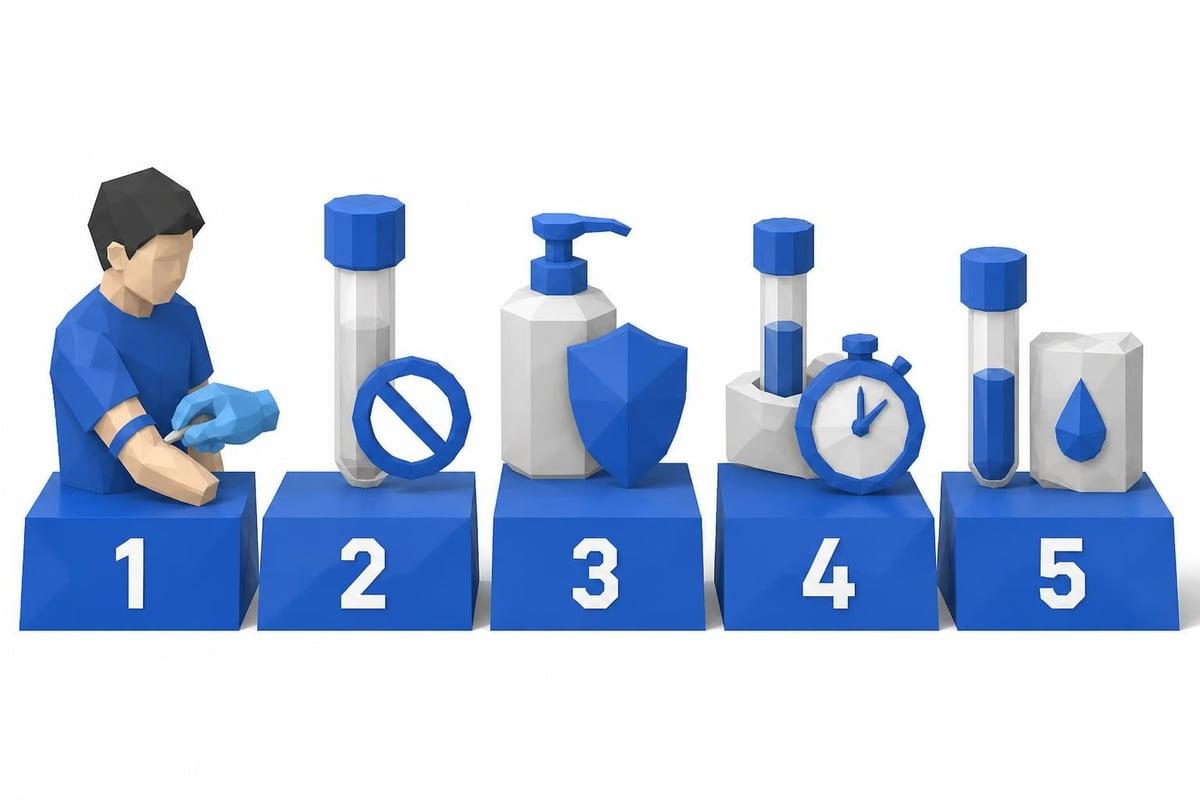
Following standardized protocols significantly improves the reliability of zinc deficiency blood test symptoms and accuracy assessment.
Sample Collection Best Practices
| Procedure Element | Recommendation |
|---|---|
| Timing | Morning collection after overnight fast (8-12 hours) |
| Tube Type | Trace element tubes or verified zinc-free collection tubes |
| Contamination Prevention | Avoid touching tube interior; remove jewelry during collection |
| Processing Time | Separate serum/plasma within 45 minutes of collection |
| Storage | Refrigerate or freeze if analysis delayed beyond 4 hours |
Healthcare providers and clinical laboratories emphasize that contamination from rubber stoppers, collection equipment, or environmental sources can artificially elevate results, while hemolysis releases zinc from red blood cells and falsely raises measurements.
Inflammation Adjustment
When C-reactive protein (CRP) or other inflammation markers are elevated, zinc results require careful interpretation. Some experts recommend:
- Testing CRP concurrently with zinc
- Repeating zinc testing after acute illness resolves
- Applying statistical adjustments when conducting population surveys
- Considering functional zinc status markers if inflammation is present
WHO survey protocols provide detailed guidance on adjusting zinc cutoffs based on inflammation status for population-level assessments.
Alternative and Complementary Assessment Methods
Given the limitations of serum zinc testing, complementary assessment approaches provide additional context for diagnosis.
Functional Indicators
These tests evaluate zinc-dependent biological functions:
- Alkaline phosphatase activity (zinc-dependent enzyme)
- Taste acuity testing using standardized solutions
- Dark adaptation testing for night vision
- Immune cell function assays measuring T-cell response
While more cumbersome than simple blood draws, functional tests may better reflect tissue zinc status relevant to health outcomes.
Dietary Assessment
Quantifying zinc intake through detailed dietary recalls or food frequency questionnaires helps identify inadequate consumption patterns. Registered dietitians can calculate zinc intake and evaluate bioavailability based on:
- Total dietary zinc content
- Phytate-to-zinc molar ratios
- Protein sources (animal versus plant)
- Use of fortified foods or supplements
Trial Supplementation
In some cases, therapeutic zinc supplementation for 3-6 months with symptom monitoring provides diagnostic insight. Improvement in specific symptoms (skin lesions, immune function, taste perception) supports the diagnosis of zinc deficiency even when blood tests were borderline.
This approach works best under medical supervision to avoid excessive supplementation and copper depletion, which can occur with prolonged high-dose zinc intake.
Cost and Access Considerations
Financial barriers often prevent individuals from obtaining zinc testing through traditional healthcare channels, particularly for those without insurance coverage.
Traditional Testing Costs
Through conventional medical systems, zinc blood tests typically cost:
- With insurance: $10-50 copay after deductible
- Without insurance: $80-250 depending on facility
- Hospital settings: Often $300+ due to facility fees
These costs don't include provider visit charges, which add another $100-300 for uninsured patients.
Self-Pay Testing Options
Direct-access laboratory services have made zinc testing more affordable and accessible. Getting blood tests without insurance allows individuals to:
- Order tests online without provider visits
- Access transparent, upfront pricing
- Receive results typically within 1-3 days
- Avoid insurance claim complexities
This approach particularly benefits people with high-deductible plans, gaps in coverage, or those who prefer managing their health proactively without navigating traditional healthcare bureaucracy.
Interpreting Your Results
Receiving zinc test results represents just the first step in understanding zinc deficiency blood test symptoms and accuracy for your individual situation.
Reading the Report
Laboratory reports typically provide:
- Your numeric value (e.g., 68 μg/dL)
- Reference range (often 60-130 μg/dL)
- Flag indicators (L for low, H for high)
- Collection details (date, time, fasting status)
Values below the reference range clearly indicate low serum zinc. However, values in the lower quarter of the "normal" range may still represent inadequate status for some individuals, especially if symptoms are present.
Correlating with Symptoms
Compare your result against your symptom profile:
Low serum zinc + compatible symptoms → Strong evidence for deficiency requiring intervention
Low serum zinc + no symptoms → Consider retesting after ensuring proper collection procedures; evaluate dietary intake
Normal serum zinc + deficiency symptoms → Possible tissue deficiency despite normal blood levels; consider functional testing or dietary assessment
Normal serum zinc + inflammation markers elevated → Retest after acute illness resolves for accurate assessment
Next Steps Based on Results
| Result Category | Recommended Actions |
|---|---|
| Clearly deficient | Increase dietary zinc; consider supplementation; address underlying causes |
| Borderline low | Optimize diet; retest in 2-3 months; monitor symptoms |
| Normal with symptoms | Evaluate other potential causes; consider functional testing; dietary assessment |
| Normal without symptoms | Continue adequate dietary intake; routine monitoring not needed |
Key Takeaways
Zinc deficiency produces diverse symptoms affecting immunity, skin, growth, and cognition, but these overlap with many other conditions. Blood testing for zinc provides helpful diagnostic information despite significant limitations-serum levels reflect only a small fraction of total body zinc and fluctuate with inflammation, timing, and technical factors. Proper sample collection, fasting status, and awareness of acute phase response dramatically impact test accuracy. High-risk populations including pregnant women, older adults, those with digestive disorders, and people on restricted diets benefit most from testing. Results require interpretation alongside clinical symptoms, dietary assessment, and sometimes functional markers or supplementation trials rather than relying on a single number to guide all decisions.
Frequently Asked Questions
What are the most reliable symptoms indicating I should get a zinc blood test?
Recurrent infections, unexplained skin lesions or poor wound healing, persistent diarrhea, hair loss, and altered taste or smell represent the most specific symptoms suggesting possible zinc deficiency. However, these symptoms alone cannot confirm deficiency-blood testing combined with dietary assessment provides the most reliable diagnostic approach. If you have risk factors like digestive disorders, pregnancy, or strict vegetarian diet alongside these symptoms, testing becomes particularly worthwhile.
How accurate are zinc blood tests compared to other nutritional tests?
Zinc blood tests show moderate accuracy with important caveats. Unlike tests for vitamin B12 or iron that correlate well with body stores, serum zinc captures only a snapshot of circulating levels that may not reflect tissue status. Research comparing biomarkers indicates sensitivity around 60-70% for detecting true deficiency, meaning some deficient individuals test normal. Specificity is better at 80-90%, so low results generally indicate genuine deficiency. Accuracy improves significantly with proper collection procedures and interpretation accounting for inflammation.
Can I get a zinc test without seeing a doctor first?
Yes, direct-access laboratory testing services now allow you to order zinc tests online without a doctor's visit. Understanding how self-pay lab testing works shows that you can select tests, visit a collection facility, and receive results digitally-often at lower cost than traditional channels. This approach works well for initial screening or monitoring known deficiency, though consulting healthcare providers remains important for interpreting results in context of your overall health and determining appropriate interventions.
How long does it take to see blood zinc levels increase after starting supplementation?
Serum zinc concentrations typically rise within 1-2 weeks of beginning zinc supplementation at appropriate doses (25-50 mg daily for adults). However, replenishing tissue stores and resolving symptoms takes longer-usually 2-3 months of consistent supplementation. Testing too soon after starting supplements may show normal blood levels while tissue deficiency persists. Most experts recommend retesting at 3 months to assess response, combined with monitoring symptom improvement as a functional marker of restored zinc status.
Should zinc tests be done fasting and at a specific time of day?
Yes, optimal zinc testing requires overnight fasting (8-12 hours) with morning collection between 8-10 AM. Zinc levels show diurnal variation, decreasing throughout the day, while food intake triggers transient increases that don't reflect baseline status. Studies of pre-analytical variables demonstrate that non-fasting samples collected in the afternoon can measure 10-15% higher than properly collected morning fasting samples, potentially masking mild deficiency. Following standardized collection procedures dramatically improves result reliability and allows meaningful comparison to established reference ranges.
What other tests should I get along with a zinc level?
Concurrent testing for inflammatory markers (C-reactive protein or CRP), complete blood count (CBC), and comprehensive metabolic panel (CMP) provides valuable context for interpreting zinc results. Since copper and zinc interact metabolically, some practitioners recommend testing both minerals together, especially before starting supplementation. For individuals with digestive symptoms, celiac screening or tests for malabsorption disorders help identify underlying causes. Those evaluating fatigue might combine zinc testing with vitamin D, B12, and thyroid function. Transparent lab test pricing makes bundling relevant tests more affordable than ordering individually through traditional channels.
Understanding zinc deficiency blood test symptoms and accuracy empowers you to make informed decisions about when testing makes sense and how to interpret results within the broader context of your health. While blood tests have limitations, they remain valuable tools when combined with symptom assessment and dietary evaluation. JustLabs provides convenient access to zinc testing at transparent prices, with online ordering and results typically available within 1-3 days-no insurance or doctor visit required. Taking control of your nutritional health starts with accessible, affordable testing that fits your schedule and budget.