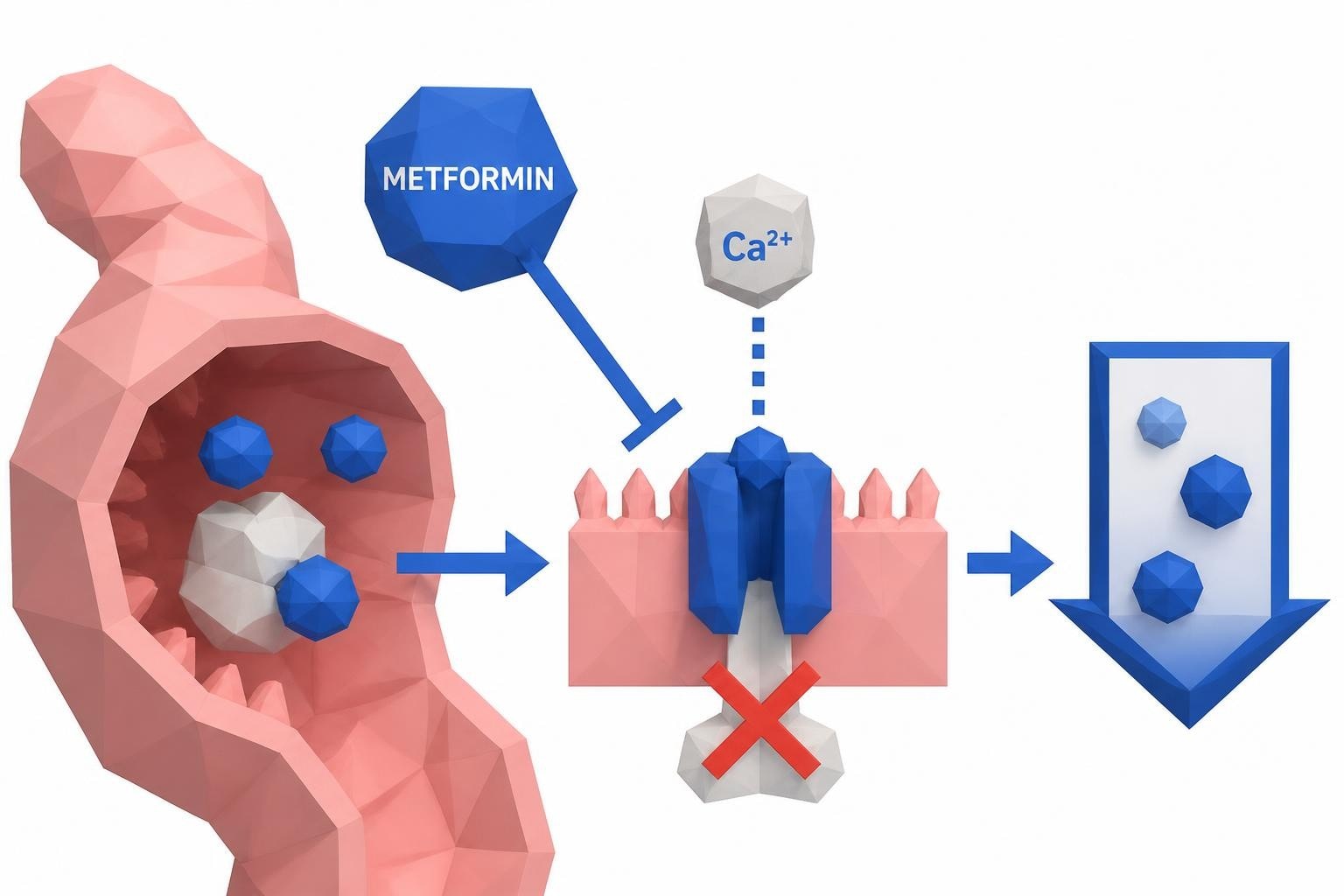
Vitamin D plays a critical role in bone health, immune function, and overall well-being, yet millions of Americans don't know their current vitamin D status. Understanding the difference between vitamin d levels deficient insufficient and optimal can empower you to take control of your health through appropriate testing and intervention.
Big picture
- Vitamin D is measured as 25-hydroxyvitamin D [25(OH)D] in blood tests, with results reported in ng/mL or nmol/L depending on the laboratory standard.
- Three main categories classify vitamin D status: deficient (typically <20 ng/mL), insufficient (20-30 ng/mL), and optimal (≥30 ng/mL), though exact thresholds vary among professional organizations.
- Deficiency affects bone health and immunity: Low vitamin D levels increase risks for osteomalacia, fractures, and may compromise immune response.
- Testing is straightforward and accessible: Modern lab services allow you to order labs without a doctor's visit, making it easier to monitor your status.
- Supplementation can correct deficiency: Most people can improve their levels through appropriate vitamin D supplementation based on test results.
- Regular monitoring helps maintain optimal levels: Retesting after intervention ensures you've reached and maintained healthy vitamin D concentrations.
Understanding Vitamin D Measurement
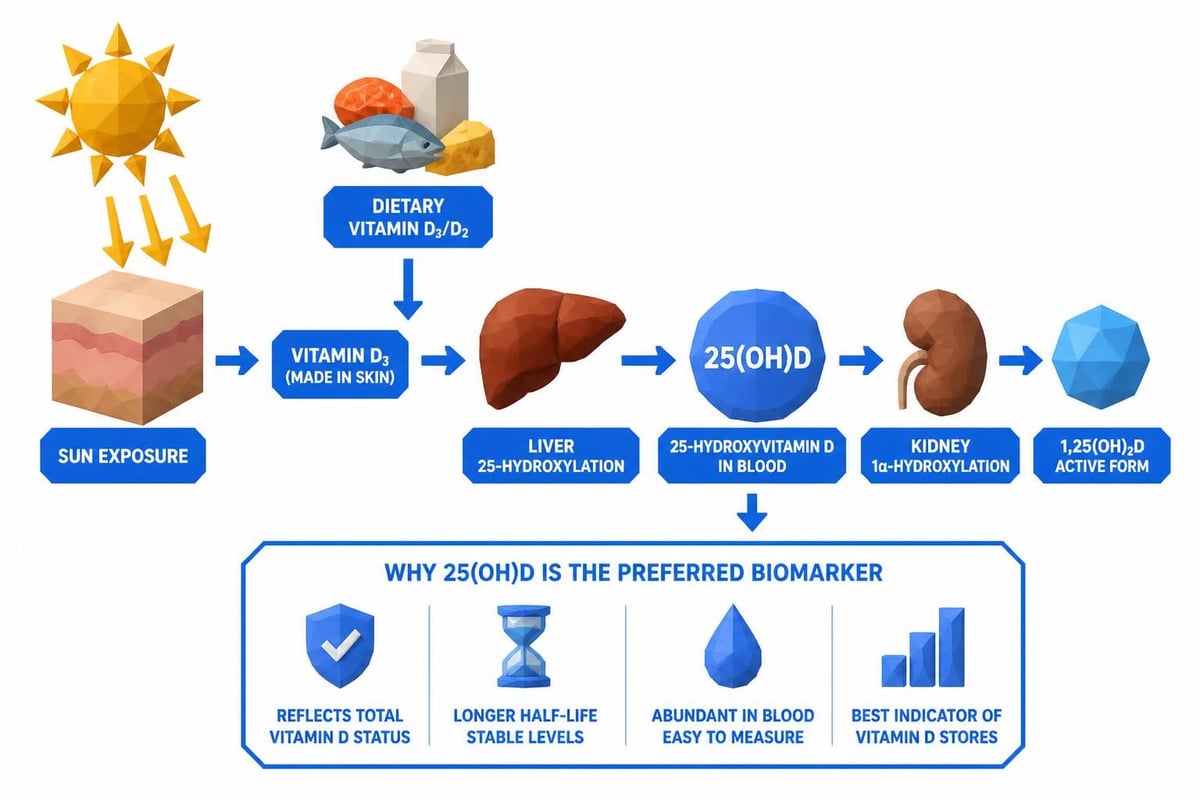
The gold standard for assessing vitamin D status is the 25-hydroxyvitamin D blood test. This measurement reflects both dietary intake and sunlight-driven synthesis in the skin, providing the most accurate snapshot of your body's vitamin D stores.
Laboratory methods for measuring 25(OH)D have evolved significantly over the past decade. The Clinical and Laboratory Standards Institute provides standardization guidance to ensure comparability across different testing platforms and laboratories. Most clinical labs now use liquid chromatography-tandem mass spectrometry (LC-MS/MS) or automated immunoassays, both offering reliable results when properly calibrated.
Why 25(OH)D Is the Right Test
Your body converts vitamin D into several forms, but 25-hydroxyvitamin D has the longest half-life (approximately 2-3 weeks) and most accurately reflects total vitamin D status. The active hormone form, 1,25-dihydroxyvitamin D, is tightly regulated and doesn't reliably indicate vitamin D sufficiency or deficiency.
When you access affordable lab testing, you'll typically receive results in nanograms per milliliter (ng/mL), the standard unit in the United States. Some international labs report in nanomoles per liter (nmol/L). To convert: multiply ng/mL by 2.5 to get nmol/L.
Defining Vitamin D Levels: Deficient, Insufficient, and Optimal
Professional medical organizations have established thresholds to classify vitamin d levels deficient insufficient and optimal, though some variation exists in the exact cutoff points.
Deficient Levels
Vitamin D deficiency is generally defined as serum 25(OH)D below 20 ng/mL (50 nmol/L). At this level, the body cannot adequately mineralize bone tissue, leading to increased risk of:
- Osteomalacia (softening of bones in adults)
- Rickets (bone deformities in children)
- Increased bone fracture risk
- Muscle weakness and pain
- Potential immune system impairment
The Endocrine Society clinical practice guidelines emphasize that deficiency represents a clinically significant health concern requiring intervention.
Insufficient Levels
The insufficient range represents a gray zone where levels are higher than deficient but still suboptimal. Most experts define insufficiency as 25(OH)D between 20-30 ng/mL (50-75 nmol/L).
| Classification | ng/mL Range | nmol/L Range | Clinical Significance |
|---|---|---|---|
| Deficient | <20 | <50 | High risk for bone disease, requires treatment |
| Insufficient | 20-30 | 50-75 | Suboptimal, supplementation often recommended |
| Optimal | ≥30 | ≥75 | Adequate for bone and overall health |
| High | >100 | >250 | Potential for toxicity, rarely seen without oversupplementation |
While not as severe as deficiency, insufficiency may still impact bone density over time and potentially affect other body systems. Many healthcare providers recommend supplementation even in this range to achieve optimal levels.
Optimal Levels
The widely accepted optimal range for vitamin D is 30 ng/mL (75 nmol/L) or higher. This threshold provides adequate vitamin D for:
- Maximum calcium absorption
- Optimal bone mineralization
- Normal parathyroid hormone function
- General health maintenance
Some researchers advocate for even higher targets (40-60 ng/mL) for specific populations or conditions, though this remains debated in the medical community.
Who Needs Vitamin D Testing?
Not everyone requires routine vitamin D testing, but certain populations benefit significantly from knowing their levels.
High-Risk Groups
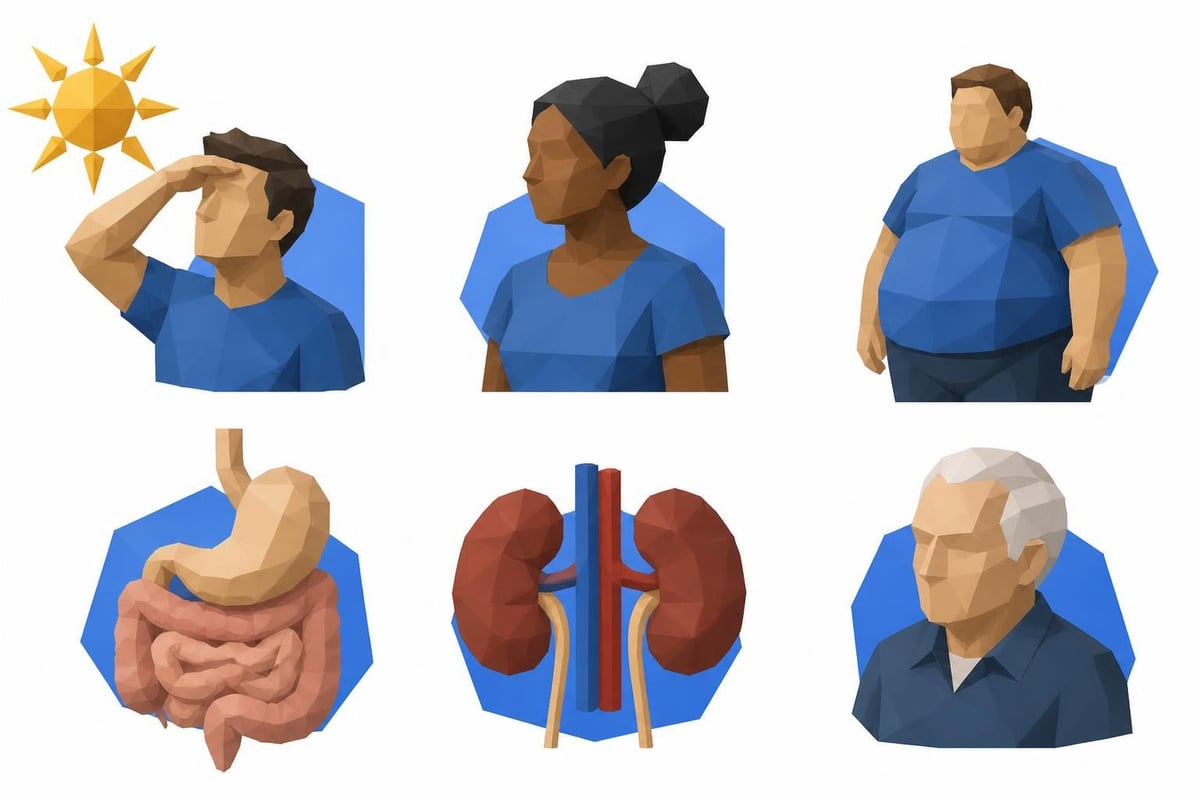
People with limited sun exposure top the list of those who should consider testing. This includes individuals who work indoors, live in northern latitudes (above 37 degrees), regularly use sunscreen, or cover their skin for cultural or religious reasons.
Older adults experience decreased skin synthesis of vitamin D and may have reduced dietary intake. The NICE guidance on vitamin D specifically addresses testing policies for at-risk groups including the elderly.
Individuals with darker skin require more sun exposure to produce the same amount of vitamin D as those with lighter skin, putting them at higher risk for deficiency.
Medical Conditions Affecting Vitamin D
Several health conditions warrant vitamin D testing:
- Osteoporosis or history of fragility fractures
- Chronic kidney disease
- Malabsorption disorders (Crohn's disease, celiac disease, gastric bypass)
- Obesity (vitamin D is sequestered in fat tissue)
- Certain medications (anticonvulsants, glucocorticoids)
Pregnant women represent another important group. The WHO guidance on vitamin D supplementation during pregnancy discusses the evidence for routine supplementation, though testing policies vary by country.
Interpreting Your Vitamin D Test Results
Receiving your lab results is just the first step. Understanding what those numbers mean for your health requires context and sometimes professional guidance.
Reading the Lab Report
When you review results from convenient online lab testing, you'll see your 25(OH)D value alongside a reference range. Most labs use the following interpretive guidelines:
Below 20 ng/mL: The report typically flags this as low or deficient. This indicates a clear need for supplementation and lifestyle modifications.
20-30 ng/mL: Often listed as "adequate" or "borderline," though many clinicians consider this insufficient for optimal health.
30-100 ng/mL: Generally considered the healthy range, with no intervention needed unless symptoms suggest otherwise.
Above 100 ng/mL: Considered elevated and potentially concerning for vitamin D toxicity, though this is rare without excessive supplementation.
Factors Affecting Results
Several variables can influence your vitamin D levels beyond diet and sun exposure:
- Season and geography: Levels naturally fluctuate, often dropping in winter months
- Body weight: Higher BMI correlates with lower circulating vitamin D
- Age: Synthesis capacity decreases with advancing age
- Genetics: Some people have genetic variations affecting vitamin D metabolism
Understanding these factors helps explain why vitamin d levels deficient insufficient and optimal can vary significantly between individuals with similar lifestyles.
Treatment Strategies Based on Your Levels
Once you know your vitamin D status, appropriate intervention can optimize your levels and reduce health risks.
Correcting Deficiency
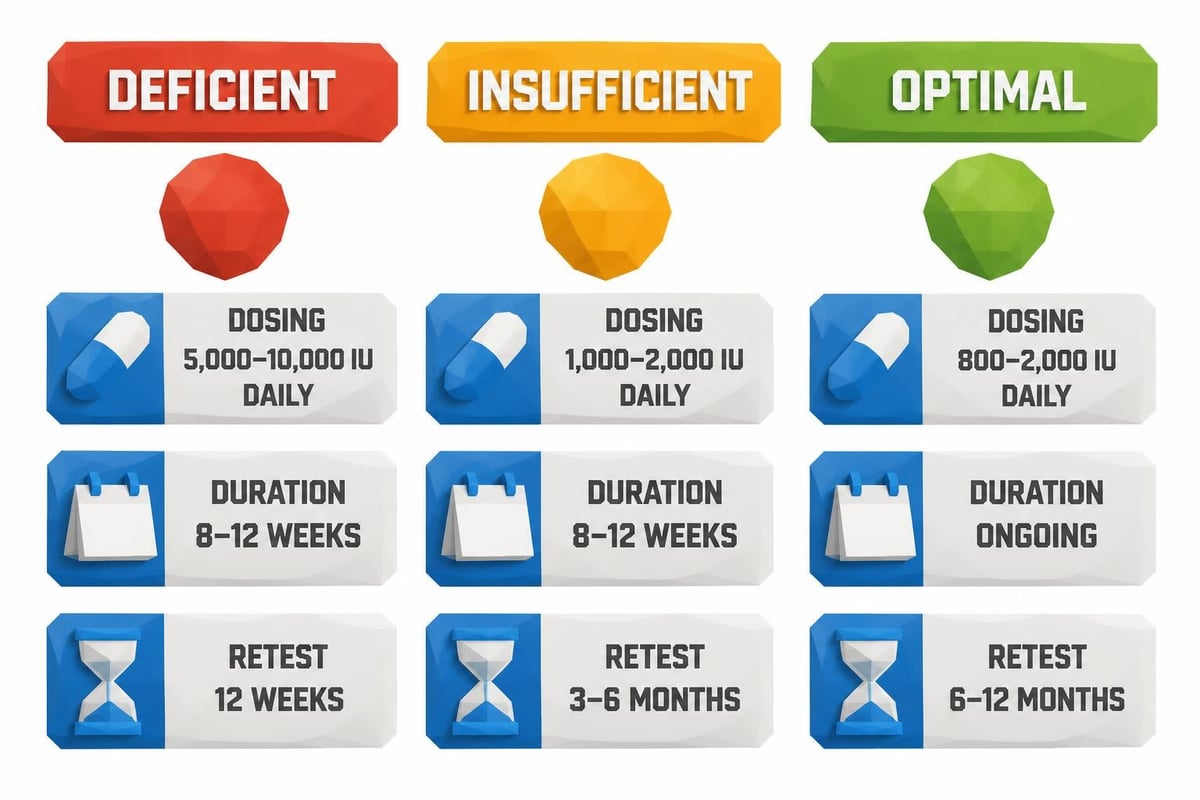
For levels below 20 ng/mL, most protocols recommend:
- High-dose supplementation: 6,000-10,000 IU daily for 8-12 weeks
- Repletion with loading doses: 50,000 IU weekly for 8 weeks
- Retesting: Check levels after 3 months to ensure improvement
The specific approach depends on the severity of deficiency and individual factors like body weight and absorption capacity.
Addressing Insufficiency
For levels between 20-30 ng/mL, a more moderate approach works well:
- 1,000-2,000 IU daily of vitamin D3
- Increased dietary sources (fatty fish, fortified foods)
- Sensible sun exposure (10-30 minutes several times weekly)
- Retest in 3-6 months
Recommended Panel
Vitamin & Mineral Panel
Save $5This panel tests the most commonly deficient nutrients: Vitamin D, B12, Folate, Iron (with complete iron studies), Ferritin, and Magnesium - the building blocks your body needs to function optimally.
Includes 9 biomarkers
$64
Fasting required
Maintaining Optimal Levels
Once you've achieved optimal vitamin D status (≥30 ng/mL), maintenance requires ongoing attention:
Consistent supplementation: Most adults maintain levels with 1,000-2,000 IU daily, though individual needs vary. The AAP recommendations suggest 400 IU daily for infants and children, demonstrating age-specific requirements.
Regular monitoring: Annual testing helps ensure you remain in the optimal range, especially if you change your supplementation routine or experience significant lifestyle changes.
Dietary sources: While difficult to achieve optimal levels through diet alone, incorporating vitamin D-rich foods supports overall status:
- Fatty fish (salmon, mackerel, sardines): 400-1,000 IU per serving
- Fortified milk and plant-based alternatives: 100-150 IU per cup
- Egg yolks: 40 IU per yolk
- Fortified cereals: 40-100 IU per serving
Special Considerations for Vitamin D Testing
Certain situations require modified approaches to testing and interpretation of vitamin d levels deficient insufficient and optimal.
Pregnancy and Lactation
Vitamin D requirements increase during pregnancy and breastfeeding. While routine screening isn't universally recommended for all pregnant women, those with risk factors should be tested. Deficiency during pregnancy has been associated with preeclampsia, gestational diabetes, and low birth weight.
Lactating women need adequate vitamin D not only for their own health but also to provide sufficient amounts in breast milk. Exclusively breastfed infants require supplementation since breast milk typically contains only 25 IU per liter.
Chronic Disease Management
People with chronic kidney disease face unique challenges because impaired kidney function affects vitamin D activation. These individuals may require special forms of vitamin D (calcitriol) and closer monitoring.
Similarly, those with hyperparathyroidism, granulomatous diseases like sarcoidosis, or certain lymphomas need careful oversight when supplementing vitamin D due to altered calcium metabolism.
Medication Interactions
Several medications affect vitamin D metabolism or absorption:
- Anticonvulsants accelerate vitamin D breakdown
- Glucocorticoids impair calcium absorption and bone formation
- Weight loss medications may reduce fat-soluble vitamin absorption
- Cholesterol-lowering medications can interfere with vitamin D synthesis
If you take any of these medications, discussing your vitamin D status with a healthcare provider becomes especially important.
Cost-Effective Access to Vitamin D Testing
Understanding your vitamin D status shouldn't require navigating complex insurance requirements or scheduling multiple appointments.
Direct-Access Testing Benefits
Modern lab services remove traditional barriers to vitamin D testing. When you access transparent lab test pricing, you can:
- Order tests online without a doctor's order
- See pricing upfront without insurance hassles
- Receive results quickly (typically 1-3 days)
- Track your levels over time with saved results
This approach particularly benefits people without health insurance, those with high-deductible plans, or anyone who prefers the convenience of self-directed health monitoring.
When to Use FSA/HSA Funds
Vitamin D testing qualifies as an eligible expense for flexible spending accounts (FSA) and health savings accounts (HSA). Using FSA/HSA eligible tests allows you to pay with pre-tax dollars, reducing your out-of-pocket costs significantly.
Testing Frequency Recommendations
How often should you test? The answer depends on your starting point and intervention strategy:
| Initial Status | Testing Frequency |
|---|---|
| First-time test (no symptoms) | Baseline, then annually if normal |
| Deficient (<20 ng/mL) | 3 months after starting treatment, then every 6-12 months |
| Insufficient (20-30 ng/mL) | 3-6 months after starting supplementation |
| Optimal (≥30 ng/mL) | Annually or as needed |
| High-risk populations | Every 6-12 months ongoing |
Key takeaways
Understanding vitamin d levels deficient insufficient and optimal empowers you to take control of this critical aspect of your health. Deficiency (below 20 ng/mL) requires prompt intervention to prevent bone disease and other complications, while insufficiency (20-30 ng/mL) suggests suboptimal levels that benefit from moderate supplementation.
Achieving and maintaining optimal vitamin D status (30 ng/mL or higher) supports bone health, immune function, and overall well-being. Regular testing allows you to track your progress and adjust your approach as needed, whether through supplementation, dietary changes, or increased sun exposure.
The accessibility of direct-to-consumer lab testing has made monitoring vitamin D levels easier and more affordable than ever. Rather than waiting for symptoms to develop or hoping your levels are adequate, proactive testing provides the concrete data you need to make informed decisions about your health.
FAQ
What is the difference between vitamin D2 and D3 supplementation?
Vitamin D3 (cholecalciferol) is more effective at raising and maintaining 25(OH)D levels than vitamin D2 (ergocalciferol). D3 is the form naturally produced in your skin and found in animal sources, while D2 comes from plant sources and fortified foods. When choosing supplements to correct vitamin d levels deficient insufficient and optimal ranges, most experts recommend D3 for superior bioavailability and longer-lasting effects.
Can I have too much vitamin D?
Yes, though vitamin D toxicity is rare and almost always results from excessive supplementation rather than sun exposure or diet. Levels above 100 ng/mL may cause hypercalcemia (elevated blood calcium), leading to nausea, weakness, kidney problems, and abnormal heart rhythms. This is why testing is important before starting high-dose supplementation and monitoring helps ensure you stay within safe ranges.
How long does it take to correct vitamin D deficiency?
The timeline varies based on the severity of deficiency and the treatment protocol. With appropriate high-dose supplementation (typically 6,000-10,000 IU daily or 50,000 IU weekly), most people see significant improvement within 8-12 weeks. However, it may take 3-6 months to fully replete stores and achieve stable optimal levels. Factors like body weight, absorption capacity, and ongoing sun exposure influence the correction timeline.
Should I test my vitamin D level in winter or summer?
The best time to test depends on your goal. Winter testing reveals your lowest levels and greatest risk period, while summer testing shows your peak levels. For a comprehensive understanding, some people choose to test in both seasons. If you can only test once annually, late winter or early spring captures your vitamin D status at its likely lowest point, providing the most clinically relevant information for intervention decisions.
Do I need to fast before a vitamin D test?
No, fasting is not required for vitamin D testing. Unlike some blood tests that measure glucose or lipids, vitamin D levels remain stable regardless of recent food intake. You can have your blood drawn at any time of day, making it convenient to combine with other tests or fit into your schedule. This differs from tests like cortisol, which require specific timing.
Is vitamin D testing covered by insurance?
Coverage varies significantly by insurance plan and clinical indication. Some plans cover testing for people with documented risk factors or symptoms of deficiency, while others consider it investigational for general screening. Many individuals find that comparing lab test prices for self-pay options results in lower out-of-pocket costs than using insurance, especially for those with high deductibles or limited coverage.
Knowing your vitamin D status through regular testing is a straightforward way to protect your bone health and overall wellness. Whether your levels fall into the deficient, insufficient, or optimal range, targeted intervention can help you achieve and maintain healthy vitamin D concentrations. JustLabs makes it simple to order vitamin D testing online with transparent pricing and quick results, giving you the information you need to optimize your health without the hassle of insurance claims or doctor's appointments.