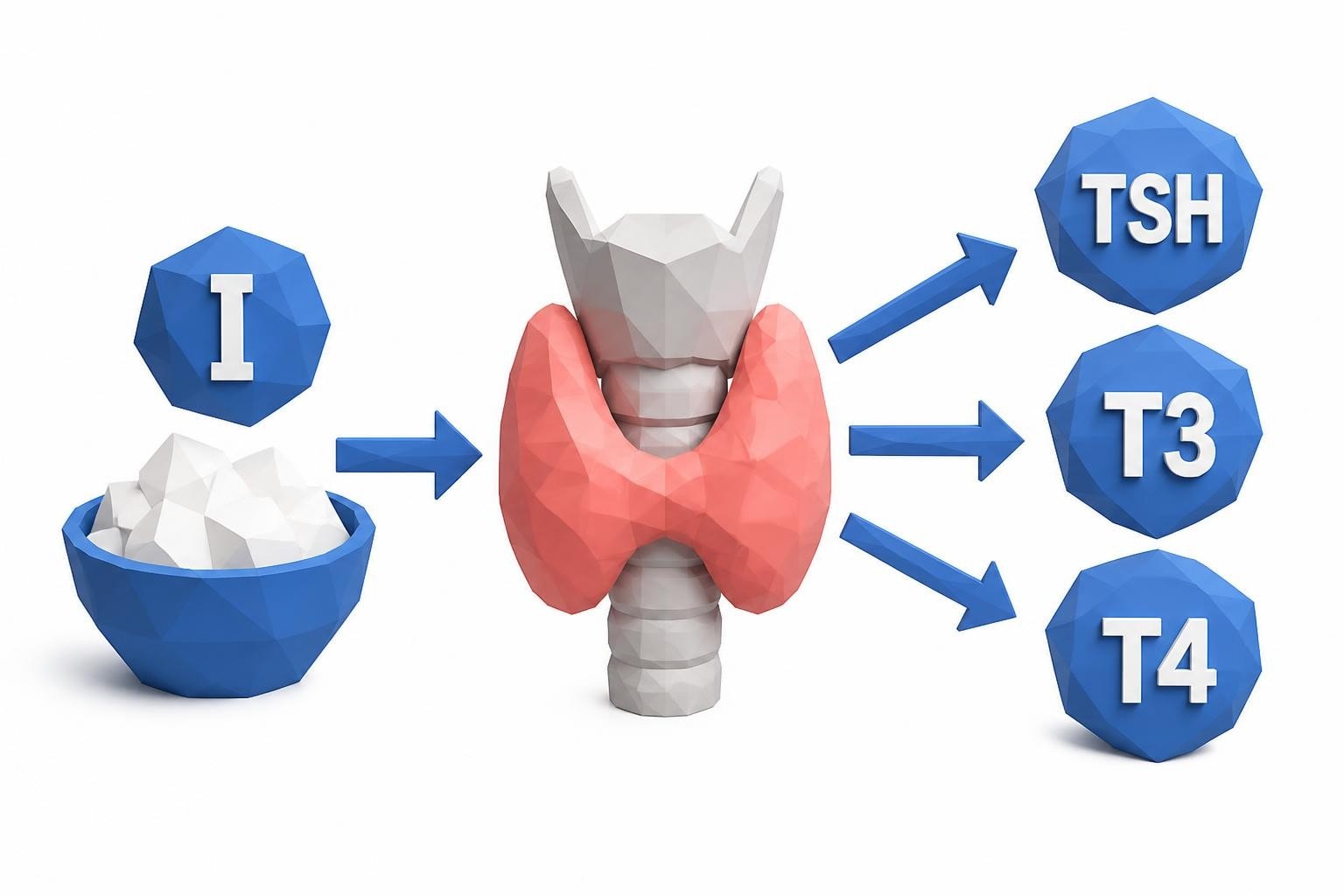
The relationship between iodine levels and thyroid health represents one of the most significant nutritional concerns affecting millions of people worldwide. Despite widespread salt iodization programs implemented in many countries, iodine deficiency thyroid conditions continue to emerge, particularly among populations avoiding processed foods or following specialized diets. Understanding this connection and recognizing the signs of deficiency early can prevent serious complications ranging from mild fatigue to severe developmental issues.
Understanding the Iodine Deficiency Thyroid Connection
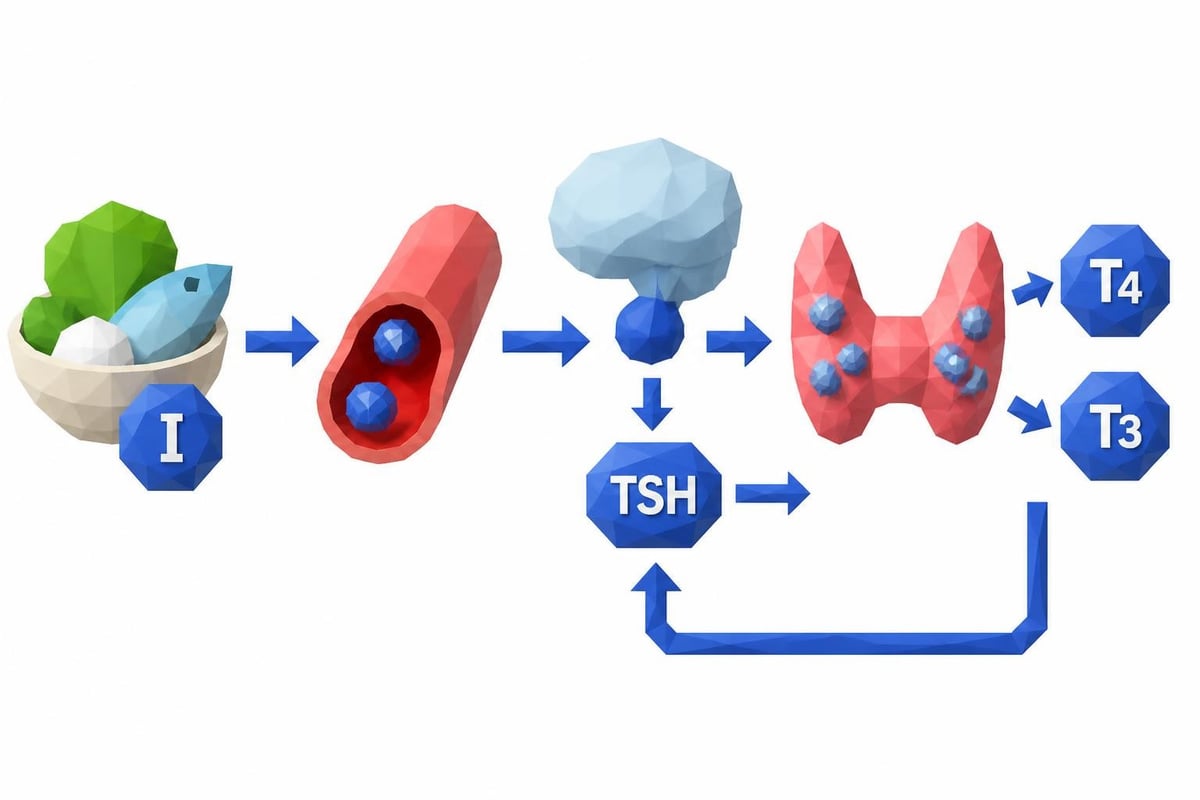
Iodine serves as the fundamental building block for thyroid hormone production. The thyroid gland, located in the neck, captures iodine from the bloodstream and incorporates it into two essential hormones: thyroxine (T4) and triiodothyronine (T3). These hormones regulate metabolism, energy production, body temperature, and numerous other vital functions throughout the body.
When iodine intake falls below recommended levels, the thyroid cannot produce adequate amounts of these hormones. According to the World Health Organization's assessment of iodine deficiency, approximately 2 billion people globally have insufficient iodine intake, making it the most common preventable cause of intellectual disability worldwide.
How Serum Testing Reveals Iodine Status
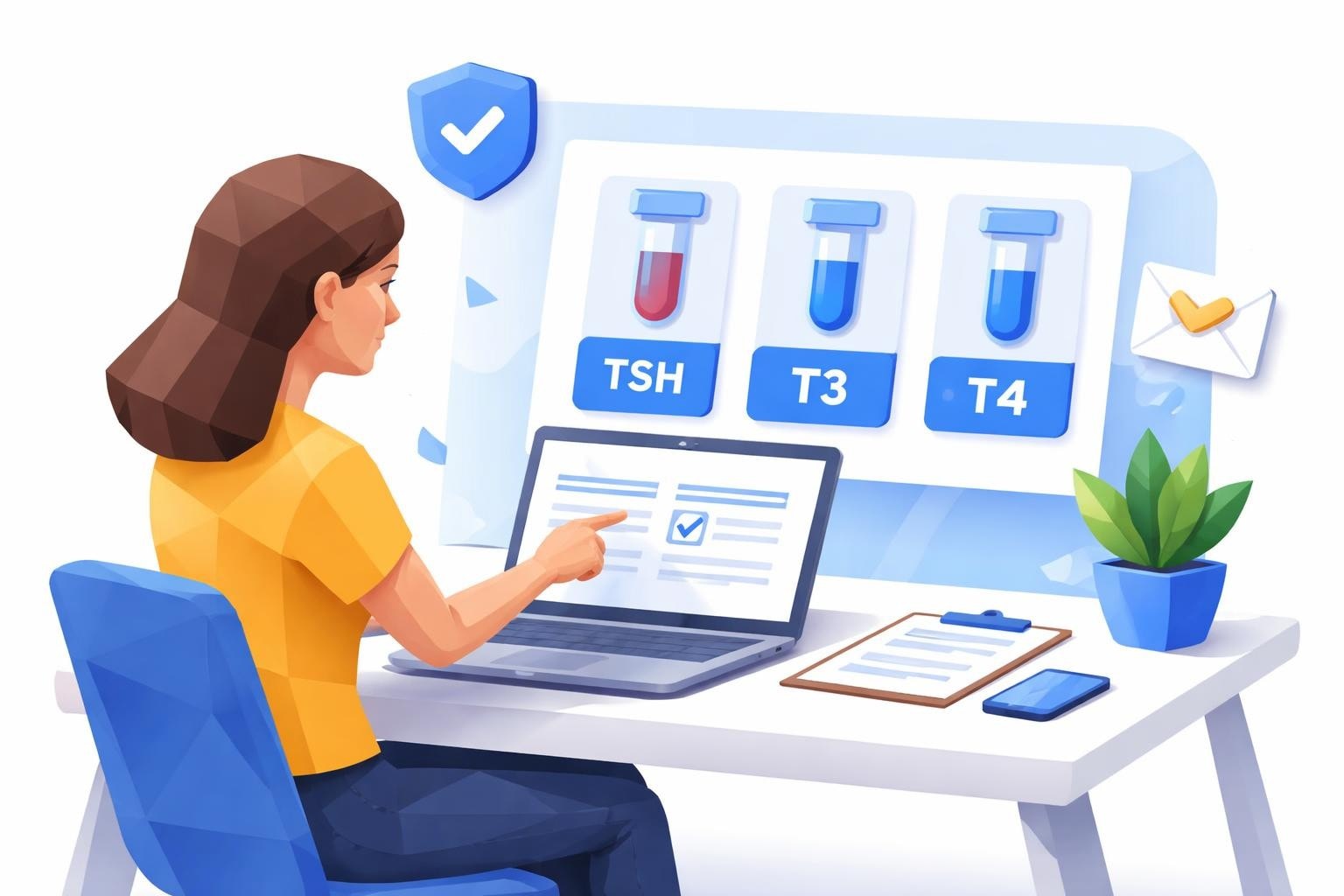
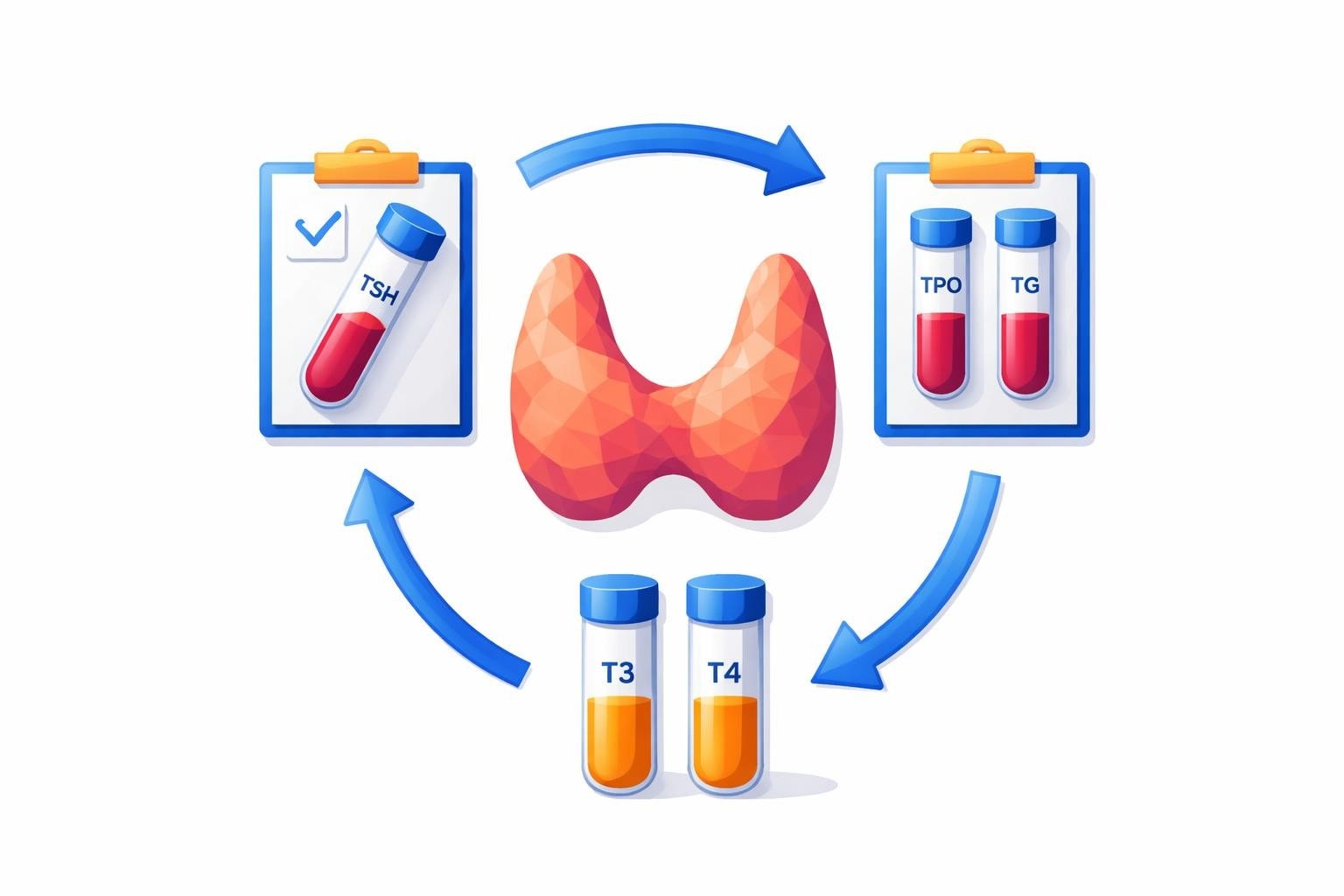
Serum testing provides critical insights into both iodine levels and thyroid function. While direct measurement of iodine in serum is less common than urine testing, comprehensive thyroid panels that measure TSH (thyroid-stimulating hormone), T3, and T4 levels can indicate whether iodine deficiency thyroid problems exist.
Key markers include:
- TSH levels: Elevated TSH often signals the pituitary gland is working harder to stimulate an underperforming thyroid
- Free T4 and T3: Low levels indicate insufficient thyroid hormone production
- Thyroglobulin: Elevated levels may suggest iodine deficiency
- Thyroid antibodies: Help distinguish autoimmune conditions from nutritional deficiencies
For individuals seeking convenient access to these tests, Justlabs offers comprehensive thyroid panels that can be ordered online without insurance requirements or doctor visits, with results typically available within 1-3 days.
Recognizing Symptoms of Iodine Deficiency Thyroid Disorders
The symptoms of iodine deficiency thyroid conditions develop gradually and often mirror other health issues, making them difficult to identify without proper testing. Early recognition becomes essential for preventing progression to more serious conditions.
Early Warning Signs
Mild iodine deficiency may present with subtle symptoms that worsen over time:
- Unexplained fatigue and weakness despite adequate sleep
- Difficulty concentrating or mental fog
- Dry skin and brittle hair
- Increased sensitivity to cold temperatures
- Modest weight gain unrelated to dietary changes
- Constipation and digestive sluggishness
Progressive Symptoms
As deficiency becomes more severe, additional symptoms emerge:
- Goiter development: The thyroid gland enlarges as it attempts to capture more iodine from the blood
- Bradycardia: Slower heart rate affecting circulation and energy
- Menstrual irregularities: Changes in cycle length, flow, or regularity
- Muscle weakness: Decreased strength and endurance
- Depression and mood changes: Alterations in mental health and emotional stability
According to MedlinePlus information on dietary iodine, these symptoms often overlap with other thyroid conditions, emphasizing the importance of proper diagnostic testing to determine the underlying cause.
Who Faces the Highest Risk
Certain populations demonstrate increased vulnerability to iodine deficiency thyroid problems due to dietary patterns, life stages, or geographic factors.
| Risk Group | Contributing Factors | Recommended Action |
|---|---|---|
| Pregnant women | Increased iodine requirements for fetal development | Regular screening, prenatal supplements |
| Vegans and vegetarians | Limited seafood and dairy consumption | Monitor iodine sources, consider supplementation |
| People avoiding iodized salt | Use of sea salt, pink salt, or salt-free diets | Seek alternative iodine sources |
| Residents of iodine-poor regions | Soil depletion in certain geographic areas | Increased dietary awareness |
| Individuals with digestive disorders | Malabsorption issues affecting nutrient uptake | Medical monitoring, adjusted supplementation |
The Harvard Nutrition Source on iodine emphasizes that pregnant and breastfeeding women require nearly double the iodine intake of other adults, making them particularly susceptible to deficiency-related complications.
Special Considerations for Modern Diets
Contemporary dietary trends have inadvertently increased iodine deficiency thyroid risk. The movement toward whole foods and unprocessed ingredients, while beneficial in many ways, often eliminates iodized salt as a primary iodine source. Similarly, plant-based diets that exclude fish, dairy, and eggs remove several iodine-rich foods without adequate replacement.
Diagnostic Approaches and Serum Testing Benefits
Accurate diagnosis requires understanding both the advantages and limitations of different testing methods. While urinary iodine excretion remains the gold standard for population-level assessments, serum testing offers distinct benefits for individual health management.
Comprehensive Thyroid Function Panels
Modern diagnostic approaches combine multiple markers to create a complete picture:
- TSH measurement: The primary screening tool detecting thyroid dysfunction
- Free T4 and Free T3: Direct assessment of circulating thyroid hormones
- Reverse T3: Indicates how effectively the body converts T4 to active T3
- Thyroid peroxidase antibodies (TPO): Distinguishes autoimmune thyroid disease
These comprehensive panels identify not only whether thyroid function is impaired but also help determine if iodine deficiency is the underlying cause. For transparent pricing and convenient access to thyroid testing, Justlabs provides affordable lab test options without requiring insurance authorization.
Recommended Panel
Complete Thyroid Panel
Save $3Our most comprehensive thyroid panel includes all 5 essential markers: TSH, Free T4, Free T3, Reverse T3, and both thyroid antibodies. Get the complete picture of your thyroid health.
Includes 6 biomarkers
$84
Advantages of Direct Access Testing
The traditional healthcare model requires multiple appointments and insurance approvals before obtaining thyroid function tests. This creates barriers for individuals experiencing symptoms who need timely answers.
Benefits of self-pay testing include:
- Immediate access without waiting for doctor appointments
- Transparent, upfront pricing regardless of insurance status
- Faster results enabling quicker intervention
- Personal health data ownership and privacy
- Reduced overall costs by eliminating office visit fees
Dietary Sources and Supplementation Strategies
Addressing iodine deficiency thyroid issues begins with optimizing dietary intake. The recommended daily allowance varies by age and life stage, with adults generally requiring 150 micrograms daily and pregnant women needing 220 micrograms.
Top Food Sources of Iodine
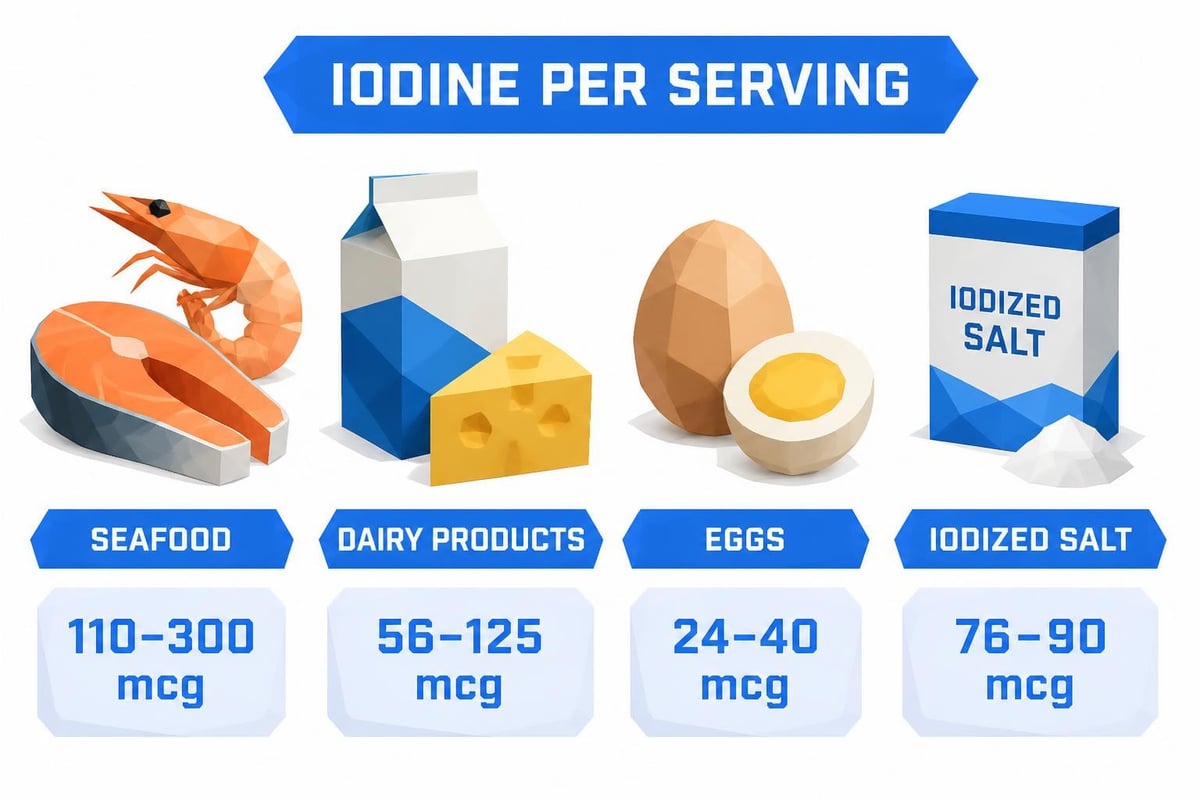
Different foods provide varying amounts of iodine, with seafood and dairy products typically offering the highest concentrations:
| Food Source | Serving Size | Approximate Iodine Content |
|---|---|---|
| Seaweed (kombu) | 1 gram | 232 mcg |
| Cod | 3 ounces | 99 mcg |
| Plain yogurt | 1 cup | 75 mcg |
| Iodized salt | 1/4 teaspoon | 71 mcg |
| Shrimp | 3 ounces | 35 mcg |
| Egg | 1 large | 24 mcg |
| Tuna | 3 ounces | 17 mcg |
| Dried prunes | 5 prunes | 13 mcg |
The Merck Manual's discussion of iodine deficiency notes that seaweed consumption requires caution, as some varieties contain excessive amounts that can actually suppress thyroid function when consumed in large quantities.
Supplementation Guidelines
When dietary sources prove insufficient, supplementation may become necessary. However, iodine supplementation requires careful consideration:
- Start with low doses under medical guidance
- Avoid mega-doses that can trigger thyroid dysfunction
- Monitor thyroid function through regular serum testing
- Consider multivitamins containing iodine as a gentler option
- Be aware that kelp supplements vary widely in iodine content
Before beginning any supplementation regimen, baseline testing establishes current thyroid function and helps track improvement. Those interested in ordering labs without a doctor can access thyroid panels that provide this essential baseline data.
Recommended Test
Iodine, Serum
Iodine is an essential trace mineral required for thyroid hormone production. This test measures blood iodine levels to identify deficiency or excess.
Includes 1 biomarkers
$37
The Global Perspective on Iodine Deficiency Thyroid Health
Iodine deficiency thyroid disorders affect populations differently across geographic regions. While developed nations have largely addressed severe deficiency through salt iodization programs, emerging challenges continue to surface.
Regional Variations and Trends
Soil iodine content varies significantly by location, influencing the iodine levels in locally grown foods. Mountainous regions and areas distant from oceans typically have iodine-depleted soil, leading to lower natural iodine availability in the food supply.
Current global trends include:
- Re-emergence of mild deficiency in developed nations as consumers choose specialty salts
- Persistent moderate-to-severe deficiency in parts of Africa, Southeast Asia, and Eastern Europe
- Increased awareness among healthcare providers about screening at-risk populations
- Fortification programs expanding beyond salt to include bread and other staples
- Growing research into optimal intake levels for different demographics
The NCBI Bookshelf resource on preventing iodine deficiency provides extensive tools for public health workers implementing prevention strategies at the population level.
Monitoring and Long-Term Management
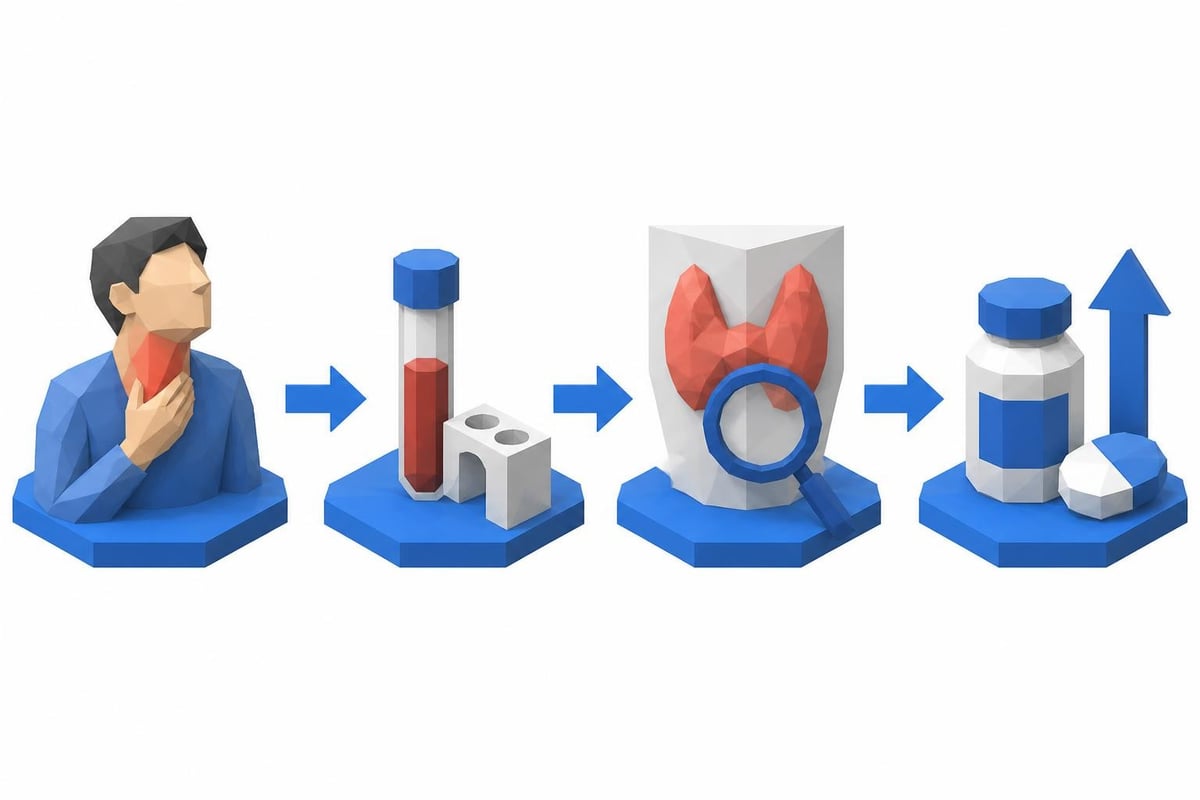
Successfully managing iodine deficiency thyroid conditions requires ongoing assessment and adjustment. Initial treatment focuses on restoring adequate iodine intake, but long-term health depends on consistent monitoring.
Establishing a Testing Schedule
Regular thyroid function monitoring helps ensure interventions remain effective:
- Baseline testing: Establish starting thyroid hormone levels and TSH
- Three-month follow-up: Assess initial response to dietary changes or supplementation
- Six-month evaluation: Confirm sustained improvement and adjust approach if needed
- Annual monitoring: Maintain optimal thyroid function long-term
For individuals managing their health proactively, understanding how the lab testing process works simplifies scheduling regular thyroid panels without navigating insurance complexities.
Addressing Treatment Resistance
Some individuals with iodine deficiency thyroid problems may not respond adequately to simple iodine repletion. Additional factors to investigate include:
- Selenium deficiency: Required for converting T4 into active T3
- Iron deficiency: Impacts thyroid peroxidase enzyme function
- Autoimmune thyroid disease: May coexist with nutritional deficiencies
- Medication interactions: Some drugs interfere with iodine absorption or thyroid hormone synthesis
- Goitrogens: Certain foods (raw cruciferous vegetables, soy) can interfere with iodine utilization
Special Populations Requiring Targeted Approaches
Different life stages and health conditions necessitate customized strategies for preventing and treating iodine deficiency thyroid dysfunction.
Pregnancy and Lactation
Maternal iodine deficiency poses serious risks to fetal brain development and can result in irreversible cognitive impairment. The developing fetus relies entirely on maternal thyroid hormone during the first trimester before its own thyroid becomes functional.
Critical considerations include:
- Prenatal vitamins should contain 150 mcg of iodine
- Total daily intake should reach 220 mcg during pregnancy and 290 mcg while breastfeeding
- Thyroid function testing should occur early in pregnancy
- Women with pre-existing thyroid conditions require closer monitoring
Infants and Children
Adequate iodine remains crucial throughout childhood for normal growth and cognitive development. Breast milk provides sufficient iodine when maternal intake is adequate, but formula-fed infants depend on properly formulated products.
School-age children in iodine-deficient regions may experience:
- Reduced IQ scores compared to iodine-sufficient peers
- Attention and learning difficulties
- Growth delays
- Increased susceptibility to thyroid disorders later in life
Aging Adults
Older adults face unique challenges related to iodine deficiency thyroid health. Age-related changes in thyroid function, combined with potential dietary restrictions and medication use, increase vulnerability.
The Role of Accessible Testing in Prevention
Early detection through accessible serum testing represents the most effective strategy for preventing serious complications from iodine deficiency thyroid conditions. Traditional barriers to testing, including cost, insurance requirements, and appointment availability, have historically prevented many individuals from obtaining timely diagnosis.
Breaking Down Testing Barriers
The healthcare landscape in 2026 increasingly recognizes that direct-access laboratory testing serves an important role in preventive health management. By eliminating unnecessary intermediaries, individuals can:
- Respond quickly to concerning symptoms
- Monitor chronic conditions without repeated office visits
- Compare lab test pricing across providers transparently
- Take ownership of their health data
- Reduce total healthcare expenditures
Interpreting Results Effectively
Understanding thyroid panel results requires knowing normal reference ranges and how different markers relate to each other. While healthcare provider consultation remains valuable for complex cases, many individuals can recognize basic patterns:
Normal thyroid function:
- TSH: 0.4-4.0 mIU/L
- Free T4: 0.8-1.8 ng/dL
- Free T3: 2.3-4.2 pg/mL
Elevated TSH combined with low T4 suggests primary hypothyroidism, potentially from iodine deficiency thyroid dysfunction. Conversely, low TSH with elevated thyroid hormones indicates hyperthyroidism, which can paradoxically result from excessive iodine intake in susceptible individuals.
Integrating Prevention Into Daily Life
Long-term thyroid health requires sustainable lifestyle modifications rather than short-term interventions. Building iodine-conscious habits prevents deficiency while avoiding excessive intake.
Practical Daily Strategies
Simple adjustments to daily routines can ensure adequate iodine intake:
- Use iodized salt for cooking and seasoning (in moderation)
- Include fish or seafood twice weekly
- Choose dairy products if tolerated
- Select breads made with iodate dough conditioners
- Consume eggs several times per week
- Consider seaweed snacks occasionally (monitoring portion sizes)
Avoiding Common Pitfalls
Well-intentioned health choices sometimes inadvertently increase iodine deficiency thyroid risk:
- Switching to specialty salts: Sea salt, Himalayan pink salt, and kosher salt typically contain minimal iodine
- Excessive processed food avoidance: While whole foods are healthier overall, processed foods made with iodized salt contribute to iodine intake
- Over-consuming goitrogenic foods: Raw cruciferous vegetables in very large amounts may interfere with iodine utilization
- Restrictive dieting: Elimination diets removing multiple food groups risk creating nutrient gaps
Understanding the connection between iodine status and thyroid function empowers individuals to take proactive steps toward optimal health through proper nutrition and timely testing. Whether you're experiencing symptoms of thyroid dysfunction or simply want to establish baseline health markers, accessible laboratory testing provides the critical information needed for informed decisions. Justlabs makes thyroid function testing convenient and affordable, delivering comprehensive results in 1-3 days without requiring insurance or doctor referrals, so you can take control of your thyroid health today.