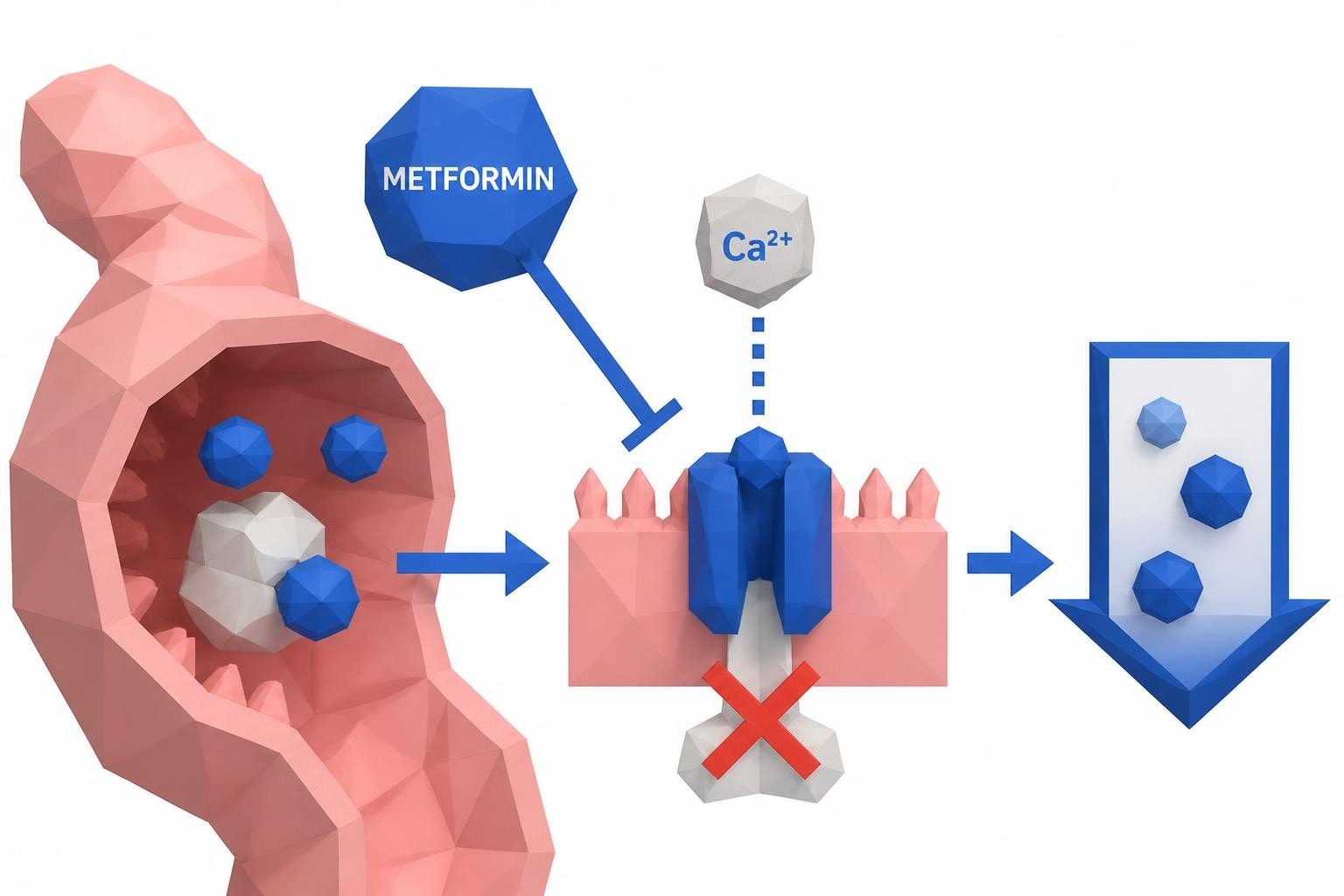
The ketogenic diet fundamentally shifts your body's primary fuel source from glucose to ketones, creating metabolic changes that extend far beyond weight loss. While many people experience remarkable benefits on keto, this metabolic transformation affects various organ systems and biochemical pathways in ways that should be monitored through regular laboratory testing. Understanding which blood work to monitor on a ketogenic diet helps you optimize your health, catch potential issues early, and make informed adjustments to your nutrition plan.
Big picture
- The ketogenic diet creates measurable changes in lipid levels, blood sugar regulation, kidney function, liver enzymes, electrolytes, and micronutrient status that appear in standard blood tests.
- Regular monitoring protects your health by detecting adverse changes (rising LDL cholesterol, declining kidney function, or nutrient deficiencies) before they become serious problems.
- Most people on keto should test at baseline before starting, at 3 months, at 6 months, then annually if results remain stable-more frequently if any values fall outside normal ranges.
- Self-pay lab testing services eliminate the barrier of requiring a doctor's order, allowing you to proactively track your biomarkers without insurance hassles or expensive office visits.
- Key panels to consider include comprehensive metabolic panel, lipid panel, hemoglobin A1c, kidney function tests, liver function tests, and targeted micronutrient assessments.
- Take action now by establishing your baseline labs before making dietary changes, then creating a monitoring schedule aligned with your individual risk factors and health goals.
Why Blood Work Monitoring Matters on Keto
The ketogenic diet represents a significant metabolic shift that affects multiple physiological systems simultaneously. When carbohydrate intake drops below 50 grams daily, your liver begins converting fatty acids into ketone bodies, creating an alternative fuel source for your brain and tissues.
This metabolic state, known as nutritional ketosis, triggers cascading changes in hormone levels, electrolyte balance, and nutrient metabolism. Recent evidence from umbrella reviews of ketogenic diet outcomes demonstrates both therapeutic benefits and potential safety signals that warrant systematic laboratory surveillance.
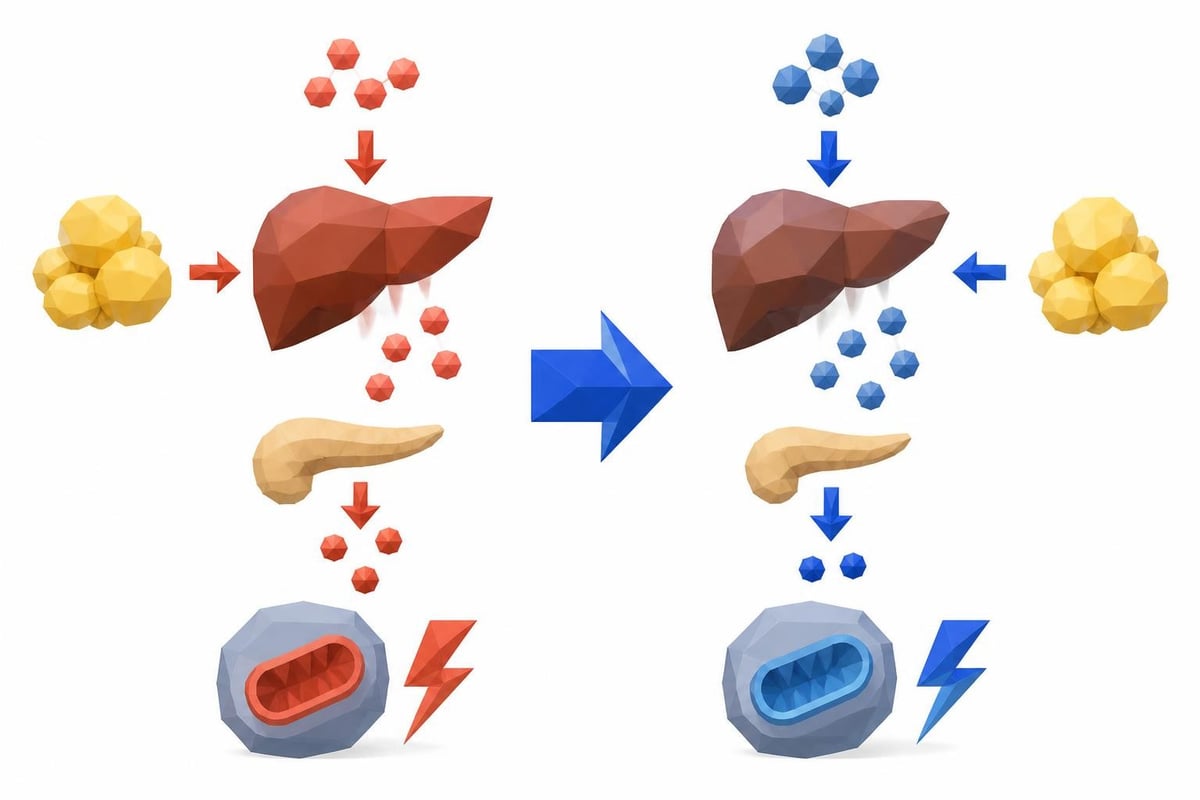
Without proper monitoring, you might miss critical warning signs like rising inflammatory markers, declining kidney function, or developing micronutrient deficiencies. Blood work provides objective data that removes guesswork from dietary decisions.
Individual Response Variability
Different individuals respond to ketogenic diets in remarkably different ways. Some people experience dramatic improvements in triglycerides and HDL cholesterol, while others see concerning increases in LDL cholesterol and apolipoprotein B.
Systematic reviews examining lipid parameter changes reveal substantial heterogeneity in individual responses, underscoring why personalized monitoring matters more than population averages. Your genetics, baseline metabolic health, food quality, and implementation details all influence how your biomarkers shift.
Essential Blood Work to Monitor on a Ketogenic Diet
Comprehensive monitoring requires testing multiple organ systems and metabolic pathways. The following panels provide a complete picture of how your body responds to nutritional ketosis.
Lipid Panel and Cardiovascular Markers
Your lipid panel measures cholesterol fractions and triglycerides, providing crucial cardiovascular risk information. Standard lipid testing includes:
- Total cholesterol: Overall cholesterol in your bloodstream
- LDL cholesterol: Often called "bad" cholesterol, though context matters significantly
- HDL cholesterol: "Good" cholesterol that helps remove excess cholesterol from arteries
- Triglycerides: Fat molecules in blood that typically drop dramatically on keto
- VLDL cholesterol: Calculated value representing very-low-density lipoprotein particles
Recommended Panel
Advanced Heart Health Panel
Save $6Go beyond basic cholesterol testing. This advanced panel includes the markers cardiologists use to assess true cardiovascular risk: ApoB, Lp(a), homocysteine, and inflammation.
Includes 10 biomarkers
$86
Fasting required
Most people on ketogenic diets experience beneficial changes: triglycerides fall by 30-50%, HDL cholesterol rises, and triglyceride-to-HDL ratio (a powerful predictor of cardiovascular risk) improves substantially. However, approximately 25-30% of individuals experience significant LDL cholesterol increases that warrant further investigation and possible dietary modification.
Advanced lipid testing provides additional context beyond standard panels. Apolipoprotein B (ApoB) measures the actual number of atherogenic particles, while LDL particle size and number offer deeper insight into cardiovascular risk than LDL cholesterol alone.
| Marker | Typical Keto Response | Monitoring Frequency |
|---|---|---|
| Triglycerides | Decrease 30-50% | Every 3-6 months |
| HDL Cholesterol | Increase 10-20% | Every 3-6 months |
| LDL Cholesterol | Variable (↓ ↔ ↑) | Every 3-6 months |
| ApoB | Monitor if LDL rises | As needed |
| Lp(a) | Generally unchanged | Baseline, then annually |
Blood Glucose and Insulin Regulation
The ketogenic diet powerfully affects glucose metabolism and insulin sensitivity. Key tests include:
Fasting glucose measures blood sugar after an overnight fast. Most people on keto see fasting glucose normalize to 70-90 mg/dL, though some experience paradoxically elevated fasting glucose due to physiological insulin resistance (a normal adaptive response to fat burning).
Hemoglobin A1c reflects average blood glucose over the previous 90 days. This test provides excellent insight into glycemic control and typically improves on ketogenic diets, often dropping from prediabetic or diabetic ranges into normal ranges.
Fasting insulin measures how hard your pancreas works to control blood sugar. Lower fasting insulin (ideally below 5-7 μIU/mL) indicates improved insulin sensitivity, one of keto's primary metabolic benefits.
Recommended Panel
Comprehensive Diabetes Panel
This panel detects diabetes and prediabetes at every stage. Includes lipids because diabetes dramatically increases heart disease risk.
Includes 10 biomarkers
$35
Fasting required
HOMA-IR (Homeostatic Model Assessment of Insulin Resistance) can be calculated from fasting glucose and insulin, providing a validated estimate of insulin resistance that should improve significantly within 3-6 months of ketogenic eating.
Kidney Function Tests
Higher protein intake and metabolic changes on ketogenic diets necessitate careful kidney monitoring. Essential tests include:
- Creatinine and estimated glomerular filtration rate (eGFR)
- Blood urea nitrogen (BUN)
- BUN-to-creatinine ratio
- Cystatin C (more accurate than creatinine in some populations)
- Uric acid (can rise on keto, potentially triggering gout in susceptible individuals)
Current kidney health guidelines recommend comprehensive evaluation including urine testing for individuals on higher-protein or therapeutic ketogenic diets. Urine albumin-to-creatinine ratio detects early kidney stress before it appears in blood tests.
Most healthy individuals maintain stable kidney function on ketogenic diets. However, those with pre-existing kidney disease should work closely with healthcare providers and monitor more frequently.
Liver Function and Metabolic Health
Your liver performs the metabolic heavy lifting during ketogenesis, making liver function tests essential components of blood work to monitor on a ketogenic diet.
Standard liver panel includes:
- ALT (alanine aminotransferase): Enzyme that often decreases as fatty liver improves on keto
- AST (aspartate aminotransferase): Another liver enzyme that should remain in normal range
- Alkaline phosphatase: Enzyme involved in bile metabolism
- Total bilirubin: Waste product from red blood cell breakdown
- Albumin and total protein: Markers of liver synthetic function
Recommended Panel
Complete Metabolic Health Panel
Save $3.5This comprehensive panel evaluates all aspects of metabolic health: organ function, cholesterol, blood sugar, insulin resistance, and inflammation - the key drivers of chronic disease.
Includes 26 biomarkers
$50
Fasting required
Many people with non-alcoholic fatty liver disease experience significant improvements in liver enzymes within weeks of starting ketogenic diets. Rising liver enzymes warrant investigation into food quality, alcohol consumption, medication interactions, or supplement toxicity.
Electrolytes and Mineral Balance
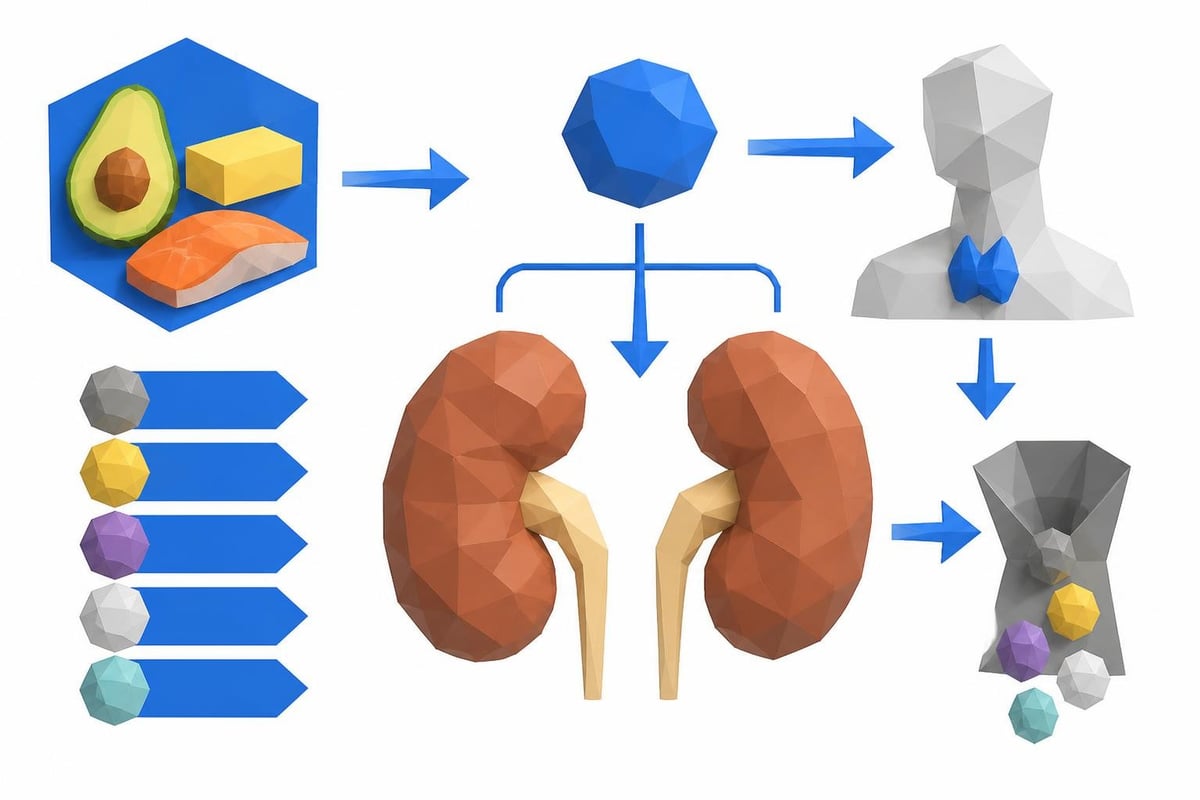
Carbohydrate restriction triggers hormonal changes that increase mineral excretion through urine, particularly during the first few weeks. Critical electrolytes to monitor include:
Sodium, Potassium, and Chloride
Lower insulin levels reduce sodium retention in kidneys, leading to increased urinary sodium loss. This creates a cascade effect where sodium depletion triggers additional potassium and magnesium excretion.
Sodium requirements often increase to 4-6 grams daily on keto. Low sodium manifests as fatigue, headaches, and muscle cramps-the classic "keto flu" symptoms.
Potassium depletion contributes to muscle weakness and cardiac arrhythmias. Target intake of 3-4 grams daily through food sources (avocados, leafy greens, salmon).
Chloride typically moves with sodium and rarely requires isolated supplementation.
Magnesium, Calcium, and Phosphorus
Magnesium deficiency is common on ketogenic diets due to increased urinary losses and insufficient dietary intake. Low magnesium causes muscle cramps, sleep disturbances, and cardiac rhythm abnormalities. Many people benefit from supplementing 300-500 mg of elemental magnesium daily.
Calcium and phosphorus should remain stable on well-formulated ketogenic diets. Changes may indicate bone metabolism issues or parathyroid dysfunction requiring further evaluation.
| Electrolyte | Optimal Range | Common Issues on Keto |
|---|---|---|
| Sodium | 135-145 mEq/L | Depletion during adaptation |
| Potassium | 3.5-5.0 mEq/L | Urinary losses, muscle cramps |
| Magnesium | 1.7-2.2 mg/dL | Widespread deficiency |
| Calcium | 8.5-10.5 mg/dL | Usually stable |
| Phosphorus | 2.5-4.5 mg/dL | Usually stable |
Micronutrient Testing Priorities
Restrictive diets inherently increase risk for micronutrient deficiencies, making strategic testing essential. Guidance on laboratory monitoring of nutritional deficiencies informs evidence-based testing priorities for people on ketogenic eating patterns.
Fat-Soluble Vitamins
Vitamin D status deserves regular monitoring regardless of diet, but takes on added importance during major dietary changes. Target 25-hydroxyvitamin D levels of 40-60 ng/mL for optimal health.
Vitamin A deficiency rarely occurs on ketogenic diets rich in animal foods but can develop with poorly planned vegan or vegetarian keto approaches.
Vitamin E and vitamin K are typically adequate with generous consumption of nuts, seeds, and green vegetables.
B Vitamins and Methylation
Several B vitamins warrant monitoring on ketogenic diets:
- Vitamin B12: Essential for nerve function and red blood cell formation
- Folate: Critical for DNA synthesis and methylation
- Vitamin B6: Involved in amino acid metabolism and neurotransmitter synthesis
- Thiamine (B1): Important for energy metabolism, occasionally depleted on keto
Recommended Panel
Vitamin & Mineral Panel
Save $5This panel tests the most commonly deficient nutrients: Vitamin D, B12, Folate, Iron (with complete iron studies), Ferritin, and Magnesium - the building blocks your body needs to function optimally.
Includes 9 biomarkers
$64
Fasting required
Homocysteine testing provides functional assessment of B vitamin status and methylation capacity. Elevated homocysteine (above 10 μmol/L) suggests inadequate B12, folate, or B6 status and warrants supplementation.
Trace Minerals and Elements
Iron studies (ferritin, serum iron, TIBC, transferrin saturation) identify iron deficiency or overload. Ferritin also serves as an acute-phase reactant that rises with inflammation.
Zinc supports immune function, hormone production, and wound healing. Plasma zinc levels may not accurately reflect tissue stores, making functional assessment through symptoms sometimes more reliable.
Recommended Test
Zinc
Zinc is an essential trace mineral involved in over 300 enzymatic reactions, including immune function, wound healing, thyroid hormone production, and testosterone synthesis.
Includes 1 biomarkers
$20
Selenium is crucial for thyroid hormone conversion and antioxidant defense. Deficiency can develop on restrictive ketogenic diets lacking Brazil nuts, seafood, or organ meats.
Copper and zinc should be monitored together, as supplementing one can deplete the other. Aim for a copper-to-zinc ratio between 0.7 and 1.0.
Thyroid Function Monitoring
Some individuals experience thyroid hormone changes on ketogenic diets, particularly with severe calorie restriction or inadequate carbohydrate intake. Comprehensive thyroid assessment includes:
- TSH (thyroid-stimulating hormone): First-line screening test
- Free T4: Storage form of thyroid hormone
- Free T3: Active thyroid hormone that may decrease on very-low-carb diets
- Reverse T3: Inactive form that can rise during metabolic stress
- Thyroid antibodies: TPO and thyroglobulin antibodies for autoimmune thyroid disease
Recommended Panel
Complete Thyroid Panel
Save $3Our most comprehensive thyroid panel includes all 5 essential markers: TSH, Free T4, Free T3, Reverse T3, and both thyroid antibodies. Get the complete picture of your thyroid health.
Includes 6 biomarkers
$84
Modest decreases in T3 often represent beneficial metabolic adaptation rather than true hypothyroidism. Clinical symptoms matter more than isolated lab values. If you experience fatigue, cold intolerance, constipation, or other hypothyroid symptoms alongside low T3, consider modestly increasing carbohydrate intake to 50-75 grams daily.
Inflammatory and Immune Markers
Blood work to monitor on a ketogenic diet should include inflammatory markers, as ketogenic diets typically reduce systemic inflammation.
High-sensitivity C-reactive protein (hs-CRP) measures systemic inflammation. Optimal levels fall below 1.0 mg/L, with values below 0.5 mg/L indicating very low cardiovascular risk.
Erythrocyte sedimentation rate (ESR) provides another inflammation indicator, though less specific than hs-CRP.
Complete blood count (CBC) assesses red blood cells, white blood cells, and platelets, providing insight into immune function, anemia, and inflammation.
Recommended Panel
Inflammation Panel
Save $2Chronic inflammation is the hidden driver of heart disease, cancer, and accelerated aging. This panel measures the key markers that reveal whether silent inflammation is damaging your body.
Includes 17 biomarkers
$52
Fasting required
Ketone bodies themselves possess anti-inflammatory properties, often leading to reductions in CRP and other inflammatory markers within months of dietary change.
Testing Schedule and Frequency
Strategic timing of laboratory testing maximizes the value of blood work while managing costs. Consider this evidence-based schedule:
Initial Baseline Testing
Before starting a ketogenic diet, establish comprehensive baseline labs including:
- Complete metabolic panel (CMP)
- Lipid panel with calculated ratios
- Hemoglobin A1c and fasting insulin
- Liver function tests
- CBC with differential
- Thyroid panel (at minimum TSH and free T4)
- Vitamin D
- Magnesium
- Hs-CRP
This baseline provides your personal reference point for evaluating changes and identifying pre-existing conditions that require monitoring.
Early Adaptation Phase (3 Months)
Repeat core metabolic markers at 3 months:
- CMP for electrolytes and kidney function
- Lipid panel (changes often apparent by this point)
- Hemoglobin A1c if pre-diabetic or diabetic
- Liver enzymes if baseline was abnormal
This interval catches early adverse responses requiring dietary adjustment while confirming expected beneficial changes.
Established Ketosis Phase (6-12 Months)
International recommendations for monitoring ketogenic diet therapy suggest comprehensive reassessment at 6 months, then annually if results remain stable and favorable.
Annual monitoring should include:
- Full lipid panel including advanced markers if LDL elevated
- Metabolic panel
- Hemoglobin A1c
- Liver function tests
- Micronutrient panel every 1-2 years
- Inflammatory markers
More frequent testing is warranted if you have pre-existing health conditions, take medications affected by diet, or experience concerning symptoms.
Accessing Convenient Laboratory Testing
Traditional healthcare often creates barriers to proactive health monitoring. Requiring doctor appointments, navigating insurance pre-authorization, and dealing with opaque pricing can delay or prevent necessary testing.
Self-pay laboratory services solve these problems by allowing you to order labs without a doctor visit. This approach offers several advantages for people monitoring blood work to monitor on a ketogenic diet:
Transparent pricing eliminates surprise bills and allows budgeting for regular testing. When you know exactly what tests cost, you can prioritize the most important markers for your situation.
Quick turnaround means results typically arrive within 1-3 days, allowing faster decision-making about dietary adjustments or supplement interventions.
Comprehensive test menu provides access to both standard panels and specialized tests like advanced lipid profiles, micronutrient panels, or inflammatory markers that your primary care provider might not routinely order.
No insurance hassles means testing happens on your timeline, not when insurance decides it's "medically necessary." This enables the baseline-then-follow-up schedule that optimizes keto monitoring.
Many self-pay lab tests qualify as FSA/HSA eligible expenses, allowing you to use pre-tax dollars for health optimization testing.

Interpreting Results and Taking Action
Raw laboratory values require context and interpretation. Understanding what your results mean empowers informed decisions about dietary adjustments, supplementation, or medical consultation.
When Results Fall Outside Reference Ranges
Laboratory reference ranges represent the middle 95% of the population, not necessarily optimal values for health. Consider these principles:
Context matters more than isolated values. A slightly elevated LDL cholesterol with excellent triglycerides, high HDL, low triglyceride-to-HDL ratio, and low hs-CRP carries different implications than the same LDL with poor metabolic markers.
Trends reveal more than snapshots. Labs moving in the right direction (improving insulin sensitivity, falling triglycerides, rising HDL) matter more than whether each value hits textbook "optimal" ranges immediately.
Symptoms and lab results should align. If you feel phenomenal but one marker sits outside reference range, consider retesting before making major changes. Conversely, if labs look perfect but you feel terrible, investigate further.
Understanding lab results requires integrating multiple data points into a coherent picture of your metabolic health. Professional guidance helps interpret complex or conflicting results.
Common Scenarios Requiring Dietary Adjustment
Several patterns of blood work changes may warrant modifying your ketogenic approach:
Persistently elevated LDL cholesterol and ApoB (especially LDL >200 mg/dL or ApoB >120 mg/dL) in the context of family history of cardiovascular disease might benefit from:
- Replacing some saturated fat with monounsaturated fat
- Ensuring adequate fiber intake (20-30 grams daily)
- Adding plant sterols or psyllium husk
- Considering modest carbohydrate increase (50-100 grams daily)
Rising kidney function markers (increasing creatinine, declining eGFR) require:
- Ensuring adequate hydration (2-3 liters daily)
- Moderating protein to 1.2-1.6 g/kg rather than higher intakes
- Medical evaluation to rule out underlying kidney disease
- Consideration of urine testing for early damage markers
Low thyroid hormone levels with symptoms may improve with:
- Increasing carbohydrate intake to 50-100 grams daily
- Ensuring adequate calories (not combining keto with severe calorie restriction)
- Optimizing micronutrient status, especially selenium, zinc, and iodine
- Medical evaluation if symptoms persist despite dietary adjustment
Key Takeaways
Regular laboratory monitoring transforms the ketogenic diet from a dietary experiment into a data-driven health optimization strategy. Testing reveals how your unique physiology responds to nutritional ketosis, enabling personalized adjustments that maximize benefits while minimizing risks. Establishing baseline values before starting, monitoring at strategic intervals during adaptation, and maintaining annual surveillance creates a comprehensive picture of your metabolic health that guides sustainable dietary success.
FAQ
What blood tests should I get before starting keto?
Before starting a ketogenic diet, obtain comprehensive baseline labs including a complete metabolic panel, lipid panel, hemoglobin A1c, fasting insulin, liver function tests, complete blood count, thyroid panel (minimum TSH and free T4), vitamin D, magnesium, and high-sensitivity C-reactive protein. This baseline establishes your personal reference point for evaluating changes and identifies any pre-existing conditions requiring closer monitoring during dietary transition.
How often should I test my blood work on keto?
Test at baseline before starting, at 3 months to catch early adaptation changes, at 6 months for comprehensive reassessment, then annually if results remain stable and favorable. Increase testing frequency if you have pre-existing health conditions, take medications affected by diet, experience concerning symptoms, or show concerning trends in previous results. More frequent monitoring every 3-4 months may be appropriate during the first year or when making significant dietary adjustments.
Is elevated LDL cholesterol on keto dangerous?
Elevated LDL cholesterol on keto requires context for risk assessment. If accompanied by low triglycerides, high HDL, excellent triglyceride-to-HDL ratio, low inflammatory markers, and good insulin sensitivity, cardiovascular risk may be low despite higher LDL. However, very high LDL (above 200 mg/dL) with elevated ApoB, family history of heart disease, or other risk factors warrants dietary modification, advanced lipid testing, and potentially medical consultation. Individual response varies significantly, making personalized monitoring essential.
Can keto damage my kidneys?
Well-formulated ketogenic diets do not damage healthy kidneys. Research shows most people maintain stable kidney function on keto. However, individuals with pre-existing kidney disease should work closely with healthcare providers and monitor more frequently. Ensuring adequate hydration, moderating protein intake to reasonable levels (1.2-1.6 g/kg body weight), and regular testing of creatinine, eGFR, and urine albumin protects kidney health. Rising kidney markers warrant medical evaluation and possible dietary adjustment.
What micronutrients are most important to test on keto?
Priority micronutrients to test on ketogenic diets include vitamin D (most people are deficient regardless of diet), magnesium (commonly depleted on keto due to increased urinary losses), vitamin B12 and folate (especially on plant-based keto), iron studies (ferritin, serum iron, TIBC), zinc, and selenium. Consider testing these at baseline, then every 1-2 years or sooner if symptoms suggest deficiency. Electrolytes (sodium, potassium, magnesium, calcium) should be included in routine metabolic panels every 3-6 months during adaptation.
How much does keto blood work cost without insurance?
Blood work costs without insurance vary by provider and test selection. Self-pay laboratory services typically offer transparent pricing significantly below hospital or doctor-office rates. A comprehensive metabolic panel usually costs $25-50, lipid panel $25-40, hemoglobin A1c $15-30, thyroid panel $50-100, and vitamin D $30-60. Complete initial baseline testing typically ranges $200-400, with follow-up testing costing $100-200 depending on which markers you track. Using affordable lab test pricing through self-pay services makes regular monitoring accessible and predictable.
Monitoring blood work to monitor on a ketogenic diet provides the objective data needed to optimize your nutrition plan, protect your health, and make informed decisions about dietary adjustments. Regular testing reveals how your unique biology responds to ketosis, transforming guesswork into personalized precision. Whether you need baseline testing before starting keto or comprehensive follow-up panels to track your progress, Justlabs offers convenient access to affordable laboratory testing without insurance hassles or doctor visits, delivering results in 1-3 days so you can confidently optimize your ketogenic journey.