Understanding your cardiovascular and cognitive health requires more than traditional cholesterol panels and blood pressure readings. The omega-3 index heart and brain risk assessment has emerged as a critical biomarker that provides measurable insight into how omega-3 fatty acids protect your most vital organs. Through the OmegaCheck blood test, individuals can now access precise measurements of their omega-3 status and take proactive steps toward reducing long-term health complications. This comprehensive guide explores what the omega-3 index measures, why it matters for heart and brain health, and how modern lab testing makes this assessment accessible to everyone.
What the Omega-3 Index Measures and Why It Matters
The omega-3 index represents the percentage of EPA (eicosapentaenoic acid) and DHA (docosahexaenoic acid) in red blood cell membranes. This biomarker reflects long-term omega-3 fatty acid status because red blood cells have a lifespan of approximately 120 days, providing a stable measurement window.
Unlike dietary recalls or short-term blood tests, the omega-3 index heart and brain risk assessment captures your sustained omega-3 intake and metabolism. Research has established that an omega-3 index below 4% indicates high risk, 4-8% suggests intermediate risk, and above 8% represents optimal cardioprotective levels.
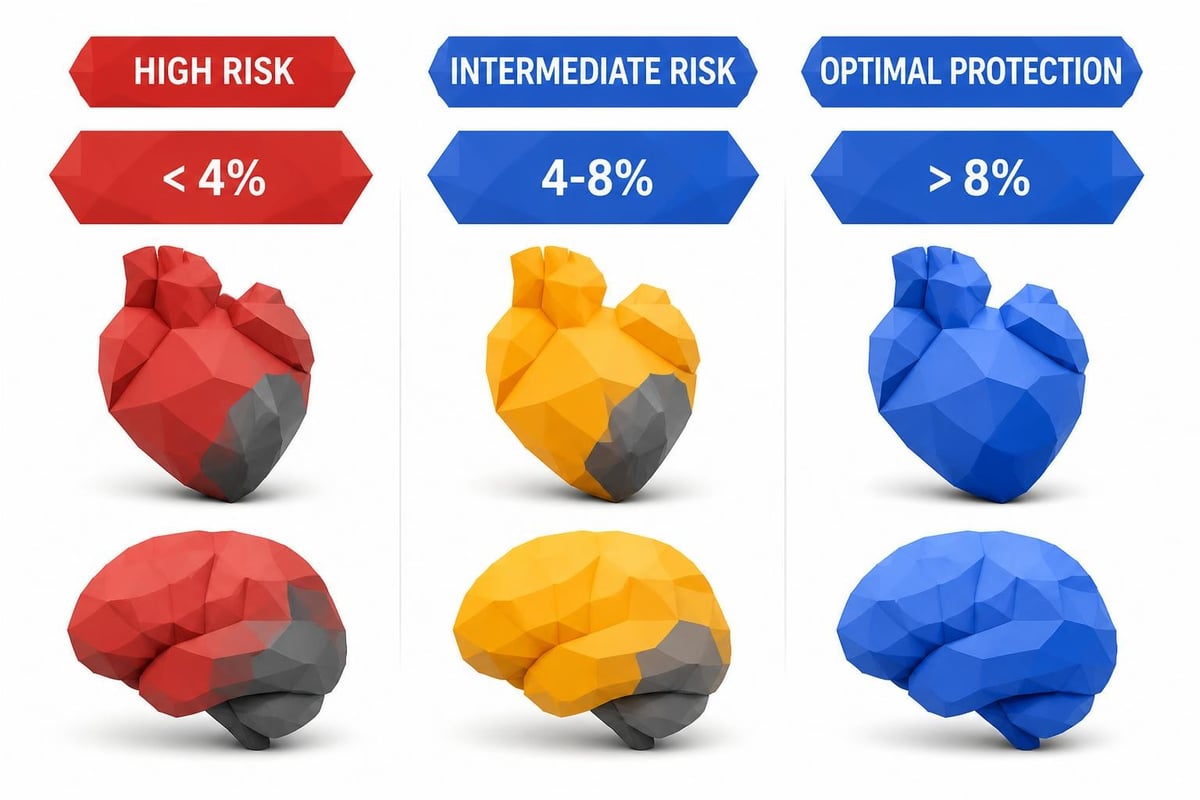
The OmegaCheck blood test specifically measures these fatty acids because they serve critical functions throughout the body:
- EPA reduces inflammation and supports vascular health
- DHA comprises structural components of brain tissue and neural membranes
- Both fatty acids modulate cellular signaling pathways that affect cardiovascular function
- Combined levels predict long-term disease outcomes independent of traditional risk factors
According to research published in the American Journal of Clinical Nutrition, the omega-3 index functions as both a risk marker and potentially modifiable risk factor for coronary heart disease mortality.
How the OmegaCheck Blood Test Works
The OmegaCheck blood test follows a standardized protocol that ensures accuracy and reproducibility. After ordering through services like Justlabs, you visit a testing facility where a small blood sample is collected, typically through a finger stick or venous draw.
Laboratory technicians extract red blood cells from the sample and analyze their fatty acid composition using gas chromatography. This method separates and quantifies individual fatty acids, calculating the omega-3 index as the sum of EPA plus DHA as a percentage of total fatty acids.
Testing advantages include:
- No fasting required before sample collection
- Stable biomarker unaffected by recent meals
- Standardized methodology across laboratories
- Results available within 1-3 days through platforms like Justlabs
The accessibility of omega-3 index testing has improved dramatically since 2026, with direct-to-consumer lab services eliminating the need for physician referrals while maintaining clinical-grade accuracy.
Recommended Test
OmegaCheck (Omega-3 and 6)
Measures your omega-3 levels (EPA, DHA) and their ratio to inflammatory omega-6. Your Omega-3 Index is one of the best predictors of cardiovascular health.
Includes 9 biomarkers
$28
Cardiovascular Risk Assessment Through Omega-3 Testing
The relationship between omega-3 index heart and brain risk and cardiovascular outcomes has been extensively documented in medical literature. Multiple longitudinal studies demonstrate that individuals with higher omega-3 index values experience significantly reduced rates of coronary heart disease events.
A comprehensive meta-analysis examining coronary heart disease mortality found that each 1% increase in omega-3 index associated with approximately 9% reduction in coronary heart disease mortality risk. This dose-response relationship provides clinicians and individuals with clear targets for intervention.
| Omega-3 Index Level | Cardiovascular Risk Category | Estimated Risk Reduction |
|---|---|---|
| Below 4% | High Risk | Baseline (reference) |
| 4-6% | Intermediate Risk | 15-25% reduction |
| 6-8% | Low-Intermediate Risk | 30-45% reduction |
| Above 8% | Optimal Protection | 50%+ reduction |
Mechanisms of Cardioprotection
The omega-3 index heart and brain risk connection operates through multiple biological pathways. EPA and DHA incorporate into cell membranes throughout the cardiovascular system, altering their physical properties and functional capabilities.
Key protective mechanisms include:
- Reduction of triglyceride levels by 25-30% at therapeutic doses
- Stabilization of cardiac electrical activity and arrhythmia prevention
- Decreased platelet aggregation and thrombosis risk
- Improved endothelial function and arterial flexibility
- Modulation of inflammatory pathways that contribute to atherosclerosis
These effects work synergistically rather than through single pathways, explaining why the omega-3 index predicts outcomes even after adjusting for traditional risk factors like cholesterol levels measured in a lipid panel.
The anti-inflammatory properties of omega-3 fatty acids deserve special attention. Chronic low-grade inflammation contributes to plaque formation, rupture, and subsequent cardiac events. By reducing pro-inflammatory mediators and generating specialized pro-resolving molecules, optimal omega-3 status creates an internal environment resistant to atherosclerotic progression.
Neurological Protection and Cognitive Function

While cardiovascular benefits have received substantial research attention, the omega-3 index heart and brain risk relationship extends equally importantly to neurological health. DHA comprises approximately 40% of the polyunsaturated fatty acids in brain gray matter and 60% in retinal tissue, making it structurally essential for neural function.
Research from Aviado Research on cognitive protection recommends maintaining an omega-3 index of 8% or higher specifically for brain health optimization. This target reflects accumulating evidence that omega-3 status influences cognitive performance across the lifespan.
Brain Health Outcomes Linked to Omega-3 Status
The mechanisms connecting omega-3 index to brain health involve both structural and functional pathways:
- Membrane fluidity maintenance supporting neurotransmitter receptor function
- Synaptic plasticity enhancement facilitating learning and memory
- Neuroinflammation reduction protecting against degenerative processes
- Cerebral blood flow optimization ensuring adequate oxygen and nutrient delivery
- Neuroprotective signaling through resolvins and protectins derived from DHA
Population studies demonstrate that individuals with higher omega-3 index values show larger brain volumes, particularly in regions associated with memory and executive function. This structural preservation translates to measurable cognitive benefits, including processing speed, working memory, and verbal fluency.
The omega-3 index heart and brain risk assessment becomes particularly valuable for individuals with family histories of dementia or those experiencing early cognitive changes. Unlike genetic testing that identifies immutable risk factors, omega-3 status represents a modifiable target amenable to dietary and supplementation interventions.
Mental Health and Mood Regulation
Beyond cognitive performance and neurodegenerative disease prevention, omega-3 fatty acids influence mood regulation and mental health outcomes. Clinical trials have examined omega-3 supplementation for depression, anxiety, and bipolar disorder with varying but generally positive results.
The biological basis for these effects involves omega-3 modulation of neurotransmitter systems, particularly serotonin and dopamine pathways. Additionally, the anti-inflammatory properties of EPA and DHA may counteract neuroinflammatory processes implicated in mood disorders.
While the omega-3 index heart and brain risk metric wasn't initially developed for psychiatric applications, emerging research suggests that optimal levels may support mental well-being alongside cardiovascular and cognitive protection.
Testing Accessibility and Interpretation
The practical value of omega-3 index testing depends on accessibility and actionable interpretation. Services like Justlabs have transformed this specialized assessment from a research tool into a consumer-accessible health metric.
Testing process advantages:
- Direct online ordering without physician visits
- Transparent, affordable pricing compared to traditional healthcare channels
- Convenient sample collection at thousands of locations nationwide
- Rapid results delivery with clear reference ranges
- Educational resources for understanding lab results
Interpreting Your Omega-3 Index Results
When you receive your OmegaCheck blood test results, the report typically includes your specific omega-3 index percentage along with reference ranges. Understanding what these numbers mean for your personal health requires considering several factors.
| Result Range | Interpretation | Recommended Action |
|---|---|---|
| Below 4% | High risk for cardiovascular and cognitive events | Immediate dietary modification and supplementation |
| 4-6% | Moderate risk, suboptimal protection | Increase omega-3 intake through food and supplements |
| 6-8% | Good status, approaching optimal | Fine-tune intake to reach 8%+ target |
| Above 8% | Optimal cardioprotective and neuroprotective range | Maintain current intake patterns |
According to HuffPost's coverage of the omega-3 index as a heart health biomarker, understanding these ranges empowers individuals to take control of modifiable health factors.
The omega-3 index heart and brain risk assessment provides more precise guidance than general recommendations to "eat more fish." Instead of vague dietary advice, you receive quantitative feedback showing whether your current habits achieve therapeutic targets.

Strategies for Optimizing Your Omega-3 Index
Testing reveals your current status, but improving suboptimal results requires evidence-based intervention strategies. The omega-3 index responds to both dietary modifications and supplementation, though individual variation in absorption and metabolism affects response rates.
Dietary Sources and Intake Requirements
High-quality omega-3 food sources include:
- Fatty fish (salmon, mackerel, sardines, herring) providing 1,000-2,000mg combined EPA/DHA per serving
- Seafood options (oysters, mussels, anchovies) offering moderate omega-3 content
- Algae-based foods for vegetarian/vegan sources of DHA
- Fortified foods increasingly available with added marine omega-3s
Research indicates that consuming 2-3 servings of fatty fish weekly typically raises omega-3 index by 2-4 percentage points over 3-4 months. However, achieving optimal levels above 8% usually requires higher intake than dietary sources alone provide for most individuals.
Supplementation Protocols
When dietary modifications prove insufficient, omega-3 supplements offer concentrated doses that reliably raise the omega-3 index heart and brain risk biomarker. Clinical studies generally use 1,000-4,000mg combined EPA/DHA daily to achieve therapeutic effects.
Supplement selection considerations:
- Concentration: Look for products providing at least 500mg EPA/DHA per capsule
- Form: Triglyceride or phospholipid forms may offer better absorption than ethyl esters
- Purity: Third-party testing for contaminants (mercury, PCBs) ensures safety
- Freshness: Check oxidation markers and expiration dates
- Dosing strategy: Split doses with meals enhance absorption
Most individuals require 2,000-3,000mg combined EPA/DHA daily to move from suboptimal to optimal omega-3 index ranges. Retesting after 3-4 months allows dose adjustment based on actual response rather than population averages.
Integration with Comprehensive Health Monitoring
The omega-3 index heart and brain risk assessment provides maximum value when integrated into broader health monitoring strategies. Rather than viewing it as an isolated metric, consider how it complements other biomarkers available through affordable lab testing services.
Complementary Biomarkers
Several other tests provide synergistic information about cardiovascular and metabolic health:
- Lipid panels measuring cholesterol, triglycerides, and particle sizes
- Inflammatory markers like high-sensitivity C-reactive protein
- Metabolic indicators including hemoglobin A1c for glucose control
- Hormone levels that influence cardiovascular risk profiles
The relationship between omega-3 status and these markers illustrates complex metabolic interactions. For example, optimal omega-3 index typically correlates with lower triglycerides, reduced inflammation, and better insulin sensitivity.
Recommended Panel
Advanced Heart Health Panel
Save $6Go beyond basic cholesterol testing. This advanced panel includes the markers cardiologists use to assess true cardiovascular risk: ApoB, Lp(a), homocysteine, and inflammation.
Includes 10 biomarkers
$86
Fasting required
Frequency of Testing
Unlike static genetic markers, the omega-3 index reflects changeable lifestyle factors requiring periodic reassessment. Initial testing establishes your baseline, while follow-up testing tracks intervention effectiveness.
Recommended testing intervals:
- Initial baseline measurement for all adults concerned with cardiovascular or cognitive health
- Retest after 3-4 months following dietary changes or supplementation initiation
- Annual monitoring once optimal levels achieved to ensure maintenance
- More frequent testing during intensive intervention or if compliance uncertain
The accessibility of self-pay lab testing without insurance requirements makes regular monitoring practical and affordable for most individuals committed to preventive health strategies.
Expert Perspectives on Omega-3 Research
The scientific understanding of omega-3 index heart and brain risk continues evolving as researchers explore new applications and refine recommendations. Leading experts in the field have contributed substantial evidence supporting its clinical utility.
Dr. Bill Harris, who developed the omega-3 index methodology, has emphasized its potential as a modifiable risk factor comparable to blood pressure or cholesterol. In recent discussions about omega-3s and brain health, experts explore connections between omega-3 status, cognitive function, and neurodegenerative disease prevention.
The PERQUE explanation of omega-3 index significance highlights how this biomarker provides actionable information that empowers individuals to make informed health decisions. Unlike many laboratory tests that simply diagnose existing conditions, the omega-3 index identifies modifiable risk before disease manifests.
Current Research Directions
Ongoing research continues exploring omega-3 applications across diverse health domains. Current investigational areas include:
- Precision nutrition approaches tailoring omega-3 recommendations to genetic profiles
- Interactions between omega-6 to omega-3 ratios and inflammatory disease risk
- Optimal omega-3 index targets for specific populations (athletes, pregnant women, elderly)
- Long-term cognitive outcomes in cohorts maintaining high omega-3 index values
- Therapeutic applications in autoimmune and inflammatory conditions
These research directions promise to refine our understanding of how the omega-3 index heart and brain risk relationship operates across different populations and health conditions.
Practical Implementation for Disease Prevention
Translating omega-3 index knowledge into practical disease prevention requires systematic approaches that integrate testing, intervention, and monitoring. The most successful strategies combine objective measurement through OmegaCheck blood testing with evidence-based lifestyle modifications.
Step-by-step implementation:
- Establish baseline through initial omega-3 index testing
- Assess current intake of omega-3 rich foods and supplements
- Set personalized targets based on individual risk factors and health goals
- Implement dietary changes increasing fatty fish consumption to 2-3 servings weekly
- Add supplements if dietary modifications insufficient to reach targets
- Retest after 3-4 months to verify intervention effectiveness
- Adjust protocols based on actual response rather than assumptions
- Monitor long-term with annual testing to maintain optimal levels
This systematic approach transforms the omega-3 index from an interesting biomarker into an actionable health management tool. By making the invisible visible through laboratory testing, individuals gain concrete feedback about intervention effectiveness.
Special Considerations for High-Risk Groups
Certain populations may benefit particularly from omega-3 index testing and optimization:
- Individuals with family histories of heart disease or dementia
- Those with existing cardiovascular risk factors (hypertension, diabetes, elevated cholesterol)
- People experiencing cognitive decline or memory concerns
- Athletes seeking performance optimization and recovery enhancement
- Pregnant and lactating women supporting fetal and infant brain development
- Older adults concerned with maintaining cognitive function
For these groups, the omega-3 index heart and brain risk assessment provides personalized data supporting targeted interventions with measurable outcomes.
Understanding your omega-3 index offers powerful insights into modifiable risk factors for both cardiovascular disease and cognitive decline. Regular testing through the OmegaCheck blood test transforms general health advice into personalized, measurable strategies for disease prevention. Whether you're managing existing risk factors or pursuing optimal wellness, Justlabs provides convenient access to omega-3 index testing and comprehensive biomarker panels without insurance requirements or physician referrals, delivering results within days so you can take immediate action toward better health outcomes.