
Women over 40 experience significant metabolic, hormonal, and physiological changes that require proactive monitoring. Regular lab testing during these years can detect early warning signs of conditions like thyroid dysfunction, diabetes, cardiovascular disease, and osteoporosis-often before symptoms appear. Understanding which essential annual labs for women over 40 to prioritize empowers you to take control of your health with data-driven decisions.
Big picture
- Women over 40 face increased risk for thyroid disorders, metabolic syndrome, cardiovascular disease, and bone density loss due to hormonal shifts and aging
- Essential annual labs for women over 40 include thyroid function tests, comprehensive metabolic panels, lipid profiles, blood glucose markers, and vitamin D levels
- Baseline testing in your 40s establishes reference points that help track changes over time, making early intervention possible
- Many women can access affordable lab testing without insurance or doctor visits, receiving results within 1-3 days
- Proactive annual screening helps you address deficiencies, optimize hormone balance, and prevent chronic disease progression
- Taking charge of your health data allows informed conversations with healthcare providers and personalized wellness strategies
Thyroid Function: The Metabolic Master Control
Thyroid dysfunction affects approximately one in eight women, with risk increasing significantly after 40. Your thyroid gland regulates metabolism, energy production, temperature control, and weight management-making it a critical component of essential annual labs for women over 40.
Which Thyroid Tests Matter Most
The foundation of thyroid screening includes TSH (thyroid-stimulating hormone), which signals whether your thyroid is producing adequate hormones. However, TSH alone doesn't tell the complete story.
- Free T4 measures the actual thyroid hormone available in your bloodstream
- Free T3 assesses the active form of thyroid hormone your cells use
- TPO antibodies detect autoimmune thyroid conditions like Hashimoto's disease
Thyroid disease screening helps identify both overactive (hyperthyroidism) and underactive (hypothyroidism) conditions that commonly emerge during perimenopause and beyond.
Recommended Panel
Complete Thyroid Panel
Save $3Our most comprehensive thyroid panel includes all 5 essential markers: TSH, Free T4, Free T3, Reverse T3, and both thyroid antibodies. Get the complete picture of your thyroid health.
Includes 6 biomarkers
$84
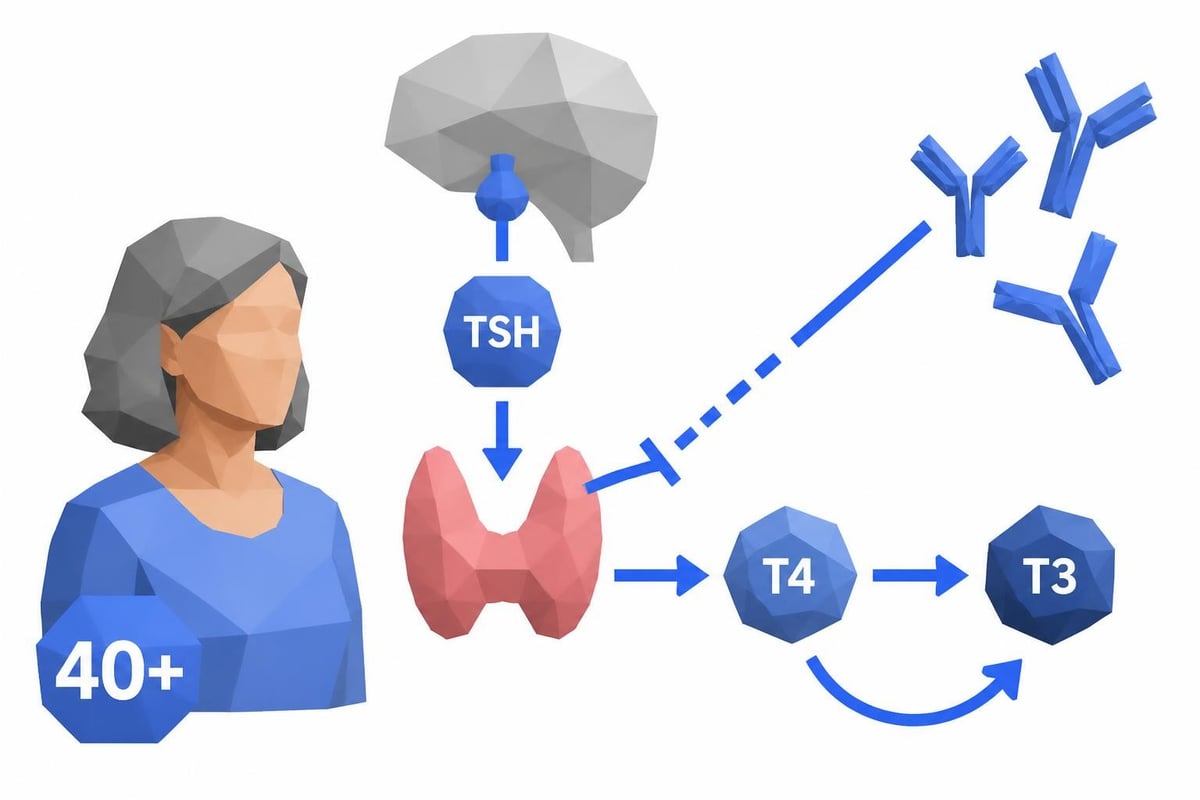
Women experiencing unexplained weight changes, fatigue, hair thinning, or temperature sensitivity should prioritize comprehensive thyroid testing. Annual monitoring helps catch subtle shifts before they impact quality of life.
Comprehensive Metabolic Panel: Your Internal Chemistry
A comprehensive metabolic panel (CMP) evaluates 14 different markers that reveal how well your kidneys, liver, and electrolyte systems function. This panel is among the most valuable essential annual labs for women over 40 because it detects multiple conditions simultaneously.
What the CMP Reveals
| Marker Category | What It Measures | Why It Matters After 40 |
|---|---|---|
| Glucose | Blood sugar regulation | Pre-diabetes and diabetes risk increases with age |
| Kidney function | Creatinine, BUN, eGFR | Early kidney disease often shows no symptoms |
| Liver enzymes | ALT, AST, alkaline phosphatase | Detects fatty liver disease and medication effects |
| Electrolytes | Sodium, potassium, chloride | Affects heart rhythm and muscle function |
| Protein levels | Albumin, total protein | Indicates nutritional status and liver health |
The kidney function markers included in metabolic testing are particularly important for women, as kidney disease progresses differently in females than males.
Your metabolic panel provides baseline data that becomes increasingly valuable with each annual comparison. Trending results reveal patterns that single tests cannot detect.
Lipid Panel and Cardiovascular Markers
Heart disease remains the leading cause of death for women, with risk accelerating after menopause. A lipid panel examines cholesterol and triglyceride levels that directly impact cardiovascular health.
Beyond Basic Cholesterol Numbers
Standard lipid testing measures total cholesterol, LDL ("bad" cholesterol), HDL ("good" cholesterol), and triglycerides. However, advanced cardiovascular assessment includes additional markers:
- Apolipoprotein B provides a more accurate count of atherogenic particles
- Lipoprotein(a) identifies genetic cardiovascular risk
- hs-CRP measures inflammation linked to heart disease
Women in their 40s should establish baseline lipid values before menopause significantly alters their cardiovascular risk profile. Annual tracking allows you to see how lifestyle changes, stress, or hormone shifts affect your numbers.
Recommended Panel
Advanced Heart Health Panel
Save $6Go beyond basic cholesterol testing. This advanced panel includes the markers cardiologists use to assess true cardiovascular risk: ApoB, Lp(a), homocysteine, and inflammation.
Includes 10 biomarkers
$86
Fasting required
Diabetes Screening: Glucose and Insulin Markers
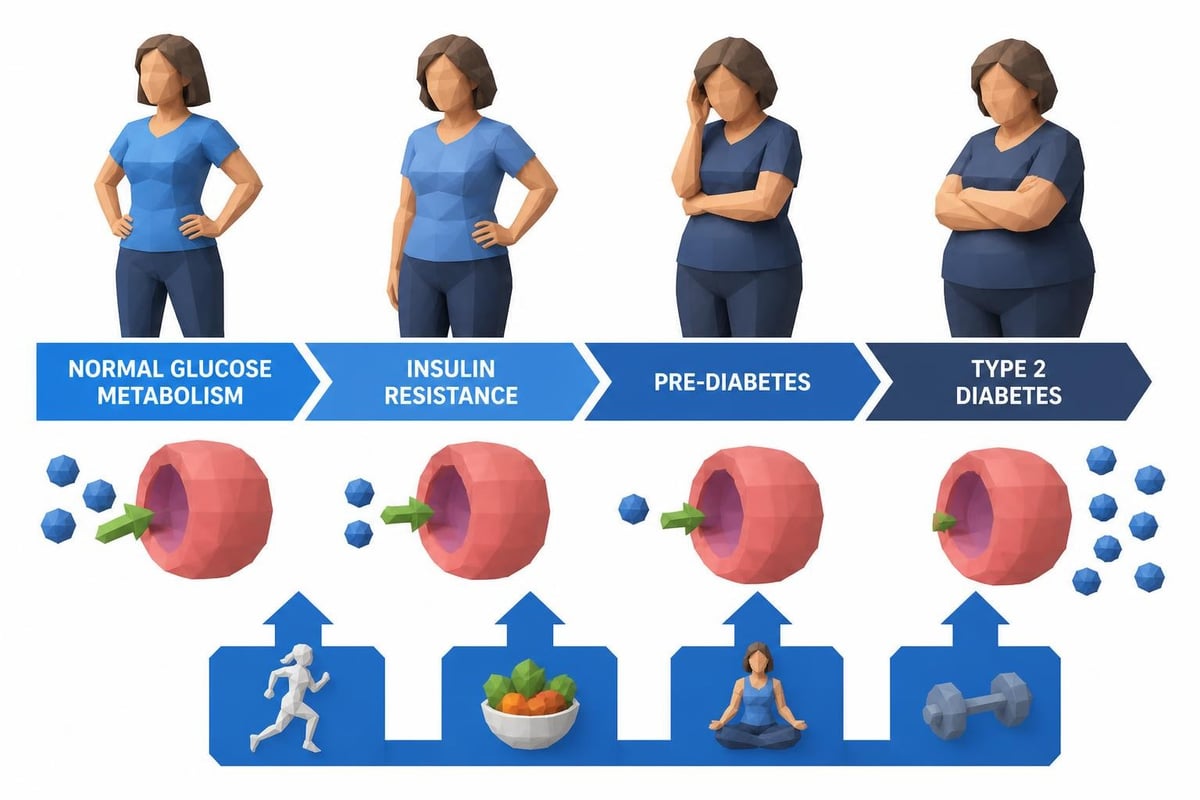
Insulin resistance and type 2 diabetes risk increases substantially for women over 40, particularly those experiencing weight gain around the midsection. Early detection through regular testing enables intervention before full diabetes develops.
Complete Diabetes Assessment
The most comprehensive approach to diabetes screening includes:
- Fasting glucose: Baseline blood sugar after an overnight fast
- Hemoglobin A1C: Three-month average of blood sugar levels
- Fasting insulin: Measures insulin production and resistance
- HOMA-IR calculation: Quantifies insulin resistance severity
Many women develop insulin resistance years before glucose levels become elevated. Testing insulin alongside glucose provides earlier warning signs than glucose testing alone.
Recommended Panel
Comprehensive Diabetes Panel
This panel detects diabetes and prediabetes at every stage. Includes lipids because diabetes dramatically increases heart disease risk.
Includes 10 biomarkers
$35
Fasting required
Annual diabetes screening as part of essential annual labs for women over 40 allows lifestyle modifications when they're most effective-before irreversible damage occurs.
Hormone Evaluation: What to Test and When
Perimenopause typically begins in the mid-40s, bringing fluctuating hormone levels that affect everything from sleep to mood to bone density. However, routine hormone testing isn't always necessary or helpful.
According to The Menopause Society, symptoms rather than lab values should primarily guide treatment decisions. That said, specific situations warrant hormone assessment:
- Irregular cycles with severe symptoms
- Premature menopause concerns (before age 45)
- Evaluation before considering hormone therapy
- Monitoring during hormone replacement treatment
Hormones Worth Testing
When hormone evaluation is appropriate, consider these markers:
Reproductive Hormones
- FSH (follicle-stimulating hormone)
- Estradiol
- Progesterone (day 21 of cycle if still menstruating)
Androgens
- Total and free testosterone
- DHEA-S
Metabolic Hormones
- Cortisol (particularly if experiencing chronic stress)
Women should work with knowledgeable providers who understand that single hormone measurements have limited value due to natural fluctuations. Timing, symptoms, and patterns matter more than isolated numbers.
Complete Blood Count: The Foundation Test
A complete blood count (CBC) examines red blood cells, white blood cells, and platelets-providing fundamental information about your blood health, immune function, and oxygen-carrying capacity.
Why Women Over 40 Need Annual CBC Testing
| Component | What Abnormalities Reveal |
|---|---|
| Red blood cells | Anemia from iron deficiency, heavy periods, or chronic disease |
| White blood cells | Immune system function, infection, inflammation, or stress |
| Platelets | Clotting ability and bone marrow health |
| Hemoglobin | Oxygen delivery to tissues |
| Hematocrit | Blood viscosity and hydration status |
Women with heavy menstrual bleeding, fatigue, or family history of blood disorders should prioritize CBC testing with automated differential as part of their essential annual labs for women over 40.
Vitamin and Mineral Status
Nutritional deficiencies become increasingly common after 40 due to decreased absorption, dietary changes, and increased nutrient demands. Several key vitamins and minerals deserve annual attention.
Critical Nutrients to Monitor
Vitamin D Between 40-60% of women over 40 have insufficient vitamin D levels. This hormone-like vitamin affects bone health, immune function, mood, and cardiovascular health.
Vitamin B12 Absorption decreases with age, particularly in women taking metformin or acid-blocking medications. B12 deficiency causes fatigue, cognitive changes, and nerve damage.
Iron and Ferritin Women with heavy periods may develop iron deficiency anemia, while those in perimenopause may see ferritin drop even without anemia. Ferritin below 30 ng/mL often causes fatigue and hair loss.
Magnesium Standard serum magnesium testing misses most deficiencies since only 1% of body magnesium circulates in blood. RBC magnesium provides better assessment.
Recommended Panel
Vitamin & Mineral Panel
Save $5This panel tests the most commonly deficient nutrients: Vitamin D, B12, Folate, Iron (with complete iron studies), Ferritin, and Magnesium - the building blocks your body needs to function optimally.
Includes 9 biomarkers
$64
Fasting required
Testing nutrient levels allows targeted supplementation rather than guessing which vitamins you need.
Bone Health Assessment
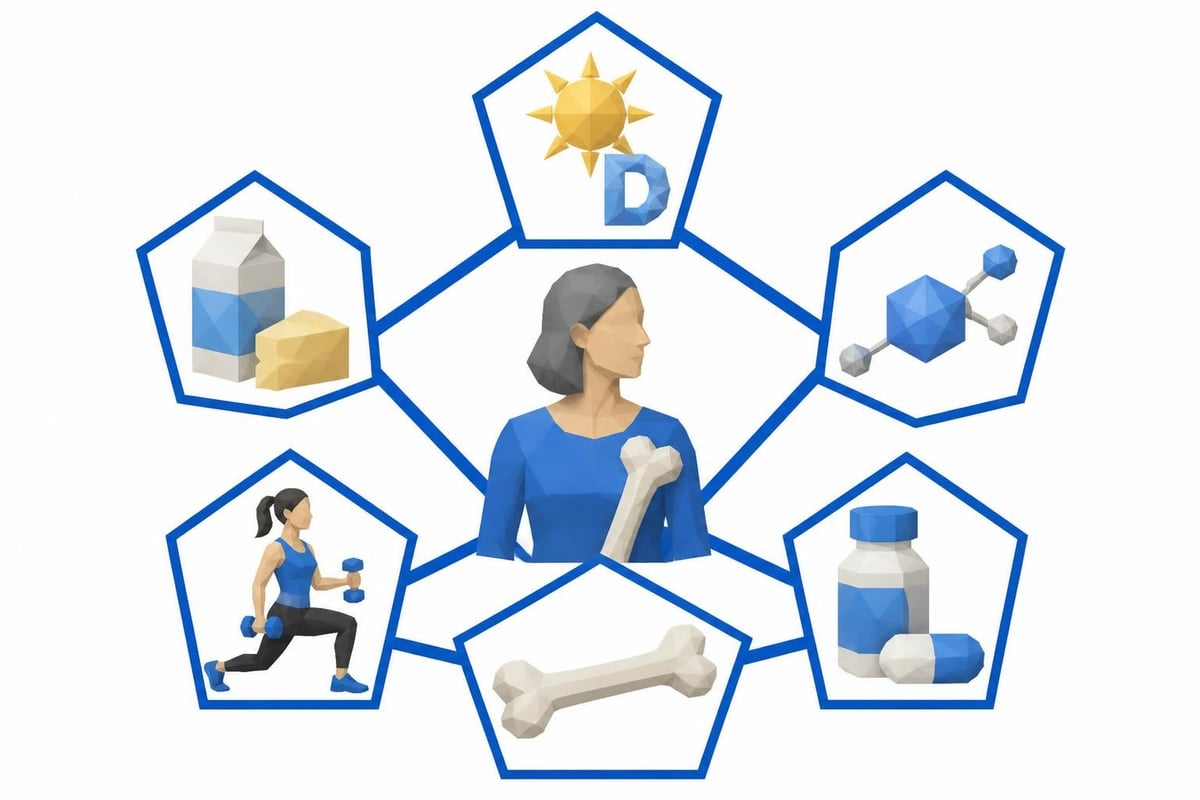
Osteoporosis and osteopenia affect millions of women, with bone loss accelerating dramatically during the first years after menopause. While DEXA scans (bone density imaging) typically begin at 65, certain risk factors warrant earlier screening.
Who Needs Earlier Bone Testing
Bone density evaluation should begin before 65 if you have:
- Family history of osteoporosis or fractures
- Long-term steroid medication use
- Eating disorders or very low body weight
- Early menopause (before age 45)
- Chronic kidney disease or other conditions affecting bone
Blood tests can assess bone health without radiation exposure:
- Vitamin D: Essential for calcium absorption
- Calcium: Both serum and ionized calcium
- PTH (parathyroid hormone): Regulates calcium metabolism
- Bone turnover markers: CTX and P1NP indicate bone loss or formation rates
Women in their 40s should establish baseline bone health markers as part of essential annual labs for women over 40, particularly if risk factors exist.
Inflammation and Immune Markers
Chronic inflammation underlies most age-related diseases, from cardiovascular disease to diabetes to autoimmune conditions. Monitoring inflammation helps identify problems before they cause irreversible damage.
Key Inflammation Tests
hs-CRP (high-sensitivity C-reactive protein) Values above 3.0 mg/L indicate significant inflammation and cardiovascular risk. Even slight elevations warrant investigation.
ESR (erythrocyte sedimentation rate) A non-specific inflammation marker that can detect autoimmune conditions, infections, or chronic inflammatory states.
Homocysteine Elevated levels increase cardiovascular disease risk and may indicate B-vitamin deficiencies.
Women with fatigue, joint pain, or family history of autoimmune disease should include inflammation markers in their annual testing strategy.
Recommended Panel
Inflammation Panel
Save $2Chronic inflammation is the hidden driver of heart disease, cancer, and accelerated aging. This panel measures the key markers that reveal whether silent inflammation is damaging your body.
Includes 17 biomarkers
$52
Fasting required
Creating Your Personal Testing Schedule
Not every woman needs every test annually. Your personal health history, family history, symptoms, and risk factors determine which essential annual labs for women over 40 make sense for you.
Minimum Annual Testing
For most healthy women over 40 with no significant risk factors:
- Comprehensive metabolic panel
- Complete blood count
- Lipid panel
- TSH (thyroid screening)
- Hemoglobin A1C or fasting glucose
- Vitamin D
Additional Tests Based on Risk
Add these based on personal circumstances:
- Complete thyroid panel if you have thyroid symptoms or family history
- Diabetes comprehensive panel if overweight, family history, or PCOS
- Iron studies if heavy periods or vegetarian diet
- Hormone panel if severe perimenopausal symptoms
- Inflammation markers if joint pain or autoimmune family history
Many women appreciate the convenience of ordering lab tests without a doctor visit, receiving transparent pricing upfront, and getting results quickly to share with their healthcare providers.
Making Lab Testing Affordable and Accessible
Traditional lab testing through insurance often involves multiple appointments, copays, and weeks of waiting. The self-pay lab testing model eliminates these barriers while providing transparent pricing.
Benefits of Direct-Access Testing
Cost Transparency You know exactly what you'll pay before ordering, without surprise bills or insurance claim denials.
Speed Results typically arrive within 1-3 days rather than weeks, allowing faster decision-making.
Convenience Order tests online and visit a local collection facility at your convenience without appointment scheduling delays.
Comprehensive Options Access specialized panels that insurance might not cover, allowing you to test exactly what matters to you.
Understanding your test results empowers informed health decisions. Resources for interpreting lab results help you grasp what your numbers mean and when to seek professional guidance.
Key Takeaways
Establishing a comprehensive annual testing routine in your 40s creates a health baseline that serves you for decades. The essential annual labs for women over 40 should include thyroid function, metabolic health markers, cardiovascular risk assessment, diabetes screening, and nutritional status evaluation. Individual risk factors determine whether you need additional hormone, bone health, or inflammation testing.
Regular monitoring allows you to detect problems early, track how lifestyle changes affect your health, and have data-driven conversations with healthcare providers. The investment in annual testing pays dividends through early detection, prevention, and optimization of your health trajectory.
Consider assembling your core testing panel based on your personal health history and risks. Many women find value in establishing relationships with providers who understand functional medicine approaches and interpret results within the context of optimal health rather than just "normal" ranges.
Taking charge of your health through strategic annual testing provides the data you need to make informed decisions as you navigate your 40s and beyond. Whether you're monitoring established conditions or establishing healthy baselines, comprehensive lab work offers invaluable insights into your body's current state and future risks. Justlabs makes this proactive approach accessible by offering transparent, affordable lab testing that you can order online and complete quickly, with results in your hands within days-empowering you to partner effectively with your healthcare team and optimize your wellbeing.