
Turning 40 marks a pivotal shift in men's health management. While routine checkups may have seemed optional in your twenties and thirties, reaching this milestone calls for a more proactive approach to wellness. Essential annual labs for men over 40 provide critical insights into metabolic function, cardiovascular risk, hormonal balance, and organ health-often before symptoms appear. Understanding which tests to prioritize, and when to add specialized markers based on your individual risk profile, empowers you to take control of your long-term health trajectory.
Understanding the Core Panel: Metabolic and Blood Sugar Markers
The foundation of essential annual labs for men over 40 begins with metabolic health assessment. These tests evaluate how your body processes energy, manages blood sugar, and maintains metabolic balance.
Comprehensive Metabolic Panel (CMP)
A Comprehensive Metabolic Panel measures 14 different markers that reveal kidney function, liver health, electrolyte balance, and blood glucose levels. This single test provides a broad snapshot of your metabolic state and identifies potential issues ranging from diabetes risk to kidney disease.
Key markers include:
- Glucose (fasting blood sugar)
- Calcium levels
- Sodium, potassium, and chloride (electrolytes)
- Blood urea nitrogen (BUN) and creatinine (kidney function)
- Albumin and total protein
- Liver enzymes (ALT, AST, ALP, bilirubin)
For men entering their fifth decade, metabolic efficiency naturally declines. Regular monitoring helps catch changes early when lifestyle modifications can still reverse concerning trends.
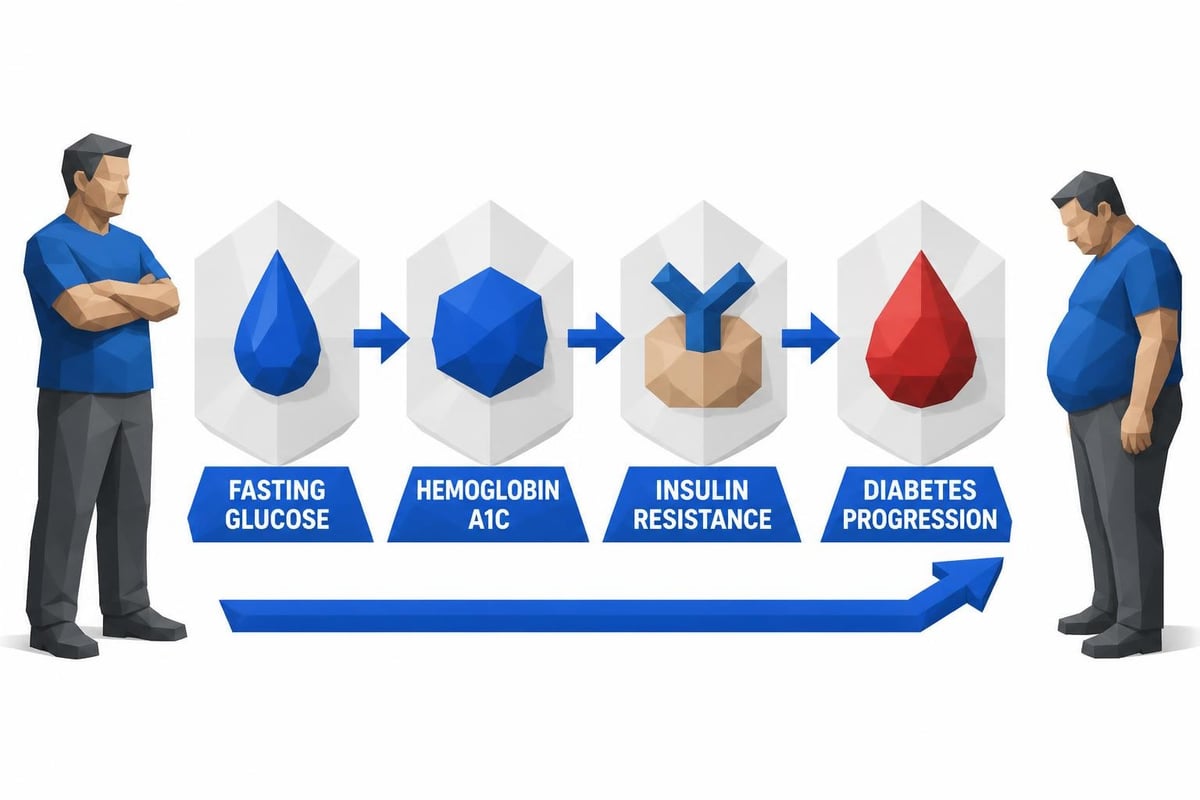
Hemoglobin A1C
Beyond fasting glucose, Hemoglobin A1C provides a three-month average of blood sugar levels. This marker is particularly valuable because it captures glucose patterns over time rather than a single point measurement.
Men over 40 face increased insulin resistance risk, making A1C testing essential for diabetes prevention. Values between 5.7% and 6.4% indicate prediabetes, while 6.5% or higher suggests diabetes. Early detection through comprehensive blood work allows for intervention before progression to full diabetes.
Cardiovascular Risk Assessment: Beyond Basic Cholesterol
Heart disease remains the leading cause of death for American men. Essential annual labs for men over 40 must include comprehensive cardiovascular risk markers.
Lipid Panel Components
A standard lipid panel measures total cholesterol, LDL (low-density lipoprotein), HDL (high-density lipoprotein), and triglycerides. However, understanding the nuances of these markers matters more than simply checking boxes.
| Marker | Optimal Range | Clinical Significance |
|---|---|---|
| Total Cholesterol | Below 200 mg/dL | Overall cardiovascular risk indicator |
| LDL Cholesterol | Below 100 mg/dL | Primary target for heart disease prevention |
| HDL Cholesterol | Above 60 mg/dL | Protective against cardiovascular disease |
| Triglycerides | Below 150 mg/dL | Metabolic health and inflammation marker |
| Total/HDL Ratio | Below 4.0 | Predictive risk calculator |
Many men discover elevated lipids for the first time after age 40, even without significant weight gain or dietary changes. This reflects natural shifts in hormone levels and metabolism that accompany aging.
Advanced Cardiac Markers (Risk-Based)
For men with family history of early heart disease, obesity, diabetes, or established risk factors, additional markers provide deeper insight:
- Lipoprotein(a): Genetic marker for cardiovascular risk
- hs-CRP (high-sensitivity C-reactive protein): Inflammation indicator
- Homocysteine: Amino acid linked to arterial damage
- Apolipoprotein B: More accurate LDL particle measurement
These advanced tests aren't necessary for everyone annually but become important when standard lab panels reveal borderline results or family history suggests increased risk.
Recommended Panel
Advanced Heart Health Panel
Save $6Go beyond basic cholesterol testing. This advanced panel includes the markers cardiologists use to assess true cardiovascular risk: ApoB, Lp(a), homocysteine, and inflammation.
Includes 10 biomarkers
$86
Fasting required
Hormone Health: Testosterone and Thyroid Function
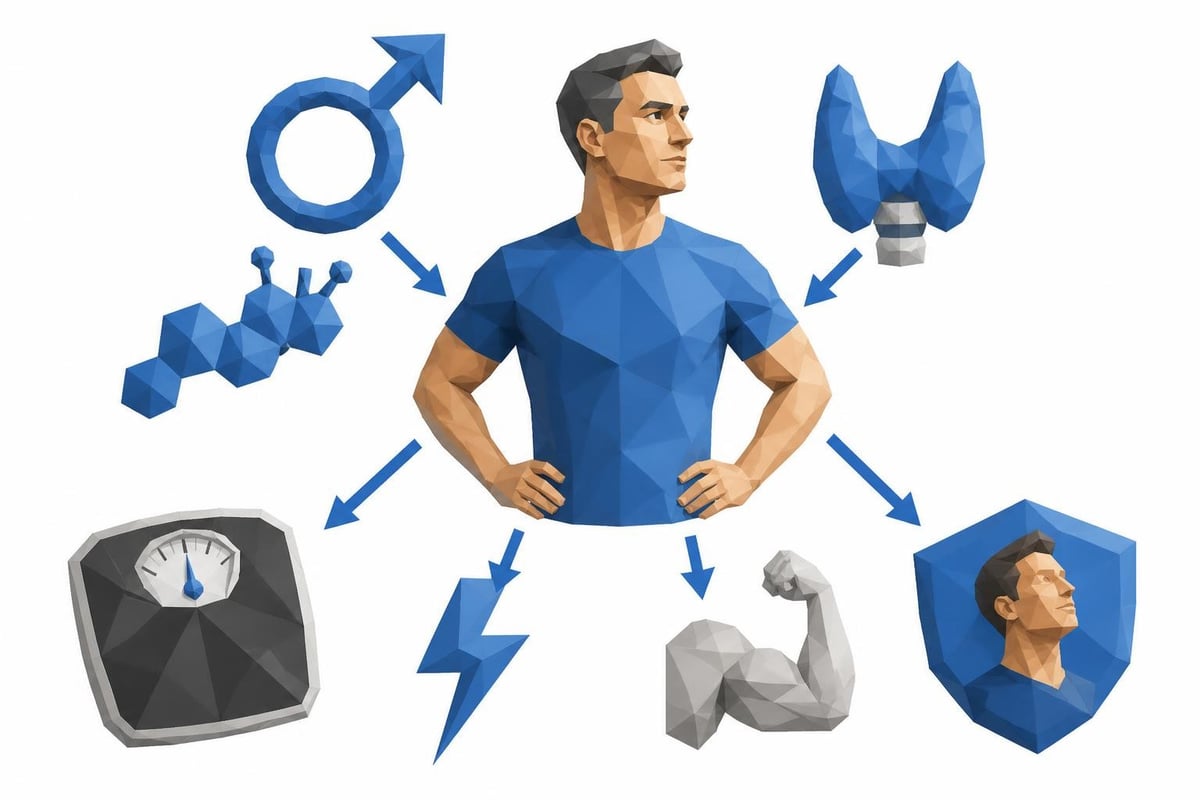
Hormonal shifts accelerate after 40, affecting energy, body composition, mood, and metabolic health. Including hormone markers in essential annual labs for men over 40 helps identify treatable imbalances.
Testosterone Testing
Male testosterone naturally declines approximately 1% per year after age 30. By 40, some men experience noticeable symptoms including:
- Decreased muscle mass
- Increased body fat (especially abdominal)
- Reduced libido and sexual function
- Fatigue and decreased motivation
- Mood changes and irritability
When to test testosterone: Testing makes sense when symptoms suggest low testosterone or when metabolic syndrome features appear. A complete testosterone panel includes total testosterone, free testosterone, and sex hormone-binding globulin (SHBG).
Morning testing provides the most accurate results, as testosterone levels peak early in the day. Men with results below 300 ng/dL typically qualify for further evaluation and potential hormone optimization.
Recommended Panel
Male Hormone Panel
Save $9This comprehensive panel measures testosterone (free and total), plus the supporting hormones that affect how testosterone works in your body: SHBG, estradiol sensitive, DHEA-S, and cortisol.
Includes 6 biomarkers
$101
Thyroid Function Panel
The thyroid gland regulates metabolism, energy production, and body temperature. Thyroid dysfunction often develops gradually, with symptoms easily attributed to aging or stress.
A complete thyroid panel includes:
- TSH (thyroid stimulating hormone)
- Free T4 (thyroxine)
- Free T3 (triiodothyronine)
- Thyroid antibodies (if dysfunction suspected)
Subclinical hypothyroidism affects approximately 10% of men over 40. Comprehensive annual health monitoring catches these subtle shifts before they progress to clinical disease.
Liver and Kidney Function: Essential Organ Monitoring
Your liver and kidneys work constantly to filter toxins, produce essential proteins, and maintain chemical balance. Essential annual labs for men over 40 should always include markers for these critical organs.
Liver Function Tests
The liver performs over 500 functions, from protein synthesis to toxin elimination. A hepatic function panel measures the enzymes and proteins that reveal cellular health and functional capacity:
- ALT (alanine aminotransferase): Liver-specific enzyme indicating cell damage
- AST (aspartate aminotransferase): Found in liver and muscle tissue
- ALP (alkaline phosphatase): Marker for bile duct function
- Bilirubin: Breakdown product from red blood cells
- Albumin: Primary protein produced by liver
Many men over 40 develop fatty liver disease without knowing it. This condition, linked to metabolic syndrome and obesity, progresses silently until liver function becomes compromised. Regular liver function monitoring identifies concerning trends early.
Kidney Function Markers
Kidney disease often develops without symptoms until significant damage occurs. Simple blood tests catch declining kidney function years before clinical disease.
| Test | Purpose | Why It Matters After 40 |
|---|---|---|
| Creatinine | Waste product filtered by kidneys | Baseline increases with age |
| BUN | Blood urea nitrogen levels | Indicates protein metabolism and kidney efficiency |
| eGFR | Estimated glomerular filtration rate | Calculated measure of kidney filtering capacity |
| Urine microalbumin | Protein leakage in urine | Early diabetes and hypertension damage indicator |
Diabetes and hypertension-both increasingly common after 40-are leading causes of kidney disease. Establishing baseline kidney function allows you to track changes over time and intervene when necessary.
Complete Blood Count: Foundation of Health Assessment
A Complete Blood Count (CBC) with differential examines red blood cells, white blood cells, and platelets. This fundamental test reveals anemia, infection, immune function, and blood disorders.
Red Blood Cell Markers
Red blood cells carry oxygen throughout your body. CBC measures hemoglobin, hematocrit, and red blood cell indices to evaluate oxygen-carrying capacity.
Low hemoglobin (anemia) causes fatigue, weakness, and reduced exercise capacity. Common causes in men over 40 include:
- Iron deficiency from occult bleeding
- Vitamin B12 or folate deficiency
- Chronic disease or inflammation
- Kidney disease affecting erythropoietin production
Conversely, elevated red blood cell counts may indicate sleep apnea, chronic lung disease, or dehydration. Understanding your baseline helps identify significant deviations.
White Blood Cell Assessment
White blood cells defend against infection and disease. Abnormal counts warrant investigation for:
- Acute or chronic infections
- Immune system disorders
- Medication side effects
- Blood cancers (though rare)
The differential count breaks down white blood cell types, providing clues about specific immune responses or conditions.
Platelet Function
Platelets enable blood clotting. Low platelet counts increase bleeding risk, while elevated counts may indicate inflammatory conditions or, rarely, blood disorders. Most men have stable platelet counts, making significant changes particularly noteworthy.
Risk-Based Testing: Customizing Your Annual Panel
Not every man needs every test annually. Essential annual labs for men over 40 should include core metabolic, cardiovascular, and blood count markers, with additional tests based on individual risk factors.
PSA Testing Considerations
Prostate-specific antigen (PSA) testing for prostate cancer screening remains controversial. Current guidelines suggest:
Consider PSA testing if:
- Family history of prostate cancer
- African American ethnicity (higher risk)
- Age 50+ for average-risk men
- Age 45+ for high-risk groups
Discuss testing benefits and limitations with your healthcare provider. PSA elevation doesn't automatically indicate cancer but may prompt further evaluation. For men who choose testing, establishing a baseline PSA in your early 40s helps track changes over time.
Vitamin D Assessment
Vitamin D deficiency affects bone health, immune function, and mood. Testing makes sense when:
- Living in northern latitudes with limited sun exposure
- Darker skin pigmentation
- Obesity (vitamin D stored in fat tissue)
- Symptoms of deficiency (fatigue, bone pain, frequent illness)
Annual testing isn't necessary for everyone, but checking levels every 2-3 years helps maintain optimal status. Most men over 40 benefit from supplementation during winter months.
Iron Studies
Unless you have symptoms of anemia or risk factors for iron overload (hemochromatosis), routine iron testing isn't essential. However, vegetarians, those with digestive disorders, or men with unexplained fatigue should consider:
- Serum iron
- Ferritin (iron storage)
- Total iron-binding capacity (TIBC)
- Transferrin saturation

Making Lab Testing Accessible and Affordable
The biggest barrier to consistent health monitoring isn't knowing which tests matter-it's accessing those tests conveniently and affordably. Traditional healthcare systems often require doctor appointments, insurance authorization, and weeks of scheduling.
Direct-Access Lab Testing Benefits
Modern lab testing services eliminate unnecessary barriers. With direct-access testing options, you can:
- Order tests online without doctor appointments
- Select from comprehensive test panels or individual markers
- Visit convenient lab locations nationwide
- Receive results within 1-3 days
- Access transparent, affordable pricing
This approach particularly benefits men who:
- Lack insurance or have high deductibles
- Want baseline testing before turning 40
- Track specific markers more frequently
- Prefer proactive health management
Understanding transparent lab test pricing helps you budget for annual testing without surprise bills or insurance complications.
Creating Your Personalized Testing Schedule
Essential annual labs for men over 40 should become as routine as dental cleanings or vehicle maintenance. Establishing a consistent schedule ensures you don't overlook important health monitoring.
Recommended Annual Testing Timeline
First Quarter (January-March): Schedule your annual comprehensive panel to establish baseline values for the year. Fasting tests work best when scheduled for early morning appointments.
Core annual tests include:
- Comprehensive Metabolic Panel (CMP)
- Lipid Panel
- Complete Blood Count (CBC)
- Hemoglobin A1C
- Thyroid Function (TSH, Free T4)
Recommended Panel
Comprehensive Wellness Panel
Save $4.5Our most thorough health screening covers blood cells, organ function, cholesterol, thyroid, blood sugar, vitamin D, inflammation, and iron - everything you need for a complete health picture.
Includes 44 biomarkers
$94
Fasting required
Mid-Year (June-August): For men managing specific conditions or risk factors, mid-year testing tracks interventions. If you started cholesterol medication in spring, summer labs verify effectiveness.
Risk-based additions:
- Testosterone panel (if symptoms present)
- Vitamin D (if supplementing)
- Advanced cardiac markers (if family history warrants)
- PSA (based on personal preference and risk)
Tracking Results Over Time
Single test results provide limited information. Trends matter more than isolated values. Keep copies of all lab results to compare year-over-year changes.
| Test | 2024 Result | 2025 Result | 2026 Result | Trend |
|---|---|---|---|---|
| Fasting Glucose | 95 mg/dL | 102 mg/dL | 108 mg/dL | ↑ Increasing |
| A1C | 5.3% | 5.5% | 5.8% | ↑ Prediabetic range |
| Total Cholesterol | 185 mg/dL | 192 mg/dL | 198 mg/dL | ↑ Watch closely |
| HDL | 48 mg/dL | 52 mg/dL | 55 mg/dL | ↑ Improving |
This tracking reveals patterns requiring intervention. Rising glucose with climbing A1C signals metabolic changes warranting dietary modifications, exercise increases, or medical consultation.
Interpreting Results and Taking Action
Receiving lab results without context creates unnecessary anxiety or false reassurance. Understanding what numbers mean and when to act separates effective health monitoring from mere data collection.
Reference Ranges vs. Optimal Ranges
Lab reports include reference ranges representing 95% of the population. However, "normal" doesn't always mean "optimal." For example:
Fasting glucose:
- Reference range: 70-99 mg/dL
- Optimal range: 70-85 mg/dL
- Action needed: Above 90 mg/dL
Values in the upper reference range may indicate developing problems worth addressing proactively.
When to Seek Medical Consultation
Certain results always warrant professional evaluation:
- Critical values flagged on lab reports
- Consistent upward trends in risk markers
- Multiple abnormal results in related systems
- Significant changes from previous baselines
Many men discover ordering labs without a doctor provides valuable information that prompts timely medical consultation, potentially preventing serious conditions.
Cost Considerations and Payment Options
Annual lab testing shouldn't strain your budget. Understanding costs and payment options makes consistent monitoring sustainable.
Typical Cost Ranges
Without insurance, essential annual lab panels range from $100-$300 depending on comprehensiveness:
- Basic metabolic panel: $25-$50
- Lipid panel: $30-$60
- Complete blood count: $20-$40
- Hemoglobin A1C: $25-$45
- TSH thyroid test: $30-$50
- Comprehensive metabolic panel: $35-$70
Bundled panels typically cost less than ordering individual tests. Direct-access services often provide better pricing than hospital-based lab systems.
Insurance Alternatives
Even with insurance, preventive labs may not be covered until you reach deductibles. Labs without insurance often cost less than insurance copays and coinsurance.
Additional payment options include:
- Health Savings Accounts (HSA)
- Flexible Spending Accounts (FSA)
- Payment plans for comprehensive panels
- Membership programs offering discounted testing
FSA and HSA eligible tests allow you to use pre-tax dollars for lab work, reducing effective costs by 20-30% depending on your tax bracket.
Building Long-Term Health Intelligence
Essential annual labs for men over 40 create a health data foundation that becomes increasingly valuable over decades. Your 40s establish baselines. Your 50s reveal trends. Your 60s and beyond benefit from comprehensive historical context.
The Power of Longitudinal Data
Physicians treating you in your 60s or 70s will find 20+ years of lab history invaluable for:
- Distinguishing acute changes from chronic patterns
- Understanding medication effectiveness over time
- Identifying hereditary conditions that manifest late
- Optimizing treatment based on individual response history
Men who begin comprehensive testing at 40 give themselves-and their future healthcare providers-powerful diagnostic and preventive tools.
Adapting Testing as You Age
While core tests remain consistent, priorities shift with age:
Ages 40-49: Focus on establishing baselines and catching early metabolic changes. Emphasize cardiovascular risk markers and metabolic health.
Ages 50-59: Increase attention to cancer screening markers (PSA, potentially others based on risk). Monitor hormone levels affecting quality of life. Track bone density if risk factors present.
Ages 60+: Expand kidney and liver monitoring. Consider inflammatory markers. Ensure adequate vitamin levels affecting cognition and physical function.
Comprehensive health monitoring resources help you understand how testing priorities evolve across decades.
Proactive health monitoring through essential annual labs for men over 40 transforms healthcare from reactive crisis management to preventive optimization. Understanding which tests matter for your individual risk profile, establishing consistent testing schedules, and tracking results over time empowers you to make informed decisions about your health trajectory. Justlabs makes this proactive approach accessible by offering convenient online ordering, transparent pricing, and rapid results delivery-helping you take control of your health without the traditional barriers of insurance requirements and doctor visit scheduling.
Related Reading



References
Echouffo-Tcheugui JB, Perreault L, Ji L, Dagogo-Jack S. Diagnosis and Management of Prediabetes: A Review. JAMA. 2023 Apr 11;329(14):1206-1216. doi: 10.1001/jama.2023.4063. PMID: 37039787. https://pubmed.ncbi.nlm.nih.gov/37039787/
Sniderman AD, Thanassoulis G, Glavinovic T, Navar AM, Pencina M, Catapano A, Ference BA. Apolipoprotein B Particles and Cardiovascular Disease: A Narrative Review. JAMA Cardiol. 2019 Dec 1;4(12):1287-1295. doi: 10.1001/jamacardio.2019.3780. PMID: 31642874. https://pubmed.ncbi.nlm.nih.gov/31642874/
Reyes-Soffer G, Ginsberg HN, Berglund L, Duell PB, Heffron SP, Kamstrup PR, Lloyd-Jones DM, Marcovina SM, Yeang C, Koschinsky ML, American Heart Association Council on Arteriosclerosis, Thrombosis and Vascular Biology; Council on Cardiovascular Radiology and Intervention; and Council on Peripheral Vascular Disease. Lipoprotein(a): A Genetically Determined, Causal, and Prevalent Risk Factor for Atherosclerotic Cardiovascular Disease: A Scientific Statement From the American Heart Association. Arterioscler Thromb Vasc Biol. 2022 Jan;42(1):e48-e60. doi: 10.1161/ATV.0000000000000147. PMID: 34647487. https://pubmed.ncbi.nlm.nih.gov/34647487/
Gryzinski GM, Bernie HL. Testosterone deficiency and the aging male. Int J Impot Res. 2022 Nov;34(7):630-634. doi: 10.1038/s41443-022-00555-7. PMID: 35393533. https://pubmed.ncbi.nlm.nih.gov/35393533/
Biondi B, Cappola AR, Cooper DS. Subclinical Hypothyroidism: A Review. JAMA. 2019 Jul 9;322(2):153-160. doi: 10.1001/jama.2019.9052. PMID: 31287527. https://pubmed.ncbi.nlm.nih.gov/31287527/
Younossi ZM, Koenig AB, Abdelatif D, Fazel Y, Henry L, Wymer M. Global epidemiology of nonalcoholic fatty liver disease-Meta-analytic assessment of prevalence, incidence, and outcomes. Hepatology. 2016 Jul;64(1):73-84. doi: 10.1002/hep.28431. PMID: 26707365. https://pubmed.ncbi.nlm.nih.gov/26707365/