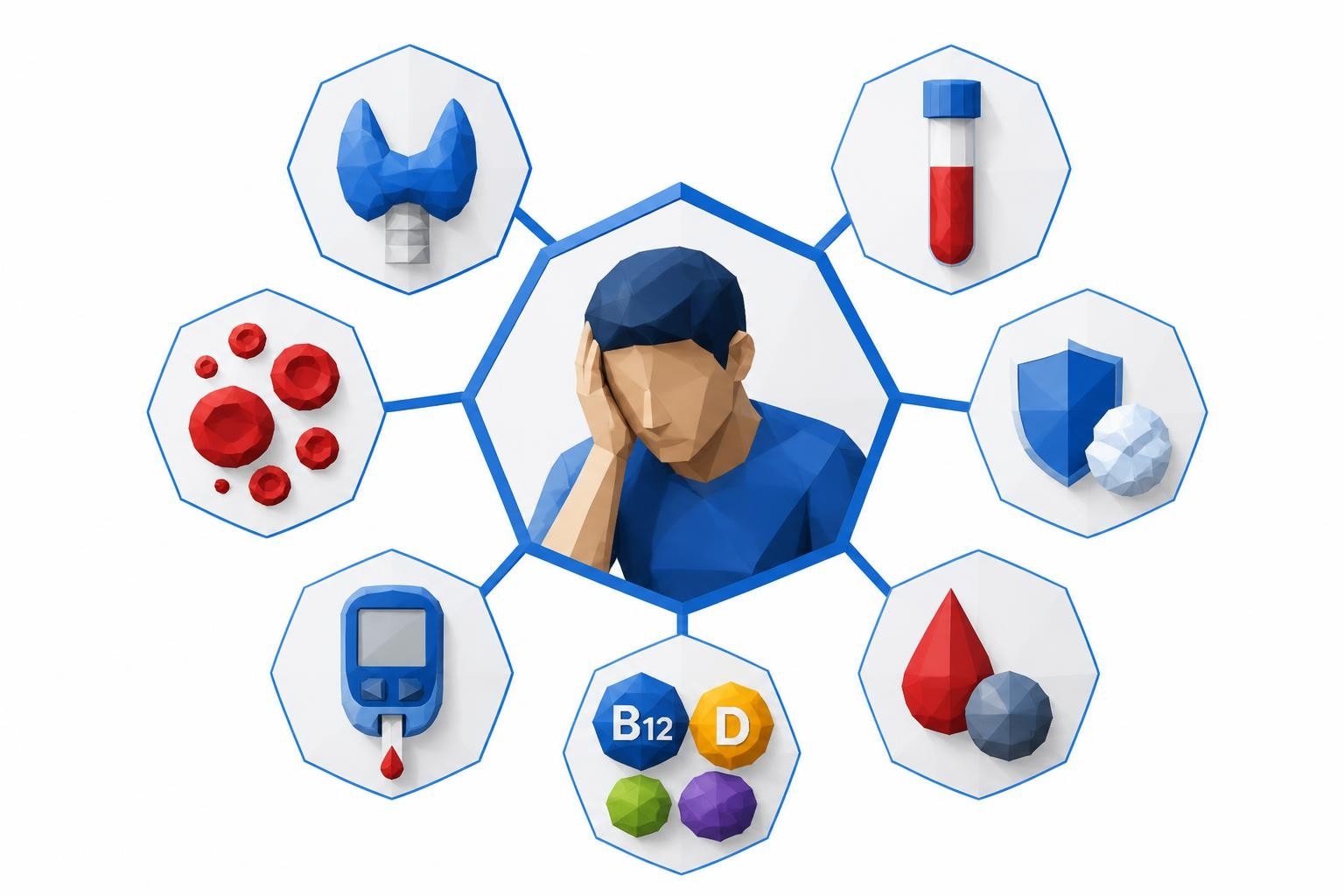
Feeling constantly exhausted despite adequate sleep is a frustration millions of Americans experience daily. While temporary tiredness is normal after a busy day, persistent fatigue that interferes with daily activities often signals an underlying health issue. Understanding the energy and fatigue panel provides valuable insights into the biological factors that may be draining your energy, from hormonal imbalances to nutritional deficiencies. These comprehensive blood tests measure specific markers that healthcare professionals use to identify treatable conditions contributing to chronic tiredness.
What An Energy and Fatigue Panel Measures
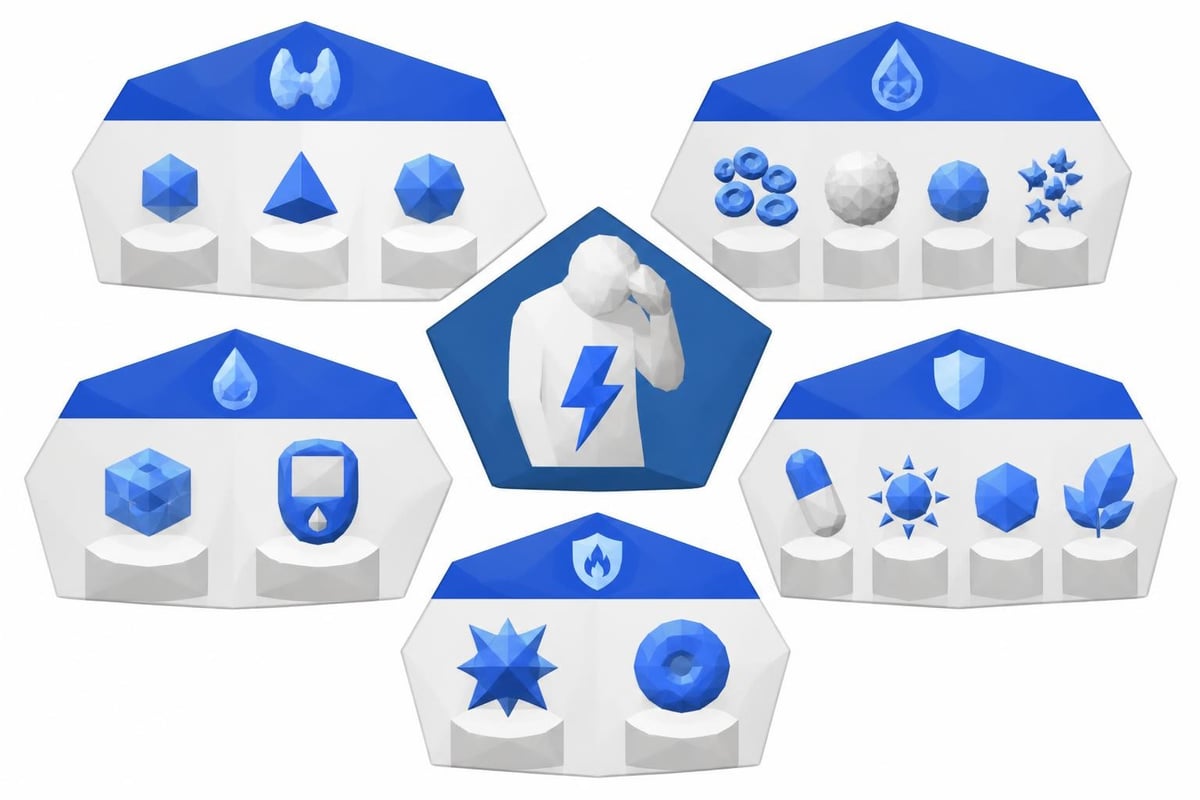
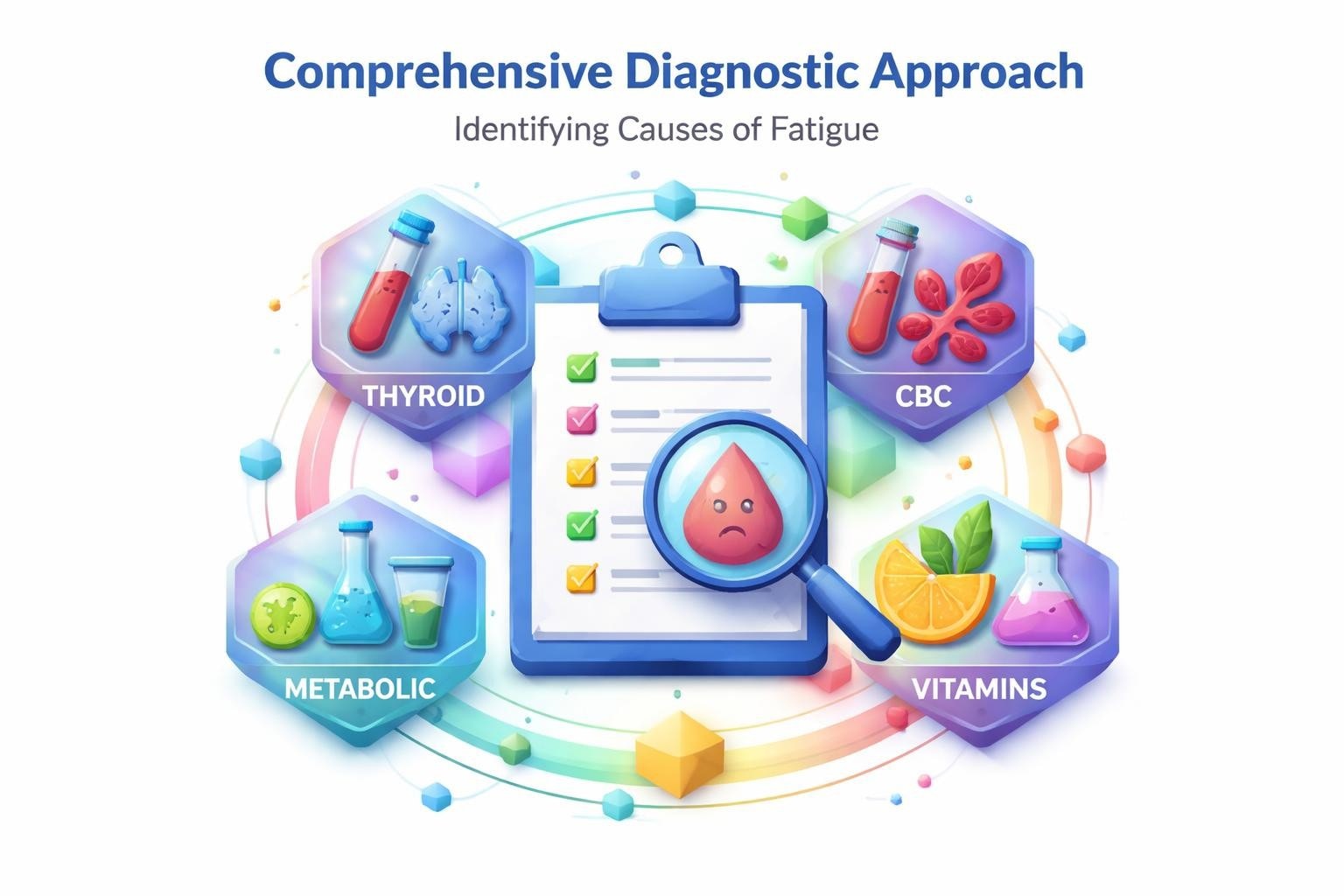
An energy and fatigue panel consists of multiple blood tests designed to evaluate different body systems that influence energy levels. These panels typically examine thyroid function, blood oxygen capacity, glucose regulation, vitamin status, and inflammation markers.
The comprehensive nature of these panels allows for simultaneous evaluation of multiple potential causes. Rather than ordering tests one at a time over several weeks or months, understanding the energy and fatigue panel approach means assessing numerous biomarkers in a single blood draw.
Core Components of the Panel
Most energy and fatigue panels include between 15 and 25 individual markers. The specific tests vary by provider, but certain core measurements appear consistently across comprehensive panels.
Thyroid Function Tests:
- Thyroid Stimulating Hormone (TSH)
- Free T4 (Thyroxine)
- Free T3 (Triiodothyronine)
Complete Blood Count (CBC):
- Hemoglobin and hematocrit levels
- Red blood cell count and indices
- White blood cell differential
Metabolic Markers:
- Fasting glucose
- Hemoglobin A1c
- Comprehensive metabolic panel
Nutritional Status:
- Vitamin B12
- Vitamin D (25-Hydroxy)
- Folate
- Iron and ferritin
Inflammation Indicators:
- C-Reactive Protein (CRP)
- Erythrocyte Sedimentation Rate (ESR)
How Thyroid Dysfunction Causes Fatigue
The thyroid gland produces hormones that regulate metabolism in virtually every cell of your body. When thyroid function becomes disrupted, energy production suffers significantly.
Hypothyroidism, or underactive thyroid, represents one of the most common causes of persistent fatigue. Research on thyroid function and fatigue demonstrates that even mild thyroid dysfunction can produce pronounced tiredness, weight changes, and cognitive difficulties.
TSH and Free T4 Measurements
TSH (Thyroid Stimulating Hormone) is produced by the pituitary gland to signal the thyroid to produce more hormones. When TSH levels are elevated, it typically indicates the thyroid is underactive and the pituitary is working harder to stimulate production.
Free T4 represents the active, unbound thyroid hormone available for your cells to use. Low Free T4 combined with high TSH confirms hypothyroidism. Understanding the energy and fatigue panel interpretation requires recognizing that these two markers work together to paint a complete picture.
| Marker | Normal Range | Low Reading Indicates | High Reading Indicates |
|---|---|---|---|
| TSH | 0.4-4.0 mIU/L | Hyperthyroidism | Hypothyroidism |
| Free T4 | 0.8-1.8 ng/dL | Hypothyroidism | Hyperthyroidism |
| Free T3 | 2.3-4.2 pg/mL | Hypothyroidism | Hyperthyroidism |
Free T3 measurements add additional detail, as some individuals struggle to convert T4 to the more active T3 form. This conversion problem can cause fatigue even when TSH and Free T4 appear normal.
Recommended Panel
Complete Thyroid Panel
Save $3Our most comprehensive thyroid panel includes all 5 essential markers: TSH, Free T4, Free T3, Reverse T3, and both thyroid antibodies. Get the complete picture of your thyroid health.
Includes 6 biomarkers
$84
Anemia and Blood Oxygen Transport
Red blood cells carry oxygen from your lungs to every tissue in your body. When red blood cell production, structure, or function becomes impaired, cells receive insufficient oxygen for energy production.
The complete blood count (CBC) portion of the energy panel evaluates multiple aspects of red blood cell health. Hemoglobin concentration, hematocrit percentage, and red blood cell indices reveal different types of anemia.
Iron Deficiency and Ferritin Levels
Iron deficiency represents the most prevalent nutritional deficiency worldwide and a leading cause of fatigue. Studies examining iron deficiency and fatigue show that even iron deficiency without full anemia can significantly impact energy levels.
Ferritin measures stored iron in your body. Low ferritin indicates depleted iron reserves, often appearing months before hemoglobin drops low enough to be classified as anemia. Women of childbearing age, vegetarians, and individuals with digestive disorders face higher risk for iron deficiency.
The energy and fatigue panel typically includes:
- Serum iron
- Total iron binding capacity (TIBC)
- Ferritin
- Transferrin saturation percentage
These markers together determine whether low iron stores or poor iron absorption contribute to fatigue symptoms.
Blood Sugar Regulation and Energy Fluctuations
Glucose serves as the primary fuel source for cellular energy production. Both excessively high and dangerously low blood sugar levels can cause profound fatigue.
Fasting Glucose and Hemoglobin A1c
Fasting glucose provides a snapshot of blood sugar levels after an overnight fast. Elevated fasting glucose suggests insulin resistance or diabetes, conditions that prevent cells from efficiently using glucose for energy despite abundant supply.
Hemoglobin A1c measures average blood sugar levels over the previous three months. This longer-term view identifies chronic blood sugar dysregulation that may not appear on a single fasting glucose test.
Blood Sugar Categories:
- Normal glucose metabolism: Fasting glucose 70-99 mg/dL, A1c below 5.7%
- Prediabetes: Fasting glucose 100-125 mg/dL, A1c 5.7-6.4%
- Diabetes: Fasting glucose 126+ mg/dL, A1c 6.5% or higher
Understanding the energy and fatigue panel results for these markers helps identify whether metabolic dysfunction contributes to tiredness. Many individuals with prediabetes experience fatigue long before receiving a diagnosis.
Reactive hypoglycemia, where blood sugar drops too low between meals, also causes fatigue, shakiness, and difficulty concentrating. While a standard fasting glucose test may not capture these episodes, the pattern of symptoms combined with other panel results can suggest this issue.
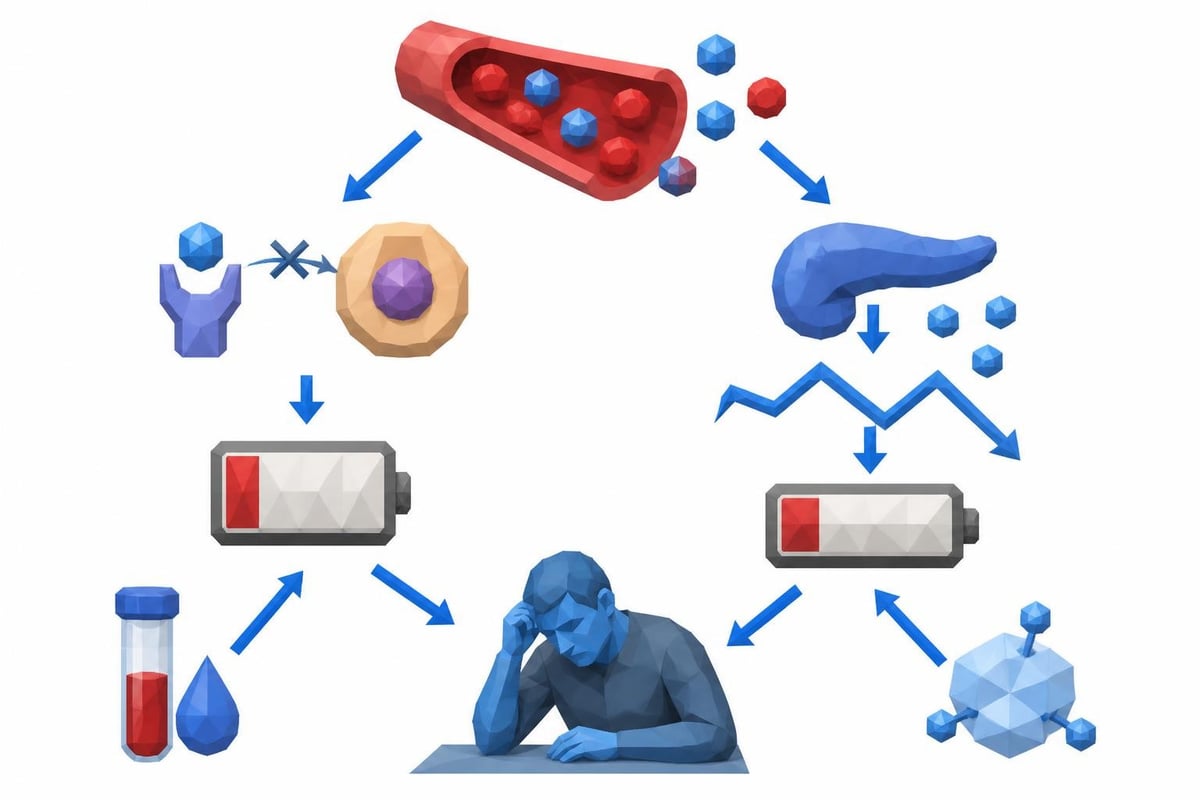
Vitamin Deficiencies and Cellular Energy Production
Several vitamins play critical roles in the biochemical processes that convert nutrients into usable energy. Deficiencies in these essential nutrients can significantly impair energy production at the cellular level.
Vitamin B12 and Energy Metabolism
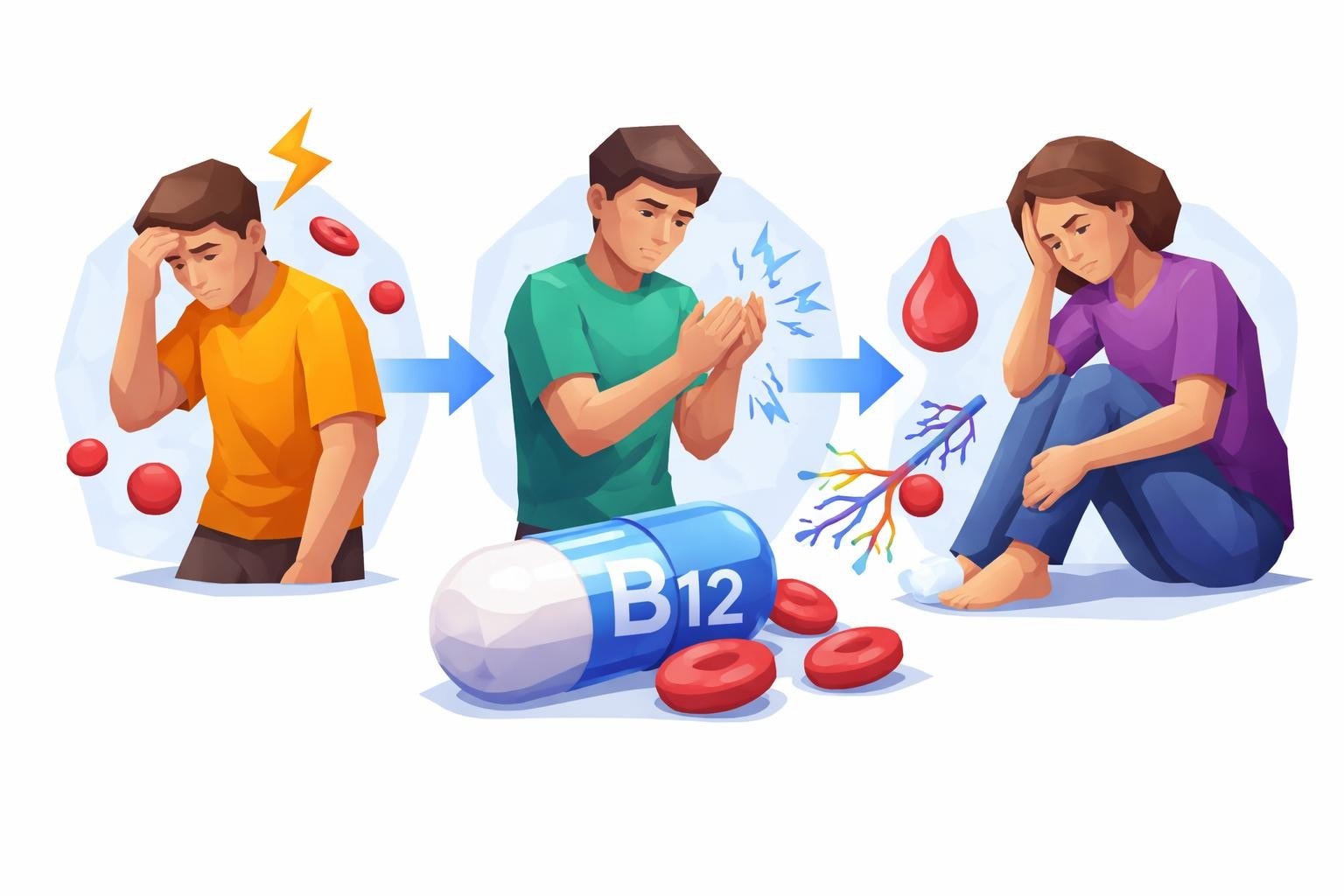
Vitamin B12 is essential for red blood cell formation, neurological function, and DNA synthesis. The National Institutes of Health notes that B12 deficiency commonly causes fatigue, weakness, and cognitive difficulties.
B12 deficiency develops gradually as body stores deplete. Vegetarians and vegans face higher risk since B12 occurs naturally only in animal products. Individuals over 50, people with digestive disorders, and those taking certain medications also experience increased deficiency rates.
Symptoms of B12 deficiency include:
- Persistent fatigue and weakness
- Cognitive difficulties and memory problems
- Numbness or tingling in extremities
- Balance problems
- Pale or yellowish skin
Vitamin D and Fatigue Connection
Vitamin D receptors exist throughout the body, including in muscle tissue and cells involved in energy production. Research on Vitamin D levels and fatigue demonstrates a clear association between low Vitamin D status and increased tiredness.
The energy and fatigue panel measures 25-Hydroxy Vitamin D, the storage form that best reflects overall Vitamin D status. Levels below 30 ng/mL are considered insufficient, while severe deficiency occurs below 20 ng/mL.
Vitamin D deficiency has become increasingly common as people spend more time indoors and use sunscreen consistently. Those living in northern latitudes, individuals with darker skin, and people with limited sun exposure face elevated risk.
Folate and Red Blood Cell Production
Folate (Vitamin B9) works closely with B12 in red blood cell formation. Folate deficiency causes a specific type of anemia where red blood cells become abnormally large and unable to carry oxygen efficiently.
Unlike B12 deficiency, folate deficiency typically develops more quickly since the body stores less folate. Poor dietary intake, excessive alcohol consumption, and certain medications can deplete folate levels rapidly.
Recommended Panel
Vitamin & Mineral Panel
Save $5This panel tests the most commonly deficient nutrients: Vitamin D, B12, Folate, Iron (with complete iron studies), Ferritin, and Magnesium - the building blocks your body needs to function optimally.
Includes 9 biomarkers
$64
Fasting required
Inflammation and Chronic Fatigue
Inflammation represents the immune system's response to injury, infection, or irritation. While acute inflammation serves a protective purpose, chronic low-grade inflammation taxes the body's resources and contributes to persistent fatigue.
C-Reactive Protein Measurements
C-Reactive Protein (CRP) is produced by the liver in response to inflammation throughout the body. Elevated CRP levels indicate active inflammation but don't specify the source.
Understanding the energy and fatigue panel includes recognizing that chronically elevated CRP may signal:
- Autoimmune conditions
- Chronic infections
- Cardiovascular disease
- Inflammatory bowel disease
- Obesity-related inflammation
High-sensitivity CRP (hs-CRP) can detect even subtle inflammation that might contribute to fatigue and other symptoms. Some research suggests chronic inflammation interferes with normal energy regulation pathways in the brain.
| CRP Level | Interpretation | Fatigue Correlation |
|---|---|---|
| Below 1.0 mg/L | Low inflammation risk | Unlikely contributor |
| 1.0-3.0 mg/L | Moderate inflammation | Possible contributor |
| Above 3.0 mg/L | High inflammation | Likely contributor |
| Above 10.0 mg/L | Acute inflammation | Active inflammatory process |
Accessing Energy and Fatigue Testing
Traditional pathways to comprehensive fatigue testing often involve multiple doctor appointments, insurance authorizations, and weeks of waiting. Many healthcare providers order tests sequentially rather than comprehensively, extending the diagnostic timeline.
Direct-access laboratory testing provides an alternative approach. Services like JustLabs allow individuals to order labs without a doctor visit, receiving results within 1-3 days. This model offers transparency in pricing and eliminates insurance complications that often delay testing.
When considering lab testing without insurance, comparing costs becomes essential. Understanding the energy and fatigue panel pricing helps individuals make informed decisions about their health investments.
Recommended Panel
Energy & Fatigue Panel
Save $4.50Fatigue has many causes - this panel tests for the most common ones: thyroid dysfunction, iron deficiency, vitamin deficiencies, anemia, and metabolic issues. Stop guessing, start knowing.
Includes 36 biomarkers
$72
Fasting required
When to Seek Testing
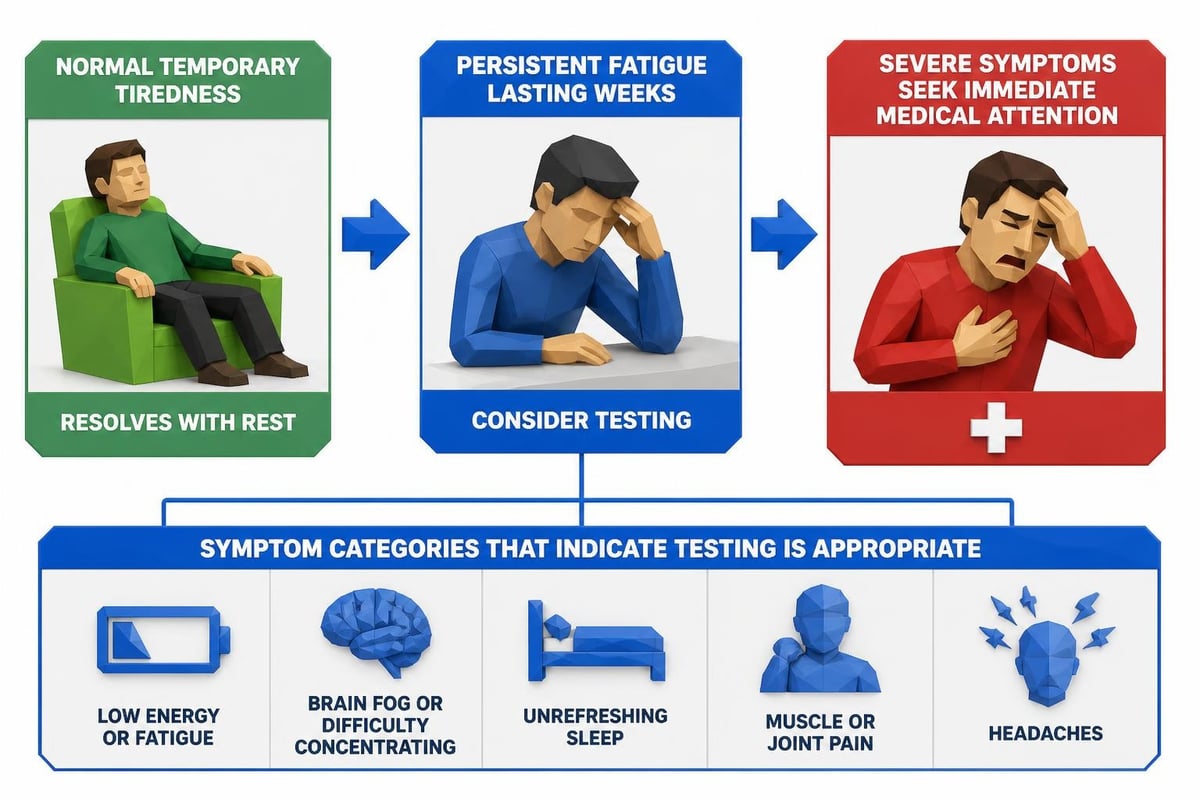
Certain symptoms and situations warrant comprehensive energy and fatigue panel testing:
- Persistent fatigue lasting more than two weeks despite adequate sleep
- Fatigue that interferes with work, relationships, or daily activities
- Unexplained weight changes accompanying tiredness
- Cognitive difficulties, brain fog, or memory problems
- Muscle weakness or exercise intolerance
- Family history of thyroid disease, diabetes, or autoimmune conditions
Important note: Severe or sudden-onset fatigue, especially when accompanied by chest pain, shortness of breath, severe headache, or other concerning symptoms, requires immediate medical evaluation rather than routine laboratory testing.
Interpreting Panel Results
Laboratory results provide valuable data, but understanding the energy and fatigue panel requires proper interpretation within clinical context. Reference ranges represent values seen in 95% of healthy individuals, meaning some normal people fall outside these ranges.
Working with Healthcare Professionals
While direct-access testing provides convenient data collection, interpretation often benefits from professional guidance. Healthcare providers consider symptoms, medical history, medications, and lifestyle factors alongside laboratory values.
Some markers require follow-up testing for confirmation. A single abnormal result may reflect temporary variation rather than persistent dysfunction. Thyroid function, for example, can fluctuate based on time of day, recent illness, or medication timing.
Results at the extreme ends of normal ranges sometimes warrant investigation even when technically "normal." An individual with TSH of 3.8 mIU/L falls within the standard range (0.4-4.0) but might benefit from closer monitoring if experiencing significant fatigue symptoms.
Multiple Abnormalities and Combined Effects
Rarely does a single abnormality fully explain persistent fatigue. More commonly, understanding the energy and fatigue panel reveals multiple minor deficiencies or borderline abnormalities that collectively impact energy levels.
For example, an individual might show:
- TSH at the high end of normal (3.5 mIU/L)
- Vitamin D insufficiency (25 ng/mL)
- Low-normal ferritin (20 ng/mL)
- Slightly elevated CRP (2.5 mg/L)
No single value appears drastically abnormal, yet the combined effect of suboptimal thyroid function, Vitamin D insufficiency, depleted iron stores, and mild inflammation could certainly produce significant fatigue.
Addressing Abnormal Results
Laboratory testing identifies problems; treatment addresses them. The specific interventions depend on which markers appear abnormal and the severity of dysfunction.
Thyroid Treatment Options
Hypothyroidism typically requires thyroid hormone replacement medication. Levothyroxine, a synthetic T4 hormone, represents the most common treatment. Some individuals require combination therapy with T3 supplementation.
Thyroid medication dosing requires monitoring and adjustment. Follow-up testing occurs 6-8 weeks after starting treatment or changing doses to ensure optimal hormone levels.
Correcting Anemia and Nutrient Deficiencies
Iron deficiency treatment depends on severity and underlying cause. Oral iron supplements work for most people, though some require higher doses or intravenous iron infusion. Identifying and addressing the cause of iron loss (heavy menstrual bleeding, digestive bleeding, poor absorption) prevents recurrence.
Vitamin B12 deficiency may be treated with oral supplements, sublingual tablets, or intramuscular injections. The delivery method depends on whether absorption problems contribute to the deficiency.
Vitamin D supplementation typically involves daily or weekly doses of Vitamin D3. Severe deficiency sometimes requires higher initial "loading" doses followed by maintenance therapy. Many healthcare providers recommend maintaining levels above 30 ng/mL and ideally between 40-60 ng/mL.
Lifestyle Modifications
While some causes of fatigue require medical treatment, lifestyle factors significantly influence energy levels. Comprehensive approaches address both laboratory abnormalities and modifiable behaviors.
Evidence-based energy improvement strategies include:
- Consistent sleep schedule with 7-9 hours nightly
- Regular physical activity, even moderate walking
- Balanced nutrition with adequate protein and complex carbohydrates
- Stress management techniques
- Limiting alcohol and caffeine, especially near bedtime
- Addressing sleep disorders like sleep apnea
Cost Considerations and Testing Access
Healthcare costs represent a significant barrier to comprehensive testing for many Americans. Understanding the energy and fatigue panel pricing helps individuals budget appropriately and avoid surprise bills.
Traditional insurance-based testing involves copays, deductibles, and potential balance billing. The final cost often remains unclear until weeks after testing. Additionally, insurance companies may deny coverage for certain tests they deem unnecessary.
Transparent, upfront lab test pricing allows individuals to make informed decisions without insurance uncertainty. Self-pay testing often costs less than insurance-based testing after deductibles, particularly for those with high-deductible plans.
The JustLabs Energy & Fatigue Panel is $72 plus the one $18 order fee ($90 all-in), compared to $500-1000 or more through traditional healthcare channels with insurance processing.
Geographic Access to Testing
Laboratory collection sites exist throughout most of the United States, making testing accessible to both urban and rural populations. Major laboratory networks operate thousands of patient service centers nationwide.
Using services that partner with national laboratory chains ensures convenient access. Individuals can typically find collection sites within a short drive regardless of location. The JustLabs process connects customers with nearby collection facilities for convenient blood draws.
Understanding the energy and fatigue panel empowers individuals to investigate the biological roots of persistent tiredness through comprehensive, targeted testing. By measuring thyroid function, blood health, metabolic markers, nutritional status, and inflammation simultaneously, these panels provide actionable insights that guide effective interventions. When persistent fatigue impacts your quality of life, comprehensive laboratory testing offers a clear starting point for identifying treatable causes. JustLabs makes this process straightforward with transparent pricing, convenient online ordering, and results delivered in 1-3 days, eliminating the delays and uncertainty of traditional testing pathways.
Related Reading

References
Biondi B, Cappola AR, Cooper DS. Subclinical Hypothyroidism: A Review. JAMA. 2019 Jul 9;322(2):153-160. doi: 10.1001/jama.2019.9052. PMID: 31287527. https://pubmed.ncbi.nlm.nih.gov/31287527/
Chaker L, Razvi S, Bensenor IM, Azizi F, Pearce EN, Peeters RP. Hypothyroidism. Nat Rev Dis Primers. 2022 May 19;8(1):30. doi: 10.1038/s41572-022-00357-7. PMID: 35589725. https://pubmed.ncbi.nlm.nih.gov/35589725/
Auerbach M, DeLoughery TG, Tirnauer JS. Iron Deficiency in Adults: A Review. JAMA. 2025 May 27;333(20):1813-1823. doi: 10.1001/jama.2025.0452. PMID: 40159291. https://pubmed.ncbi.nlm.nih.gov/40159291/
Green R, Allen LH, Bjørke-Monsen AL, Brito A, Guéant JL, Miller JW, Molloy AM, Nexo E, Stabler S, Toh BH, Ueland PM, Yajnik C. Vitamin B(12) deficiency. Nat Rev Dis Primers. 2017 Jun 29;3:17040. doi: 10.1038/nrdp.2017.40. PMID: 28660890. https://pubmed.ncbi.nlm.nih.gov/28660890/
Green R, Datta Mitra A. Megaloblastic Anemias: Nutritional and Other Causes. Med Clin North Am. 2017 Mar;101(2):297-317. doi: 10.1016/j.mcna.2016.09.013. PMID: 28189172. https://pubmed.ncbi.nlm.nih.gov/28189172/
Tardy AL, Pouteau E, Marquez D, Yilmaz C, Scholey A. Vitamins and Minerals for Energy, Fatigue and Cognition: A Narrative Review of the Biochemical and Clinical Evidence. Nutrients. 2020 Jan 16;12(1). doi: 10.3390/nu12010228. PMID: 31963141. https://pubmed.ncbi.nlm.nih.gov/31963141/