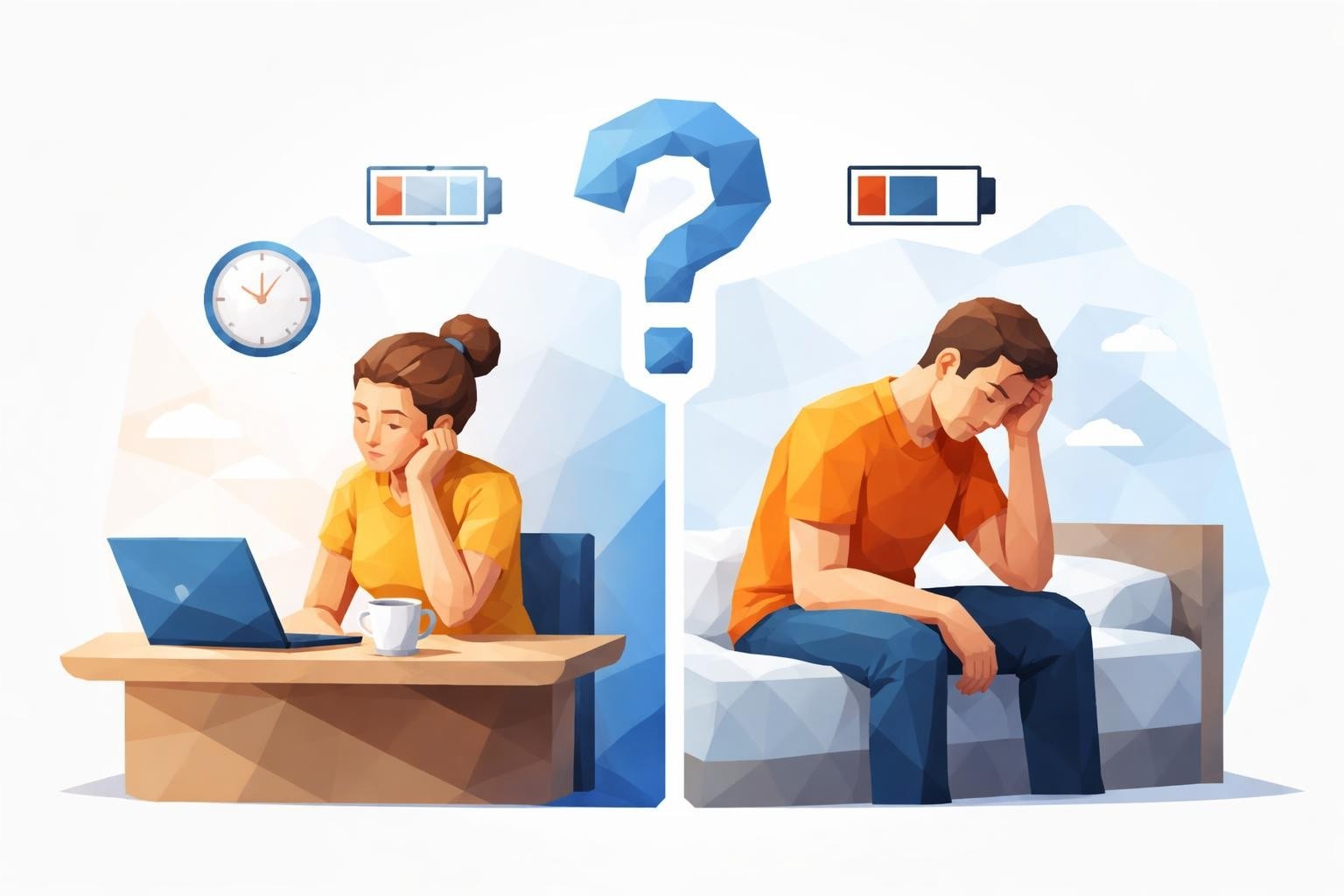
Many people use the terms "low energy" and "fatigue" interchangeably, but these conditions represent distinctly different experiences with unique underlying causes. Recognizing the difference between low energy vs fatigue is essential for addressing your symptoms effectively and determining whether you need medical intervention. While low energy typically stems from lifestyle factors and resolves with rest or minor adjustments, fatigue represents a more persistent, systemic issue that often requires investigation through laboratory testing to identify the root cause.
Understanding Low Energy
Low energy describes the temporary state of feeling less vigorous or enthusiastic than usual. This condition typically develops gradually throughout the day and responds well to basic interventions like rest, nutrition, or stress management.
Common characteristics of low energy include:
- Mild tiredness that improves after sleeping
- Reduced motivation or enthusiasm for activities
- Slower physical and mental performance
- Temporary nature, usually lasting hours or a few days
- Direct connection to identifiable lifestyle factors
Most people experience low energy after inadequate sleep, during periods of high stress, or when skipping meals. The sensation resembles running on half a tank of gas rather than being completely depleted. Various factors contribute to feelings of low energy, particularly lifestyle choices and daily habits.
Causes of Low Energy
Low energy typically originates from modifiable circumstances within your control. Poor sleep quality or insufficient sleep duration ranks among the most common culprits, with adults requiring seven to nine hours of quality rest nightly.
Dietary choices significantly impact energy levels throughout the day. Skipping breakfast, consuming excessive refined carbohydrates, or maintaining irregular eating patterns creates energy fluctuations that leave you feeling depleted.
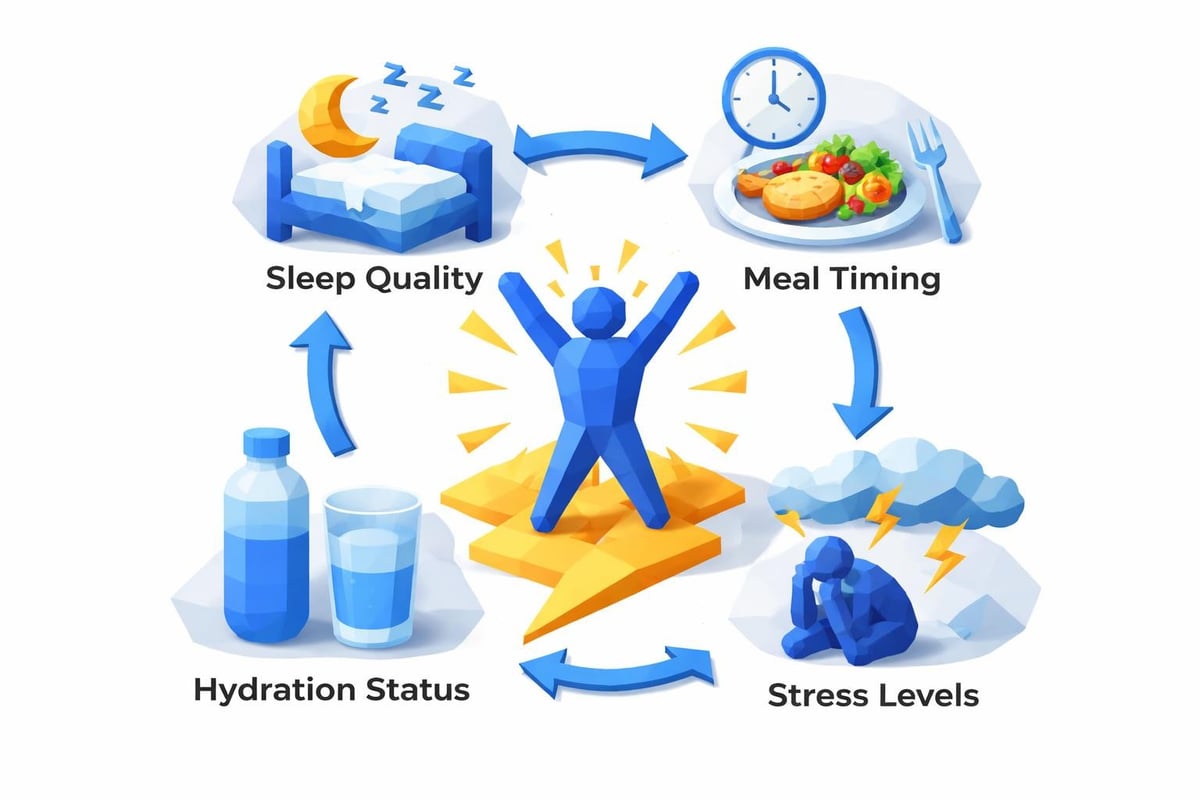
Dehydration reduces blood volume and forces your heart to work harder, creating feelings of sluggishness. Physical inactivity paradoxically contributes to low energy, as regular movement actually boosts overall vitality. Mental and emotional stress drains cognitive resources, leaving you feeling mentally exhausted even without physical exertion.
Defining True Fatigue
Fatigue represents a profound state of exhaustion that persists despite adequate rest and significantly interferes with daily functioning. Unlike low energy, fatigue is a complex condition that often signals underlying health issues requiring medical attention.
The experience of fatigue extends beyond simple tiredness. Individuals describe it as overwhelming exhaustion that makes even basic tasks feel impossible. This isn't the normal tiredness that follows a busy day but rather a persistent heaviness that adequate sleep fails to resolve.
Types of Fatigue
Medical professionals recognize several distinct categories of fatigue. Physical fatigue manifests as muscle weakness and reduced capacity for physical activity, even when you haven't exerted yourself. Mental fatigue impairs concentration, decision-making abilities, and cognitive processing speed.
Chronic fatigue persists for six months or longer and often accompanies medical conditions. Acute fatigue develops suddenly and typically has an identifiable trigger, though it may indicate a developing health problem. Central fatigue originates in the brain and nervous system, affecting motivation and perceived effort, while peripheral fatigue involves the muscles themselves.
| Feature | Low Energy | Fatigue |
|---|---|---|
| Duration | Hours to days | Weeks to months |
| Response to rest | Improves significantly | Minimal improvement |
| Impact on function | Mild to moderate | Moderate to severe |
| Underlying cause | Lifestyle factors | Often medical conditions |
| Recovery timeline | Rapid with intervention | Prolonged, requires treatment |
Medical Conditions Associated with Fatigue
Understanding low energy vs fatigue becomes critical when fatigue persists because numerous medical conditions manifest through profound exhaustion. Identifying these conditions requires targeted laboratory testing.
Hormonal Imbalances
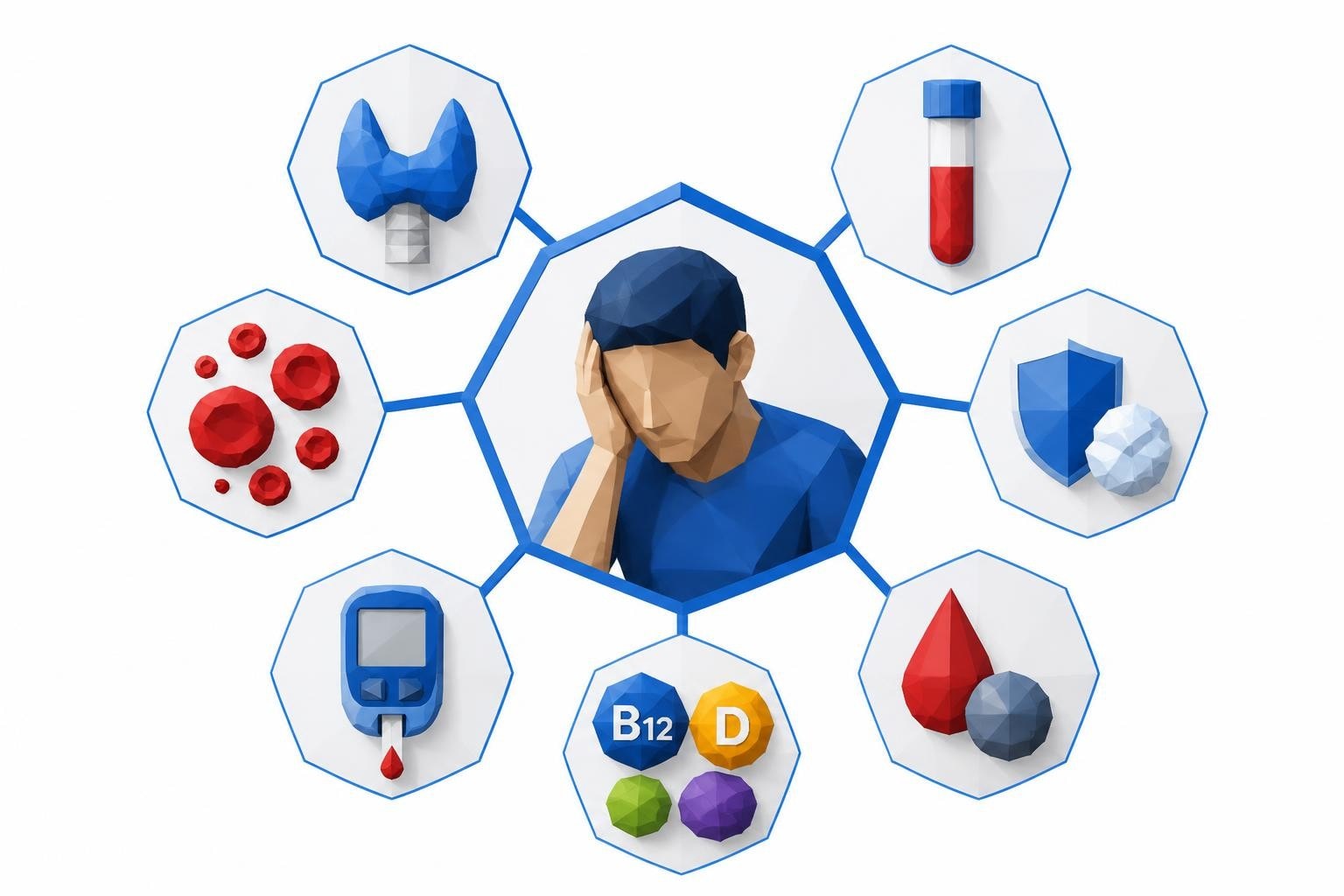
Thyroid dysfunction stands as one of the most common medical causes of persistent fatigue. Hypothyroidism slows metabolism, creating overwhelming tiredness, weight gain, and cold sensitivity. The thyroid panel measuring TSH, Free T3, and Free T4 reveals whether your thyroid functions properly.
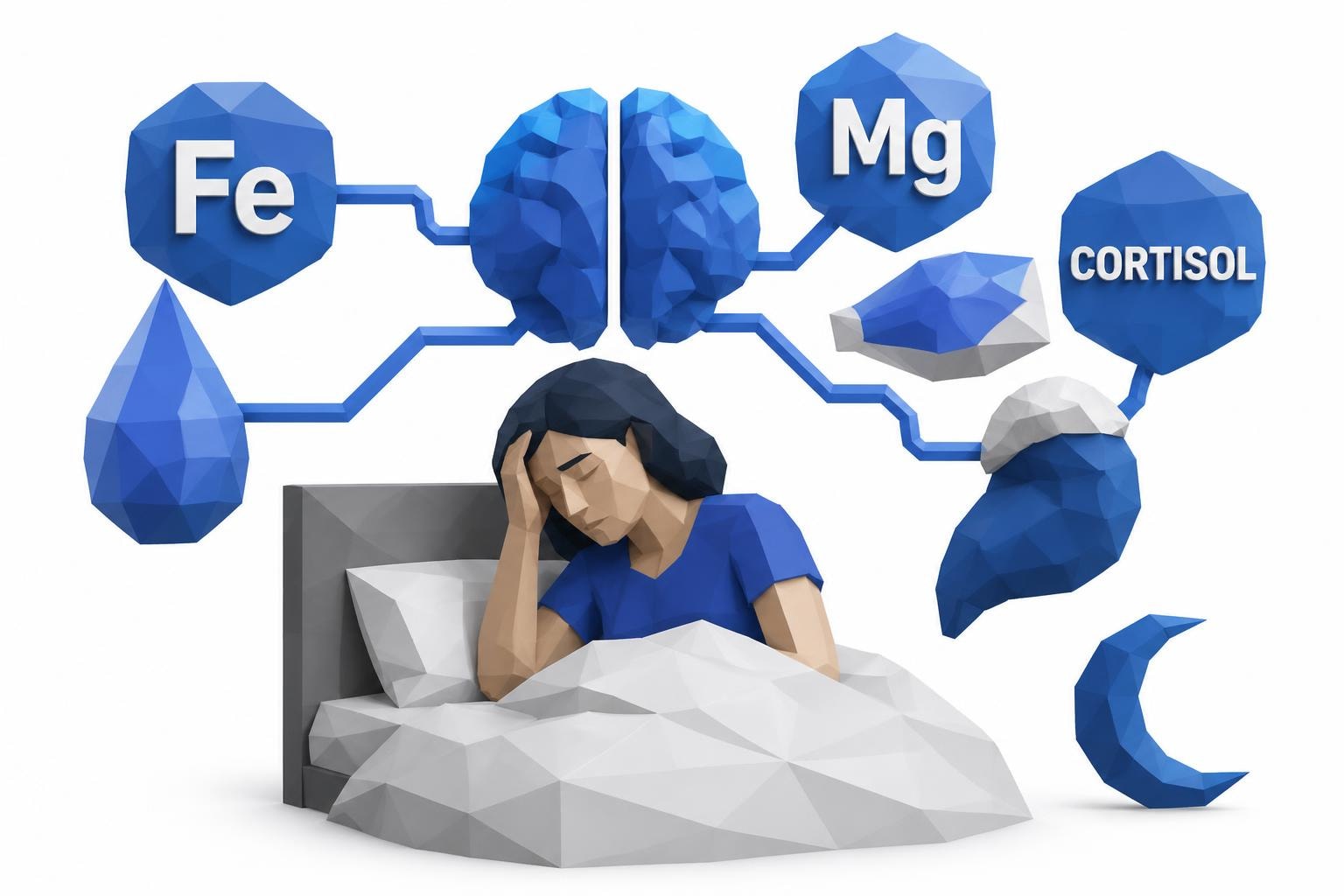
Adrenal insufficiency prevents your body from producing adequate cortisol, the hormone regulating energy metabolism and stress response. This condition creates debilitating fatigue that worsens throughout the day. Diabetes and prediabetes cause fatigue through blood sugar dysregulation, with A1C testing measuring long-term glucose control.
Nutritional Deficiencies
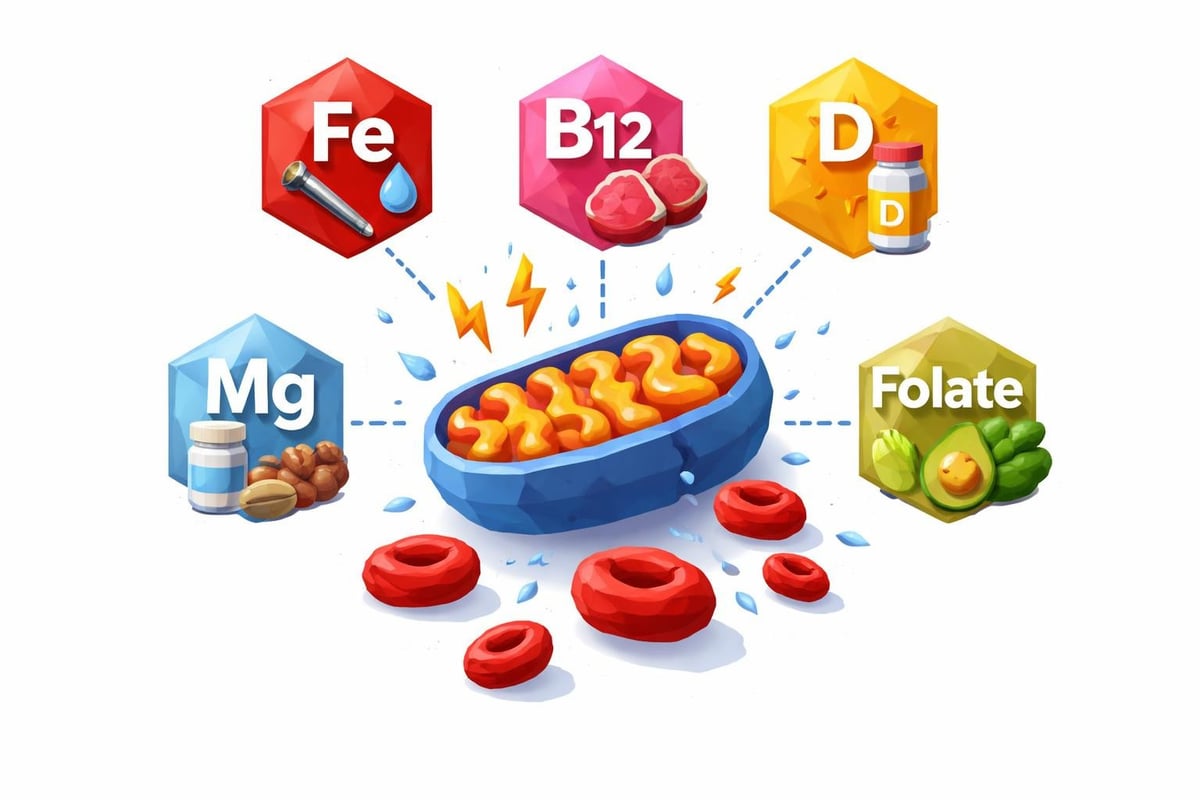
Specific nutrient deficiencies directly cause persistent fatigue. Iron deficiency anemia reduces oxygen-carrying capacity in blood, creating profound exhaustion and weakness. Vitamin B12 deficiency impairs red blood cell production and neurological function, manifesting as fatigue, weakness, and cognitive difficulties.
Vitamin D deficiency affects muscle function and energy metabolism. Magnesium participates in over 300 enzymatic reactions, including energy production, making deficiency a common fatigue contributor. Folate deficiency similarly impacts red blood cell formation and energy levels.
Chronic Medical Conditions
Numerous chronic illnesses present with fatigue as a primary symptom. Chronic kidney disease impairs the body's ability to filter waste products and maintain electrolyte balance, creating persistent exhaustion. Liver disease disrupts metabolism and toxin elimination, contributing to overwhelming tiredness.
Autoimmune conditions like lupus, rheumatoid arthritis, and multiple sclerosis trigger systemic inflammation that drains energy. Heart disease reduces circulation efficiency, limiting oxygen delivery to tissues. Chronic infections, including Epstein-Barr virus or Lyme disease, tax the immune system and create lasting fatigue.
Understanding the different types of fatigue helps identify when medical evaluation becomes necessary rather than simply attributing tiredness to busy schedules.
Differentiating Between Low Energy and Fatigue
The distinction between low energy vs fatigue hinges on several key factors that help determine whether you need medical intervention or lifestyle modifications.
Duration and Persistence
Low energy typically resolves within days once you address the contributing factors. A few good nights of sleep, improved nutrition, or reduced stress restores your normal energy levels. Fatigue persists for weeks or months regardless of rest, indicating a deeper problem requiring investigation.
Response to Rest and Sleep
One of the clearest differentiators involves how your body responds to adequate rest. Low energy improves noticeably after proper sleep, with most people waking refreshed after seven to nine hours of quality rest. Fatigue persists despite sleeping sufficient hours, with individuals often reporting that they wake feeling as exhausted as when they went to bed.
Impact on Daily Activities
Low energy slows you down but doesn't prevent you from completing necessary tasks. You might work less efficiently or skip optional activities, but you can still function. Fatigue significantly impairs your ability to perform daily activities, with basic tasks like showering, preparing meals, or working feeling overwhelming or impossible.
Red flags indicating fatigue rather than simple low energy:
- Exhaustion lasting more than two weeks
- Sleep that doesn't refresh you
- Inability to complete normal daily tasks
- Unexplained weight changes
- Fever or night sweats
- Severe muscle or joint pain
- Swollen lymph nodes
- Cognitive difficulties beyond mild brain fog
Laboratory Testing for Persistent Fatigue
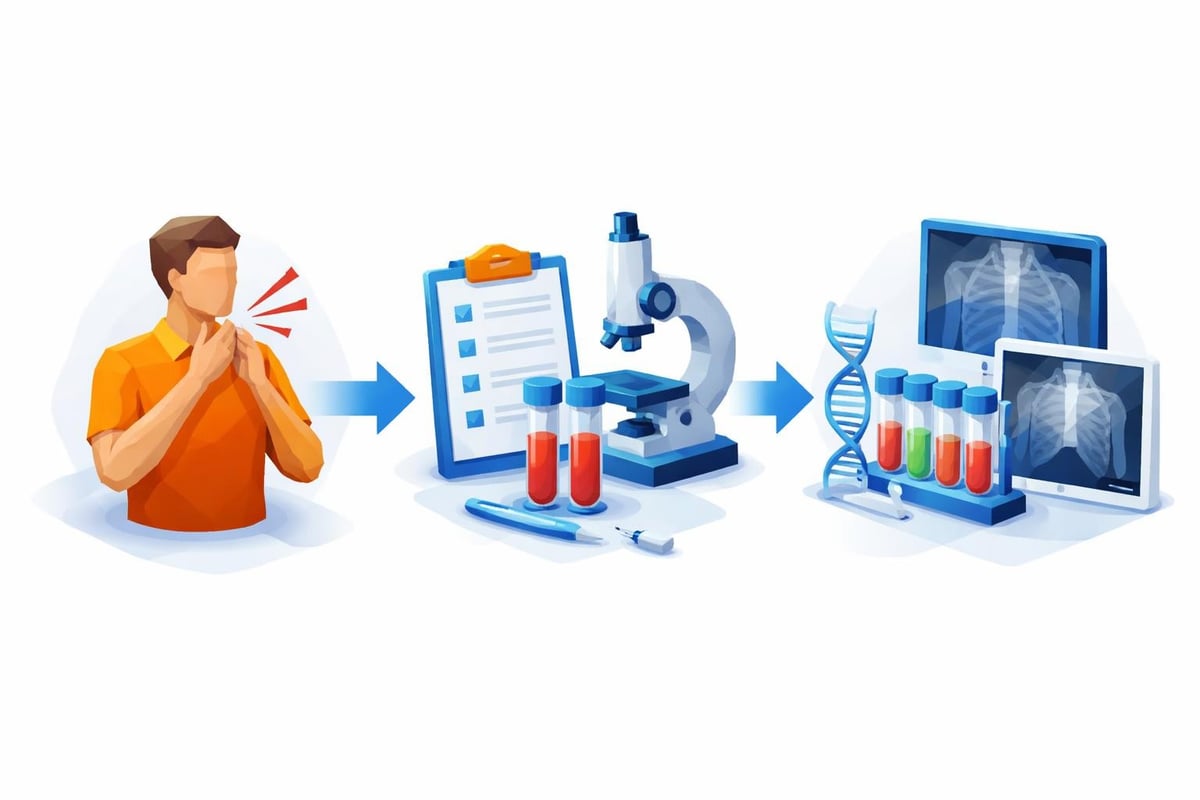
When fatigue persists beyond a reasonable timeframe, laboratory testing becomes essential for identifying underlying causes. Ordering labs without a doctor through services like JustLabs provides quick access to diagnostic information without lengthy wait times for appointments.
Essential First-Line Tests
A complete blood count evaluates red blood cells, white blood cells, and platelets, revealing anemia, infection, or blood disorders. The comprehensive metabolic panel assesses kidney function, liver function, electrolyte balance, and blood glucose levels.
Thyroid function tests measure TSH, Free T3, and Free T4 to identify hypothyroidism or hyperthyroidism. Iron studies including serum iron, ferritin, TIBC, and transferrin saturation determine iron deficiency anemia. Vitamin B12 and folate levels identify deficiencies affecting energy production and red blood cell formation.
Recommended Panel
Energy & Fatigue Panel
Save $4.50Fatigue has many causes - this panel tests for the most common ones: thyroid dysfunction, iron deficiency, vitamin deficiencies, anemia, and metabolic issues. Stop guessing, start knowing.
Includes 36 biomarkers
$72
Fasting required
| Test Panel | What It Reveals | Common Findings in Fatigue |
|---|---|---|
| Complete Blood Count | Red blood cells, white blood cells, platelets | Anemia, infection indicators |
| Comprehensive Metabolic Panel | Kidney, liver, glucose, electrolytes | Diabetes, kidney disease, electrolyte imbalances |
| Thyroid Panel | Thyroid hormone levels | Hypothyroidism, hyperthyroidism |
| Iron Studies | Iron stores and transport | Iron deficiency anemia |
| Vitamin D | Vitamin D status | Deficiency affecting muscle function |
| Hemoglobin A1C | Long-term glucose control | Diabetes or prediabetes |
Specialized Testing Based on Symptoms
Additional testing may be warranted depending on accompanying symptoms. Hemoglobin A1C provides a three-month average of blood sugar levels, identifying diabetes or prediabetes more reliably than single glucose measurements.
Vitamin D levels frequently run low in individuals with persistent fatigue, particularly those with limited sun exposure. C-reactive protein and erythrocyte sedimentation rate measure inflammation levels, helpful when autoimmune conditions are suspected.
Testosterone levels affect energy in both men and women, with deficiency contributing to fatigue, reduced motivation, and decreased muscle mass. Cortisol testing evaluates adrenal function, particularly when fatigue worsens with stress or follows a daily pattern.
Understanding lab results helps you interpret findings and have informed discussions with healthcare providers about next steps.
Recommended Test
Ferritin
Ferritin is the best indicator of your body's iron stores. Low ferritin is one of the most common causes of fatigue, especially in women.
Includes 1 biomarkers
$10
Recommended Test
Vitamin B12
Vitamin B12 is essential for nerve function, DNA synthesis, red blood cell formation, and energy production. Deficiency is common and often undiagnosed.
Includes 1 biomarkers
$8
When to Seek Testing
Determining when low energy crosses into fatigue territory requiring medical investigation depends on specific criteria. The two-week rule provides a useful guideline: if profound exhaustion persists for two weeks or longer despite adequate sleep, nutrition, and stress management, testing becomes appropriate.
Sudden onset fatigue without clear explanation warrants prompt evaluation, especially if accompanied by other symptoms like fever, unexplained weight loss, or pain. Fatigue that progressively worsens over time rather than remaining stable suggests an evolving medical condition.
Self-Assessment Questions
Ask yourself these questions to determine whether your symptoms represent low energy or fatigue requiring investigation:
- Does sleep refresh you or do you wake exhausted?
- Has your tiredness persisted for more than two weeks?
- Do you struggle to complete activities you previously managed easily?
- Have you noticed other unexplained symptoms?
- Does rest fail to improve how you feel?
- Has your work or social life suffered due to exhaustion?
Answering "yes" to multiple questions suggests fatigue rather than simple low energy and indicates that testing may provide valuable answers.
Lifestyle Interventions for Low Energy
Before pursuing extensive testing, implementing targeted lifestyle modifications can resolve low energy effectively. These interventions also complement medical treatment when fatigue stems from identified health conditions.
Sleep Optimization
Prioritize consistent sleep schedules, going to bed and waking at the same times daily, even on weekends. Create an environment conducive to rest by maintaining bedroom temperatures between 60-67°F, eliminating light sources, and reducing noise.
Limit screen exposure for one to two hours before bed, as blue light suppresses melatonin production. Avoid caffeine after 2 PM and alcohol close to bedtime, as both disrupt sleep architecture despite alcohol's initial sedating effects.
Energy-boosting nutrition strategies:
- Eat balanced meals every 3-4 hours to maintain stable blood sugar
- Prioritize protein at breakfast to sustain morning energy
- Include complex carbohydrates for steady fuel release
- Stay hydrated with at least 64 ounces of water daily
- Limit refined sugars that cause energy crashes
- Consider iron-rich foods if menstruating or vegetarian
Movement and Stress Management
Regular physical activity paradoxically increases energy levels despite expending calories. Aim for 150 minutes of moderate exercise weekly, breaking this into manageable 20-30 minute sessions. Morning movement particularly enhances alertness and sustains energy throughout the day.
Stress management techniques including meditation, deep breathing exercises, or progressive muscle relaxation reduce the cognitive load depleting mental energy. Time management strategies preventing overcommitment preserve energy reserves for priorities.
Accessing Convenient Testing
When lifestyle modifications fail to resolve persistent tiredness, distinguishing between low energy vs fatigue through laboratory testing provides actionable information. Transparent lab test pricing through JustLabs eliminates surprise bills and makes testing accessible.
Traditional healthcare often requires scheduling doctor appointments, explaining symptoms, obtaining referrals, and waiting weeks for testing authorization. This process delays diagnosis and treatment initiation, prolonging discomfort and uncertainty.
Self-pay testing services streamline this process by allowing you to order tests online and visit convenient laboratory locations without appointments. Results typically arrive within one to three days, providing quick answers that inform your next steps.
Many individuals facing persistent fatigue find that getting labs without insurance through self-pay services costs less than insurance copays and deductibles while providing faster access to diagnostic information. This approach proves particularly valuable when insurance requires extensive documentation before authorizing testing.
Taking Action on Test Results
Laboratory testing provides objective data, but interpreting results and implementing appropriate interventions determines outcomes. Abnormal findings warrant consultation with healthcare providers who can prescribe medications, recommend specialists, or order additional testing.
Some deficiencies respond well to over-the-counter supplementation. Vitamin D deficiency typically improves with 1,000-2,000 IU daily supplementation, though higher doses under medical supervision may be necessary for severe deficiency. Iron deficiency requires iron supplementation, though absorption varies and side effects often occur.
Vitamin B12 deficiency may necessitate injections rather than oral supplementation, particularly when absorption issues exist. Thyroid dysfunction requires prescription medication carefully titrated to achieve optimal hormone levels.
Normal test results don't invalidate your experience but suggest that less common causes or conditions not covered by initial testing may be responsible. This information guides further evaluation toward specialized testing for conditions like chronic fatigue syndrome, sleep disorders, or mental health conditions that manifest as physical exhaustion.
The difference between low energy vs fatigue extends beyond semantics to affect diagnostic approaches and treatment strategies. Accurate differentiation ensures appropriate intervention whether that involves lifestyle modification or medical treatment.
Recognizing whether you're experiencing low energy or true fatigue guides appropriate action and prevents unnecessary suffering. When persistent exhaustion interferes with your daily life despite lifestyle modifications, laboratory testing identifies underlying causes and enables targeted treatment. JustLabs makes this process simple by offering convenient, affordable access to comprehensive testing panels without requiring insurance or doctor visits, delivering results in one to three days so you can move forward with answers and solutions.